Tournai Cathedral
Tournai Cathedral, Belgium
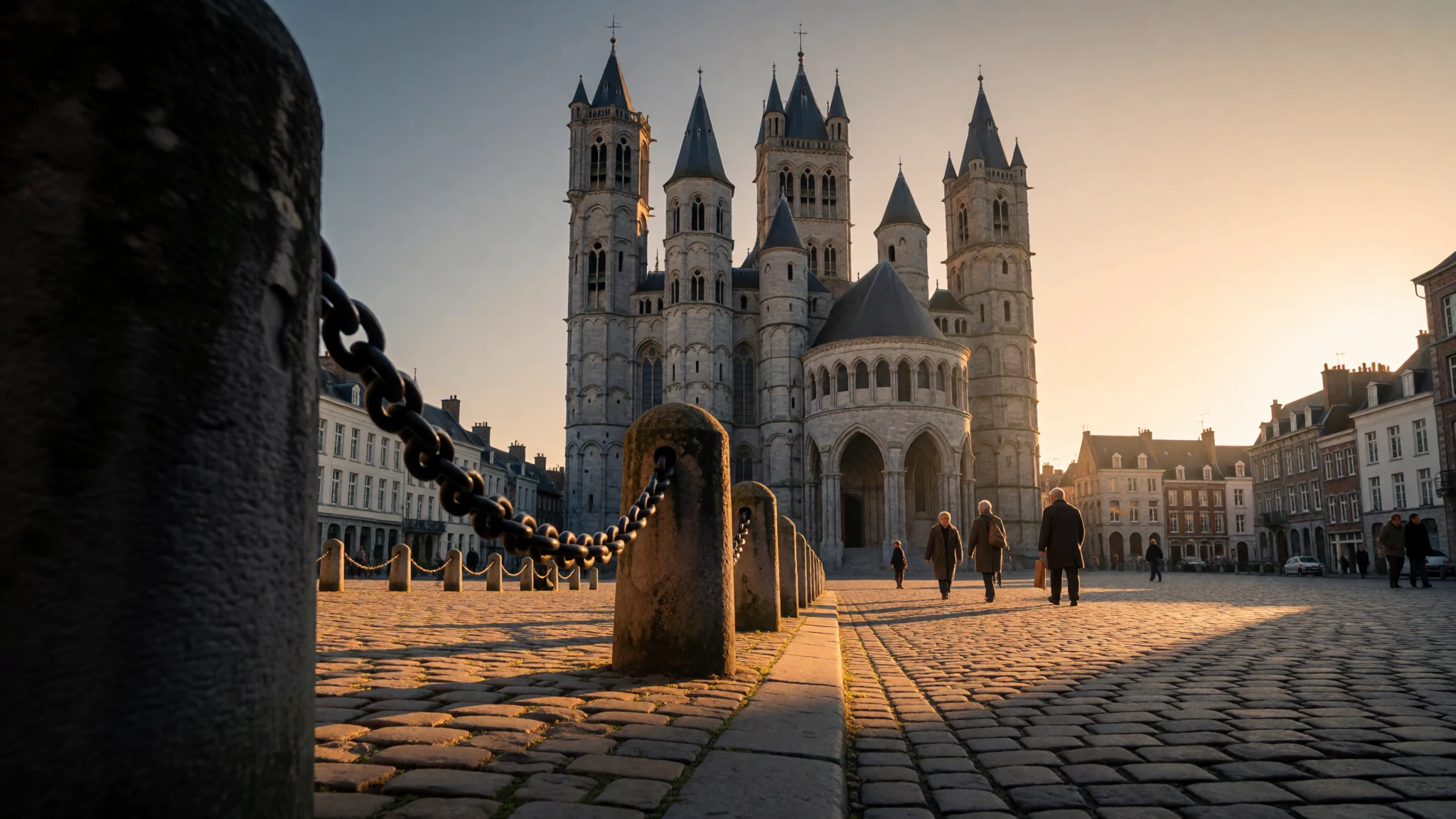
Tournai Cathedral is a Roman Catholic cathedral where Romanesque gravity meets Gothic ambition in stone and light.
The place
Tournai Cathedral (French: Notre-Dame de Tournai; Dutch: Onze-Lieve-Vrouw van Doornik) sits in Tournai, Belgium, and it’s the Roman Catholic cathedral for the Diocese of Tournai. Even from outside, it feels different from the sleeker, later cathedrals people often picture: the building’s mass and rhythm give a steady, almost fortress-like presence.
Inside, the contrast is the hook. The cathedral’s long construction story is visible in layers—different parts show different architectural “dialects”, from heavier Romanesque forms to the more refined development of Gothic. A standout is the transept area, which brings a cluster of five bell towers into the skyline and gives the plan a strong sense of direction.
Location helps too. Tournai’s cathedral stands within a compact city centre, so it’s easy to pair a focused cathedral visit with an easy walk for streets, bridges and the river corridor nearby. The Scheldt runs through the city, and the waterfront atmosphere makes the area feel lived-in rather than museum-quiet.
One practical note: the cathedral has been undergoing repairs and investigation since damage from an extreme storm event in the late 1990s, so some areas may look like active works rather than an all-done interior. That doesn’t lessen the experience; it just means it’s worth going with realistic expectations about access and the exact look of the spaces on the day.
If the aim is to see how European church architecture evolves—and how a city builds around its major landmark—Tournai Cathedral delivers in a way that feels personal, not overwhelming.
Its story
Tournai Cathedral’s story starts with a local seat of church power: a diocese centred on Tournai emerged in the early medieval period, and the cathedral building took shape on rising ground near the Scheldt. The stone itself matters here. The cathedral is built from a blue-grey local material, and over time it gives the interior a cool, grounded feel.
The current structure began in the medieval period on older foundations, but it was never “one style, one moment”. Instead, it’s an architectural conversation across design phases. The nave leans into Romanesque character with a heavier, more severe mood, while other parts shift towards later approaches. The transept is the clearest expression of this change: its ends are semicircular, and its bell-tower cluster turns the crossing area into a visual anchor.
Later changes also shaped what visitors see. In the 13th century, an earlier choir was replaced with a Gothic choir designed on grander proportions, inspired by major French models. The building programme that followed didn’t fully continue the same plan elsewhere, so the result is not a uniform “completed” look; it’s a cathedral that shows its edits.
Craft and symbolism stayed central. A key decorative feature is the rood screen, carved by Cornelis Floris, which dates to the Renaissance period and adds a different kind of richness—more figurative and intricate—against the older stone architecture.
Modern history adds one more chapter. The cathedral suffered severe storm damage in the late 20th century, and since then it has been maintained through extensive repairs and archaeological work. So visiting now is also seeing a monument that’s literally being cared for and understood.
What to see
- Tournai Cathedral (Notre-Dame de Tournai) — Cathedral square area (city centre)
Tournai Cathedral is known for an unusually well-preserved Romanesque nave feel, with statues and architectural details that reward slow looking rather than quick photos.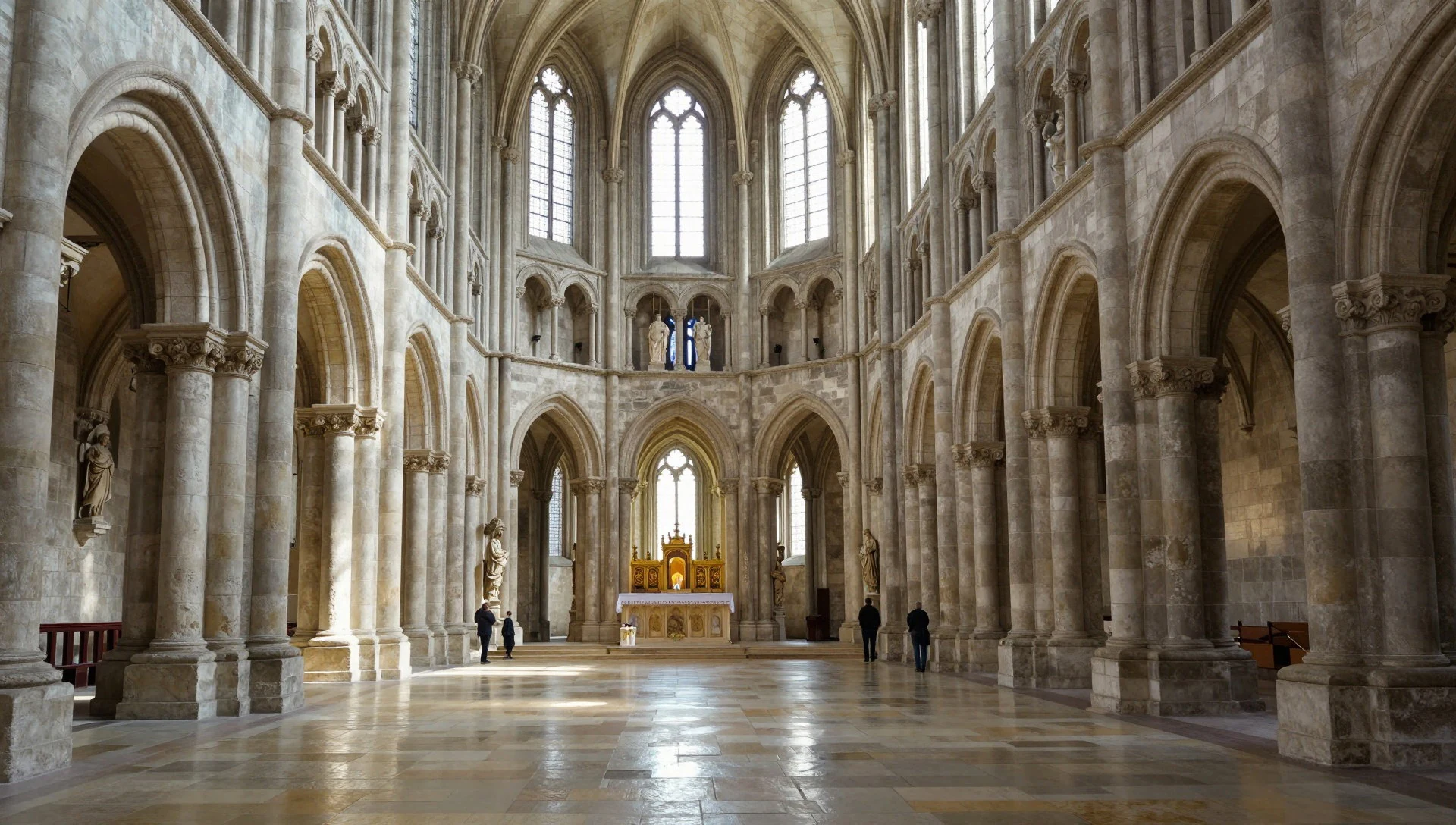
- Transept and five bell towers — North-south axis near the crossing (city centre)
Tournai Cathedral’s transept stands out, framed by a cluster of five bell towers with apsidal ends; together they make the crossing area easy to read from outside.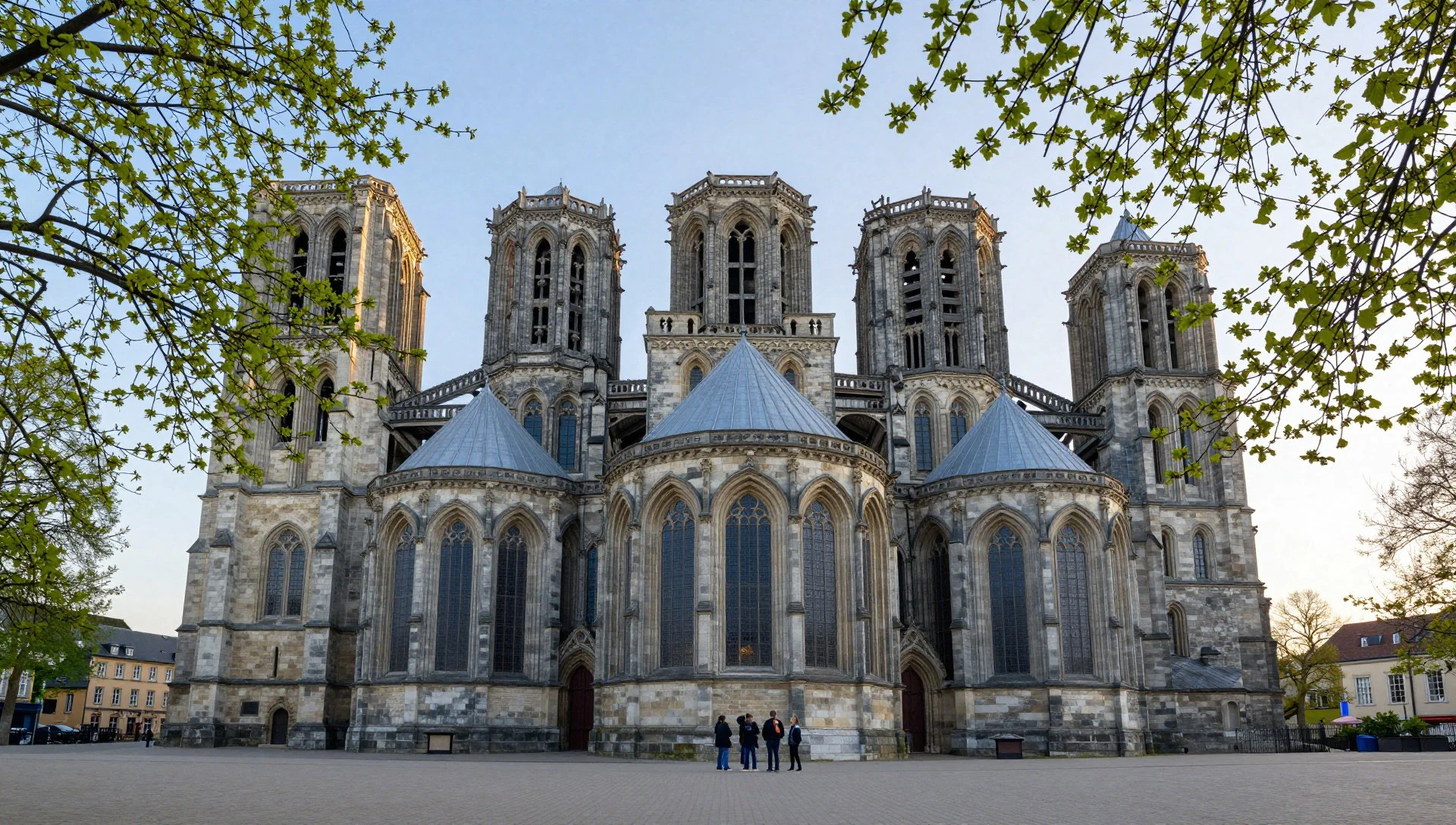
- Western porch façade — Cathedral western entrance (city centre)
The western porch façade forms a practical “arrival moment”: it’s one of the places where the cathedral’s medieval layers feel tactile, with carved surfaces that catch daylight.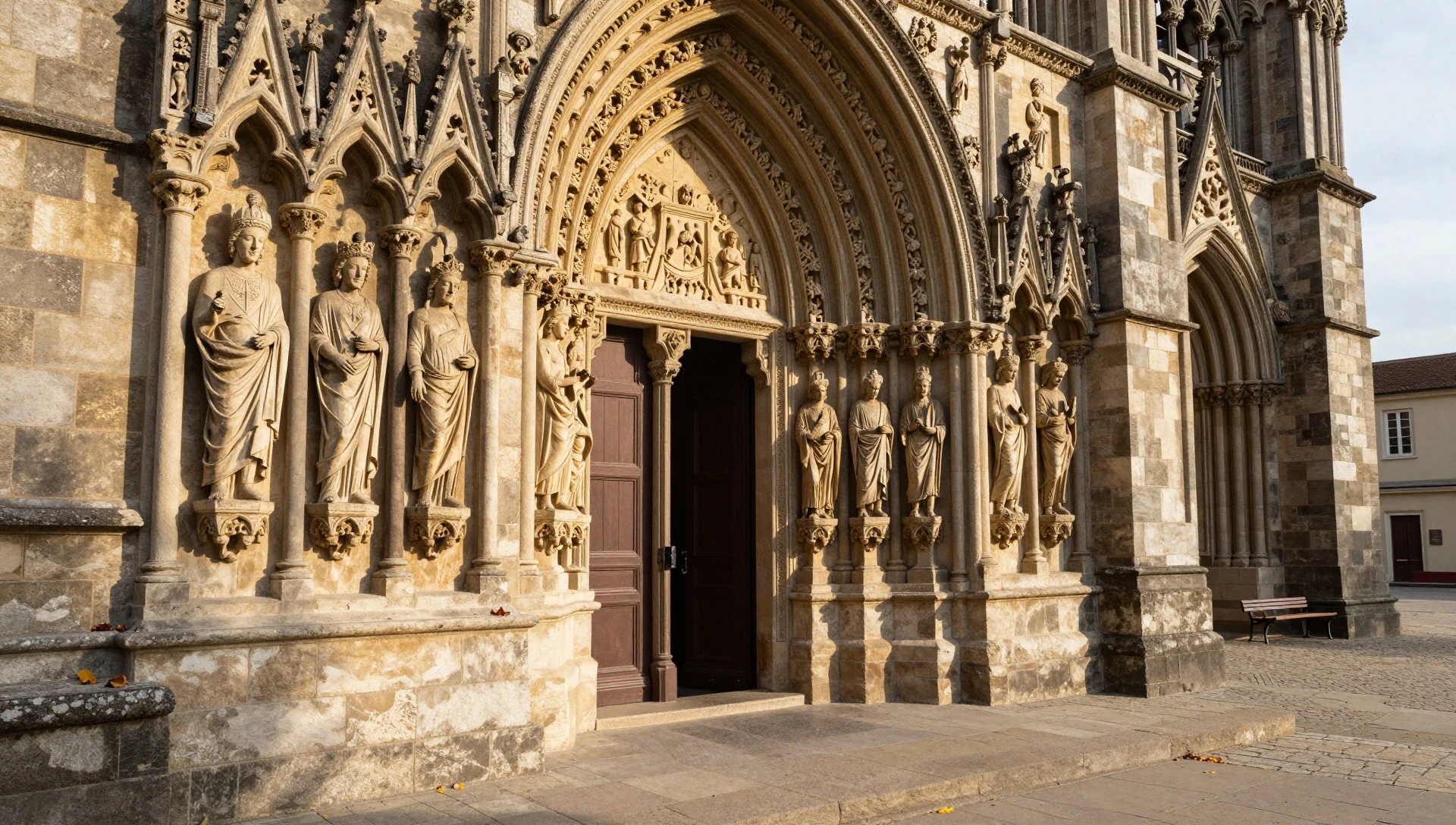
- Choir and interior sculpture — Inside the choir and crossing (cathedral interior)
Inside, the Gothic choir sits alongside older Romanesque sections, and the Renaissance rood screen by Cornelis Floris brings a different texture of sculpture and rhythm.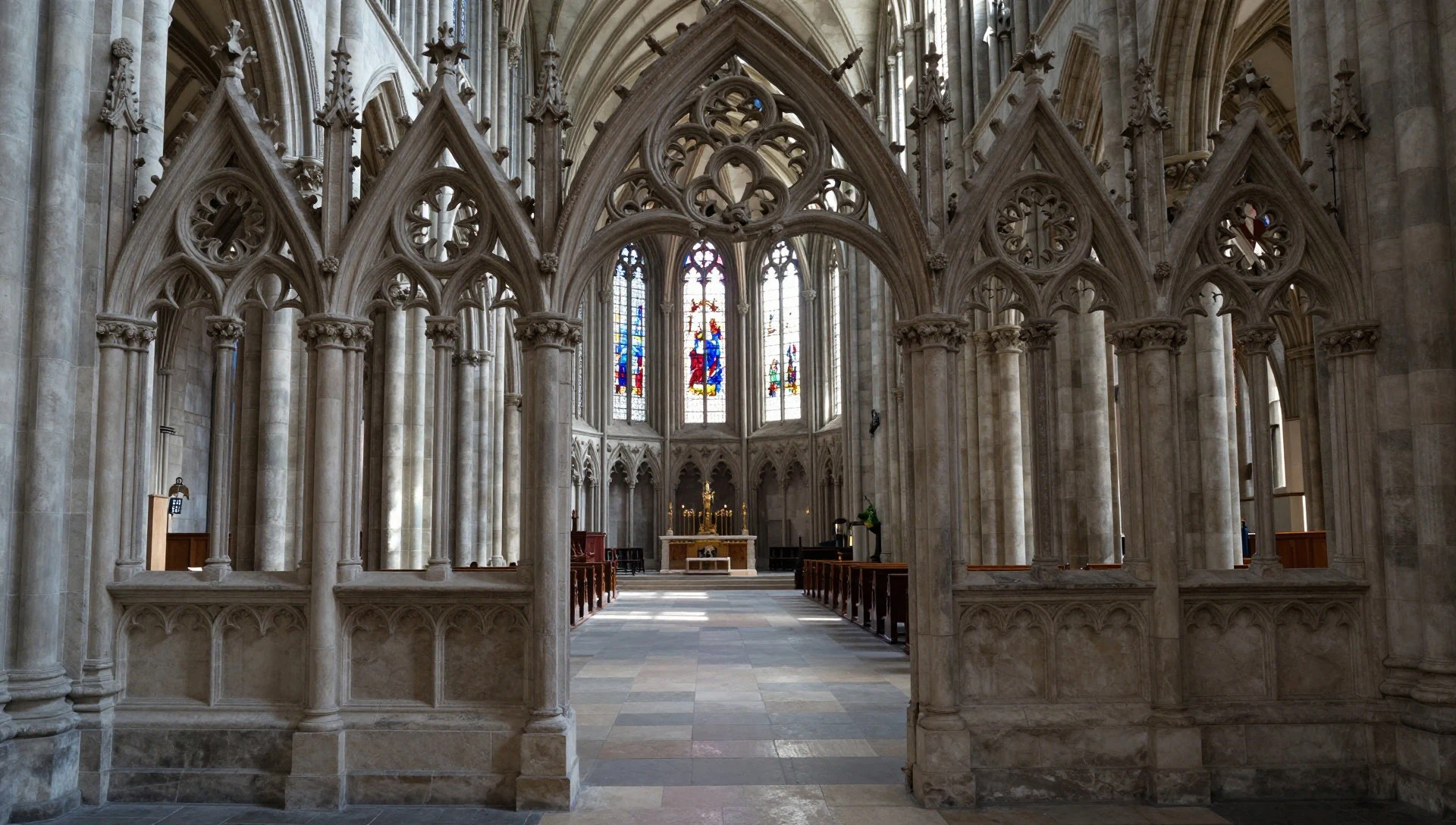
- Grand-Place and the Scheldt corridor — Grand-Place and riverside walks
Grand-Place is the main square for a quick city reset, and it links naturally to the Scheldt river corridor—useful for a breather between cathedral rooms.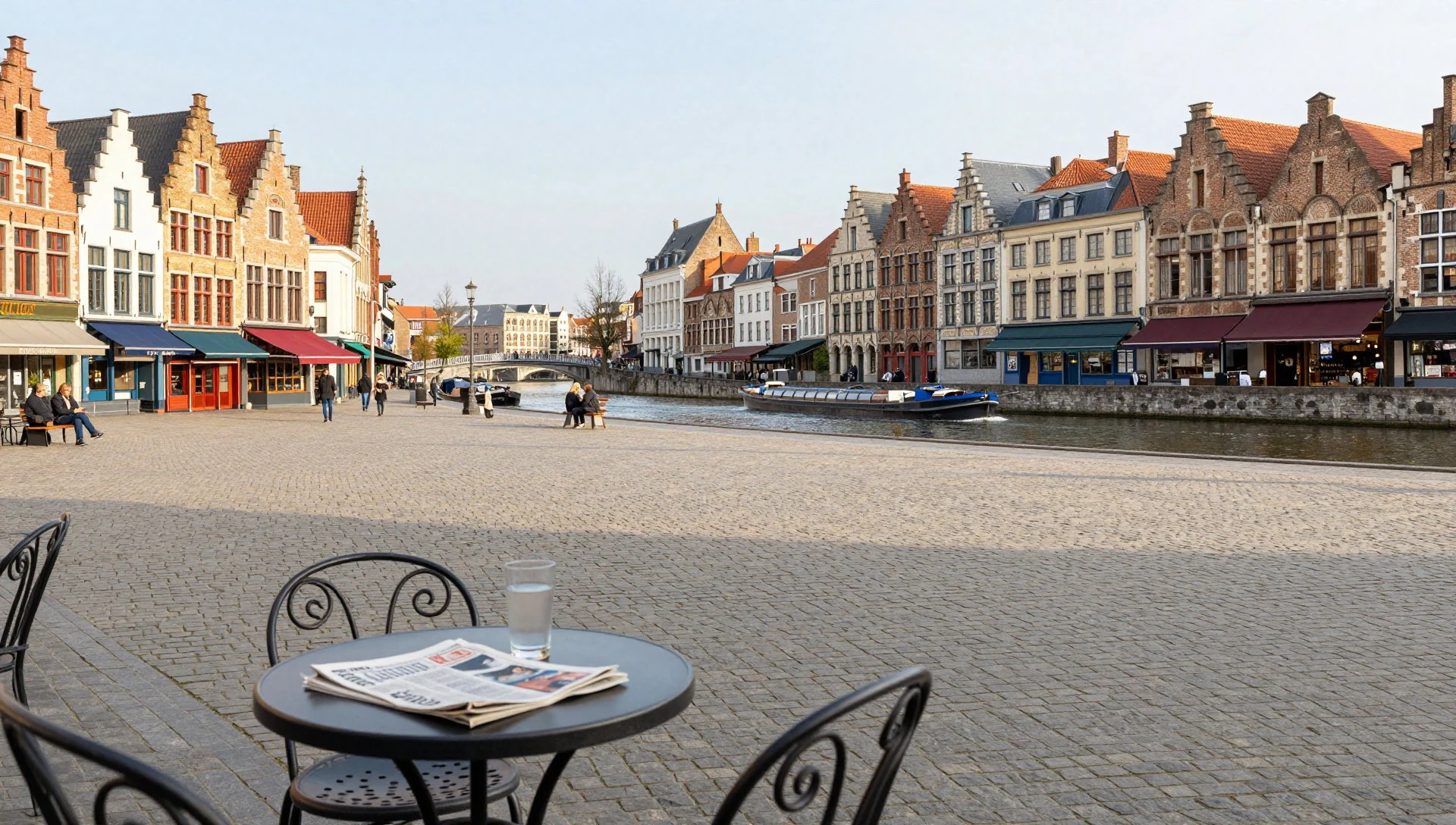
- Pont des Trous — Scheldt river edge (near bridges)
Pont des Trous is a surviving slice of medieval military river infrastructure on the Scheldt. Walking near it helps place the cathedral in a city shaped by water and crossings.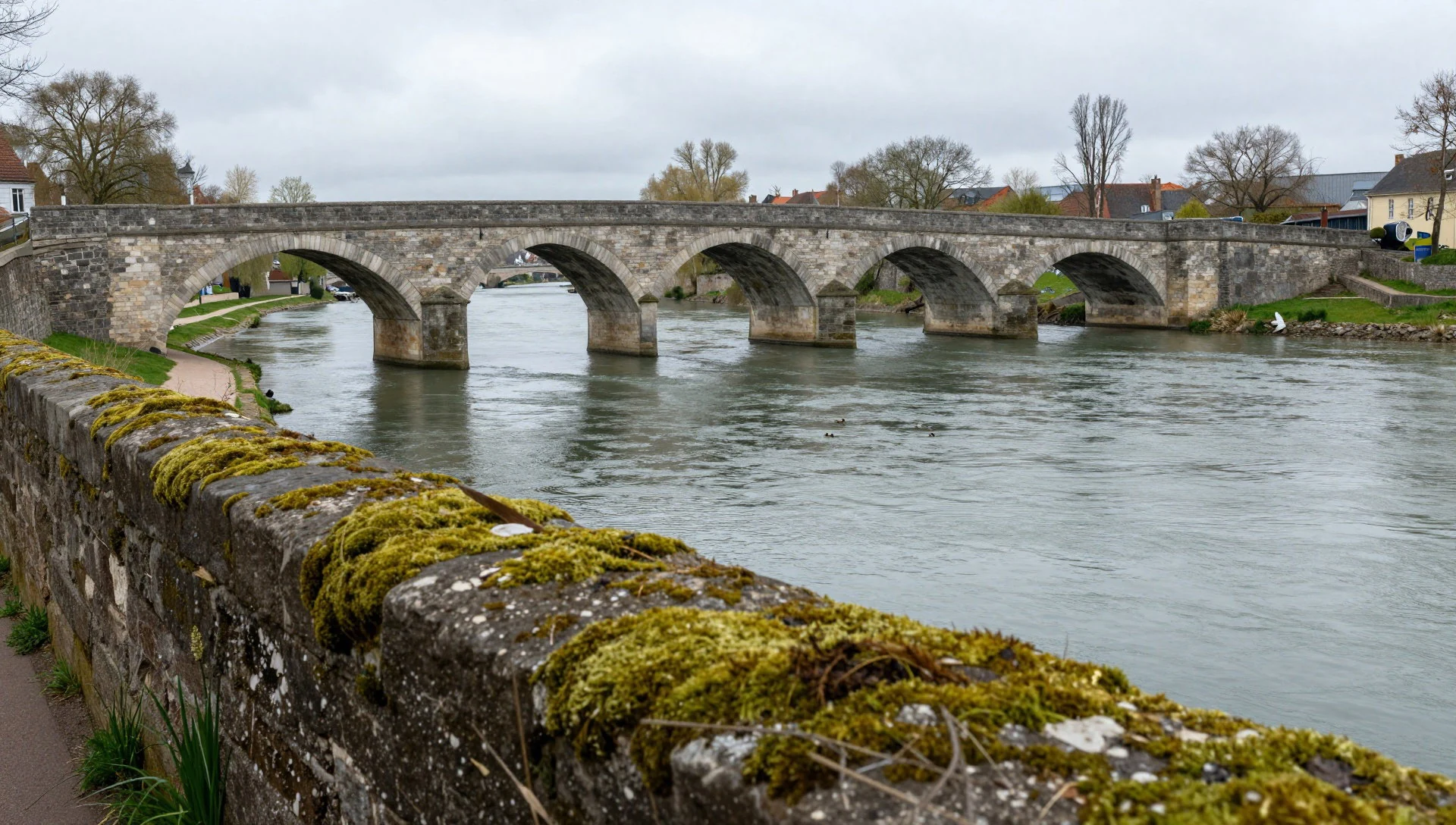
Culture
Tournai Cathedral is part of Belgium’s wider heritage of Christian architecture, but it also works like a live building in a real city. One reason it feels special is that its appearance isn’t frozen in time: the long construction story means visitors see transitions between styles, and the later damage-and-repair work means the cathedral can look “in progress” at the edges.
Tournai’s calendar can be a factor too. The city is associated with the Great Procession of Tournai, a religious parade that has been held regularly for many centuries, using religious objects and a route through town. If your travel dates line up, it adds a communal layer to what is otherwise a mostly architectural visit.
Practical culture is simpler on the ground: in a working Roman Catholic cathedral, behaviour matters even when the crowd is casual. Keep conversations low inside, and remember that some areas can be roped off for safety during restoration.
The cathedral sits in a city that also has a belfry and museums nearby, so it’s easy to build a day that mixes interiors with street-level wandering.
Visitor etiquette: keep voices down inside and avoid stepping into roped areas or construction zones.
What to wear
Tournai Cathedral is a Roman Catholic cathedral, so dress is about comfort plus respect. There isn’t a single “cathedral uniform”, but the building is a place where modesty signals matter.
For traditional attire, you’ll occasionally see Belgian and nearby regional styles on the street: women may wear dresses or skirts, and men often wear shirts and trousers. Textiles tend to be practical for day-to-day weather rather than ceremonial; the local look is usually cotton or wool, depending on season.
What people wear now for cathedral visits is much more everyday: light layers in spring and autumn, warmer coats in colder months, and closed shoes because medieval stones can be uneven and slippery when it rains.
For a visitor, aim for shoulders and knees covered, especially if entering a worship space for any service. Choose layers that can be removed for temperature shifts—cathedrals can feel cooler than the street. Bring socks or shoes with grip: the cathedral area is walkable, but you don’t want to risk slips on damp paving.
What to eat
- Boulangerie-style pastries and sandwiches — City centre around Grand-Place
In central Tournai, bakeries and small sandwich counters make an easy pre- or post-cathedral bite. Look for places around the main squares and central streets where locals pop in between errands.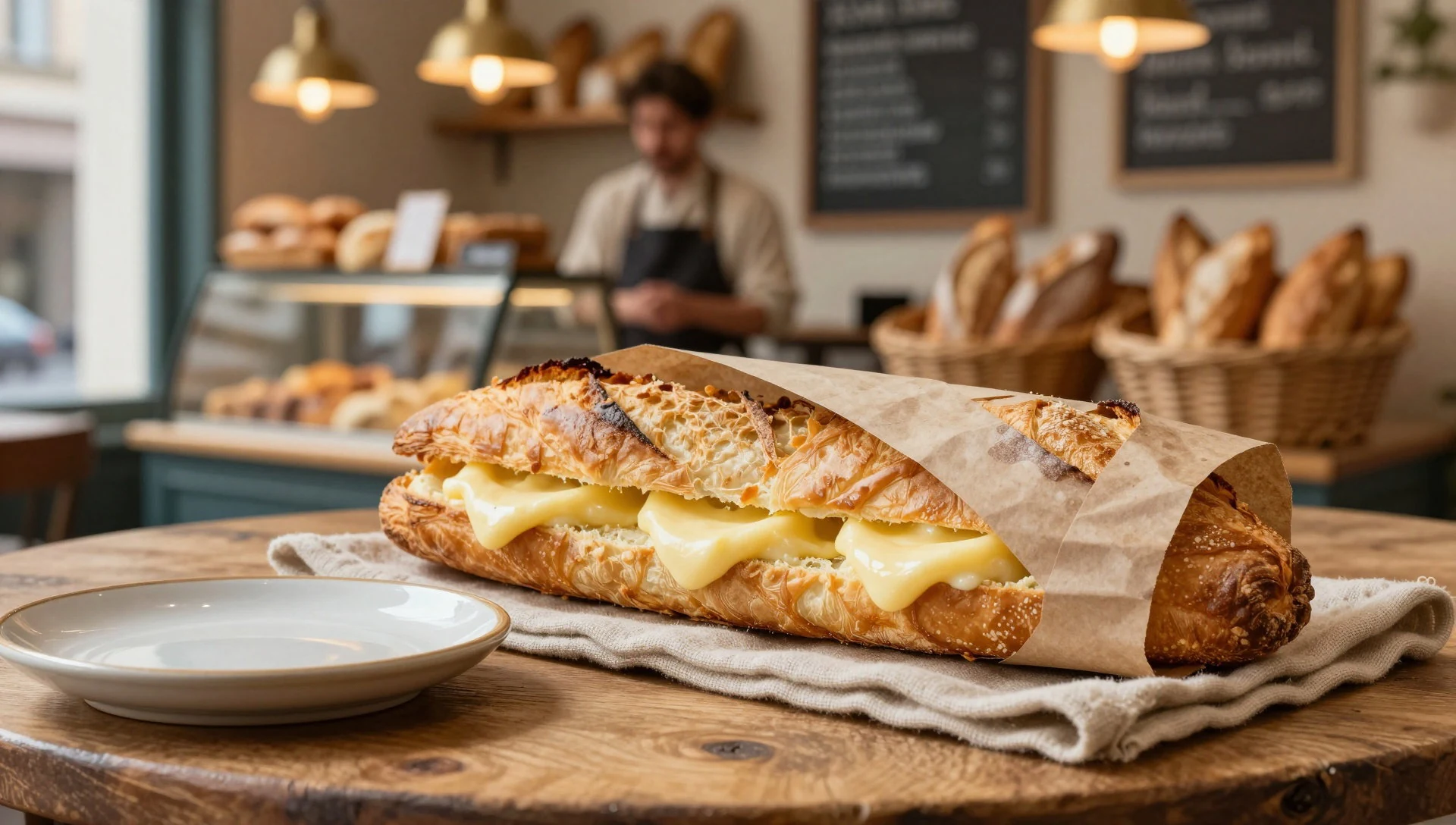
- Local beers and seasonal Belgian drinks — Bars and cafés in the city centre
Tournai is a good base for Belgian beer hopping without overplanning. For a relaxed break, choose a café or bar in the centre and order something local; it pairs well with long walking days.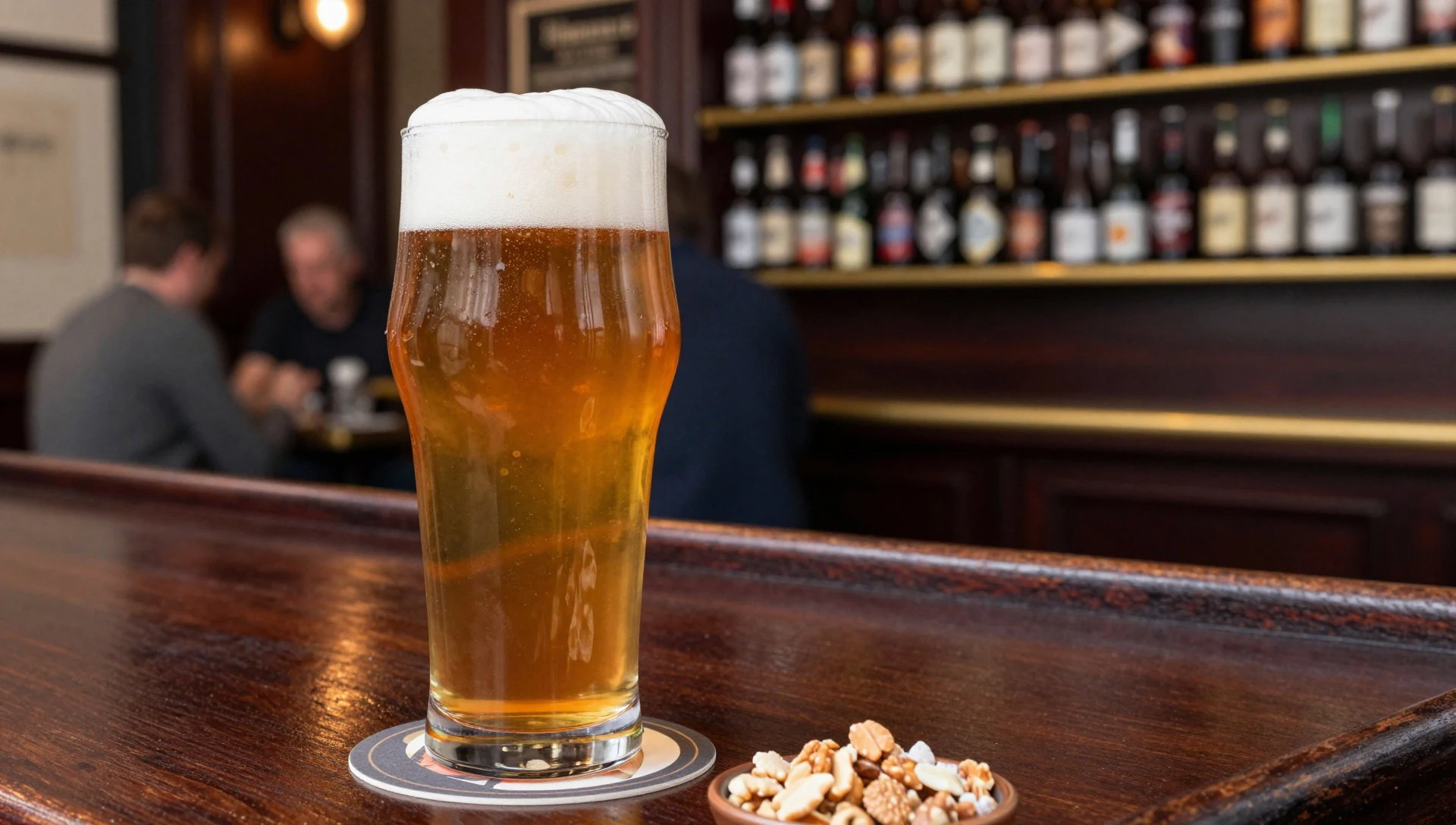
- Rubens-inspired art café experience — Near the Museum of Fine Arts area
If museum time slots into the day, treat lunch as part of the outing—cafés near museums are convenient when galleries run longer than expected. - Japanese food (Sakura) — Sakura (Tournai)
For a change of pace, Sakura is a Japanese restaurant option in Tournai—useful if the weather turns and everyone wants something familiar and comforting. - Cocktails and late-afternoon drinks (Quai des Bananes Tournai) — Quai des Bananes Tournai (outskirts)
Quai des Bananes Tournai is a cocktail bar on the outskirts—nice for unwinding after walking, especially if the city centre feels too busy. - Gourmet walking tour via the tourist office — Ask at the local tourist office
Tournai’s tourist office can point visitors towards a gourmet walking tour that strings together local products and places like breweries—handy if food research feels like too much.
Plan it
Best time. April and November for comfortable sightseeing; March–April suits milder light and less intense spring crowds, while October–November often feels cooler and easier for walking. Summer can be hot and busy, and winter days can feel colder in stone interiors.
How long. 2–3
Getting there. Reach Tournai by train from across Belgium via SNCB/NMBS; Tournai Railway Station is on the northern edge of the city centre, then it’s an easy walk to the cathedral area. If flying, use Lille Lesquin (LIL) as the closest airport, then connect onward to Tournai.
Budget. mid
Tips
- Start early to photograph the façade and interior without the lunchtime bustle.
- Build the day around walking between the cathedral, river views, and nearby museums to avoid backtracking.
- If the cathedral looks like it has work areas, be patient—repairs and investigation have been ongoing for years.
- Bring small cash for smaller stalls or quick snacks, even if many places accept cards.
- Pack a light layer for temperature shifts; stone interiors can feel cooler than the street.
Etiquette
- Keep voices low inside and pause for worshippers when you pass through.
- Respect any roped-off restoration zones or temporary barriers.
- Avoid blocking views while photographing—step aside when people need to move.
Nearby
Sources
- Wikidata Q391229 (CC0)
- Wikipedia — Tournai Cathedral (CC BY-SA 4.0)
- Wikivoyage — Tournai (CC BY-SA 4.0)
- Photo photos/01-tournai-pan.jpg (CC BY 2.5)
