Ometepe
Ometepe, Nicaragua
Ometepe is a two-volcano island in Lake Nicaragua where plantain farms, forest hikes and slow bicycle days replace the usual beach itinerary.
The place
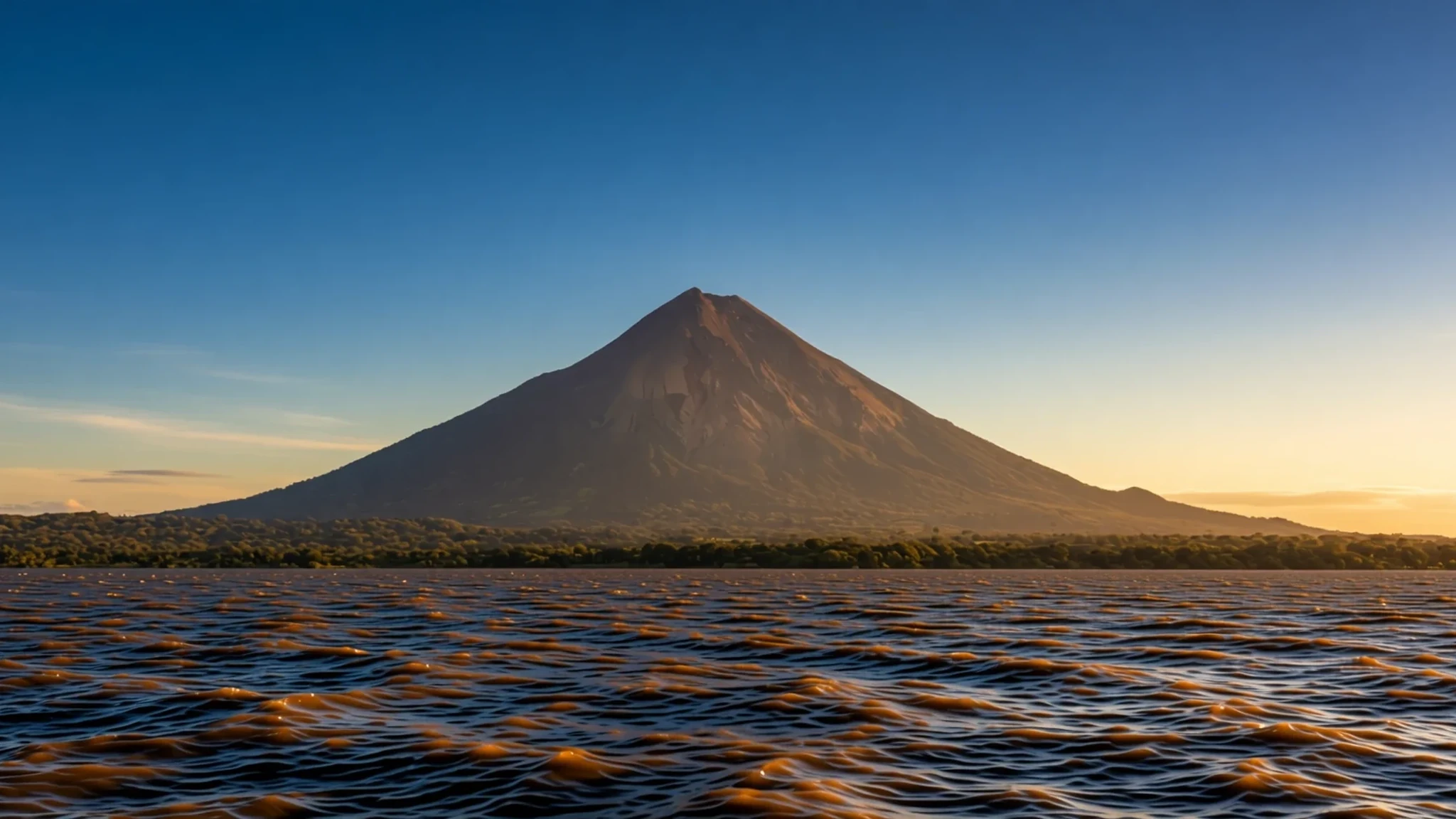
Ometepe is a single island made of two volcanoes, Concepción and Maderas, joined by a low neck of land in the middle of Lake Nicaragua, also called Cocibolca. The name comes from the Nawat words for two mountains, and from the ferry the logic is obvious: two cones, one active and one dormant, lifting straight out of the water. The island is about 31 km long and between 5 and 10 km wide, with roughly 34,000 residents. Maderas is the older, forested one, with a crater lake near the top. Concepción is the tall, symmetrical cone that is still active, and its summit is often wrapped in cloud. The island is a UNESCO Biosphere Reserve, and most people live by farming, keeping livestock and, increasingly, hosting visitors. Plantains are the main crop, and they turn up at nearly every meal. Moyogalpa is the main port and the busiest village, with Altagracia the other larger settlement. Beyond them, villages are small, roads are slow and distances are bigger than the map suggests. Locals like to call the island an oasis of peace, because it escaped much of the violence that marked the rest of the country's recent history. It is not a party destination. Visitors spread out quickly after landing, so even in the dry season most of the island feels uncrowded. Black volcanic sand, howler monkeys in the forest and strong steady winds off the lake set the mood.
Its story
Ometepe has been settled far longer than it has been visited. Petroglyphs carved into rock at several places on the island, including near Finca El Porvenir and on the slopes of Maderas, are evidence of earlier peoples who lived here, and stone statues have also been found. The island's name is in Nawat, a Nahuan language, which points to the cultural links between this part of Nicaragua and the wider region to the north. Later the lake became a trade route, and the island sat in the middle of it, farmed by families who grew most of what they ate. That habit persists: many households still rely on their own plots, which is why so little produce reaches the village shops. In the twentieth century Nicaragua went through long and violent conflict, but Ometepe, being an island whose comings and goings are easy to watch, was left largely untouched, and residents still describe it as a place apart. Concepción remains an active volcano, so the landscape is a reminder that the island exists because of eruptions. Tourism grew gradually, first with backpackers arriving by the San Jorge ferry, then with small guesthouses, farm stays and hiking operators. It is no longer a secret, but the island's size and the effort needed to move around it have kept the scale modest.
What to see
- Volcán Concepción — Concepción, north-west of the island
The classic climb is to the summit of Concepción, a strenuous day of roughly five to eight hours return. Cloud often sits on top, so the reward can be a grey view. A shorter, moderate walk reaches a lookout on the slope. Check current rules and fees locally before setting out.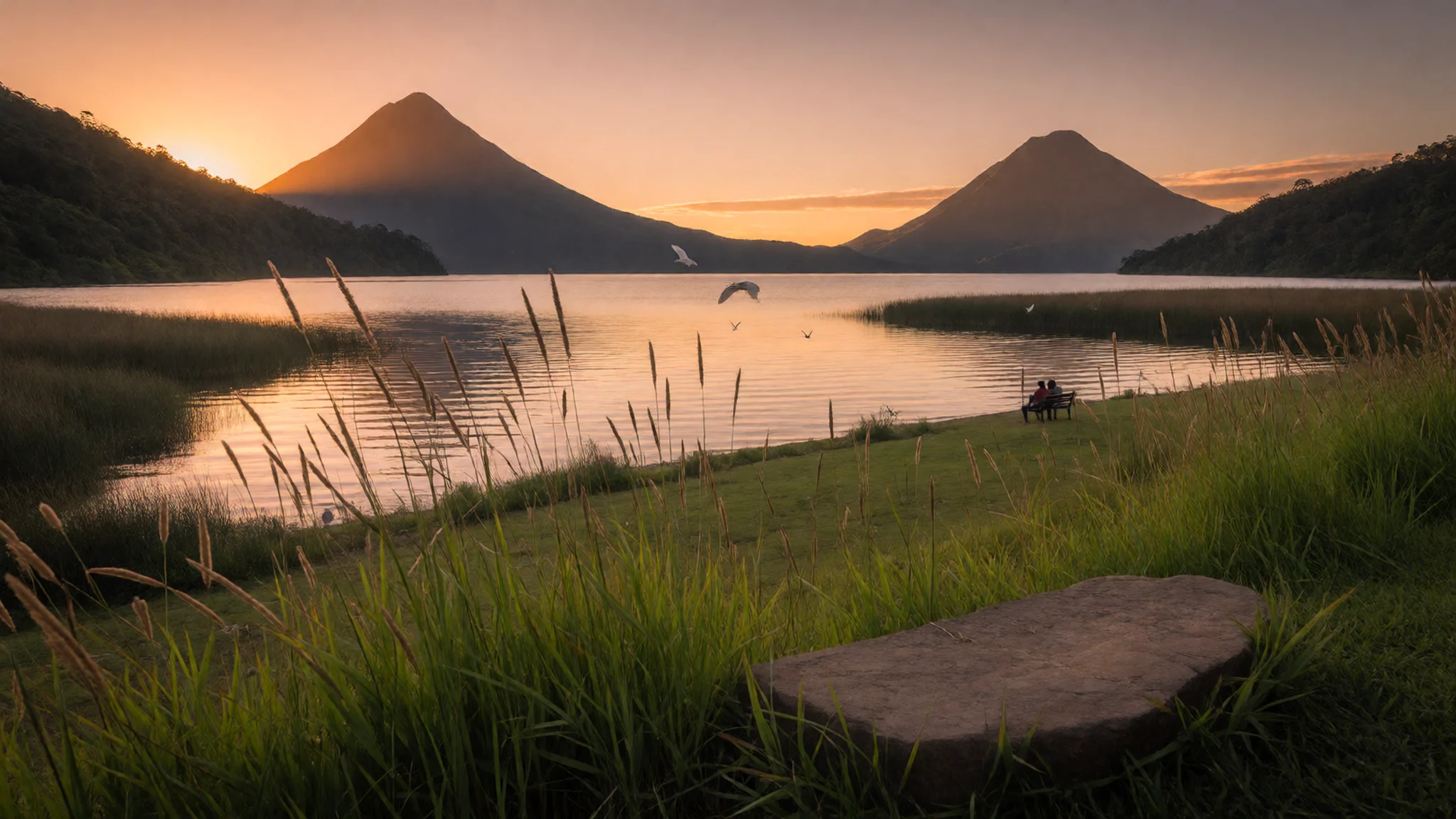
- Volcán Maderas crater lake — Maderas, south-east of the island
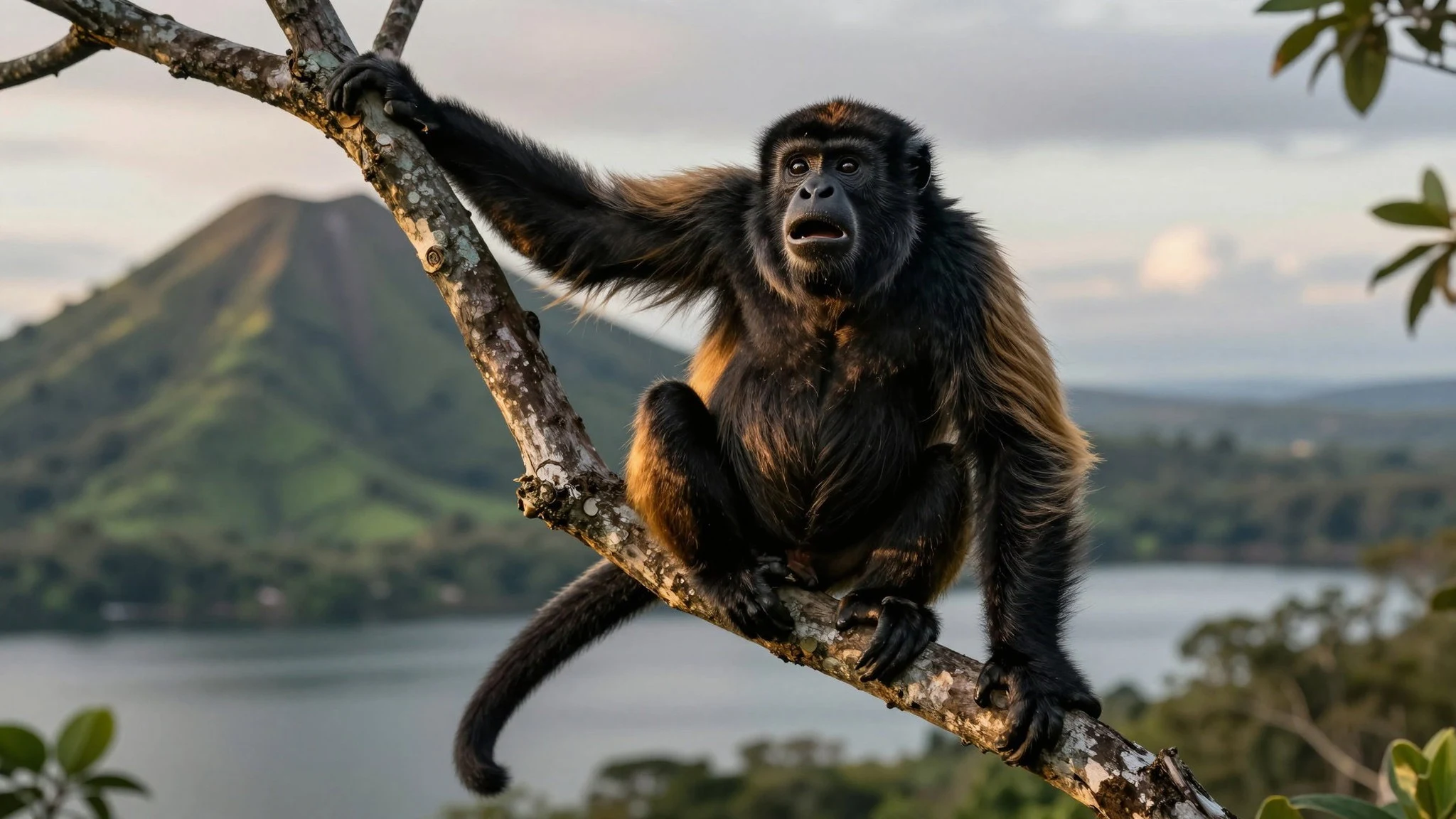
Maderas is the gentler climb, about six hours return, through forest where howler monkeys are often heard before they are seen. The path ends at a crater lake. Trails are unmarked and muddy, and people have got lost, so a local guide is sensible.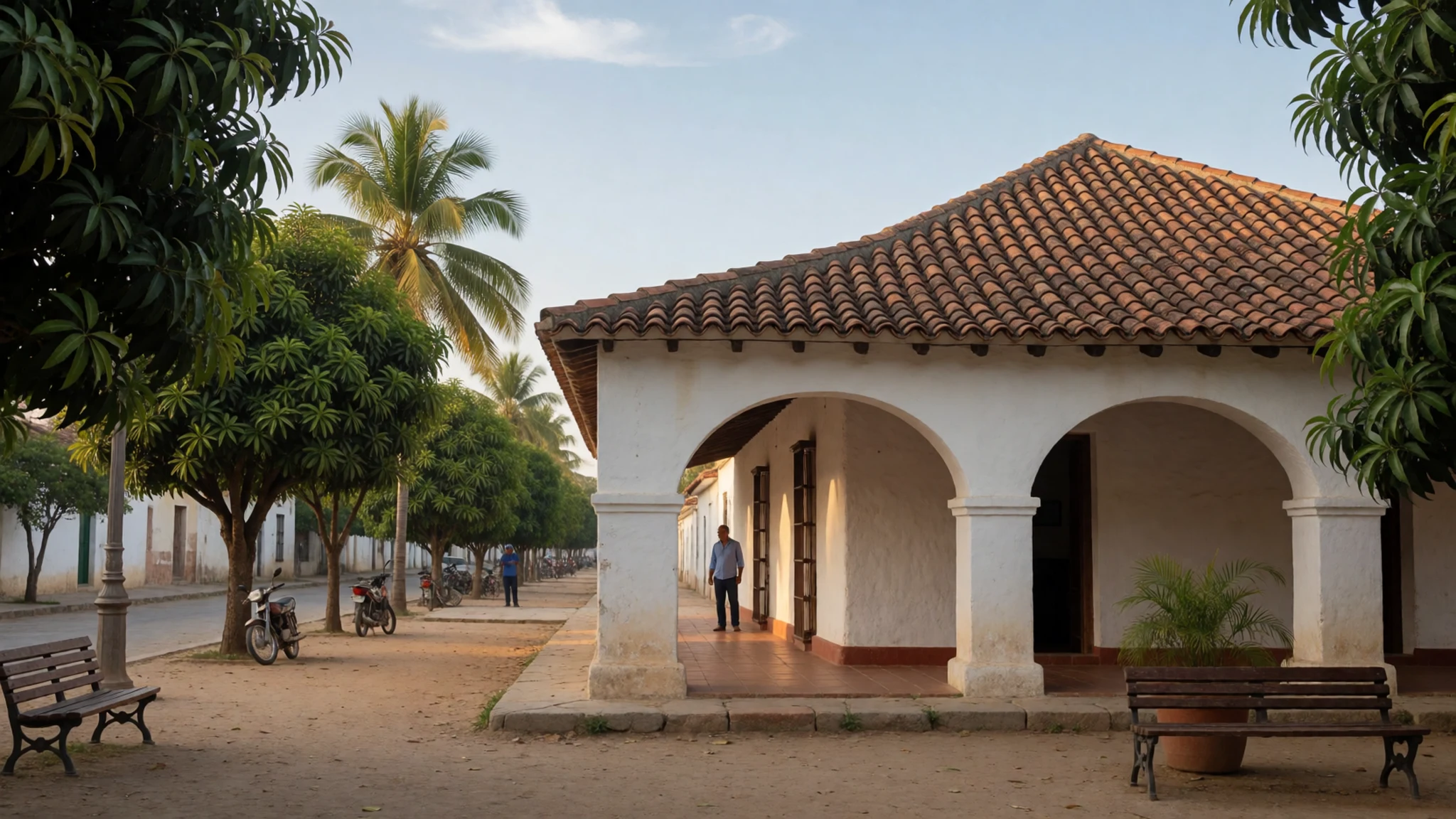
- San Ramón waterfall — Mérida, south side of Maderas
A waterfall of about 80 m drops on the southern side of Maderas, reached on foot from Mérida in several hours return. It is a cooler, shadier option than the summit climbs, and a good choice for a day when cloud hides the peaks. Bring water and sturdy shoes.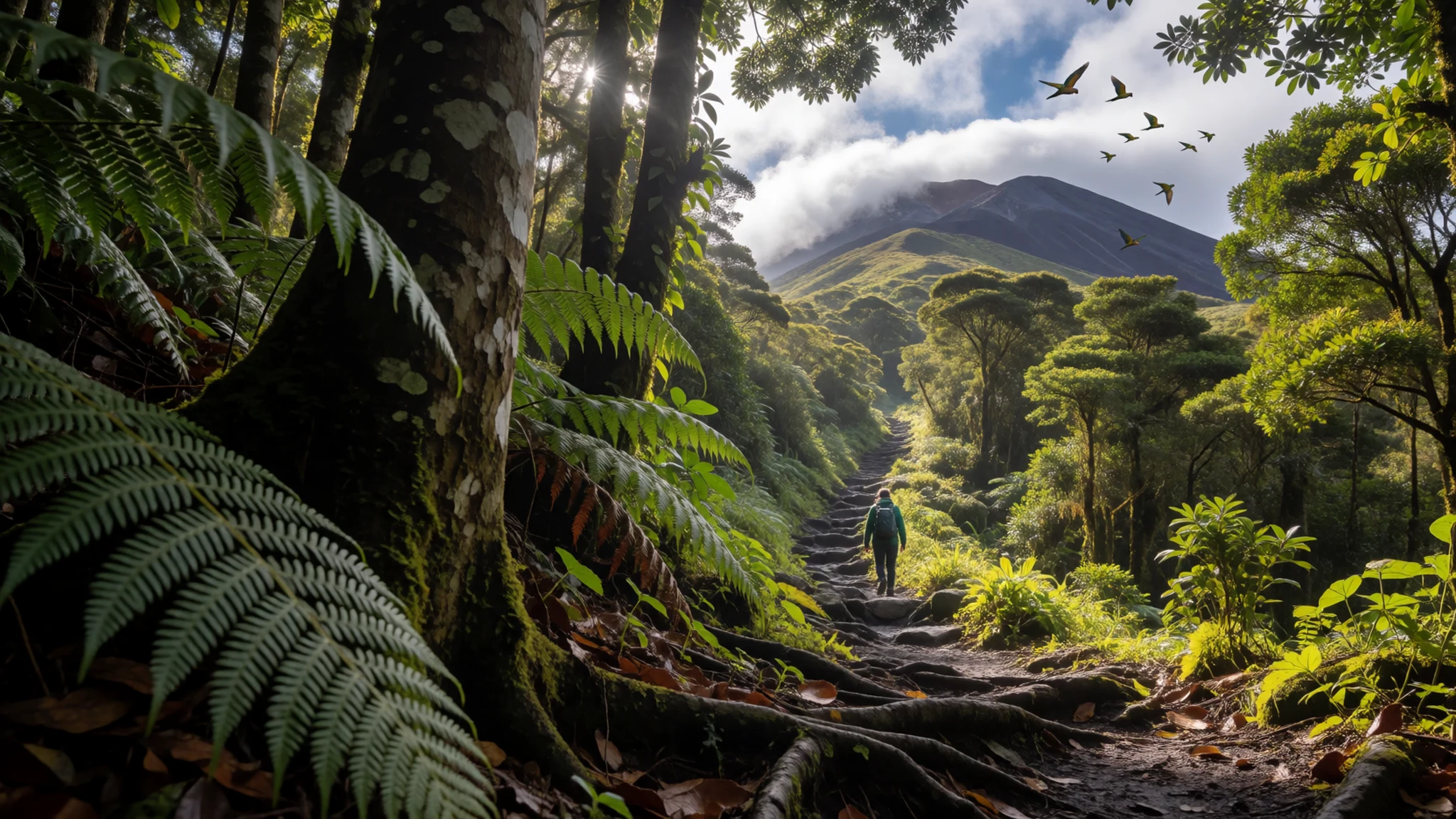
- Petroglyphs at Finca El Porvenir — El Porvenir, Maderas side
Carved rock faces near the village of El Porvenir show spirals and figures made by the island's earlier inhabitants. Others lie along the Maderas slopes. Go with someone local who knows where they are, look without touching, and see the stone figures too if a guesthouse or museum displays them.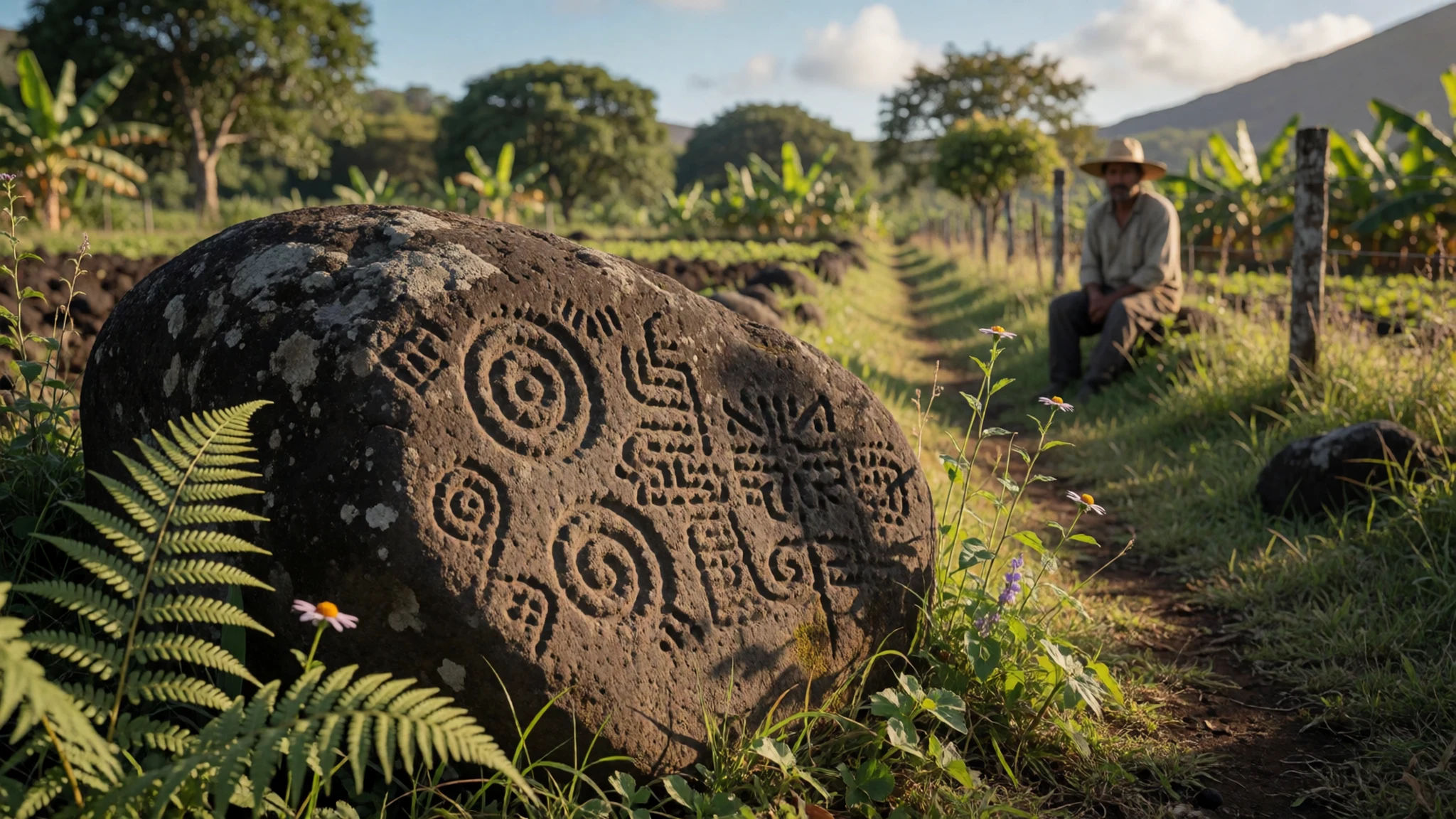
- Altagracia island museum — Altagracia
The small museum in Altagracia covers the island's archaeology and history, mostly with Spanish-language texts. It makes a sensible stop when waiting for a ferry or sheltering from midday heat, and it adds context to the stone carvings seen elsewhere on the island.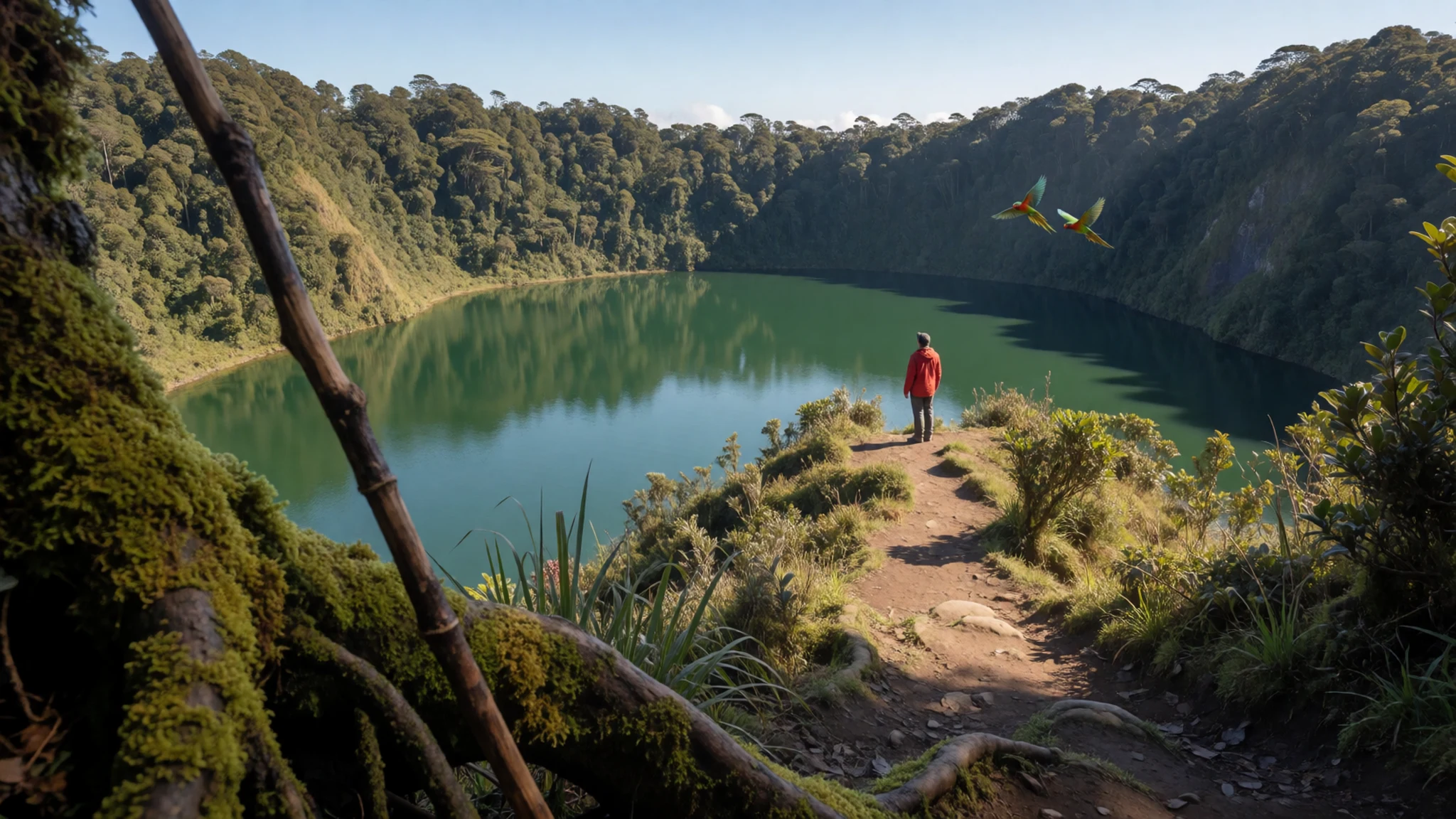
- Cycling the island roads — Moyogalpa and the isthmus roads
A rented bicycle is one of the quickest and most comfortable ways to cover ground, since few places away from the villages are within walking distance and buses and taxis are slow and infrequent. A motorbike is the alternative. Go early, carry water, and plan for sunset over the lake.
Culture
Ometepe is a farming island, and its culture is shaped by that. Most families grow their own plantains, fruit and vegetables, and only a small share reaches shops, so village life runs on household plots rather than markets. Daily rhythm follows the light: people are up early, the middle of the day is hot and slow, and evenings are social, with neighbours talking outside. Spanish is the everyday language, though the island's name and many place names come from Nawat, a reminder of an indigenous past that survives most clearly in the carved petroglyphs and stone figures. Islanders take pride in the calm of the place and in having been spared much of the violence that touched the mainland. Hospitality is real but unhurried: greetings are expected, and a few words of Spanish go a long way. Concepción and Maderas are part of everyday identity, not only a visitor attraction, and the active volcano is treated with practical respect. Free-range dogs wander around most guesthouses and are usually harmless. Children sometimes ask visitors for money, which is best met with a friendly greeting rather than coins. Tourism is a growing source of income, and many small guesthouses are run by local families. When visiting a farm or someone's land to see petroglyphs, ask before entering and before photographing people, and follow the owner's directions on where to walk.
What to wear
Ometepe has no single island costume that visitors will see worn day to day, and the brief documents none, so it would be wrong to invent one. Nicaraguan folk dress, seen at festivals and school performances across the country, uses bright embroidered cotton blouses and wide, flowered skirts, but on Ometepe ordinary life is lived in farm clothes. Daily wear is practical and cotton-based: shirts, work trousers, rubber boots in the wet months for farmers, and wide-brimmed hats against the sun. Women often wear light dresses or skirts with short sleeves, and men wear shorts or long trousers depending on the work. Villages are informal, but swimwear stays at the beach. Visitors should dress for heat and humidity first: light, quick-drying shirts, shorts or trousers, a hat, sunglasses and strong sun protection. For volcano hikes, wear proper trail shoes with grip, since paths are muddy, rocky and unmarked, and carry a light waterproof layer because cloud and showers come in fast. Bring a warm layer for summits, where wind and cloud can be cool. Sandals suit the black sand beaches and cycling days. Cover shoulders and knees when walking through villages or entering a church, as a courtesy, and keep beachwear for the lake shore.
What to eat
- Plantains (plátanos) — Village eateries and roadside stalls across the island
Plantains are the island's main crop and appear in many forms. Green ones are fried until crisp and taste a little like chips; ripe yellow ones are sweeter and softer. Look for them with almost any meal in village eateries and roadside stalls.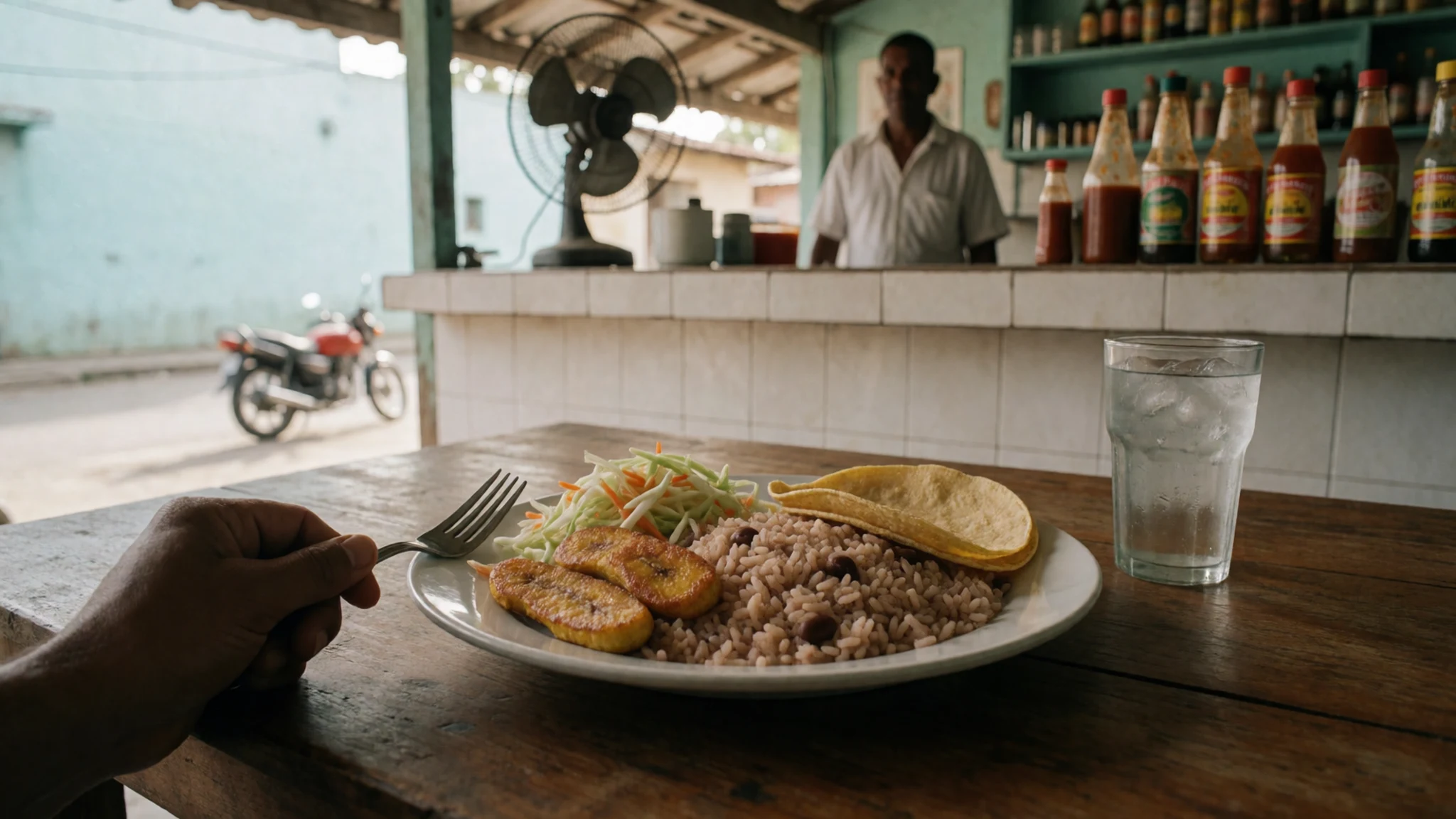
- Gallo pinto — Family-run eateries in Moyogalpa and Altagracia
Rice and beans fried together is the staple plate across Nicaragua, and on Ometepe it is the usual breakfast and side dish. It often comes with eggs, cheese or fried plantain, and it is filling fuel before a long hike or bicycle ride.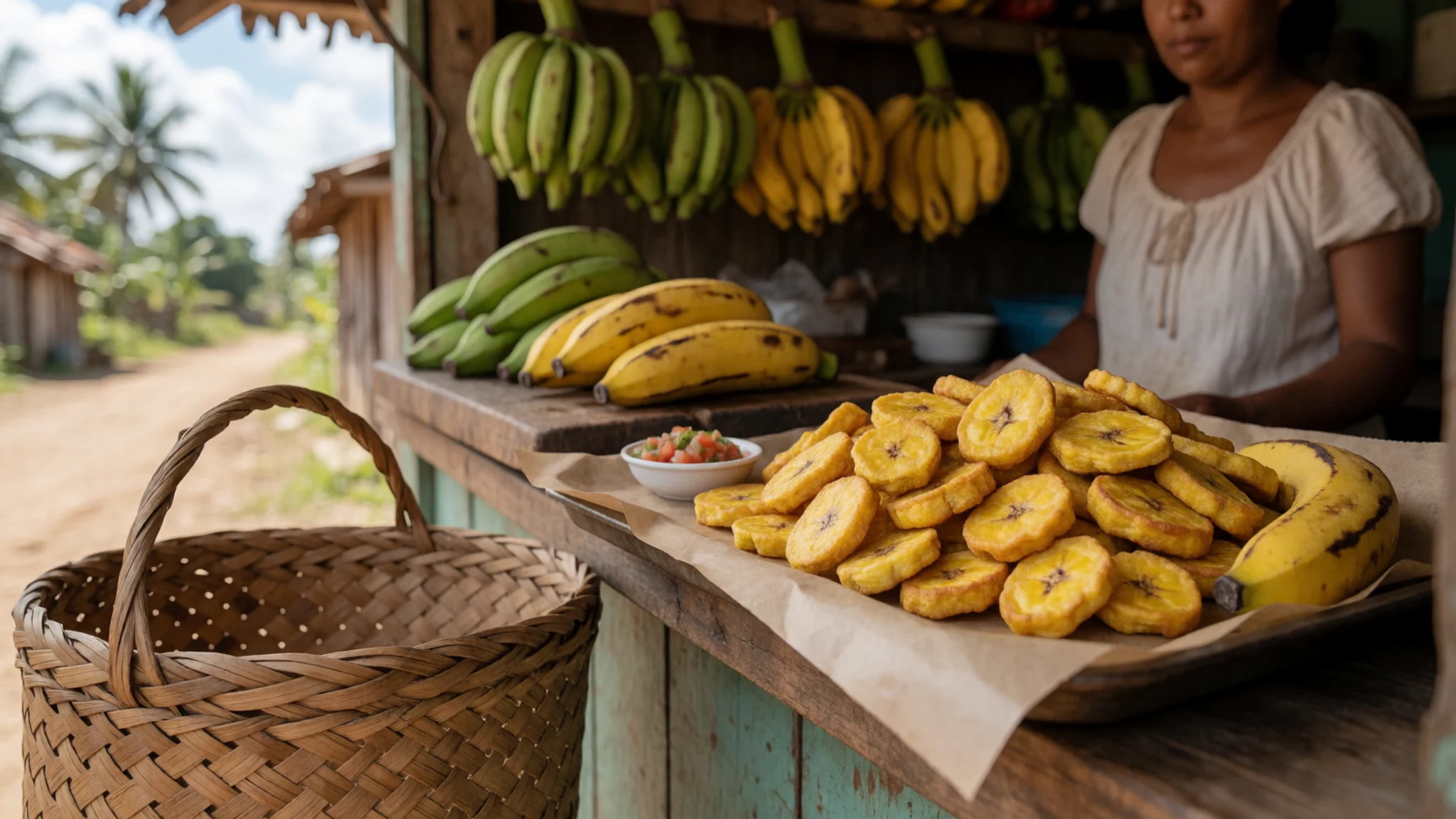
- Fresh lake and local fish — Small family restaurants near the shore
Fish is served in small family-run places, typically fried or grilled and eaten with rice, salad and fried plantain. Ask what was caught that day, and check whether the fish came from the lake or elsewhere, since menus vary between places. - Calala (passion fruit) — Roadside stalls, juice stands and guesthouse kitchens
Passion fruit is known on Ometepe and across Nicaragua as calala. It is eaten by itself, blended into cold drinks, or spooned over ice cream. It is a refreshing break from the heat and easy to find in season. - Mango and island fruit — Village streets and small grocery kiosks
Mango trees line some village streets, such as the main street of Mérida, and the fruit is ripe in season. Much of it is picked by residents for themselves and rarely sold, so ask at a guesthouse or market. Star fruit and tomatoes appear too.
Plan it
Best time. December to April is the drier season, with clearer skies for volcano views and easier trails; the wetter months bring muddy paths, more cloud on the summits and heavier showers. Expect heat and humidity year-round.
How long. 3–4
Getting there. Fly to Managua, then travel by road to San Jorge near Rivas and take the ferry to Moyogalpa, the main port; a smaller port at San José del Sur also receives boats. Check the national port authority for current schedules, as services on other lake routes have changed.
Budget. low
Tips
- Check the ferry schedule and current fares locally; there are larger and smaller boats, and some leave when full
- Bring your passport, as it is needed to buy a ticket, and expect baggage checks at the port
- Carry cash, since village shops are tiny and many places on the island do not take cards
- Start volcano hikes early, carry plenty of water and food, and hire a local guide if you do not know the unmarked trails
- Rent a bicycle or motorbike to get around, because buses and taxis are slow and infrequent
Etiquette
- Greet people in villages and in shops before asking for anything
- Ask before photographing people or entering farmland
- Do not touch or climb on petroglyphs and stone carvings
- Take your rubbish with you from trails and beaches
Nearby
Sources
- Wikidata Q950875 (CC0)
- Wikipedia: Ometepe (CC BY-SA 4.0)
- Wikivoyage: Isla de Ometepe (CC BY-SA 4.0)
- Photo: View of Nicaragua, ISS Expedition 6 (Public domain)
- Photo: Concepción Volcano in Nicaragua (mabi2000) (CC BY-SA 2.0)
- Photo: Ometepe (Adrian Sampson) (CC BY 2.5)
- Photo: Ancient statue in Ometepe (Gabayd) (Public domain)
- Photo: Petroglifo en la Isla de Ometepe (CC BY-SA 1.0)
- Photo: Petroglyph in Maderas (BluesyPete) (CC BY 3.0)
- Photo: Petroglyph on Ometepe (Moody751) (CC BY 3.0)
- Photo: A river in Ometepe (Adrian Sampson) (CC BY 2.5)


Wildlife
- Howler monkey (animal)
The mantled howler is a monkey with a big voice, named for the long, flowing hairs along its sides that look like a cloak. It lives across Central and South America and is one of Central America's most commonly seen and heard monkeys. On Ometepe, listen on quieter evenings, when its calls can drown out voices and help make the island feel like a break from mainland life. Watch from a respectful distance, keep your voice low, consider going with a local guide, and never feed it.