Indio Maíz
Indio Maíz, Nicaragua
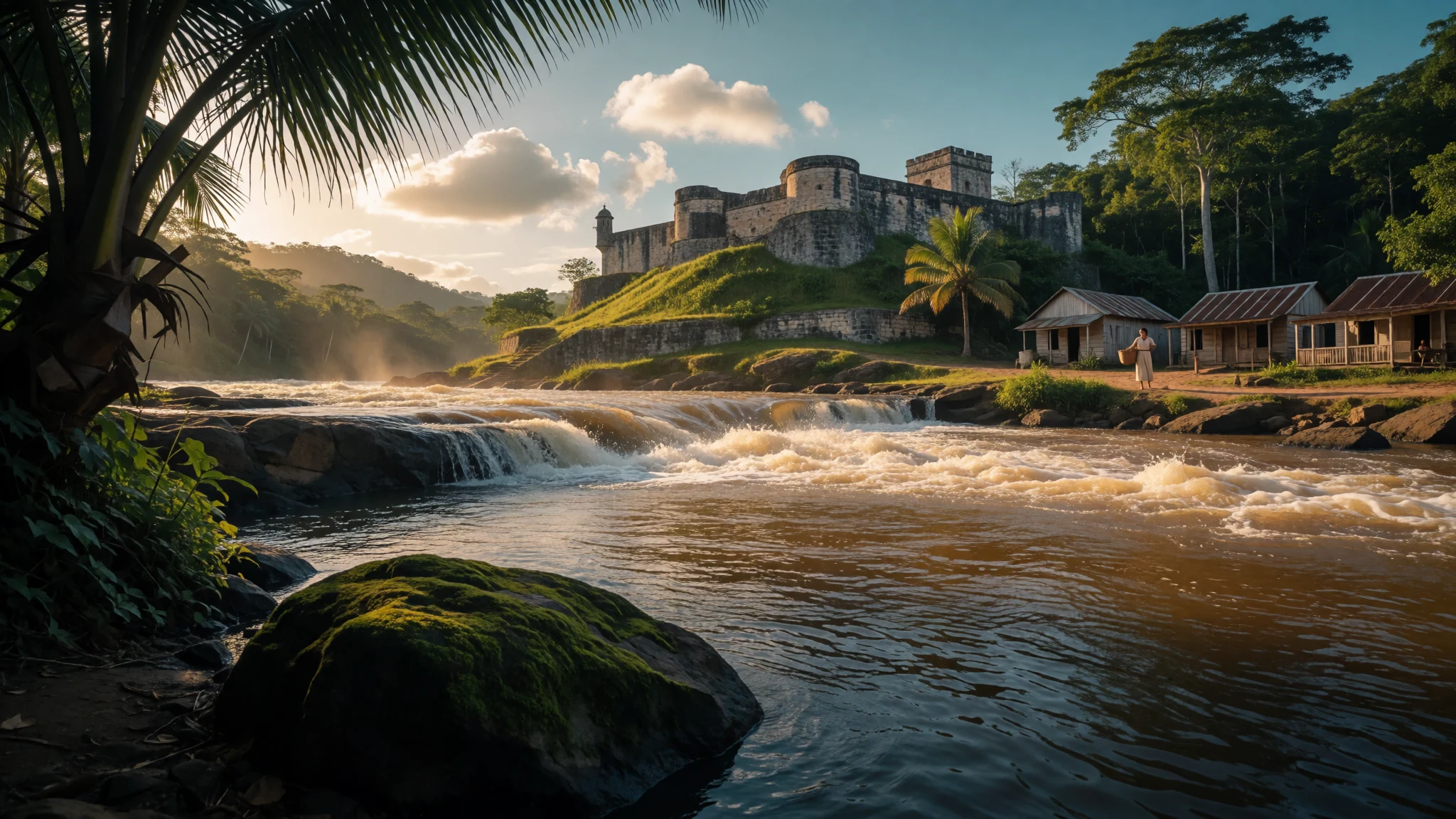
Indio Maíz is Nicaragua's wild southeast, a vast lowland rainforest reached by river, where guides, canoes and patience reward visitors with wildlife.
The place
Indio Maíz Biological Reserve fills the southeastern corner of Nicaragua, with the San Juan River running along its northern edge and Costa Rica just beyond. It is lowland rainforest: hot, wet and loud with insects, and cut by slow brown rivers that work as the only practical roads. UCLA biologists once called it the gem of Central American nature reserves, and the phrase makes sense once the canopy closes overhead. The reserve anchors plans for the Mesoamerican Biological Corridor, a proposed chain of protected land meant to link forests across the isthmus. Administratively it spans Río San Juan Department and the South Caribbean Coast Autonomous Region. Its edges are under pressure. Timber cutting and oil palm plantations have pushed in along the northern and western flanks, and deforestation there is the main conservation worry. The wider region has long been among the least developed in the country. A paved road from Managua to San Carlos, built in the early 2010s, shortened the journey and brought backpackers, but visitor numbers have since thinned, and boats and flights remain unreliable. Most of the reserve is out of bounds to tourists, and since hiking is not permitted, visitors experience it via boat tours from two specific locations. The river itself belongs entirely to Nicaragua, although from a point a little below El Castillo its southern bank is Costa Rica. Expect heat, humidity, rain at almost any time and very little infrastructure.
Its story
Indio Maíz owes much of its survival to its location. The San Juan River, which drains Lake Cocibolca towards the Caribbean, has shaped the history of this corner of Nicaragua far more than any road. For generations it was the route between the lake and the sea, and more than once it was proposed as the line of a canal joining the Atlantic and Pacific. The canal never came, and the forest on its southern side was left largely to itself. A Spanish fortress still stands above the river at El Castillo, a reminder that colonial powers saw the waterway as worth defending. Nicaraguans speak of the river with real feeling, as a national symbol as much as a geographical feature. The modern chapter is about protection and its limits. The reserve was set aside as a biological reserve, and scientists have praised its range of trees, birds and insects. Yet farming, logging and oil palm have steadily gnawed at its northern and western boundaries. Tourism offered one alternative income. The new highway to Managua raised hopes of a boom, but the crisis, the end of the ship connection from Ometepe to San Carlos and a drop in visitors cooled those expectations. What remains is a quiet, slow region where river travel still sets the pace, and where the future of the forest depends on decisions made far from the water.
What to see
- The San Juan River by boat — San Juan River, between San Carlos and El Castillo
The river is the main way to see the reserve's northern edge. Boat trips run between San Carlos and El Castillo, and the banks show caimans, herons, monkeys and passing canoes. Early morning is best for wildlife, and the Costa Rican bank appears on the right below El Castillo.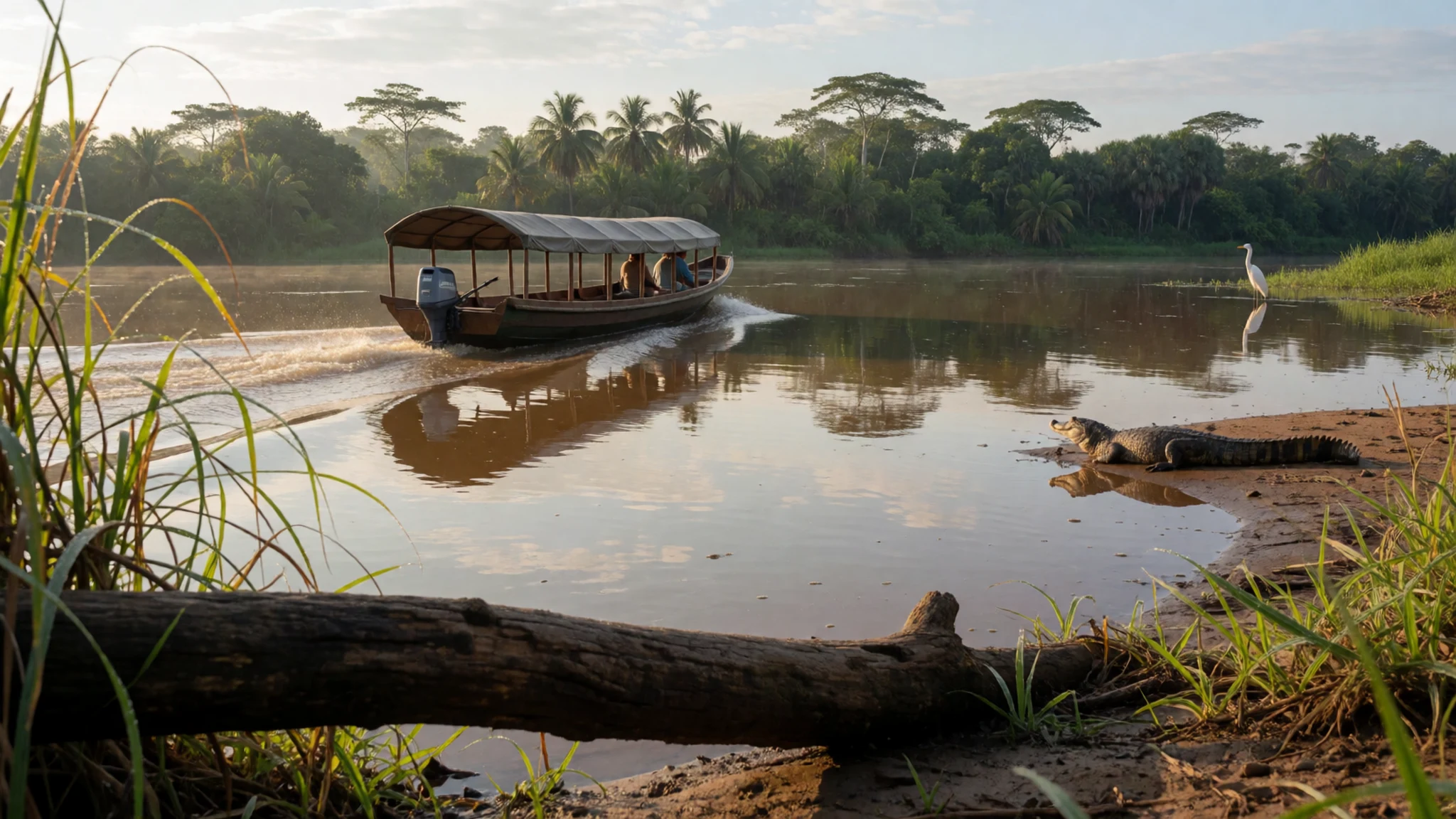
- Fortress at El Castillo — El Castillo, Río San Juan
El Castillo is a small riverside village dominated by a Spanish fortress on the hill above the rapids. The walls give a long view of the water and explain why the river mattered so much strategically. The village also serves as the usual base for guided forest trips.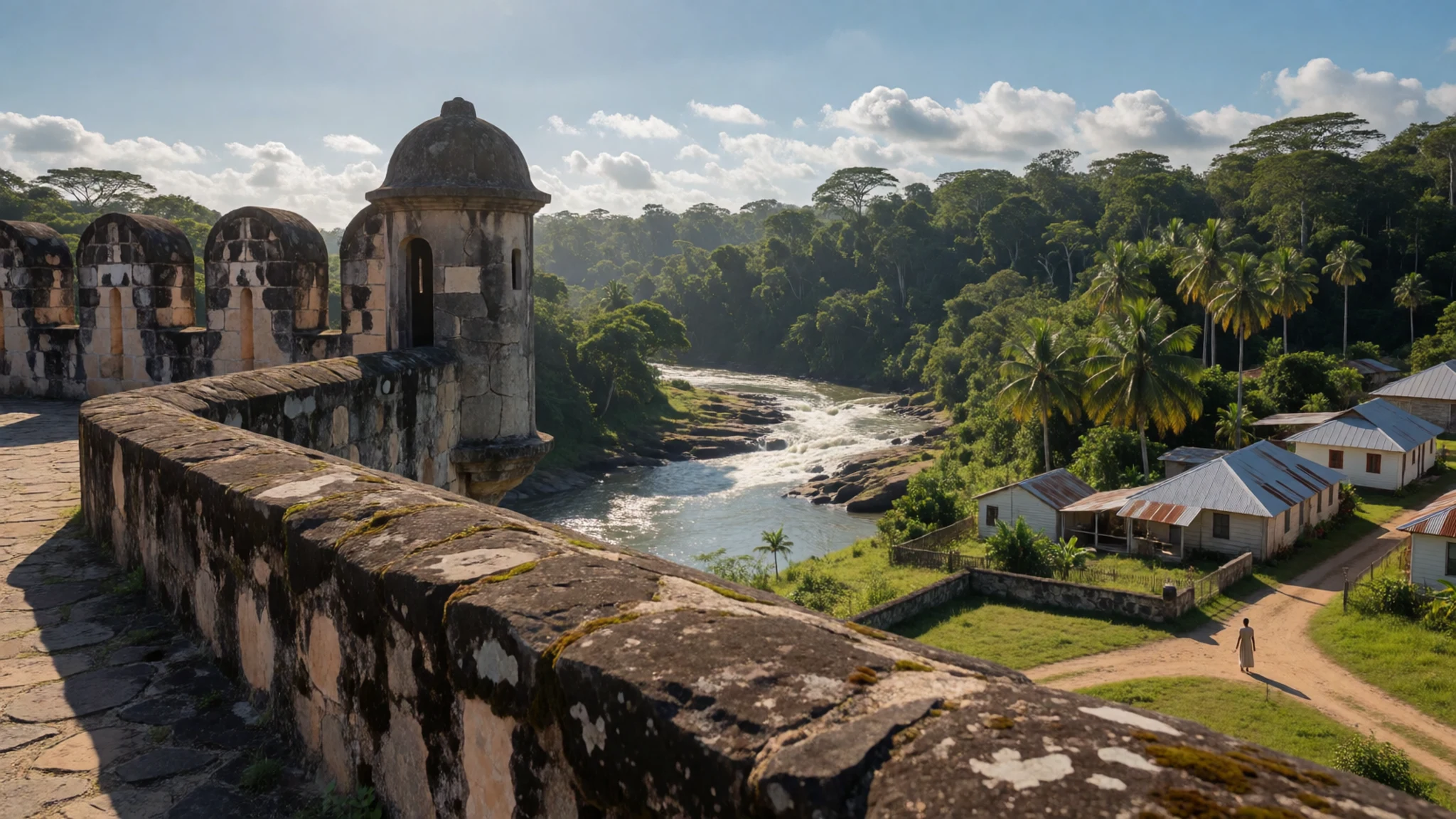
- Forest walks with a guide — Reserve edge near the San Juan River
A guided walk shows what boat trips only hint at: understory palms, heliconia flowers, strange fruits and the garlic-scented vine known as ajillo. A local guide names plants, spots animals by sound and, just as usefully, prevents anyone getting lost in the dense growth.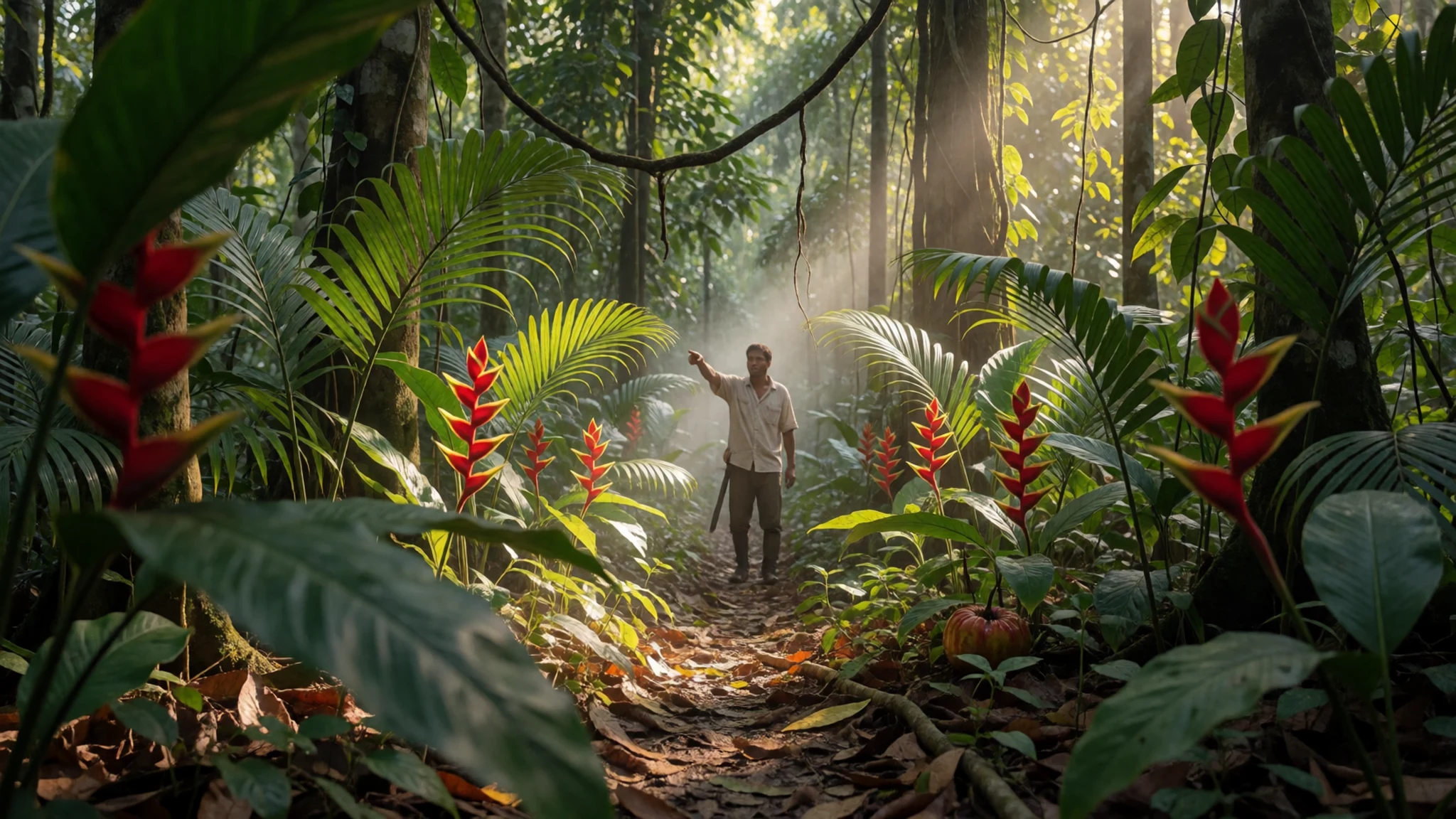
- Paddling the Sábalos River — Sábalos River, near El Castillo
A canoe or kayak on the Sábalos River can last an hour or stretch to several, depending on how deep you go. Many trips pair the paddle with a visit to a cacao plantation, then drift back down to the San Juan. Quiet paddling gives the best chance of seeing birds.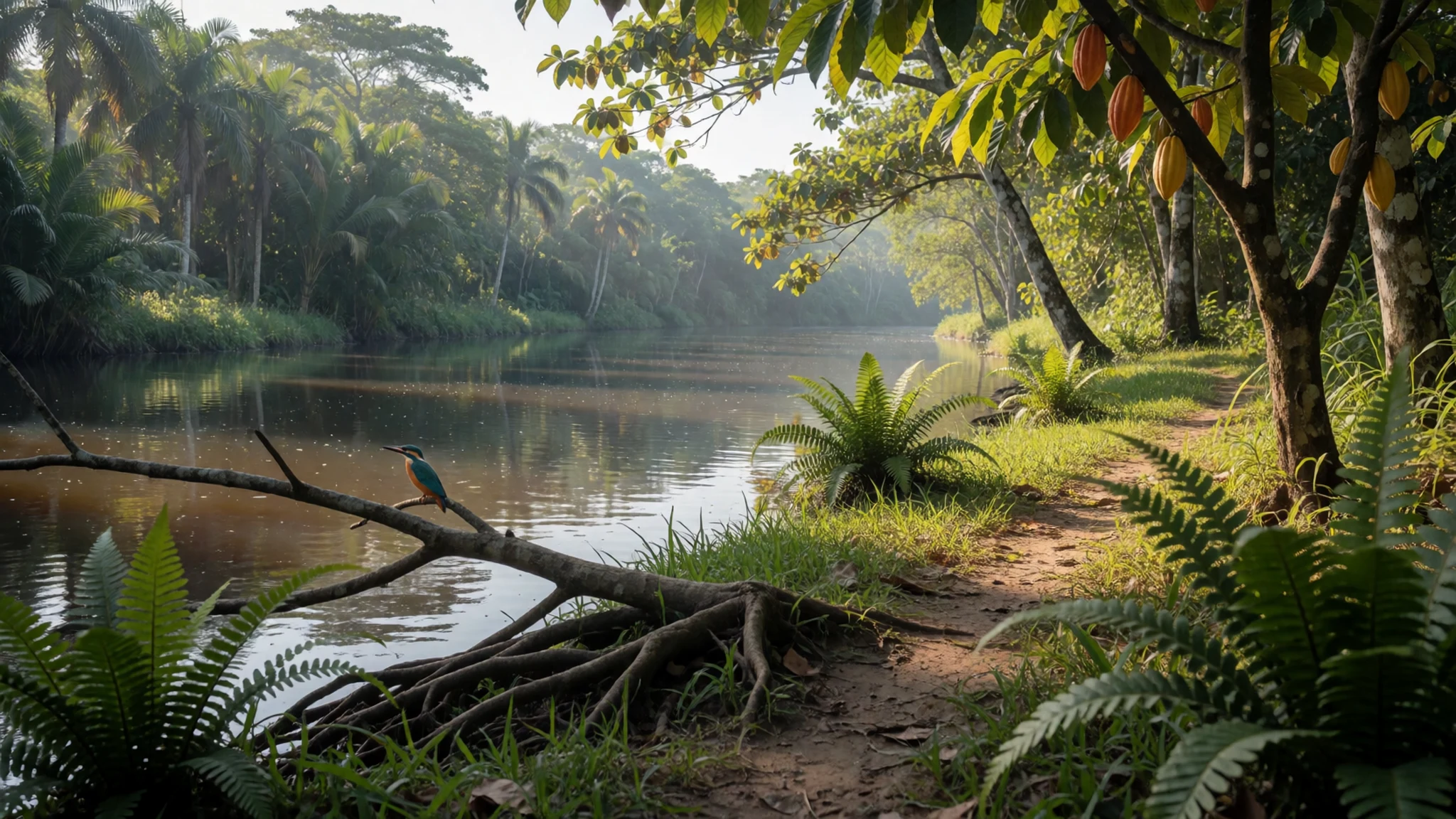
- Sunset over Lake Cocibolca — San Carlos, Río San Juan
San Carlos sits where the great lake meets the San Juan River, and its waterfront promenade is where locals gather as the light fades. It is an easy, free way to spend an evening before or after a trip into the reserve, and a useful place to arrange boats and guides.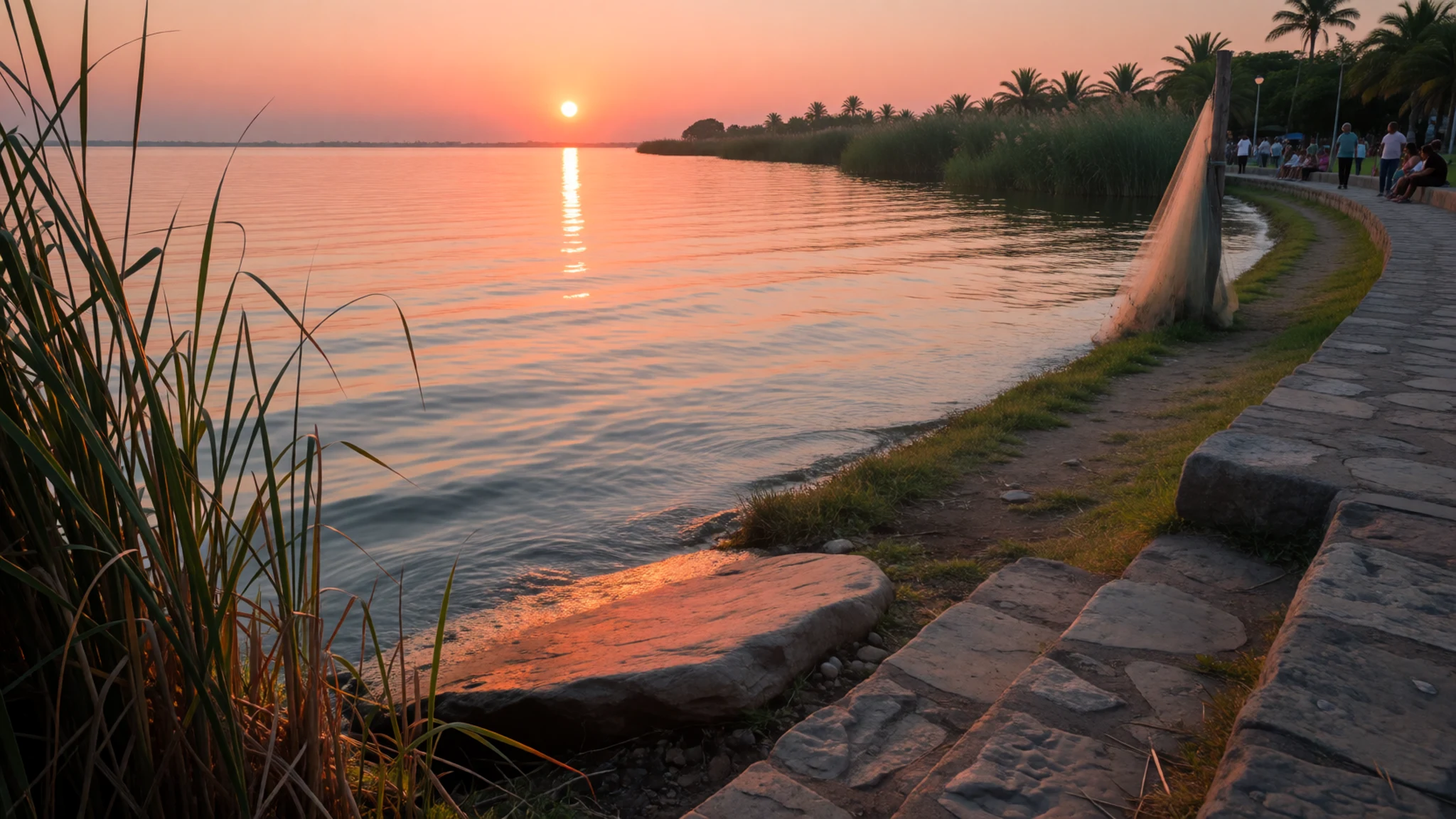
- The long river to San Juan del Norte — San Juan del Norte, Caribbean end of the river
For experienced, fit travellers with camping gear, a multi-day canoe journey runs all the way down the San Juan to San Juan del Norte near the Caribbean coast. Guided versions are costly and the route is remote, so plan carefully and travel with someone who knows the river.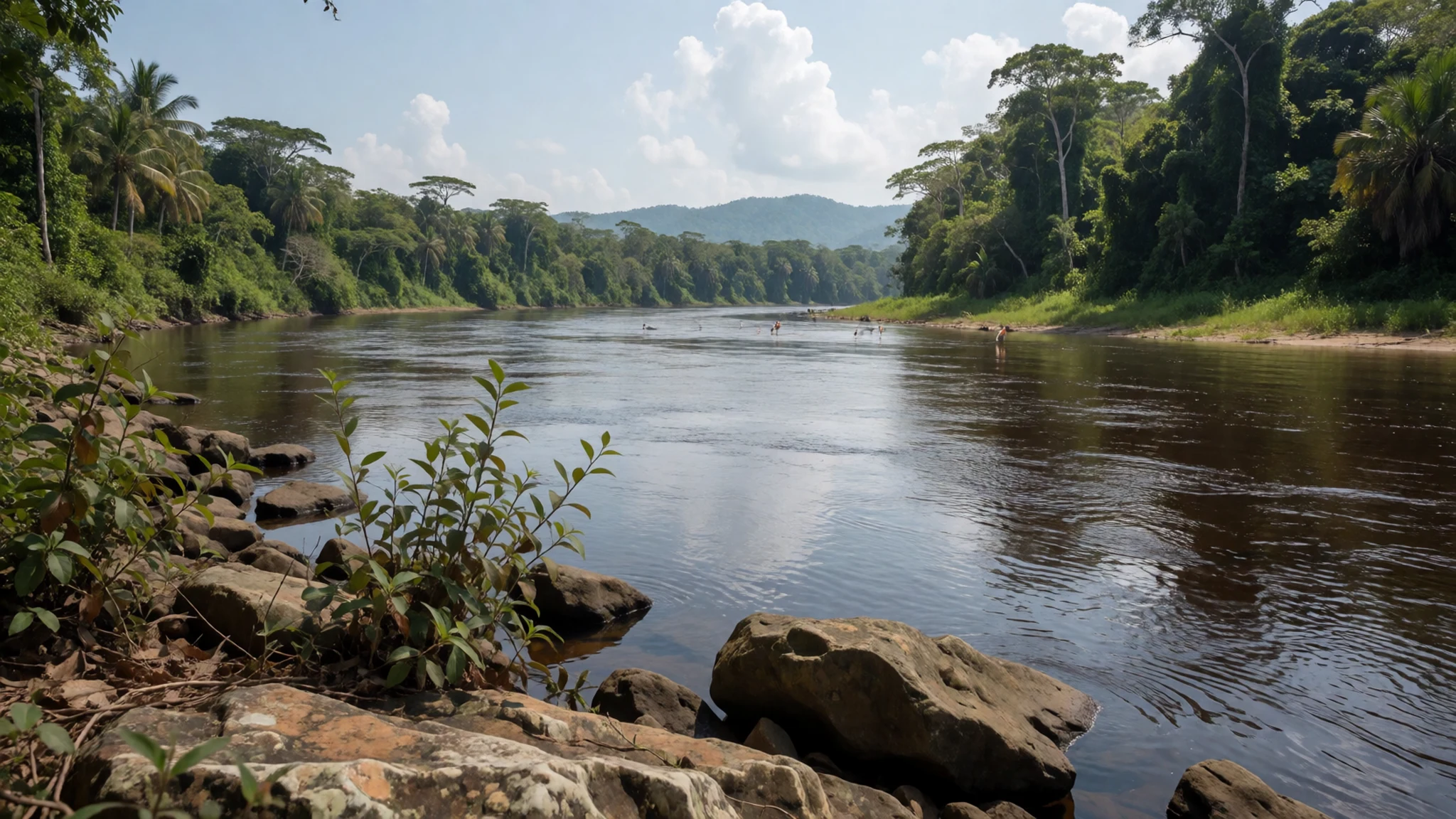
Culture
Indio Maíz sits in a part of Nicaragua where life still follows the water. Villages such as El Castillo and the town of San Carlos grew up along the San Juan River, and boats serve as buses, delivery vans and school transport. The river holds a special place in the national imagination, partly because it was once imagined as the path of a canal between two oceans and partly because it belongs wholly to Nicaragua even though one bank is Costa Rican for much of its length. Daily life here is unhurried. Fishing is a livelihood and a pastime, and San Carlos even hosts a national fishing tournament each year. Farming, cattle and small-scale tourism sit alongside one another, and many local guides are people who grew up in or beside the forest and know its plants and animals in detail. Spanish is the working language, and a few words of greeting go a long way. Conservation is a sensitive subject, because timber and oil palm bring income to a region with few other options, while the reserve protects something many Nicaraguans are proud of. Visitors who hire local guides and eat in riverside eateries put money directly into that balance. Always ask permission before photographing people, and use a local guide rather than entering the forest alone.
What to wear
Indio Maíz lies in a region without one fixed regional costume, so traditional dress here is best understood through Nicaragua more broadly. Folk dances and festivals bring out wide, ruffled skirts in bright cotton and embroidered blouses for women, and light cotton shirts with straw hats for men. These are worn for celebrations and performances rather than daily life. In everyday river life, people wear what suits heat, mud and water: shorts or light trousers, T-shirts, sun hats and, very often, rubber boots. Football shirts are common. Clothes are practical, washed often and dried in the sun. Visitors should dress for a hot, humid and frequently wet forest. Lightweight long sleeves and long trousers in quick-drying fabric protect against insects, sun and scratchy undergrowth. Pack a thin rain jacket, a brimmed hat and a spare dry set of clothes in a waterproof bag. Closed shoes with grip are better than sandals on muddy trails, and many guides can lend or sell rubber boots. For the fortress at El Castillo and for village streets, shorts are acceptable, though covering shoulders in town shows respect. Keep valuables in a dry bag, and avoid bright, scented clothing that attracts insects.
What to eat
- Fresh river and lake fish — Riverside eateries in San Carlos and El Castillo
Fish from Lake Cocibolca and the rivers is usually fried whole or grilled and served with rice, salad and fried plantain. It is generally priced much like meat dishes, and the quality is high because it is caught nearby.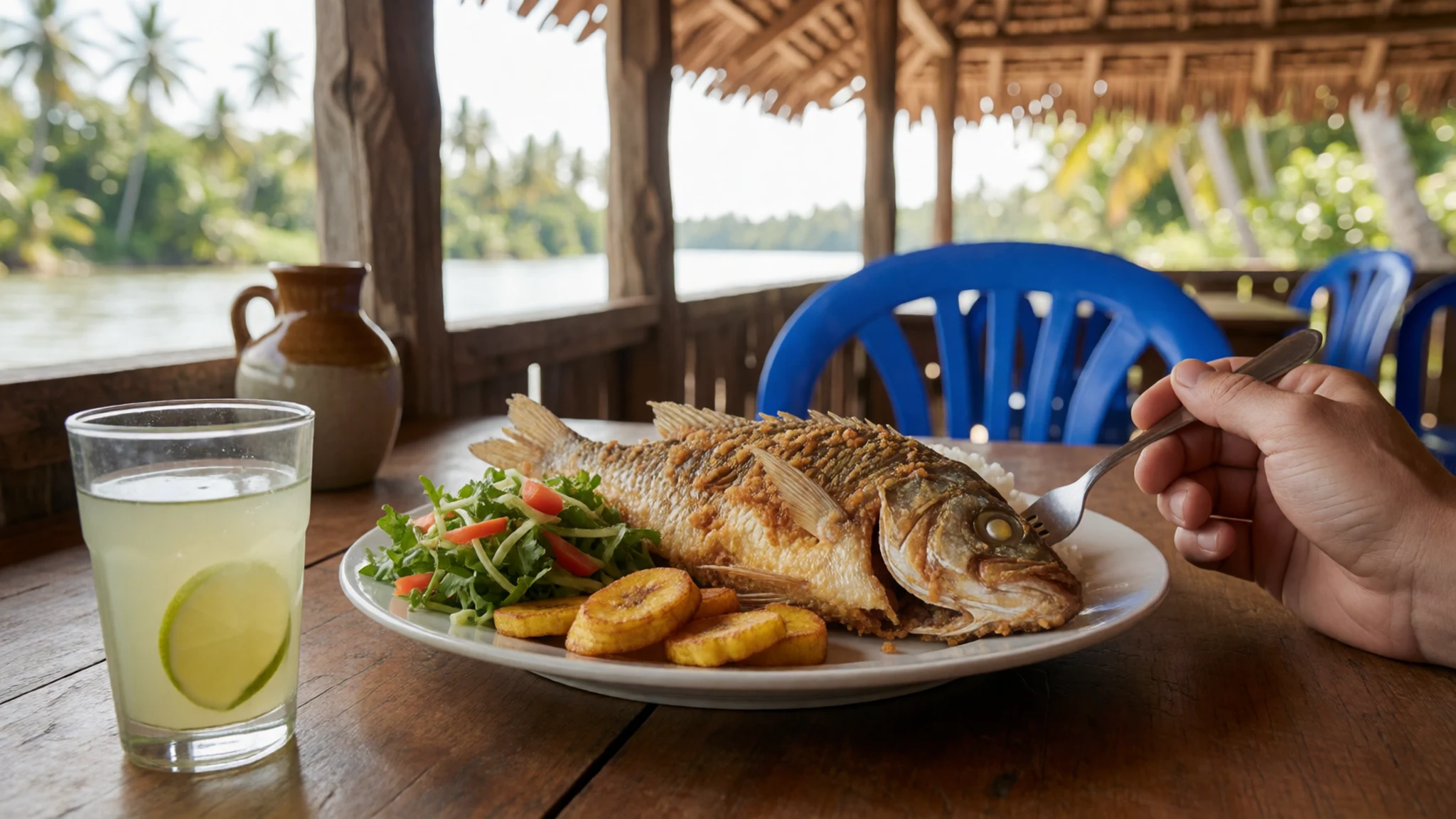
- Camarones del río — Waterfront eateries in San Carlos and along the river
Giant river shrimp resemble large crayfish or small lobsters and are a regional speciality, usually served in a plate of several. They are out of season for part of the year, when catching them is illegal, so ask what is available.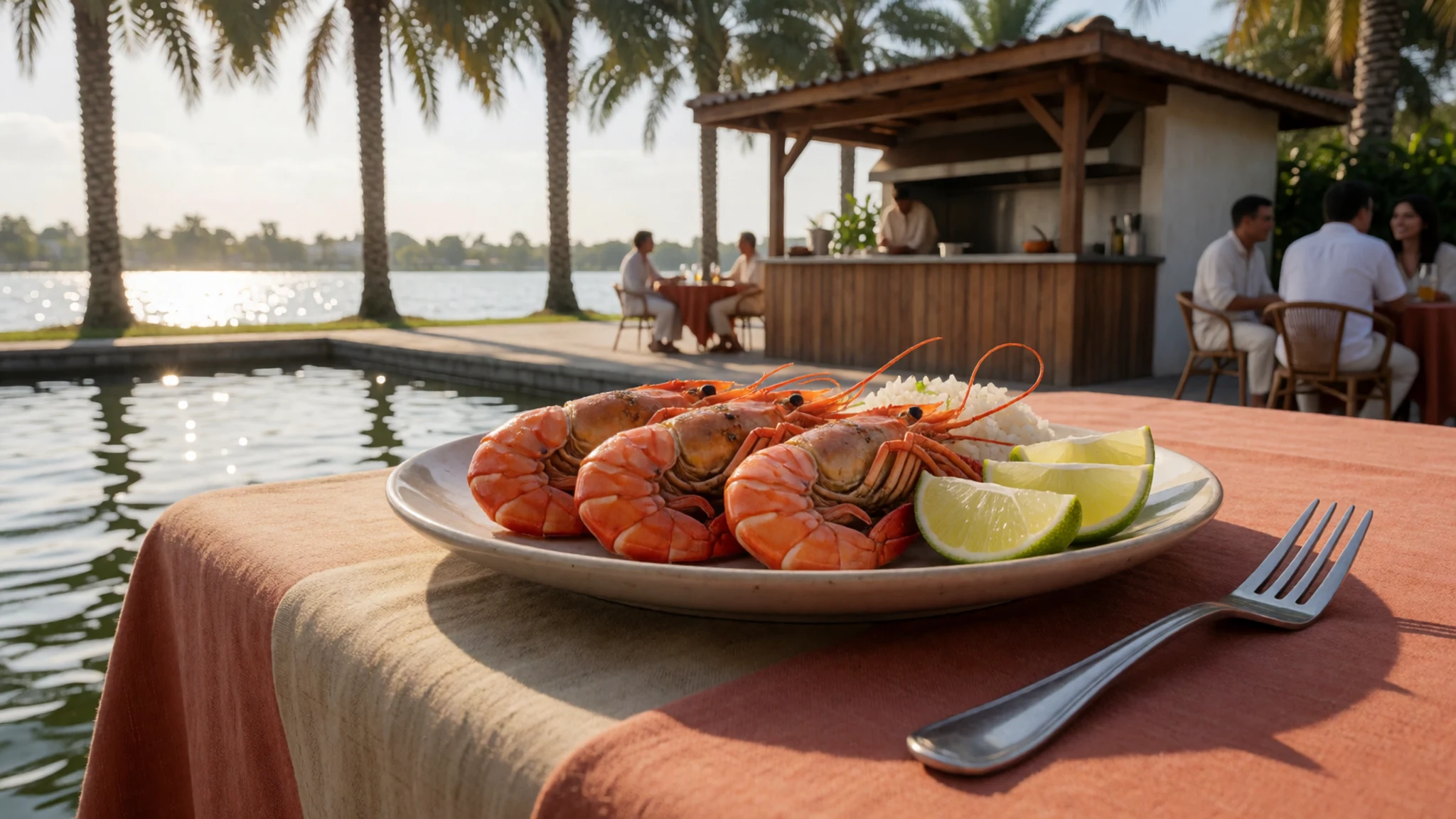
- Gallo pinto — Any local breakfast counter or family eatery
Nicaragua's everyday dish of rice and red beans fried together, often with onion and sweet pepper. It arrives at breakfast with eggs, cheese or fried plantain and fuels most morning boat trips and forest walks. - Fried plantain — Market stalls and street vendors in San Carlos
Green plantain is sliced and fried into crisp discs or sweet ripe plantain into soft golden pieces. It accompanies fish, meat and beans, and is sold hot as a snack, usually with a little cheese or cabbage salad. - Cacao and pinolillo — Cacao farms near El Castillo and village shops
Cacao is grown near the Sábalos River, and plantation visits often include tasting the fresh beans or a hot chocolate drink. Pinolillo, a cold drink made from toasted maize and cacao, is a common local alternative.
Plan it
Best time. February and March are the driest and most comfortable months, while October is the wettest, though the region remains hot and humid year-round. Giant river shrimp are out of season from February to April.
How long. 3–4
Getting there. Fly into Managua, then take the long bus to San Carlos via Juigalpa (about six hours). Domestic flights to San Carlos exist but have been unreliable, so check the airline's official site and have a backup. From San Carlos, boats run down the San Juan River to El Castillo, and guided trips enter the reserve from there.
Budget. mid
Tips
- Arrange a local guide and check current entry and permit rules with the authorities before going into the reserve
- Drink only bottled or purified water, check seals, and ask whether ice is made from agua purificada
- Carry cash, as cards are rarely accepted in river villages
- Start boat trips and walks early for cooler air and more wildlife
- Do not swim in the San Juan River, as bull sharks are present
Etiquette
- Ask permission before photographing people
- Take all rubbish out with you and never feed or touch wildlife
- Greet people in Spanish and follow your guide's instructions on trails
Nearby
Sources
- Wikidata Q140607646 (CC0)
- Wikipedia: Indio Maíz Biological Reserve (rev 1365101114) (CC BY-SA 4.0)
- Wikivoyage: Rio San Juan Region (rev 5300874) (CC BY-SA 4.0)
- Photo: Nicaragua relief location map, Alexrk2 (CC BY 3.0)
- Photo: Bactris hondurensis, Dick Culbert (CC BY 2.5)
- Photo: Carpotroche platyptera, Dick Culbert (CC BY 2.5)
- Photo: Clavija jelskii, Dick Culbert (CC BY 2.5)
- Photo: Cryosophila warscewiczii fruit, Dick Culbert (CC BY 2.5)
- Photo: Heliconia latispatha, Dick Culbert (CC BY 2.5)
- Photo: Luehea seemanii, Dick Culbert (CC BY 2.5)
- Photo: Mansoa hymenaea, Dick Culbert (CC BY 2.5)


Wildlife
- Mantled howler monkey (animal)
The mantled howler is a New World monkey, easy to remember as the one you hear as well as see. Long hairs along its sides form the cloak that gives it its name. Monkeys show along the riverbanks on boat trips between San Carlos and El Castillo in Indio Maíz, so watch and listen there. Keep your distance, speak softly, and follow your guide's lead on where to pause. Never offer food; wild monkeys should find their own meals.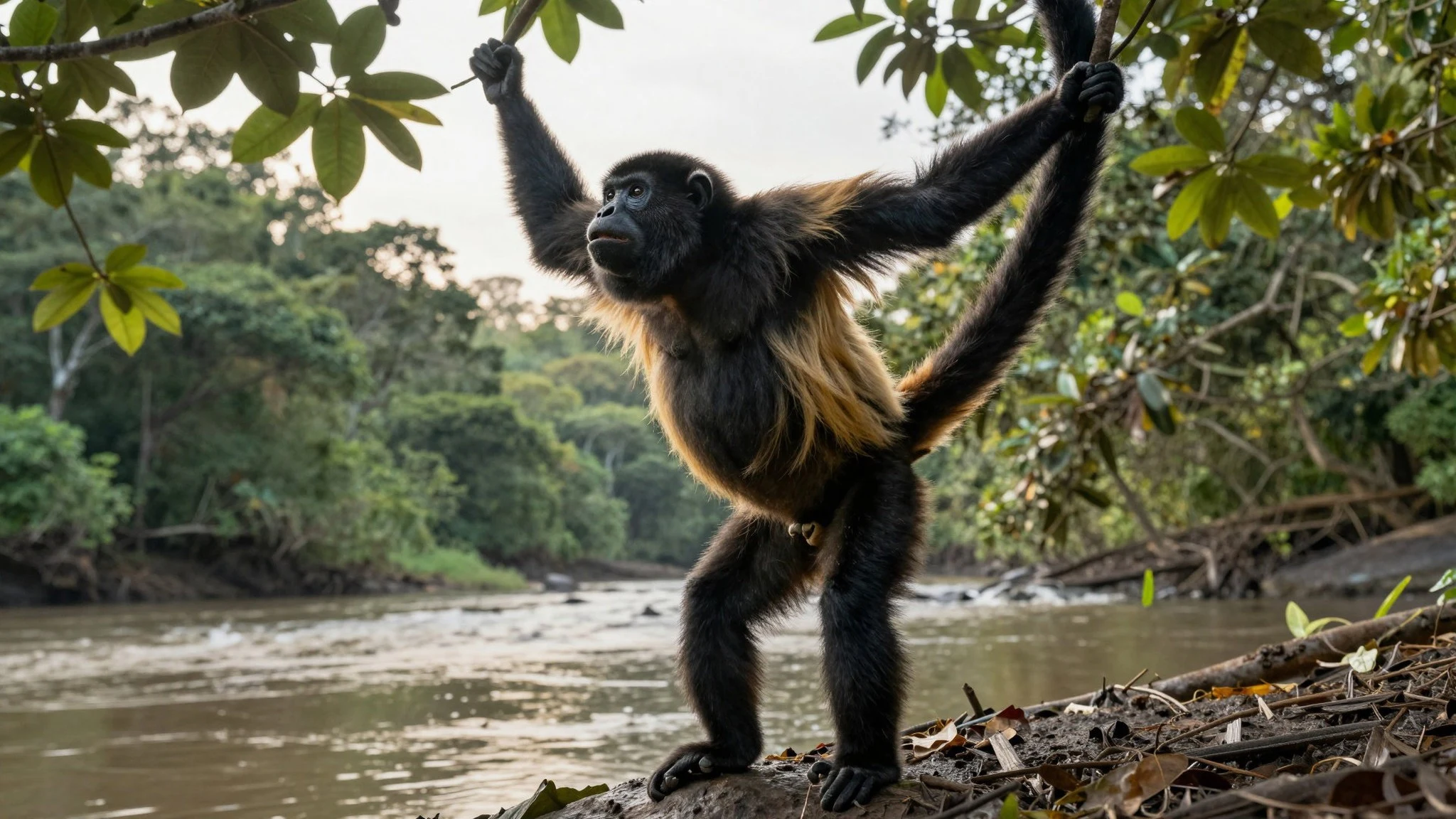
- Spectacled caiman (animal)
The spectacled caiman is a crocodile relation that seems to wear glasses, thanks to a raised ridge between its eyes. Its skin is a muted grey tinged with brown, green or yellow. In Indio Maíz you may spot one on the riverbanks during boat trips between San Carlos and El Castillo. Stay in the boat, keep your voice low and your hands inside, and let your guide choose where to stop. Never feed it; a wild caiman should stay wild.