Cerro Negro
Cerro Negro, Nicaragua
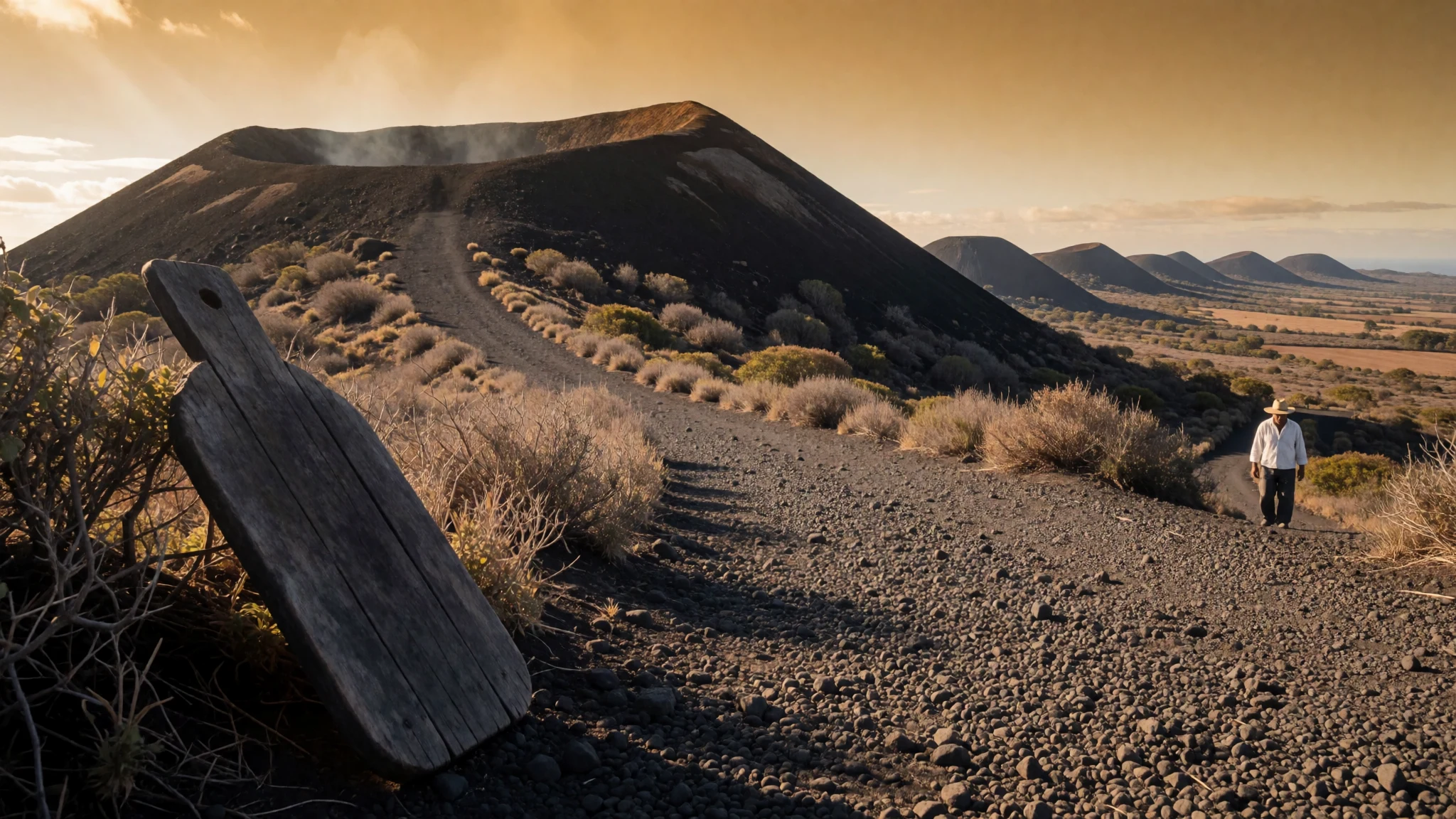
Cerro Negro is a young, bare black volcano near León where the ground is loose cinder and the views run along a chain of peaks.
The place
Cerro Negro rises to 728 m in the Cordillera de los Maribios, a line of volcanoes in western Nicaragua, about 10 km from the village of Malpaisillo. The name means Black Hill, and it is meant literally: the cone is a heap of loose, gravelly basalt cinder with almost no plant cover, set against hillsides that look soft and green beside it. A cinder cone is a steep pile built from fragments thrown out during eruptions, rather than from long lava flows, which is why the slopes are loose underfoot and dark from base to rim. Cerro Negro is the southernmost and largest of four cinder cones strung along a north-west to south-east line in the range. Beneath this whole region the Cocos Plate slides under the Caribbean Plate at about 9 cm a year, and that slow collision feeds the volcanic arc running through Central America. Nicaraguans like to call their country the land of lakes and volcanoes, and the western half, around León, shows why. Temperature here depends mostly on altitude, but the lowland heat is what a visitor notices first. The black surface soaks up sun, and the summit offers almost no shade. Cerro Negro is an exposed, working volcano rather than a landscaped park, and it is best understood as a recent geological event that happens to have a footpath up its side.
Its story
Cerro Negro has a birth date, which is unusual for a mountain. It first appeared in April 1850, and the Wikipedia account calls it the youngest volcano in Central America. Before that, the spot was ordinary ground in a landscape already crowded with older peaks. Since then it has erupted about 23 times, which makes it one of the more active volcanoes in Nicaragua, even though its cone is still small beside its neighbours. Its most recent eruption was in 1999. Several of its eruptions have followed an odd pattern. Ash is thrown from the top of the cone, while lava breaks out through cracks at the base, so the volcano seems to be venting from two places at once. Each outburst has added fresh cinder and ash, and the surrounding fields have repeatedly been dusted grey. That history explains the mountain's bare look: plants have had little time to get a grip on a surface that keeps being rebuilt. The cone belongs to the same tectonic story as the rest of the Maribios range, where plate movement under the Pacific coast keeps the arc active. Local people live with this as a fact of the landscape, and the volcano is monitored rather than feared day to day. Cerro Negro is still classed as active, so conditions on the cone can change.
What to see
- The crater rim — Summit of Cerro Negro
Cerro Negro's summit crater is the main reason to come. From the rim the cone drops away on one side, and a rough, sulphur-tinged bowl opens on the other. Warm ground and drifting fumes are normal here. Stay behind your guide, keep to the marked line, and allow time to look around.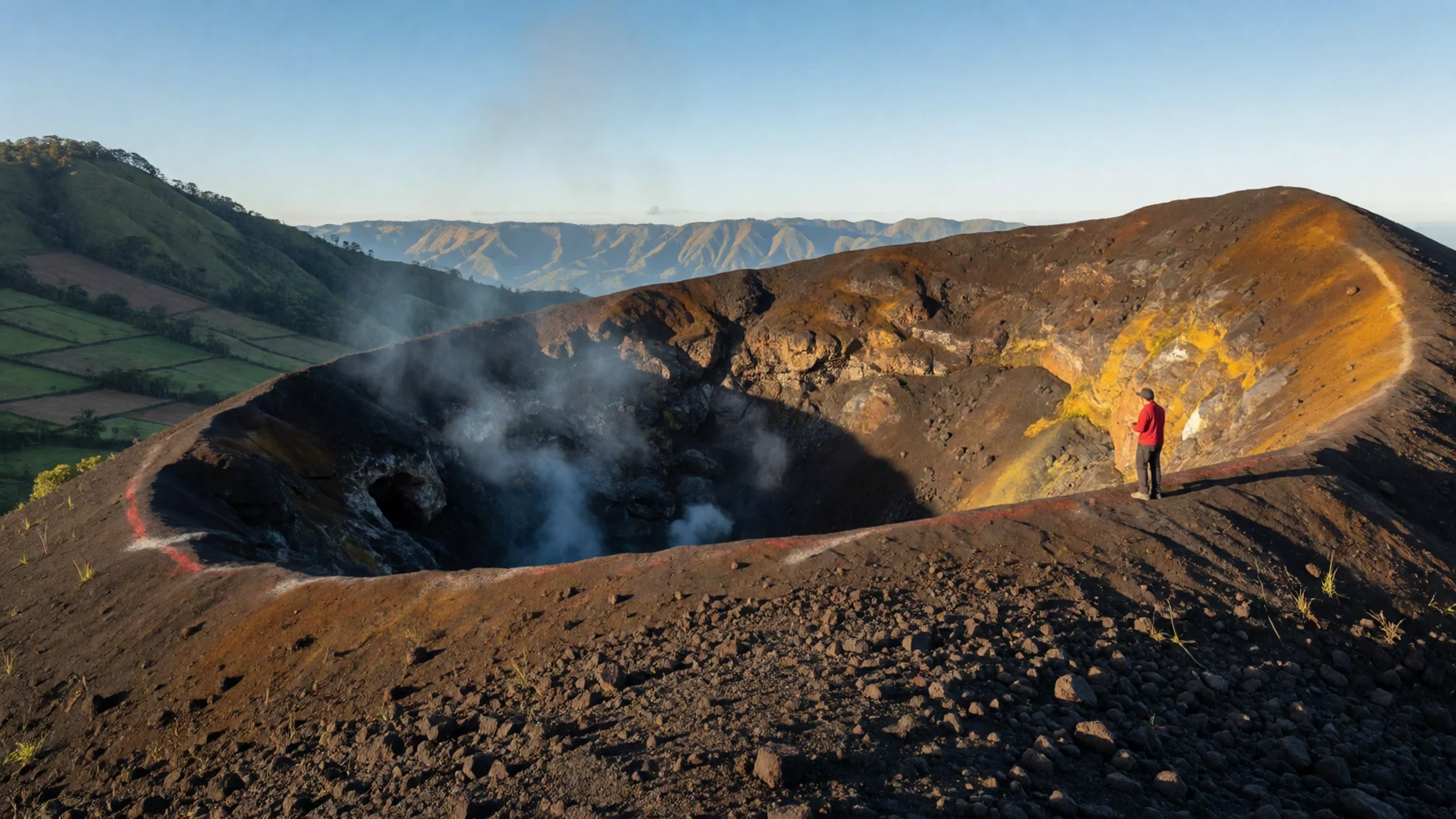
- The cinder slope — Eastern and southern flanks
Cerro Negro's flanks are loose black gravel at a steep angle, and walking on them is slow, noisy and surprisingly tiring. The climb is short for a volcano but exposed to sun and wind. Many visitors descend by sliding down the slope on boards, run by local operators, which needs good footwear and a steady head.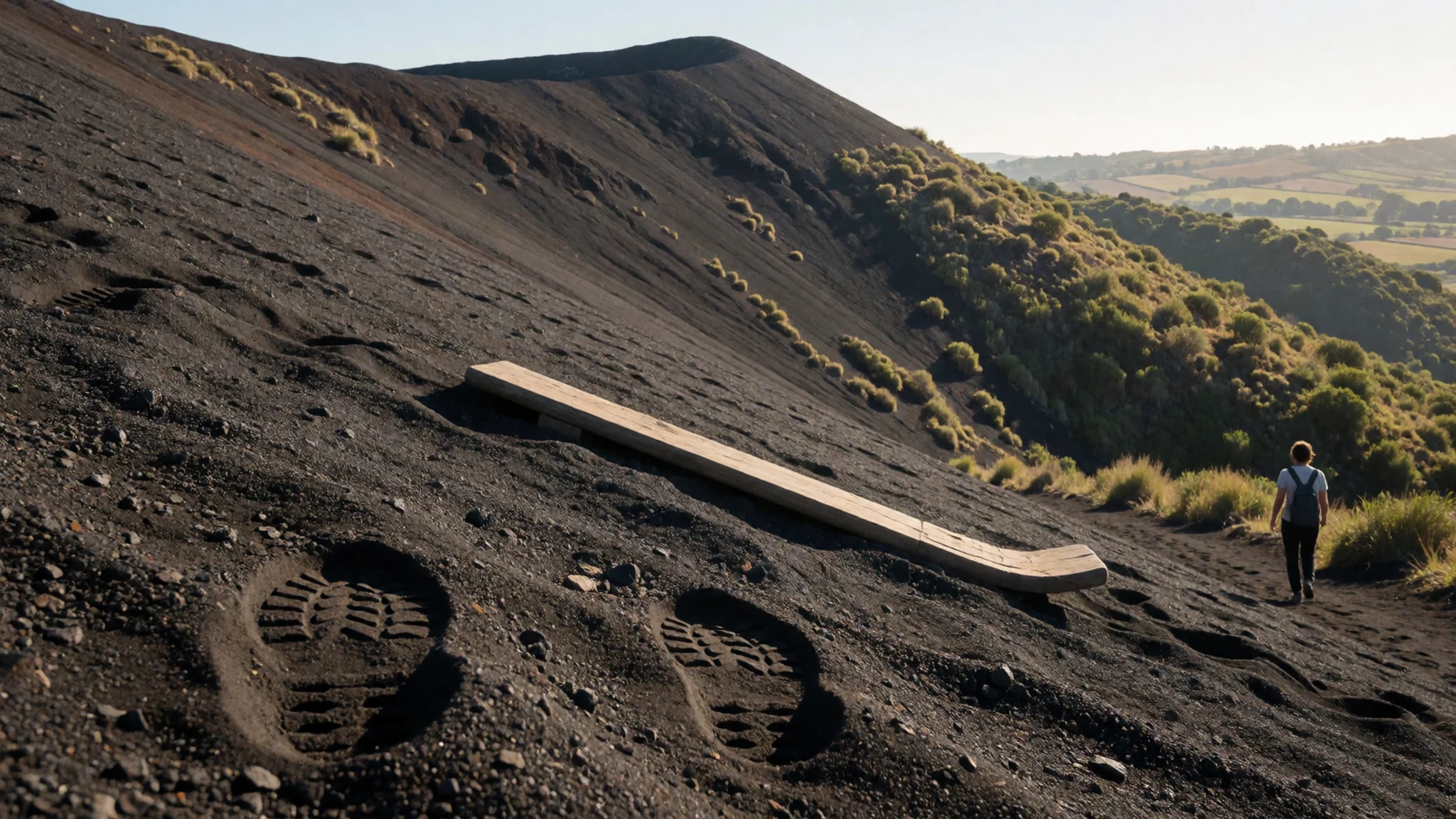
- Views along the Maribios chain — Cordillera de los Maribios
From the top of Cerro Negro, the Cordillera de los Maribios runs off in a line of other cones and ridges, with farmland and scrub in between. Clear mornings give the sharpest view. By midday haze often builds, and the black ground radiates heat that flattens the whole scene.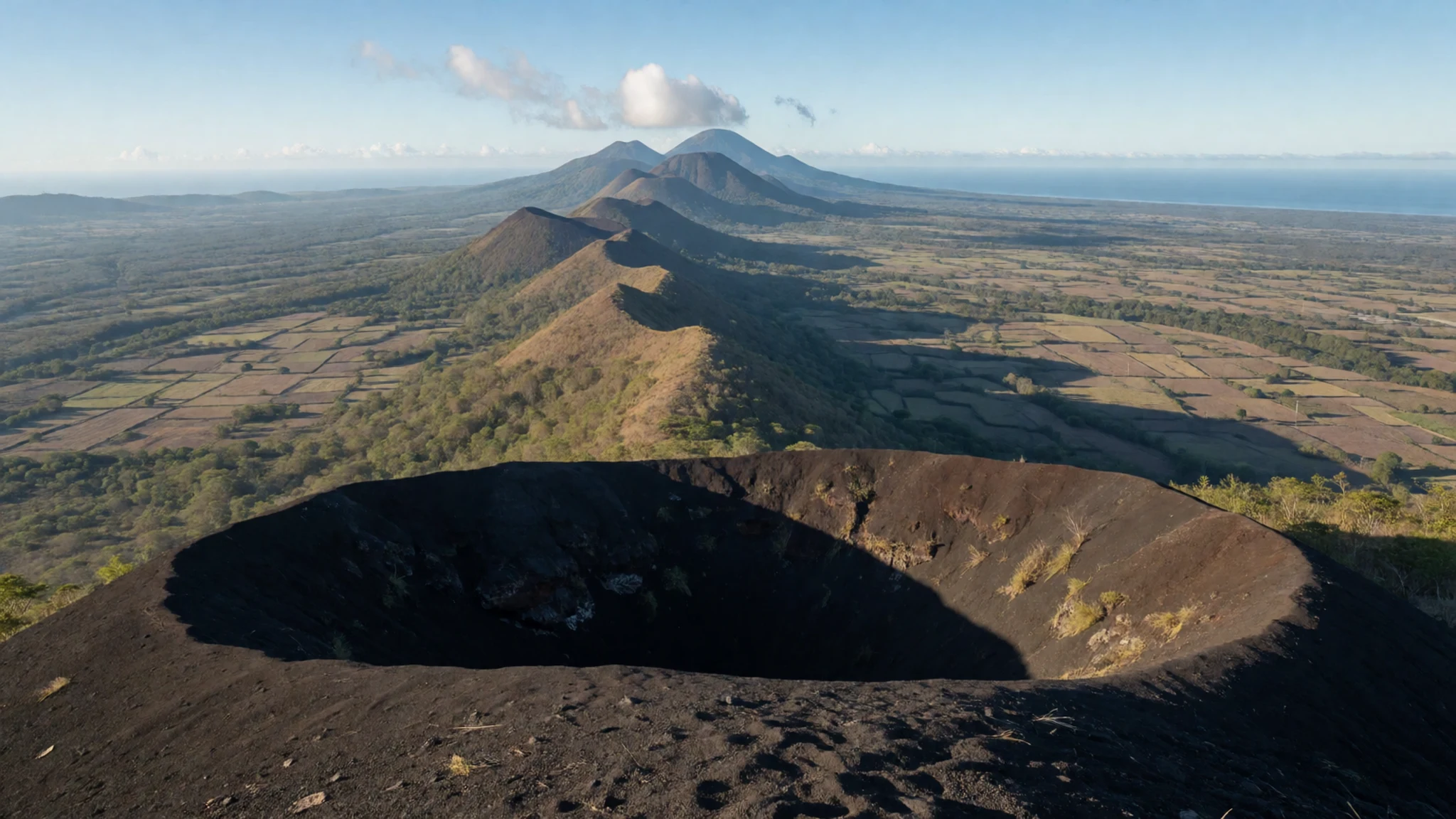
- León — León, west of the volcano
The colonial city of León is the usual base for reaching Cerro Negro. Wikivoyage points to its churches, one of them among the biggest in Central America, and to museums and murals about Nicaragua's revolutionary past. An afternoon among its streets balances a morning on bare cinder.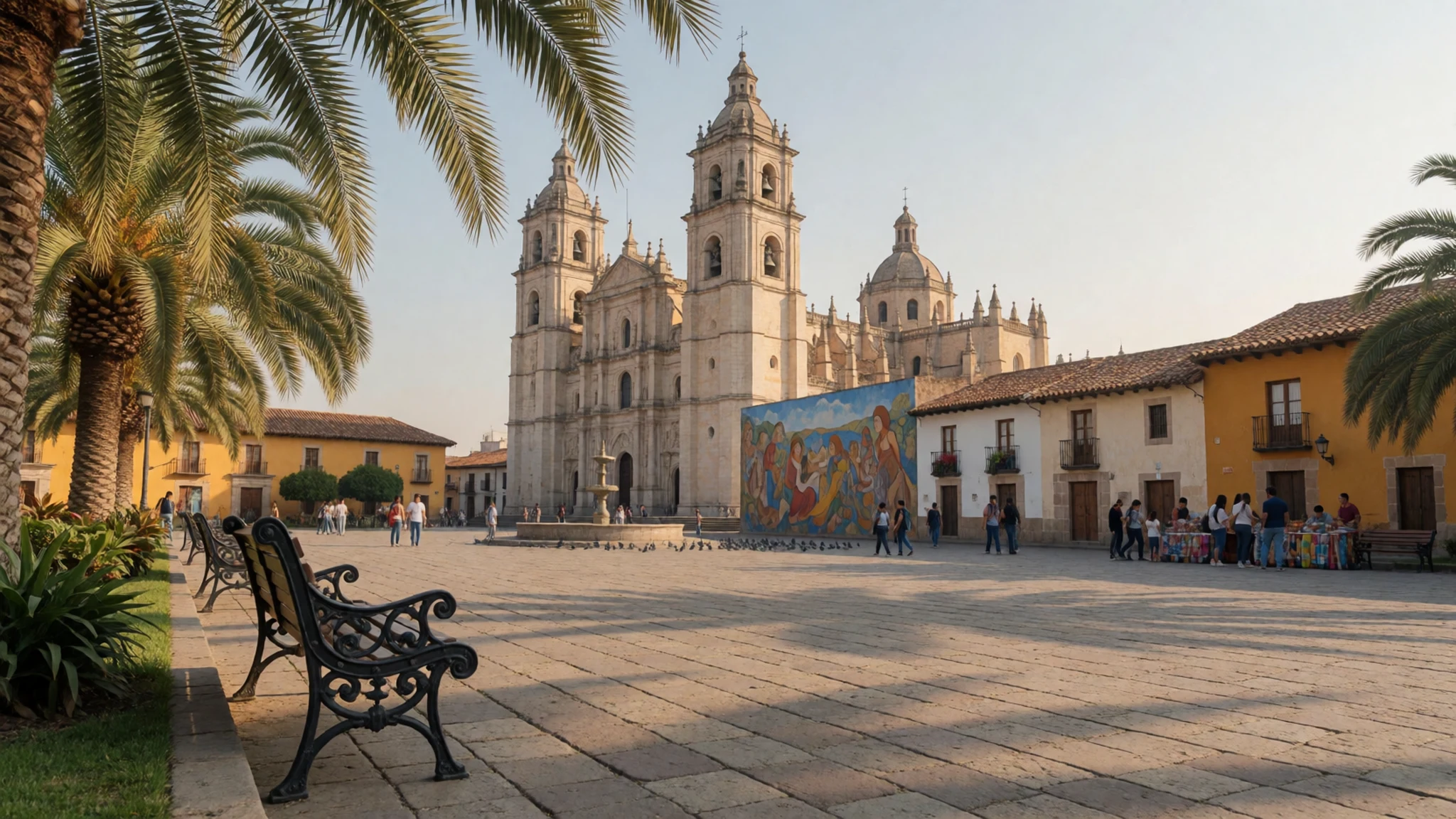
- Volcán Masaya — Near Masaya
Volcán Masaya, near the city of Masaya, makes a useful comparison with Cerro Negro. Wikivoyage notes that, when conditions are judged safe, it can be reached by car. Where Cerro Negro is a climb, Masaya is a drive-up viewpoint, so the two suit different kinds of day.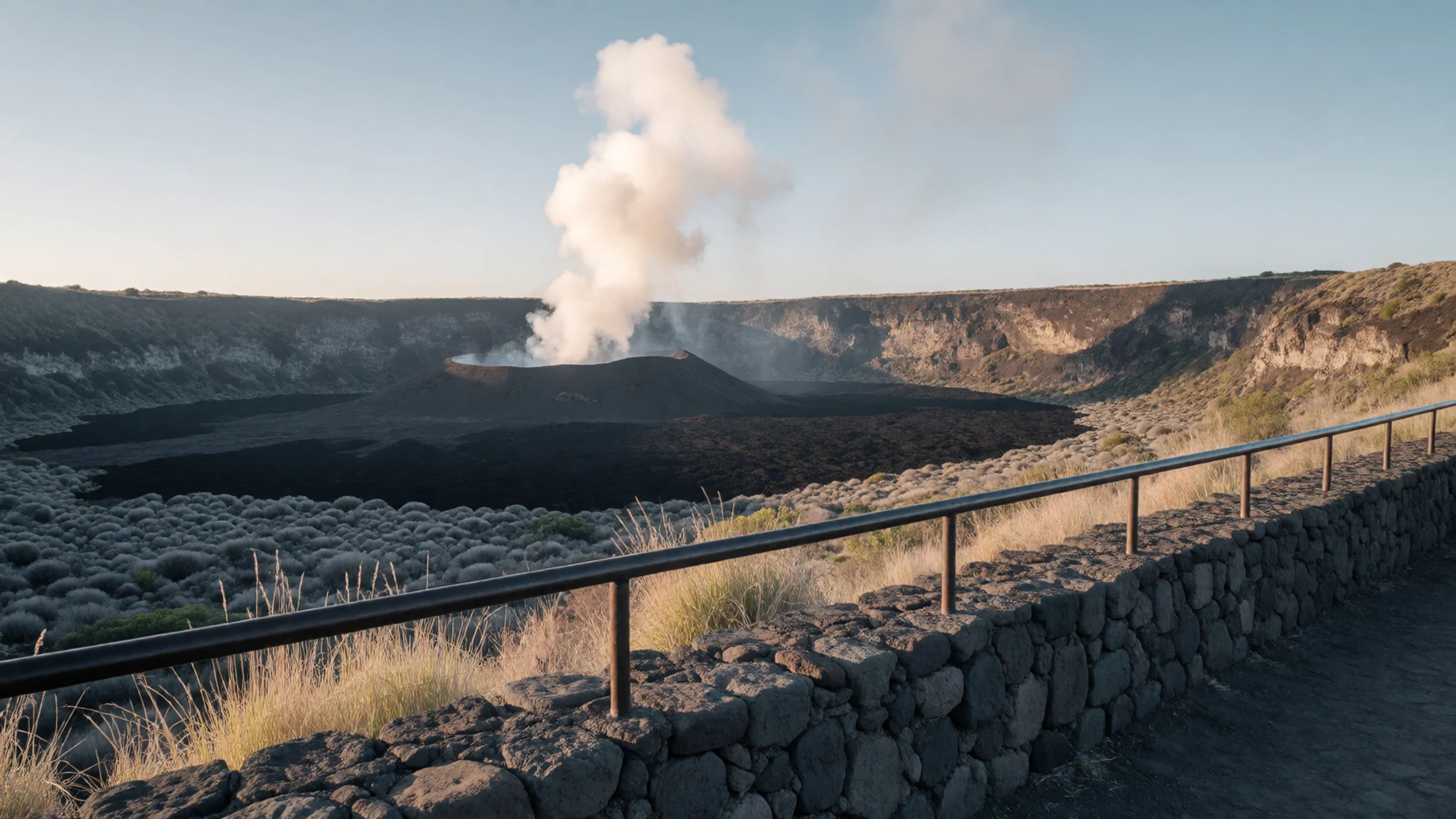
Culture
Cerro Negro lies in rural western Nicaragua, where manners matter and are quickly noticed. Nicaraguan Spanish separates formal and informal address. Usted, and ustedes for a group, is used with strangers, older people and anyone senior, while tú or vos is kept for friends and peers, or after someone has invited you to use it. Don for men and Doña for women, followed by a given name, is a courteous way to address people, as in Don Ramón or Doña María. Guides, drivers and families near the volcano are often addressed this way. Nicaraguans also tend to care about appearance and cannot see why a visitor with money would dress shabbily or look unkempt, so tidiness is read as respect. The country's self-image as a land of lakes and volcanoes is a point of pride, and sincere interest in the landscape goes down well. Expect conversation to start with greetings and small talk before business, even when arranging a tour or a lift. Rural life near the Maribios range is tied to farming and to the volcanic soil, so people often have strong opinions about the mountain's moods. Politics and the civil war are sensitive subjects, best left until someone else raises them. Greet people with a polite buenos días, use usted and Don or Doña with strangers and elders, and wait to be invited before switching to vos.
What to wear
Cerro Negro stands in a region where traditional dress is mostly seen at festivals and folk dances rather than on a normal day. The classic women's outfit is a full, ruffled skirt in bright cotton with a matching blouse, often trimmed with lace or ribbon and worn with flowers in the hair, while men's festive dress is a white cotton shirt and trousers with a straw hat. Day to day, people in León and the villages wear jeans or light trousers, T-shirts and shirts, sandals or trainers, and they keep clothes clean and pressed, since appearance matters locally. On the volcano the sensible choice is practical. Wear closed shoes with a good grip, because the cinder is sharp and loose and sandals fill with grit. Long trousers protect legs when you slip or slide, and a long-sleeved top guards against sun and abrasion. Bring a hat, sunglasses and sunscreen, as there is almost no shade on the cone, and a scarf or bandana helps with dust and wind at the top. Operators who run sliding trips usually supply protective suits, goggles and gloves, but check what is included when you book. In towns and churches, shorts are fine for the street, but cover shoulders and knees when entering a church. Pack light cotton layers that dry quickly in the heat.
What to eat
- Gallo pinto — Breakfast counters and small eateries in León
Rice and beans fried together with onion and seasoning, the everyday backbone of Nicaraguan eating. It comes with breakfast eggs, cheese and fried plantain. Any small eatery in León or on the road toward the volcano will serve it, and it suits vegetarians.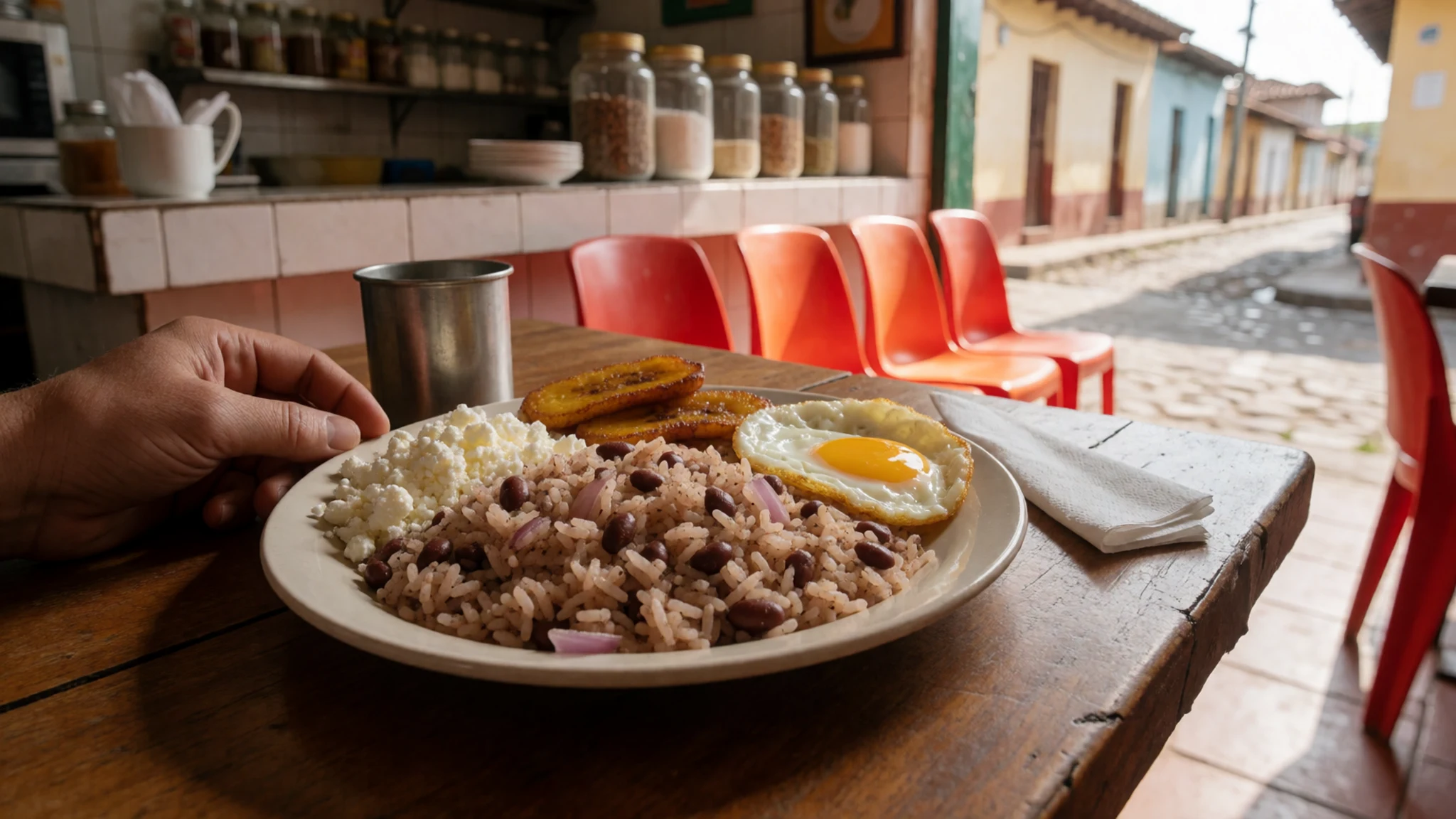
- Fritanga plate — Fritanga stalls along streets and around León's markets
A fritanga is a buffet-style stall or eatery where you point at what you want: grilled meat, rice, beans, cabbage salad and fried plantain. Quality varies a lot, so pick a busy one with food coming straight off the grill.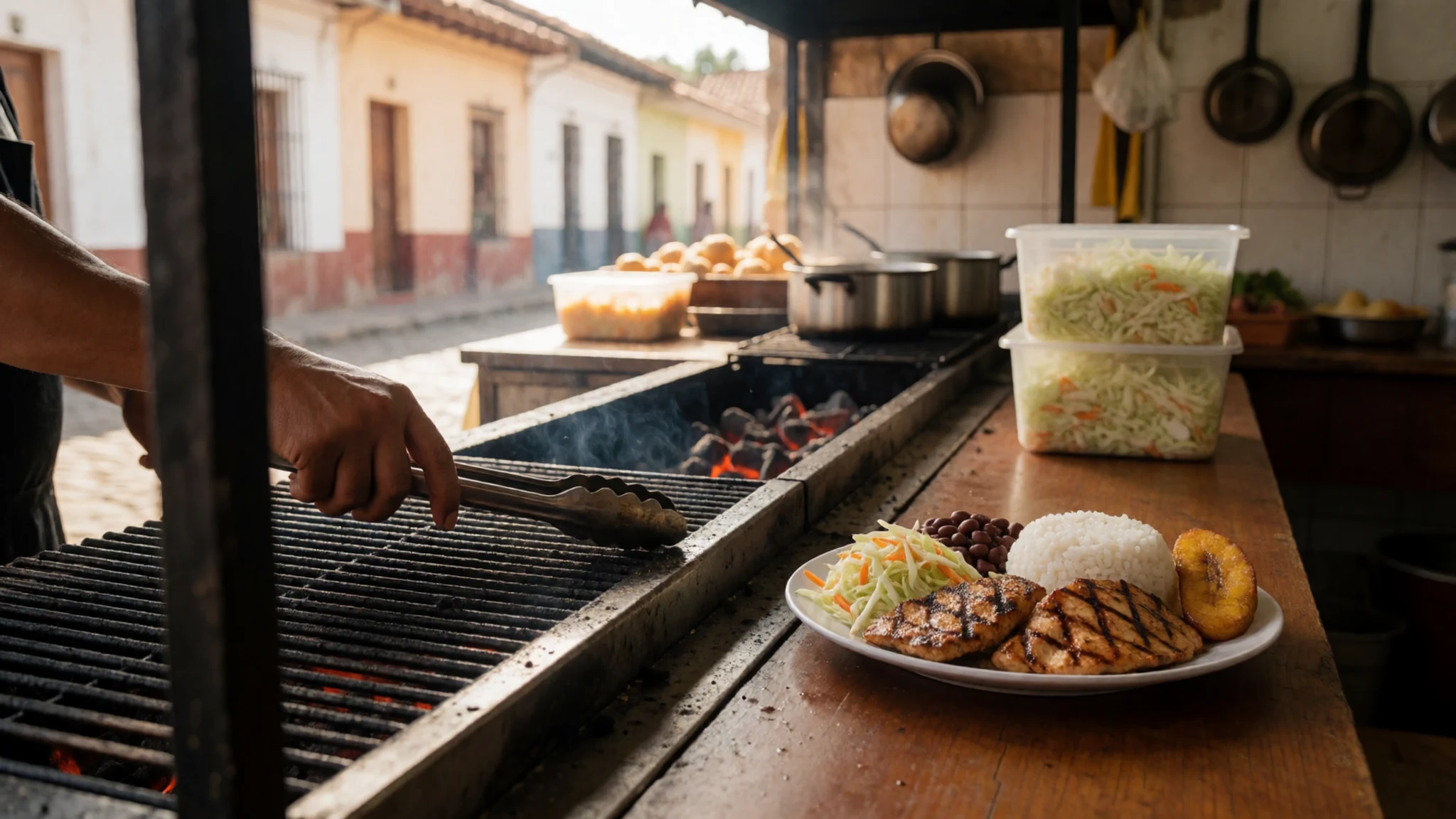
- Guiso de papas — Home-style comedores in town
A creamy, buttery stew of potato, one of the few properly vegetable dishes in the local repertoire. Pipián, a courgette-like squash, and ayote appear in similar stews. It is home cooking, so look for it where families eat at midday. - Grilled chicken or beef — Roadside grills and fritanga stalls
Chicken and beef grilled over a fire are a staple, served with salad and plantains. The beef is generally good quality but often cooked firm, so expect to chew. Vegetarians should know that chicken is often not counted as meat here. - Fried plantain and cheese — Street stalls and market counters in León
Slices of plantain fried until golden, served with fried or fresh cheese, make an easy snack or side. It is simple, filling and widely available, and a good choice before or after climbing a hot, dusty volcano.
Plan it
Best time. November to March, in the drier months, when skies are clearer and the cone is less likely to be wet or muddy. The rest of the year brings rain and afternoon storms, and the black ground makes the heat feel stronger at any time, so go early.
How long. 1–2
Getting there. Fly to Managua, then travel by road to León, the usual base. From León, join a guided trip or arrange a vehicle for the last stretch to the base of Cerro Negro, near Malpaisillo.
Budget. low
Tips
- Start early, before the heat builds and the haze rises
- Carry plenty of water, as there is no shade on the cone
- Book climbing or sliding trips with an operator that provides protective gear, and check the volcano's current status first
- Bring some cash for small eateries and village shops, and a hat and sunscreen
Etiquette
- Follow your guide's route and keep away from fumes and steaming ground
- Greet people politely and use usted with strangers and elders
- Dress tidily in town and cover shoulders and knees in churches
Nearby
Sources
- Wikidata Q607078 (CC0)
- Wikipedia, Cerro Negro (rev 1368753047) (CC BY-SA 4.0)
- Wikivoyage, Nicaragua (rev 5370620) (CC BY-SA 4.0)
- Photo: Cerro Negro Volcano Crater, Nicaragua, August 2011 (NicaPlease) (CC BY 3.0)
- Photo: Nicaragua relief location map (Alexrk2) (CC BY 3.0)
- Photo: Cerro Negro Volcano - Near Leon - Nicaragua - 01 (Adam Jones) (CC BY-SA 2.0)
- Photo: Cerro Negro Volcano - Near Leon - Nicaragua - 02 (Adam Jones) (CC BY-SA 2.0)
- Photo: Cerro Negro Volcano - Near Leon - Nicaragua - 04 (Adam Jones) (CC BY-SA 2.0)
- Photo: Cerro Negro Volcano - Near Leon - Nicaragua - 05 (Adam Jones) (CC BY-SA 2.0)
- Photo: Cerro Negro Volcano - Near Leon - Nicaragua - 06 (Adam Jones) (CC BY-SA 2.0)
- Photo: Cerro Negro Volcano - Near Leon - Nicaragua - 07 (Adam Jones) (CC BY-SA 2.0)


