Pearl Cays
Pearl Cays, Nicaragua
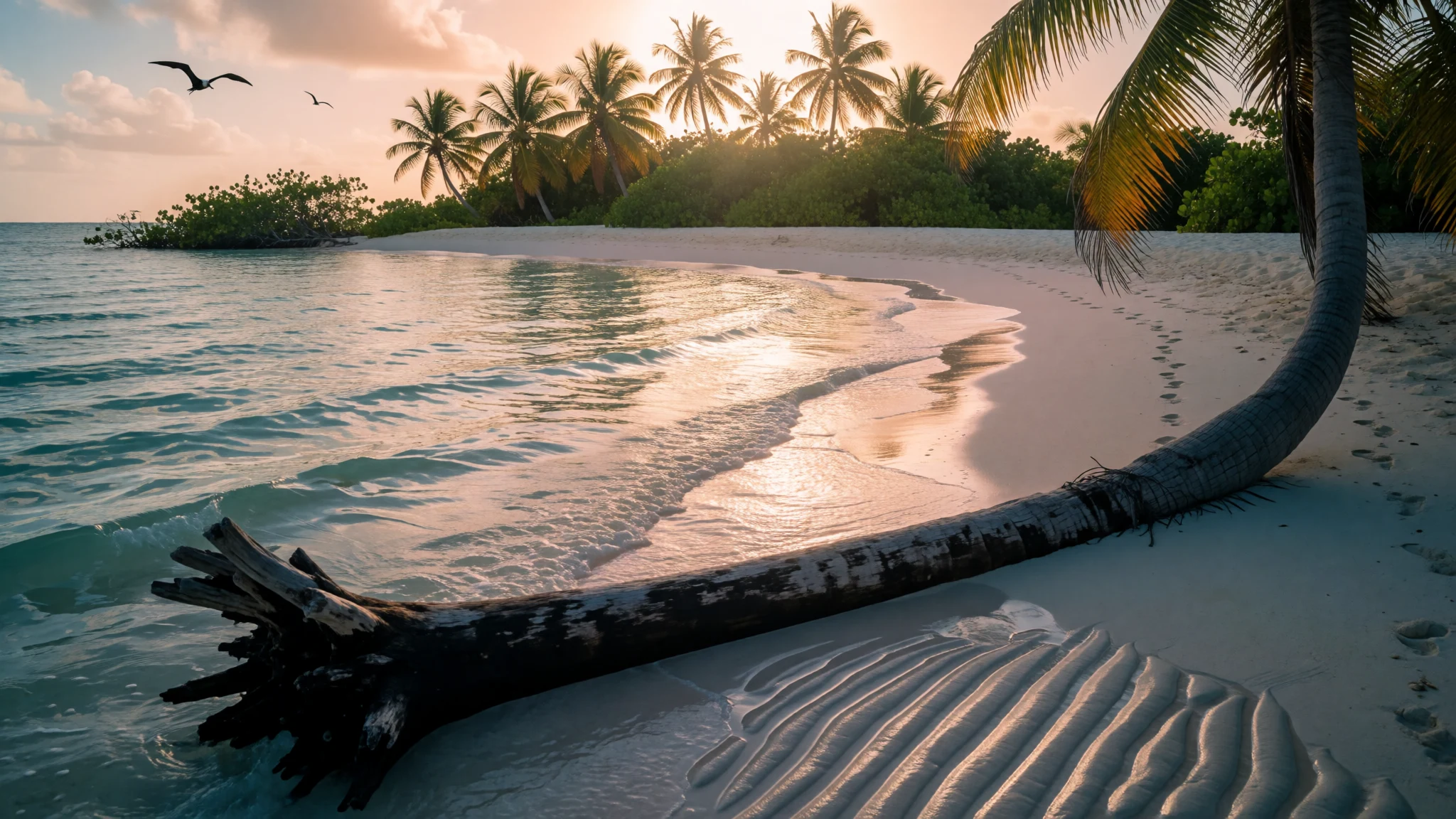
A quiet scatter of palm-covered Caribbean islands in Nicaragua, reached only by boat, where turtles nest and the coast speaks Creole as well as Spanish.
The place
Pearl Cays is a scatter of 18 small islands off Nicaragua's Caribbean coast, about 35 km from the town of Pearl Lagoon (Laguna de Perlas). Administratively it sits in the South Caribbean Coast Autonomous Region, a part of the country that feels quite different from the Pacific side, where most visitors arrive. The cays are low, sandy and covered in palms and other tropical growth, with white beaches and shallow water around them. Wikidata lists the group as both an island group and a nature reserve, with protection dating from 2010, and turtles nest on the sands, including the critically endangered hawksbill. That shapes how the place should be visited: lightly, and with respect for the beaches. Getting here takes effort. No road runs to the cays, so everything goes by boat from the lagoon, which is itself usually reached by water from Bluefields. Weather deserves honesty too. The Caribbean side is far wetter than the Pacific, and rain can fall even in the months the rest of the country calls dry, so sunshine and calm seas are never guaranteed. Facilities are basic, with simple lodgings around the lagoon, boat day trips and very little on the islands themselves. People come for quiet, snorkelling, and the chance to see a coast where Creole, Miskito, Garifuna and Spanish-speaking communities live side by side, and where English-based Creole is as likely to be heard as Spanish.
Its story
The story of Pearl Cays is really the story of Nicaragua's Caribbean coast, which developed apart from the Spanish-colonised Pacific side. For long stretches this was the Mosquito Coast, where the Miskito people traded and allied with the British, and that contact left its mark in the English-based Creole still spoken in towns such as Pearl Lagoon. Moravian missionaries later built churches and schools along the shore, and congregations remain central to community life. Isolation was both protection and hardship. Without roads, the lagoons and rivers stayed the main routes, and many communities lived by fishing, small farming and lobster or shrimp work. The civil war of the late twentieth century touched the coast too, and the region afterwards gained its own autonomous status within the country. The cays entered the conservation story as nesting ground. Turtles, hawksbills among them, have long come ashore on these beaches, and the area's formal protection from 2010 recognised that the sand matters as much as the scenery. Nearby communities have a stake in how the cays are used, from boat work to guiding. Storms are part of the backdrop. Nicaragua is generally not on the main hurricane tracks, and Hurricane Otto in 2016 caused less destruction than feared, but the coast is exposed enough that forecasts are taken seriously.
What to see
- Pink Pearl Island — Pearl Cays
One of the cays most often shown in photographs, with pale sand, palms and clear shallows. Boats from Pearl Lagoon bring day visitors, so mornings are calmer. Swimming and snorkelling are the main activities. Pack out all rubbish, since the islands have almost no services of their own.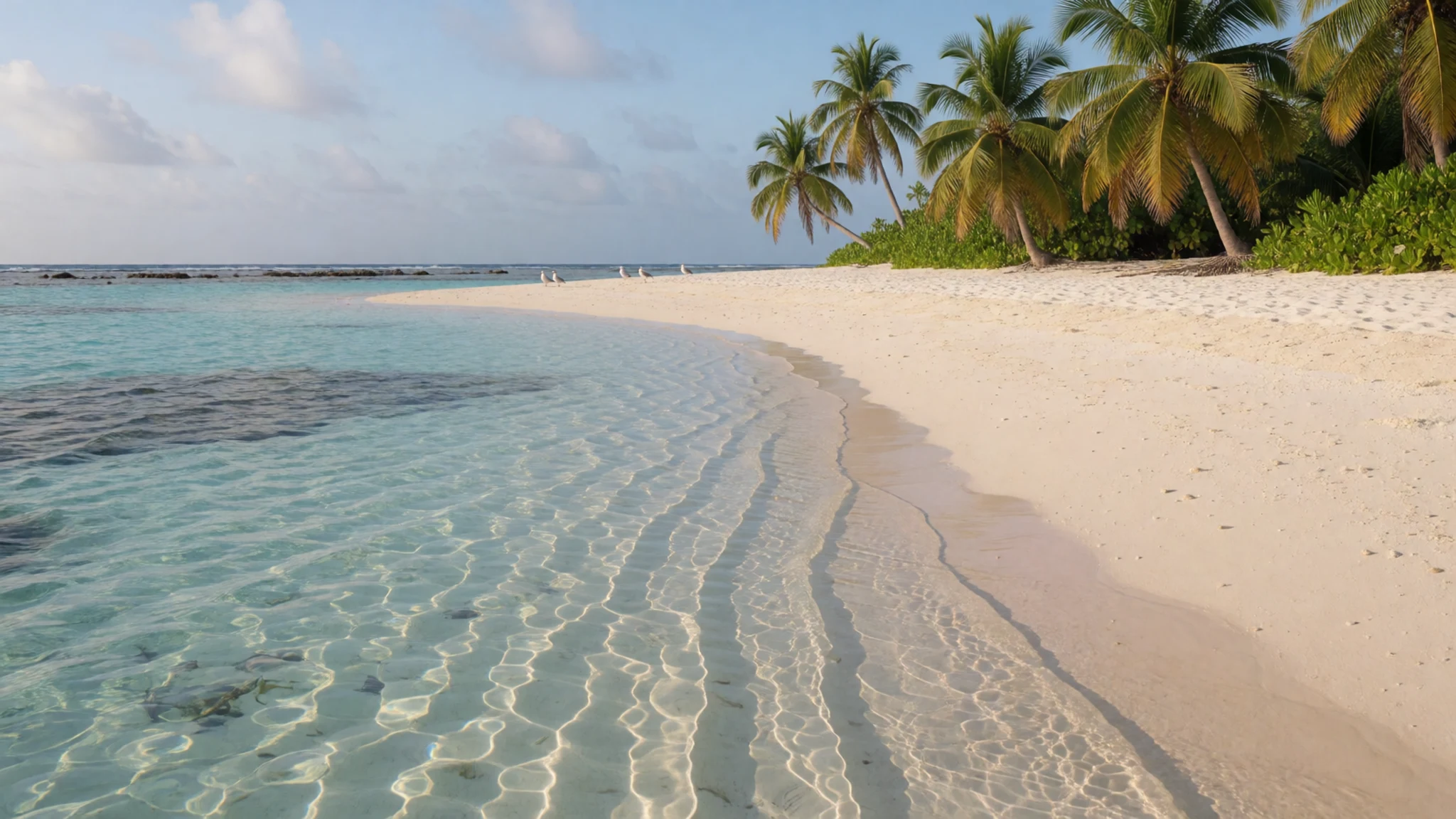
- Turtle nesting beaches — Across the cays
Hawksbill and other turtles come ashore on the cays' sand, and the refuge exists partly to protect that. Nesting is seasonal and visits are best arranged with local operators who know the rules. Keep well back, avoid lights and never touch nests or eggs.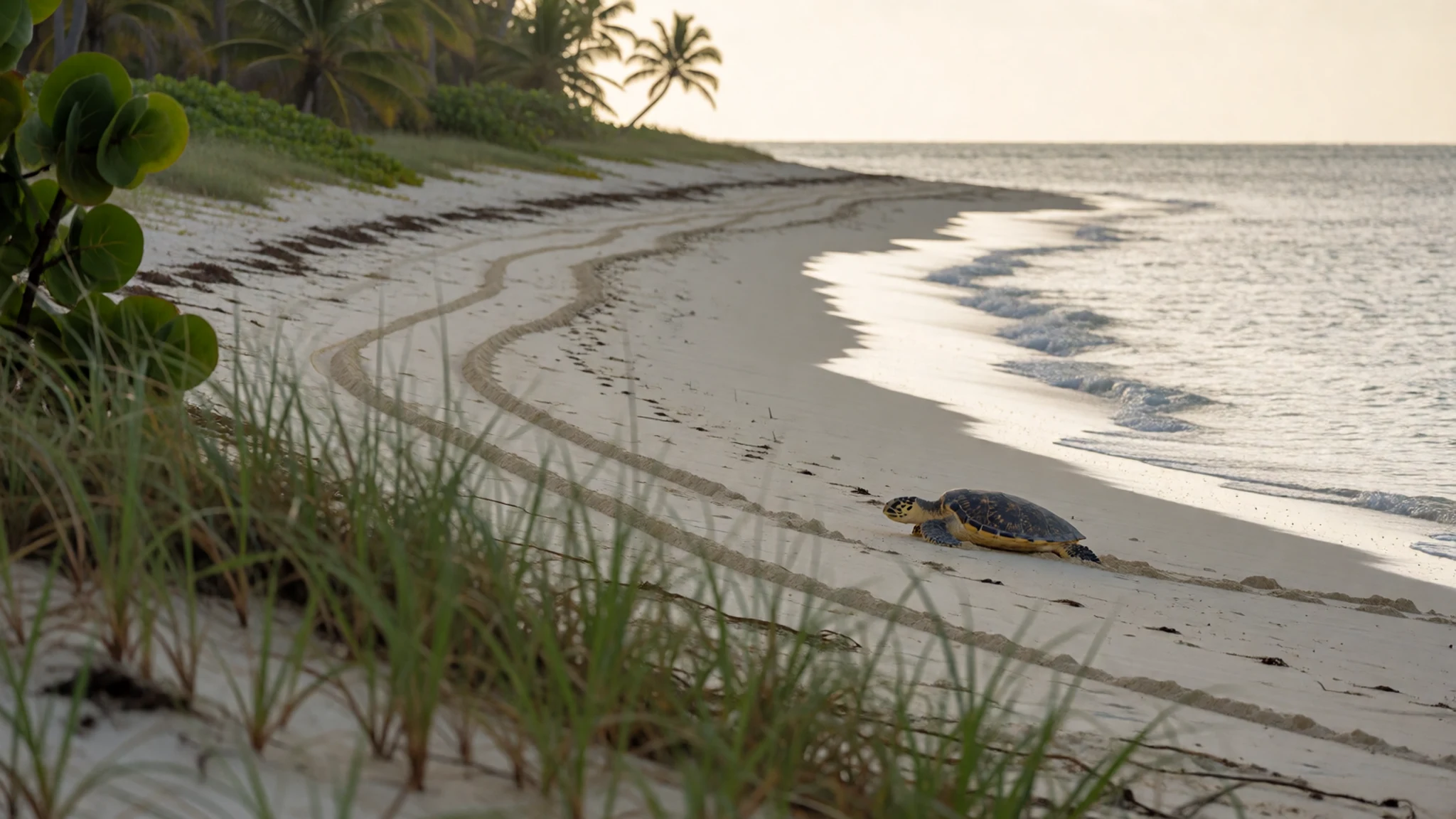
- Reefs and shallows — Waters around the cays
The clear water around the cays suits snorkelling, with sand flats, patches of coral and small reef fish close to shore. Conditions change with rain and wind, so ask boat captains about visibility before choosing a day. Wear a rash vest and avoid standing on coral.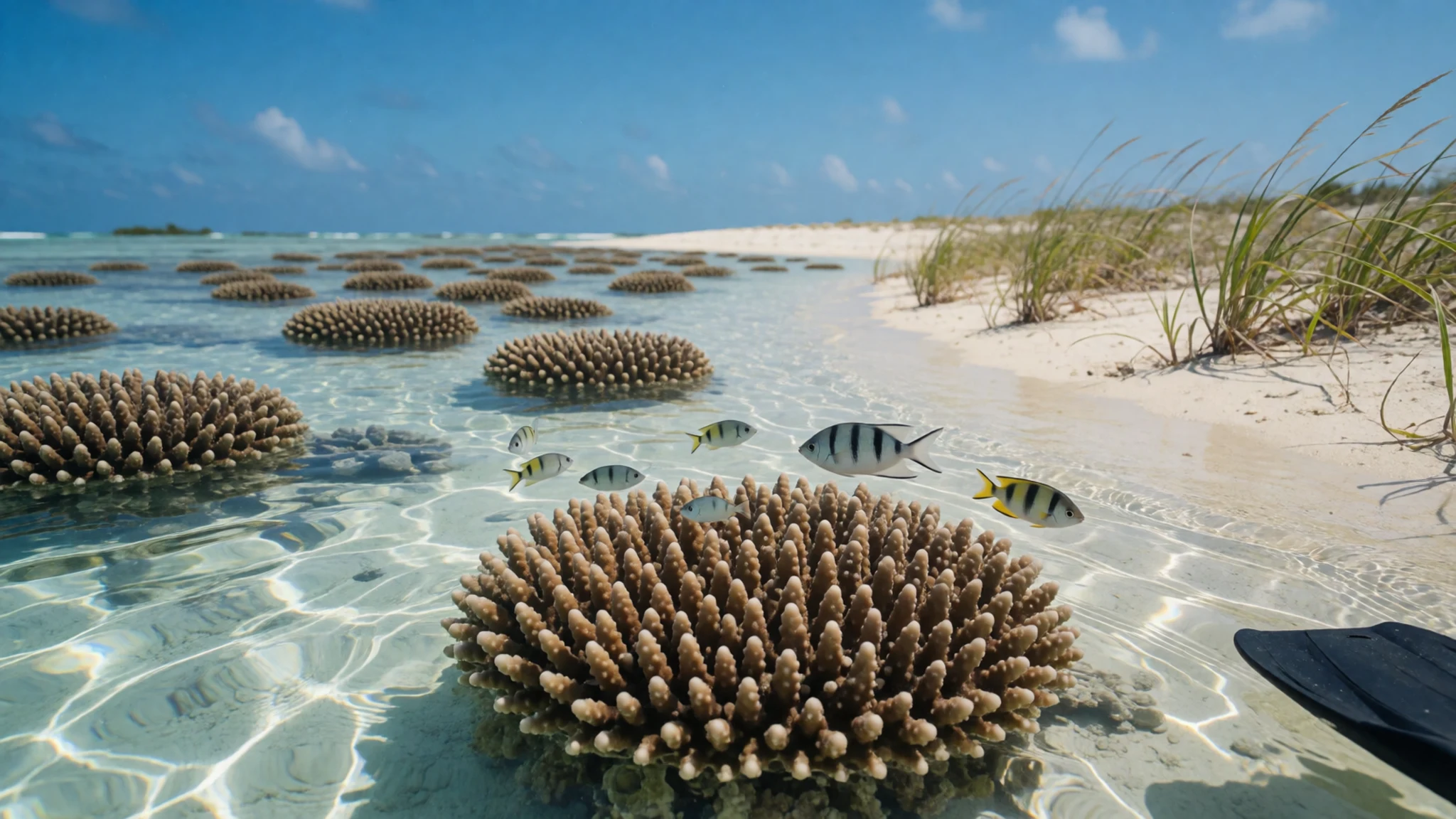
- Pearl Lagoon (Laguna de Perlas) — Pearl Lagoon
The lagoon town is the usual base for reaching the cays. It is a working community of wooden houses, churches, landing stages and fishing boats, where Creole and Miskito neighbours trade and talk. Evenings are quiet. It is a good place to arrange boats, ask about weather and meet local guides.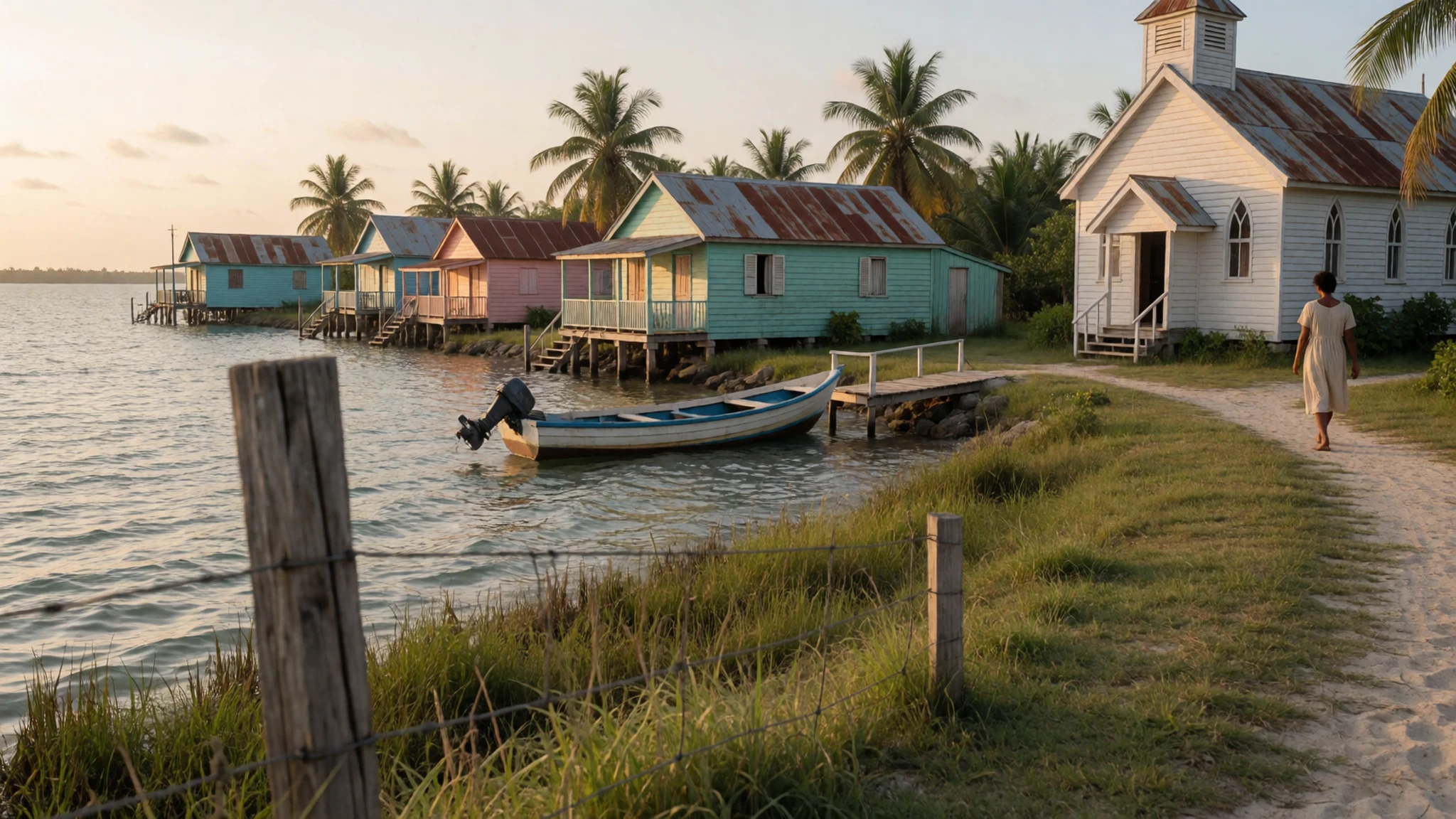
- Bluefields — Bluefields
The port town on the way, and the main gateway to the southern Caribbean coast. Its waterfront, market streets and mix of languages give a first taste of the region's character. Most travellers pass through on the way to the lagoon, so allow time for onward boat connections.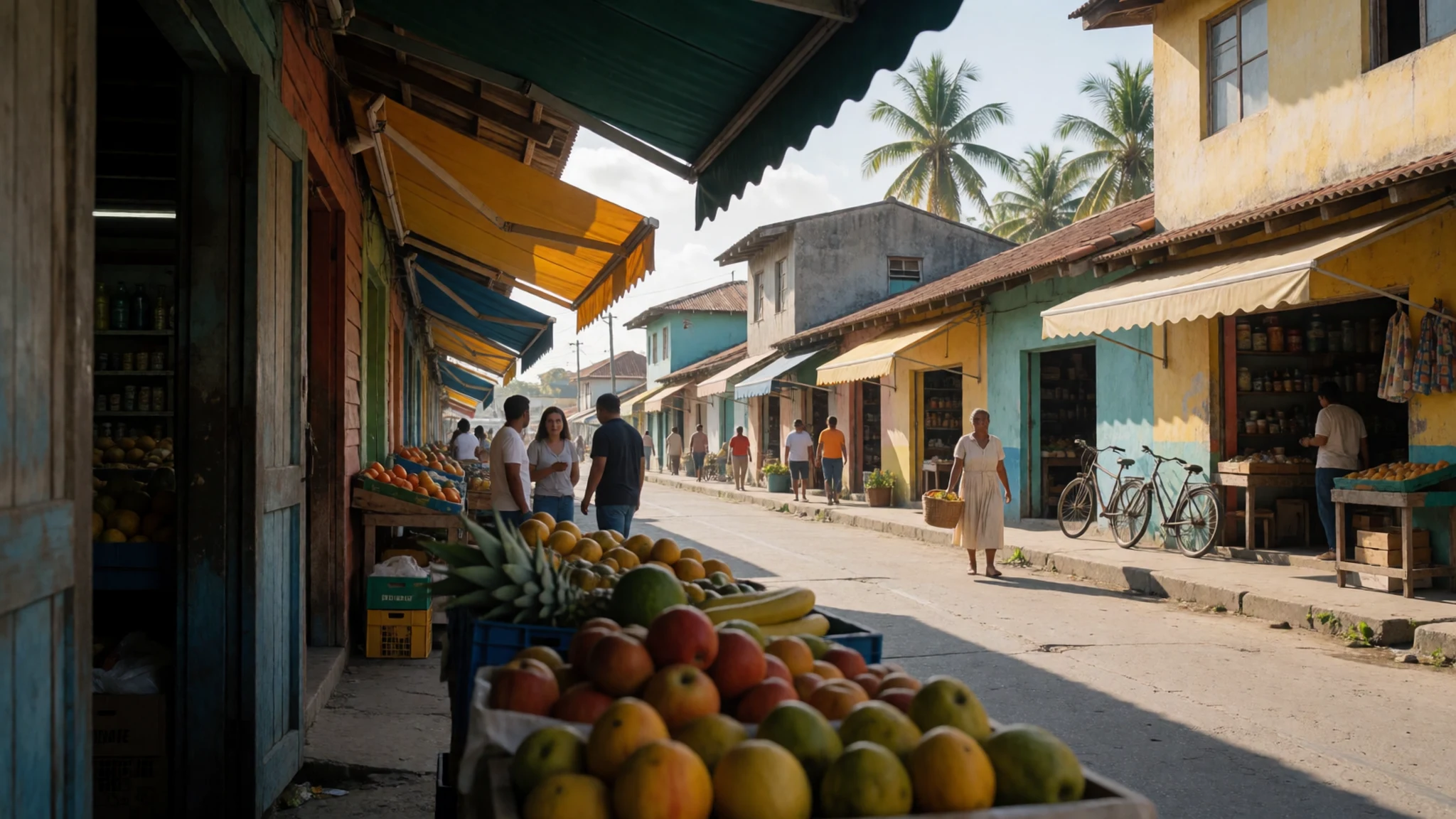
Culture
Pearl Cays lies in a region where several peoples share the coast: Creole, Miskito, Garifuna, Rama and Spanish-speaking mestizo families. Each has its own language, church or ceremonial calendar, and visitors quickly notice that the coast has a different rhythm from the Pacific side. English-based Creole is common in towns such as Pearl Lagoon, with Spanish used for official business and Miskito spoken in many villages. Community life often centres on churches, and the Moravian tradition is strong. Fishing and boat work shape the week, and the sea decides plans more than clocks do. May brings the Palo de Mayo celebrations, with music, drumming and dancing in towns along the coast. Across Nicaragua, politeness matters. Spanish distinguishes between formal and informal address, with the formal form used for strangers and older people, and people are often called Don or Doña before their first name. Nicaraguans also tend to care about looking tidy and are puzzled by visitors who dress carelessly. Greetings come before questions or bargaining, and a calm, unhurried manner goes a long way. Visitors should remember that the cays are a protected refuge, and a day trip should leave no trace behind. Ask before photographing people, and never take turtle eggs, shells or coral from the cays.
What to wear
Dress around Pearl Cays reflects the coast's mix of peoples. Traditional clothing here is mostly seen at festivals and church or school events. Women in Nicaraguan folk dress wear wide ruffled skirts in bright cotton with embroidered or flowered blouses, and May celebrations bring colourful costumes and headwraps. Garifuna women often wear brightly patterned cotton dresses with matching headwraps for ceremonies. The Miskito, historically, made cloth from beaten tree bark, though that is now more a matter of heritage than daily wear. Everyday dress is far simpler. In Pearl Lagoon and nearby villages, people wear T-shirts, shorts, light dresses, flip-flops and football shirts, usually clean and well kept, and best clothes appear on Sundays for church. For visitors, the climate decides most things. Pack quick-drying shirts, shorts, a brimmed hat, a light rain jacket and sandals that cope with wet boat landings, along with water shoes for reef and shallows. Reef-safe sun cream and a dry bag for phones and passports are worth having. On boats, expect spray. In towns and churches, cover shoulders and knees and keep swimwear for the beach. A lightweight long-sleeved layer helps with sun and with insects in the evening.
What to eat
- Rondón — Family eateries in Pearl Lagoon and Bluefields
A slow-cooked coastal stew of fish or seafood with coconut milk, plantain, yuca and other roots, sometimes with chilli. It is the dish most tied to the Caribbean side. Look for it in family-run eateries around Pearl Lagoon and Bluefields, usually served at midday.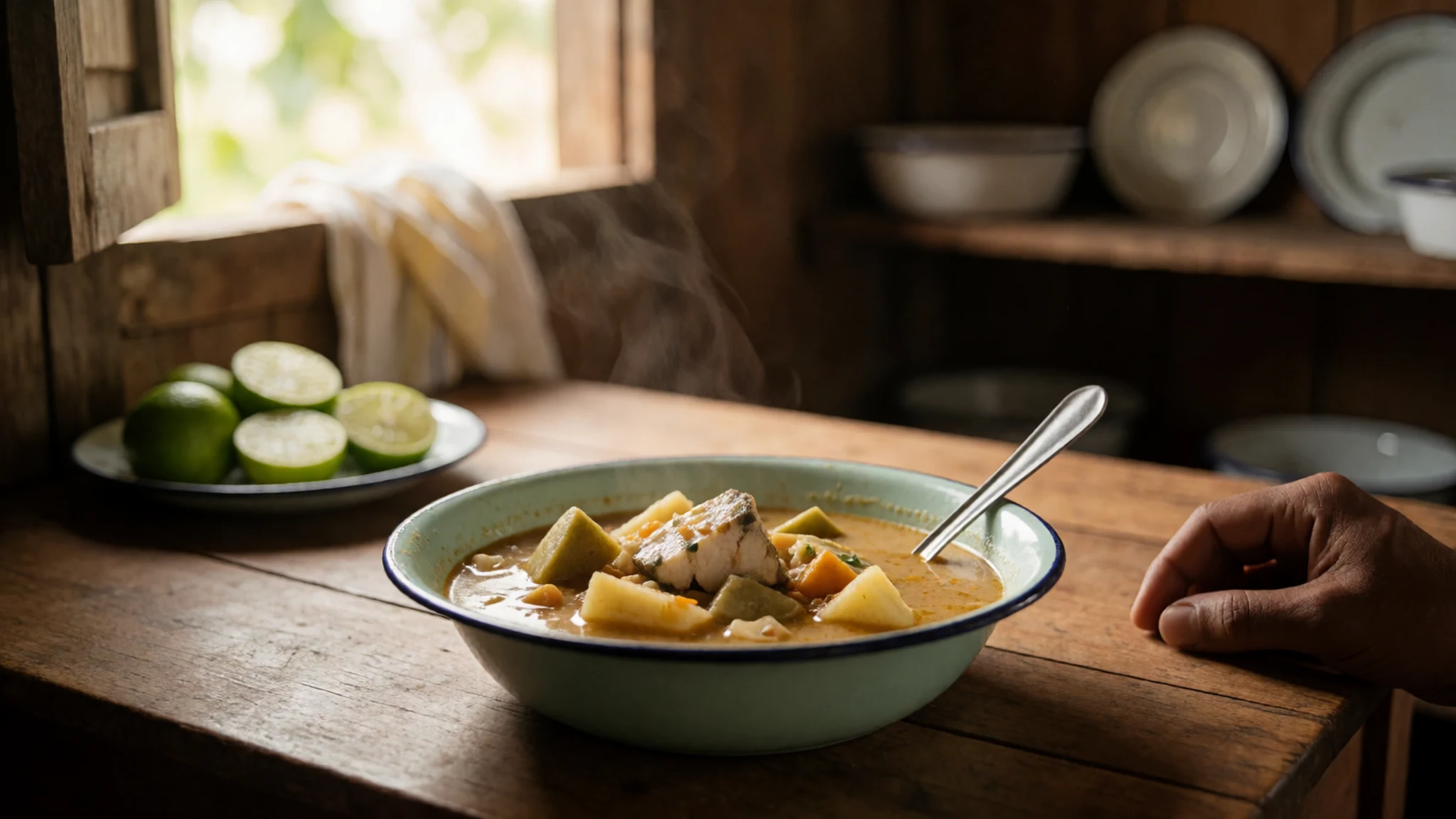
- Fried fish with tostones — Boat landings and seafront eateries
Whole fish fried until crisp, served with twice-fried green plantain slices, rice and cabbage salad. The catch is usually local and the lime is squeezed on at the table. Boat landings and small seafront places in lagoon villages are the best bet.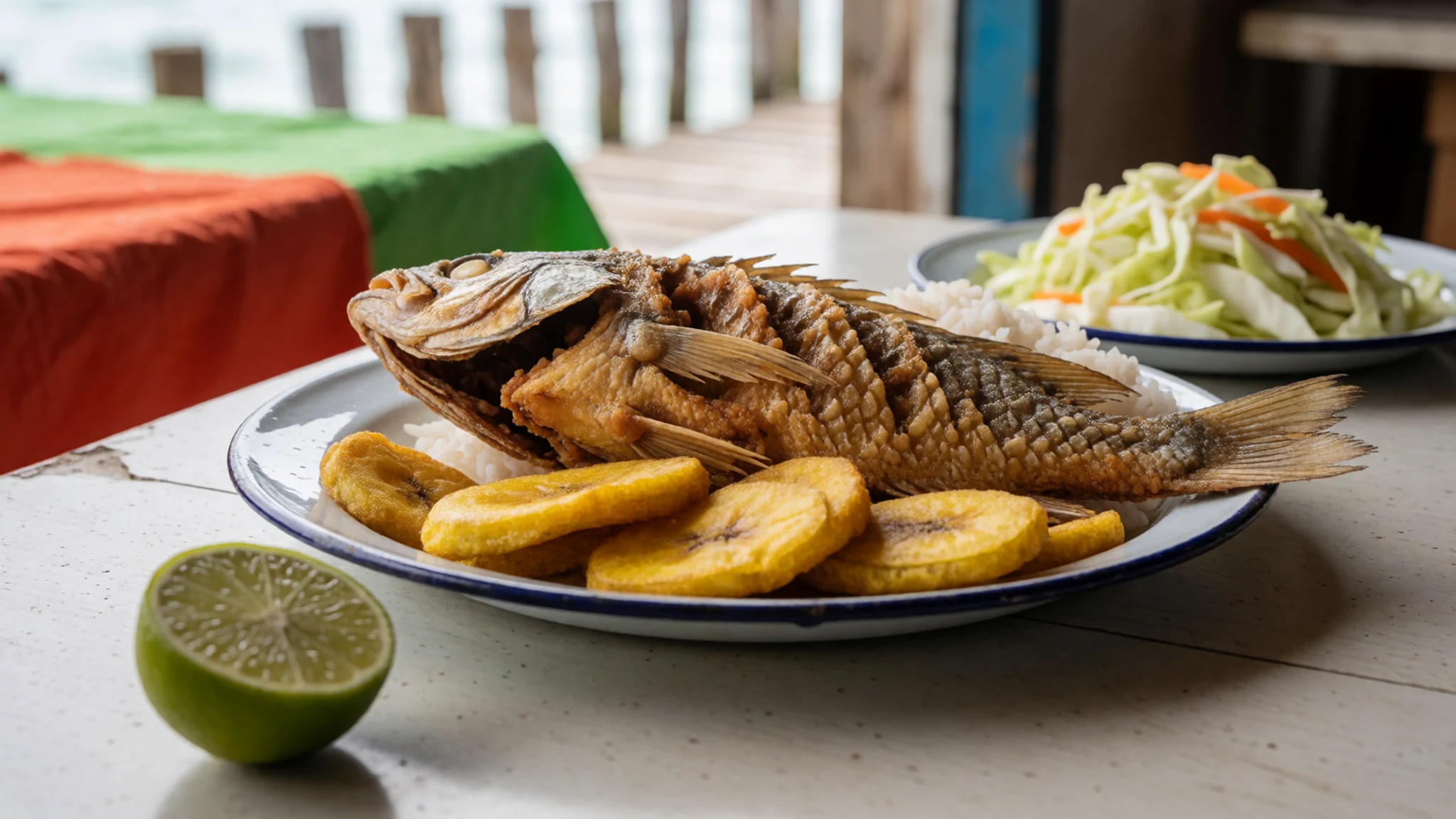
- Coconut bread — Village bakeries and home kitchens
A soft, lightly sweet loaf made with coconut milk, baked in home kitchens and sold in villages around the lagoon. It is eaten at breakfast or as a snack with coffee. Ask in the morning, since it often sells out early. - Gallo pinto — Breakfast counters and fritanga stalls
Rice and beans fried together, the everyday base of Nicaraguan meals. On the coast it is often cooked with coconut milk for a richer flavour. Expect it with eggs and fried cheese at breakfast, or beside fish at lunch. - Lobster and shrimp — Seafood eateries in Pearl Lagoon and Bluefields
The coast's seafood trade supplies lobster and shrimp, grilled or cooked in garlic and butter. Seasonal fishing closures apply, so availability varies. Ask local eateries what is fresh and legal to serve, and avoid anything sold out of season.
Plan it
Best time. February to April is usually the driest and calmest stretch, although the Caribbean coast stays wet and showers can come at any time. May to October is the rainy season, with heavier downpours and rougher seas, and hurricane warnings should always be heeded.
How long. 2–3
Getting there. Fly from Managua to Bluefields, then take a boat to Pearl Lagoon (check current schedules locally). From the lagoon, arrange a boat to the cays, about 35 km away, with a local operator.
Budget. mid
Tips
- Book boats and lodgings ahead through a trusted local contact, and confirm weather the evening before.
- Carry cash in small notes, as cards and cash machines are scarce outside Bluefields.
- Bring drinking water, sun protection and a waterproof bag for boat trips.
- Allow a spare day in case rain or rough seas delay boats.
- Check current official guidance on entry rules and the Tourist Card before travelling.
Etiquette
- Take all rubbish back to the mainland and do not touch turtle nests or eggs.
- Greet people before asking questions, and ask before photographing individuals.
- Dress neatly in towns and churches, keeping swimwear for the beach.
Nearby
Sources
- Wikidata Q3649442 (CC0)
- Wikipedia: Pearl Cays (rev 1377358124) (CC BY-SA 4.0)
- Wikivoyage: Nicaragua (rev 5370620) (CC BY-SA 4.0)
- Pink Pearl Island, photo by Pedroflores1 (CC BY-SA 4.0)

Wildlife
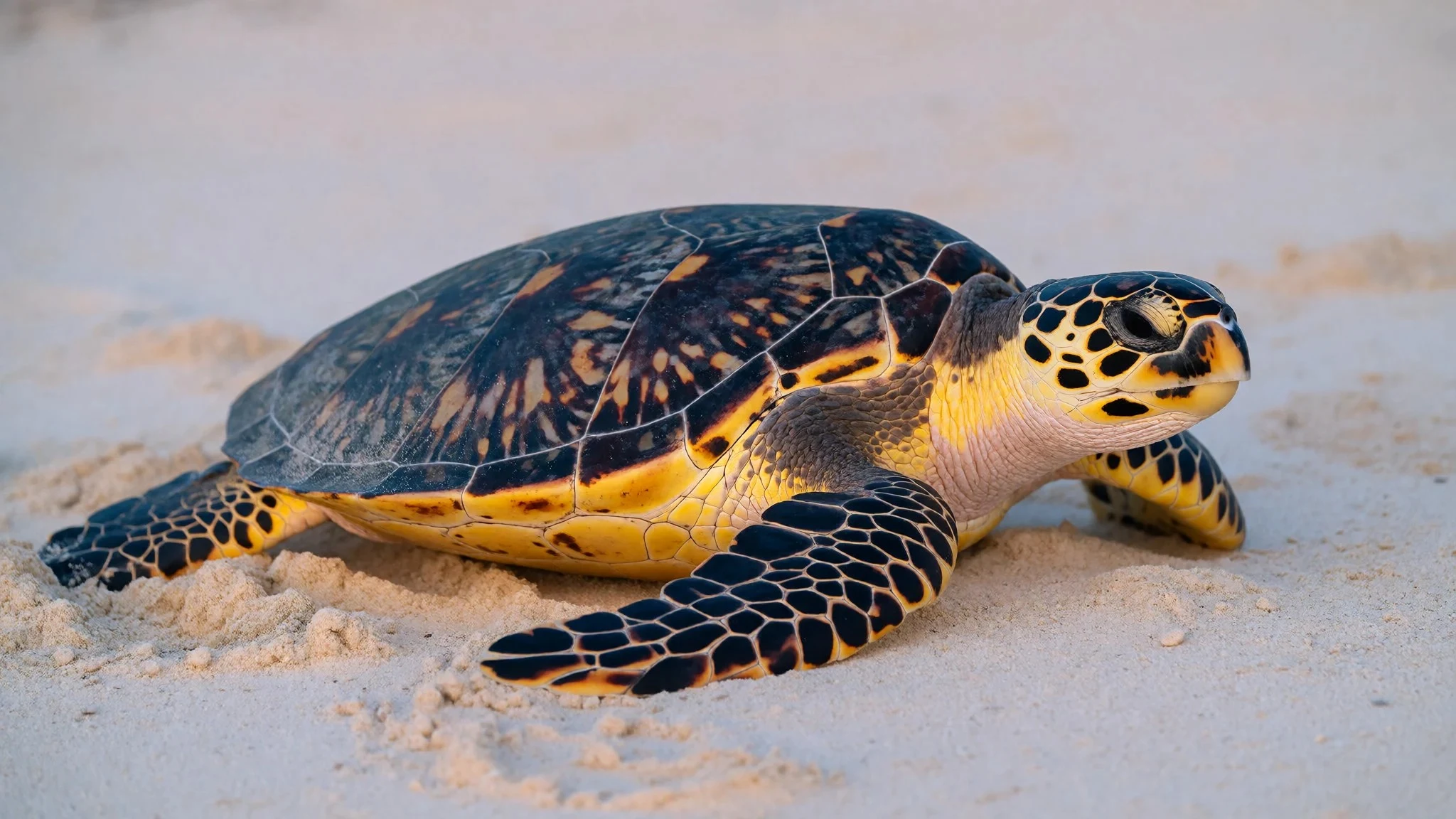
- Hawksbill sea turtle (animal)
The hawksbill is a sea turtle, a shelled wanderer of warm seas that is now critically endangered, so every sighting is precious. In Pearl Cays, turtles come ashore to nest on the sands, and hawksbills are among them, though a local guide is best placed to say when to look. Watch from a respectful distance, keep your voice low, and go with a guide who knows the beaches. Never touch, chase or feed the turtles; let them go about their business undisturbed.