Corn Islands
Corn Islands, Nicaragua
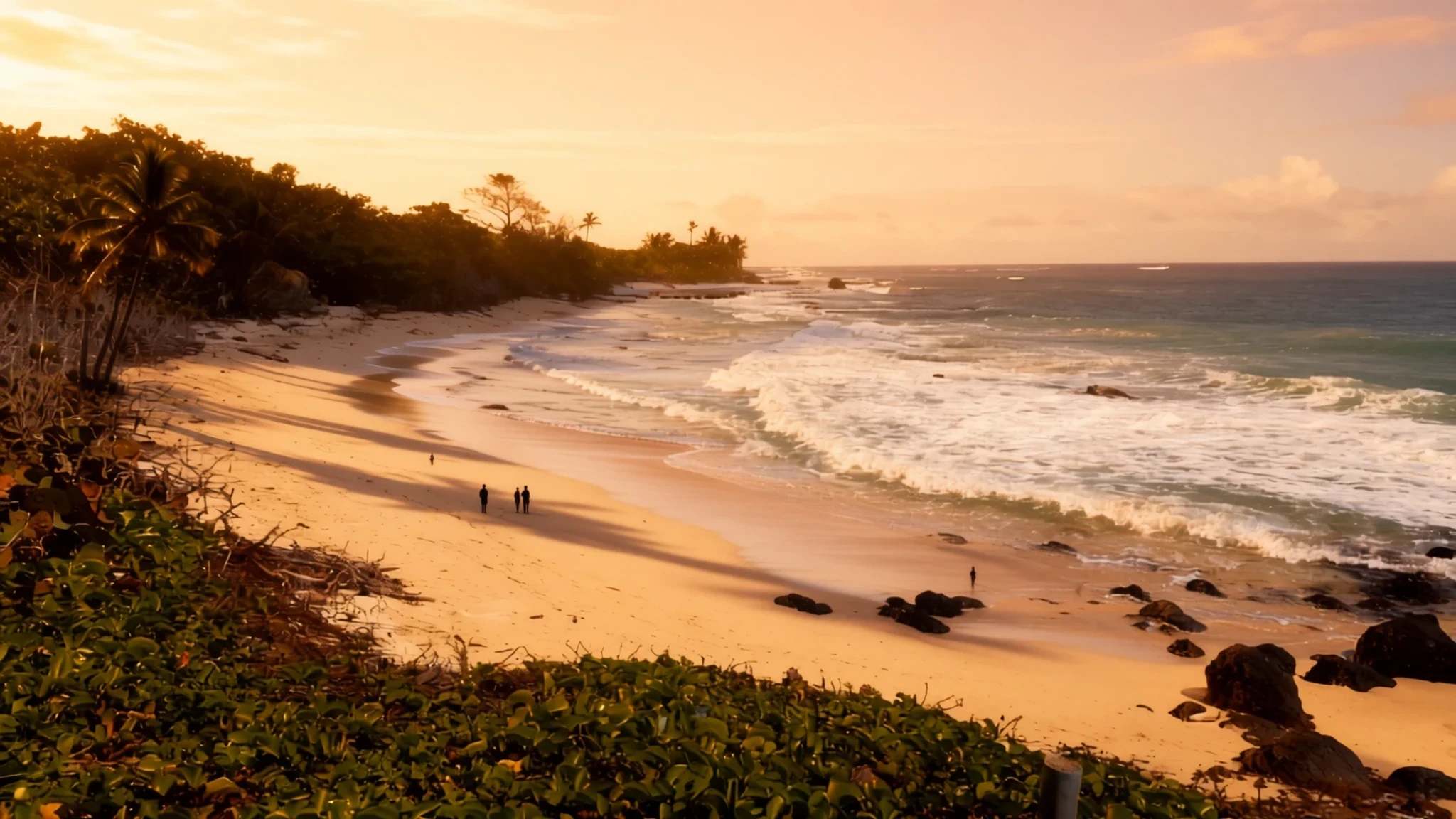
Corn Islands are a Creole Caribbean pair of shores where coconut palms, fishing boats and clear water still set the day.
The place
Corn Islands sit in warm Caribbean water off Nicaragua's eastern shore, a low green world of sand, coconut palms and Creole neighbourhoods well removed from the Spanish-speaking cities of the Pacific. The name covers Big Corn and Little Corn, close enough to share a language and a kitchen, separated by a boat ride that still marks a change of pace. Big Corn holds the airstrip, the harbour, the schools and most of the shops. Little Corn is walked from end to end, with footpaths instead of traffic and the sea audible from almost every yard.
The shore alternates between pale sand and dark ironshore, and the water moves from clear shallows over sand to deep blue past the reef. Coconut palms lean over both islands, a living trace of the old plantation economy, which has never fully left the landscape even as fishing and visitors have taken over the work. Houses are mostly timber, lifted a little off the ground, painted in bright colours and shaded by breadfruit, mango and sea-grape.
Daily life follows the boats. Fishers leave before dawn and come back with lobster, snapper, jack and whatever the traps and lines have allowed. Children grow up with Caribbean Creole English at home and Spanish at school, and both languages share the same street, sometimes the same sentence. Sundays slow things down: churches fill, cooking starts early, and the waterfront stays quieter until evening.
There is no single square that organises either island. On Big Corn the harbour and the shore road are the public stage. On Little Corn the paths between the northern and southern beaches do that job.
Its story
Corn Islands became a Creole community through the meeting of the Mosquito Shore, English-speaking seafarers and families who later arrived from other Caribbean islands. People kept Protestant churches, English at the kitchen table, coconut in the daily pot, and a working knowledge of boats that still shapes the week.
The coast around them was argued over by distant powers long before either island had a school or an airstrip. British involvement on the Mosquito Shore left the English name and the English tongue. Nicaraguan rule brought the flag, Spanish in the classroom and the paperwork of a municipality. Surnames, hymns and recipes came with people from Jamaica, the Cayman Islands and the coast around Bluefields, and they settled beside older links to the mainland.
Work followed the trees, then the traps. Coconuts once dominated and left as copra when plantations were the main employer. Fishing took that place. Lobster became the catch that paid for timber houses and school fees, and the opening and closing of the grounds still decides how busy the harbour looks. Visitors came later, into guesthouses rather than towers, with Big Corn receiving the flights and Little Corn keeping footpaths where cars never took over.
The islands lie outside the main hurricane pathway, and people still remember roofs gone, jetties broken and weeks when no boat ran. A conversation on Corn Islands can move from a grandparent's copra years to the morning's catch to a cousin in Bluefields, without treating those as separate lives.
What to see
- Long Bay — Southwest shore, Big Corn
Long Bay is the long sandy sweep on the southwest side of Big Corn, and the shore most people mean when they picture Corn Islands. The bottom is pale and the water stays shallow a good way out, so swimming is straightforward on a calm day. Palms and low guesthouses back the sand, and weekends draw local families as well as visitors.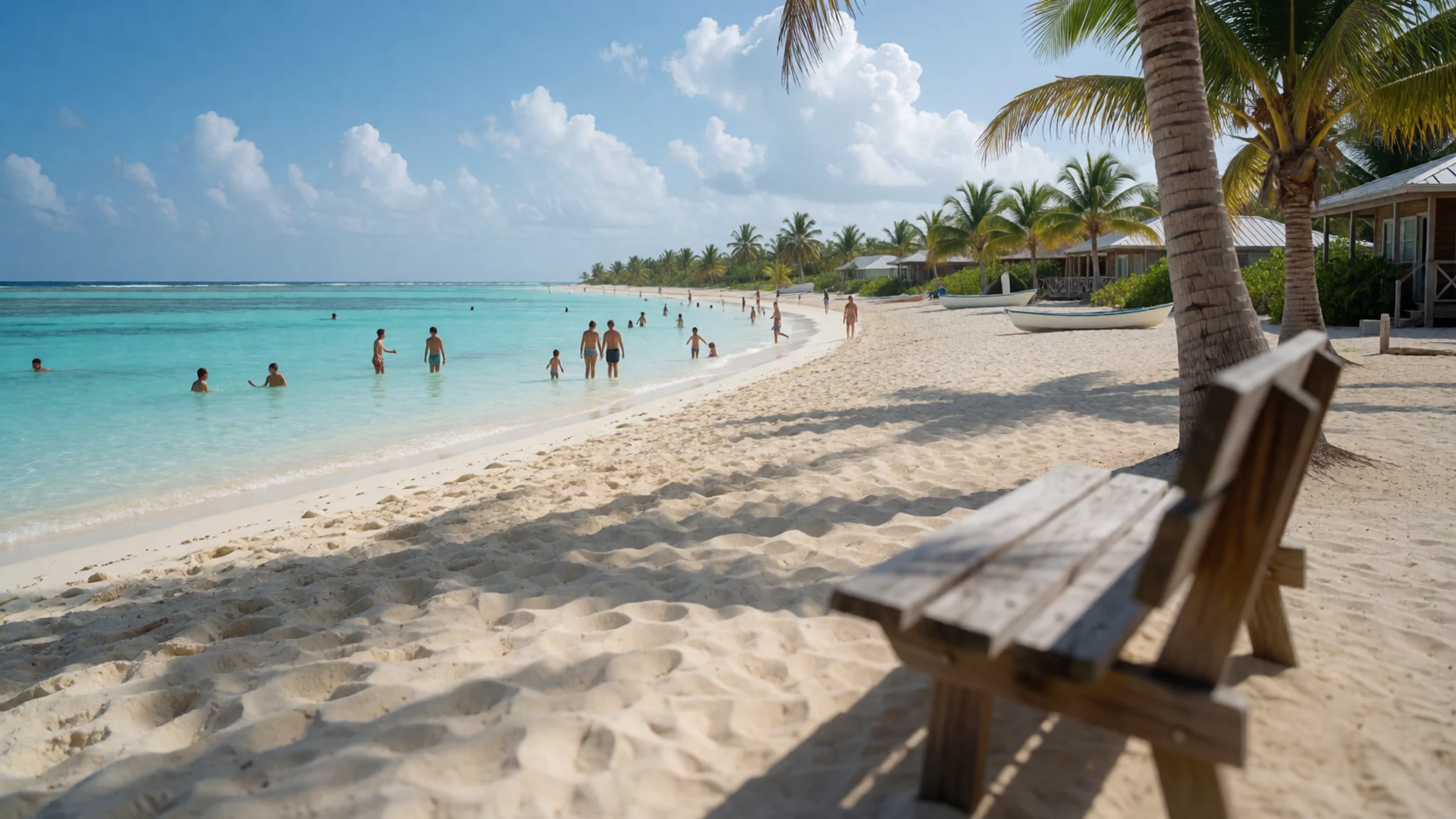
- Little Corn beaches — Little Corn
Little Corn is the smaller of the Corn Islands, and its beaches are reached on foot rather than by road. The south-western shore near the village is the easy swim, with sand underfoot and boats coming and going. Paths towards the north shore pass gardens, coconut groves and stretches of ironshore before opening onto quieter sand. Drinking water matters; the sun on the open shore is strong.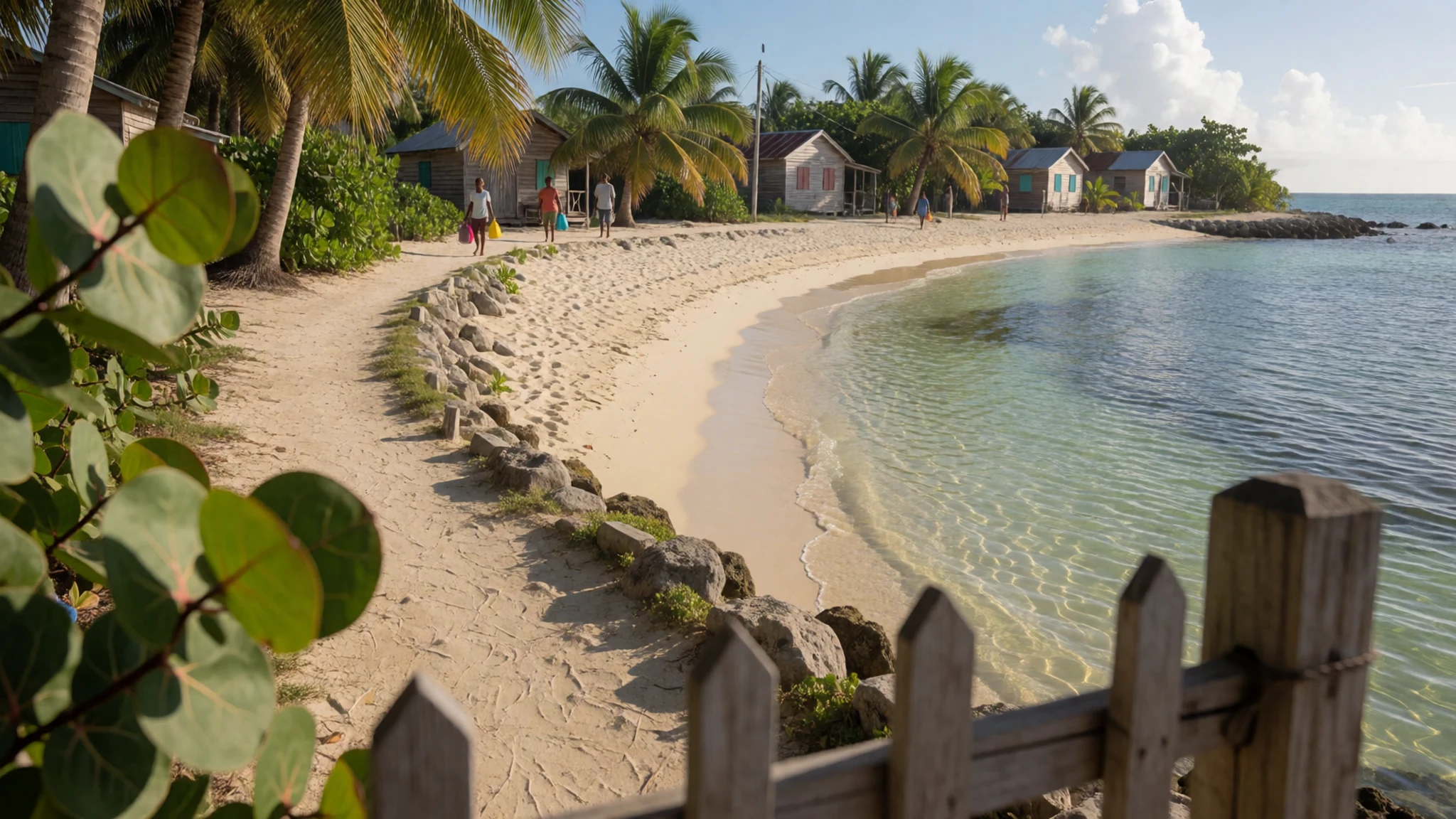
- Brig Bay — Harbour, Big Corn
Brig Bay is the harbour of Big Corn and the working heart of the Corn Islands. Pangas to Little Corn leave from here when the sea allows, and fishing boats unload alongside the passenger craft. The front is ordinary and useful: fuel, freight, people waiting, and a clear view of how the islands actually earn a living. The point is the boats, not a swimming beach.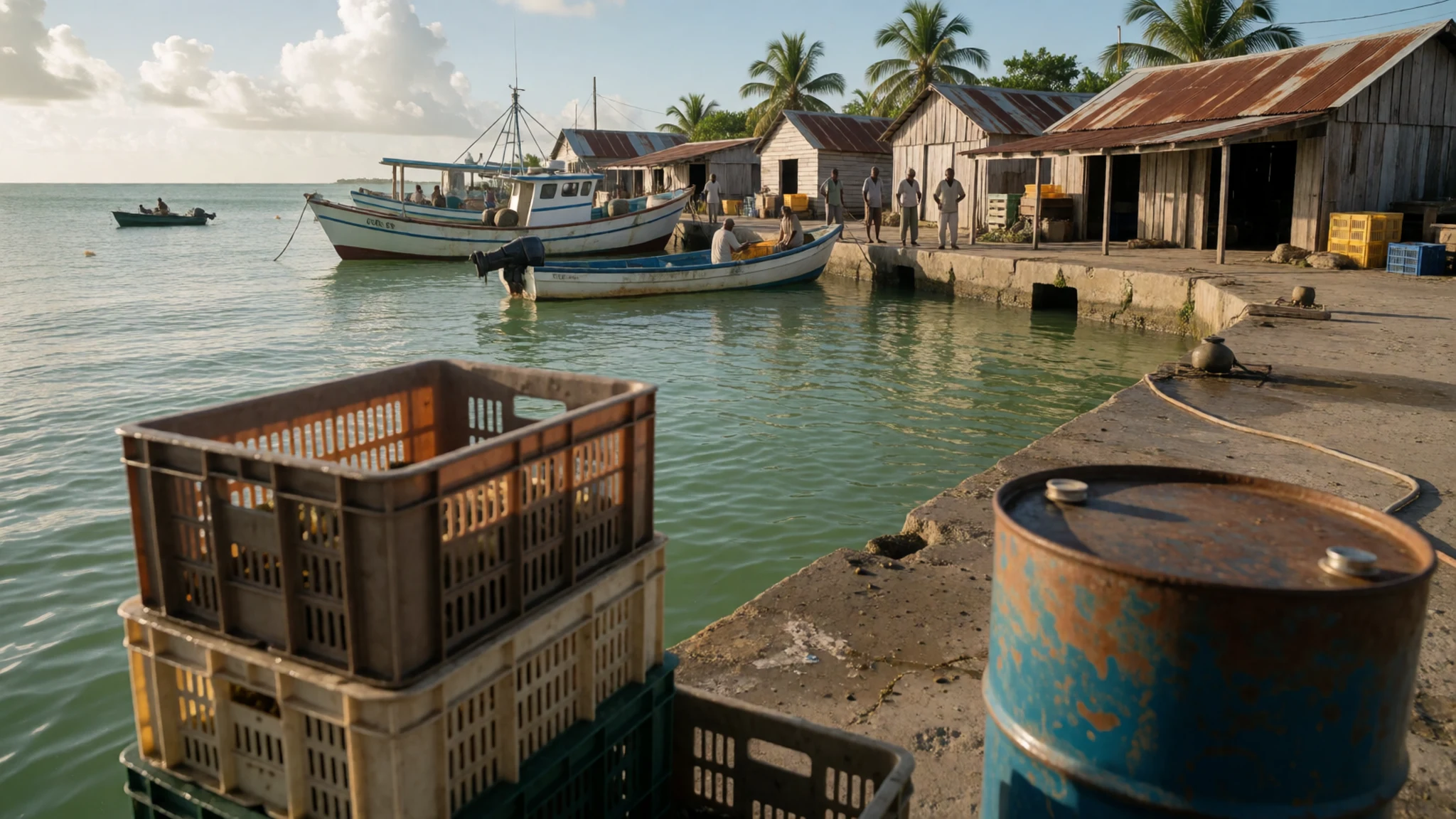
- Mount Pleasant — North side, Big Corn
Mount Pleasant spreads over the rising ground on the north side of Big Corn, and from here the Corn Islands' northern shore opens toward the sea. Houses and gardens sit among trees, and gaps in the foliage open onto the water. There is no monument and no gate. The pleasure is the wide view and the ordinary neighbourhood around it.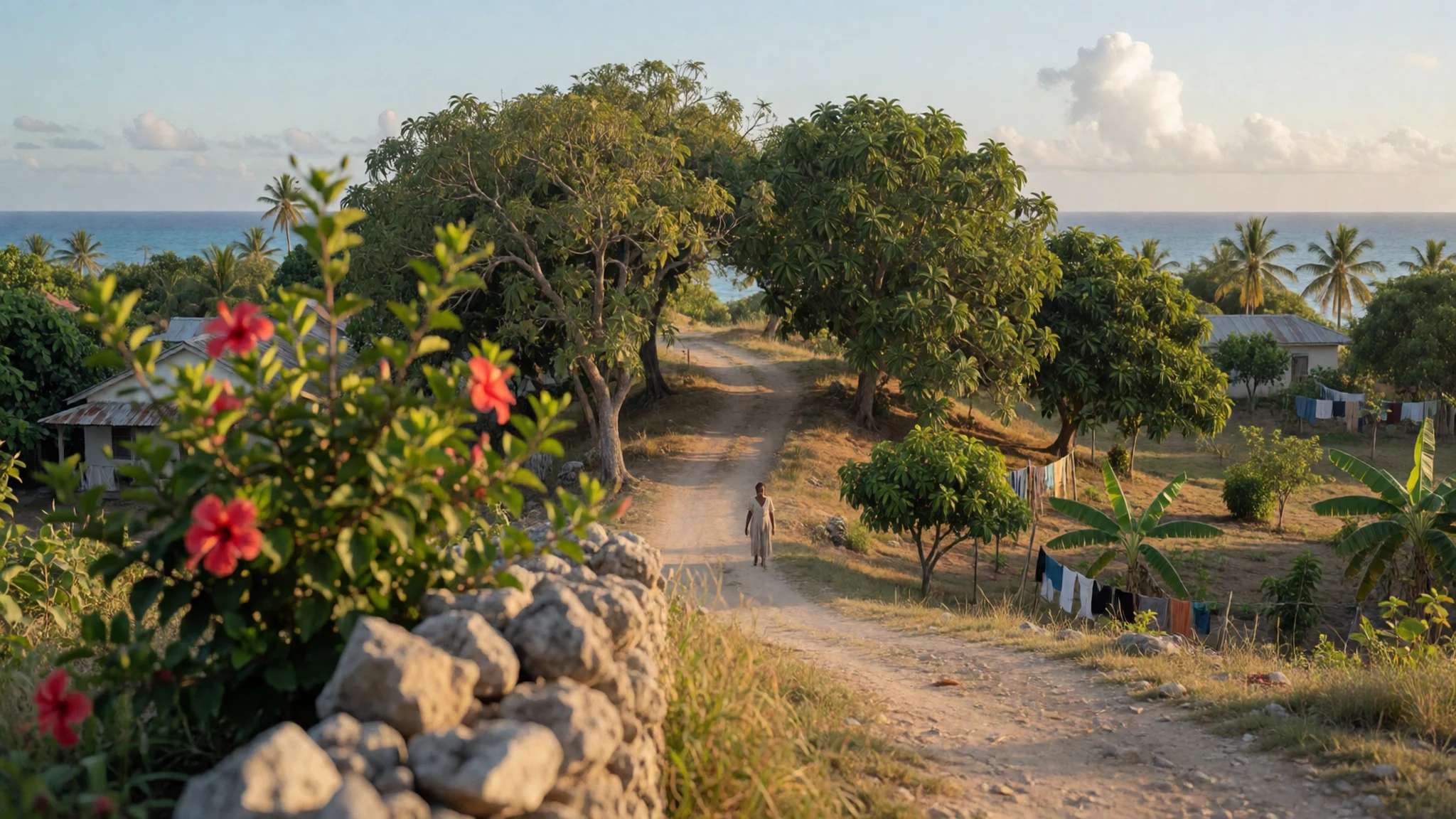
- The fringing reef — Waters off Big Corn and Little Corn
The reef fringing the Corn Islands is why the shallows look so clear, and a boat snorkel is the practical way to see it. Coral heads hold sergeant majors, parrotfish and, with luck, a ray, within a short run of Big Corn or Little Corn. Wind and swell change the plan, so boatmen choose the sheltered side that morning. Nothing about it needs a long crossing.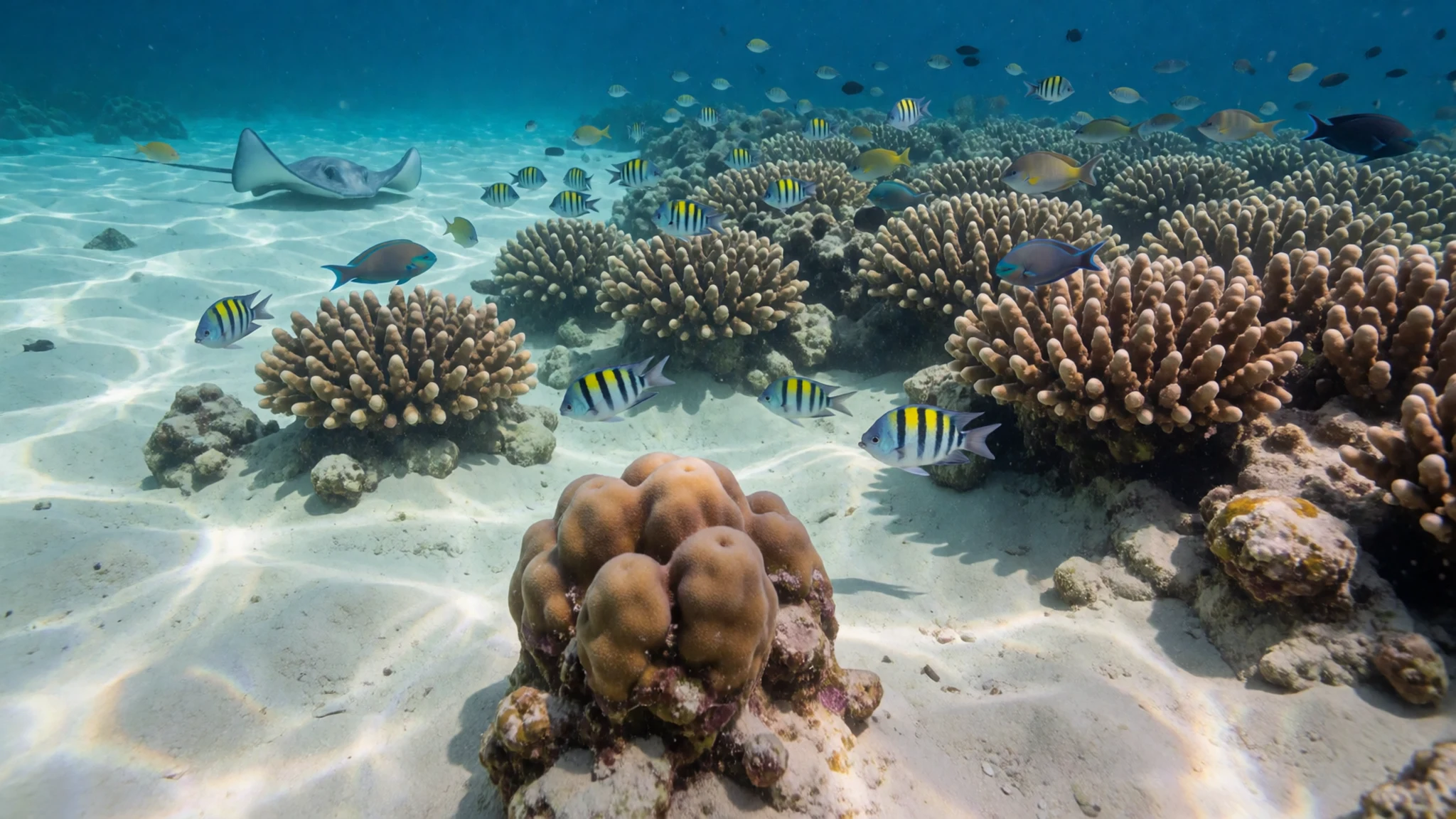
Culture
Corn Islands keep a Creole culture that is Caribbean first and Nicaraguan as well, and the difference is audible the moment someone speaks. English, in a coastal Creole, is the language of home, teasing, church and the market; Spanish is the language of school, officials and the mainland. Most people move between them without fuss. Music follows the same double belonging: reggae and soca on the weekend, hymns on Sunday, and Palo de Mayo when May brings the dance of the Caribbean coast, with drums, bright skirts and a crowd that includes every age.
Church still structures the week. Sunday morning is for worship, and many families cook a larger meal afterwards. Respect for elders is ordinary, not ceremonial, and a stranger who offers a greeting before a request will find doors easier to open. Fishing families measure generosity in food: a share of the catch, a plate sent to a neighbour, a coconut handed to a child.
Visitors are noticed, and they are generally welcomed, provided they do not treat the villages as a backdrop. Yards are private even when they look like footpaths. Noise late at night carries.
On Corn Islands, greet people before you ask anything of them, and do not photograph faces or private yards without permission.
What to wear
Corn Islands dress in the Creole manner of the Caribbean coast, not in a single costume reserved for the stage. For church and for Palo de Mayo, women bring out bright printed cotton: full skirts or dresses, sometimes a headwrap, with the cloth chosen for colour rather than for a fixed local weave. Men wear light trousers and a collared shirt, and dancers add whatever makes the skirt move. The textile story is cotton print, bought and sewn locally, close to what families along the rest of Nicaragua's Caribbean shore wear for a celebration.
Everyday clothes are simpler. Fishers wear shorts, faded shirts and caps that can survive salt. Young people wear T-shirts, vests and sandals, much as they do in Bluefields. Women run errands in sundresses or loose trousers. Feet are often in flip-flops, because the ground is sand, concrete or a wet path. A smart outfit appears for church, a graduation or a dance, and then goes back in the cupboard.
A visitor to the Corn Islands should pack for heat, sudden rain and a mix of beach and village. Light cotton, a sun hat and swimwear are the base. Away from the sand, a shirt and a longer skirt or trousers read as respect in church and in family yards. Heels are a poor idea; ironshore cuts bare feet, and wet sandals or reef shoes earn their space.
What to eat
- Rondón — Family cookshops around Brig Bay on Big Corn, and home-style eateries on Little Corn
Rondón, also called rundown, is the home pot of the Corn Islands: fish or shellfish simmered in coconut milk with plantain, yam or breadfruit, chilli and thyme. Family cookshops around Brig Bay and home-style eateries on Little Corn serve it when the morning pot is ready.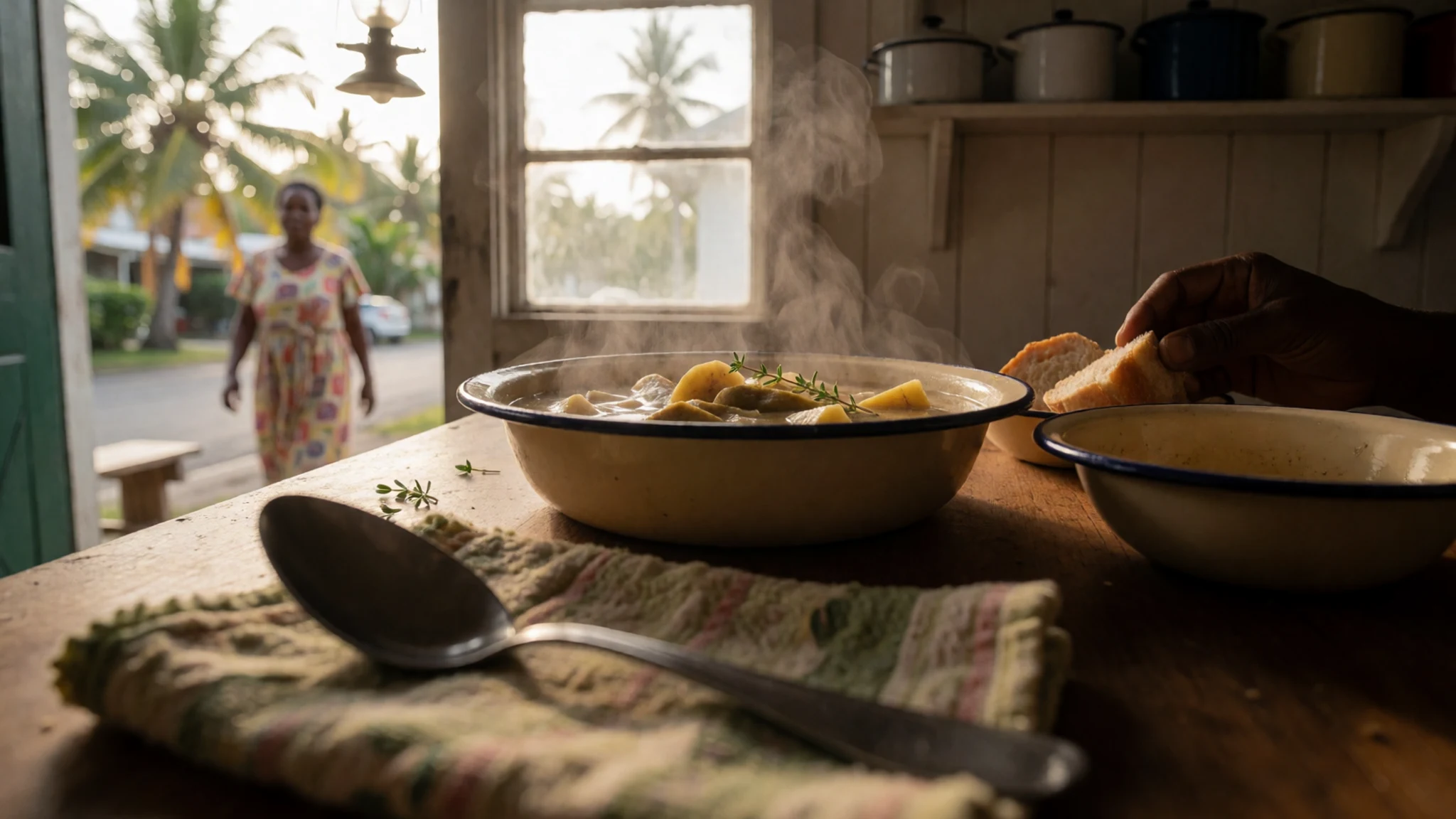
- Pan de coco — Home bakers and front-room bakeries on Big Corn
Pan de coco is the coconut bread of the Corn Islands, slightly sweet, soft in the middle and sold by the piece from home bakers and small front-room bakeries on Big Corn. It travels well in a bag for a beach morning on Long Bay.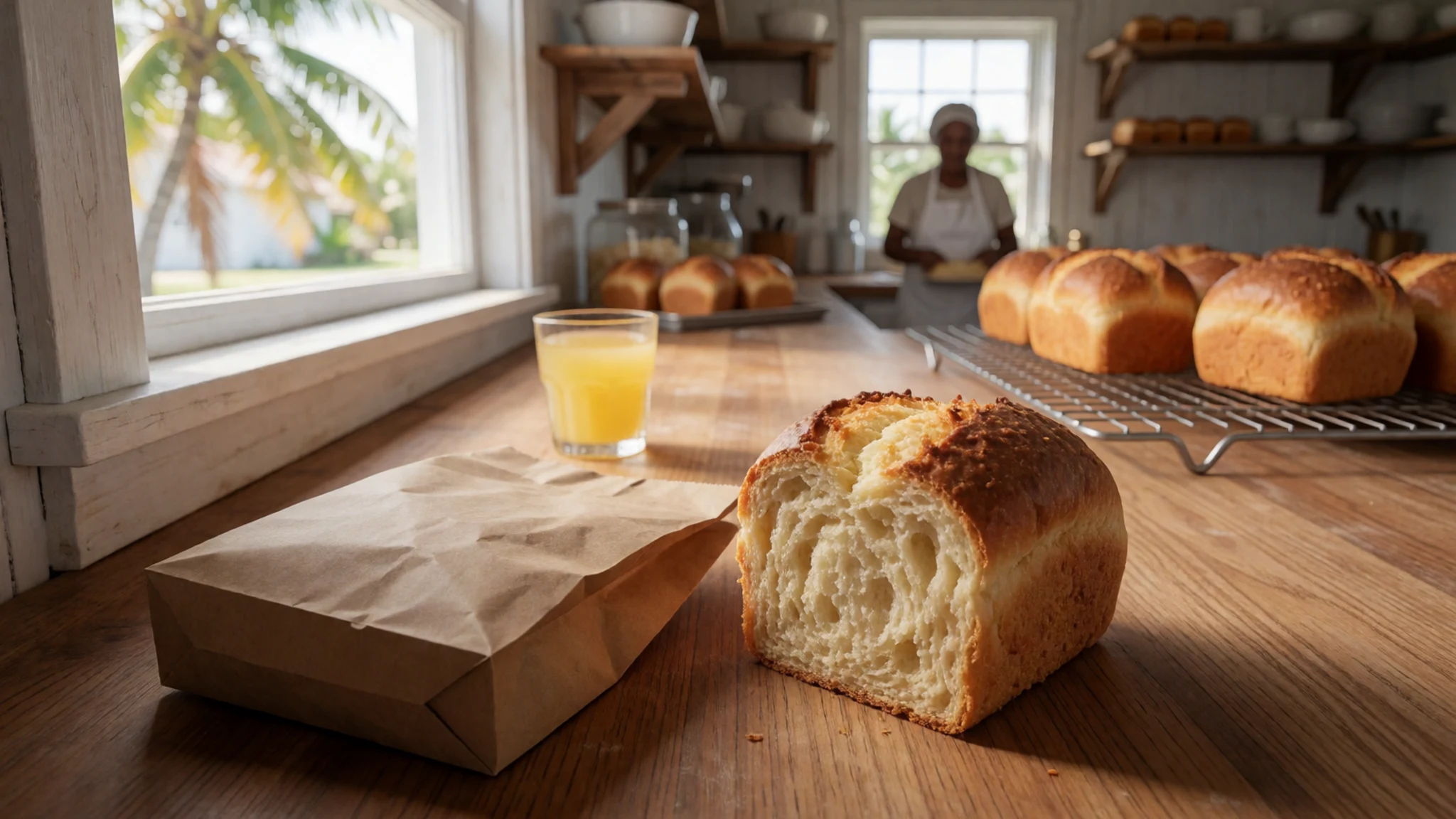
- Lobster — Eateries on Big Corn and Little Corn
Lobster is the main paid catch of the Corn Islands, usually boiled or split and grilled, with coconut rice, fried plantain or a simple salad. Eateries on both islands cook it when the boats have come in. Ask what landed that morning. - Fried fish — Harbour cookshops on Big Corn and village eateries on Little Corn
Fried snapper or jack, eaten with coconut rice and beans and a pile of fried plantain, is the ordinary plate of the Corn Islands. Harbour cookshops on Big Corn and village eateries on Little Corn fry it the day the fish lands. - Johnny cake — Home bakers on Big Corn and stalls by the panga landing
Johnny cake on the Corn Islands is a pan-fried or baked round of flour dough, denser than wheat bread and made to be carried. Home bakers on Big Corn and stalls by the panga landing sell it beside the coconut bread.
Plan it
Best time. February to April is the kinder window on the Corn Islands, when rain eases and the boat between the islands is more often able to run. May to November is the rainy season, October the wettest and September the hottest, February the most comfortable, and the islands sit outside the main hurricane pathway, though flights and pangas still wait on the weather.
How long. 3–4
Getting there. Fly into Big Corn from Managua, then take a passenger panga to Little Corn when the sea allows. Check current schedules with the airline and the boat operators before you book.
Budget. mid
Tips
- Book the Managua flight early in the drier months, and keep a spare day in case the panga waits on the wind.
- Carry some cash; small cookshops and boatmen do not all take cards.
- Start beach walks early, and bring more drinking water than you think you need.
- If you want both islands, sleep a night on Little Corn rather than trying to see it between boats.
Etiquette
- Greet people before you ask for help, a photo or directions.
- Treat yards and shortcut paths as private unless someone waves you through.
- Cover shoulders and knees in church, and keep phone use discreet during a service.
Nearby
Sources
- Wikidata (CC0)
- Wikipedia (CC BY-SA 4.0)
- Wikivoyage (CC BY-SA 4.0)
Wildlife
- Sergeant major (animal)
The sergeant major, also called a píntano, is a small damselfish, a bit like a tiny soldier patrolling the reef. In Corn Islands you may find it around the coral heads a short boat run from Big Corn or Little Corn, alongside parrotfish and, with luck, a ray. Float quietly and keep your distance so it carries on as normal, ask a local guide to take you to a good spot, and never feed it. - Stoplight parrotfish (animal)
The stoplight parrotfish is a reef fish from the parrotfish family, named for a bird and a traffic signal, which makes it easy to remember. It lives on coral reefs across the Caribbean, and around Corn Islands you can look for it at the coral heads a short run from Big Corn or Little Corn. Drift quietly, stay a respectful distance, go with a guide who knows the reef, and never feed it.