León
León, Nicaragua
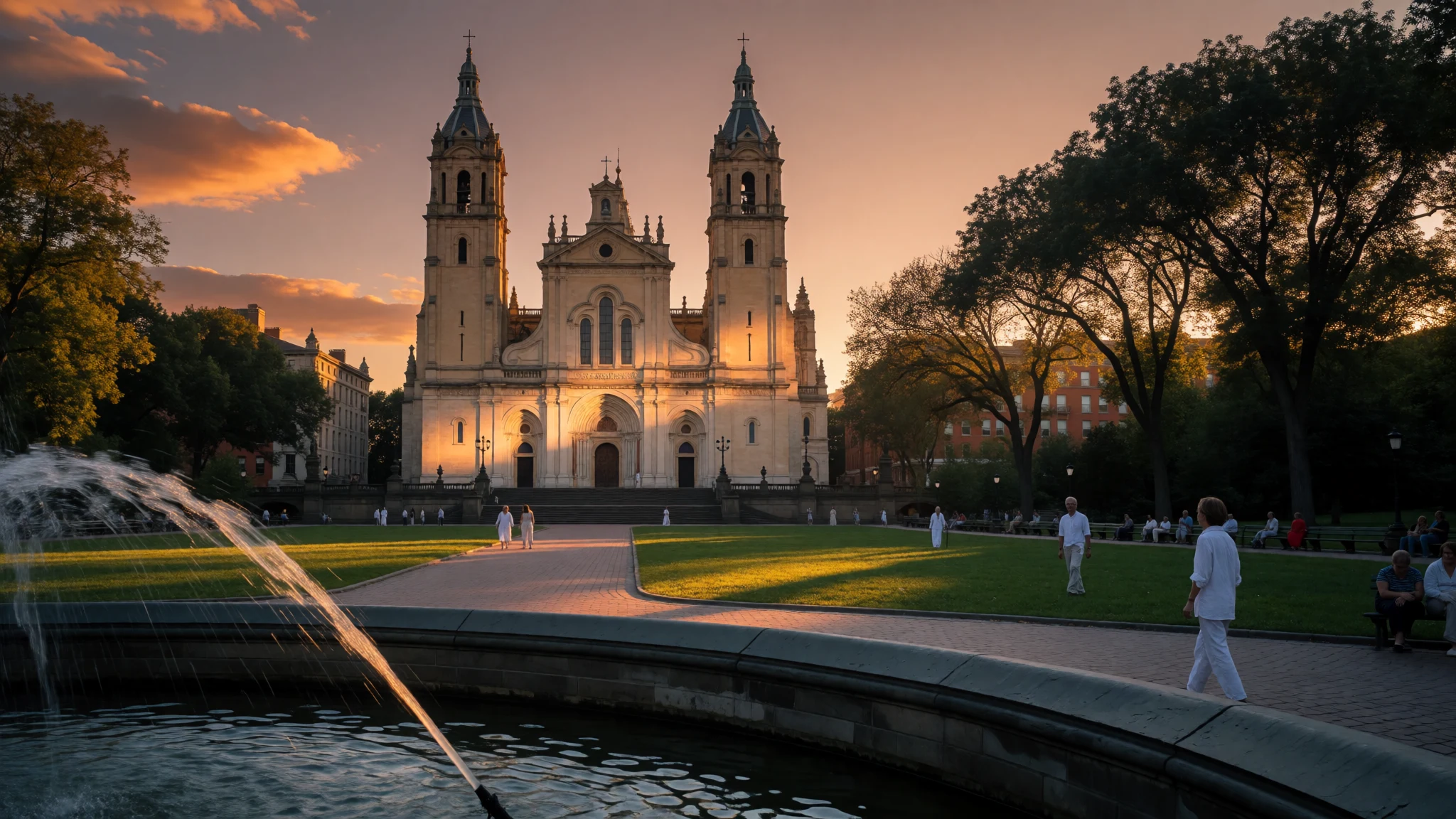
León is a flat, warm university city of poets, old churches and volcano views, close enough to the Pacific for a beach day.
The place
León sits in the coastal lowlands of north-western Nicaragua, on the Río Chiquito, with the Pacific a short drive to the west and a line of volcanoes and hills rising to the east. About 212,500 people live in the municipality, at an elevation of 104 metres, so the climate is that of the hot plains rather than the cooler highlands. Managua lies some 90 kilometres to the south-east, which makes León an easy trip from the capital. For long stretches of Nicaraguan history this has been the place where ideas started. The National Autonomous University (UNAN) dates from 1812 and still gives the centre a student rhythm of cafés, bookshops and murals. The city is also tied to several celebrated poets, Rubén Darío among them, and their names appear on parks, streets and statues. Beyond the centre León works as a farming and trading town, with sugar cane, cattle, peanuts and sorghum passing through it. The surrounding landscape is volcanic. Momotombo, a cone of about 1,300 metres, is a constant marker on the horizon, and the ruins of the earlier city lie at its foot. Poneloya, the beach on the coast, is where Leonese families go at weekends. The colonial grid is flat and easy to walk, with low houses, tall church towers and shutters in faded colours. Midday is quiet because of the heat; early mornings and evenings are when the plazas fill.
Its story
León's story begins at a different site. In 1524 Francisco Hernández de Córdoba founded the first settlement of that name some distance east of today's city, beneath the volcano Momotombo. Earthquakes set off by an eruption drove the colonists out, and by 1610 it was abandoned. Its ruins, known as León Viejo, were excavated in the twentieth century and can still be visited. The city was then rebuilt on its present ground and grew as the colonial capital. When Nicaragua left the United Provinces of Central America in 1839, León became capital of the new republic. A long rivalry followed: Liberal governments favoured León, Conservative ones favoured Granada, and the seat of power moved back and forth. A compromise in 1852 settled on Managua, which ended León's time as capital but not its standing as the country's intellectual centre. The twentieth century brought harsher politics. President Anastasio Somoza García was shot in León in 1956 and died of his wounds. Later, the revolutionary years left their mark on the city; one park remembers the singer Arlen Siu, killed in 1975 at the age of twenty, and a museum of the revolution faces the central plaza. The political weight now sits in Managua, but León keeps its identity as a university and poetry town, and its history is layered street by street rather than gathered in one monument.
What to see
- Central Park and the cathedral — Historic centre
León's central park works as the city's living room: a fountain, shade trees and benches facing the cathedral, with the town hall, the Museum of the Revolution and a Catholic school on the other three sides. Visit in the evening when families gather, then walk around the cathedral to see its pale bulk against the sky.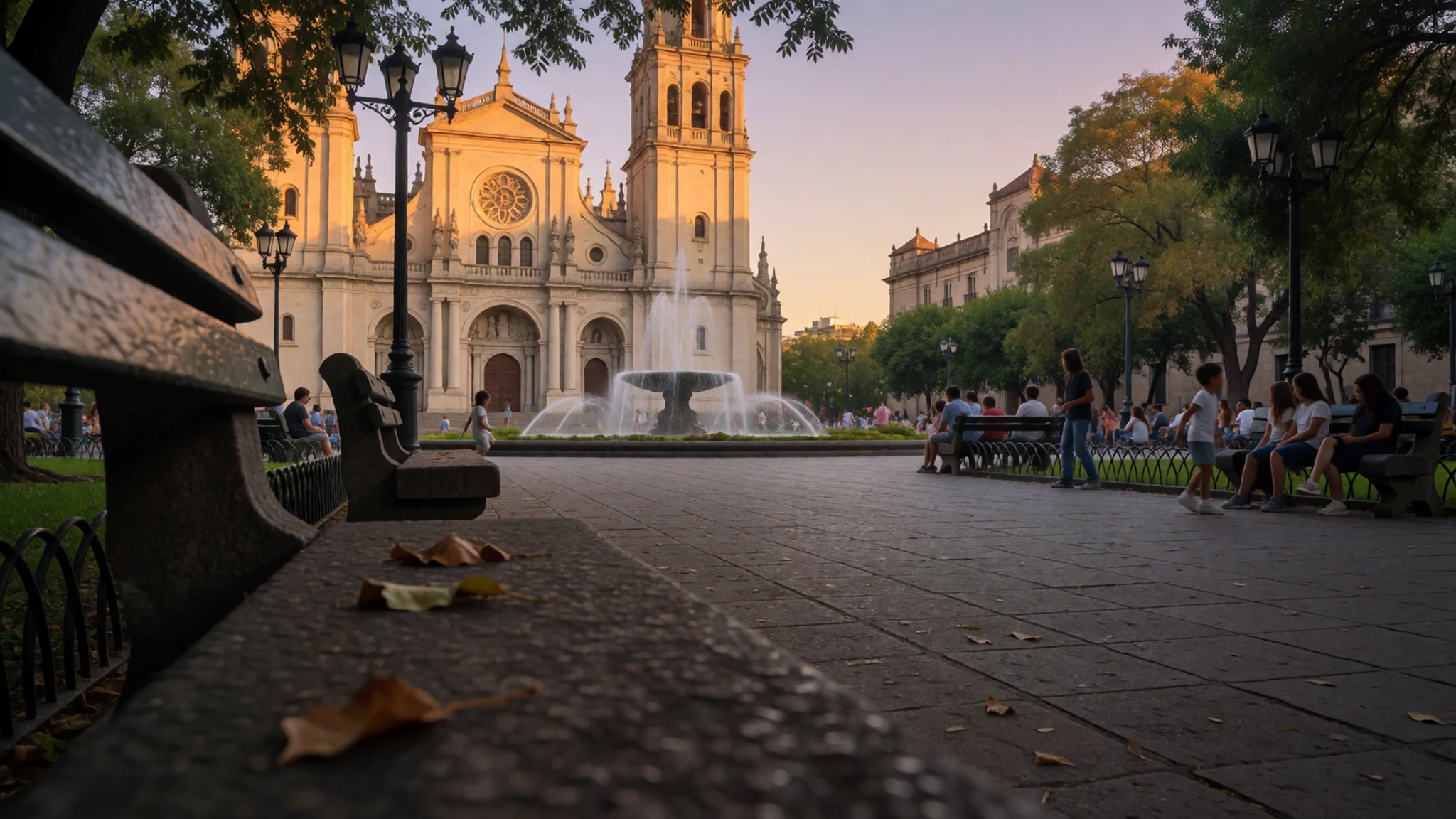
- Park of the Poets — Historic centre
A small park honouring five Spanish-language poets with ties to León: Rubén Darío, Alfonso Cortés, Salomón de la Selva, Azarías Pallais and Antenor Sandino Hernández. Reading a few lines of Darío beforehand makes the statues mean more, and it explains why the city's literary reputation matters to the people who live here.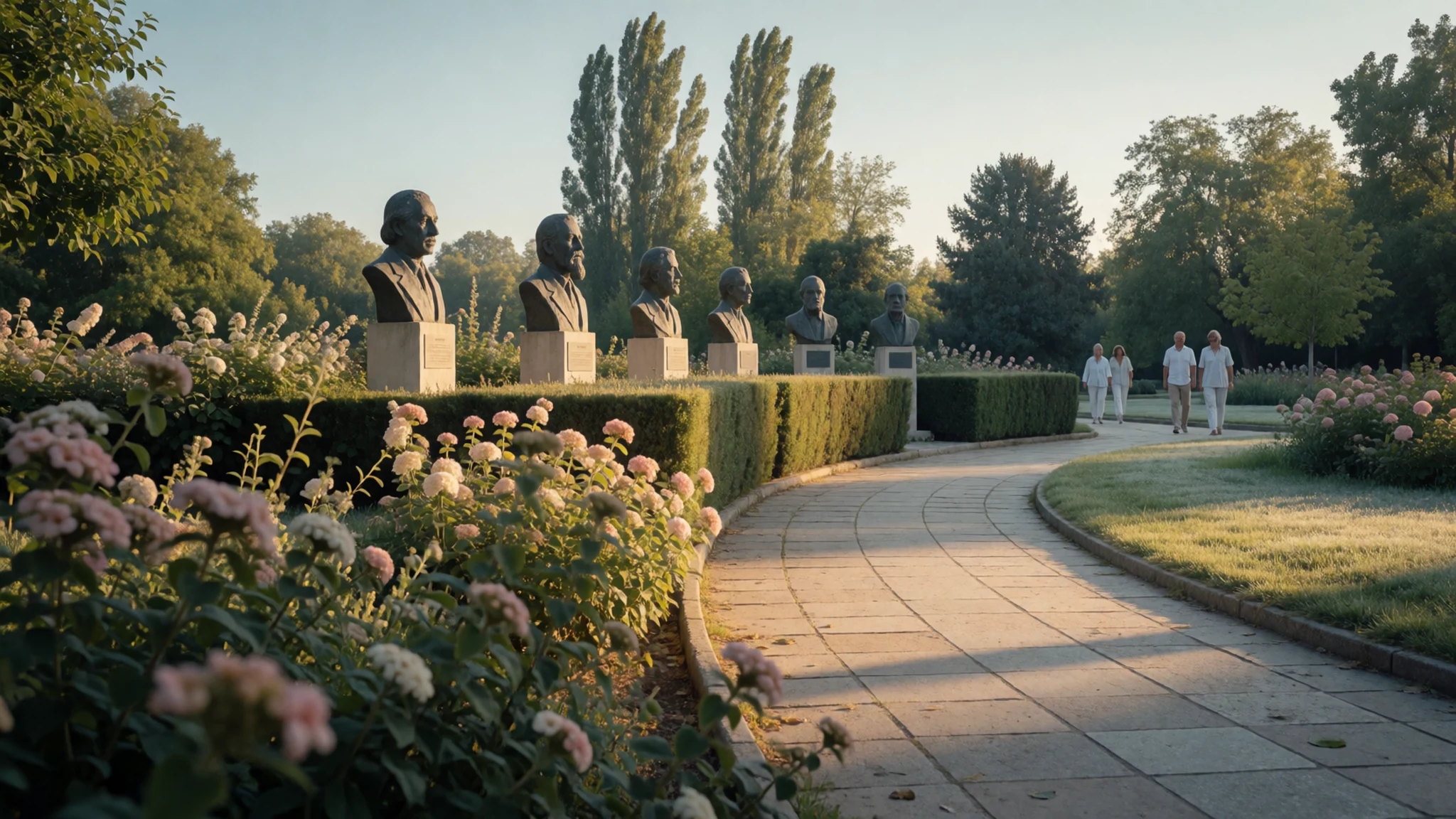
- Plaza Sutiava and San Juan Bautista church — Sutiava, west of the centre
Plaza Sutiava is the main square of Sutiava, the Indigenous neighbourhood west of the colonial centre. It is usually quiet, framed by the church of San Juan Bautista and the parish buildings. A short taxi ride or a hot walk gets you there, and the contrast with the busy centre shows older layers beneath León's Spanish grid.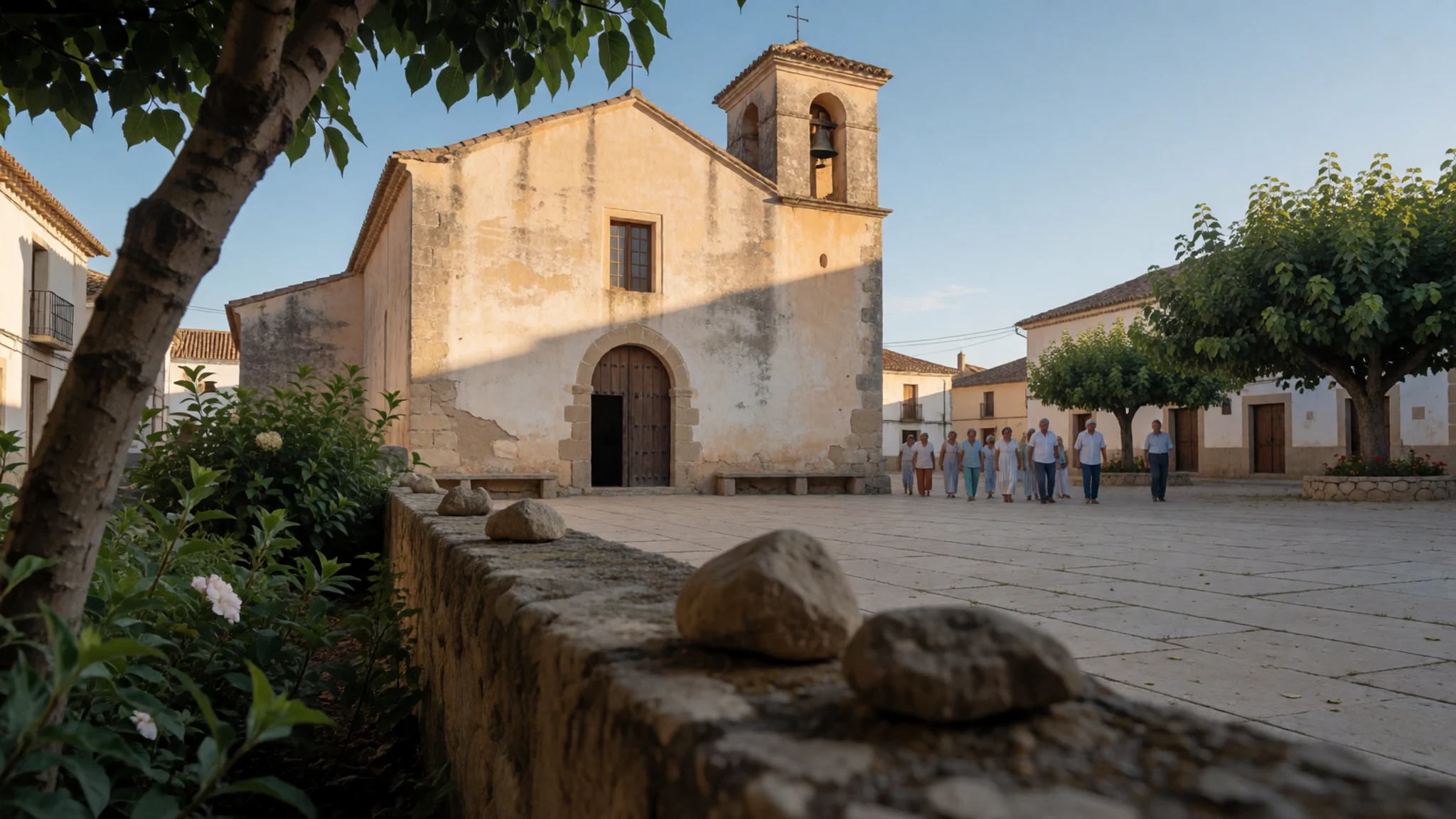
- Rubén Darío Centennial Park — South-east edge of the city
This park was built in 2016 to mark a hundred years since the death of Rubén Darío. A large monument to the poet stands in a flower garden. It lies beyond the walkable centre, so combine it with a taxi ride, and expect an open, sunny space with little shade at midday.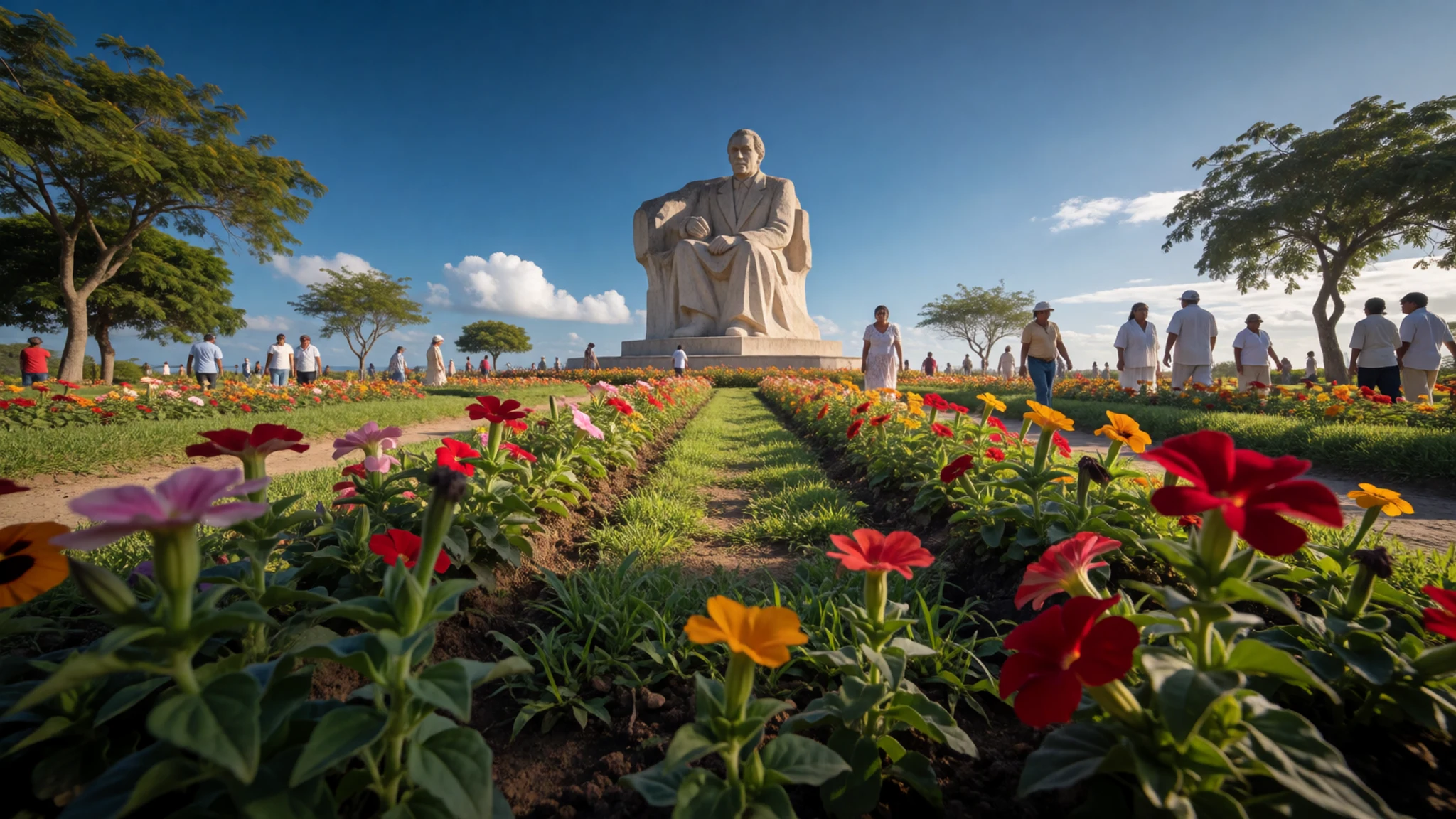
- Parque Arlen Siu — Western side of the city
A modest park commemorating the singer Arlen Siu, killed by the Somoza dictatorship in 1975 when she was twenty. It is less a sight than a place to pause and understand how recent León's political history is. Pair it with a visit to Sutiava, which lies on the same side of town.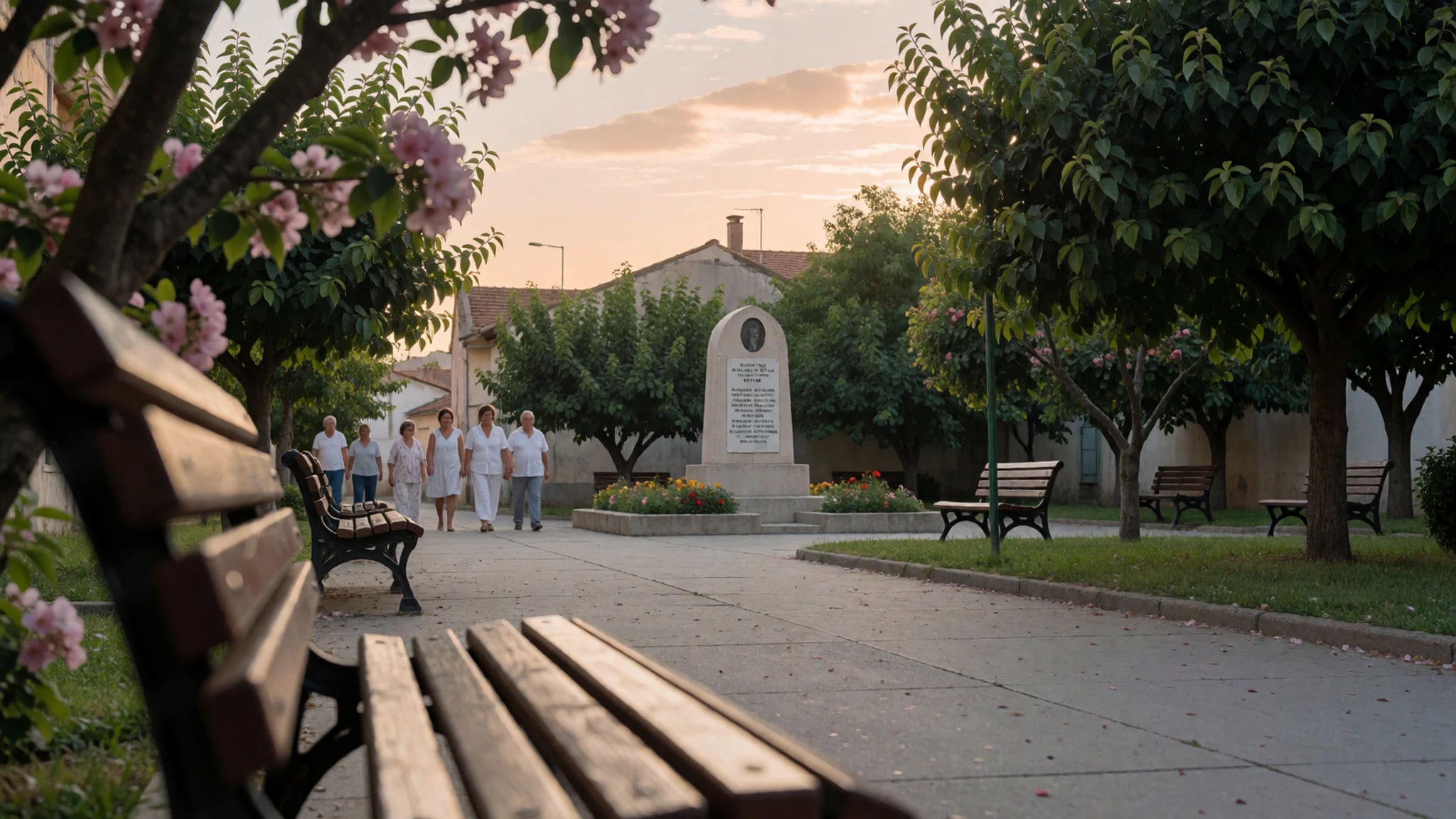
Culture
León's culture is shaped by three strong threads: poetry, Catholicism and political memory. Poetry is the most visible. Rubén Darío is treated almost as a local saint, and schoolchildren, students and taxi drivers can usually quote a line or point out where he is honoured. The church calendar sets the pace of the year. Processions, patron-saint days and the December Gritería, when people go from house to house singing to the Virgin and are given sweets and small gifts, fill the streets with noise and colour. The university keeps the centre young and argumentative, and political murals on walls and in museums show how recent the revolutionary years are for many families. Sutiava, the Indigenous neighbourhood west of the colonial grid, has its own identity, its own church and its own traditions, which are worth approaching with curiosity rather than as a photo stop. Daily life moves with the heat: a slow midday, shops reopening in the afternoon, then rocking chairs on pavements and conversation in the doorway as the light drops. Leonese people tend to be warm and talkative with visitors who greet them first. Ask permission before photographing people, especially in Sutiava and during religious processions, and keep your voice low and your shoulders and knees covered when you step inside a church.
What to wear
In León, traditional dress is now mostly seen at festivals, school performances and folk dance. Nicaraguan folk costume for women usually means a wide, ruffled skirt in bright cotton or similar fabric with an embroidered or flowered blouse, often worn with flowers in the hair; men wear a white cotton shirt, light trousers and a straw hat. Day to day, people dress for the heat: light cotton shirts, jeans or thin trousers, sandals or trainers, and school uniforms in crisp colours on weekdays. Students favour casual wear, and football shirts are common. Smart clothes appear for Mass, weddings and civic events. Visitors should pack for heat and dust first. Choose loose, breathable cotton or linen, a wide-brimmed hat, sunglasses and strong sunscreen, plus sandals for the flat streets. Closed shoes with grip are better for volcano trips and uneven ground. Carry a light layer that covers shoulders and knees for churches, as locals dress modestly there, and bring a thin waterproof for the wet season, when afternoon downpours are common. Beachwear belongs on the coast at Poneloya; in town, a shirt over swimwear looks more respectful. Evenings can be warm, so heavy layers are rarely needed.
What to eat
- Tacos de la Salle — Small taco counters and eateries around the centre
A fried taco, a León favourite, filled with meat and topped with cabbage and sauce. It is street and snack food, eaten standing or taken away. Look for small taco counters around the centre in the late afternoon and evening, and ask what is freshest.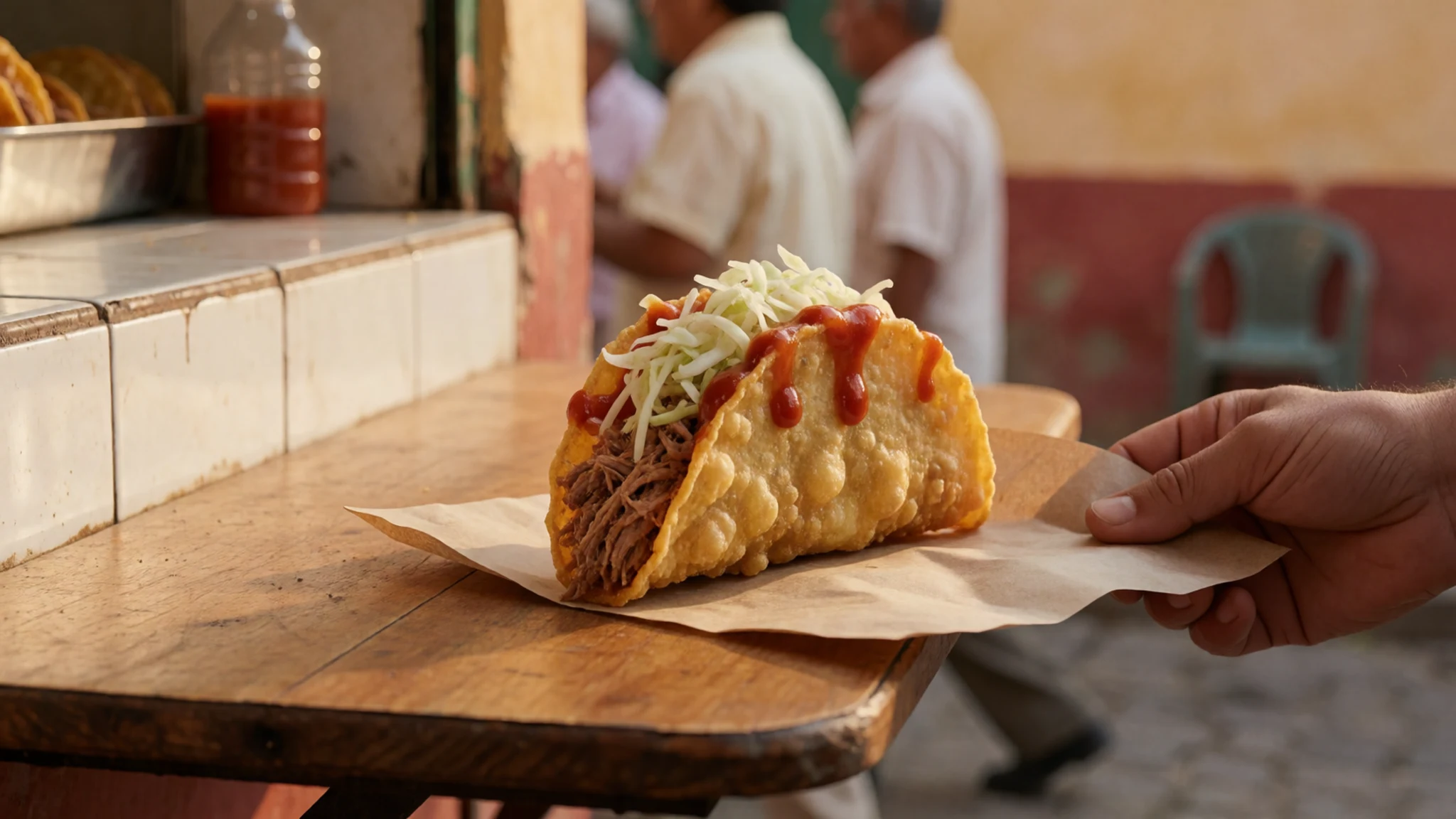
- Sopa de frijoles — Long-running family eateries in the centre
Bean soup is a staple in León, simple, hearty and cheap by tourist-town standards. Family-run eateries cook it slowly, and locals swear by their own favourites. Order it at lunch with tortillas or rice, and add a squeeze of lime if offered.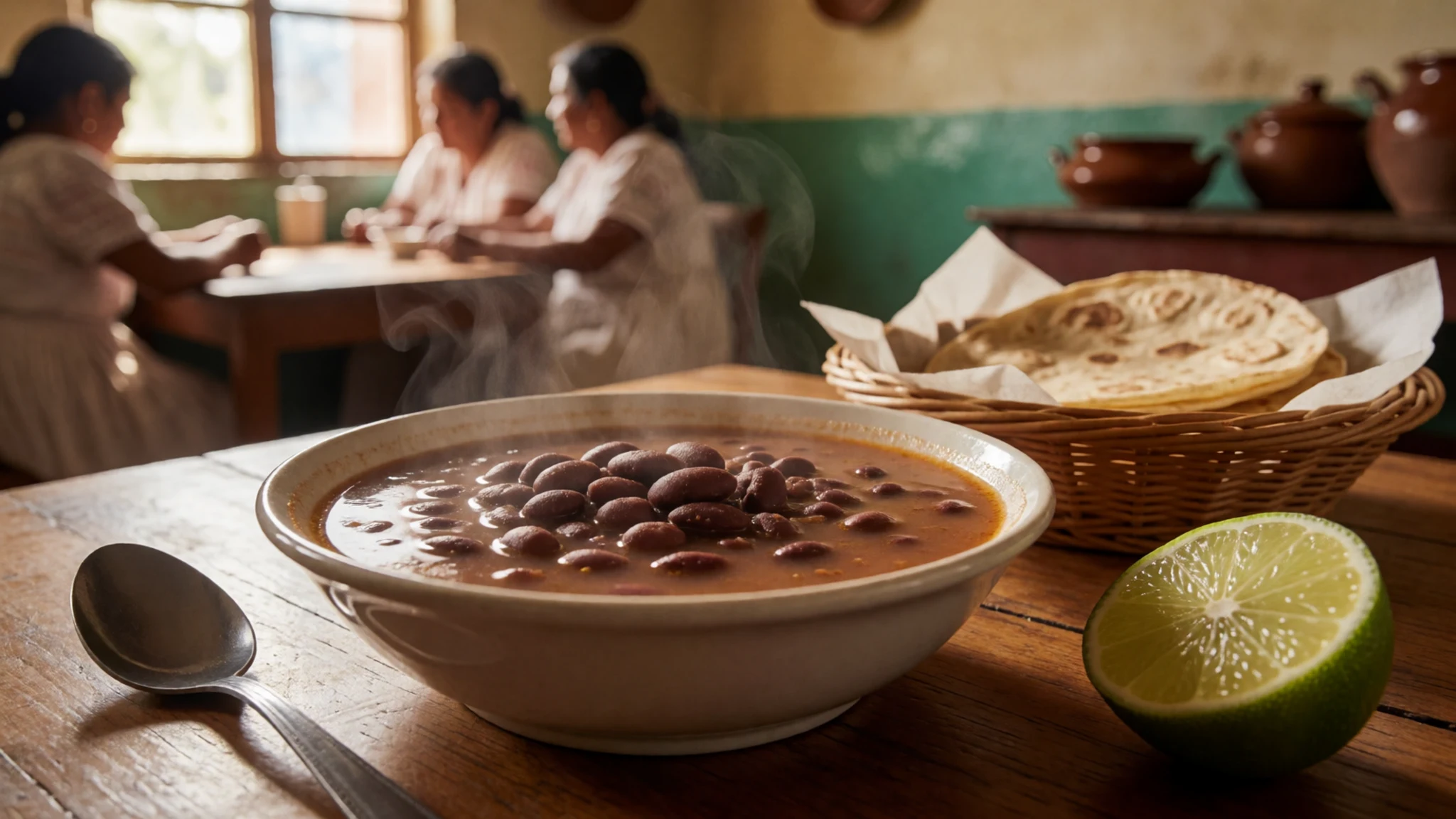
- Asado with pelibuey — Grill stalls and open-air asado places
Grilled chicken, beef, pork and pelibuey, a hair sheep whose meat is called lamb locally, come straight off charcoal grills. The smoke gives it away from some distance. Eat it with tortilla, salad and a cold drink, ideally at an open-air grill popular with Leonese families. - Lechón with yuca — Restaurants serving Cuban and Latin American cooking in the centre
Slow-cooked roast pork served with boiled or fried yuca is common at restaurants serving Cuban and wider Latin American food in León. The pork is rich and tender, and the yuca soaks up the juices. Share a plate if you are not very hungry. - Gallo pinto — Market stalls and simple breakfast eateries
Rice and red beans fried together with onion and sweet pepper make Nicaragua's everyday breakfast, often served with eggs, fried cheese or plantain. In León it is the cheapest filling start to a hot day. Try it at a market counter or a simple morning eatery.
Plan it
Best time. November to February, during the dry season, when days are hot but the rain has stopped and the air is clearer. March and April are the hottest months and can be punishing by midday; the wet season, roughly May to October, brings humid heat and afternoon downpours.
How long. 2–3
Getting there. Fly to Augusto C. Sandino International Airport in Managua, about two hours by road from León. From Managua, buses and minibuses run to León from the city's bus terminals; taxis are faster but cost more. Check current times and fares locally before travelling.
Budget. low
Tips
- Walk the centre early or after about four in the afternoon, when the heat eases
- Carry cash in small notes, as many small eateries and shops do not take cards
- Drink bottled or filtered water and carry a refill bottle in the heat
- León is generally regarded as safe by regional standards, but keep valuables out of sight and take taxis after dark
- Check bus and minibus times at the terminal before planning day trips to the coast or volcanoes
Etiquette
- Greet people before asking questions or taking photographs, and ask permission before photographing individuals
- Cover shoulders and knees and keep your voice low inside churches
- Do not treat Sutiava as a photo stop; walk through quietly and respectfully
Nearby
Sources
- Wikidata Q208151 (CC0)
- Wikipedia: León, Nicaragua (rev 1385155856) (CC BY-SA 4.0)
- Wikivoyage: León (Nicaragua) (rev 5433191) (CC BY-SA 4.0)
- Photo: León Cathedral, March 2018, Byralaal (CC BY-SA 4.0)
- Photo: Physical location map of Nicaragua, Alexrk2 (CC BY 3.0)
- Photo: Relief map of Central America, Виктор В (CC BY-SA 2.0)
- Photo: León, La Cathédrale, Guillaume Baviere (CC BY-SA 2.0)
- Photo: Iglesia de la Recolección, Adam Jones (CC BY-SA 2.0)
- Photo: Iglesia San Juan Bautista, Subtiava, Zenia Nuñez (CC BY-SA 2.0)
- Photo: Iglesia de San Felipe, Daniel Di Palma (CC BY-SA 4.0)
- Photo: Santuario Diocesano de Nuestra Señora de la Merced, Mperezpbro (CC BY 3.0)


