Nias
Nias, Indonesia
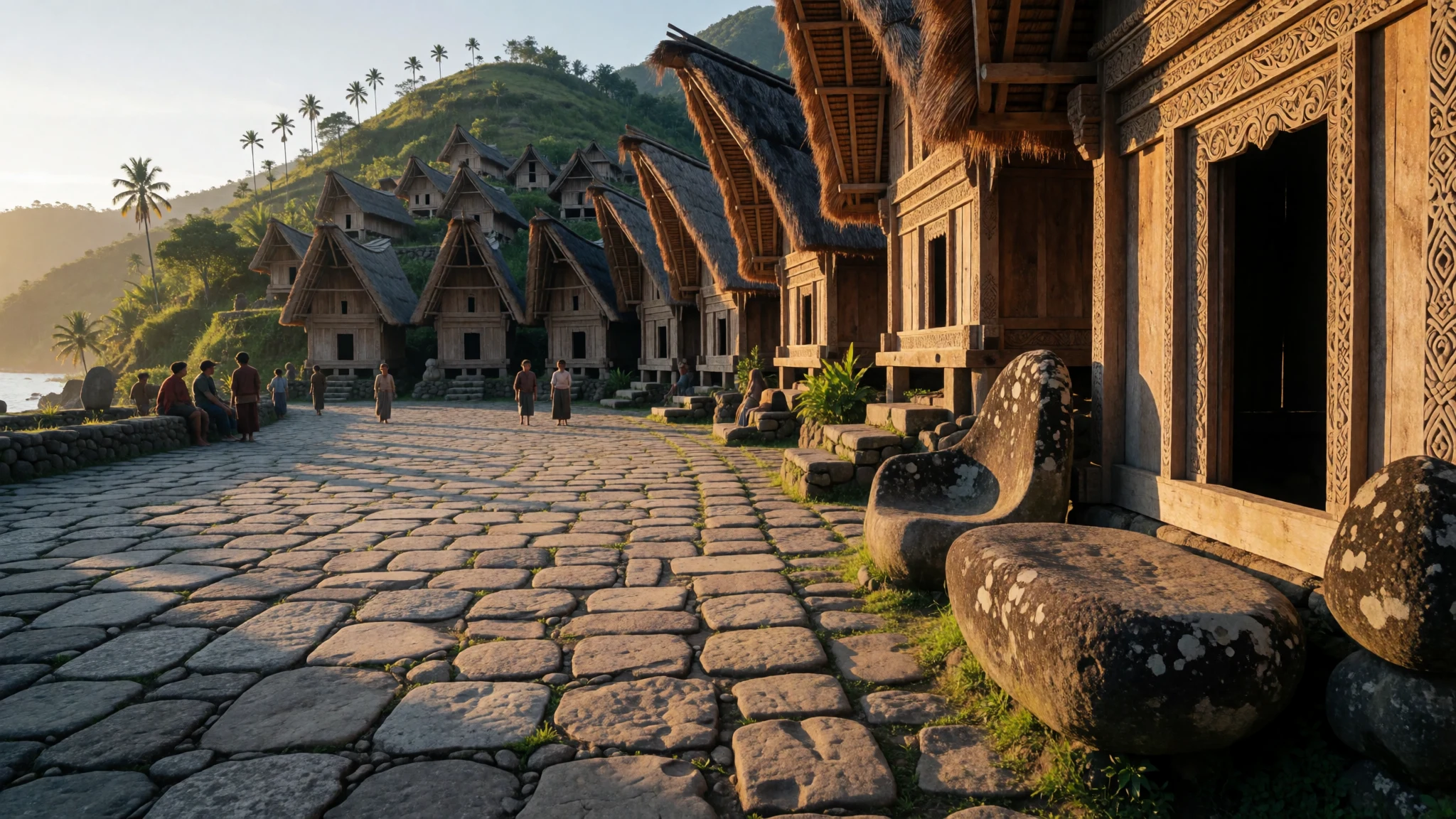
Nias offers a southern surf bay, hilltop villages of stone plazas and wooden houses, and a culture shaped by isolation and trade.
The place
Nias is an island off the west coast of Sumatra, in Indonesia, and it feels more like a country of its own than a stop on the Sumatra circuit. The sea has kept it apart long enough for the islanders to keep their own language, Li Niha, a relative of Mentawai and the Batak tongues in which every syllable ends in a vowel. Three dialects are spoken: northern, central and southern. Visitors tend to orient themselves around two places. Gunungsitoli, the main town in the north, holds the island's heritage museum and its ferry and airport links. Teluk Dalam, in the south, is the gateway to the surf beaches of Sorake and Lagundri. Between them lie hill villages of tall wooden houses around stone-paved plazas, and a coastline of headlands, sandy bays and coconut palms. Some historians and archaeologists describe Nias as one of the few places where a megalithic culture survives; others dispute that, though nobody doubts the island is distinctive. Islanders have long been traders, so a foreigner arriving with a rucksack is a familiar sight rather than an intrusion. The weather is equatorial, hot and humid, and rain can arrive in any month. Roads wind and climb, so distances that look short on a map take much longer in a minibus. Tourism is small: surf camps, homestays and guesthouses rather than resorts. Evenings are quiet, with the sea, the insects and the odd tuak stall open late.
Its story
Nias has a history shaped by distance and by trade. Lying off the west coast of Sumatra, the island was far enough from the mainland to grow its own language, rituals and building traditions, yet its people were traders, so ships, goods and strangers were never unfamiliar. That mixture of isolation and exchange left its mark on village life. Settlements such as Bawomataluo sit on hilltops, with tall wooden houses facing a stone-paved plaza that served as the stage for ceremony. Stone jumping is the best-known example: young men run at a stone tower and vault over it, a test of manhood. In earlier times the top of the stone was reportedly studded with spikes or sharpened bamboo, which explains the seriousness the ritual still carries. War dances are now also staged regularly for visitors. Historians and archaeologists disagree about whether Nias counts as one of the last living megalithic cultures, but the debate itself shows how long older customs persisted here. Outsiders of a different kind arrived in the 1960s, when surfers on the hippie trail towards Bali discovered the bays of the south. Several international surfing competitions were held there, particularly before the Indonesian Reformation Movement of 1998. Today the island's past is gathered in the Museum Pusaka Nias in Gunungsitoli, which holds thousands of objects tied to local heritage.
What to see
- Bawomataluo — Southern Nias, hill country
Bawomataluo is a hilltop village built around a broad stone-paved plaza. Tall wooden houses called omo hada line the square, and the carpentry and the open space are the attraction rather than any single monument. A local guide can explain the layout; ask before photographing people or homes. - Stone jumping and war dances — Southern villages such as Bawomataluo
Stone jumping is a manhood ritual in which young men sprint at a stone tower and leap over it. War dances are performed regularly for visitors in some villages. Ask a guesthouse host about timings, since shows are arranged rather than fixed, and check what any fee covers. - Museum Pusaka Nias — Gunungsitoli
The Museum Pusaka Nias, in Gunungsitoli, is the island's only museum and holds thousands of objects related to Nias heritage. It is a sensible first stop in the north, giving context for the villages, ceremonies and carved and built traditions seen later on the road. - Sorake Bay — Near Teluk Dalam, southern tip
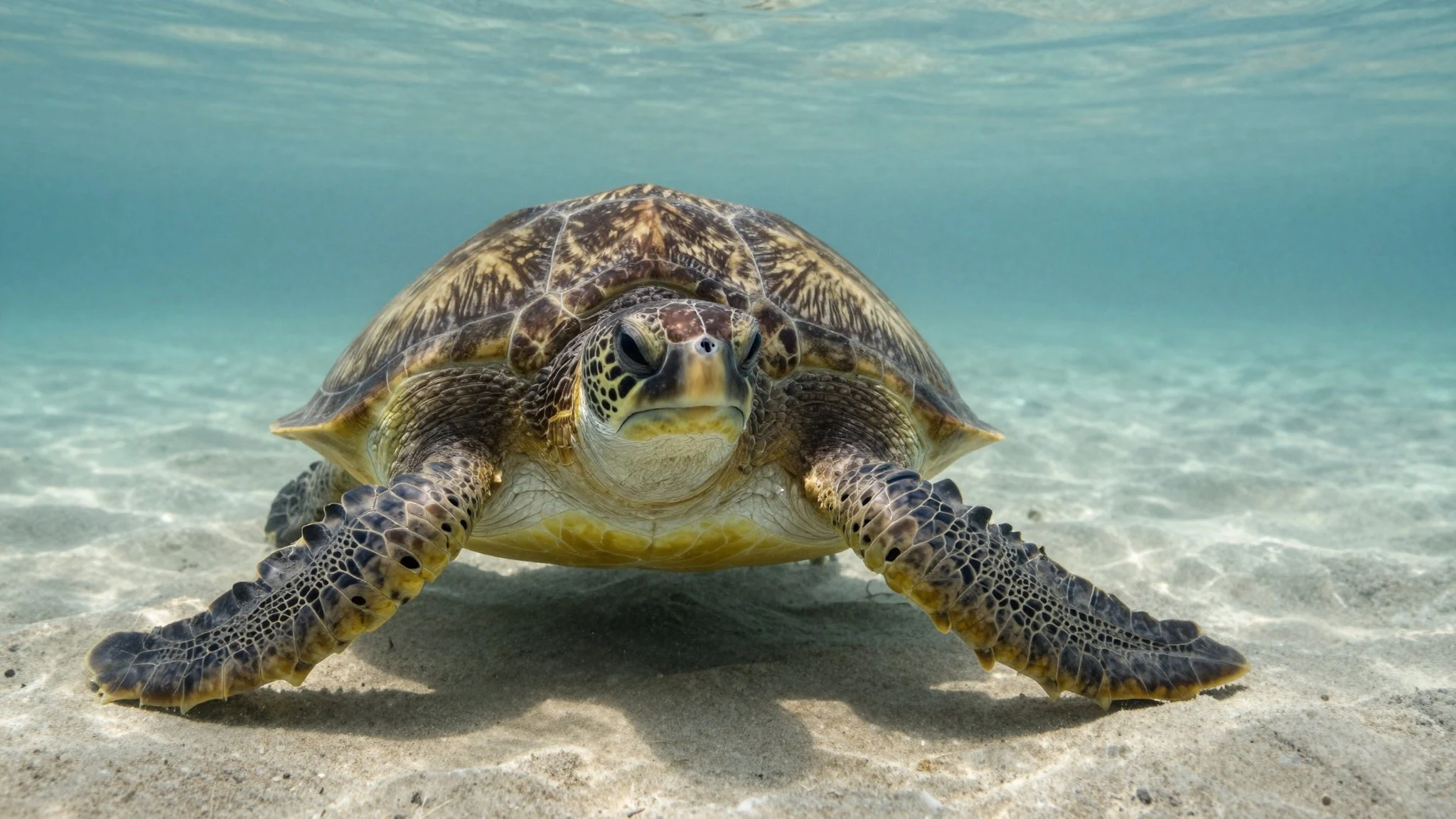
Sorake Bay lies between the beaches of Sorake and Lagundri, close to Teluk Dalam. It has both left-hand and right-hand breaks, which suits a range of surfers, and turtles are sometimes seen below the boards while waiting for waves. Non-surfers can watch from the shore. - Hinako Islands — Off the west coast of Nias
The Hinako Islands hold the consistent waves known as Asu and Bawa. Reaching them needs a boat arranged through a surf camp or guesthouse, and conditions decide whether the trip is worthwhile. Quieter, lesser-known breaks elsewhere on Nias reward surfers with time and a sense of adventure.
Culture
Nias has a culture shaped by isolation and by trade. Li Niha, the island's language, is still spoken in daily life, and its northern, central and southern dialects mark regional identity. Village life traditionally revolves around the stone plaza, where ceremonies, dances and feasts take place. Hospitality is expressed through food: at weddings, diced pork with rice cake is served to honour guests, and a celebration without palm liquor, tuak, is hard to imagine. Tuak is also drunk informally at streetside stalls that open around midnight, where people sit at bamboo tables, play cards and talk. The island is known for its festivals, above all war dances and stone jumping, a manhood ritual in which young men leap a stone tower. Performances for visitors are regular, but they are rooted in real ceremony, so they deserve attention rather than a quick photograph. Music, performed mostly by women, is admired well beyond the island. Scholars argue over whether Nias is truly a surviving megalithic culture, yet the stone plazas and wooden houses of the villages show how long ritual and building have gone together. Traders by tradition, islanders tend to welcome visitors with curiosity and patience. When visiting a village such as Bawomataluo, ask before photographing people or stepping into a house, cover shoulders and knees, and treat dances and stone-jumping displays as ceremony rather than a free show.
What to wear
Traditional dress on Nias is a matter of ceremony rather than daily life. For weddings, welcome dances and war dances, men and women put on costumes in which cloth is secondary to ornament: heavy metal-toned necklaces, crowns and headdresses, and for men a ring-shaped necklace known as kalabubu. Dancers' outfits are often dark, red and gold in tone, and details vary between the north, centre and south. Textiles are not the island's best-known craft; metalwork, stone and timber construction carry more of its visual identity. Everyday clothing is ordinary tropical wear: T-shirts, shorts or long skirts, sandals and, around Sorake in the south, surf shorts and rash vests. Visitors should pack light, quick-drying cotton or linen, with shirts that cover the shoulders and trousers or skirts that reach the knees for village visits, churches and ceremonies. Swimwear belongs on the beach and at surf camps, not in villages or towns. Sturdy sandals or trainers help on stone steps and plazas, which turn slippery in rain, and reef shoes are worthwhile at rocky surf breaks. A light rain jacket, a hat and high-factor sun cream complete the kit, since the island sits on the equator and the sun is strong between showers.
What to eat
- Harinake — Family celebrations and simple village eateries
Harinake is diced pork cooked with local spices, traditionally served with rice cake at weddings as a way of honouring guests. Visitors are most likely to meet it at a family celebration or a simple village eatery. Note that it contains pork. - Loma — Roadside stalls and local markets
Loma is glutinous rice cooked inside a length of bamboo, giving a sticky, cylindrical snack that is sliced or peeled for eating. It is sold at roadside stalls and local markets, and goes well with a hot drink on a rainy afternoon. - Hambae Nititi — Local eateries around the island
Hambae Nititi is crab in a coconut-milk sauce, rich and savoury, usually spooned over plain rice. Its relative Bato Hambae is crab meat smoked and pressed into rounds, eaten as a side with rice. Both are found in local eateries around the island. - Silio Guro — Home-style eateries and market stalls
Silio Guro is a banana-leaf parcel of finely chopped shrimp and grated coconut, smoked over strong heat in the traditional way. The result is smoky and fragrant, and it is eaten with rice. Home-style eateries and market stalls are the places to find it. - Gowi Nihandro — Market stalls and small roadside shops
Gowi Nihandro is cassava boiled, mashed until smooth and scattered with dried grated coconut. It is a plain, filling snack for a mid-morning stop between villages, found at market stalls and small roadside shops. - Saku Nisolo — Home-style eateries and family meals
Saku Nisolo is made from sago starch bound with thick coconut milk, and it often stands in for rice as the main starch of a meal. Savoury and soft, it is served at home-style eateries and family meals across the island.
Plan it
Best time. June to September is generally the drier stretch and overlaps with the main surf season, but Nias is equatorial, so heat, humidity and rain are possible in any month. Check forecasts and swell reports before booking.
How long. 4–5
Getting there. Fly to Gunungsitoli on the island, checking airline schedules, or take a ferry. The two terminals are Gunungsitoli (mainly from Sibolga) and Teluk Dalam (mainly from Medan), but ferry companies come and go, so often only one terminal is running. For the surf beaches, continue by road from Gunungsitoli to Teluk Dalam; surf camps and guesthouses can usually arrange transfers.
Budget. low
Tips
- Confirm the ferry operator and terminal shortly before travelling, as services change
- Carry cash, because card acceptance is limited outside the main towns
- Book surf camps and homestays ahead for the drier months
- Allow extra time for winding roads; distances are slow in a minibus
- Bring reef shoes, sun protection and a light rain jacket
Etiquette
- Ask before photographing people, houses or ceremonies
- Dress modestly in villages and churches, keeping swimwear for the beach
- Treat dances and stone-jumping displays as ceremony, and check what any fee covers
Nearby
Sources
- Wikidata Q2407831 (CC0)
- Wikipedia: Nias language (rev 1362794574) (CC BY-SA 4.0)
- Wikivoyage: Nias (rev 5412612) (CC BY-SA 4.0)
Wildlife
- Green sea turtle (animal)
The green sea turtle is a big, gentle sea turtle that grazes on seagrass, and it gets its name from the greenish fat under its shell, not from its dark olive or blackish back. In Nias, travellers sometimes spot one gliding below the surfers as they sit out on the water, hoping for the next wave. Watch calmly from a respectful distance, keep quiet and still, ask a local guide for advice, and never feed it.