Mount Zao
Mount Zao, Japan
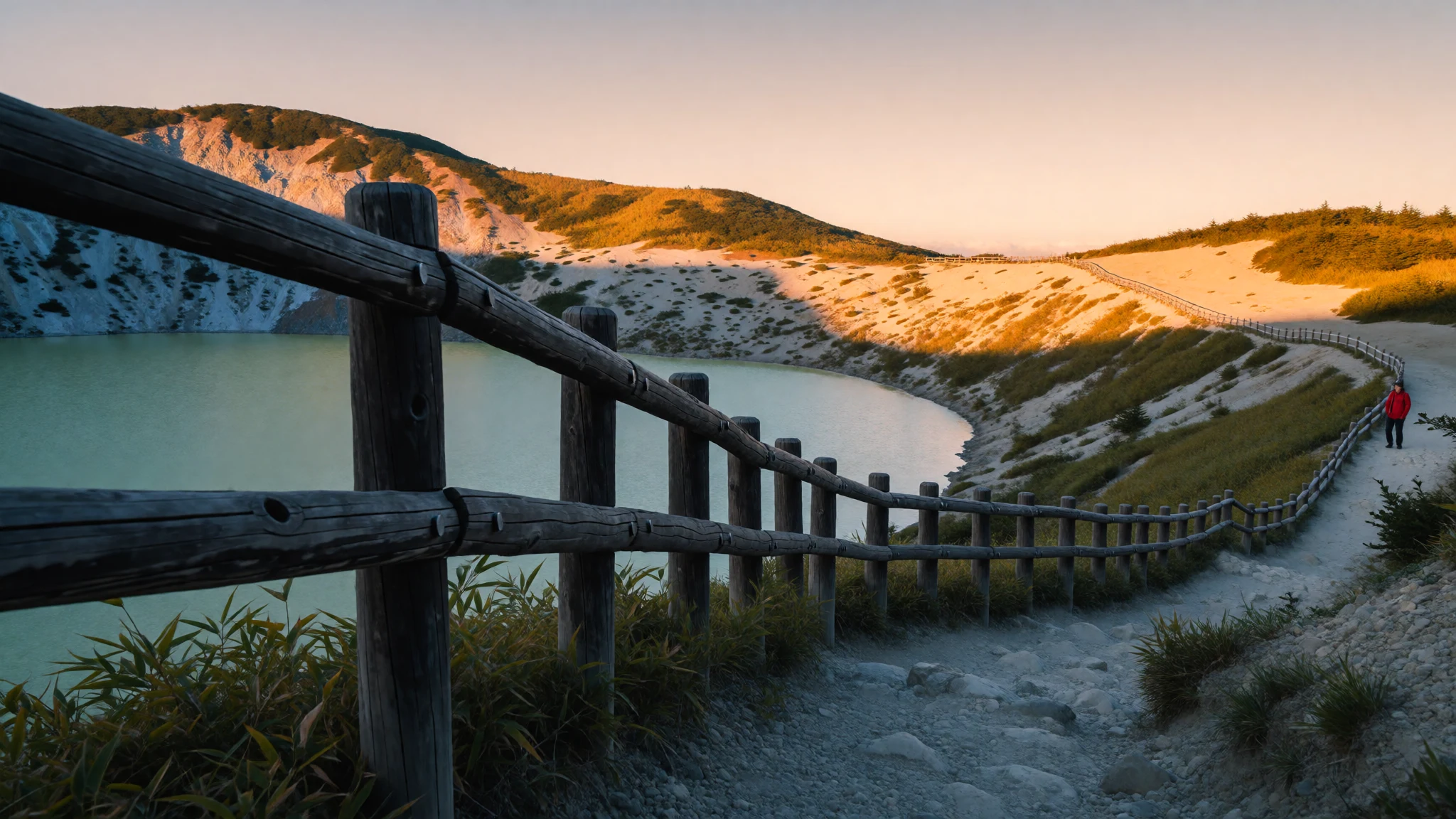
Mount Zao gives a volcanic crater lake, sulphur hot springs and, in mid-winter, forests of ice-coated trees nicknamed snow monsters.
The place
Mount Zao is the name usually given to the Zaō Mountains (蔵王連峰), a cluster of volcanoes on the border of Yamagata and Miyagi prefectures in Tohoku, the northern part of Honshu. The high point reaches 1,841 m. Rather than one tidy cone, the range is a jumble of lava domes, old craters and ridges, and its central volcano is counted among Japan's 100 Famous Mountains. The best-known feature is Okama, a crater lake held in the tuff cone of Goshiki-dake. The water is acidic and shifts between milky green and blue with the light and weather, which is why the lake also goes by Goshiki-numa, the Five Colour Pond. The bowl is about 360 m across and 60 m deep, ringed by pale, bare ground where little grows. Zao is also a winter mountain. Ski areas spread over both prefectures, and the hot-spring village of Zao Onsen sits on the Yamagata side. From mid-winter the upper slopes fill with juhyō, fir trees encased in rime ice and snow until they resemble hunched figures. In the warmer months the same slopes become walking country, though cloud and wind can close in quickly. Crowds are heaviest on winter weekends and in the peak weeks of autumn colour; weekdays are calmer. The mountain has three distinct faces, snow, crater and foliage, and the season decides which one appears.
Its story
Mount Zao's crater lake is young by geological standards. Okama formed in an eruption in the 1720s, so the bowl is only a few centuries old. Since then the water has stayed acidic enough that very little lives in it; the recorded residents include a rotifer, Rotaria rotatoria, and diatoms of the genus Pinnularia. The mountain's other famous creation is meteorological rather than volcanic. Wind sweeping across the cold slopes carries supercooled droplets that freeze on contact with the evergreen branches, building ice sideways into the airstream. Snowfall then settles on this crust, layer on layer, until each tree becomes a thick, lumpy shape that no longer looks like a tree. A whole forest of them gives an eerie impression, hence the nickname snow monsters. Japan groups Zao with Mount Hakkoda and Mount Moriyoshi as its three great juhyō sites. The conditions needed are specific to northern Japan, and the display has been shrinking as the climate warms, which gives a winter visit some urgency. Down on the plains, Miyagi was once part of the old province of Mutsu. The warlord Date Masamune, nicknamed the One-Eyed Dragon, brought the area under his control and made Sendai his capital. Sendai is still the largest city in Tohoku and the usual gateway to the mountains.
What to see
- Okama crater lake — Goshiki-dake, central Zao Mountains
Okama fills a crater in the Goshiki-dake tuff cone, about 360 m across and 60 m deep. The water moves between milky green and blue depending on light and weather, framed by pale, barren slopes. Fog can hide it completely, so a clear morning matters. Road and lift access depends on the season; check the official sites first.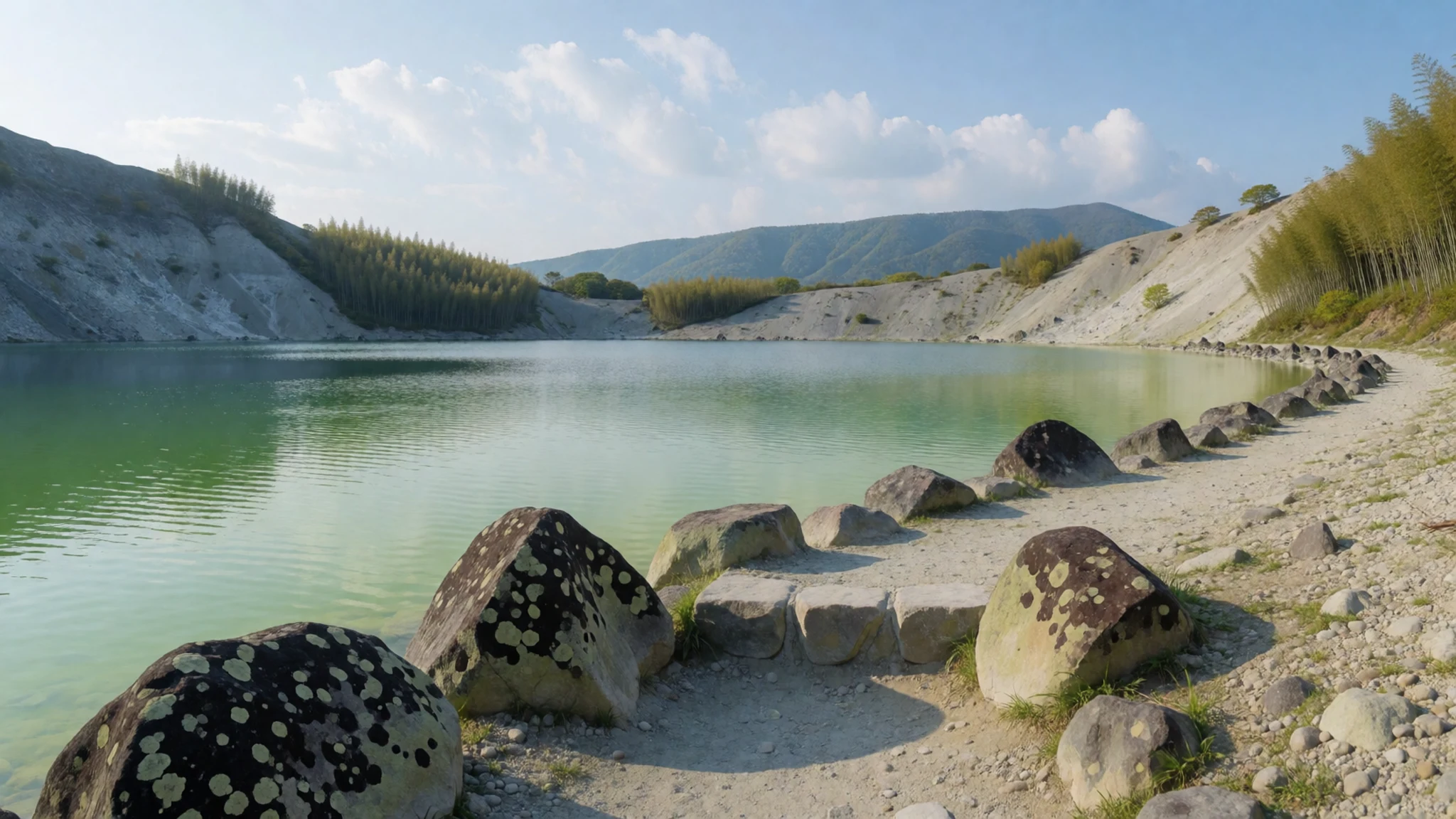
- Snow monsters at Zao Onsen — Zao Onsen, Yamagata side
The ropeway above Zao Onsen climbs to slopes where rime-covered trees stand in rows across the ski area. Mid-winter is the season, and the shapes change from week to week with wind and snowfall. Cold and wind at the top are serious, so check ropeway status and the forecast before going up.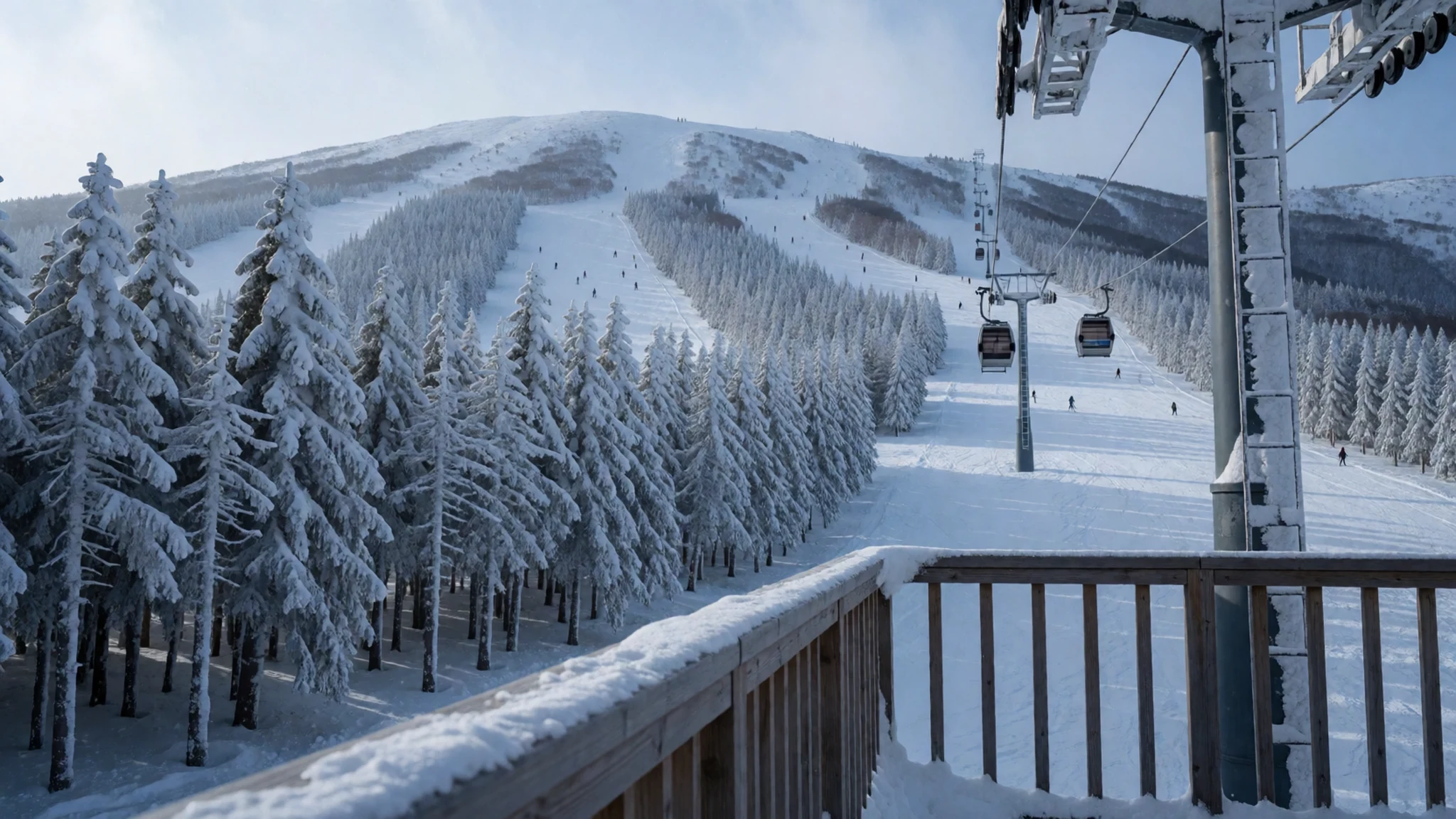
- Zao Onsen village — Yamagata side of the mountain
Zao Onsen is the hot-spring village on the Yamagata side, built up a slope below the ski runs. It serves as a base in winter and a quiet stop in summer, with public bathhouses and small guesthouses. The water is sulphurous, so the smell comes with the soak, and it is worth carrying a small towel.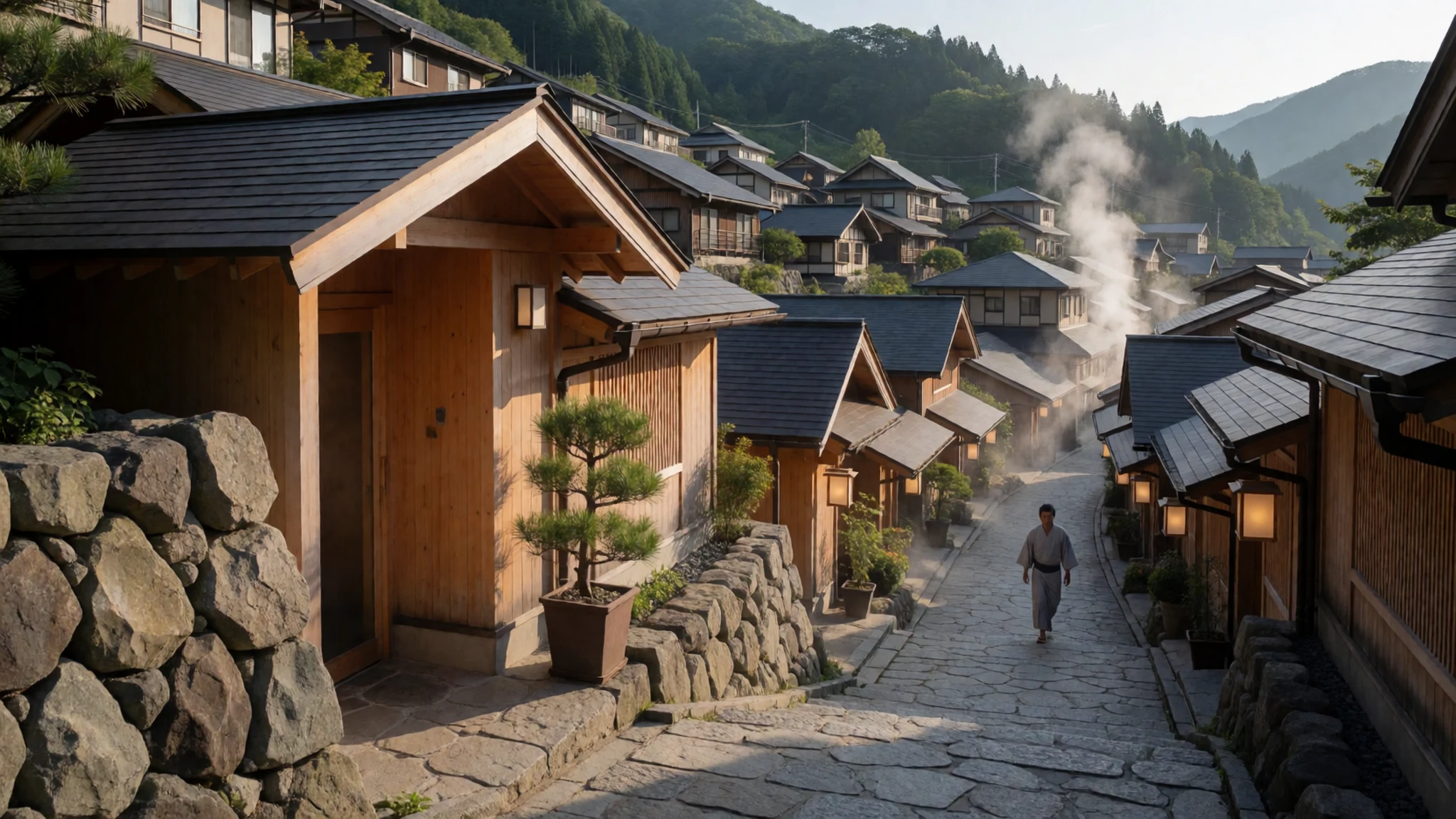
- Autumn slopes — Upper and middle slopes, both prefectures
In autumn the Zao Mountains turn rust, gold and red in bands that step down the hillsides, with colour arriving earliest at height. Around October is the usual window, though it shifts year to year. Weekends bring heavy road traffic and full car parks, so an early start or a weekday visit helps.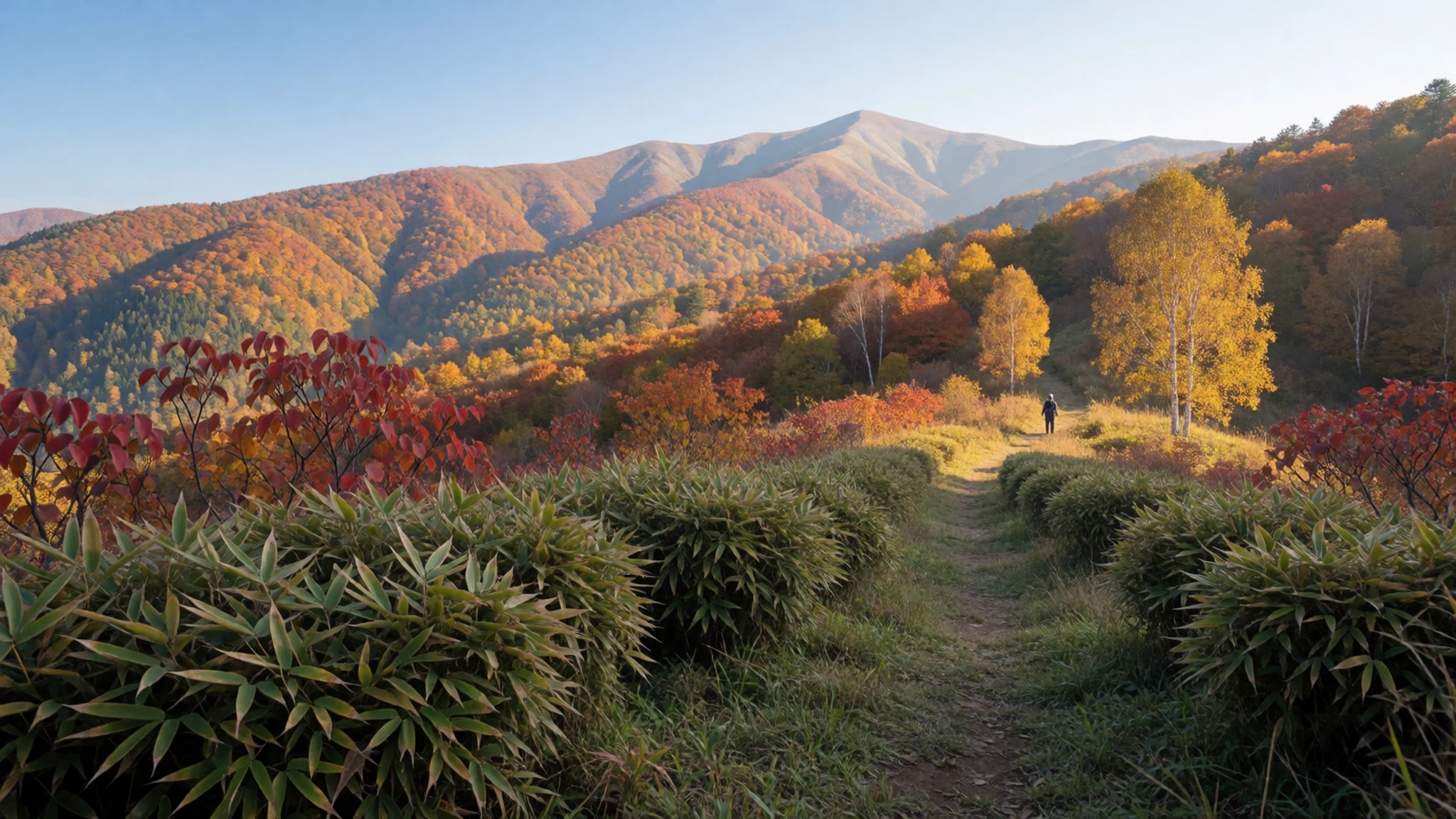
- Cherry blossom below the mountain — Miyagi foothills east of the range
In spring, long rows of cherry trees in Miyagi's foothills are photographed with Zao's snow-streaked ridge behind and, on still days, reflected in water. The local name, Hitome-senbon-zakura, means a thousand cherry trees at a single glance. Blossom timing varies with the year, and viewing spots get busy at weekends.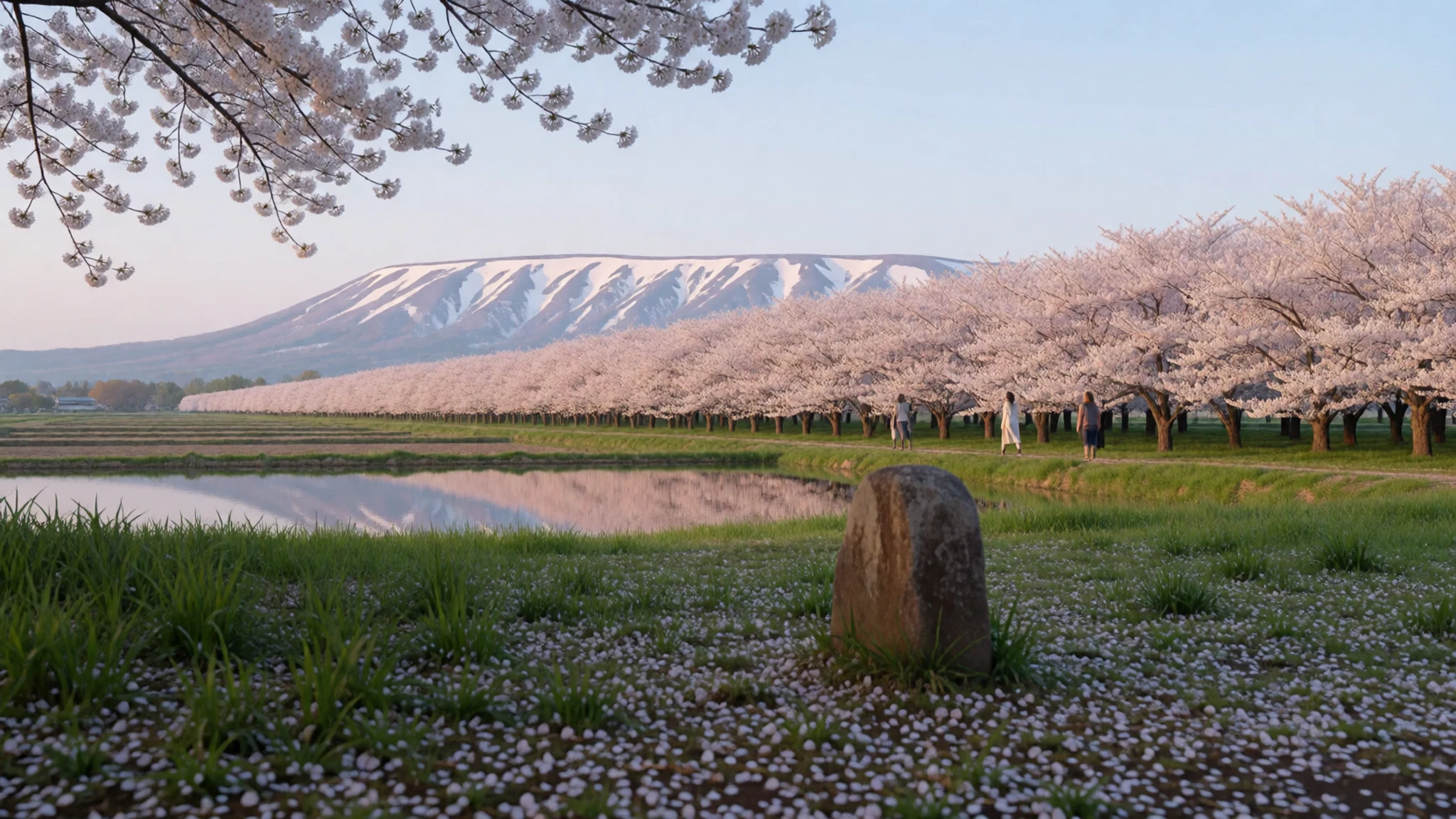
- Akiu Great Falls — South-west of Sendai
Akiu Great Falls drops 55 m in a forested valley south-west of Sendai. It is a side trip from the city rather than part of the Zao range itself, and it suits a day when cloud makes the high ground pointless. Autumn leaves make the valley especially pleasant.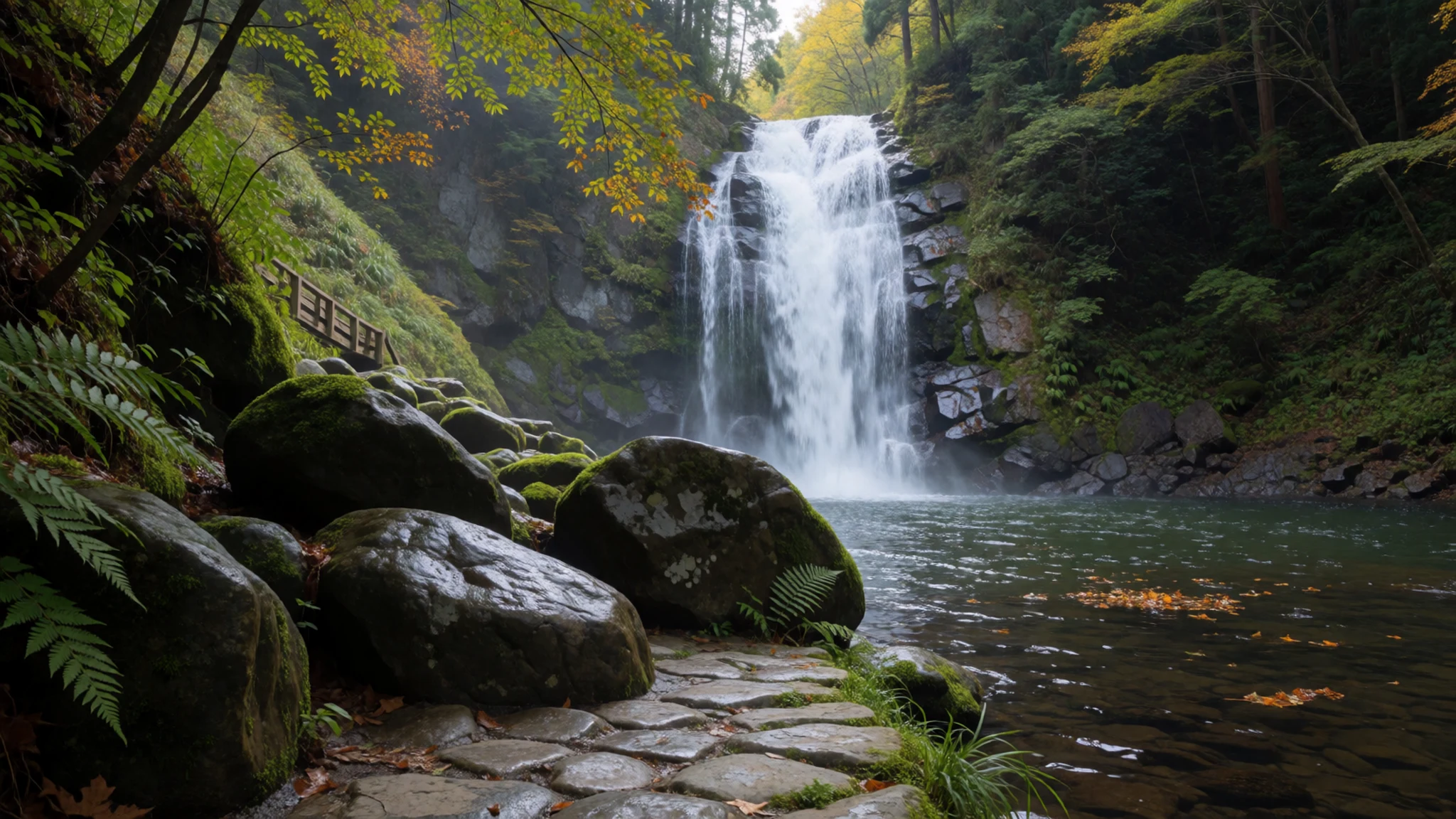
Culture
Mount Zao sits in Tohoku, a region with a reputation for patience, snow and good hot water, and the mountain's culture reflects all three. Hot springs are the daily ritual here: an evening soak is as much part of a Zao Onsen stay as the ropeway. Mountain worship also runs through the area. The name is linked with Zao Gongen, a mountain deity of the Shugendō tradition, and small shrines and stone markers appear along trails and in villages. On the Sendai side the feel is more urban and castle-shaped, owing to Date Masamune's legacy, and the city's festivals, statues and food keep that history visible. Winter is the busiest season, since skiing, snowboarding and rime-tree sightseeing peak together, and Zao Onsen guesthouses fill quickly at weekends. Courtesy here is practical rather than formal: queueing calmly for the ropeway, keeping voices low in bathhouses and giving slow walkers room on icy paths matter more than any elaborate manners. Sulphur in the air and water can tarnish silver jewellery, so it is better left at the guesthouse. At a public bath, wash and rinse thoroughly at the washing stations before getting in, keep your small towel out of the water, and follow the bathhouse's posted rules on tattoos.
What to wear
Traditional dress around Mount Zao belongs to the wider Japanese family of garments, with some regional colour. The kimono, a wrapped silk robe, is worn for weddings, festivals and formal occasions, while the lighter cotton yukata is what guests wear around hot-spring towns such as Zao Onsen. Yamagata Prefecture is associated with silk weaving around Yonezawa and with safflower dye, though neither is specific to the mountain. Day to day, people dress for the weather. In winter that means ski jackets, thick socks, wool hats and neck warmers; in summer, quick-dry hiking layers and sun hats. Town clothing is plain, practical and mostly muted in colour. Visitors should dress in layers in any month, because the temperature drops and the wind rises with height. In winter, bring waterproof outer layers, goggles or sunglasses, gloves and insulated boots; rental gear is generally available in resort areas. For crater walks in the warmer seasons, wear shoes with good grip, a windproof shell and a hat, as exposed ground feels far colder than the village below. At the few shrines along the way, covered shoulders and a quiet manner are enough. Clothing comes off completely in the baths, so carry a small towel and a bag for wet things.
What to eat
- Gyu-tan — Dedicated restaurants on the second floor of Sendai Station and specialist eateries around central Sendai
Slices of grilled beef tongue, seasoned with salt or miso and served with rice and soup, are Sendai's signature dish. The texture is chewy and the flavour smoky rather than rich. Most visitors eat it on the way to or from the mountains.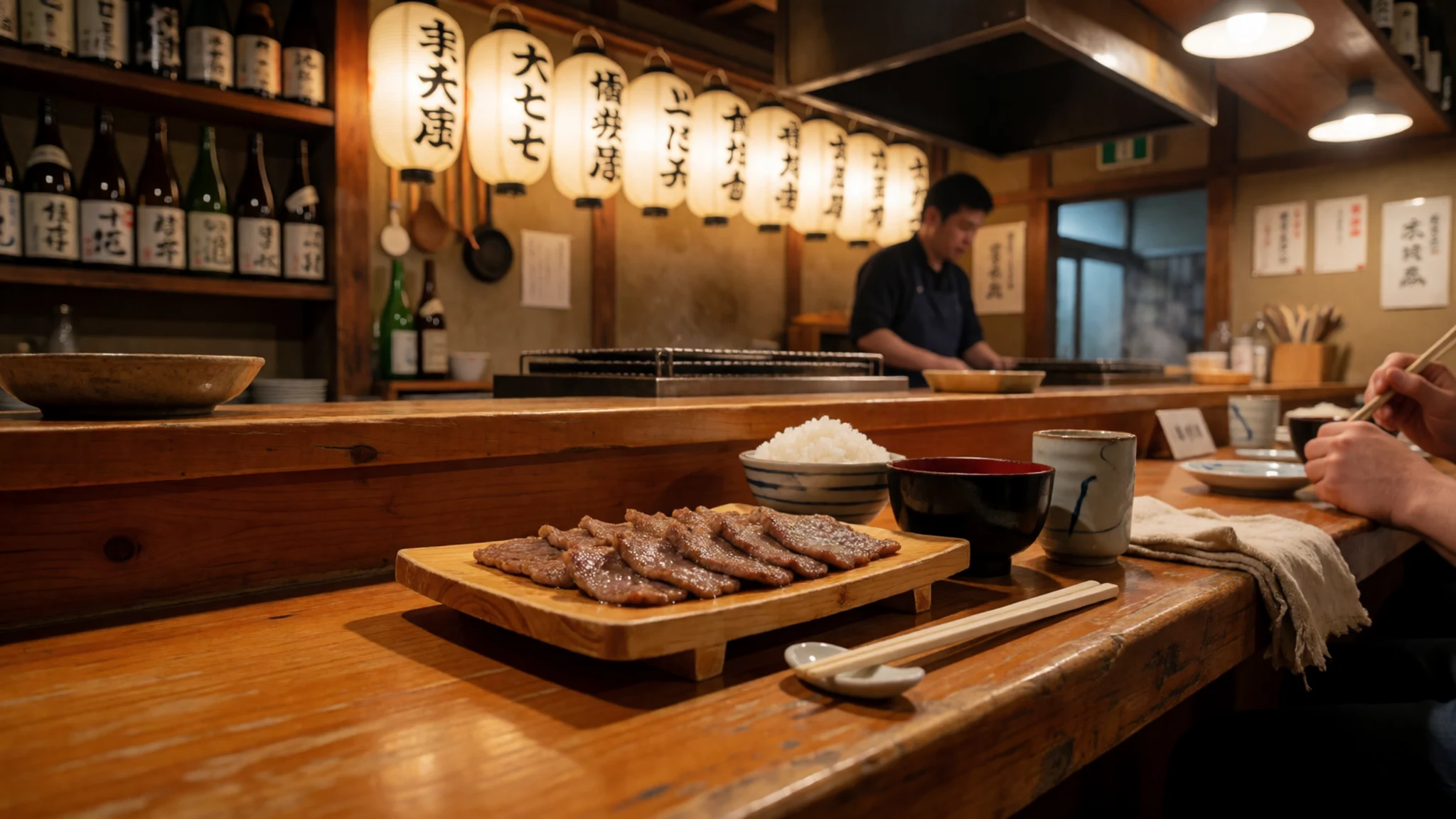
- Sushi — Sushi restaurants in Sendai and along the coast
Fish from the nearby Pacific coast reaches sushi counters across Sendai and the coastal towns. Seasonal fish vary through the year, and counter staff will usually say what is best that week. A good meal to follow a cold day outdoors.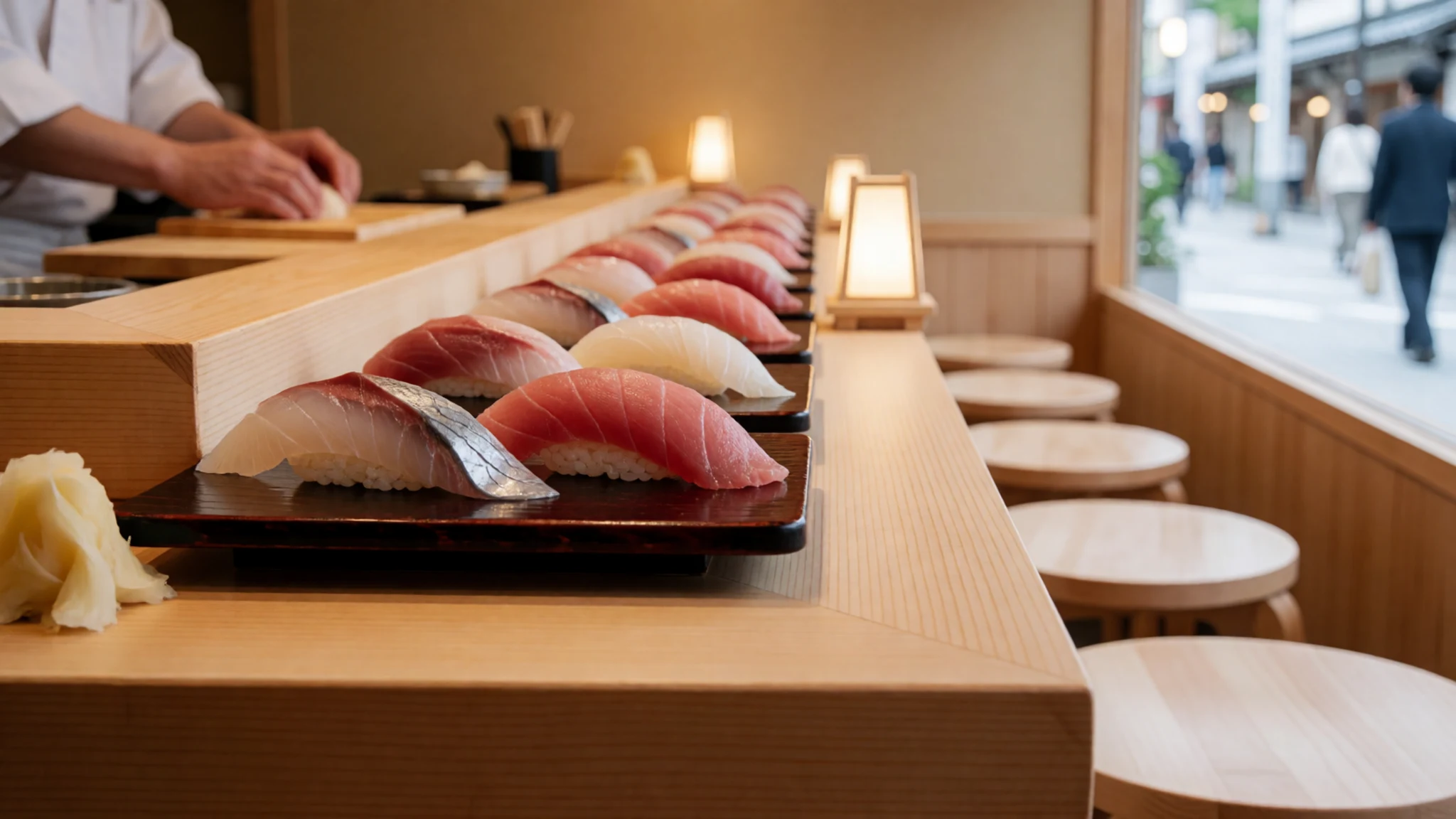
- Sake — Izakaya (pub-style eateries) and sake shops in Sendai
Miyagi has a well-regarded sake tradition, with Urakasumi and Ichinokura among the names to look for, alongside many smaller brewers. Sake is served warm or chilled depending on the style, and it pairs naturally with grilled meat and fish. - Imoni — Autumn riverside events and local eateries around Yamagata city
A taro and meat stew in a soy-flavoured broth, the Yamagata version is traditionally cooked in large pots at riverbank gatherings in autumn. It is warming, simple and filling, and a good match for a cold evening after a day on the slopes. - Zunda mochi — Sweet shops and cafés in Sendai, including shops in the station area
Soft rice cake coated in a sweet paste of mashed green soybeans, a Miyagi speciality. The paste is bright green, lightly nutty and not too sweet. It is a good snack to carry on a train journey or enjoy with green tea.
Plan it
Best time. January–February for snow monsters and snow sports, when the trees are encased in rime ice; July to September for walking and the crater lake, though cloud is common; October for autumn colour. Roads and lifts follow the season, so check the operators' sites.
How long. 2–3
Getting there. Sendai Airport (domestic and some international flights), or the Tohoku Shinkansen from Tokyo to Sendai. From Sendai or Yamagata, continue by bus or taxi to Zao Onsen or the trailheads, and check seasonal timetables.
Budget. mid
Tips
- Check ropeway and road status on the official operator sites before setting out, as seasonal closures and wind stops are common.
- Go early for the clearest views of Okama, since fog can build later in the day.
- Book Zao Onsen stays well ahead for winter weekends and the autumn colour weeks.
- Carry some cash for small bathhouses and village shops, and keep a spare warm layer in your bag.
- Do not rely on mobile signal on the higher slopes; download offline maps first.
Etiquette
- Wash and rinse at the washing stations before entering a bath, and keep your towel out of the water.
- Stay on marked paths near the crater, where the ground and fumes can be hazardous.
- Take your litter back down with you.
Nearby
Sources
- Wikidata Q167951 (CC0)
- Wikipedia: Mount Zaō (rev 1369587457) (CC BY-SA 4.0)
- Wikivoyage: Miyagi (rev 5383273) (CC BY-SA 4.0)
- Photo: Mount Zaō and Sakura 01 (ChampagneFight) (Public domain)
- Photo: Japan natural location map (Alexrk2) (CC BY 3.0)
- Photo: Zao Volcano Relief Map, SRTM-1 (Batholith) (Public domain)
- Photo: Zao 2006 Sanctuary (CC BY 3.0)
- Photo: Zao Mountains in autumn (lumoplank) (CC0 1.0)
- Photo: Early winter on Mt. Zao (lumoplank) (CC0 1.0)
- Photo: Zao snow monsters (Ymblanter) (CC BY 3.0)
- Photo: Okama Crater (lumoplank) (CC0 1.0)


Wildlife
- Rotifer (animal)
The rotifer Rotaria rotatoria is an animal that makes its home in water. At Mount Zao it has been found in acid water where hardly anything else can live, so it is a quiet resident rather than a sight to chase. Nothing is known here about the best season or hour, so do not plan around either. Treat the place gently: stay back from the water's edge, keep voices low, ask a local guide what may be seen, and never feed or disturb anything living there.