Mount Moco
Mount Moco, Angola
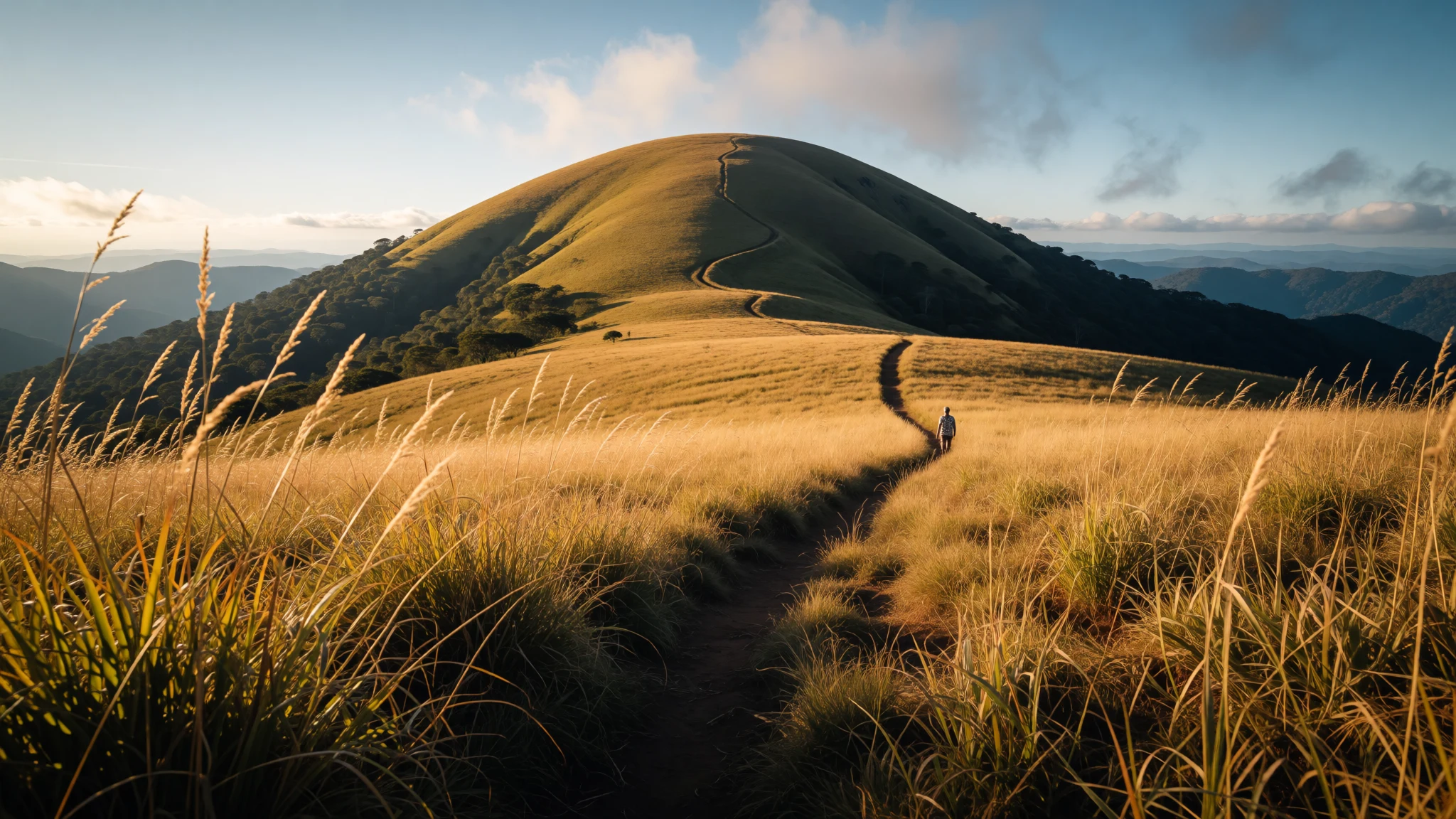
Mount Moco is Angola's high point, a cool grassland summit above Huambo where birdwatchers, hikers and paragliders have the plateau largely to themselves.
The place
Mount Moco (Morro do Moco in Portuguese) rises to 2,619 metres in Huambo Province, in the western half of Angola, and is the country's high point. It stands west of the provincial capital, Huambo, on the central plateau, where the land is already well above sea level before the final climb begins. That height changes the feel of the place: mornings are cool, mist can sit on the grassland, and the air is a long way from the humid coast around Luanda. The summit is a rounded massif rather than a jagged peak, with open grassy slopes and patches of forest in the folds. Birdwatchers are the main draw, and the mountain is listed as an Important Bird Area. Others come for walking, rappelling and paragliding, though the infrastructure is thin. Expect a rough approach, few signs and almost no services on the mountain itself, so most people arrange a local guide and a vehicle in Huambo. Tourism in Angola is still young, which means quiet trails, but also that information is patchy and plans change. The rainy season turns tracks to mud and hides the views in cloud; the dry months are kinder. Huambo is the practical base, with restaurants, markets and places to sleep, and the mountain works best as a day out or a night or two on the plateau rather than a long expedition.
Its story
Mount Moco sits in a country whose history is usually told from the coast and the north, yet the highlands around Huambo are part of the same story. Before Portuguese rule, the Kingdom of Kongo held the north, with its capital at M'banza-Kongo, and had vassal states such as Ndongo and Matamba. In the 17th century those two united under Queen Nzinga, who is remembered across Angola as a leader of resistance. Portuguese contact began in 1484, when the explorer Diogo Cão arrived, and a trading post followed near the mouth of the Congo River. Colonial rule lasted until 1975. A long civil war followed independence and ended in 2002. The war left deep marks: national parks were run down, poaching thinned out wildlife, and minefields were laid in many areas. That is why visitors to the Moco region still hear advice about staying on marked paths and travelling with local guides. Since 2002 the government has worked to open the country up, and the mountain's inclusion in a national list of seven wonders in 2014 reflects growing interest in places like this. Around half a million people visit Angola each year, a modest number, and Mount Moco remains a quiet corner of a country still rebuilding its image.
What to see
- The summit of Mount Moco — Huambo Province
The summit of Mount Moco is a rounded, grassy crown at 2,619 metres, reached on foot over open slopes rather than by scrambling. Clear mornings give long views across the central plateau; cloud can close in by afternoon, especially in the rainy season. Set off early, take water and a guide, and stay on established paths.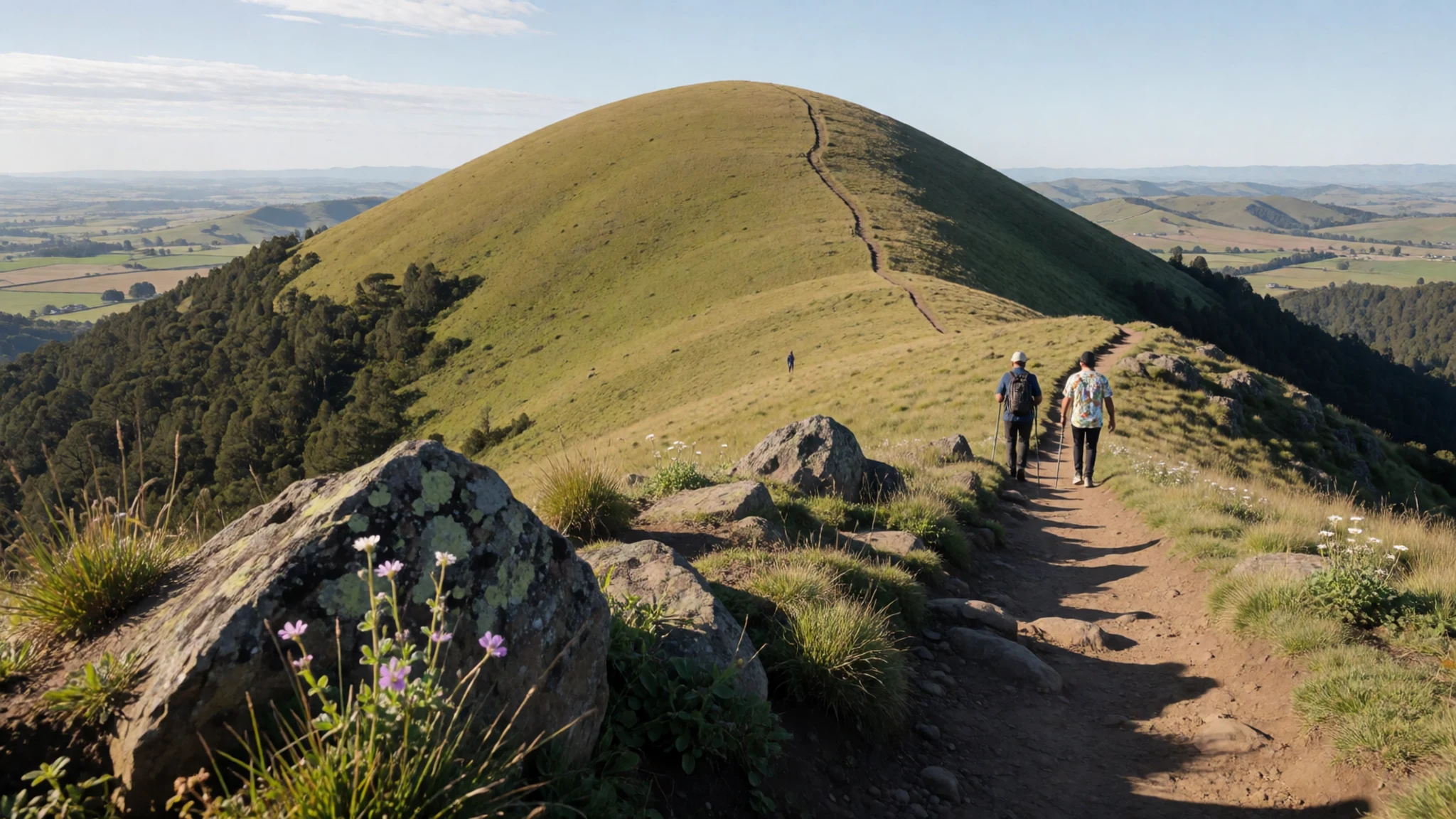
- Birdwatching on the slopes — Mount Moco slopes
The mountain is classed as an Important Bird Area, so birders walk the grassland edges and forest patches at first light. Ground-dwelling birds of open grass, such as the black-bellied bustard, are the sort of species to look for. A local guide helps with tracks and with birds that stay hidden in cover. Bring binoculars and patience.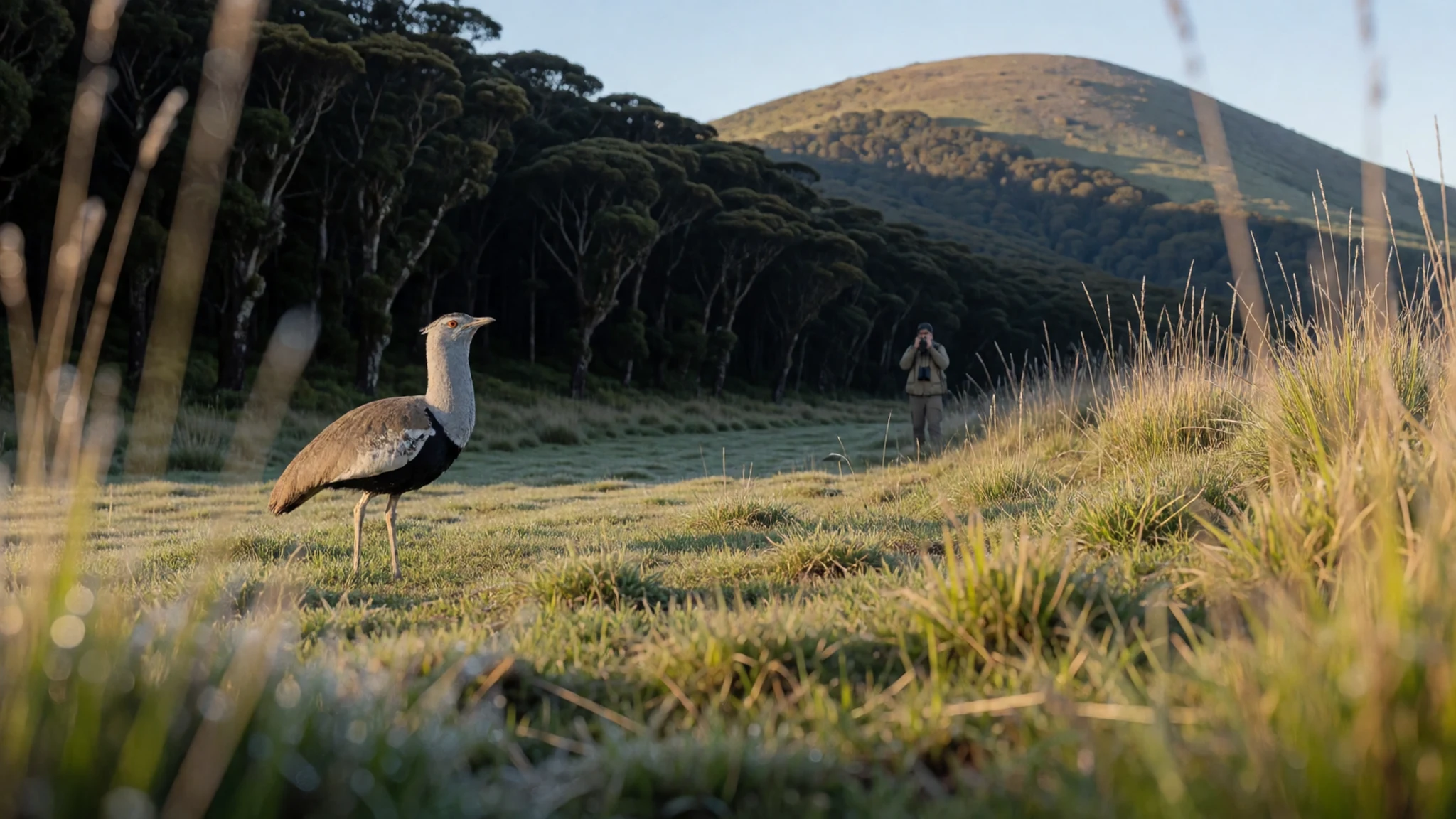
- Huambo city tour — Huambo
Huambo, the provincial capital, lies east of the mountain and makes the natural base. A city tour gives a feel for highland Angola: markets, older avenues and everyday life. Ask where you are staying to arrange a guide and transport for Moco, and use the city to stock up on bottled water and cash.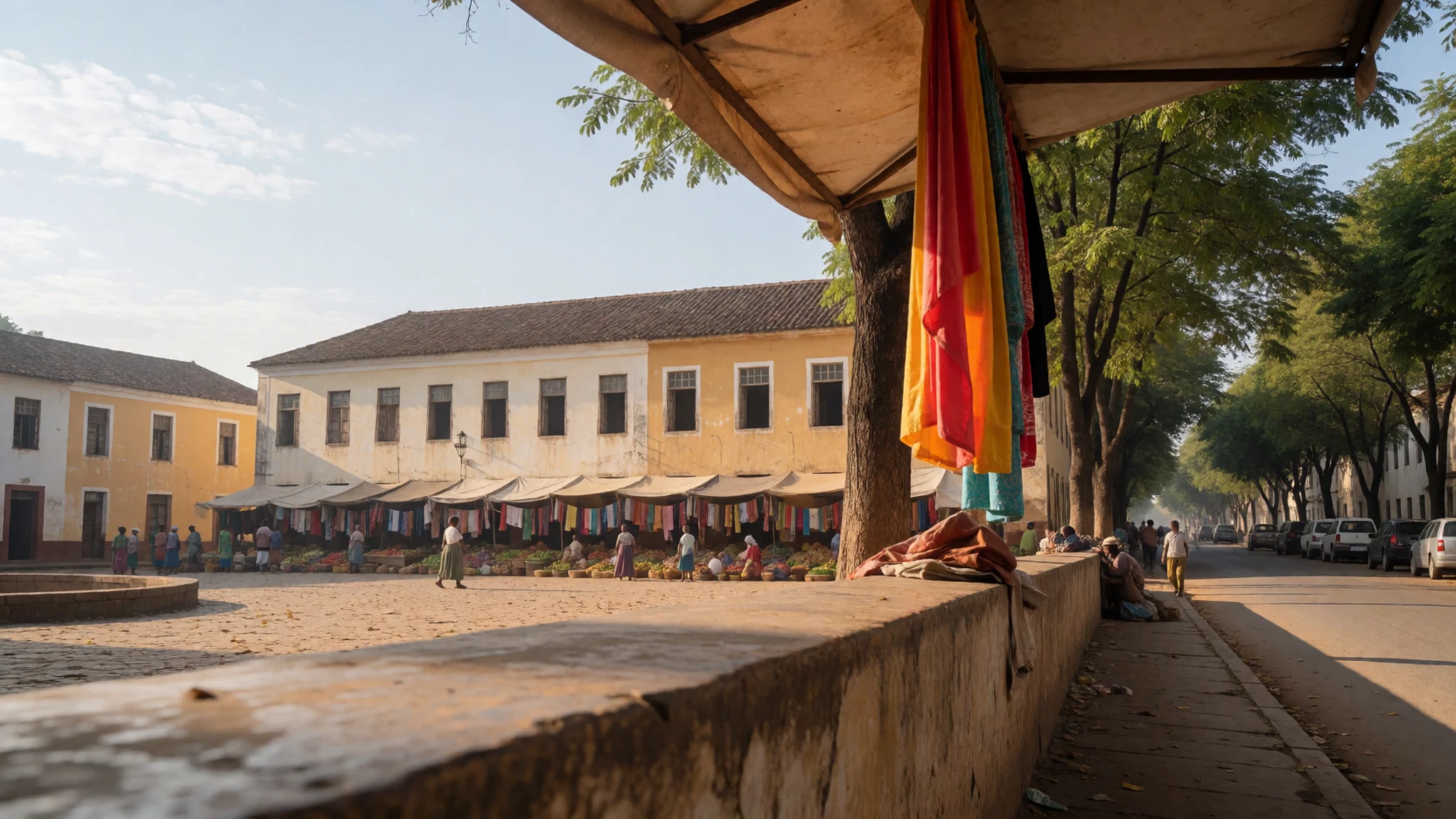
- Alto Hama hot springs — Alto Hama, Huambo Province
Alto Hama, in Huambo Province, is known for its hot springs and countryside views, which makes it a gentler outing for a day away from the climb. Conditions and access change, so ask locally before setting out and confirm that the road is passable, especially after rain.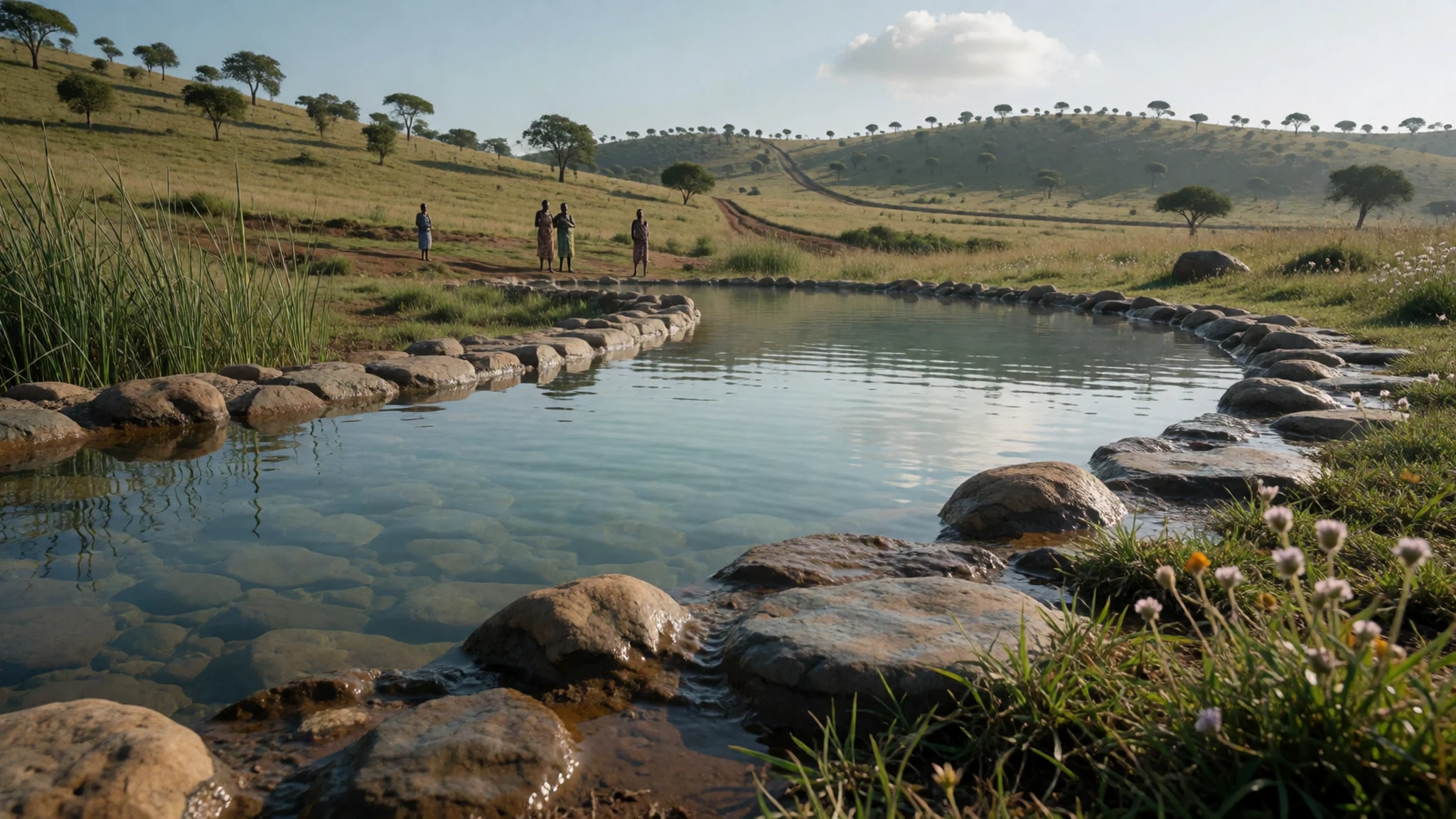
- The road west across the plateau — Between Huambo and Mount Moco
The drive west from Huambo is half the experience: farm plots, small villages and wide plateau views, with the mountain slowly growing on the horizon. Roads can be rough, so a sturdy vehicle helps, and the journey should be finished before dark. Stop to greet people, and ask before photographing anyone.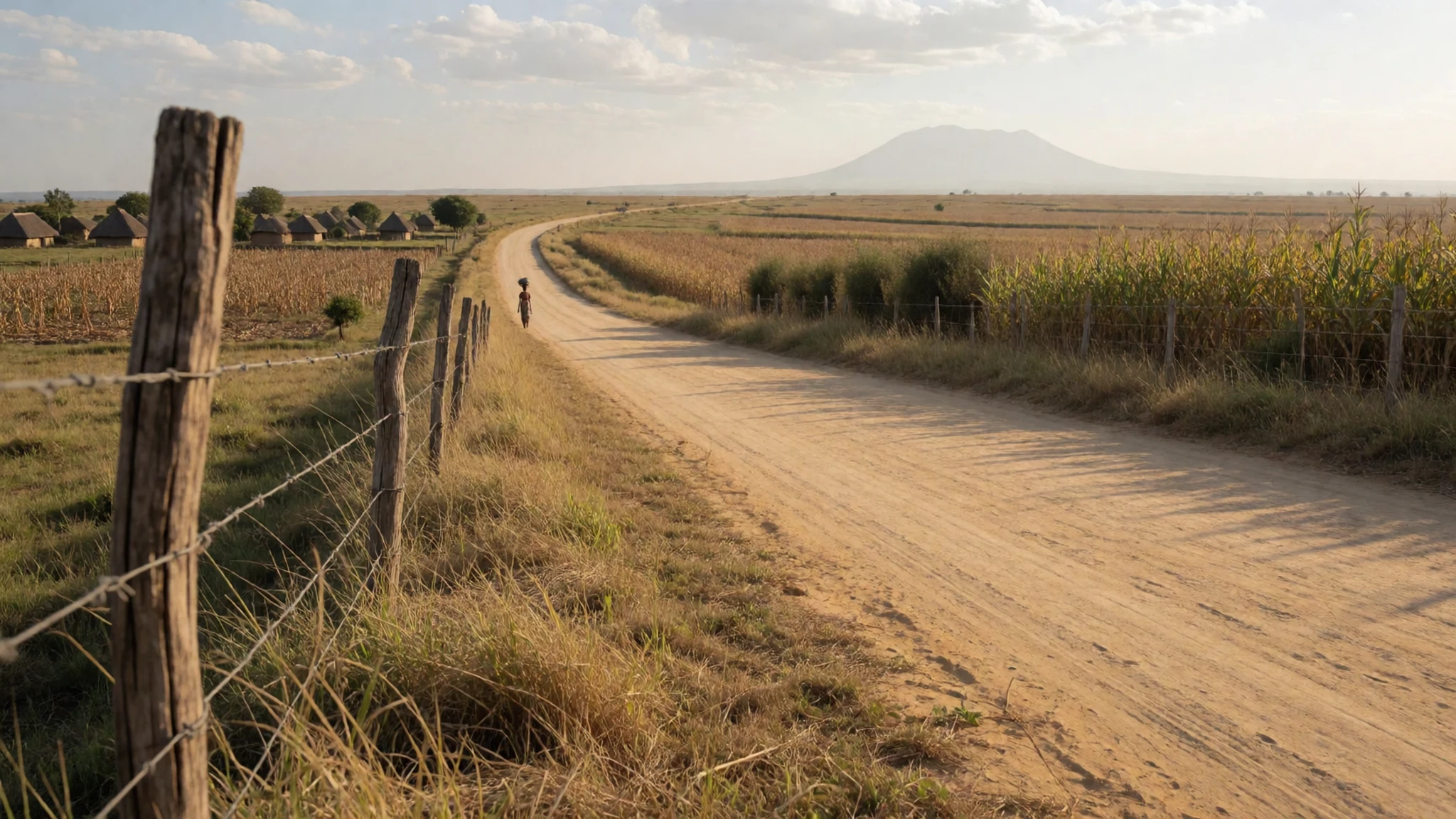
Culture
Mount Moco lies in Portuguese-speaking highland Angola, where age and welcome count for a great deal. Elders are shown deference: the oldest person in a room is greeted first, younger people give up their seats on buses, and the eldest at a table begins the meal. Hospitality is a point of pride, so a guest is expected to accept a welcome warmly, and a host who feels neglected is genuinely hurt. Listening matters too; interrupting someone mid-conversation is seen as rude. In rural areas it is customary to call on the local soba, the chief with official standing, before wandering through his land. Because foreign visitors are still uncommon, staring or friendly questions are usual, and they come from curiosity rather than suspicion. Music runs through daily life, with kuduro, kizomba and semba heard in taxis, bars and at gatherings, and almost any excuse will do for a party. Many Angolans speak of the war years with restraint, so let people raise the subject themselves. A few greetings in Portuguese go a long way. In any village near the mountain, greet the eldest person first and ask the soba's permission before photographing people or walking onto farmland.
What to wear
Mount Moco sits in Angola's central highlands, where dress mixes Portuguese-era tailoring with African cloth. The traditional garment is the pano, a length of printed cotton wrapped as a skirt or dress and often matched with a headwrap. Women wear it for church, weddings and festivals, while men may choose a bold printed shirt on the same occasions. Wax-print cottons are bought by the length at markets and sewn by local tailors. In Huambo, everyday dress is practical and modern: jeans, trainers, football shirts, school uniforms, and neat shirts, trousers or dresses for offices and church. People dress with care, and smartness is noticed. On the mountain, farmers and herders wear whatever suits the work and weather, often layers and rubber boots in the wet months. Visitors should dress for a cool, exposed plateau: a warm layer for early mornings, a light waterproof in the rainy season, a hat and sun protection at midday, and sturdy walking boots with good grip for grass and loose stone. In towns and villages, covered shoulders and knee-length shorts or trousers are respectful. Avoid camouflage clothing, which can attract unwanted attention in a country with a recent history of war.
What to eat
- Muamba de galinha — Family-run eateries in Huambo
Chicken stewed with palm oil, garlic, okra and chilli until thick, rich and orange-tinged, then served with rice or funge. Look for it at family-run eateries in Huambo and at weekend gatherings, where big pots are shared.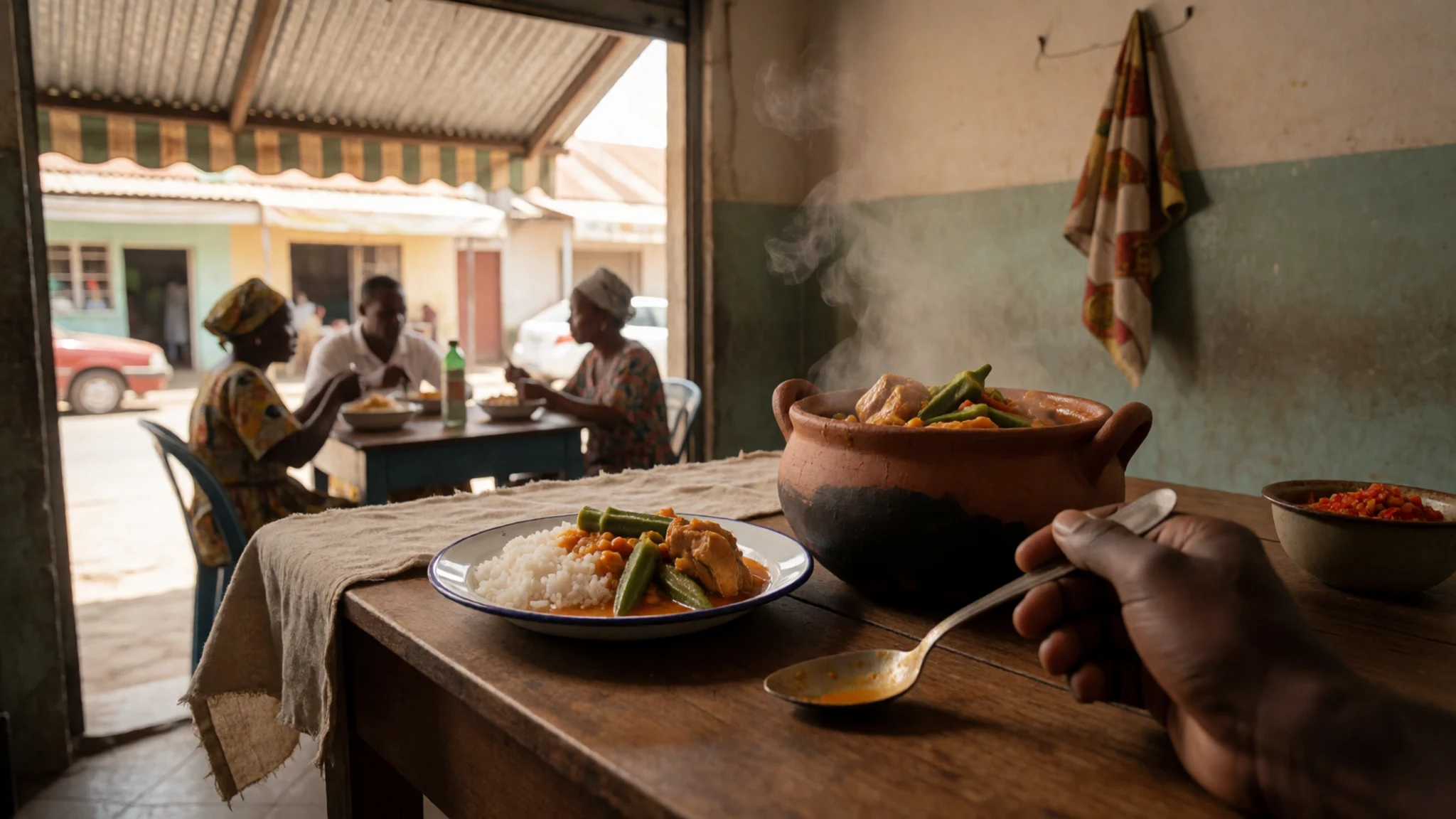
- Funge — Market canteens and neighbourhood eateries in Huambo
A smooth porridge of cassava or maize flour, stirred stiff and eaten with the hands or a spoon alongside stews and grilled fish. It is the everyday staple. Find it at market canteens and neighbourhood eateries, where it arrives with almost any meal.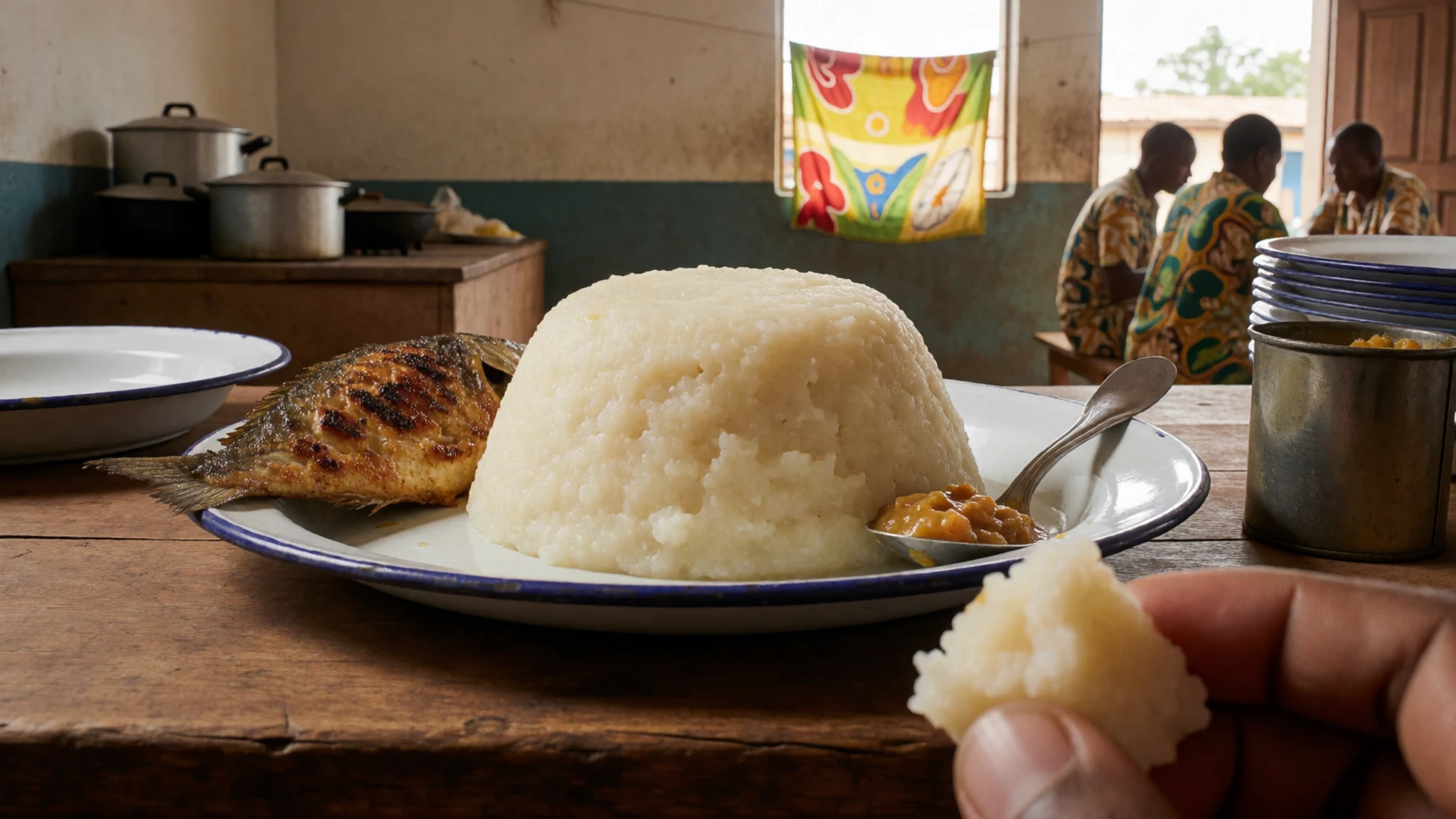
- Calulu — Local eateries in Huambo and coastal towns
A slow stew of dried or fresh fish, or sometimes meat, cooked with vegetables, palm oil and leaves, and eaten with funge. The flavour is smoky and salty. Try it at local eateries in Huambo or in coastal towns. - Grilled fish and lobster — Beach eateries and fishing landings on the coast
Fresh fish and lobster from the Atlantic, grilled simply and served with rice or chips. They are a coastal pleasure rather than a highland one, so eat them on the coast, at beach eateries or straight from the fishing boats, before or after the mountain. - Tropical fruit — Street stalls and open markets in Huambo
Mangoes, papayas, bananas and passion fruit are often grown by small producers, with stronger flavours than industrially grown fruit. Buy them at street stalls and open markets, and wash or peel them with bottled water.
Plan it
Best time. May to September, the cooler dry months, when tracks are firmer and the views are clearer. The rainy season, roughly October to April, brings mud, cloud and slow roads.
How long. 2–3
Getting there. Fly into Luanda, then take a domestic flight or a long road journey to Huambo. From Huambo, hire a driver or guide for the rough road west to the mountain.
Budget. mid
Tips
- Hire a trusted local guide and vehicle in Huambo rather than going alone
- Never step beyond red and white HALO Trust posts or any red-marked stones: they mark minefields
- Carry a certified copy of your passport at all times, and avoid travelling after dark
- Drink only bottled water, and ask restaurants whether they accept foreign cash before ordering
- Check current entry rules with the official Angolan government site before booking
Etiquette
- Greet the oldest person first when you meet a group or enter a home
- Call on the local soba when you visit a rural community
- Ask before photographing people
Nearby
Sources
- Wikidata Q1348116 (CC0)
- Wikipedia: Mount Moco (rev 1369578664) (CC BY-SA 4.0)
- Wikivoyage: Angola (rev 5393510) (CC BY-SA 4.0)
- Photo: Morro de Môco, Benjamin Stauch (CC0 1.0)
- Photo: Black-bellied Bustard, desertnaturalist (CC BY 4.0)
- Photo: Morro do Moco, Huambo, Angola, MagníficoRosário (CC BY-SA 4.0)


Wildlife
- Black-bellied bustard (animal)
Remember the black-bellied bustard as a bird of the ground rather than the treetops. Also known as the black-bellied korhaan, it is a bustard native to Africa, and it stays on the continent rather than migrating. At Mount Moco, scan the open grass for it, since ground-living birds are what to look for there. Keep a good distance, move and speak softly, and let a guide lead you. Never offer it food. - Black-bellied bustard (bird)
Remember the black-bellied bustard as a bird of the ground rather than the treetops. Also known as the black-bellied korhaan, it is a bustard native to Africa, and it stays on the continent rather than migrating. At Mount Moco, scan the open grass for it, since ground-living birds are what to look for there. Keep a good distance, move and speak softly, and let a guide lead you. Never offer it food.