Benguela
Benguela, Angola
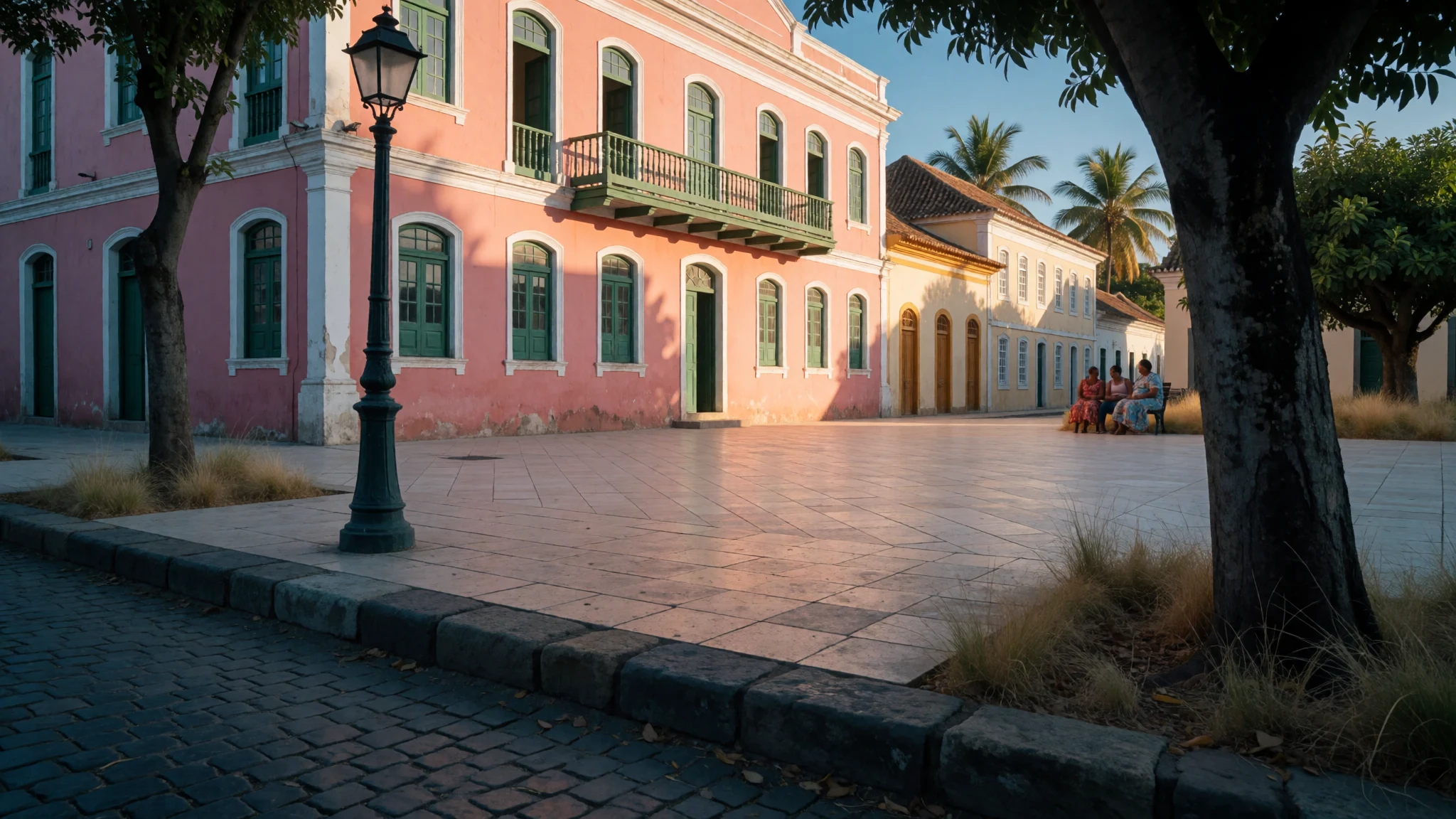
Benguela is a calm Atlantic city of pastel colonial streets, a heavy past and quiet cliff-backed bays, for travellers who like to go slowly.
The place
Benguela sits on Angola's Atlantic coast, a low-lying city 39 metres above sea level and the capital of its province. The municipality holds 561,775 people, yet it moves at a gentler pace than the national capital. Its older Umbundu name is Luombaka. The centre keeps a grid of colonial streets, pastel façades and shaded squares, with a pink town hall facing the main square and old Portuguese churches close by. Further out, many residents live in crowded informal neighbourhoods that swelled as families arrived from the countryside during years of conflict. The two halves of the city feel very different, and a fair picture needs both.
Trade still shapes the place. Coffee, corn, sisal, sugarcane and tobacco from the interior pass through, along with manganese, while local workshops make pottery, soap and tools, and fish processing and sugarcane milling keep people employed. Foreign cargo mostly goes through the deep-water port at Lobito, a short way up the coast, and a revived railway is slowly rebuilding the link inland.
Tourism here is modest. Facilities are limited, the beaches are lightly managed, and the pleasure lies in an unhurried provincial city with sea cliffs and quiet coves within easy reach, not in polished resort comforts. A day or two on foot in the centre, followed by an outing to the bays south of town, gives a good sense of it.
Its story
Benguela began in 1617 as São Felipe de Benguela, a Portuguese settlement founded by Manuel Cerveira Pereira, a former governor of Angola. For generations it was a hub of the Atlantic slave trade, with captives sent to Brazil and Cuba. Ships anchored well offshore in shallow water, and small boats shuttled cargo and people to jetties along the town front. The churches of the old town carry that memory; captives were baptised in the Igreja Nossa Senhora do Populo before being shipped. Nearby Lobito, with a larger sheltered harbour, eventually took most of the heavy shipping.
For a long time the settlement stayed small. In the early twentieth century it had a fortress, a hospital and two churches, but only a handful of stone houses. The Benguela Railway changed that. Built by Portugal to carry goods from the interior, it became a great success once it was joined to the Copperbelt of Katanga, in the Democratic Republic of the Congo, and to Zambia. Sisal, fishing, construction and services all grew, and the city drew in businesses and skilled professionals until Portuguese rule ended after the Carnation Revolution in Lisbon.
The civil war that followed independence lasted more than two decades. It closed the long railway line, leaving only the short stretch to Lobito running, and it filled Benguela with refugees from the countryside. Once peace returned, work began to restore the line towards Huambo, and the city is gradually taking up its old role as a commercial link between the coast and the interior.
What to see
- Baía Azul — South of Benguela, near Baía Farta
Baía Azul lies south of the city along the coast, near Baía Farta. The water gives it its name, a strong blue set against pale sand and low cliffs. Facilities are basic, so treat it as a day trip by car or hired taxi, carry water and food, and expect more visitors at weekends and on holidays.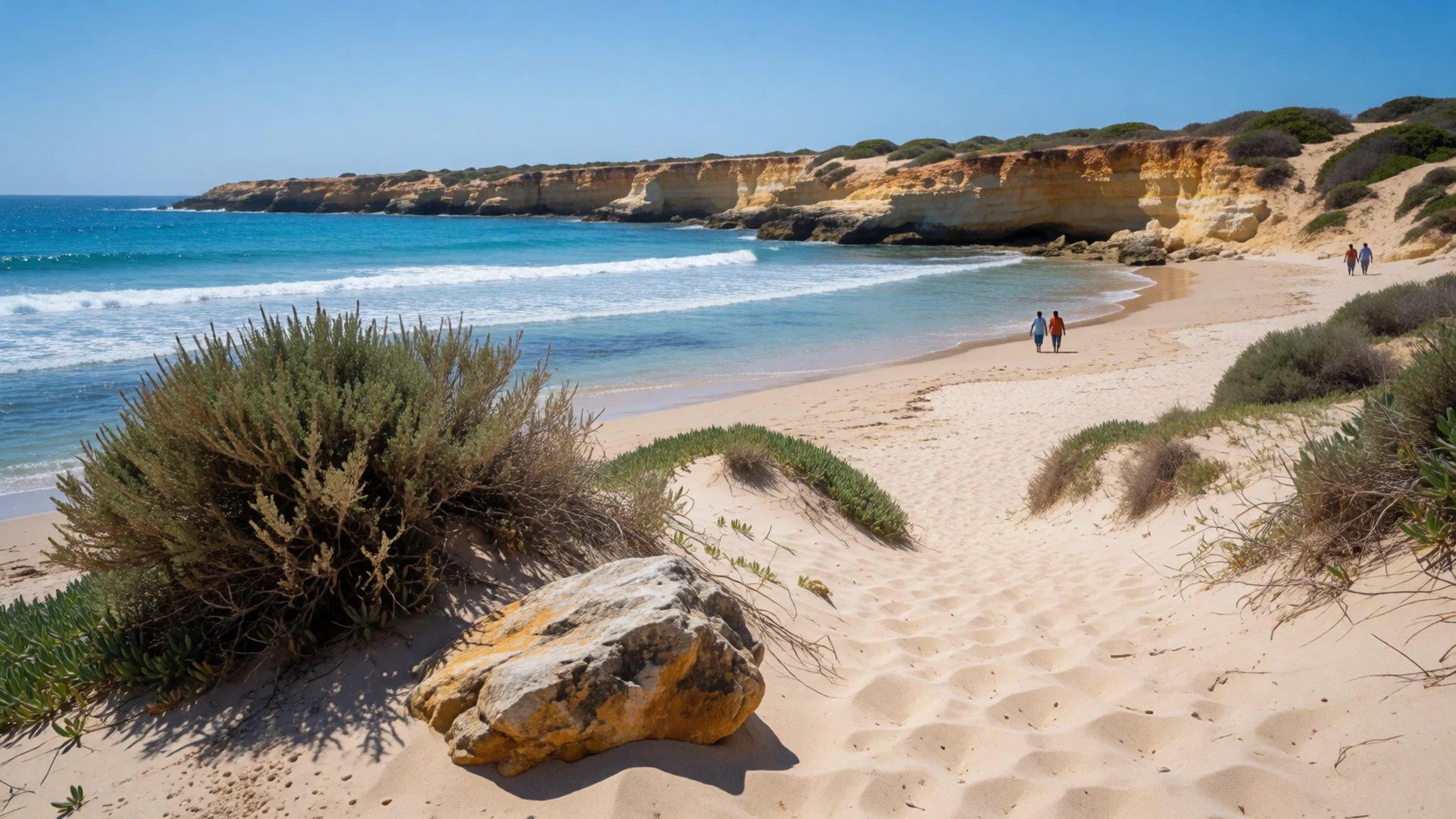
- Caotinha Beach — Peninsula west of the city
Caotinha is a string of small sandy inlets on a peninsula west of Benguela, backed by eroded cliffs. Some of the coves are almost empty, and a clifftop walk links one to the next. Shoes with grip help on loose ground. Services are minimal, so carry water and take your rubbish away.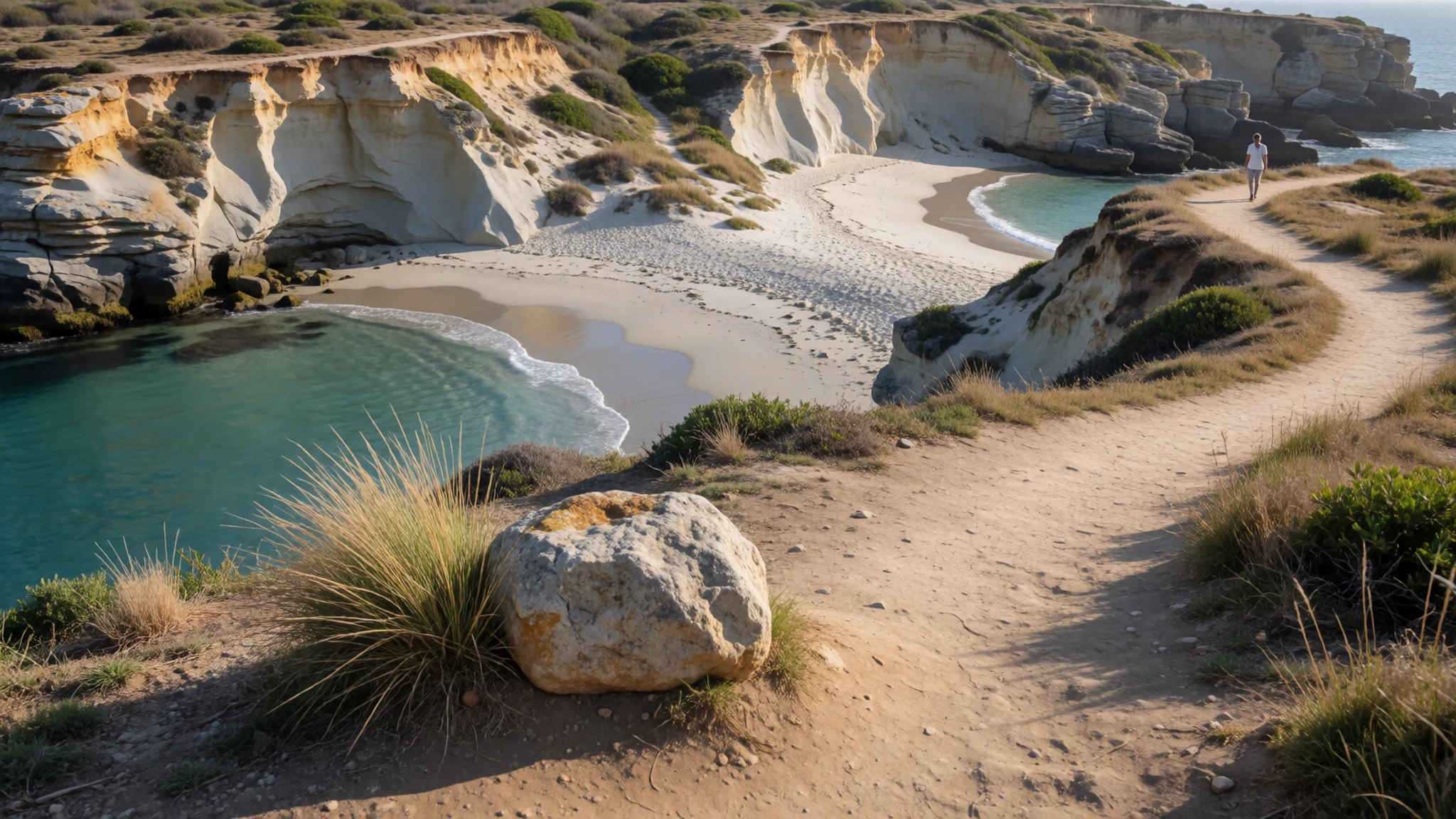
- Praia Morena — Near the city centre
Praia Morena is the city's own beach, a short distance from the centre and handy for a late-afternoon walk. On public holidays it fills up, but on an ordinary day it is often quiet. Expect few facilities and uneven upkeep; it works best for watching the evening light and local life.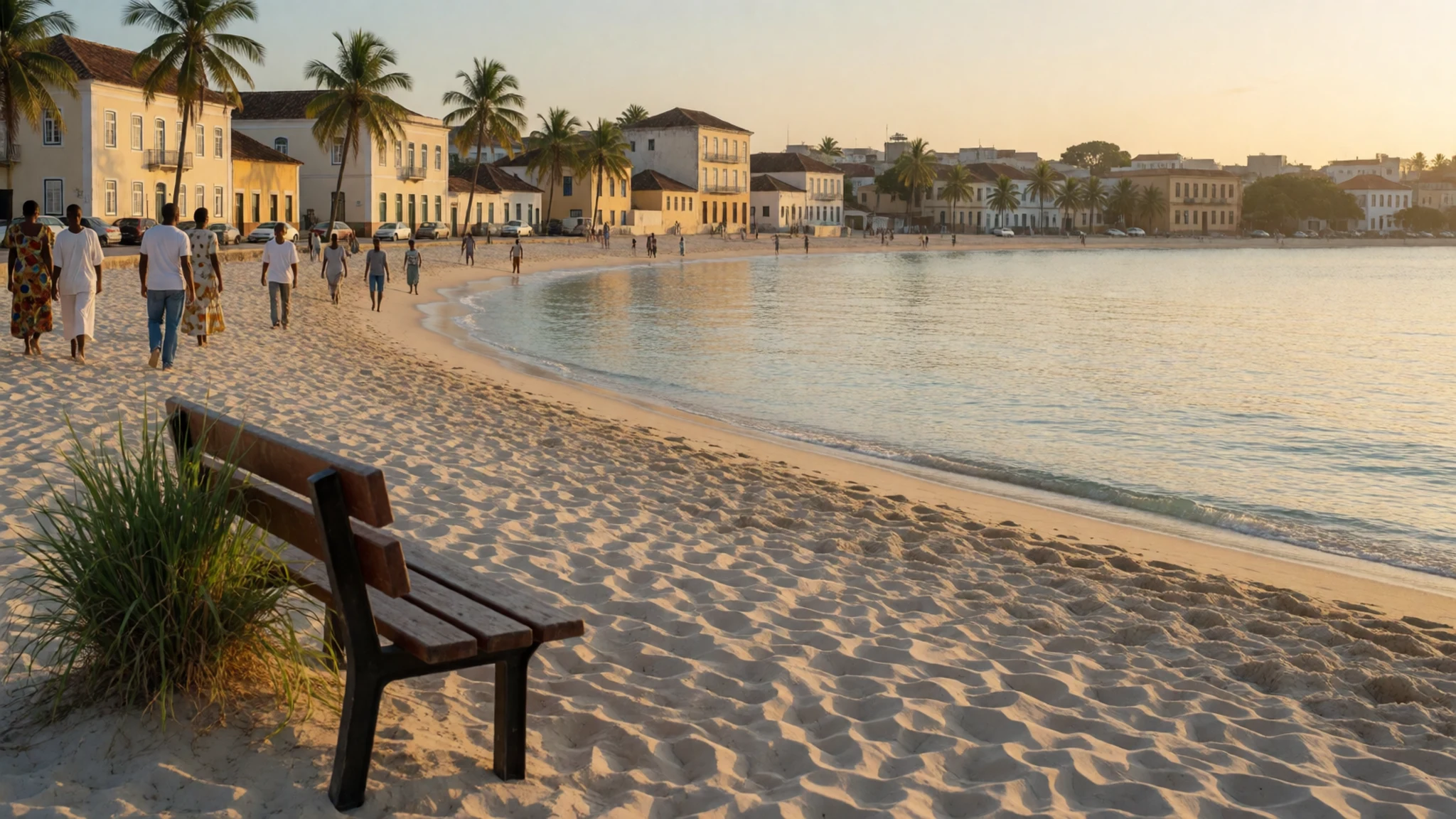
- Igreja Nossa Senhora do Populo — Old town
This colonial church carries a painful past: captives were baptised here before being shipped across the Atlantic. It rewards a quiet, unhurried visit by anyone who knows a little about the trade that shaped Benguela. Ask locally about opening times, and dress modestly as for any working church.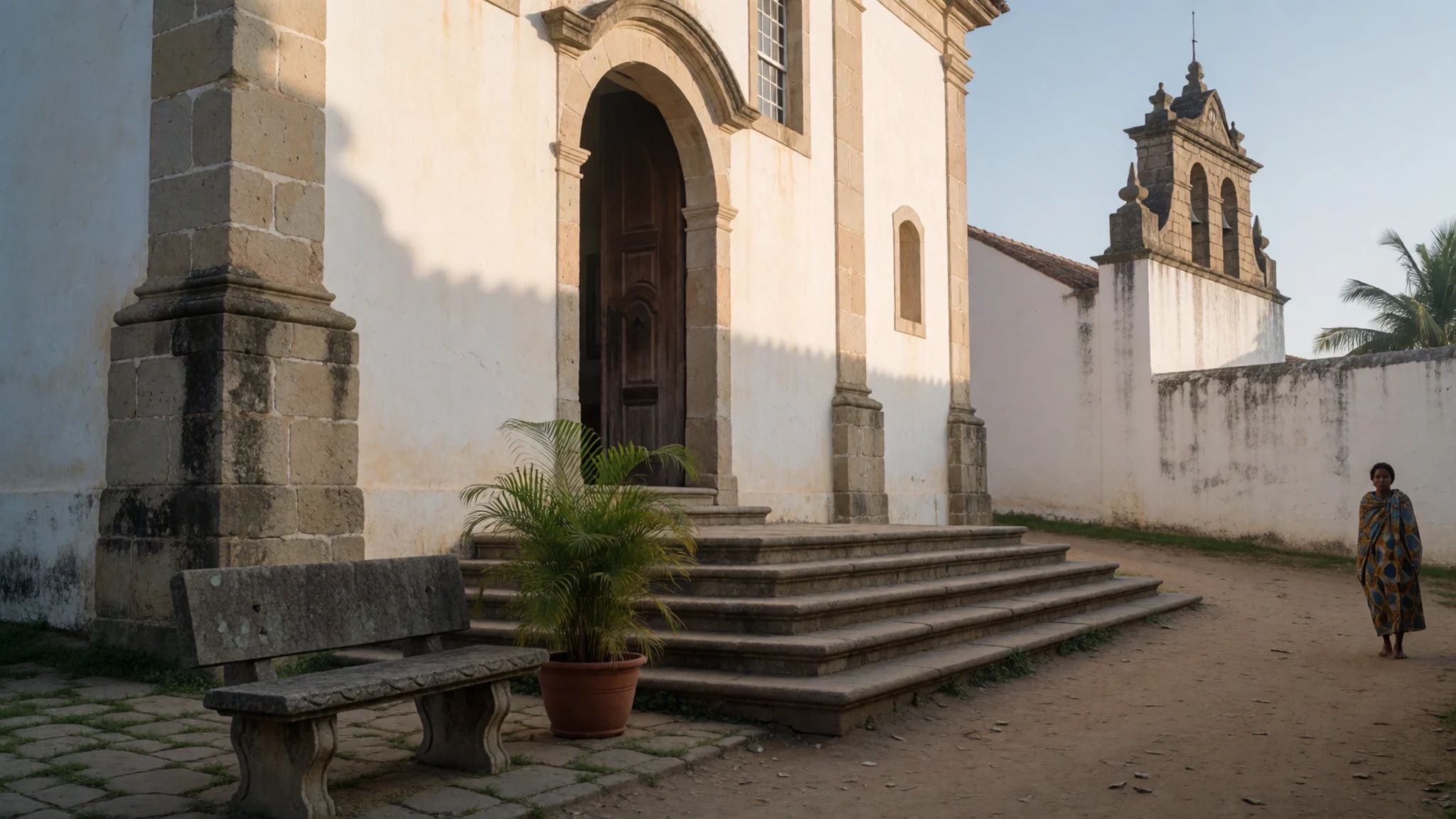
- Town hall and main square — City centre
The pink town hall faces Benguela's main square and is one of several colonial buildings that give the centre its character. An hour or two on foot takes in old churches, a former bank and municipal buildings, with cafés for a break. Photograph the architecture freely, but avoid pointing a camera at officials or police.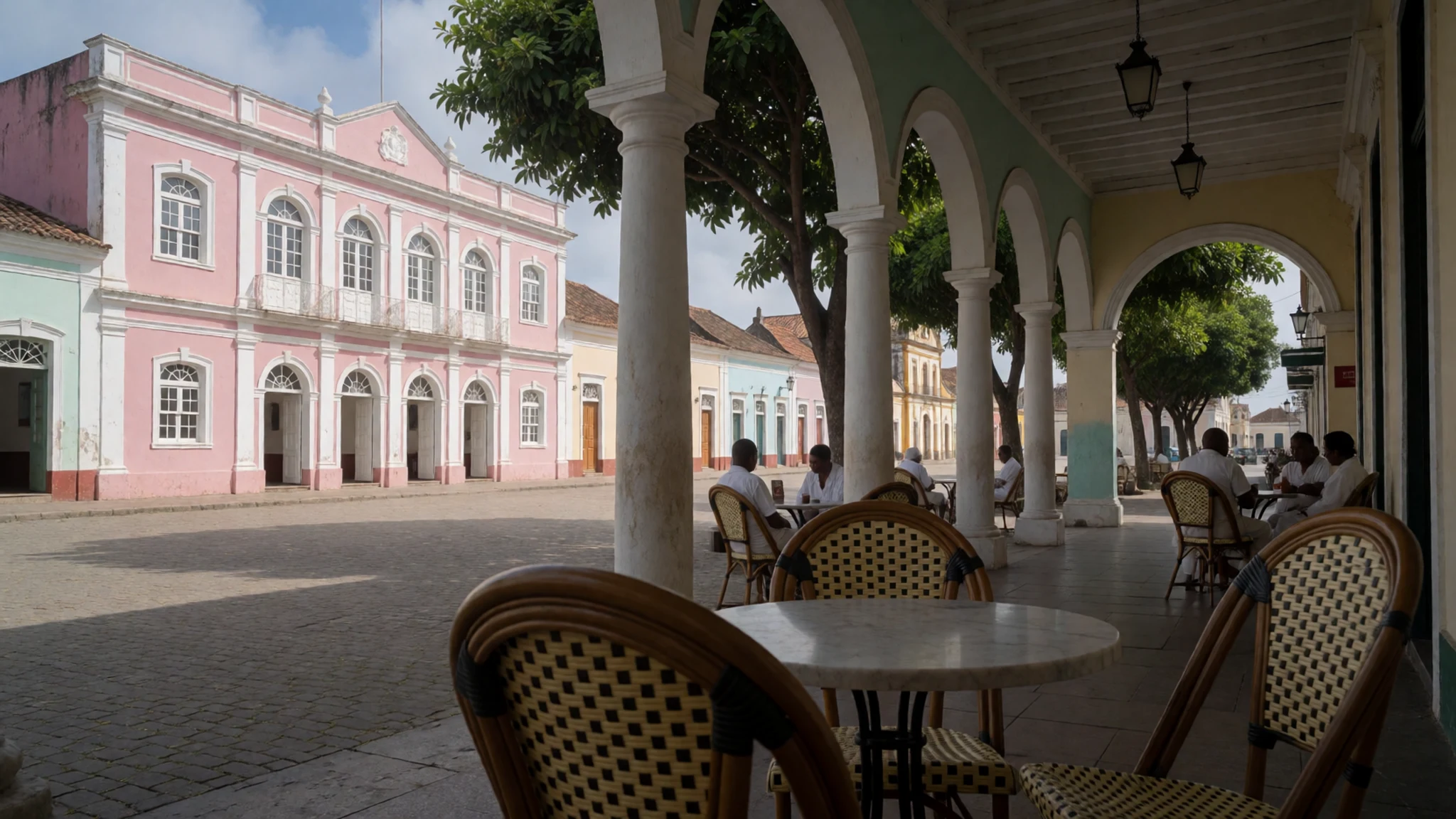
- Palácio das Bolas — City centre
The Palácio das Bolas, whose name translates as the Palace of the Balls, is a conspicuous building that serves as the provincial headquarters of Angola's ruling party, the MPLA. Admire it from the street, and ask before photographing, since party and government buildings can be sensitive subjects.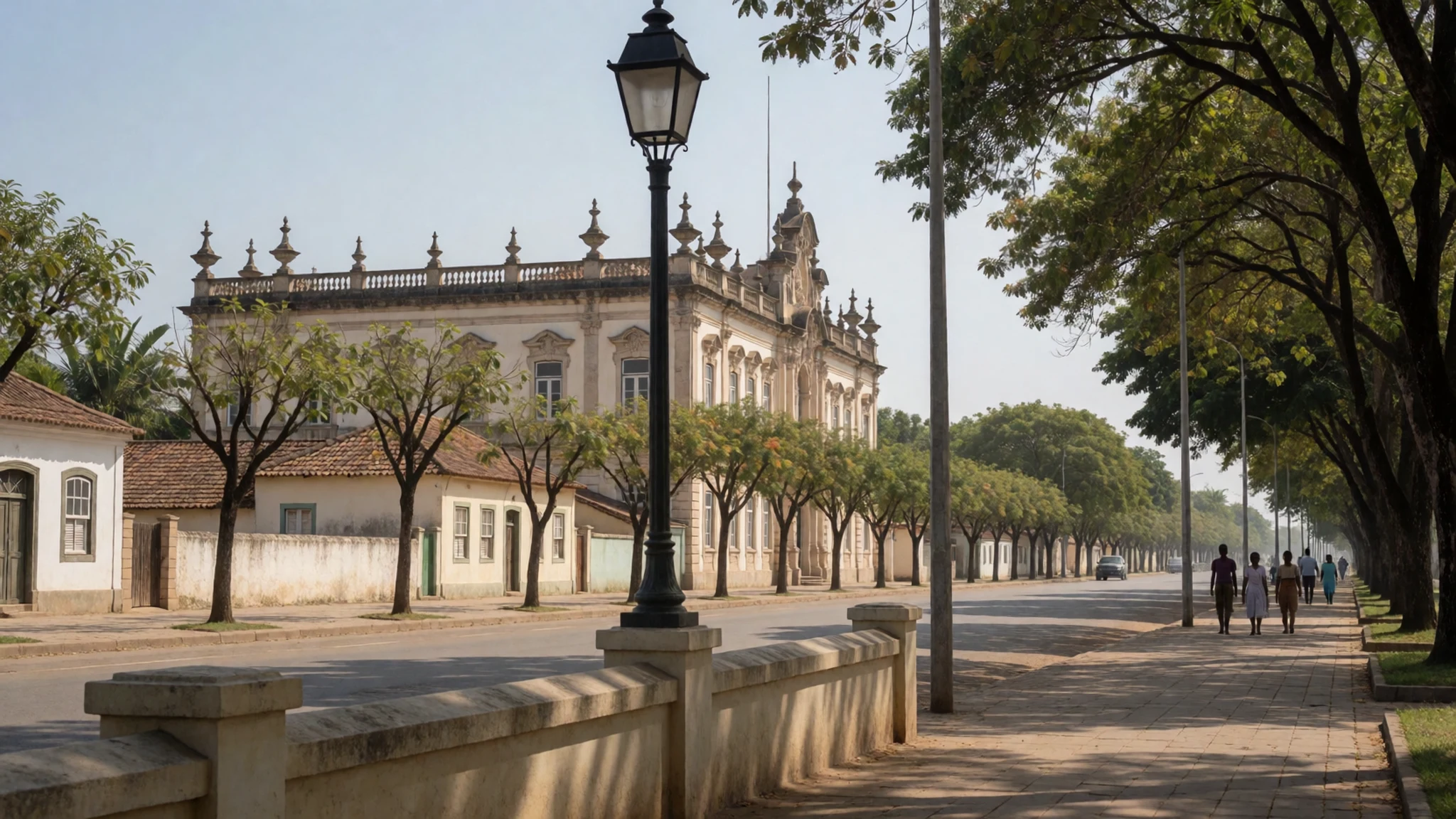
Culture
Benguela is a predominantly Christian city, and church life is part of the weekly rhythm. Catholic parishes stand alongside Evangelical Congregational, Reformed, Baptist and Pentecostal congregations, and on Sundays families walk to services in their best clothes. Portuguese is the language of administration and most conversation, while Umbundu, the language behind the older name Luombaka, is widely heard in the surrounding province.
The city's identity is bound up with Portuguese rule, the trade in enslaved people, the railway and the long civil war that followed independence. Residents may talk about these things openly, but they are family history as much as heritage, and listening goes further than debating. Politics, particularly the ruling party and the war, is usually best left for local people to raise.
Daily life is courteous and greetings matter: a handshake and a few words of hello before any request is the norm, and rushing straight to business can seem abrupt. The beaches are used by fishing families and neighbourhood groups as well as visitors, so a relaxed, low-key manner is welcome. Photographs of government buildings, uniformed officers or people going about their work can cause friction.
Greet people before asking anything, and always ask permission before photographing individuals, official buildings or anyone in uniform.
What to wear
In Benguela, traditional dress follows the wider pattern across Angola: women wrap printed cotton cloth, called panos, around the waist and often tie a matching headcloth, and men may wear a patterned shirt for festivals and family occasions. These outfits appear at weddings, church celebrations and community events more than on ordinary weekdays, and wax-print cottons in bold colours are the staple fabric.
Everyday dress in the city is casual and practical: jeans or light trousers, T-shirts, football shirts and sandals for most people, with noticeably smarter clothes for church, offices and banks. Many women take care over hair and bright printed outfits, and people generally dress neatly even for small errands.
Visitors should pack for a warm, dry coastal climate: light cotton or linen, a sun hat and sunscreen. Evenings can feel cooler by the sea, so bring a thin layer. Sandals suit the sand, but sturdier shoes with grip are better for clifftop walks around Caotinha. Cover shoulders and knees when entering a church or visiting someone's home, and keep swimwear for the beach. Avoid camouflage patterns, which can attract unwanted attention from officials.
What to eat
- Muamba de galinha — Family-run eateries in the centre and at weekend gatherings
Chicken stewed slowly in palm oil with garlic and okra, a national favourite and the dish most Angolan families cook for gatherings. It is rich and savoury, usually served with rice or funge.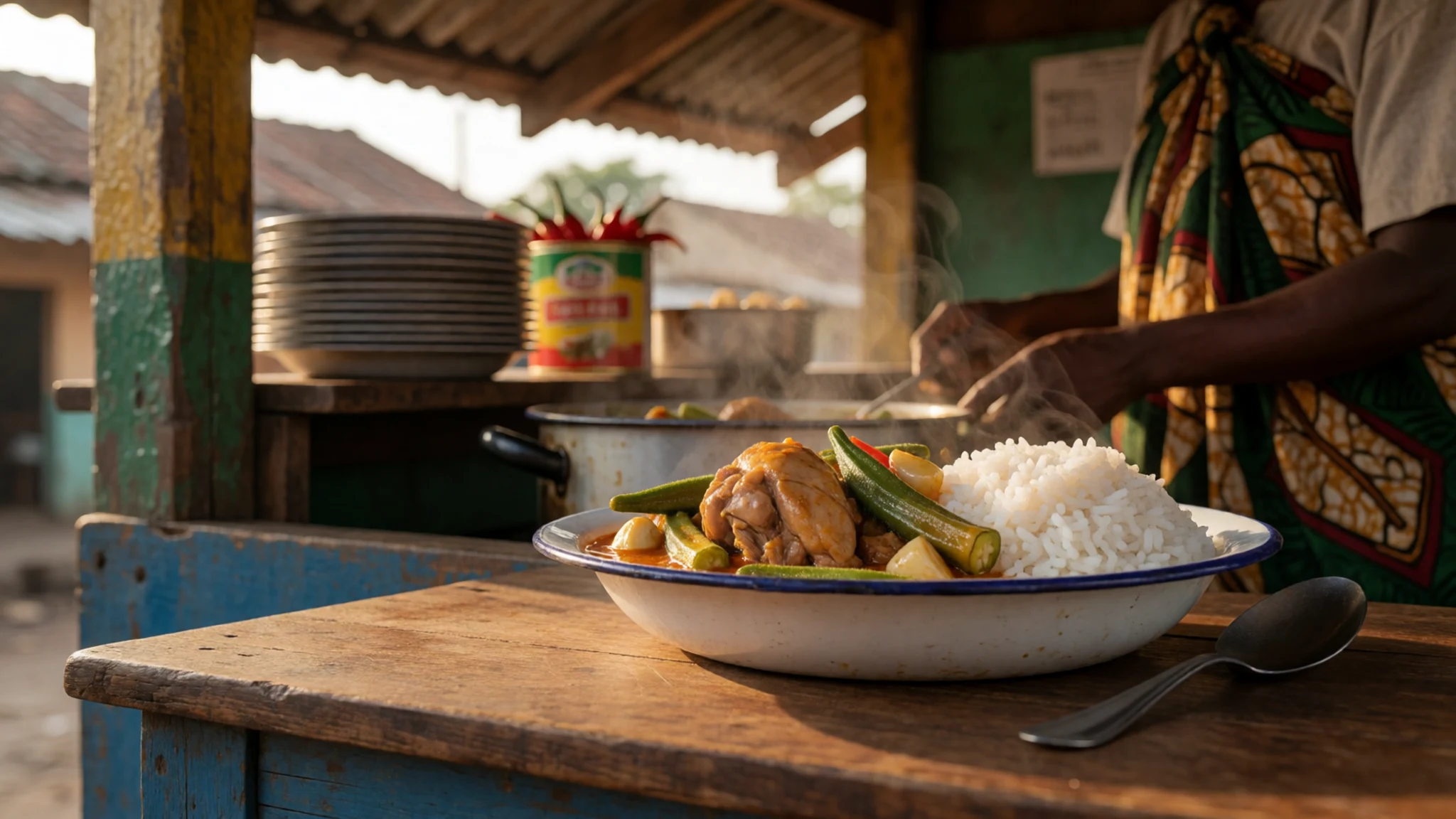
- Calulu — Local restaurants and home-style kitchens in town
A stew of dried and fresh fish, or sometimes meat, cooked with palm oil, tomatoes and leafy vegetables. The dried fish gives it a deep, salty flavour. It is a coastal staple.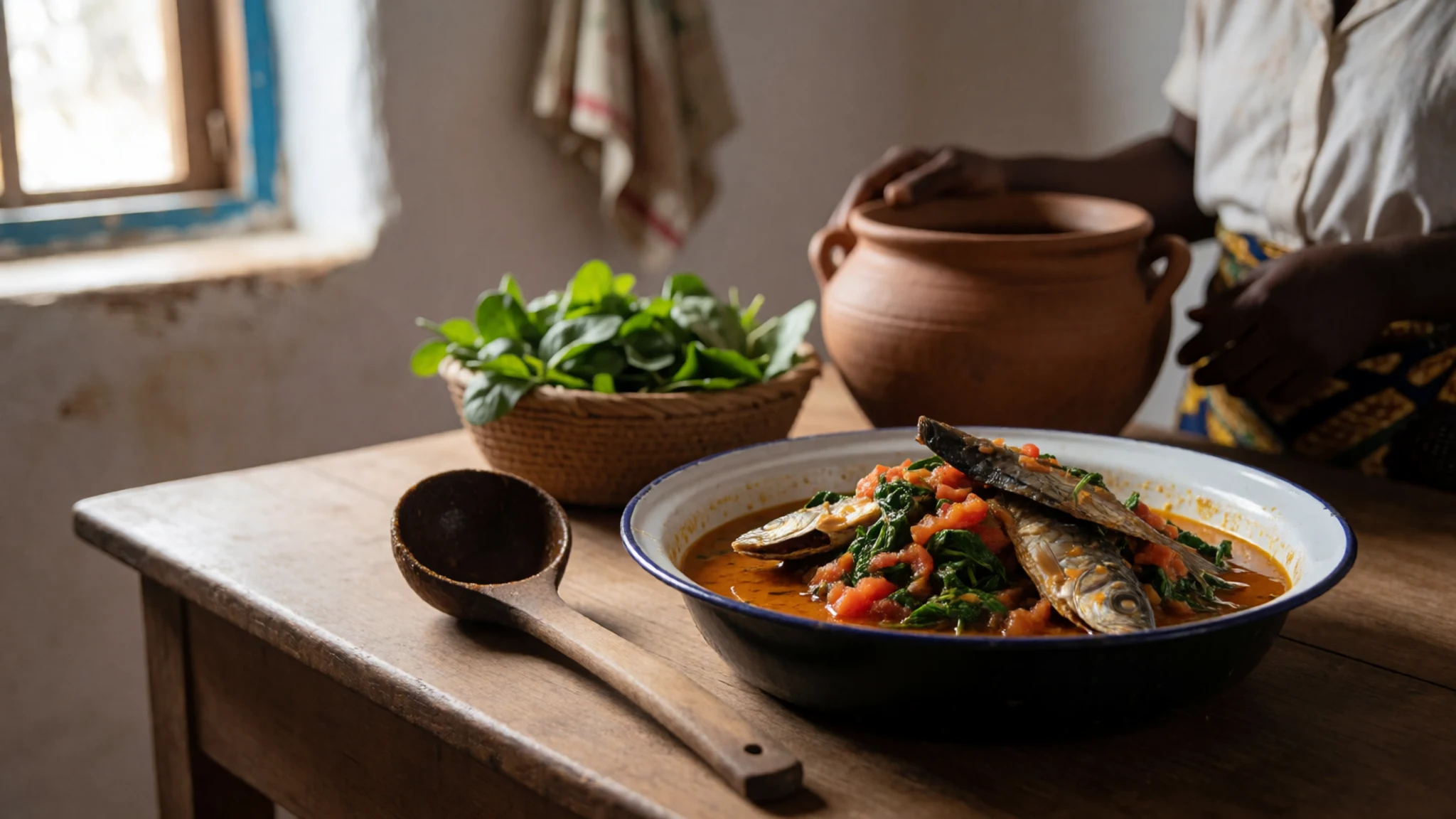
- Grilled fresh fish — Seaside eateries and stalls near the beaches and harbour
Fish from the Atlantic, grilled simply over charcoal and served with rice, salad or fried cassava. Given the port and fishing economy, the catch is usually the freshest thing on the menu. - Funge — Almost any local eatery, served as a side
A smooth, firm porridge of cassava or maize flour, eaten with the hand or a spoon alongside stews and grilled fish. It is mild in flavour and is used to scoop up sauces. - Pay-by-weight buffet — Eateries around the city centre
Several central eateries serve buffets priced by the weight of your plate, a practical way to sample rice, stews, salads and grilled meats without committing to one dish. Check what is fresh and ask staff about the contents.
Plan it
Best time. May to September is the cooler, drier part of the year on this arid coast, which is kinder for walking and beach days. The rest of the year is hotter and more humid, with the rains arriving in the warmer months.
How long. 2–3
Getting there. Check airlines for flights serving the Benguela–Lobito area, or fly to Luanda and continue by road, which is about a seven-hour drive once Luanda's traffic is behind you. Trains are slow and infrequent, with commuter services from Lobito and a weekly overnight service from Huambo. Taxis cover the last leg.
Budget. mid
Tips
- Carry enough cash, since cards may not work in smaller places
- Beaches have few facilities, so bring water, food and sun protection
- Go to the outer bays by car or taxi in daylight and arrange the return trip in advance
- Check train timetables locally before planning a rail journey, as services are infrequent
- Avoid walking alone after dark and ask your host about current local advice
Etiquette
- Greet people before starting a conversation or asking for help
- Ask permission before photographing people, officials or government buildings
- Dress modestly when visiting churches
Nearby
Sources
- Wikidata Q214248 (CC0)
- Wikipedia: Benguela (rev 1377114983) (CC BY-SA 4.0)
- Wikivoyage: Benguela (rev 5423090) (CC BY-SA 4.0)
- Photo: Old Portuguese church, Benguela (F Mira) (CC BY-SA 2.0)
- Photo: Palacio das Bolas (David Stanley) (CC BY 2.5)
- Photo: Beach of Caotinha (jlrsousa) (CC BY-SA 2.0)
- Photo: Town Hall of Benguela (David Stanley) (CC BY 2.5)
- Photo: Igreja Nossa Senhora do Populo (David Stanley) (CC BY 2.5)
- Photo: Atlas Van der Hagen, Reino de Benguela (Dirk Jansz van Santen) (Public domain)
- Photo: Angola Central Bank, Benguela (F H Mira) (CC BY-SA 2.0)
- Photo: City Hall, Benguela (F H Mira) (CC BY-SA 2.0)


