Bicuar National Park
Bicuar National Park, Angola
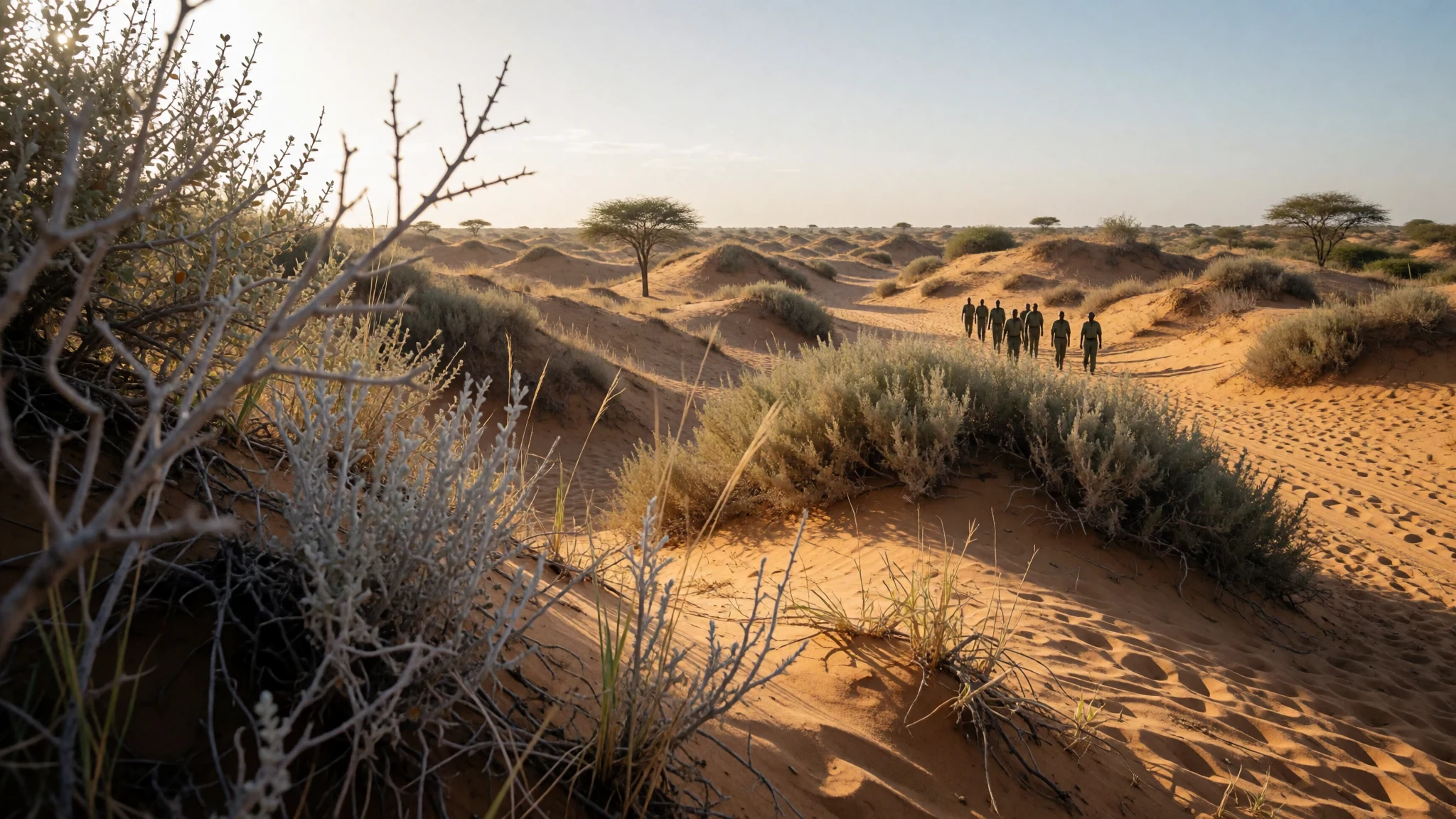
Bicuar offers a rare chance to see a wild Angolan park in recovery: sandy hills, thick scrub, almost no crowds and a story still unfolding.
The place
Bicuar National Park sits in south-western Angola on the Huíla Plateau, southeast of the highland city of Lubango. The ground is a mix of sandy hills and dense shrub, and the climate is tropical but semi-arid, so the land swings between dusty and surprisingly green depending on the rains. A satellite image taken after an exceptionally wet season shows the whole area turned a deep, saturated green, which says a good deal about how much the landscape changes through the year. Bicuar began as a hunting reserve and became a national park in 1964. Its reputation then rested on large mammals, black buffalo among them. Decades of conflict changed that: the animals were mostly or entirely lost, and the infrastructure fell apart. Today the government is rebuilding facilities and bringing wildlife back, which makes this a park in recovery rather than a ready-made safari circuit. Expect space, quiet and very few other visitors, and expect to work for any sighting. Tourism in Angola is still young, and services around the park are thin. Anyone going should treat the trip as a small expedition, with a local guide, a sturdy vehicle, spare supplies and flexible plans. The reward is a landscape few outsiders have seen, and the chance to watch a protected area slowly refill with life.
Its story
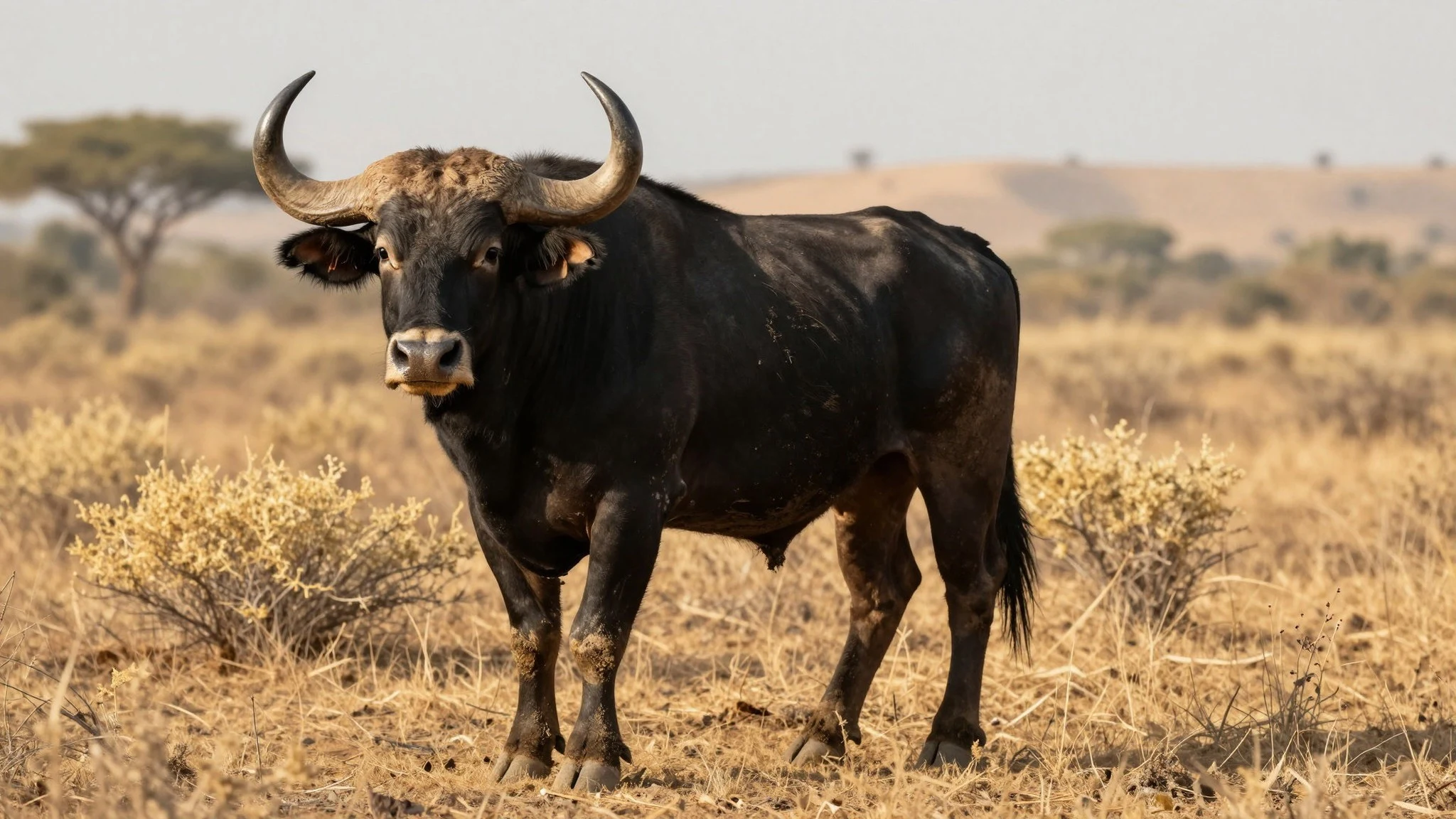
Bicuar National Park has a short official history and a harder one underneath it. The area was first set aside as a hunting reserve, then reclassified as a national park in 1964. In those years it was known for large mammals, with the black buffalo the animal most often named. Then came the civil war, which dragged on for decades. Parks across Angola suffered badly. Fighting and unchecked poaching meant that wildlife in places like Bicuar was largely or completely wiped out, and the buildings and tracks that made visiting possible decayed. Landmines were left in parts of the country, and red-and-white posts placed by demining teams still mark ground that must never be entered. Peace let the story turn. Since the war ended, the government has wanted to improve the country's image abroad and open Angola to visitors, and restoring national parks is part of that effort: repairing infrastructure first, then resettling animals. Progress is slow and uneven, as it is in much of a country where tourism is only starting and many services remain limited. Bicuar's story is therefore unfinished. What a visitor finds depends on how far restoration has advanced, and honest local advice is worth more than any published species list.
What to see
- The sandy hills and shrub thicket — Bicuar National Park, Huíla province
The core of Bicuar is rolling sandy hills under dense shrub rather than open grassland, so the views are about texture and horizon more than herds. Driving is slow and the tracks are soft, which makes a guide essential. Birds, footprints in the dust and the feel of a recovering wilderness are the draw, not guaranteed big game.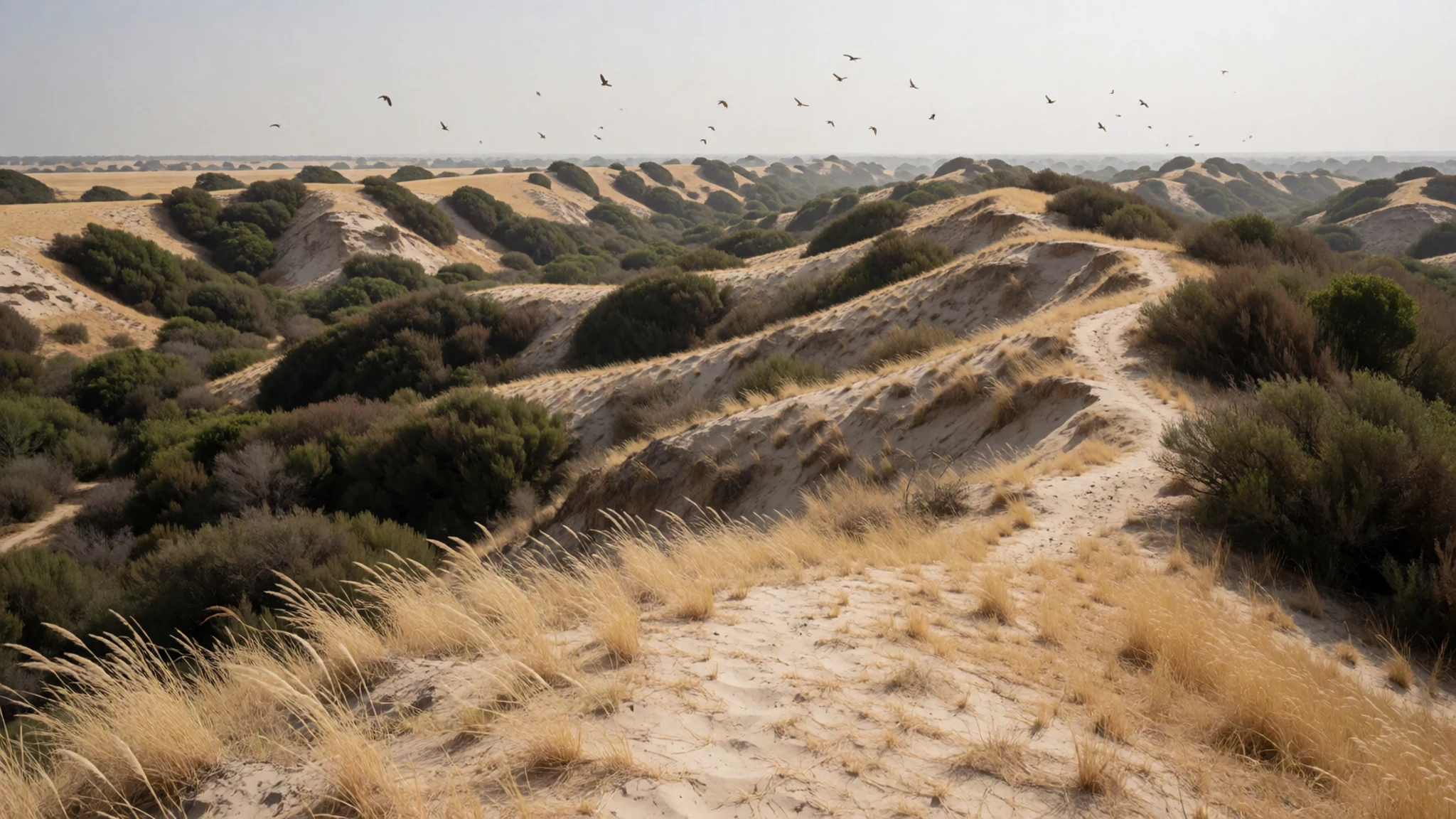
- Restoration and returning wildlife — Bicuar National Park
Rebuilding roads and camps and resettling animals is the quiet story of the park. Current conditions, including which areas are open and which species have returned, change over time and are best checked with park staff or an experienced operator. Any sighting is a bonus, and the place rewards patience and low expectations.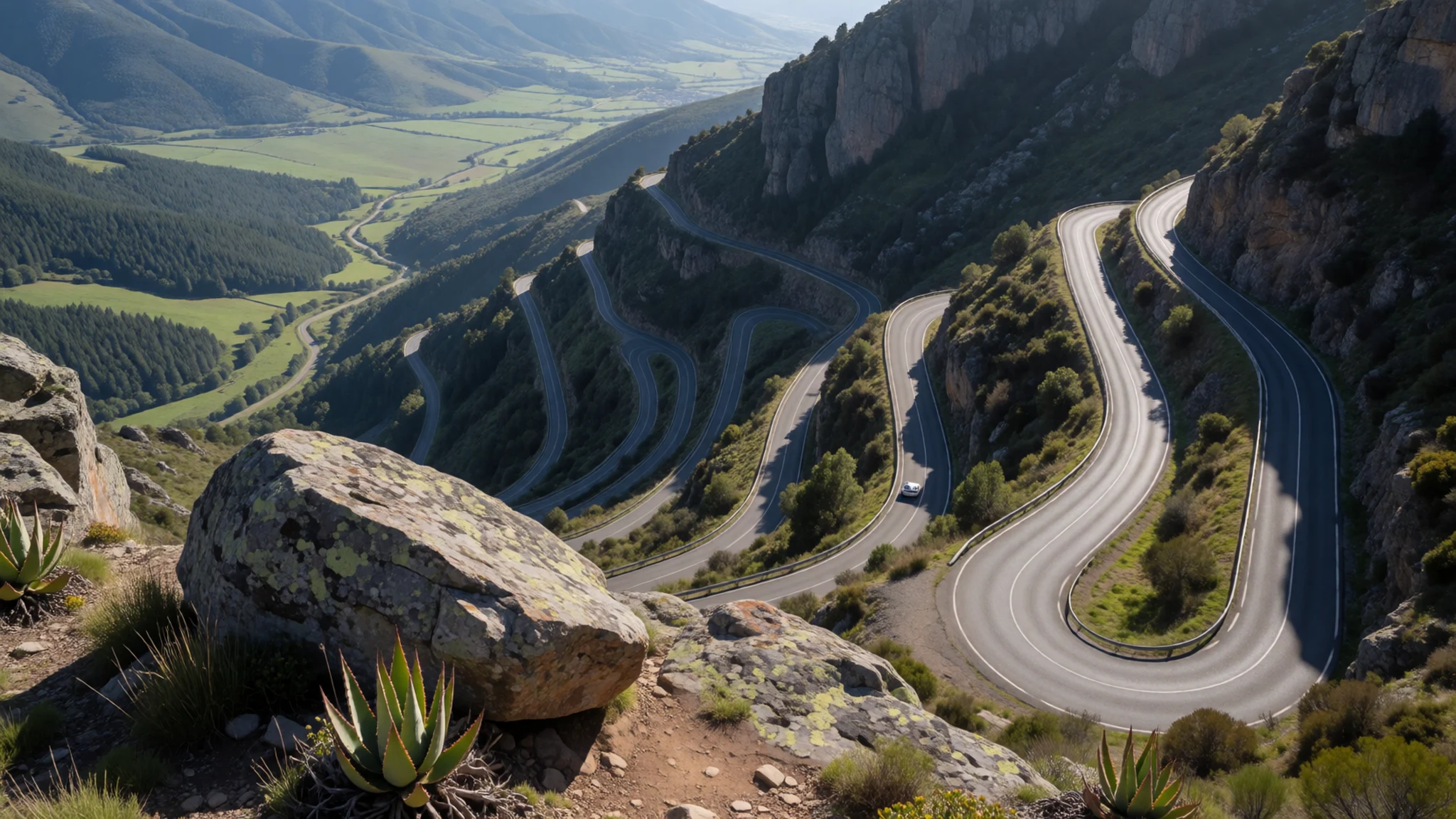
- Tundavala Gorge — Near Lubango, Huíla province
Tundavala Gorge lies on the edge of the Huíla Plateau near Lubango, where the highland drops away into lowland haze. It makes a sensible half-day outing from the city, best in clear morning light. Viewpoints are informal and edges are often unfenced, so stay well back and check access with a local guide first.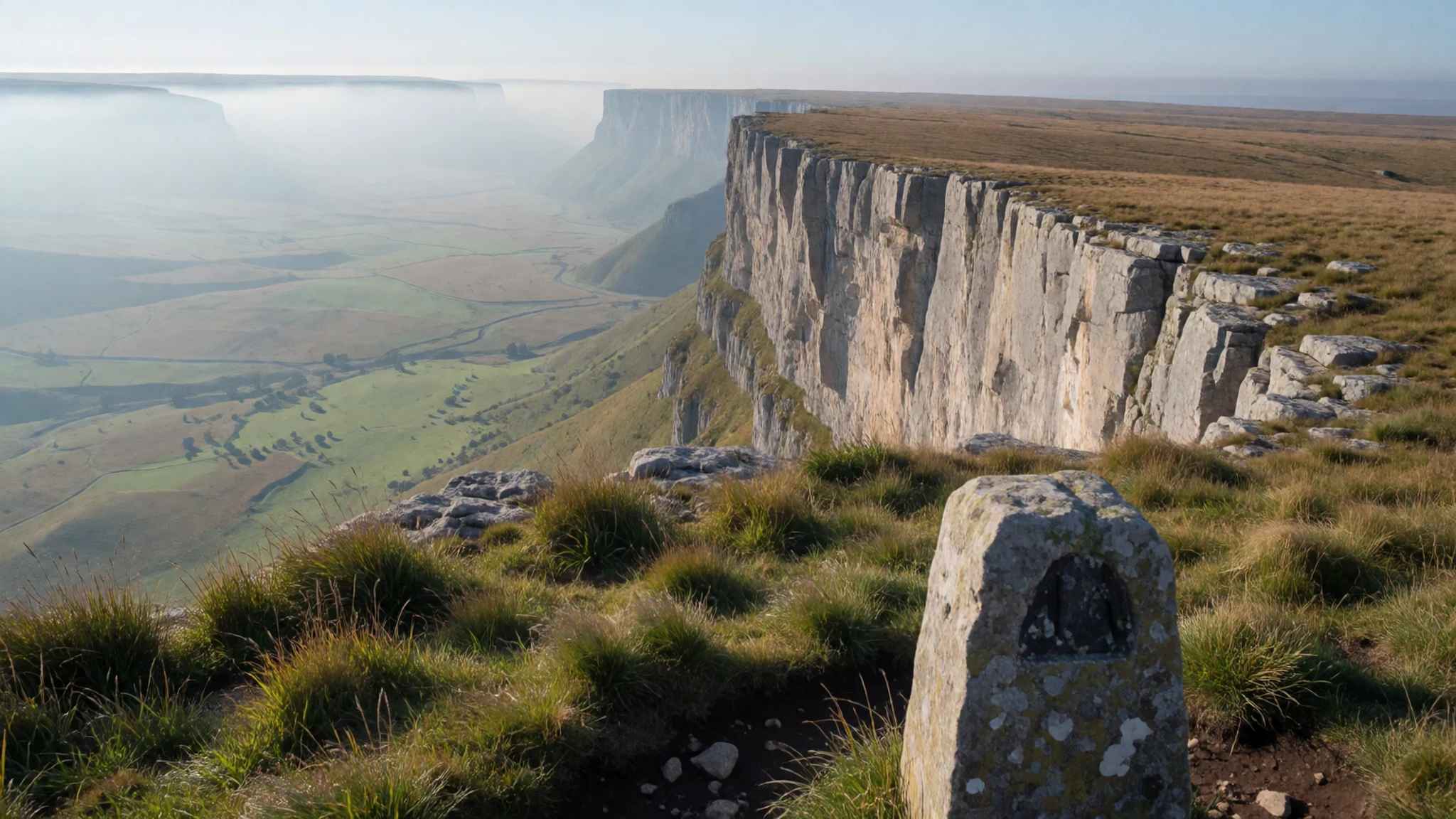
- Serra da Leba — Between Namibe and Lubango
Serra da Leba is the escarpment where the road climbs between the desert coast of Namibe and the cooler plateau around Lubango, in a run of tight hairpin bends. Drivers and passengers get long views down the slope. It is a good stop on the way to or from the coast, in daylight only.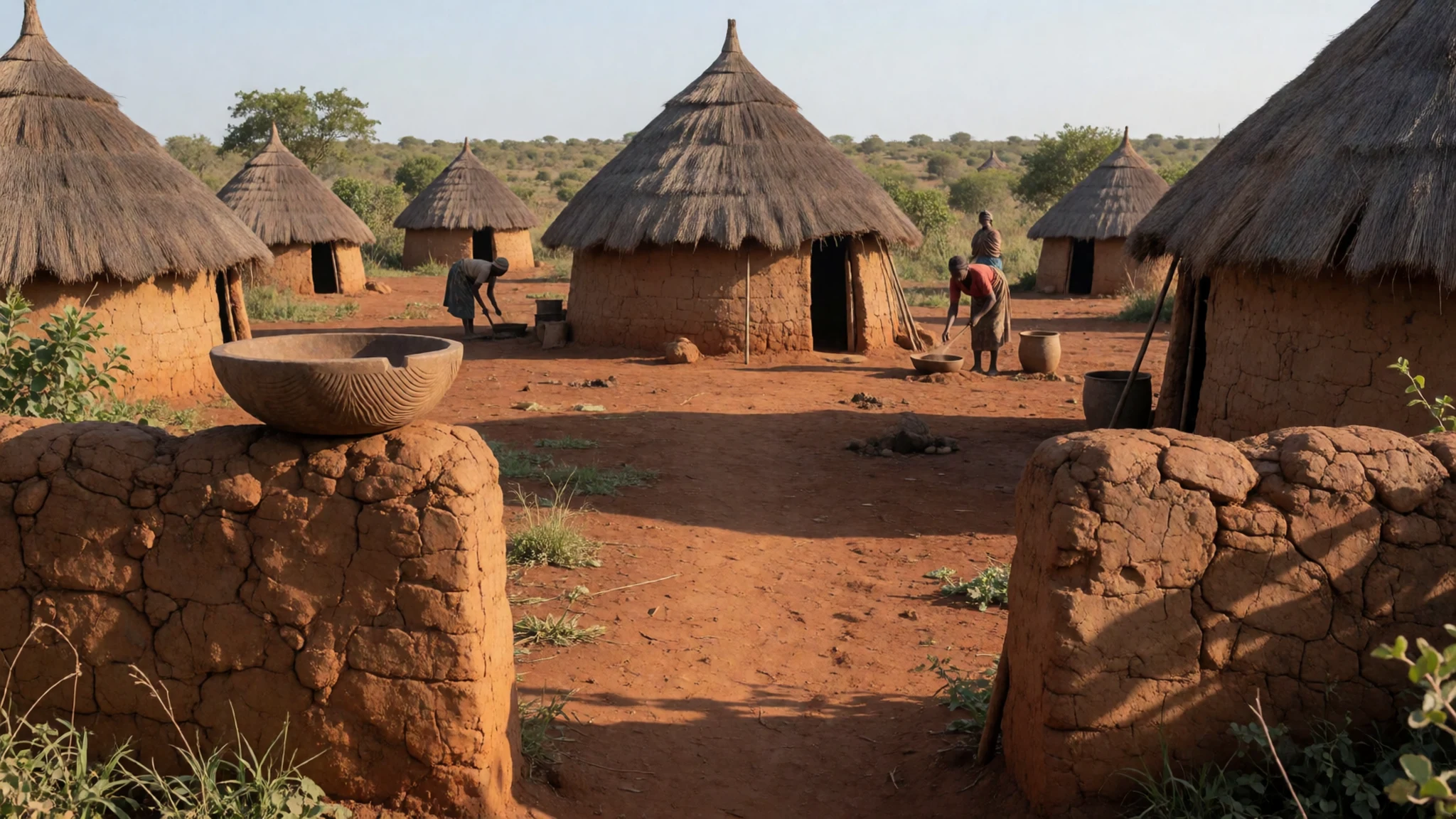
- Lubango and the Mumuíla communities — Lubango, Huíla province
Lubango is the highland city that works as the base for reaching Bicuar, with markets, supplies and local operators. The surrounding Huíla province is home to the Mumuíla people, known for their beadwork and cattle-keeping. Visits to communities are best arranged through a guide or local contact, with permission sought before any photographs.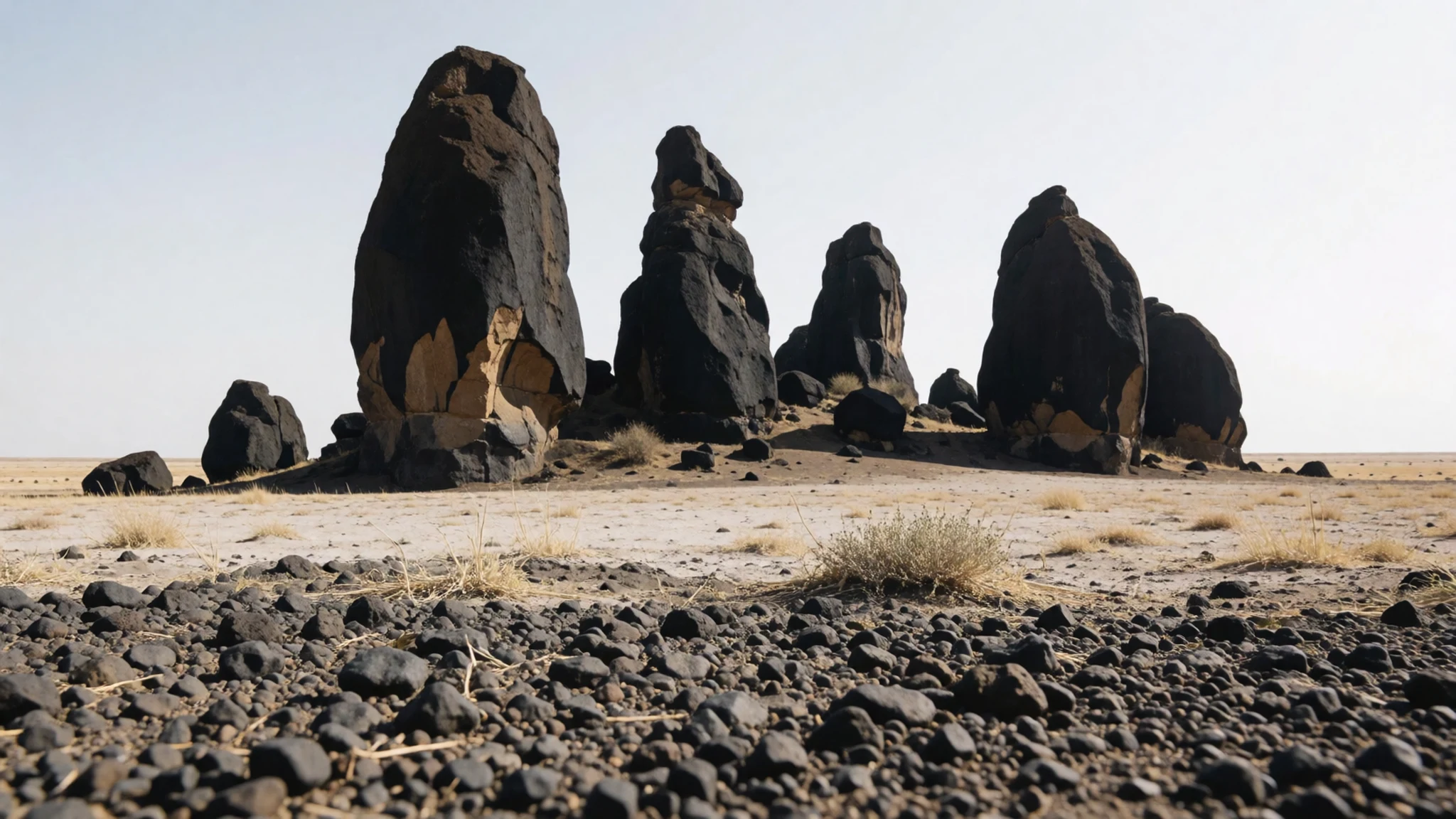
Culture
Bicuar National Park lies in a part of Angola where rural life still follows courtesy rules that visitors do well to learn. Respect for elders runs through everyday behaviour: in a home, the oldest person is greeted first, and they usually start the meal. People give up seats on public transport for older passengers and let them enter a building before them. Angolans are known for hospitality, and a warm welcome is treated as a point of honour, so being a guest brings real generosity. They also listen carefully and regard interrupting a conversation as rude, so patience in discussion goes a long way. In country areas the local soba, a chief with government-backed authority, is the person to greet when arriving in a community. Because Angola sees few tourists, visitors may draw curious attention, and this is generally curiosity rather than hostility. Music is central to social life, from kuduro and kizomba to semba, and any gathering can turn into a party. Many Angolans carry the memory of the war deeply but do not make it the subject of daily talk, so it is kinder to let hosts raise it first. Ask permission before photographing people or homes, and greet the oldest person or the local soba first when arriving in a rural community.
What to wear
Bicuar National Park is a remote semi-arid area, and clothing around it is shaped by heat, dust and rural life. Across Angola, women traditionally wear panos, lengths of brightly printed cotton cloth wrapped as skirts, dresses or head ties, often for church, celebrations and market days. Among the Mumuíla communities of Huíla province, beaded necklaces and layered jewellery are a notable part of women's dress, and the Mucubal people of Namibe have their own distinctive costume and ornaments. Everyday dress in towns such as Lubango is mostly modern: jeans, shirts, football tops and smart outfits for church or an evening out, with music-led street style especially popular among the young. Visitors should pack lightweight, loose, long-sleeved clothes in neutral colours for sun and thorny scrub, a wide-brimmed hat and sturdy closed shoes with good grip for sandy tracks. Nights on the plateau can feel cool, so a light layer is useful. Avoid camouflage or military-style clothing, which can cause misunderstandings, and dress modestly in villages and churches, with shoulders and knees covered. Never take a photograph of someone in traditional dress without asking first, and be ready to be told no.
What to eat
- Funge — Family eateries and market stalls in Lubango
Funge is a smooth, stiff porridge made from cassava or maize flour, served as the staple beside stews and grilled fish. It is eaten with the right hand, rolled into small balls and dipped into sauce. Look for it at family eateries and market food stalls.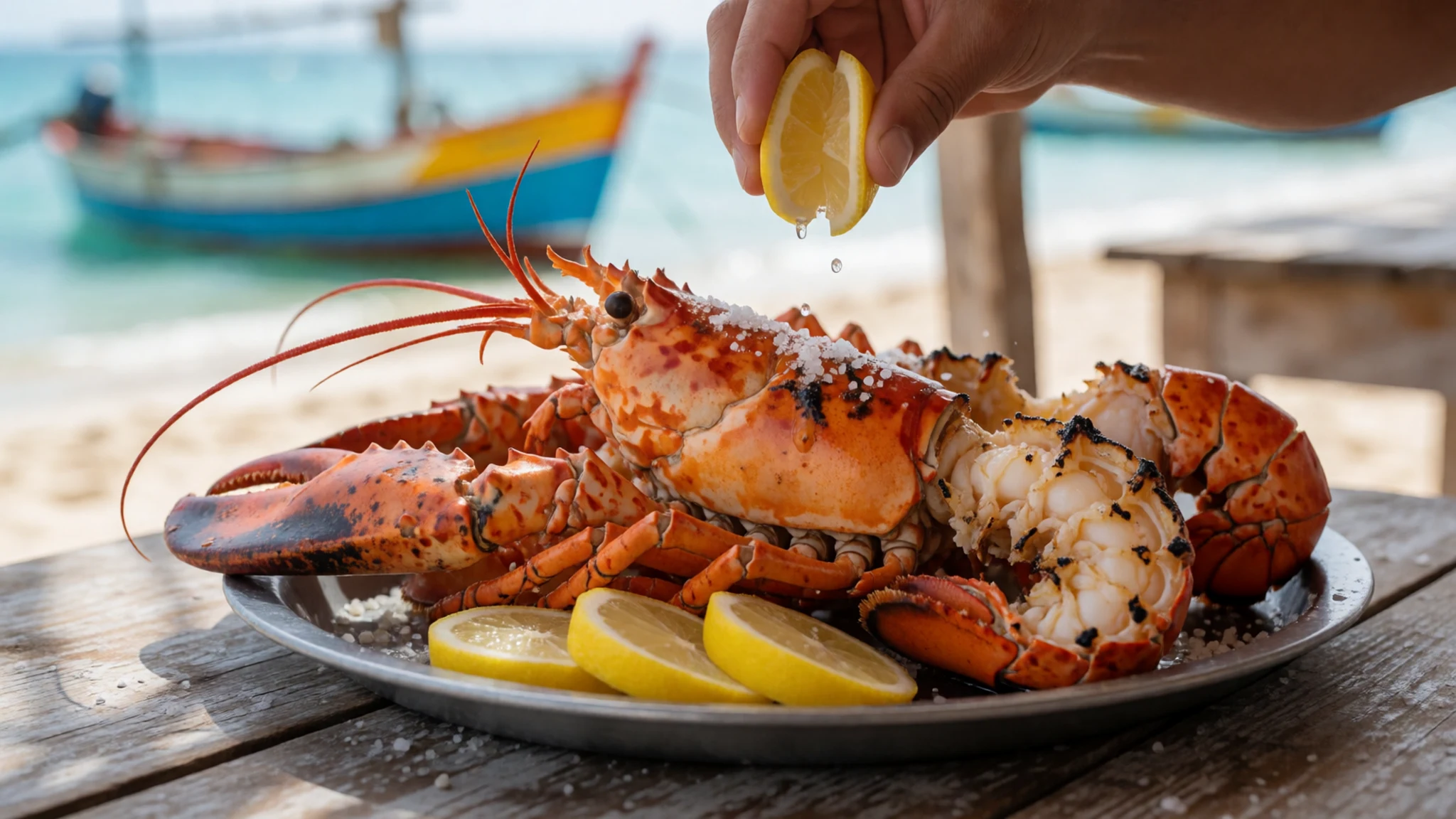
- Muamba de galinha — Local restaurants and home-style eateries in Lubango
Muamba de galinha is a rich, spicy chicken stew, usually cooked with palm oil, garlic and okra or pumpkin. It is considered a national dish in Angola, and each family has its own version. Best eaten slowly with funge.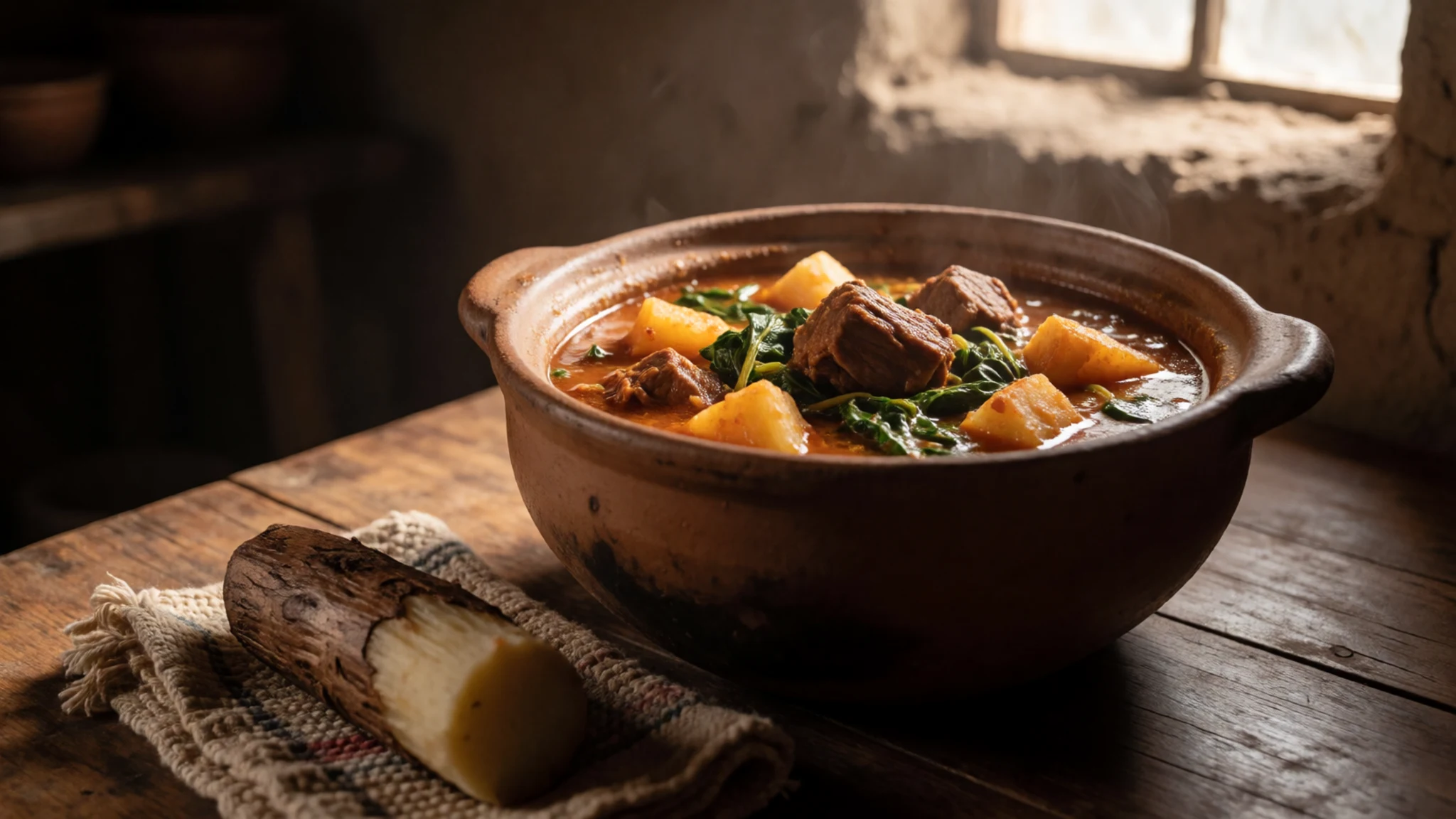
- Calulu — Traditional eateries and market food areas
Calulu is a slow-cooked stew of fish, fresh or dried, with vegetables, palm oil and herbs, served over funge or rice. It has a deep, savoury flavour. It is a good dish to try where a place cooks to order rather than reheating. - Grilled fish and coastal lobster — Beach shacks and fishing-port restaurants on the coast
Angolan seafood is plentiful, and the coast is known for fresh fish and lobster grilled simply and served with rice or cassava. It is a treat when travelling to or from the coast, though it is far from the park itself. - Tropical fruit — Roadside stalls and town markets
Fruit from small producers, such as mango, banana and papaya, tends to be grown with few chemicals and tastes richer than much supermarket fruit. It makes a good snack on long drives. Wash or peel it, and keep drinking bottled water.
Plan it
Best time. The drier months, roughly May to September, are the usual choice for reaching the park, since the climate is semi-arid and tracks are easier to drive when dry. The rainy season turns the land vividly green but can make sandy and dirt roads difficult. Confirm current conditions locally before setting out.
How long. 3–4
Getting there. Fly to Luanda, then take a domestic flight or a long road journey to Lubango, the highland city nearest the park. The last leg is by road southeast across the Huíla Plateau, best done with a local guide and a high-clearance vehicle.
Budget. high
Tips
- Hire a trusted local guide or operator, and avoid travelling alone or after dark
- Never step past red and white HALO Trust posts or red-stone markers, which show mine-affected ground
- Carry a certified copy of your passport or national ID at all times, as it is mandatory in Angola
- Bring bottled water, cash and spare supplies, as services near the park are limited and not all places take cards or foreign currency
- Check entry rules before booking: travellers from India and the UK are currently listed as visa-free for short stays, but confirm with the official Angolan authorities
Etiquette
- Greet the oldest person first when entering a home or community, and the local soba in rural areas
- Ask permission before photographing people, homes or traditional dress
- Do not interrupt when someone is speaking, and wait for elders to begin a shared meal
Nearby
Sources
- Wikidata Q3123455 (CC0)
- Wikipedia: Bicuari National Park (rev 1362700009) (CC BY-SA 4.0)
- Wikivoyage: Angola (rev 5393510) (CC BY-SA 4.0)
- Verdant Bicuari National Park (MODIS), MODIS Land Rapid Response Team, NASA GSFC (Public domain)

Wildlife
- Black buffalo (animal)
The African buffalo is a big, heavy wild cow with a broad head, a powerful neck and great horns, and the males wear a hard bony shield on their foreheads. Its coat can be rusty brown or nearly black. Bicuar National Park was long renowned for its black buffalo, so ask your guide what is known of them today. Watch from a safe distance, keep your voice low and stay close to your guide. Never feed them; wild buffalo should stay wild.