Kalandula Falls
Kalandula Falls, Angola
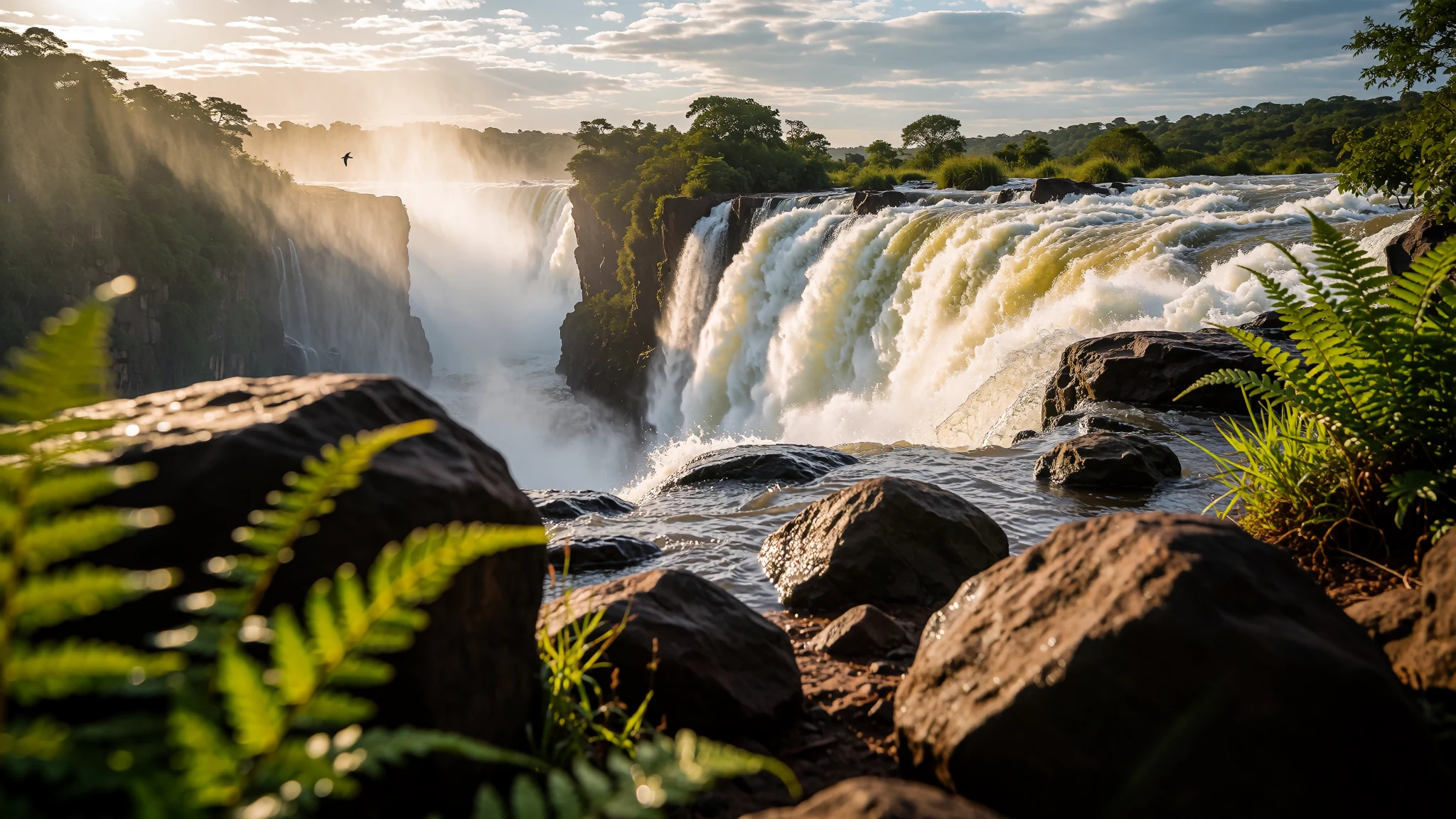
Kalandula Falls is a wide, roaring curtain of river water in Angola's Malanje Province, best seen when the rains are heavy.
The place
Kalandula Falls sit on the Lucala River in Calandula municipality, Malanje Province, about 360 km from Luanda. The river drops roughly 105 metres over a lip about 400 metres wide, so the falls read as a long curtain of water rather than a single cascade. They are counted among the largest waterfalls in Africa by volume, which makes them a serious piece of landscape rather than a roadside stop. The falls were once known as the Duque de Bragança Falls, a Portuguese-era name that still appears in older references. Calandula is the municipality where they lie, and the spelling varies, so you will see both Kalandula and Calandula in travel listings and references. The best water comes in the rainy season, which runs roughly from October to April, with the heaviest rain in November. This is when the Lucala carries its heaviest flow and the drop looks most dramatic. Outside those months the river is lower and the falls are less forceful, though the landscape around them is still worth the drive. Many visitors treat the falls as a trip from Malanje town, or stay in the small hotel beside them. The road from Luanda is in poor shape, so allow plenty of time and expect a slower journey than the distance suggests. Plan to pace the visit: walk the edges slowly, then sit and watch the water for a while before heading back.
Its story
The name on the map has changed with the political winds. Kalandula, Calandula and Quedas de Kalandula all refer to the same falls, while the older Duque de Bragança Falls title shows how Portuguese mapping honoured a royal house rather than the people who lived by the river. Naming habits like this are common across Angola, where place names carry layers of language and rule. The Lucala River is the thread running through the story. It rises and falls with the seasons, and the falls have always shaped the valley below them. Where the water is, people have travelled, settled and traded. The falls sit within Malanje Province, a region reached by road from the capital, Luanda, and for many visitors the long drive is the point at which the journey begins to feel like an expedition. Today the story of the falls is shaped less by the map than by the road. The route from Luanda is long and not in good condition, so the trip takes planning and patience. Those who make it tend to talk less about the names and more about the sound: a heavy, steady roar that carries across the valley and tells you, before you see it, that the river is doing something large. The falls show how a landscape can outlast the labels pinned to it. Whether you call it Kalandula, Calandula or by its older title, the water keeps falling at the same edge, season after season.
What to see
- Main viewpoint over the Lucala — Calandula municipality, Malanje Province
The main viewpoint over the Lucala River gives the clearest sense of the drop, with the water falling about 105 metres into a wide basin below. It is the spot most visitors head for first, and the spray can soak you on busy days, so bring a rain layer or a waterproof bag for your camera.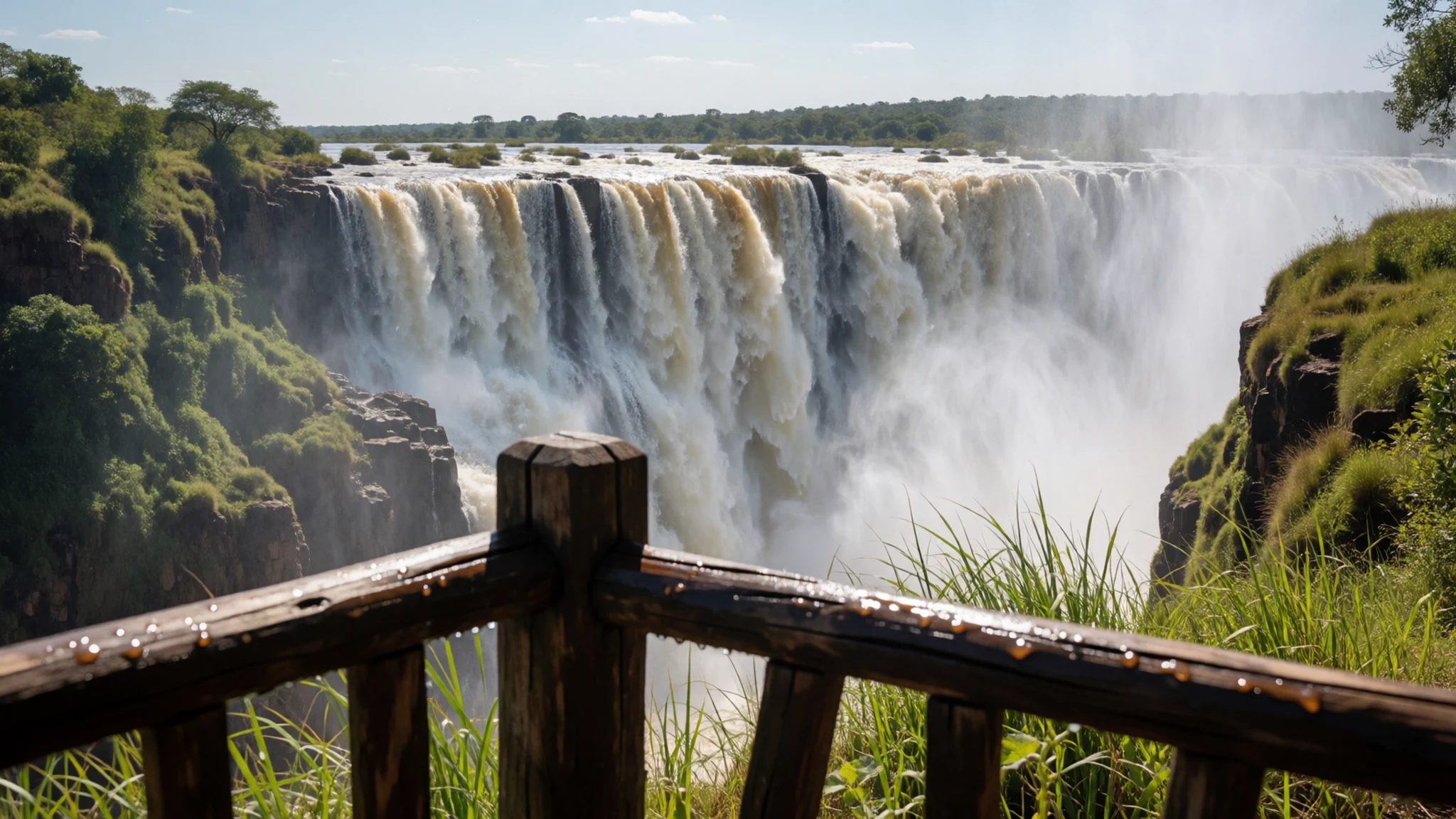
- The path to the falls edge — the falls edge, Calandula
The path toward the falls edge is where the scale becomes real. The ground can be damp and uneven, so take steady footwear and go slowly near the drop. Stay behind any railings or markers, and keep a hand free for balance, because the rock stays slippery even on a dry morning.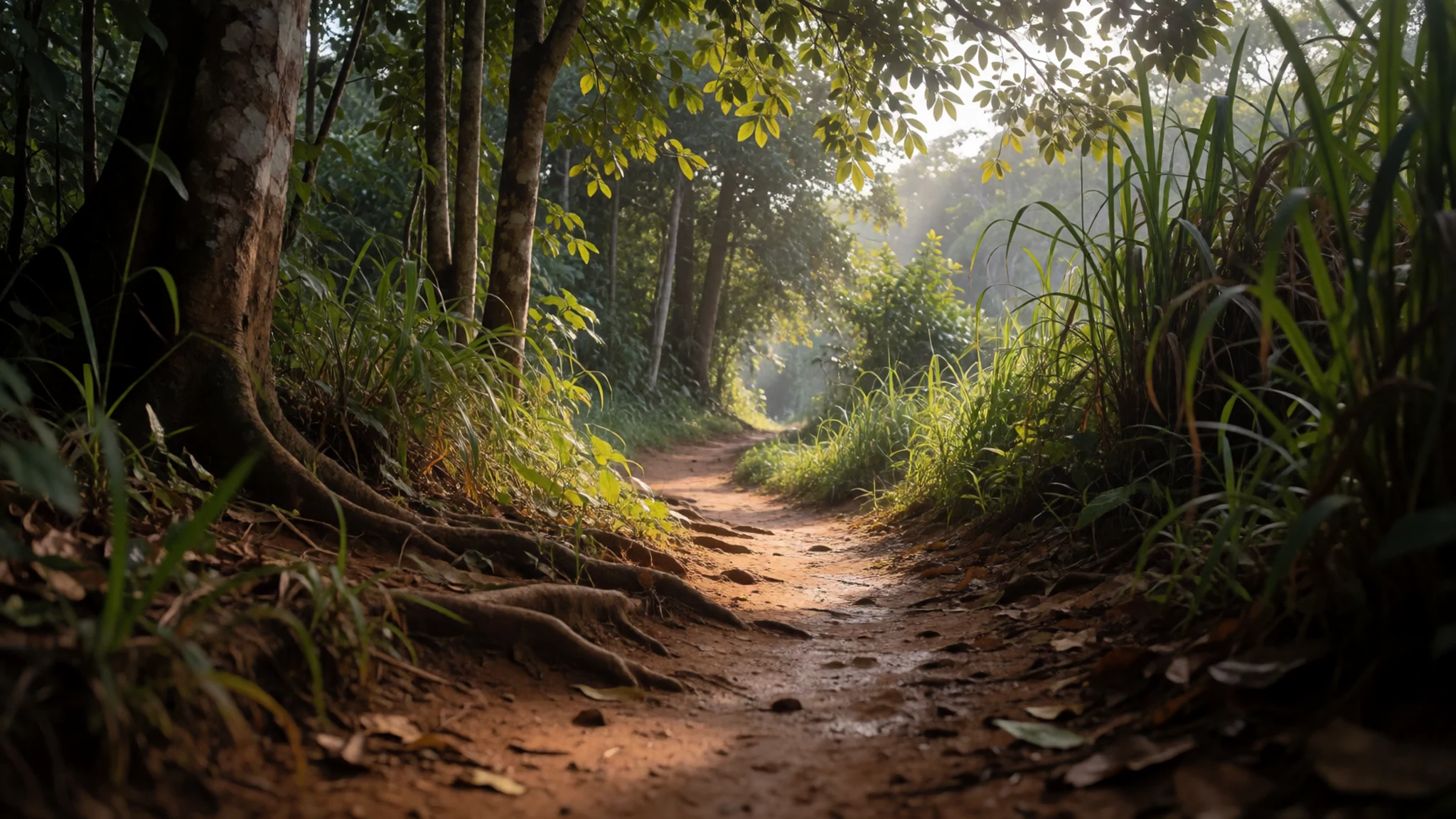
- The panoramic view — the falls, Calandula
A wider panorama shows how the river spreads across the falls rather than tumbling down a single chute. This is the view that best shows the width, which is the feature that sets Kalandula apart from narrower cataracts you may have seen. Arrive in the morning for softer light on the water.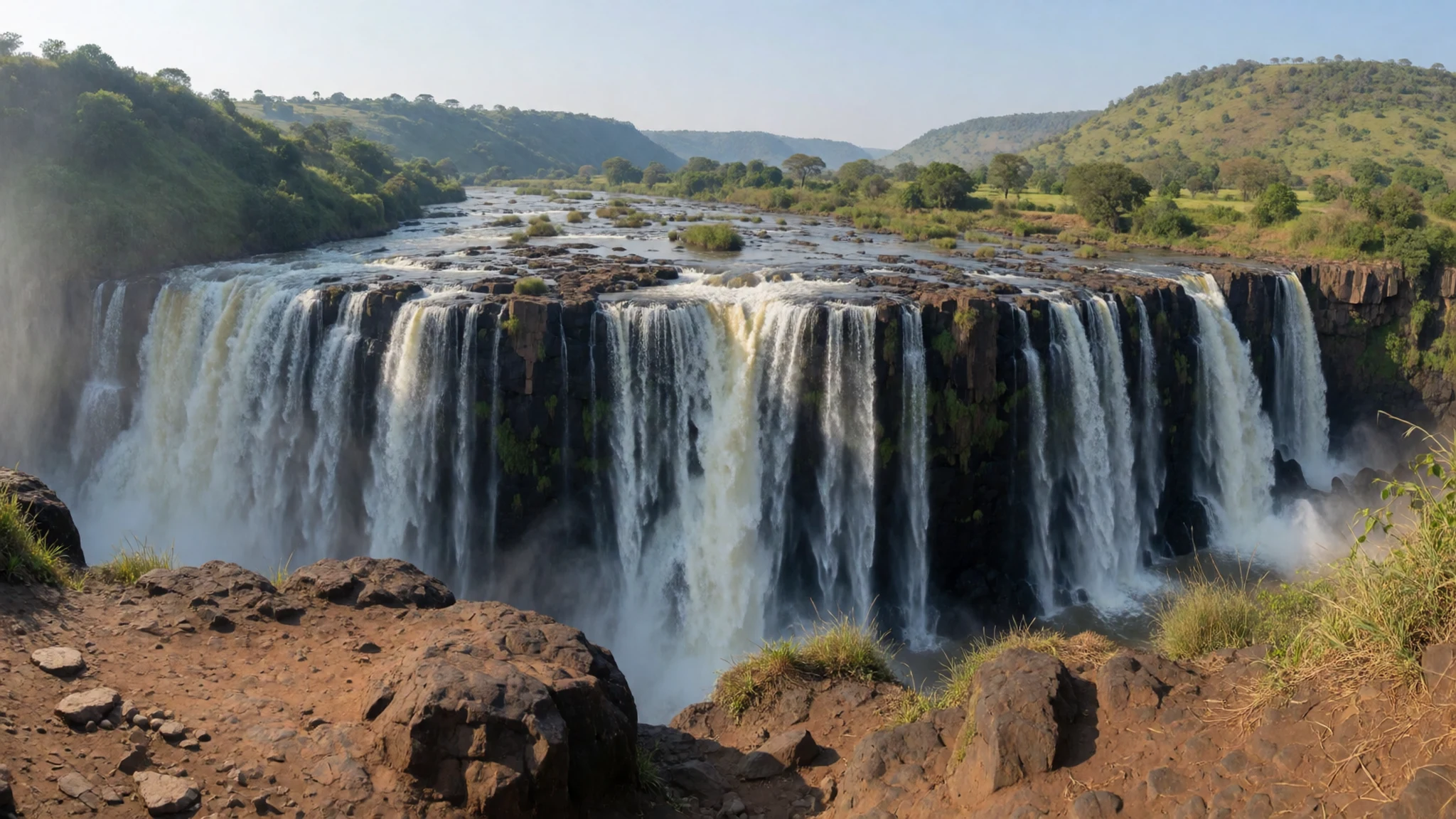
- The Lucala below the drop — the river valley below the falls
Downstream of the drop, the Lucala River runs on through a green valley, and this is the quieter stretch between its dramatic moments. Local people use the water for daily life, so keep a respectful distance from anyone washing or fishing and do not leave litter on the banks.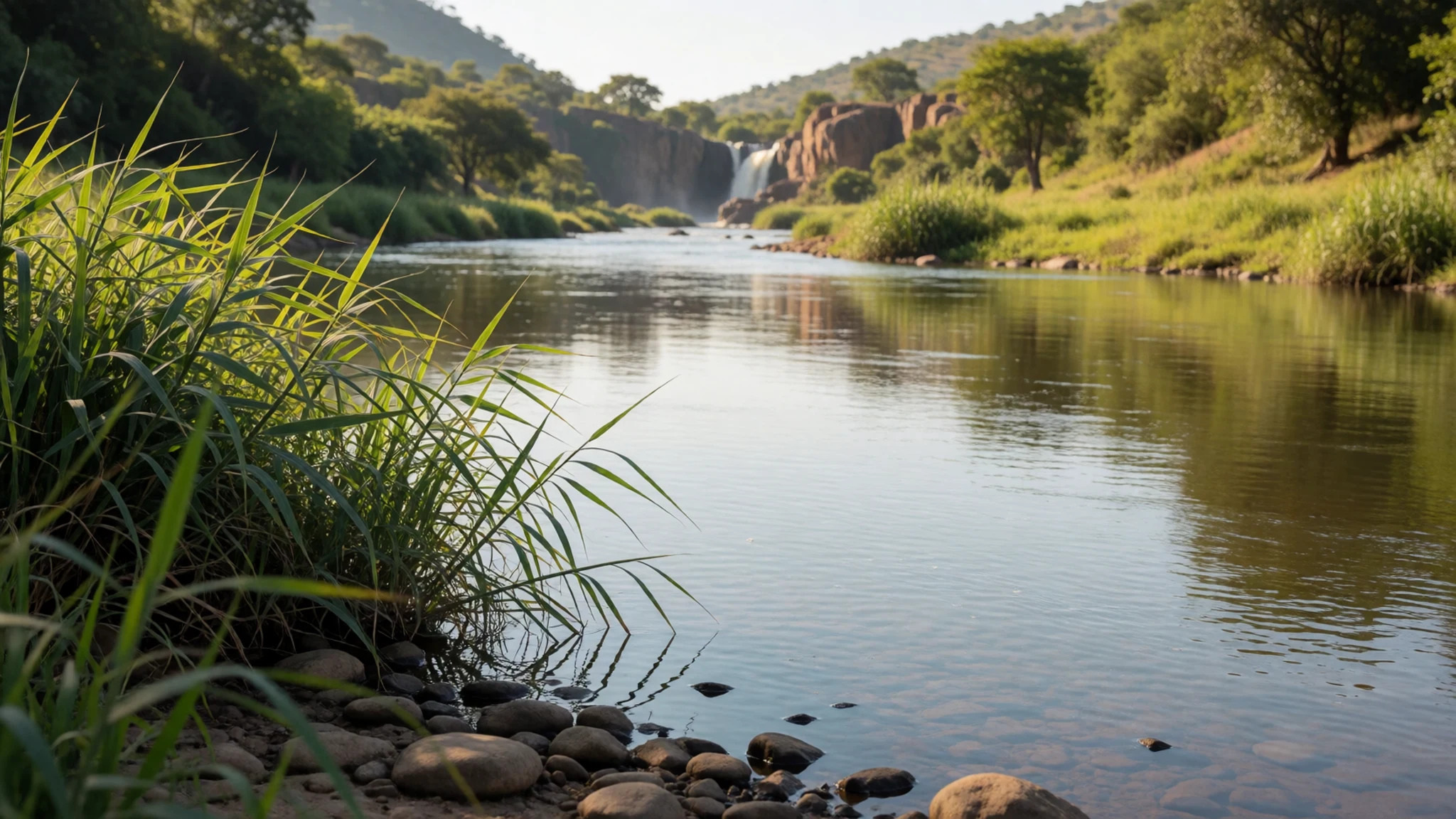
- The welcome area — the approach to the falls, Calandula
The welcome area near the falls is where many visits begin, with the first glimpse of water showing through the trees. Ask locally in Malanje before you travel for current access arrangements, since facilities and entry arrangements can change.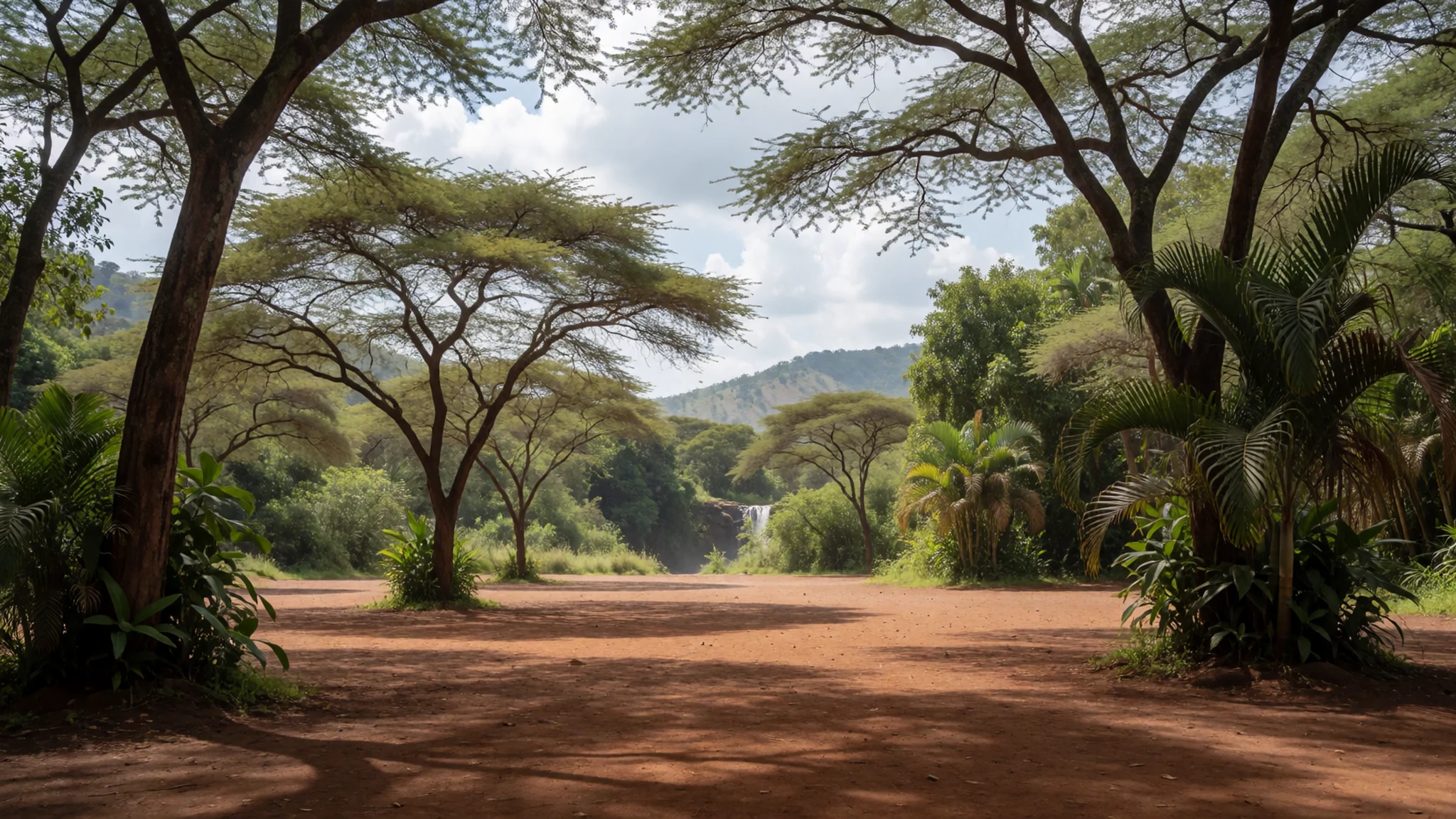
- Malanje town — Malanje town, Malanje Province
Malanje town is a practical base for day visits, offering a few eateries and places to stay. Plan to be back before dusk, because the road from the falls is not one to drive in the dark. A local driver who knows the route is worth asking for.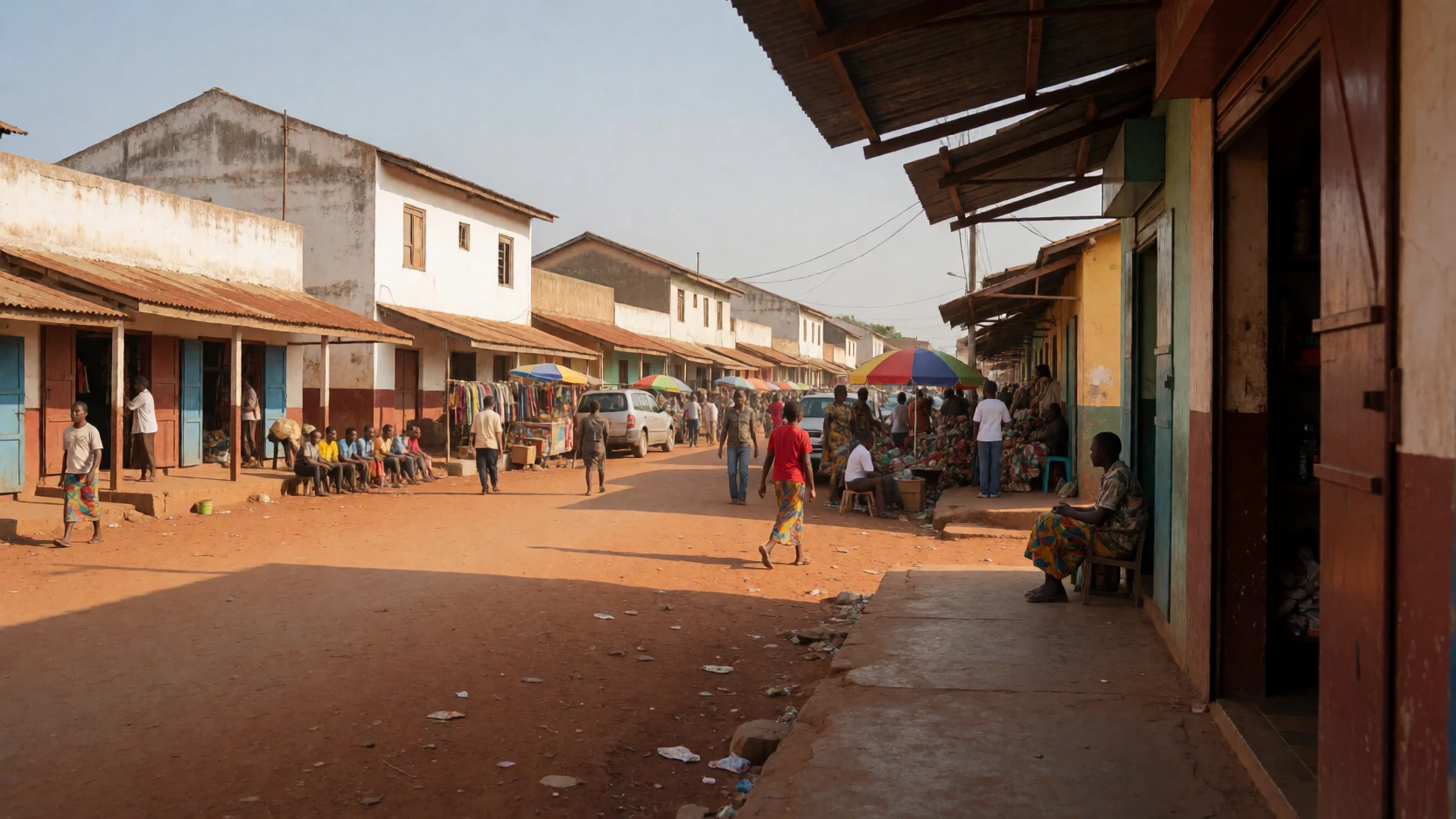
Culture
Kalandula Falls sits in a part of Angola where Portuguese is the official language and local languages are spoken in daily life, so a few words of Portuguese go a long way with guides, drivers and stallholders. A greeting before any request is expected: say good morning or good afternoon, shake hands where that is the custom, and wait for the reply before asking about the road or a room. Local people often run small services around the falls, from guiding to selling drinks and snacks, and it is polite to agree on terms before using them rather than settling up afterwards. Photography is a common point of friction in places like this. Respect the wider landscape too: take your rubbish back with you, avoid washing or swimming where people are drawing water, and stay on marked paths because the rocks near the edge are slippery and the drop is serious. Ask permission before photographing anyone at the falls, and keep your camera down when people are working or washing.
What to wear
Traditional dress across this part of Angola centres on printed cloth worn as a wrap. The most familiar is the capulana, a length of cotton printed with bold patterns, tied at the waist or over the shoulder and often worn with a matching headscarf. Wax-print fabrics, with their dense colours and geometric or floral motifs, are the textiles people reach for at markets and celebrations, and they carry a long trading history along the Atlantic coast. Men traditionally wear shirts and trousers of plain or patterned cloth, with simple wrapped garments for ceremonies. Day to day, most people dress in a mix of western clothes and printed cloth. Shirts, jeans and dresses sit alongside capulanas worn as skirts, and church or town clothes tend to be neater than field or market wear. Lightweight synthetic fabrics are common because of the heat. For a visit, dress for heat, damp and modesty. Light, loose cotton or linen in long lengths keeps off sun and insects, and a wide-brimmed hat is useful on open edges. Cover shoulders and knees when you move through villages or near shrines. Choose closed, grippy shoes for wet rock and muddy paths near the falls; sandals are fine for the car but not for the edge. Carry a light layer for the spray and a cloth to wipe your face.
What to eat
- Funge — a home-style eatery in Malanje town, or the morning market
Funge is a soft, thick porridge made from cassava flour or maize meal, stirred until it forms a smooth ball you can pinch and dip into sauces. It is the everyday staple that anchors most meals, and it arrives beside whatever stew or grilled fish is on offer.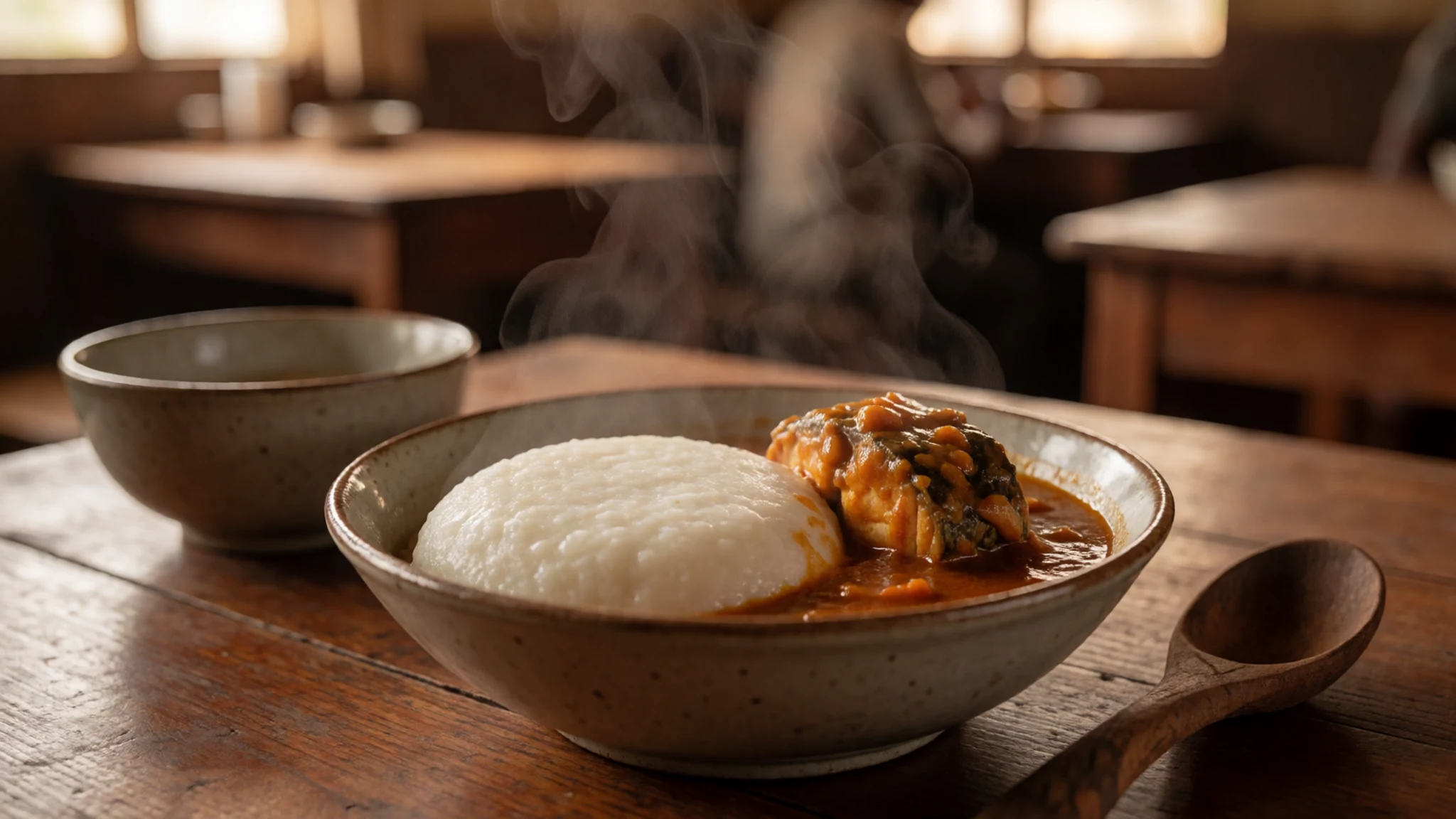
- Muamba de galinha — cooking shops and simple eateries in Malanje town
Muamba de galinha is chicken simmered in palm oil with okra, onion, garlic and sometimes pumpkin or aubergine, giving a rich, slightly tangy sauce. Families cook it for guests and weekend meals, and it is usually served with funge.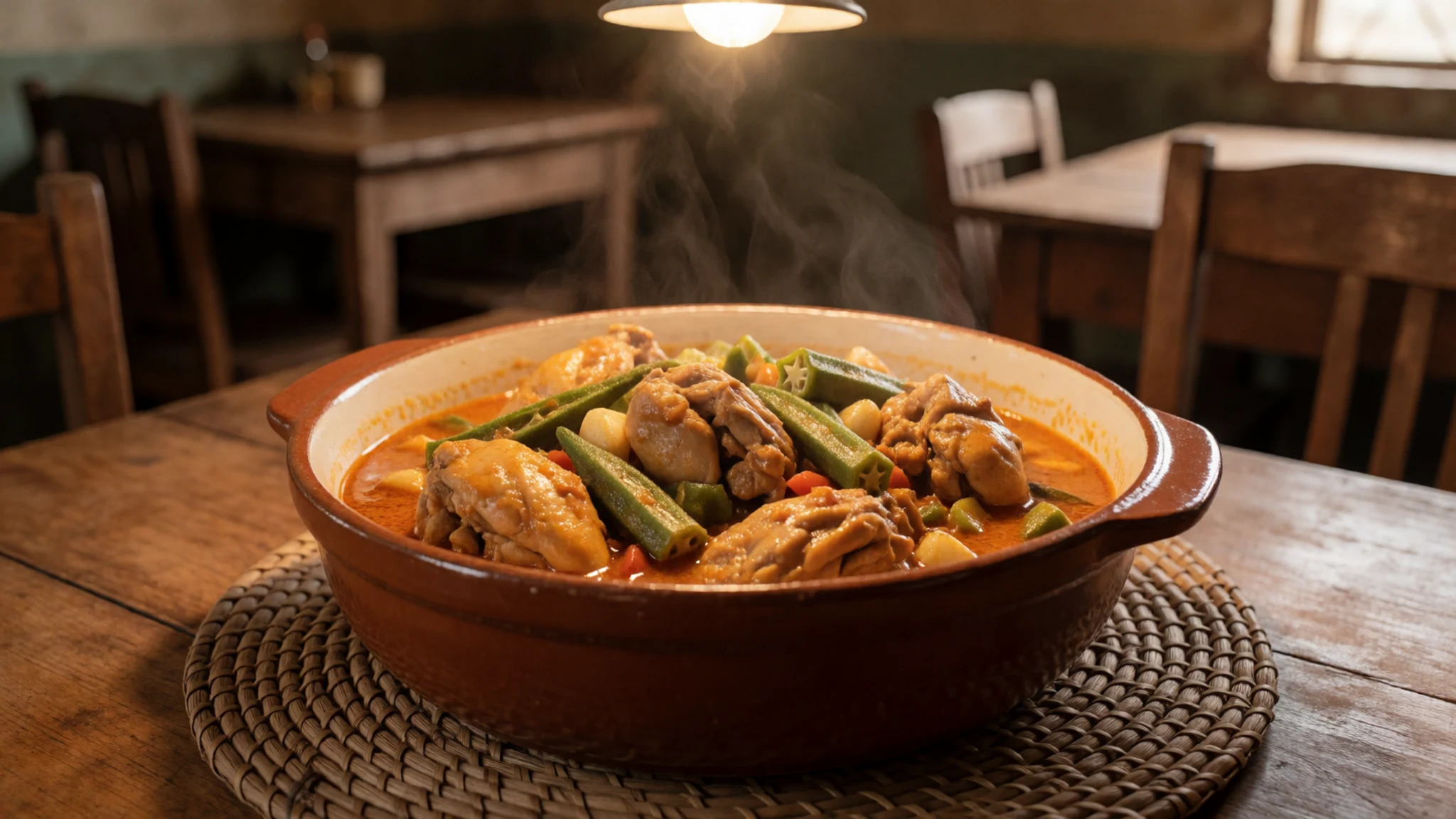
- Calulu — a home-style eatery near the market in Malanje town
Calulu is a stew of dried or fresh fish cooked with greens, usually cassava leaves or similar vegetables, with onion, garlic, tomato and palm oil. Its deep green colour and earthy flavour make it a favourite comfort dish, eaten with funge or rice. - Grilled river fish — charcoal grills near the road into Malanje, or the fish sellers at the morning market
Grilled fish from the river is simple and fresh: whole fish brushed with oil or a spice paste and cooked over charcoal until the skin crisps. It is best eaten on the day it is caught, with a squeeze of lime and a little hot pepper sauce.
Plan it
Best time. October to April, the rainy season, when the Lucala carries its heaviest flow and the falls are at their most powerful. Drier months mean less water, so the drop is gentler, though the surrounding landscape is still worth seeing.
How long. 2–3
Getting there. Drive from Luanda, about 360 km away, on a road that is in poor condition, so allow a full day. Fly into Luanda's international airport, then hire a vehicle and driver for the final leg to Calandula.
Budget. low
Tips
- Leave Malanje early and avoid driving the road after dark
- Ask a local driver about current road conditions before setting out
- Carry your own water and snacks, and cash for small purchases
- Decide early whether to stay at the falls-side hotel or in Malanje town
- Take a hat and sun protection, since the open edges are exposed
Etiquette
- Ask before photographing people, especially at the viewpoints
- Keep to paths near the edge, where the rock is wet and slippery
- Greet people with a polite greeting before asking directions
Nearby
Sources
- Wikidata Q940305 (CC0)
- Wikipedia (rev 1362222554) (CC BY-SA 4.0)
- Wikivoyage (rev 5265806) (CC BY-SA 4.0)
- Photo 01: Kalandula Falls, Zorglub (CC BY 3.0)
- Photo 02: Kalandula waterfalls of Lucala river, Paulo César Santos (CC0 1.0)
- Photo 03: Panoramic view of Kalandula Falls, Zorglub (CC BY 3.0)
- Photo 04: Duque de Bragança waterval van Diangundu, Ferreira Oliveira & Ca. (CC0 1.0)
- Photo 05: Kalandula waterfalls, Lucala river, Paulo César Santos (CC0 1.0)
- Photo 06: Kalandula waterfalls of Lucala river, Jjtkk derivative (CC0 1.0)
- Photo 07: Welcome to the Kalandula Waterfalls, L.Willms (CC BY 3.0)
- Photo 08: Approaching the Kalandula Falls edge, L.Willms (CC BY 3.0)


