Mount Hotaka
Mount Hotaka, Japan
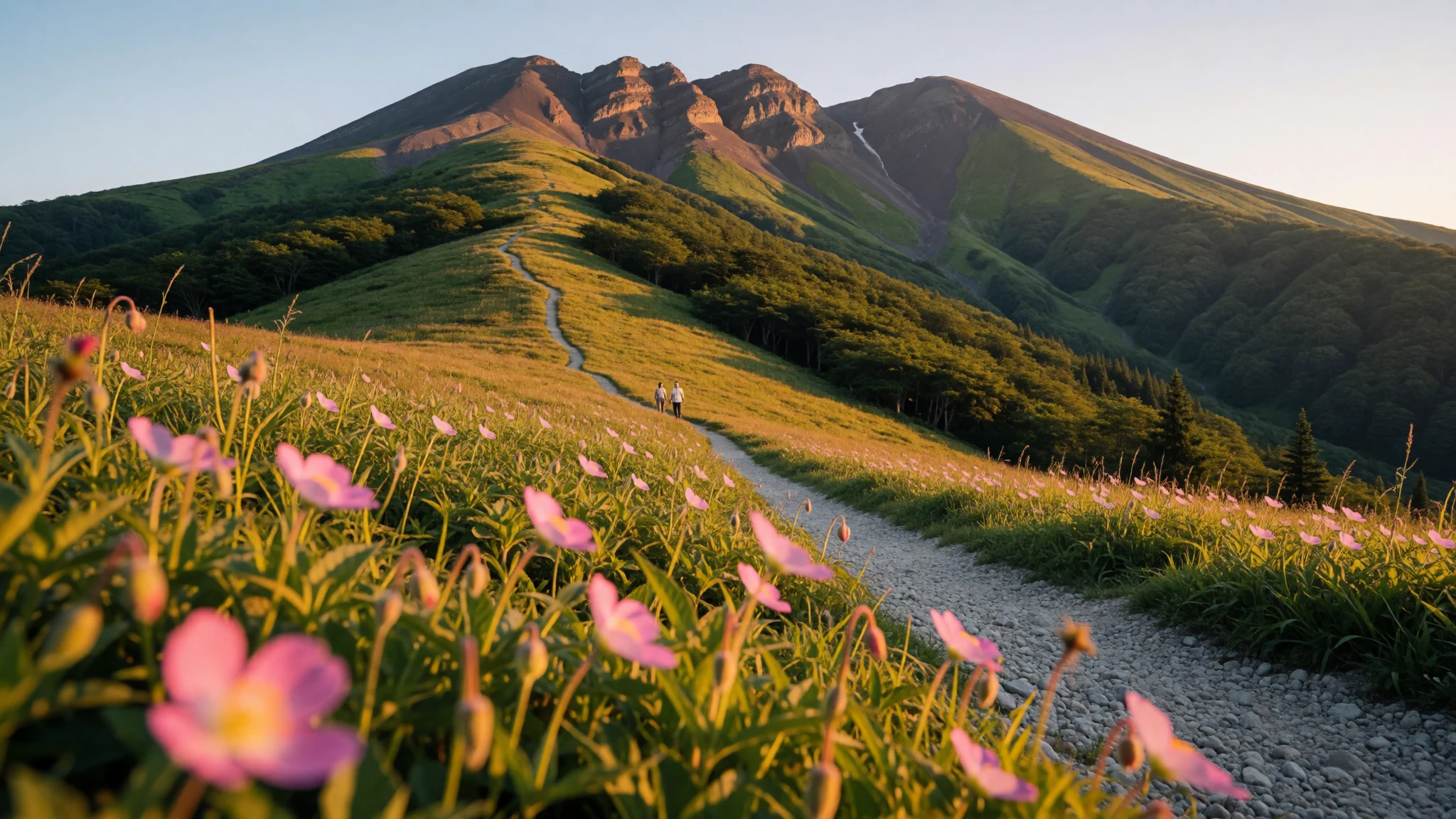
Mount Hotaka is a quiet volcanic peak in Gunma, with summer ridge walks, deep winter snow and hot springs waiting in nearby Minakami.
The place
Mount Hotaka (武尊山, Hotakayama) rises to 2,158 m in Gunma Prefecture, in the mountain country north of the Kanto plain. It is a stratovolcano, a cone built from many layers of lava and ash, and its slopes are shared by the municipalities of Minakami, Kawaba and Katashina. Another peak called Hotakadake stands in the Northern Alps, so this one takes the old province name as a prefix and is written Joshu Hotakayama (上州武尊山) when the two need telling apart. Japan includes it in its lists of famous mountains and of mountain-flower walks, which fits its character as a peak for steady walking and wildflowers rather than technical climbing.
The weather defines the place. Air from the Asian continent and from the Pacific meets over this part of Gunma, so winters bring very heavy snow and storms can arrive quickly even in the walking season. That snow feeds a ski industry on the surrounding slopes, and it also limits the hiking window to the snow-free months.
Most visitors to the district head for neighbouring Mount Tanigawa, which has the ropeway and the better-known trails. Hotaka gets less attention, so a day here needs more planning around transport, food and conditions. The practical base is Minakami, an old hot-spring town with a railway station and a tourist information centre outside it, where staff manage basic English. The local tourist association also runs a multilingual guide website that is worth reading before the trip.
Its story
Mount Hotaka's story is partly one of names and partly one of the neighbourhood it sits in. The characters 武尊 give the mountain its Japanese name, and the Joshu prefix ties it to the old province that covered Gunma, a naming habit that keeps it apart from its Alpine namesake. Geologically it is a volcano that has long since gone quiet, its cone worn by snow and rain into the broad ridges that walkers follow today.
The wider area has a darker history, written mostly on Mount Tanigawa next door. Climbers began exploring its faces in earnest early in the last century, and the mountain soon earned a grim reputation. The same collision of continental and Pacific weather that loads Hotaka with snow produces sudden storms there, and hundreds of people have died on its slopes. In the war years a climbing party vanished, and its remains were not found for decades. Near the foot of the mountain a small monument carries the names of the dead, a sobering stop for anyone planning to go higher.
Winter has a lighter side. The ski area at Tenjindaira takes its name from the god of sky and weather, and it is known for deep snow, with backcountry terrain beyond the marked runs that has attracted devotees and accidents alike. Minakami, in the valley below, was a hot-spring town long before skiing arrived, and walkers still finish the day in its baths.
What to see
- Mount Hotaka summit ridge — Minakami, Kawaba and Katashina, Gunma
The summit of Mount Hotaka, at 2,158 m, is the reason for the trip: a steady walk from forest onto open ridgeline, with wildflowers in season and views across the mountains of Gunma. Check trail and snow conditions with the Minakami tourist office before setting out, and avoid the day if storms are forecast.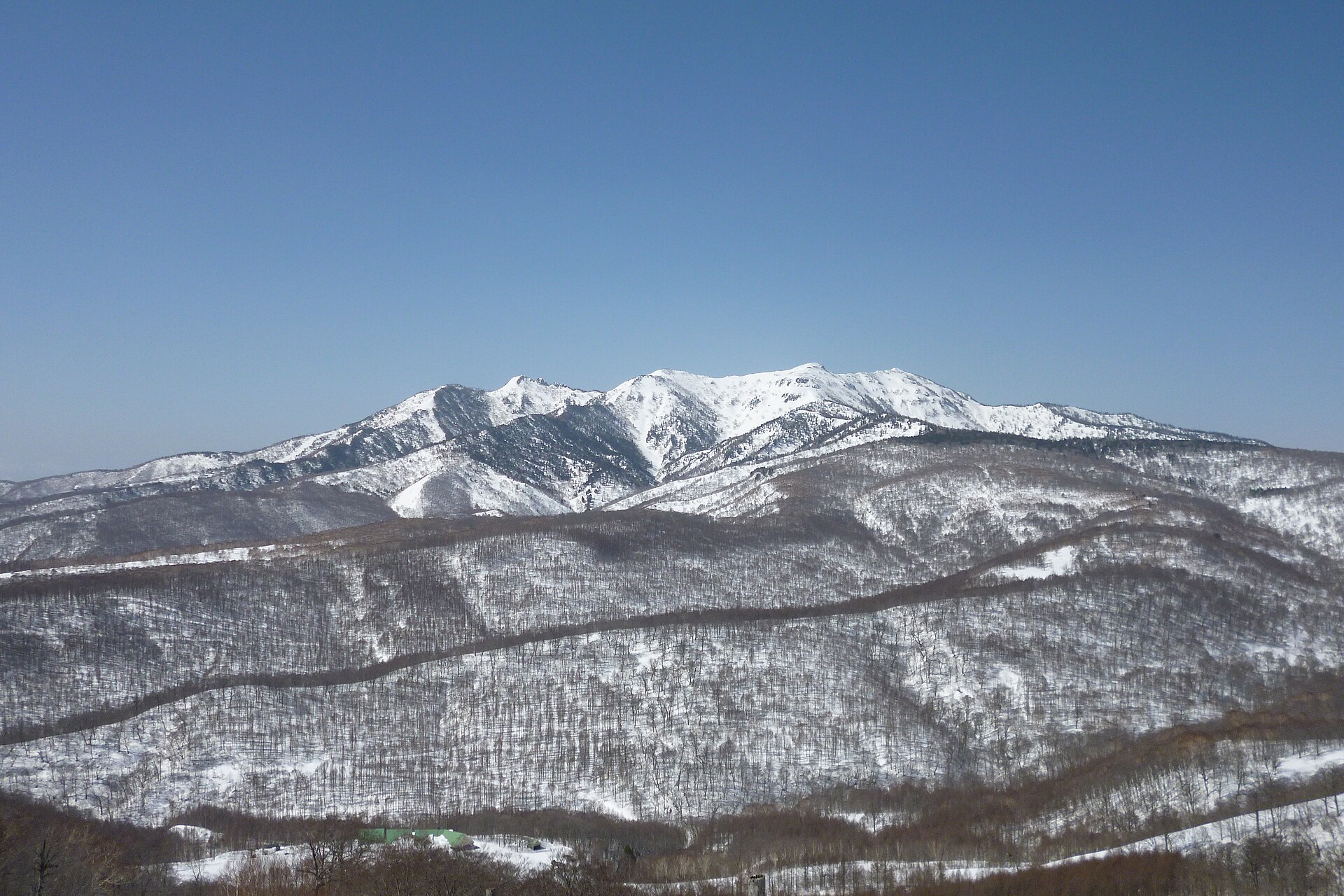
- Mount Tanigawa and its ropeway — Northern Minakami
Mount Tanigawa (谷川岳) is the district's best-known peak, on the border of Gunma and Niigata. A ropeway climbs through Doaiguchi and Tenjindaira stations, saving the steepest height. From the top, the twin summits of Tomanomimi and Okinomimi are linked by a ridge walk. Weather turns fast, so turn back early.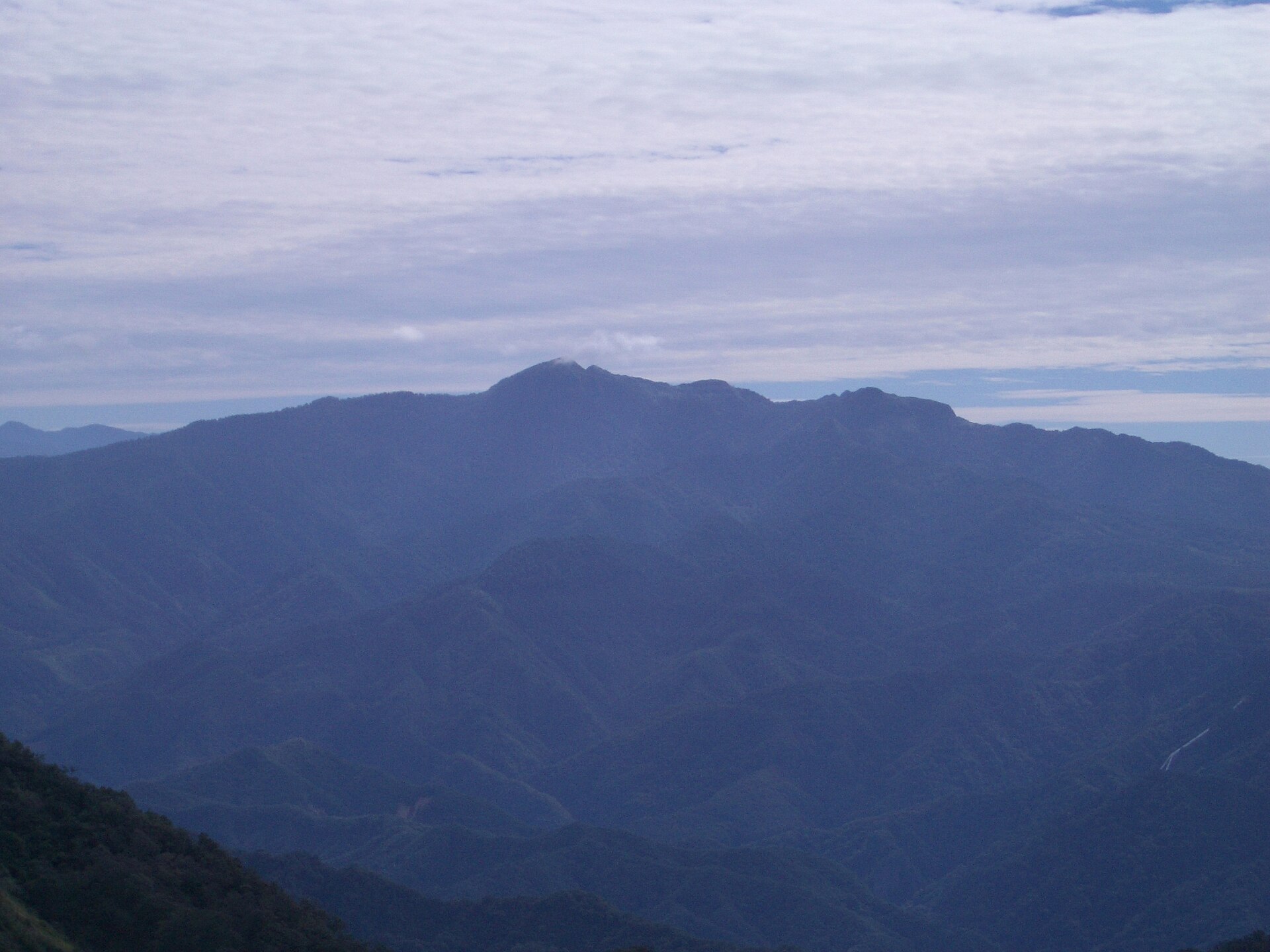
- Tenjindaira — Tanigawa, Minakami
Tenjindaira, partway up Tanigawa, is a ski area in winter, known for very deep snow, and a viewpoint for autumn colour that peaks around mid-October. The backcountry beyond the marked runs carries a serious avalanche risk, so stay inside the resort boundaries unless travelling with a qualified guide. - Tanigawa memorial monument — Foot of Mount Tanigawa, Minakami
Near the base of Mount Tanigawa, a small monument lists the names of climbers who have died on the mountain. It takes only a few minutes, is quiet and unshowy, and puts every weather warning in context. Pause here before heading up, and let it make the day's plan more cautious. - Minakami hot springs — Minakami town
Minakami has long been a hot-spring town, with a large number of bathing houses and inns along its river valley. A soak after a day on the trails is the standard way to finish. Cool air, forest and the sound of the river make it easy to linger; ask the tourist office for bath suggestions.
Culture
Culture around Mount Hotaka mixes mountain respect, onsen habits and a strong safety ethic. Peaks in Japan often carry spiritual associations, and the word tenjin in the name of a nearby ski area refers to the god of sky and weather, a reminder that people here long treated the mountain's moods with care. The same attitude shows in everyday practice: climbers are expected to leave a route plan, tourist offices will say frankly when conditions are poor, and a memorial near Tanigawa's foot keeps the cost of ignoring such advice in view.
Minakami's identity is the hot-spring bath. Bathing is communal, unhurried and separated by gender, and a river-valley inn is as much about the soak, the evening meal and the quiet as about the bed. Local people use onsen as a regular routine, and visitors who arrive after a day's walking slot straight into that rhythm.
Tourism here follows the seasons. Green hiking months give way to a short, popular autumn colour season, then to winter, when skiers fill the valleys and the snow shapes village life. Between seasons the area can feel very still, which suits walkers who prefer space to company. Visitors who treat that stillness with respect, keeping voices low on trails and in inns and carrying rubbish out, are welcomed warmly. At Minakami's onsen, wash and rinse thoroughly at the washing stations before entering the shared bath, keep your small towel out of the water, and follow the inn's rules on swimwear and tattoos.
What to wear
Mount Hotaka's villages in Gunma historically dressed for cold, snowy winters, with padded cotton jackets called hanten, indigo-dyed work clothes and straw snow boots, while kimono were kept for festivals and formal days. Kimono are now rare outside ceremonies, but the light cotton yukata survives at onsen inns, where it is worn as evening lounge wear and for the walk to the baths, especially in summer.
What people wear now is mostly practical outdoor gear. Walkers on the hills favour layered synthetic clothing, brimmed hats and sturdy boots, and the ski season fills the slopes with bright waterproof shells. In Minakami town dress is casual: jeans, fleeces and trainers are normal, and nobody expects formality at the station or in cafés.
A visitor should dress for the mountain's changeable weather: a waterproof shell, a warm mid-layer and a hat even in summer, with gloves in autumn. Boots with a grippy sole matter more than anything else on rocky or wet trails, and a sun hat and sunscreen help on open ridges. There are no special modesty rules on the mountain, but bathing in the onsen is without clothing, and at inns the yukata is worn closed left side over right. Pack spare dry socks, since inns ask for shoes to come off at the door and wet feet make a long day worse.
What to eat
- Dorayaki — Koarai-seika, a confectioner in Minakami
Two soft, honeyed pancakes sandwiching sweet red-bean paste, a treat closely tied to Minakami and a favourite of the animated character Doraemon. The local guidance singles out Koarai-seika, a confectioner in town; buy a few for the train or the trail. - Yakimanju — Roadside stalls and shops near stations and tourist areas
Gunma's grilled bun: a wheat-flour bun on a skewer, glazed with sweet miso sauce and charred over coals until the edges crisp. It is filling, portable and good with hot tea after a cold morning on the hill. - Okkirikomi — Local diners and inn dinners in the valley
A winter comfort dish of wide, flat wheat noodles stewed with vegetables such as pumpkin and roots in a miso or soy broth. It is thick, warming and very welcome after a day in the snow; look for it in local diners in the cooler months. - Konnyaku — Onsen-town stalls and set meals at inns
A chewy gel made from konjac root, a Gunma speciality. It is skewered and simmered in miso or soy, or served sliced as sashimi with ginger. The texture surprises first-timers, but it is a staple of the region's snack and set-meal tradition. - Grilled river fish — Riverside eateries and onsen inns
Mountain-stream fish such as iwana (char) are skewered, salted and grilled over charcoal until the skin crackles. Availability depends on the season and the inn, so ask rather than expect it. Eaten whole, it pairs well with rice and a hot bath.
Plan it
Best time. July to October for hiking, when the snow has cleared; mid-October is the autumn colour peak. Winter brings very heavy snow and suits skiing, and storms can arrive quickly in any season as continental and Pacific weather collide.
How long. 2–3
Getting there. Fly into Tokyo, then take a Joetsu or Hokuriku Shinkansen to Takasaki or Echigo-Yuzawa and change to the Joetsu Line for Minakami, the final stop. Jomo-Kogen station on the Shinkansen is served only by the all-stops Tanigawa trains, with a local bus into Minakami. By car it is a few hours from Tokyo. For the last leg to the Hotaka trailheads, ask the Minakami tourist office about buses, taxis or hire cars, and check timetables locally.
Budget. mid
Tips
- Start walks early; cloud and storms tend to build later in the day.
- Visit the tourist information centre outside Minakami station for trail and snow conditions and for the multilingual guide site.
- Carry some cash, plus water, food and a rain shell, as services on the mountain are thin.
- Treat backcountry terrain beyond the marked ski areas as dangerous, with a real avalanche risk; go with a guide or stay inside the boundaries.
- Book onsen inns early for the mid-October colour weekends and for peak ski season.
Etiquette
- Leave a route plan with your inn or the tourist office before a hike.
- Wash and rinse before entering any shared onsen bath, and keep towels out of the water.
- Take rubbish with you and keep voices low on trails and in inns.
Nearby
Sources
- Wikidata Q11545926 (CC0)
- Wikipedia: Mount Hotaka (Gunma), rev 1325066366 (CC BY-SA 4.0)
- Wikivoyage: Minakami, rev 5411226 (CC BY-SA 4.0)
- Photo 01-hotaka01.jpg, Mass Ave 975 (CC BY 3.0)
- Photo 02-mount-joshu-hotaka.jpg, Ski Mania (Public domain)
- Photo 03-panoramio.jpg, Shift (CC BY 3.0)
- Photo 04-copse-9047500294.jpg, ken H (CC BY-SA 2.0)
- Photo 05-view-9045372769.jpg, ken H (CC BY-SA 2.0)
- Photo 06-view-9045407843.jpg, ken H (CC BY-SA 2.0)
- Photo 07-view-9047550036.jpg, ken H (CC BY-SA 2.0)


