Mount Buffalo National Park
Mount Buffalo National Park, Australia
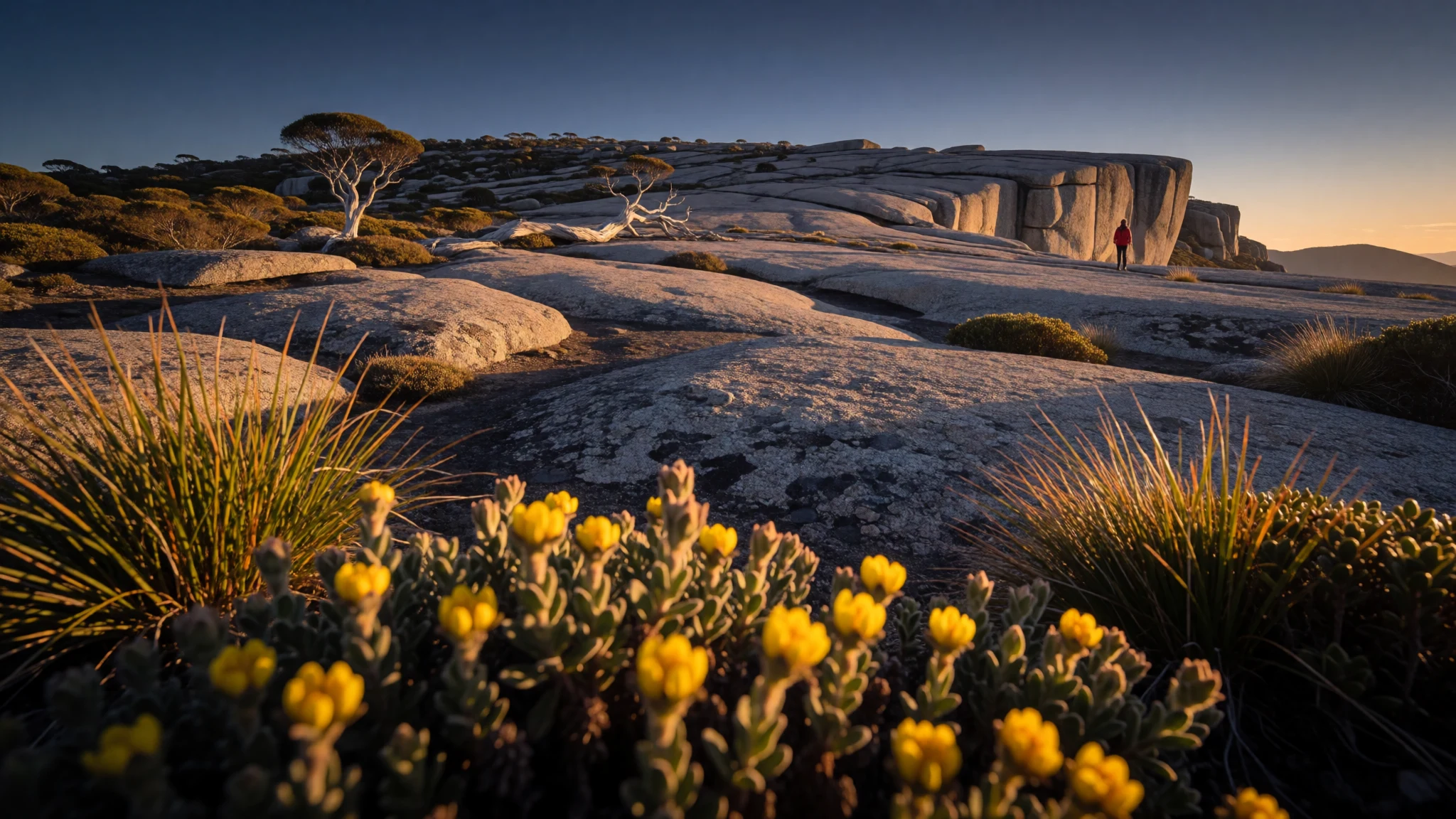
Mount Buffalo National Park offers granite tors, a short climb to a 360-degree summit view and a quieter alpine feel than Victoria's big snow resorts.
The place
Mount Buffalo National Park sits in the alpine region of Victoria, in the Australian Alps, roughly 350 km north-east of Melbourne. Its centrepiece is a granite plateau that reaches 1,723 m. Seen from the valley towns, the plateau looks like a long, flat-backed wall rather than a pointed peak, which explains the animal name it carries. On top the ground changes character: pale boulders, tors and rounded outcrops stand among snow gums and low heath, and the weather can turn within an hour. The Horn, the highest point reachable on foot, is the park's signature summit, with a track to the top and views in every direction. The park was first set aside in 1898 and has been enlarged more than once, so it now takes in the plateau and much of the surrounding slopes. It also forms one piece of the wider Australian Alps national parks, a group listed on the national heritage register. The mood here is unhurried: slow walks, rock scrambling, picnics and winter snow play rather than resort crowds. The drive up is steep and winding, summer can be hot in the valley yet cool on top, and snow can restrict or close the road in winter. Rooms on the mountain itself are limited, so many visitors stay in the towns below and drive up for the day.
Its story
Mount Buffalo National Park has a human story that starts long before any reserve. Mitambuta and Taungurung people climbed the mountain in summer, when bogong moths gathered in the rocks; the moths were a rich food, and the season also brought groups together for meetings and ceremony. In 1824 the explorers Hume and Hovell named the mountain, reading its outline as a resting buffalo. Prospectors and plant collectors followed, and by the 1880s visitors were arriving for the scenery alone. That led to the first reservation in 1898, around the gorge and Eurobin Falls. A road reached the plateau soon afterwards, and in 1910 the Mount Buffalo Chalet opened, replacing plainer lodgings. For generations it was a holiday address, and the plateau became a testing ground for early skiing and ice skating, including a pioneering ski tow. For a period the Chalet was run by the state railways, so dining staff wore railway uniforms, whistles marked the hours and guests kept to curfews; a ski-hire ticket from that era listed steel-edged skis with cane poles. Later, a vast bushfire complex swept parts of the park and destroyed Cresta Lodge, though the Chalet survived. The exterior and gardens were restored afterwards, and the building now stands as a landmark, even though overnight stays have ended.
What to see
- The Horn — Mount Buffalo plateau
The Horn is the highest point on the plateau that walkers can reach, and the track to it is the park's best-known short climb. From the summit the view runs a full circle over granite, forest and valleys. Go early, carry water and layers, and avoid it in thunderstorms or low cloud.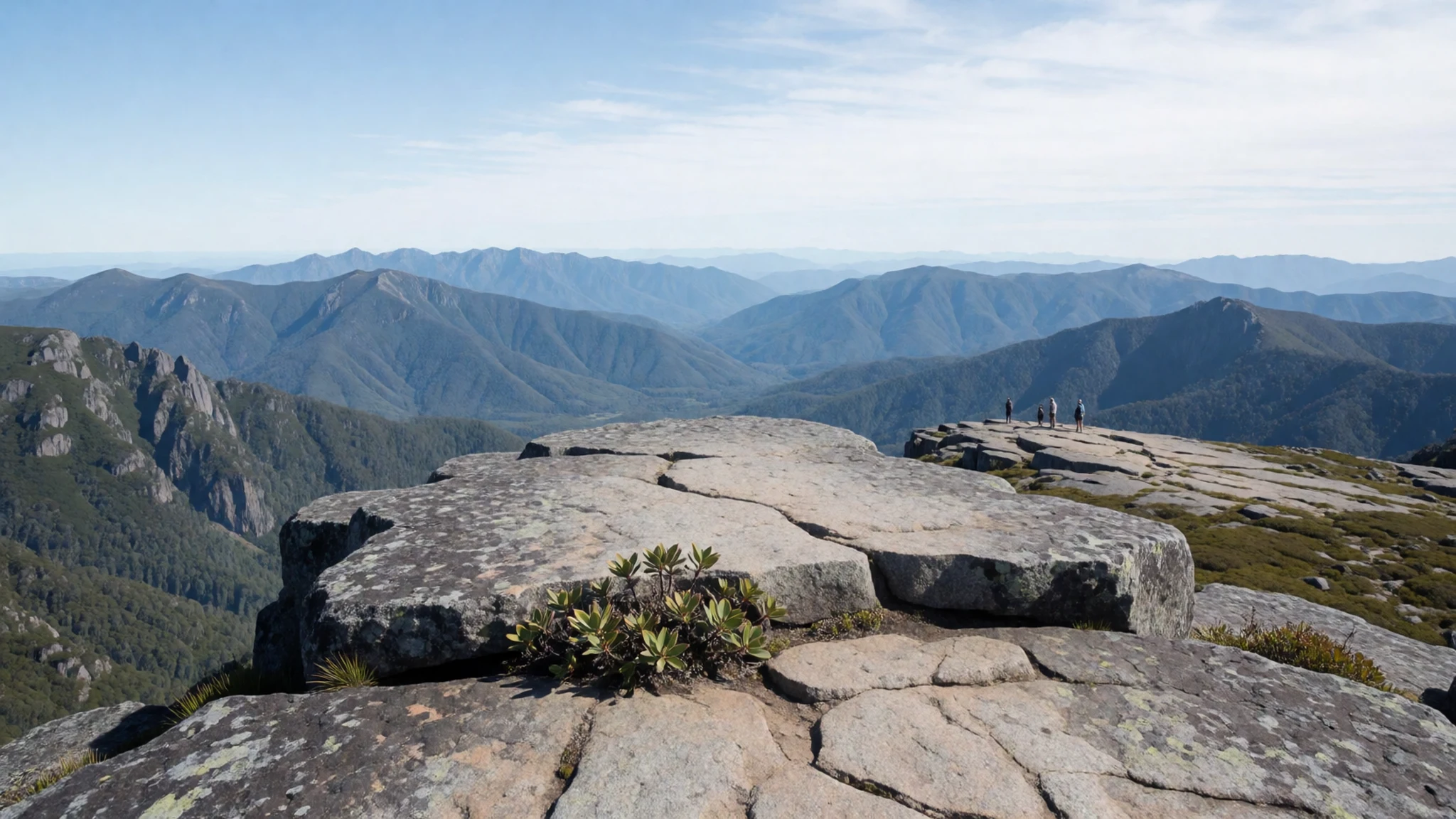
- Plateau granite and snow gums — Mount Buffalo plateau
The Mount Buffalo plateau is a landscape of pale granite boulders, tors and balanced rocks, scattered between snow gums and low shrubs. Short tracks cross it, and the best views open at the edges, where the ground drops towards the valley. In summer it is cooler than the towns below; in winter it can be white.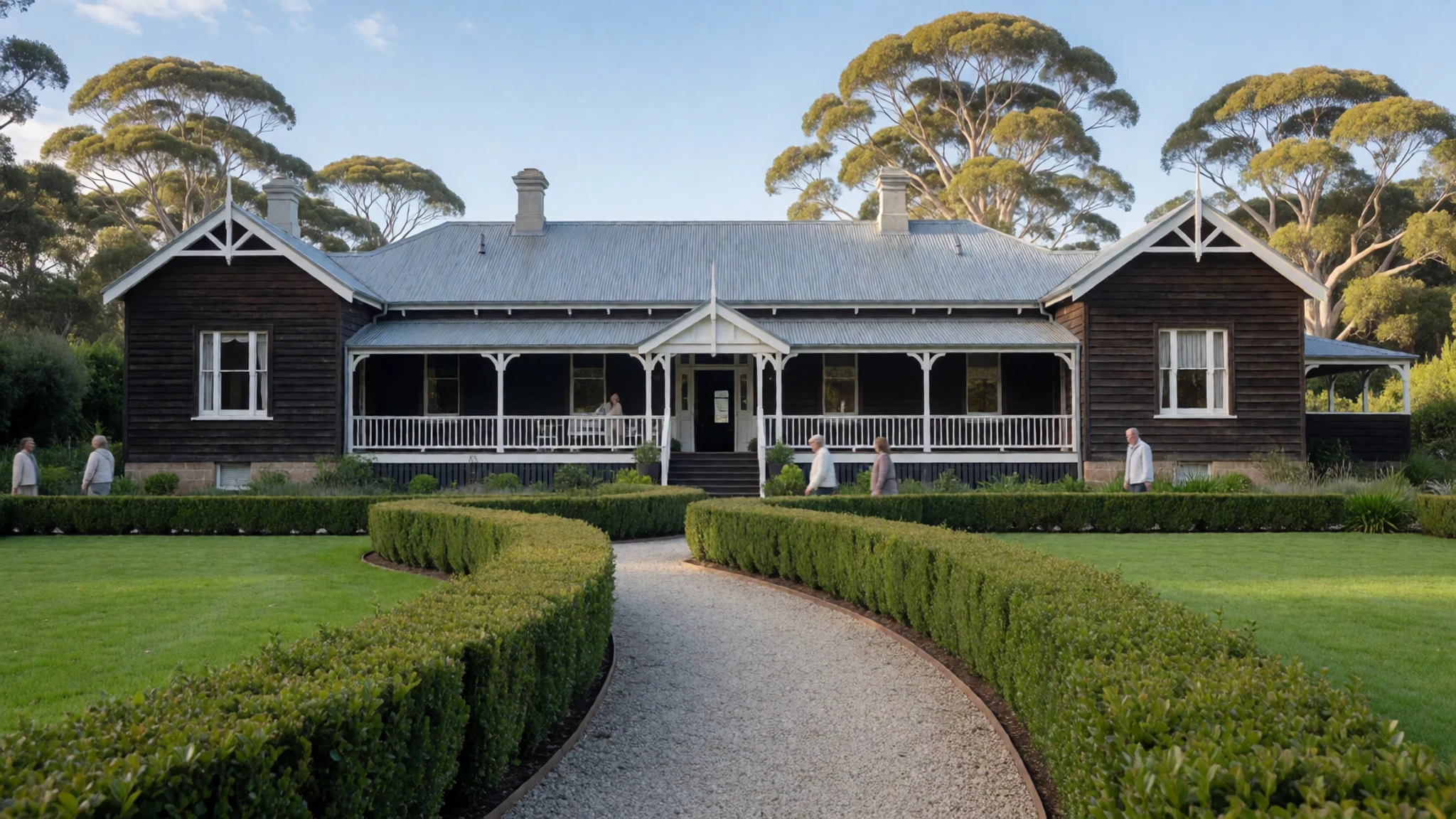
- Mount Buffalo Chalet — Mount Buffalo plateau
The Mount Buffalo Chalet, built in 1910, is a large historic guest house and the park's emblem. It no longer takes overnight guests, but the restored exterior and gardens can be seen from outside. Treat it as a photo stop and a reminder of the railway-holiday era, then head out on the walks.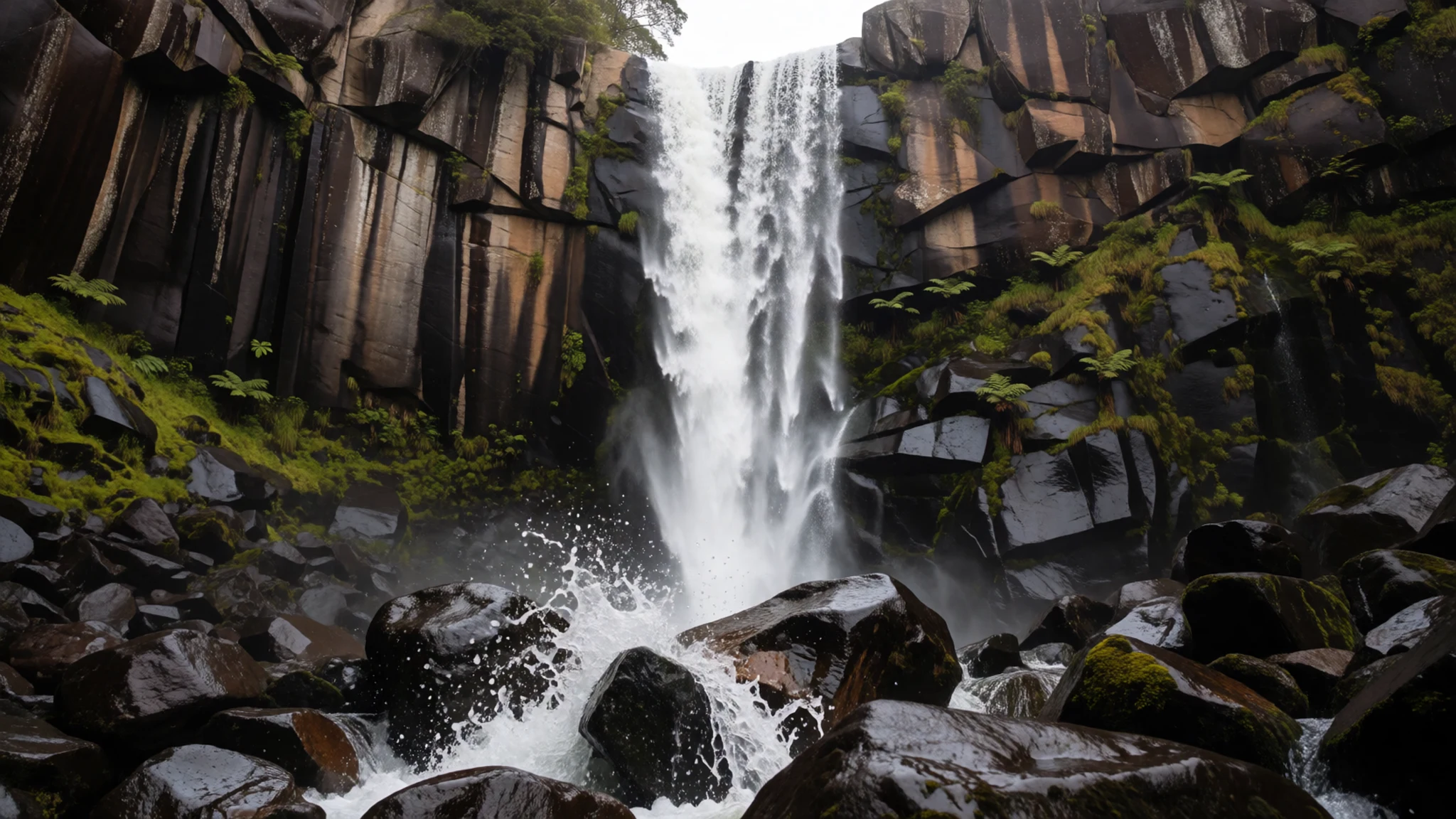
- Eurobin Falls — Lower slopes of Mount Buffalo
Eurobin Falls lies on the mountain's lower slopes and was part of the first small reservation in 1898. A walk through shaded bush leads to the cascades, which run best after rain or snowmelt and thin out in a dry summer. Check track conditions with Parks Victoria before setting off.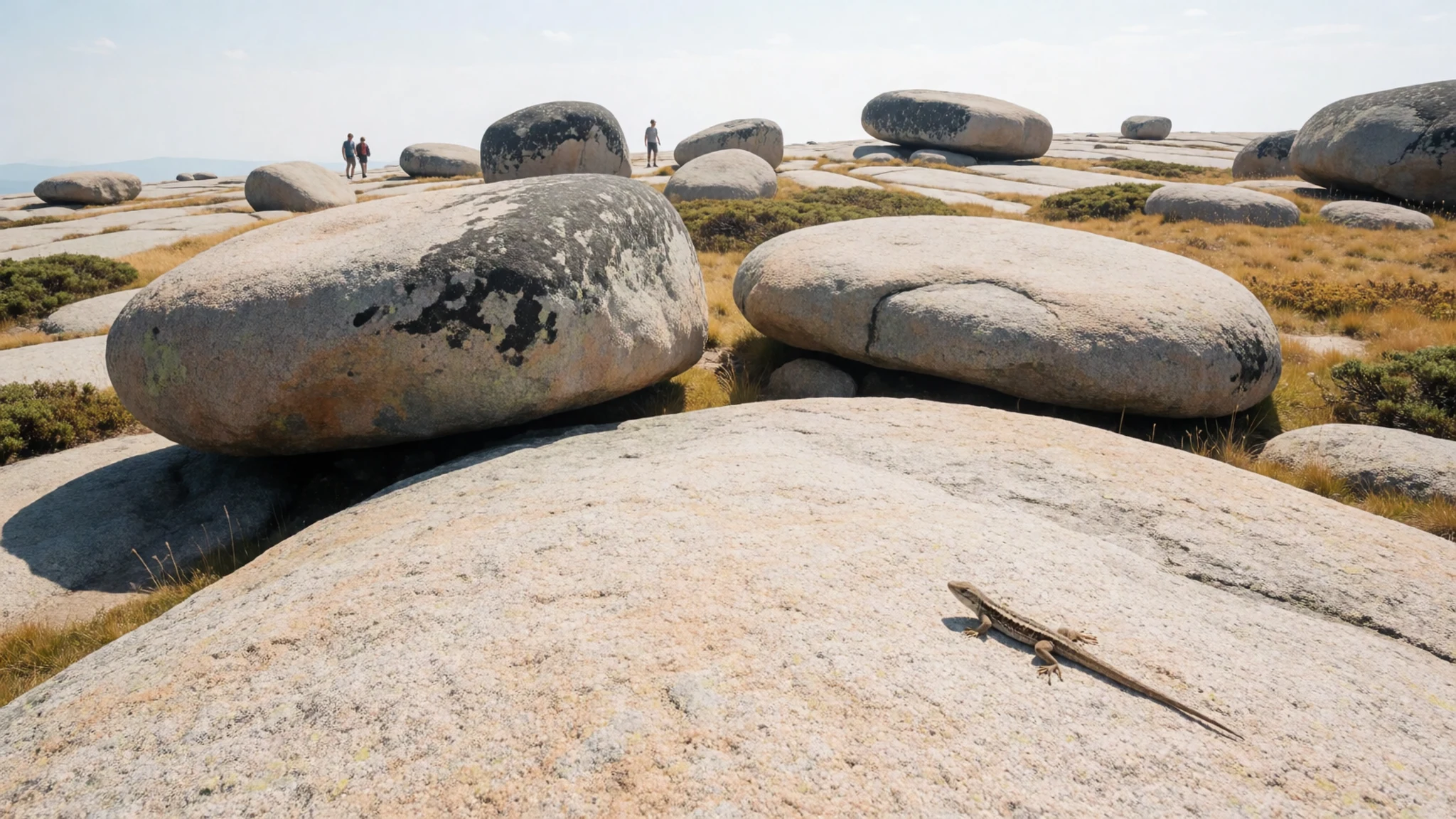
- The night sky — Mount Buffalo plateau
Mount Buffalo National Park is far from city lights, and clear nights on the plateau give a dense field of stars; the southern lights have been photographed from here too. Treat an aurora as a bonus, not a plan. Bring a torch with a red setting, warm clothes and a flask, as nights are cold even in summer.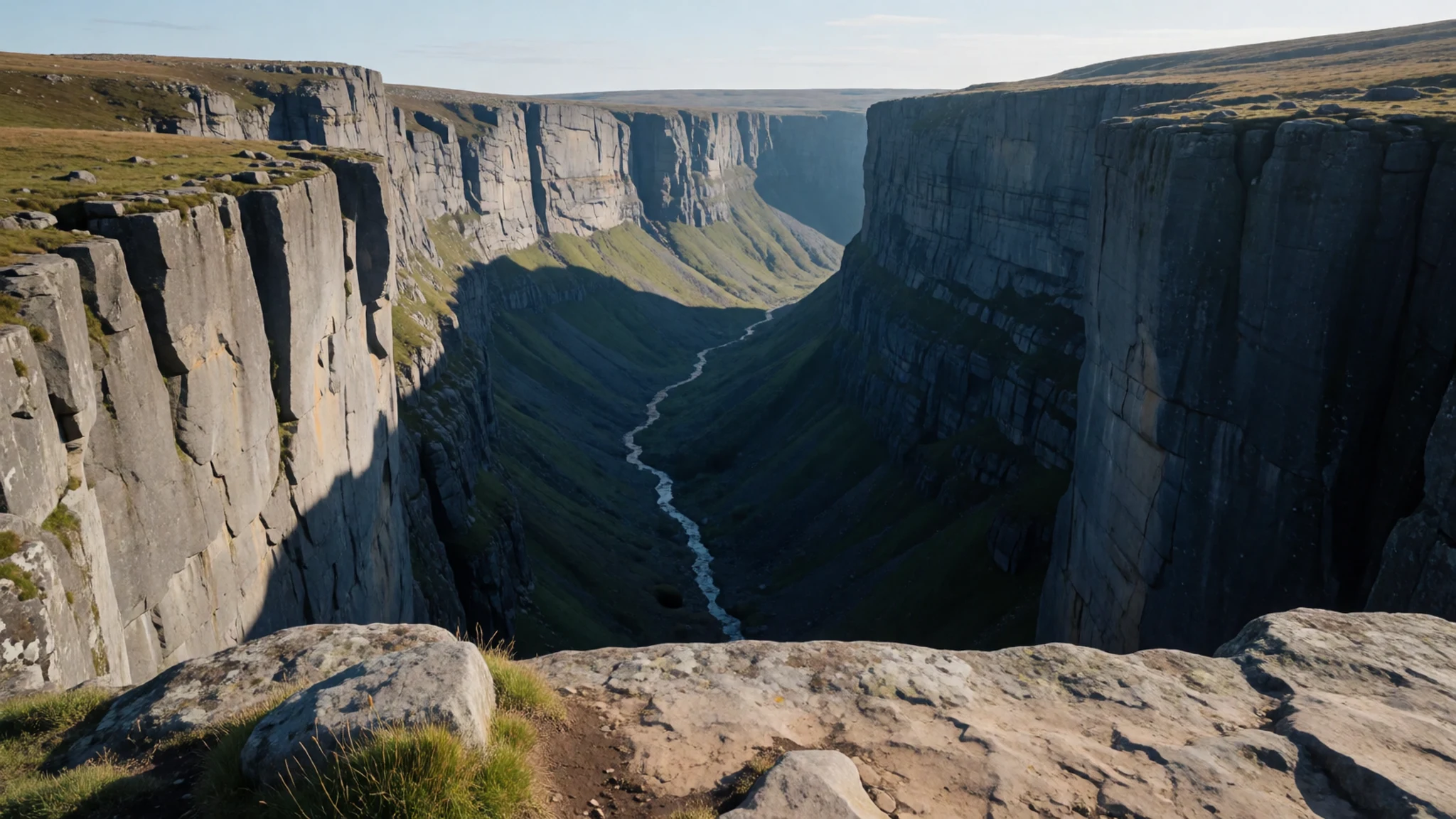
Culture
Mount Buffalo National Park lies on land linked in the historical record to the Taungurung and Mitambuta peoples. For generations they climbed to the high ground in summer, when bogong moths sheltered in the granite crevices, feasting on them and using the season to meet and hold ceremonies. That seasonal rhythm is the older story beneath the park's postcard views, and the plateau makes more sense when treated as a living landscape rather than just scenery. The more recent culture is the Australian mountain holiday: the Chalet, family trips by railway and road, ice skating and early ski tows, and later bushwalking and rock climbing. On fine weekends the trailheads fill and the cafes in the foothill towns are busy, while weekdays outside school holidays are noticeably calmer. The park is also one part of the wider Alps reserve network, and rangers manage it with fire firmly in mind, since bushfire is a recent memory here and can change a plan at short notice. Weather rules most days, so check conditions before driving up, and expect cloud to hide the views now and then. Keep to marked tracks, stay off the fragile heath and lichen-covered rock, and carry every piece of rubbish back down with you.
What to wear
Mount Buffalo National Park sits in country where traditional clothing for south-eastern Aboriginal peoples included cloaks sewn from possum pelts, with designs marked on the skin side; these cloaks were worn for warmth and are now revived by communities for ceremony and cultural events. Everyday dress around the mountain today is practical outdoor wear: fleeces, light waterproof jackets, walking boots, beanies in winter and wide-brimmed hats or caps in summer. In the valley towns, jeans, flannel shirts and work boots are common. Nobody expects smart clothes at the Chalet grounds or the lookouts, and there are no modesty codes to follow. A visitor should dress in layers, because the plateau is noticeably colder and windier than the towns below, and a sunny morning can end in sleet. Sturdy shoes with good grip matter more than anything, since granite slabs are slippery when wet and loose gravel covers some tracks. In summer add sun cream, sunglasses and a hat, and carry a rain shell all year. In winter bring gloves, a warm hat, thermal layers and waterproof boots, and keep dry spare socks in the car for the drive back down.
What to eat
- Vietnamese pho and fresh rolls — Footscray, Melbourne, in the family-run eateries
Pho is a fragrant noodle soup with herbs and slices of beef or chicken, often paired with rice-paper rolls. Melbourne's Footscray is the area Wikivoyage points to for Vietnamese cooking, and a bowl suits a cold day after a mountain walk.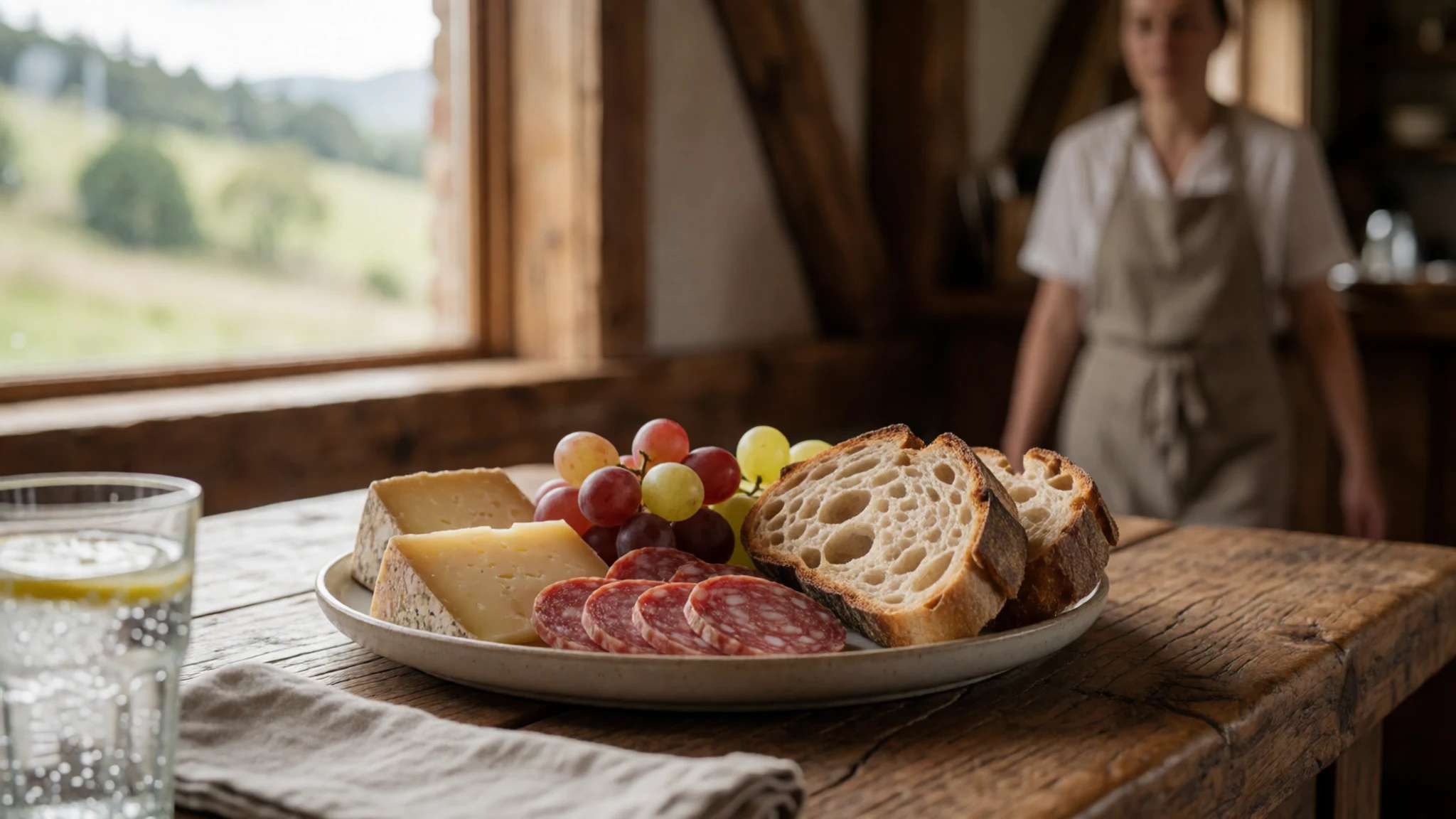
- Italian pasta and espresso — Carlton, Melbourne, in the cafes and trattorias
Carlton, a Melbourne neighbourhood with a long Italian presence, is the place for handmade pasta, strong espresso and sweet pastries. Cafes there fill at weekends, so go for a late breakfast on a weekday before the long drive towards the mountain.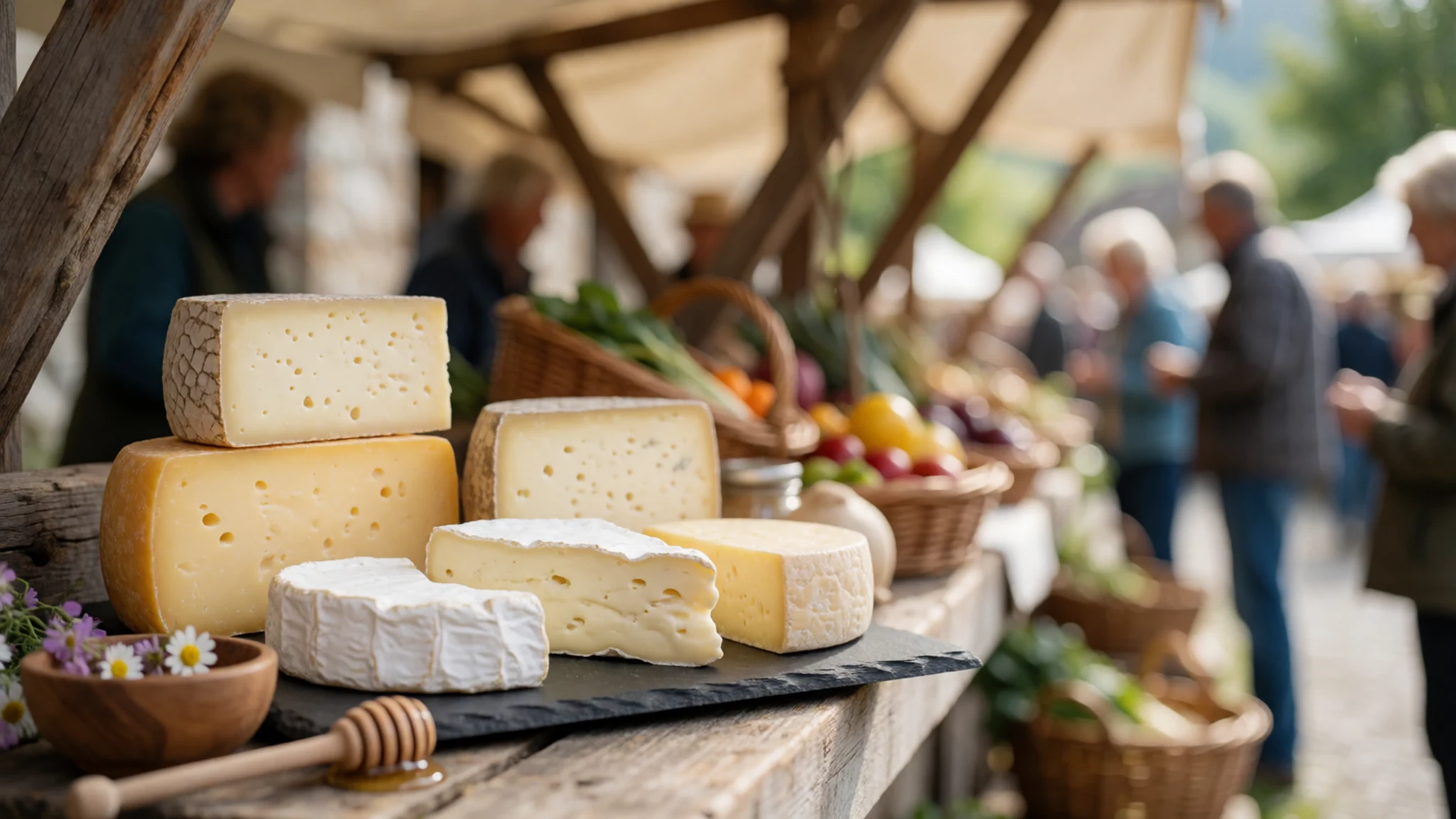
- Fresh coastal seafood — Apollo Bay and Port Fairy harbour-side eateries
Apollo Bay and Port Fairy, on the coast, serve fish and shellfish caught nearby, usually eaten at a harbour-side eatery with the sea in view. They lie on a different route from the park, so pair them with a Great Ocean Road trip rather than a mountain day. - Gippsland cheese and local meats — Farm shops and delis across Gippsland
Gippsland, in the state's east, is known for artisanal cheeses and locally raised meats. Look for them at farm shops, regional produce stalls and delis, and buy a picnic spread to carry up a mountain track or to a lookout. - Farm-to-table lunch with local wine — Winery restaurants in the Yarra Valley
In the Yarra Valley, many winery restaurants build a seasonal menu from nearby farms, matched with local wine. Expect a slow lunch of vegetables, cheese and roasted meat, and book ahead on weekends, when tables fill early. - Goldfields bakery pie — Town bakeries in the Goldfields region
Towns in the old Goldfields region keep traditional bakeries and cafes. A hot meat pie or sausage roll with a cup of tea is the classic, inexpensive fuel before a walk, and it travels well for a picnic at a lookout.
Plan it
Best time. November to March for walking, long days and cooler air on the plateau, though the valley towns can be hot; June to August for snow, when the park gets heavy winter precipitation and the road may need chains or close. Autumn is crisp and often clear.
How long. 1–2
Getting there. Fly to Melbourne, then drive roughly 350 km north-east through the foothill towns and up the winding mountain road; check the official site for road and snow conditions before leaving.
Budget. mid
Tips
- Check road, track and fire-danger notices on the official Parks Victoria page before you set out: https://www.parks.vic.gov.au/places-to-see/parks/mount-buffalo-national-park
- Book rooms in the valley towns early for school holidays and snow weekends, as there are no overnight stays at the Chalet
- Start walks like The Horn in the morning, carry water, and pack a warm layer even on hot days
- Do not bring fresh fruit, vegetables, plants, seeds or soil into Victoria; use the quarantine bins at entry points
- Fill the fuel tank and buy snacks in the towns below, as services on the mountain are limited
Etiquette
- Stay on marked tracks to protect heath and granite lichens
- Take all rubbish home and never feed wildlife
- Give way to uphill walkers and keep noise down at lookouts
Nearby
Sources
- Wikidata Q1165967 (CC0)
- Wikipedia: Mount Buffalo National Park (rev 1384052552) (CC BY-SA 4.0)
- Wikivoyage: Victoria (state) (rev 5327873) (CC BY-SA 4.0)
- Photo: Mt Buffalo Chalet (Percita) (CC BY-SA 2.0)
- Photo: View of the Mt Buffalo plateau (Zoltan Olah) (CC BY 3.0)
- Photo: Location map of Victoria, Australia (NordNordWest) (CC BY 3.0)
- Photo: Mount Buffalo Chalet, August 2018 (HiLo48) (CC BY-SA 4.0)
- Photo: The Horn (Percita Dittmar) (CC BY-SA 2.0)
- Photo: Mt Buffalo in winter, from Porepunkah (Michael Gorey) (CC BY 3.0)
- Photo: 132 Mt Buffalo, Jan 1979 (wilford peloquin) (CC BY 2.5)
- Photo: Aurora Australis from Mt Buffalo National Park (Pdubbin) (CC BY-SA 4.0)


Wildlife
- Bogong moth (animal)
The bogong moth is a night-flying insect that makes a great journey to the mountains and back each year, like a tiny traveller with wings. Where exactly at Mount Buffalo it appears is not certain, but in spring these moths head for the high Australian Alps, rest there through summer, then drift back towards lower breeding grounds in autumn. Look for them after dark. Keep your distance, stay quiet, join a guide if you can, and never handle or feed them.