Mount Augustus
Mount Augustus, Australia
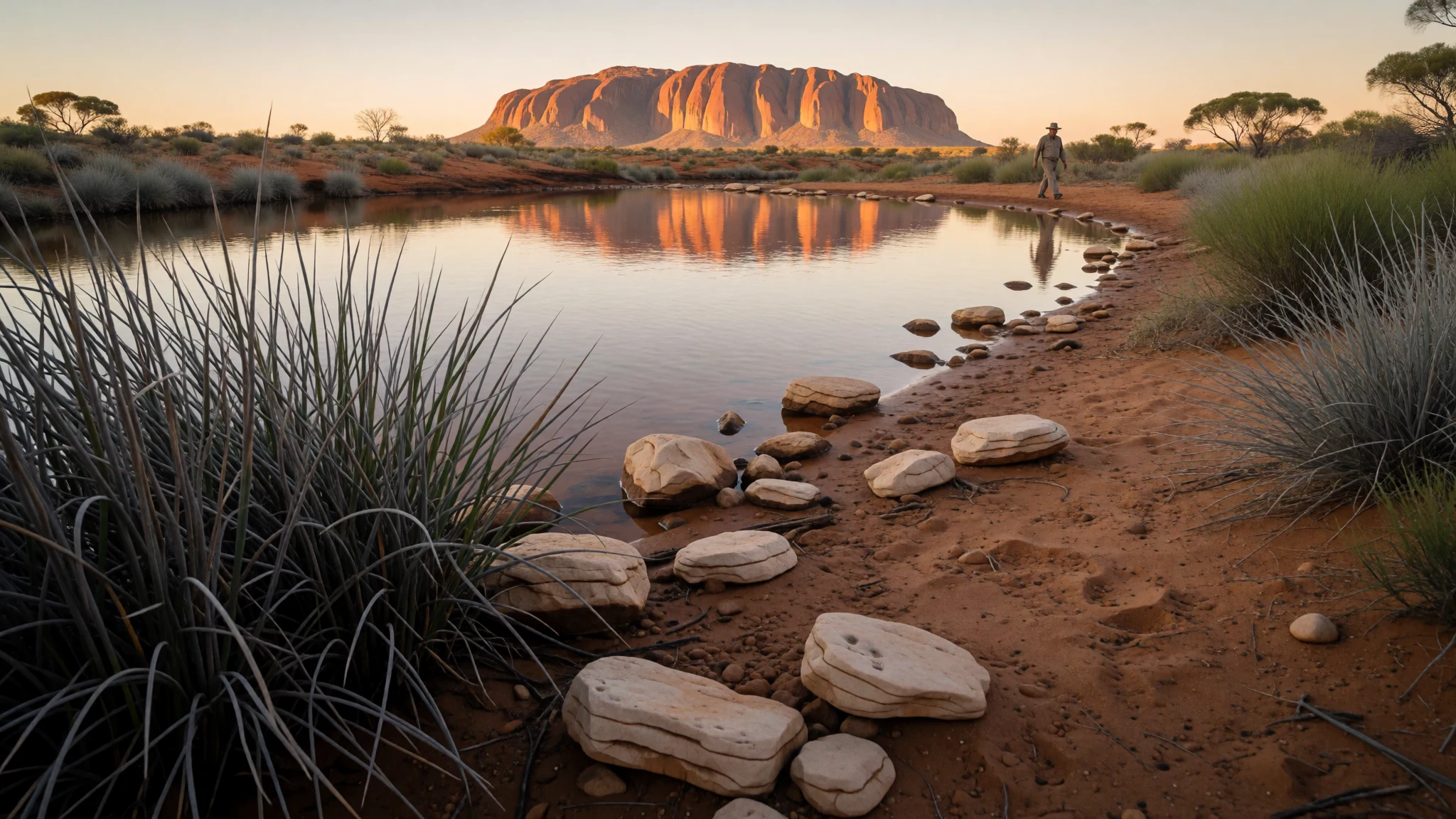
Mount Augustus is a vast rock rising alone from empty outback plain, a place for big skies, silence and long, slow days.
The place
Mount Augustus stands in inland Western Australia, roughly 1,000 km north of Perth, inside Mount Augustus National Park. The mountain reaches 1,106 metres above sea level, but the plain around it is already high, so the visible rise is about 860 metres. Geologists call a lone hill like this an inselberg, meaning island mountain, and the word fits. The country around it is flat, dry scrub, with no other peak in sight. The mountain covers about 4,795 hectares, and its central ridge runs for almost eight kilometres, so from a distance it looks less like a peak than a long, low whale lying on the land.
The name is shared with the neighbouring pastoral lease, Mount Augustus Station, which is still working cattle country. The Wadjari people know the mountain as Burringurrah, and it has been a sacred place for thousands of years.
This is not a place to pass through on the way to somewhere else. The nearest big city is a very long drive away, and most of the state's two million people live in the south-west corner. Out here, mining camps and cattle stations are thinly spread, and a visitor can easily be alone for a hundred miles. That emptiness is much of the appeal. It also means petrol, water and food must be planned well before arriving, and the heat deserves respect for most of the year.
Its story
Mount Augustus carries two stories, one very old and one comparatively recent. The older belongs to the Wadjari people, who call the mountain Burringurrah. In their account, Burringurrah was a boy who broke the law of his people and was punished with spears. His body became stone, and the long ridge is understood as his shape lying on the land. The story is not a curiosity. It ties the mountain to rules about behaviour and belonging, and the Wadjari have kept it alive for thousands of years.
The second story is about land use. Pastoralists took up the surrounding country, and the station that shares the mountain's name is a reminder that cattle ranching came to this dry interior and stayed. Later, part of the area was set aside as a national park, so visitors now arrive as walkers, campers and photographers rather than stockmen.
The two stories do not always sit comfortably together. Across Western Australia, mining and native land titles remain a sore subject. Consultation with Indigenous landowners has often been poor, and sacred sites have been destroyed, among them Juukan Gorge, a 40,000-year-old gorge blown up by Rio Tinto in 2020. Knowing that history changes how a visitor looks at Mount Augustus. It is a national park, a cattle landscape and a living sacred site all at once, and the third of those came first.
What to see
- The summit walk — Mount Augustus National Park
The marked route to the top of Mount Augustus is a demanding day walk on bare rock, with little shade and a steep final climb. Walkers who set off at first light are rewarded with a view across an enormous flat plain. Take far more water than seems sensible and turn back if the heat builds.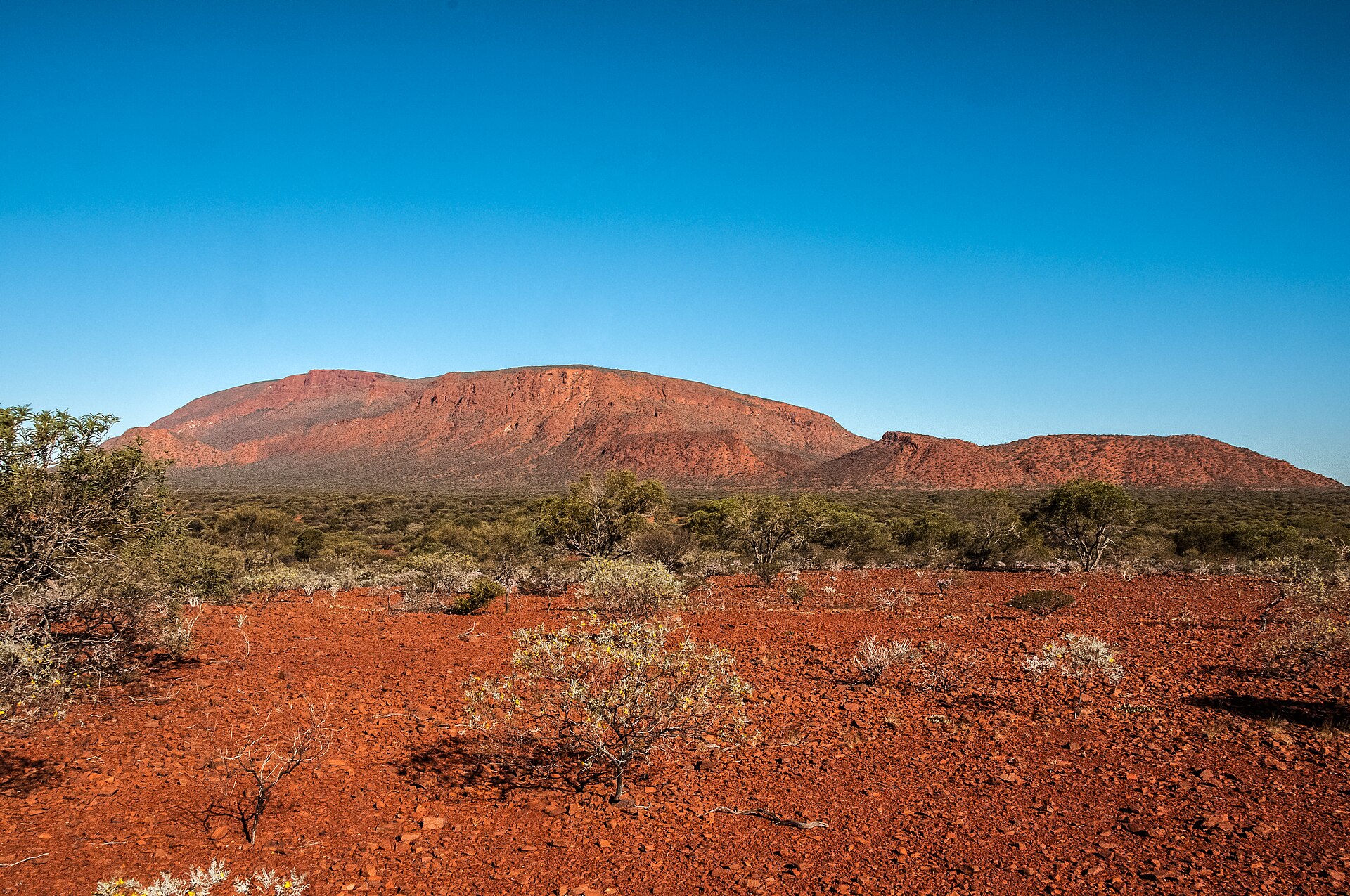
- Cattle Pool — Near Mount Augustus National Park
Cattle Pool is a waterhole from which the whole mountain can be seen across open country. It is a calm spot for a picnic or a slow afternoon, and the long panorama shows how the ridge dominates the horizon. Birds gather at the water, and the light turns warm and red towards evening.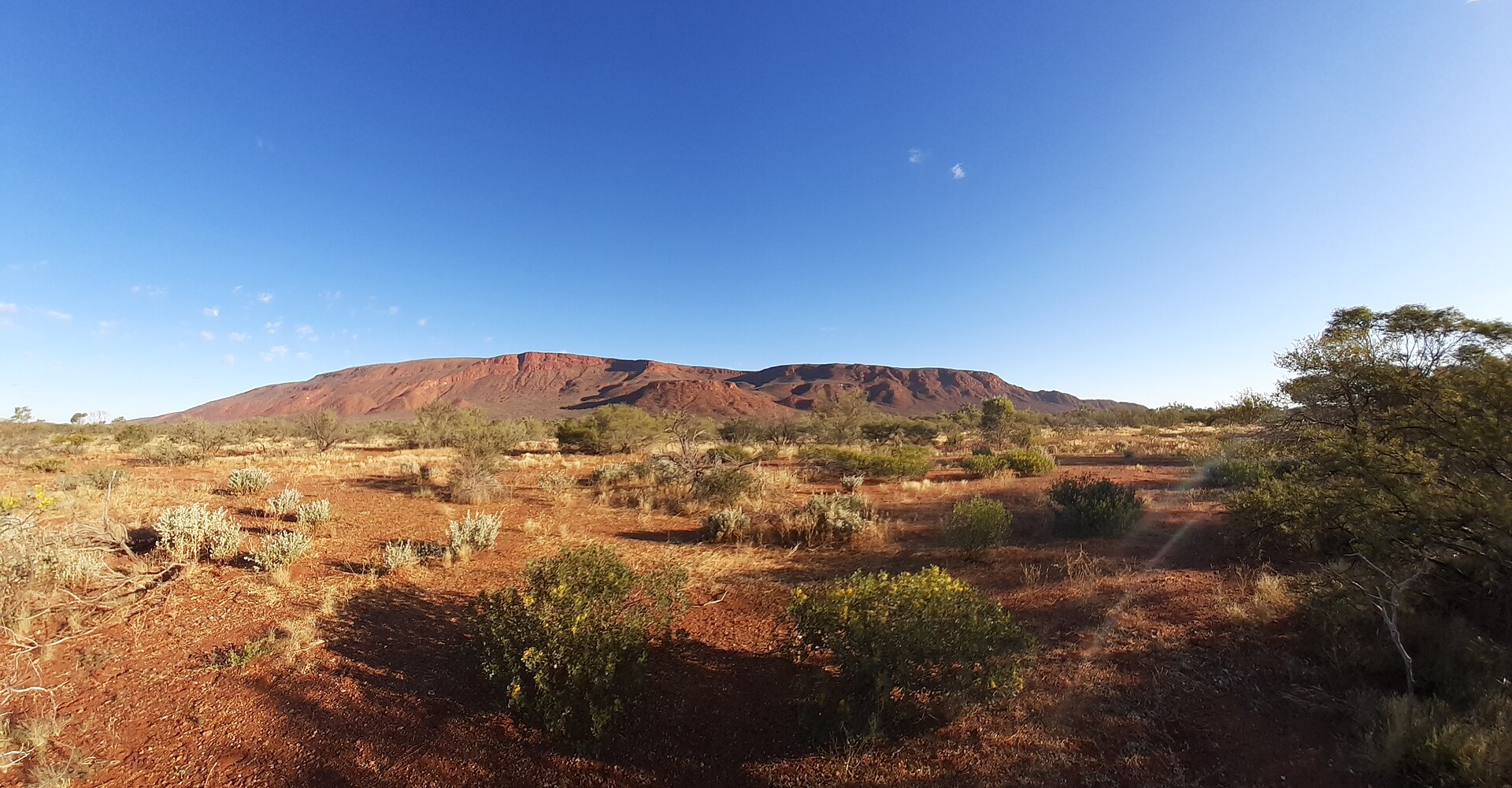
- A drive around the base — Around the base of the mountain
Unsealed tracks run round the foot of the mountain, so a vehicle gives a sense of its scale that no single viewpoint can. The profile changes with every bend, from a smooth dome to a jagged ridge. Check road conditions locally before setting out, as rain can close the tracks.
- Sunrise from the tourist park — Mount Augustus Tourist Park
The tourist park near the mountain offers camping, and its great advantage is the view. Just after dawn, the rock glows in deep orange light while the plain is still cool and quiet. It needs no hiking at all, only an early alarm and a warm layer in winter.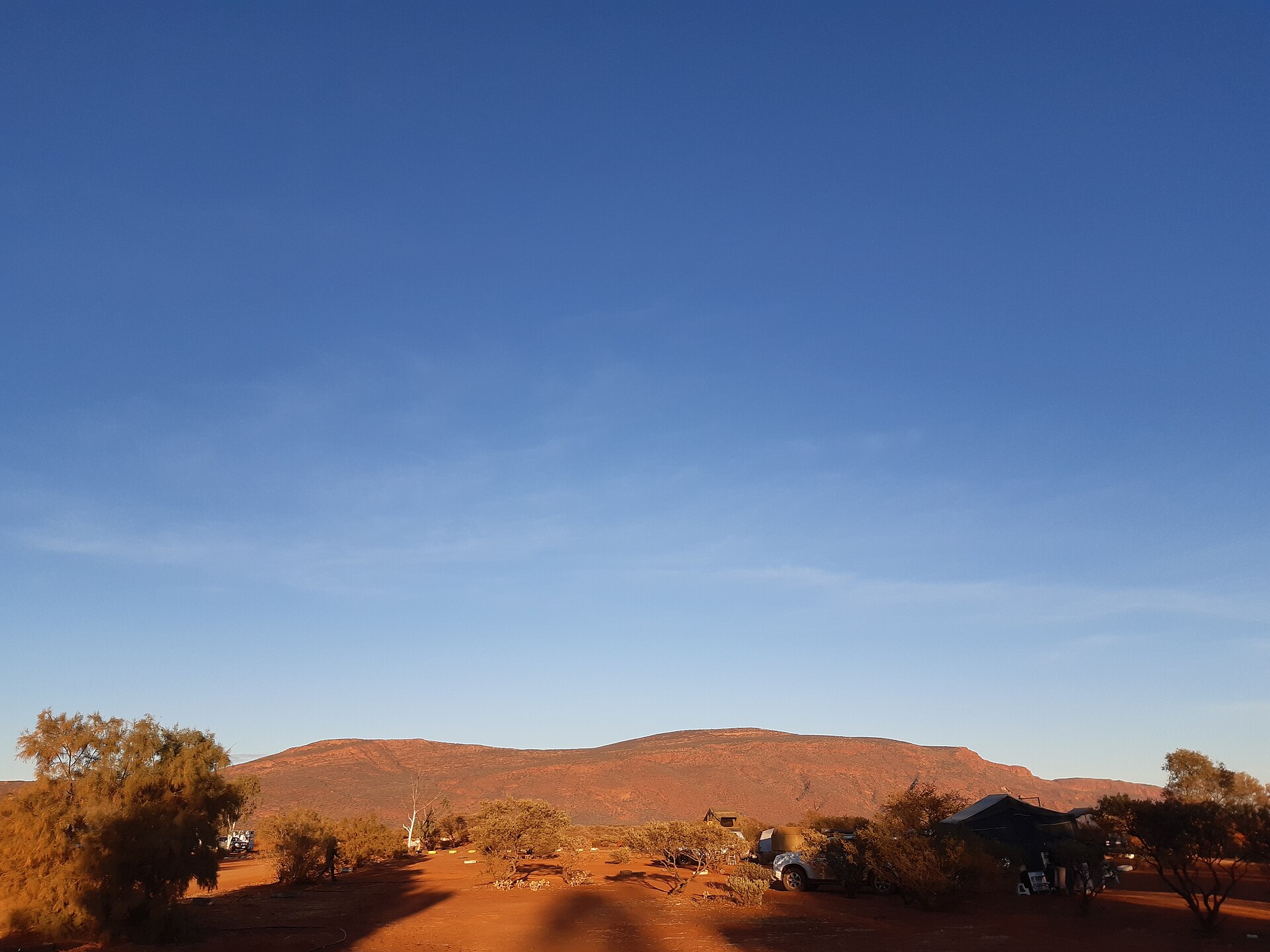
- The park entry and its signs — Eastern entrance to the national park
The eastern entry sign marks the point where station country becomes national park. It is a useful place to stop, read the notices and check the rules on camping, fires and walking. Rangers and information boards also explain the Wadjari connection to the mountain, which is worth understanding before any climbing.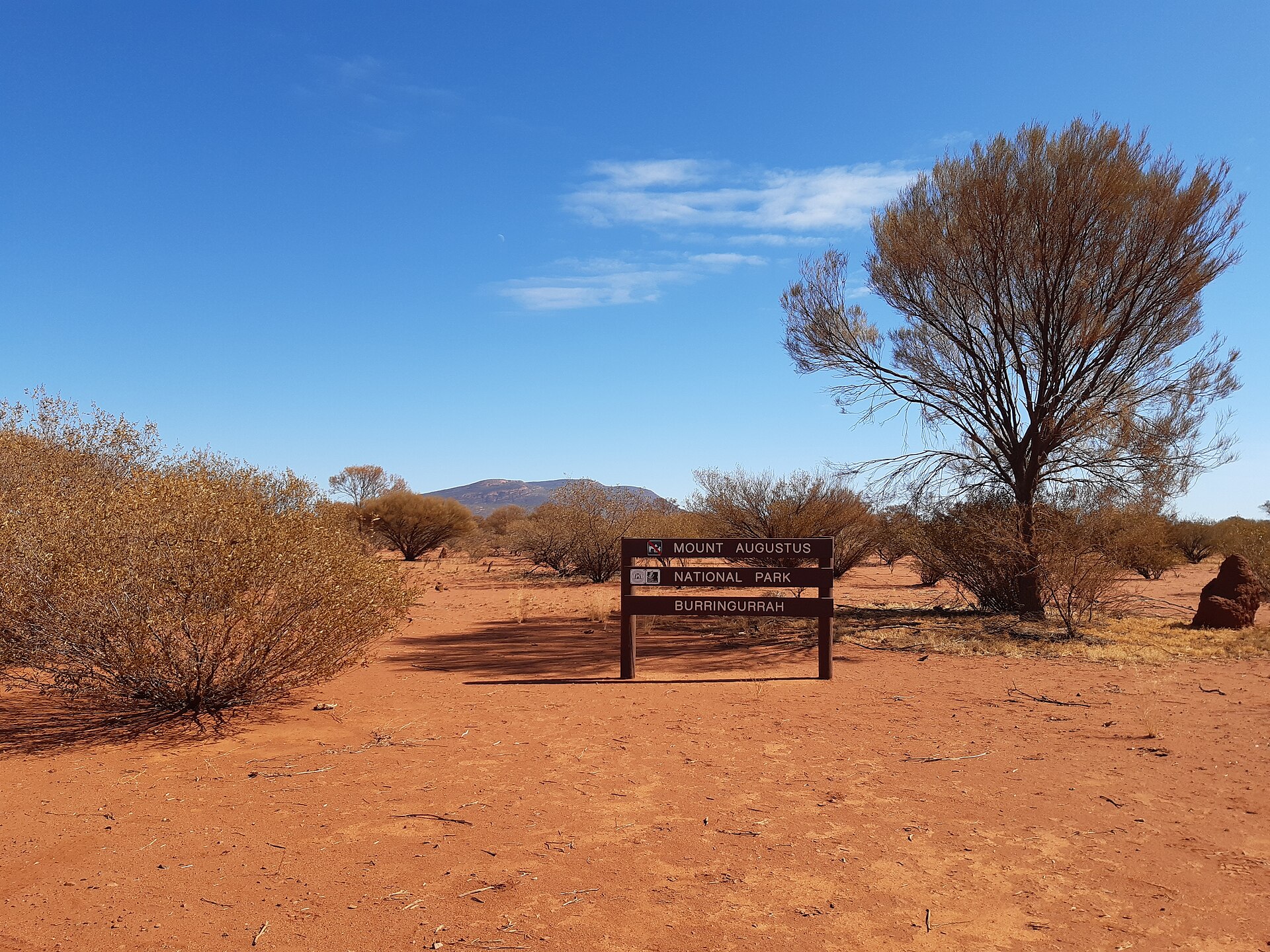
- The night sky — Anywhere in or near the park
Mount Augustus lies far from any city, so after dark the sky is dense with stars and the Milky Way is easy to see with the naked eye. Nothing is needed beyond a warm jacket, a camp chair and a clear night. The mountain itself becomes a black shape against the stars.
Culture
Mount Augustus belongs, first of all, to the Wadjari people, who call it Burringurrah and have honoured it as sacred for thousands of years. For them it is a living story, not a scenic backdrop, and the way a visitor behaves on and around it matters.
The wider region shows why that matters. Western Australia's economy is driven largely by mining, yet the lack of proper consultation with Indigenous landowners has led to many sacred sites being destroyed. Juukan Gorge, a 40,000-year-old gorge, was blown up in 2020. Debates about land, renewable energy and coastal conservation all carry the same tension. A visitor can contribute by listening, reading the park's interpretive signs and choosing tour operators who work with the traditional owners.
Daily life nearby revolves around the cattle station, the park and a very small number of visitor services. Distances are huge, neighbours are far apart and people tend to be practical and direct. Self-reliance is the norm. Help is available, but it can be hours away, and locals expect visitors to carry spare fuel, water and a plan.
The drinking age across Australia is 18, and alcohol is usually bought in towns before the long drive, since supplies near the mountain are limited. Evenings are usually spent around a campfire, where conversation and stargazing take the place of entertainment.
Keep to the marked tracks and trails, and do not photograph or climb on any area that signs mark as culturally restricted.
What to wear
Mount Augustus sits in Wadjari country, where traditional dress was shaped by an arid climate. Aboriginal people of the inland west historically wore little in the heat, using belts of twisted hair or plant fibre and cloaks of animal skin against winter cold. Ochre and pattern were applied to the body for ceremony, with designs carrying meaning that belongs to the people who hold it. Specific ceremonial dress is for community members to explain, so it should not be assumed or imitated, and it should not be photographed without permission.
What people wear now is entirely practical. Station hands and locals favour long-sleeved cotton work shirts, tough jeans or work trousers, wide-brimmed hats and sturdy boots, with a fleece or jacket for cold winter mornings. Flip-flops and shorts are common around camp, but anything for the paddocks or tracks is covered up for sun and thorns.
Visitors should dress for sun, dust and rock. A wide-brimmed hat, sunglasses and high-factor sunscreen are essential, along with light, loose, long-sleeved cotton or quick-dry layers. Closed shoes with good grip are needed for the rock, and proper walking boots for the summit climb. Winter nights and early mornings can be cold, so a warm layer is worth packing. There are no dress rules for the park, but modest, practical clothing suits a place that is both a wilderness and a sacred site.
What to eat
- Roadhouse burger — Roadhouses on the highways into the region
Roadhouses along the long drives in serve sandwiches, burgers and sometimes hot cooked meals. They are the realistic fuel stop in this part of the state, plain and filling, and often the last proper meal before the track to the mountain. - Pub dinner — Pubs in towns before the final stretch
In most inland towns, the local pub can be relied on for an evening meal, typically grilled meat or fish with chips and salad. It is simple food, but a welcome change after days of camp cooking and a good place to hear local road advice. - Camp-oven cooking — Campsites near the mountain
Away from the towns, self-catering is the rule, and many visitors cook stews and roasts in a cast-iron camp oven over coals. It suits the setting, with the mountain turning red in the dusk. Check fire restrictions first, as they apply in the dry season. - Damper — Campfires at the tourist park or park campsites
Damper is a plain bush bread of flour, water and salt, baked in the embers of a campfire. It is eaten warm with butter or jam, and it is easy to make with a few basic supplies and a bit of patience. - Marron — Restaurants and farms in the south-west
Marron is a freshwater crustacean with delicate meat, found much farther south in the state. Restaurants serve it in season, and it is best boiled simply. A fishing licence is needed to catch it, though farms sell it frozen or live.
Plan it
Best time. May to September, the cooler dry months, when walking is realistic and nights are good for stargazing. Summer is extremely hot and best avoided, especially for the summit walk.
How long. 2–3
Getting there. Perth is the sole gateway in the state offering direct international connections; from there, expect a 1,000 km drive northward over long stretches of paved road that transition into unsealed tracks for the final leg. A sturdy vehicle, spare fuel and an overnight stop on the way are sensible.
Budget. mid
Tips
- Carry far more water than seems necessary, plus spare fuel, food and a basic repair kit, as services are very far apart.
- Start the summit walk at first light, and turn back if the heat builds or the water runs low.
- Book camping or tourist-park accommodation early for winter, when it is busiest, and check the official park pages for conditions.
- Download maps before leaving, as mobile coverage is patchy or absent.
- Check road conditions locally after rain, since unsealed tracks can become impassable.
Etiquette
- Keep to marked tracks and respect any signs marking culturally sensitive areas.
- Take all rubbish with you and follow fire restrictions strictly.
- Ask before photographing local people or Aboriginal cultural material.
Nearby
Sources
- Wikidata Q1753878 (CC0)
- Wikipedia: Mount Augustus (Western Australia), rev 1351171629 (CC BY-SA 4.0)
- Wikivoyage: Western Australia, rev 5395173 (CC BY-SA 4.0)
- Photo: Mount Augustus, Graeme Churchard (CC BY 2.5)
- Photo: Mount Augustus National Park eastern entry sign, Calistemon (CC BY-SA 4.0)
- Photo: Mount Augustus panorama from Cattle Pool (01), Calistemon (CC BY-SA 4.0)
- Photo: Mount Augustus panorama from Cattle Pool, Calistemon (CC BY-SA 4.0)
- Photo: Mount Augustus Tourist Park (02), Calistemon (CC BY-SA 4.0)
- Photo: Mount Augustus Tourist Park (03), Calistemon (CC BY-SA 4.0)
- Photo: Mount Augustus Tourist Park (04), Calistemon (CC BY-SA 4.0)
- Photo: Mount Augustus (cropped), Graeme Churchard (CC BY 2.5)


