Mkhaya
Mkhaya, Eswatini
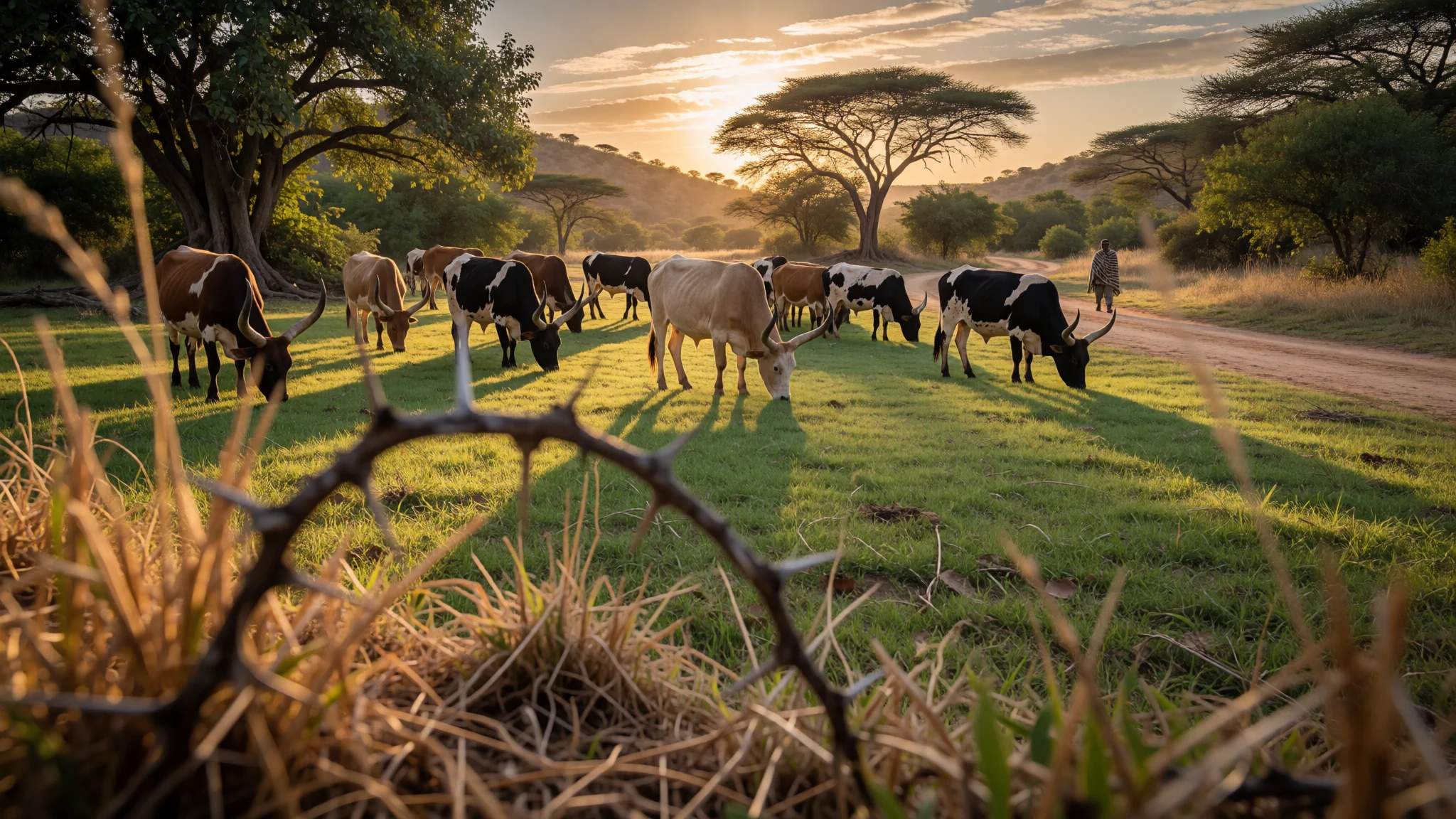
Mkhaya is a guided, gate-free reserve in southern Eswatini where rhino, elephant and a rescued herd of Nguni cattle share the bush.
The place
Mkhaya Game Reserve lies in southern Eswatini, off the MR8 road, and it runs on different lines from most African parks. There is no gate, no reception building and no car park full of hired vehicles. Visitors meet a guide at a small pickup point in the village of Phuzumoya, leave their own vehicle behind, and travel into the reserve on the reserve's own transport. A river separates the village from the bush, and after rain it can rise too high to cross by vehicle. On those days the guide leads the group on foot over a nearby railway bridge. That slightly awkward start sets the tone: the reserve is small in scale, managed by Big Game Parks, and built around guided time rather than self-driving. The country is low, warm bushveld, with thorn trees, riverine woodland and open glades that turn green after the summer rains. Wildlife is the draw, and the list reads like a conservation checklist: black rhino, white rhino, elephant, roan and sable antelope, tsessebe, and the Nguni cattle that started the whole project. Sightings are never guaranteed, and animals tend to rest in the heat of the day. Cost deserves a plain mention. Overnight stays are expensive by local standards and cottages must be booked before arrival. Day tours with a guided drive and lunch exist for those who cannot stay, but the guided walks are kept for overnight guests.
Its story
Mkhaya Game Reserve began in 1979, and the animal it was meant to save was a cow. Nguni cattle, the hardy, many-coloured herds that have long grazed southern Africa, were under pressure, and the pure type was in danger of disappearing. The reserve was set up as a refuge where the original line could be kept intact. Cattle in this part of the continent are more than livestock. They carry weight in marriage, ceremony and family standing, so protecting the breed was also a way of protecting a piece of living culture. Over the following years the purpose widened. Land that could shelter a rare herd could shelter other threatened animals too, and the reserve took in black rhino, white rhino, elephant, roan and sable antelope and tsessebe, species that had become scarce or locally lost in Eswatini. Big Game Parks, which looks after other protected areas in the country as well, manages it as a proclaimed nature reserve. The widening shows in how the place feels today: part cattle sanctuary, part rhino and antelope refuge. Guarding rhino is a constant and costly task, which helps explain the controlled access and the lack of a public gate. The Nguni herd is still there, and a visit that looks only for rhino misses the idea the reserve was founded on.
What to see
- The Nguni cattle — Mkhaya Game Reserve
The herd that gave Mkhaya its reason to exist is worth a slow look. Coats vary widely, from solid colours to patches of brown, white and black. Guides can explain why the breed suits dry, thorny country and why it matters to families across Eswatini and its neighbours.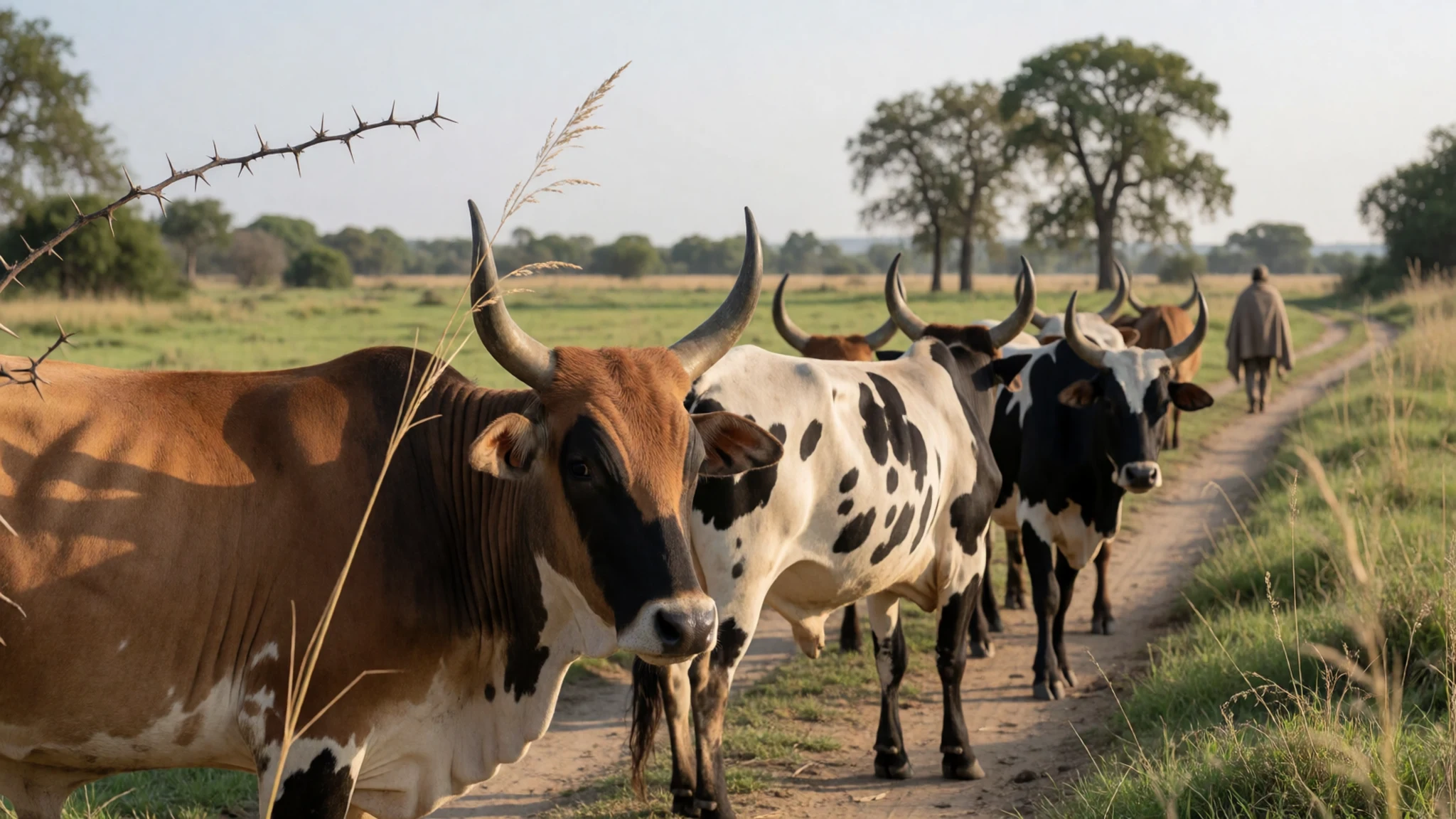
- Guided jeep safari — Mkhaya Game Reserve
The main way to see the reserve is a guided drive on the reserve's own vehicles, arranged before arrival. Early morning and late afternoon give the best chance of rhino, elephant and antelope on the move. Day visitors and overnight guests can both book drives, with lunch included on day tours.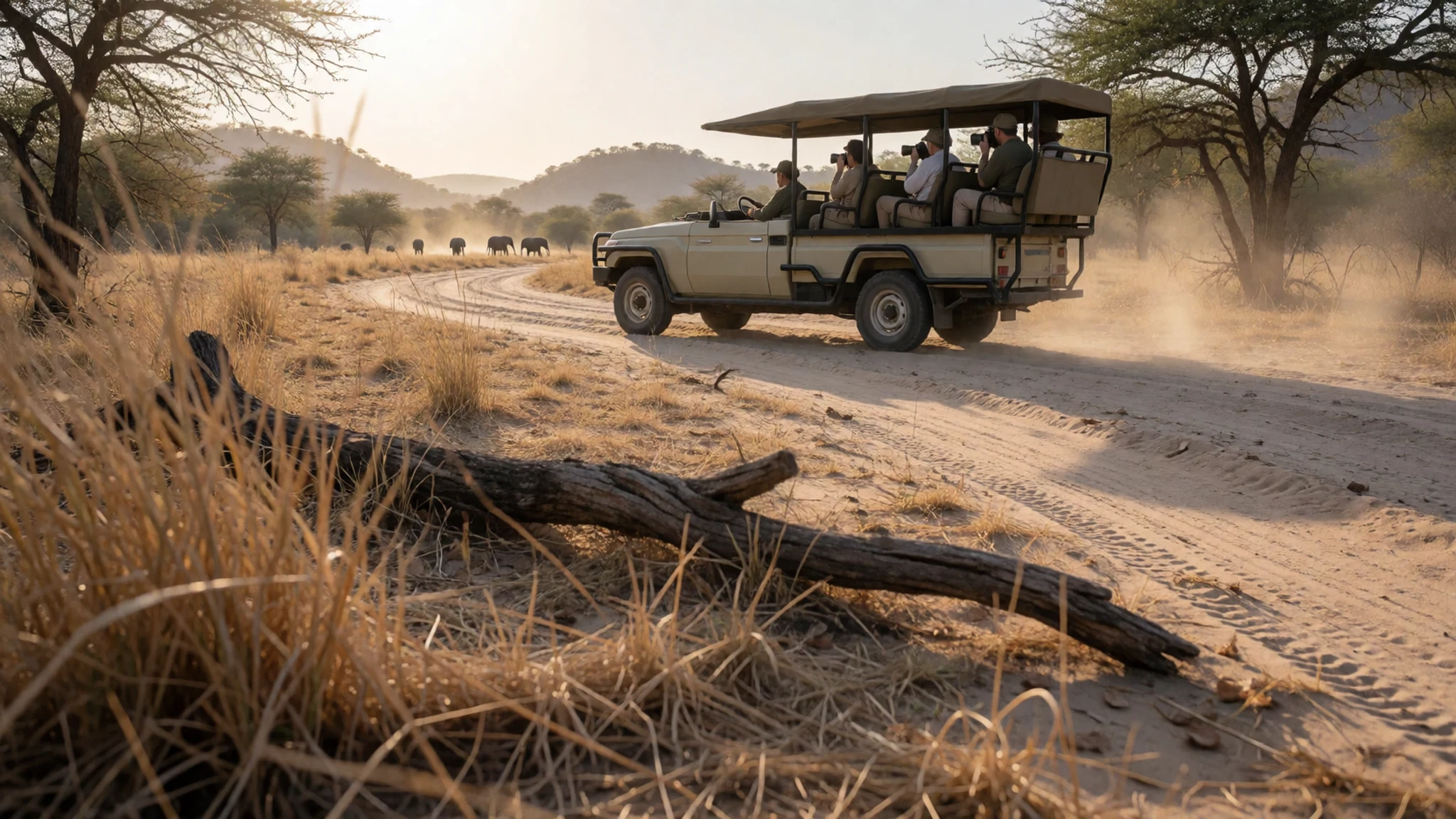
- Guided walks — Mkhaya Game Reserve
Walking with a guide changes the scale of the bush: tracks, dung, bird calls and the smell of crushed leaves become the story. Walks are open only to people staying overnight in the reserve, so they need planning at the booking stage. Follow the guide's instructions about distance and silence.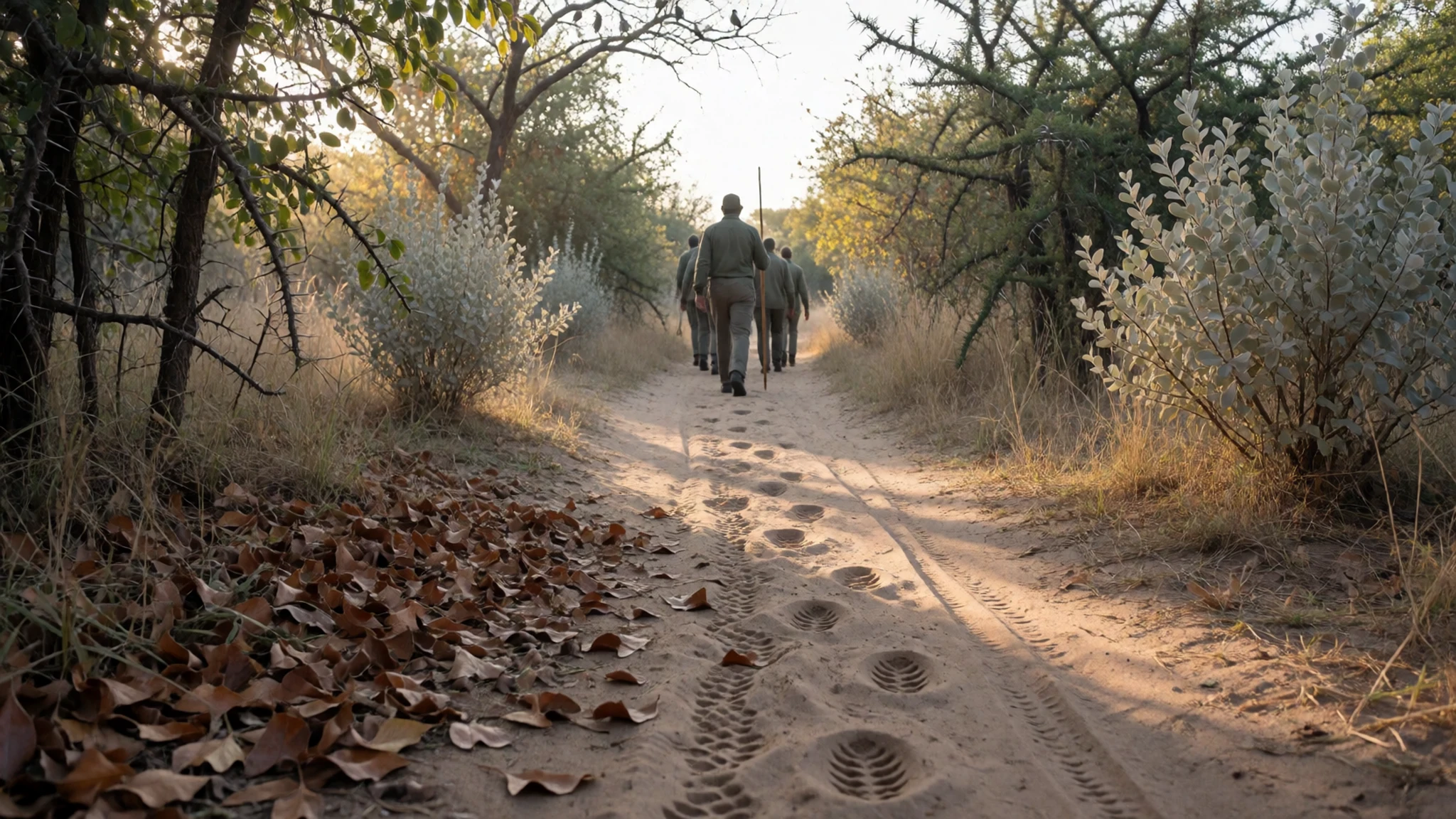
- Rhino and antelope viewing — Mkhaya Game Reserve
Black and white rhino are the headline species, but roan, sable and tsessebe reward patience too, as these antelope are scarce across much of the region. Binoculars help. Guides read the land and decide where to look, so sightings vary from day to day and season to season.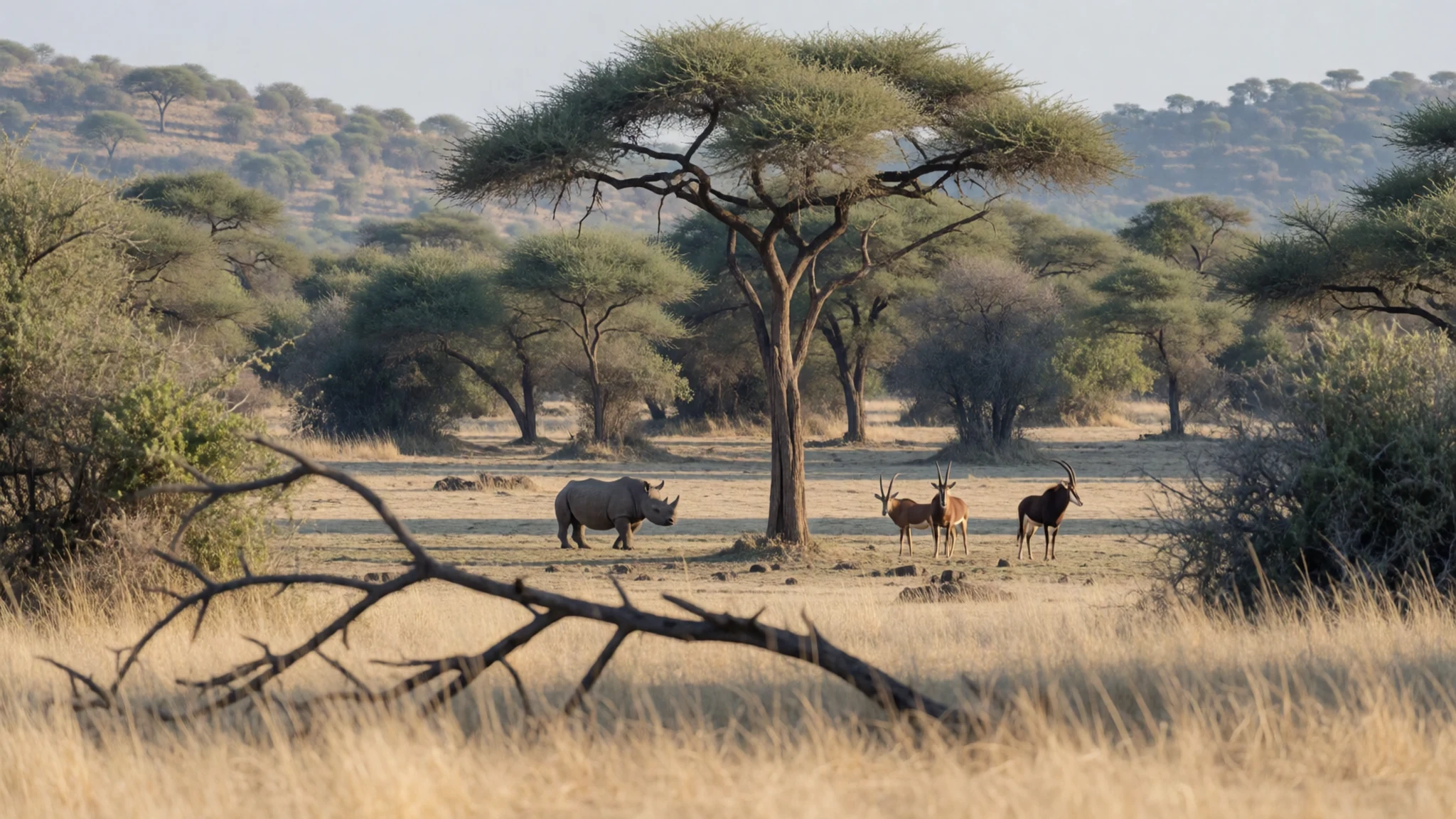
- The river crossing and railway bridge — Near Phuzumoya village
Getting in is part of the visit. The reserve lies across a river that sometimes floods after rain, and when it does the guide walks the group over a nearby railway bridge instead. It adds a little adventure, so pack light and wear shoes that cope with gravel and sleepers.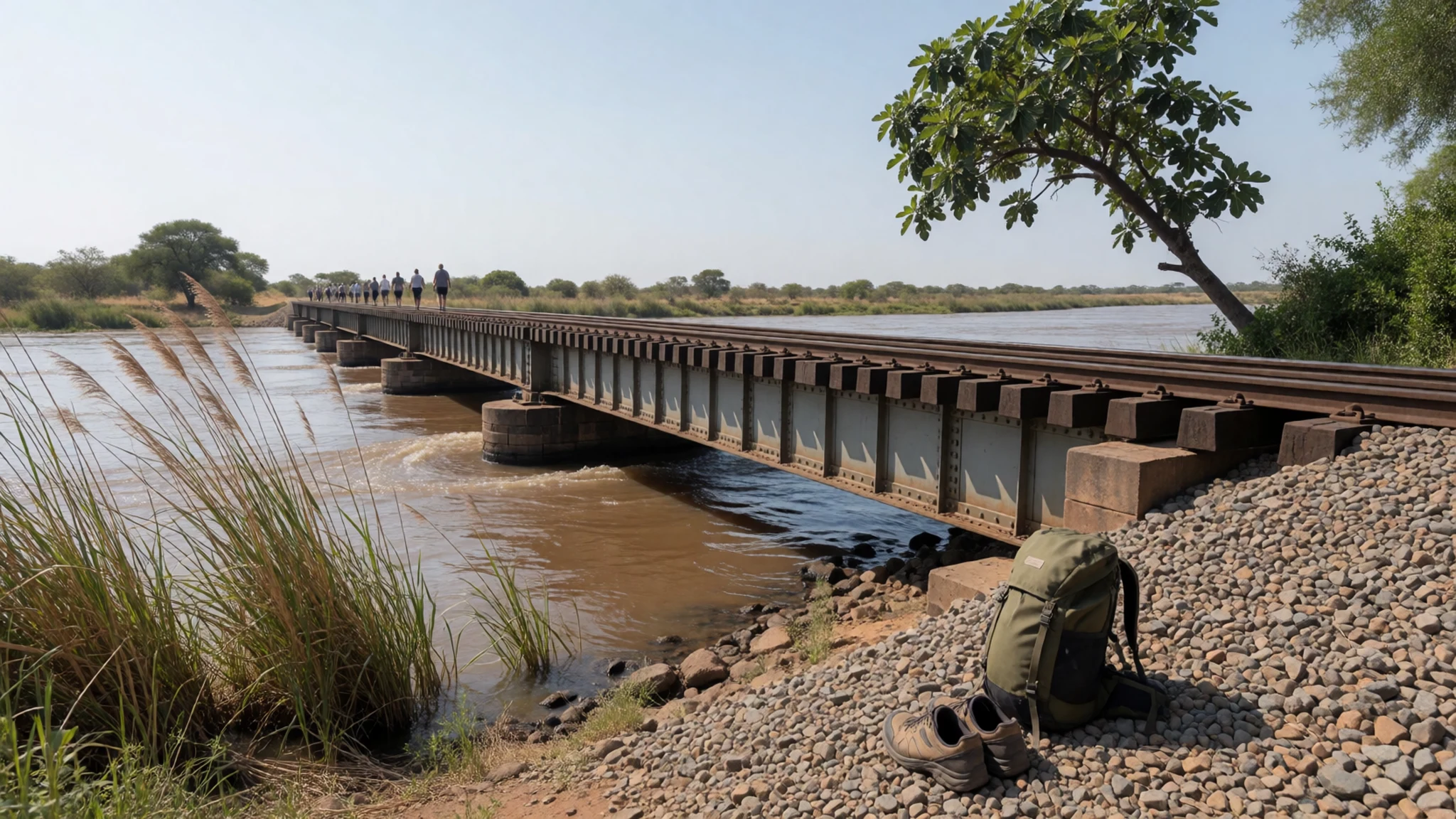
Culture
Mkhaya sits in a country with a living monarchy and strong customs, and the reserve cannot be separated from that setting. Eswatini's people are the Swazi, and cattle remain a measure of wealth, a gift at weddings and a part of ceremony. That is why a reserve founded to save a cattle breed makes cultural as well as ecological sense. The two best-known national ceremonies, the Incwala and the Umhlanga reed dance, are tied to the royal calendar and draw crowds from across the country. They are not staged for tourists, and dates and access are set locally, so anyone hoping to attend should ask a reputable guide or the tourism office well ahead. Day to day, life around Phuzumoya is rural and unhurried. Homesteads, small shops and railway lines share the same landscape as the reserve, and the guides are usually local people with deep knowledge of animals and plants. Conversations tend to begin with a proper greeting, and rushing past it reads as rude. The common greeting is sawubona, said to one person, and a handshake often follows. Visitors who take a little time over this usually find that guides and villagers open up. When passing homesteads or meeting people in Phuzumoya, greet them with a sawubona and ask before photographing anyone.
What to wear
Mkhaya is a bush reserve, but the clothes of Eswatini are part of the picture. Traditional Swazi dress centres on cloth wraps. Women wear emahiya, large printed cotton cloths tied at the shoulder or waist, and men wear the lihiya, a similar wrap, often in bold checks or bright colours. For ceremonies such as the reed dance, young women add beadwork, tassels and sashes, and men may wear animal skins and feathers according to occasion and rank. Everyday dress today is much like elsewhere in southern Africa: jeans, T-shirts, school uniforms, work overalls and church clothes on Sundays, with traditional wraps worn at home and at family or royal events. Visitors should dress for heat, dust and thorn. Lightweight long trousers and long-sleeved shirts in muted greens, browns and khaki protect against sun and scratches and do not startle animals. A wide-brimmed hat, sunglasses and sunscreen are sensible, and a fleece or jacket helps on winter mornings when open vehicles are cold. Closed, comfortable shoes are better than sandals, especially for guided walks and the possible walk over the railway bridge. In villages, shoulders and knees covered is the polite default, particularly for women, and beachwear belongs at the pool rather than the shop.
What to eat
- Sishwala with relish — Local eateries in Manzini and village homes
Sishwala is stiff maize porridge, the everyday staple of Eswatini, eaten by hand with a relish of meat, greens or beans. It is filling, plain and good with strong flavours. Try it at a local eatery in Manzini or on a home-cooked table.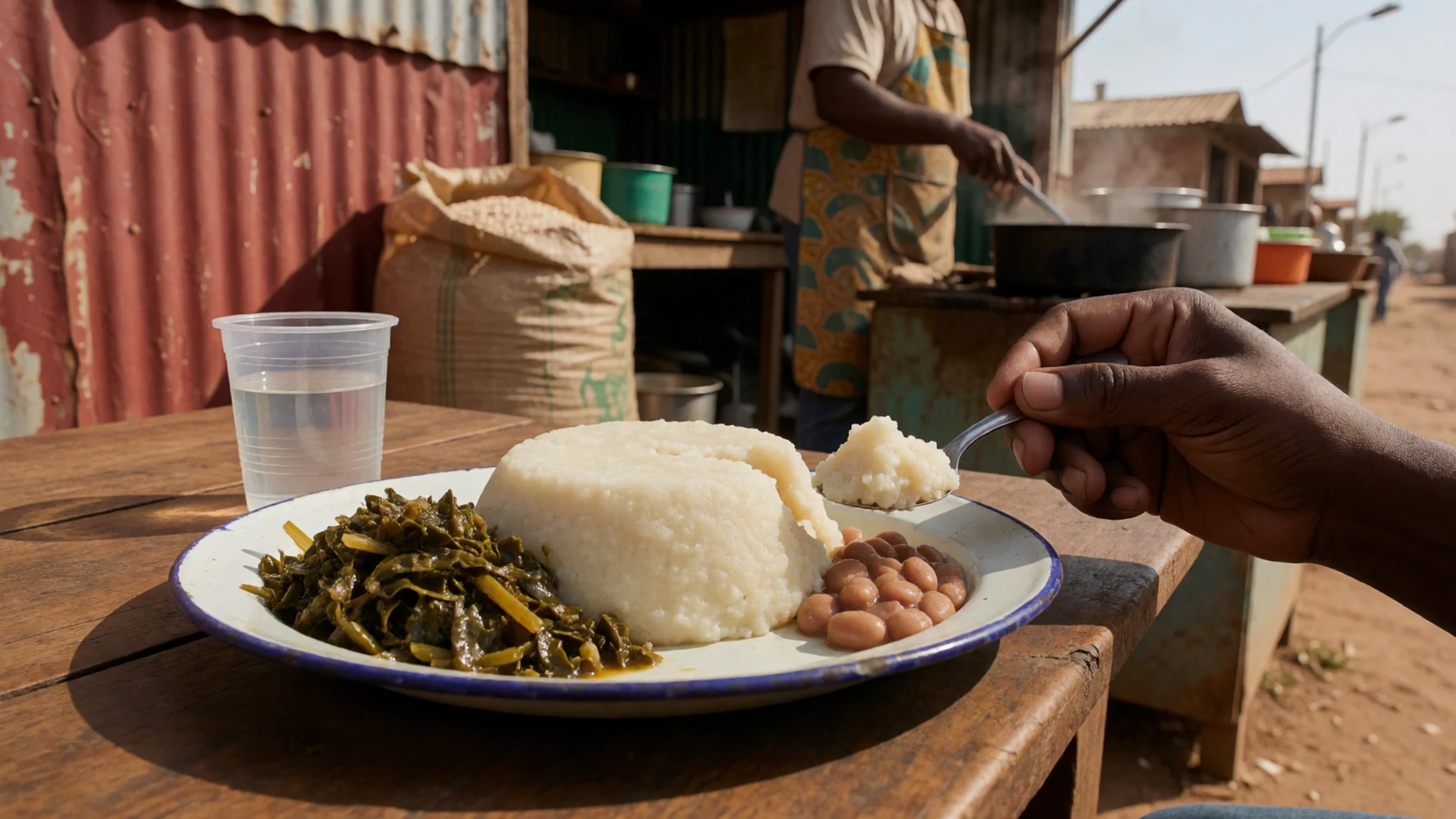
- Braai — Lodges, camps and family gatherings
Grilled meat over open coals is the social centre of many meals in southern Africa, usually with maize porridge and a tomato-and-onion sauce. Beef and boerewors sausage are common. Camps and lodges near the reserve often serve a braai in the evening.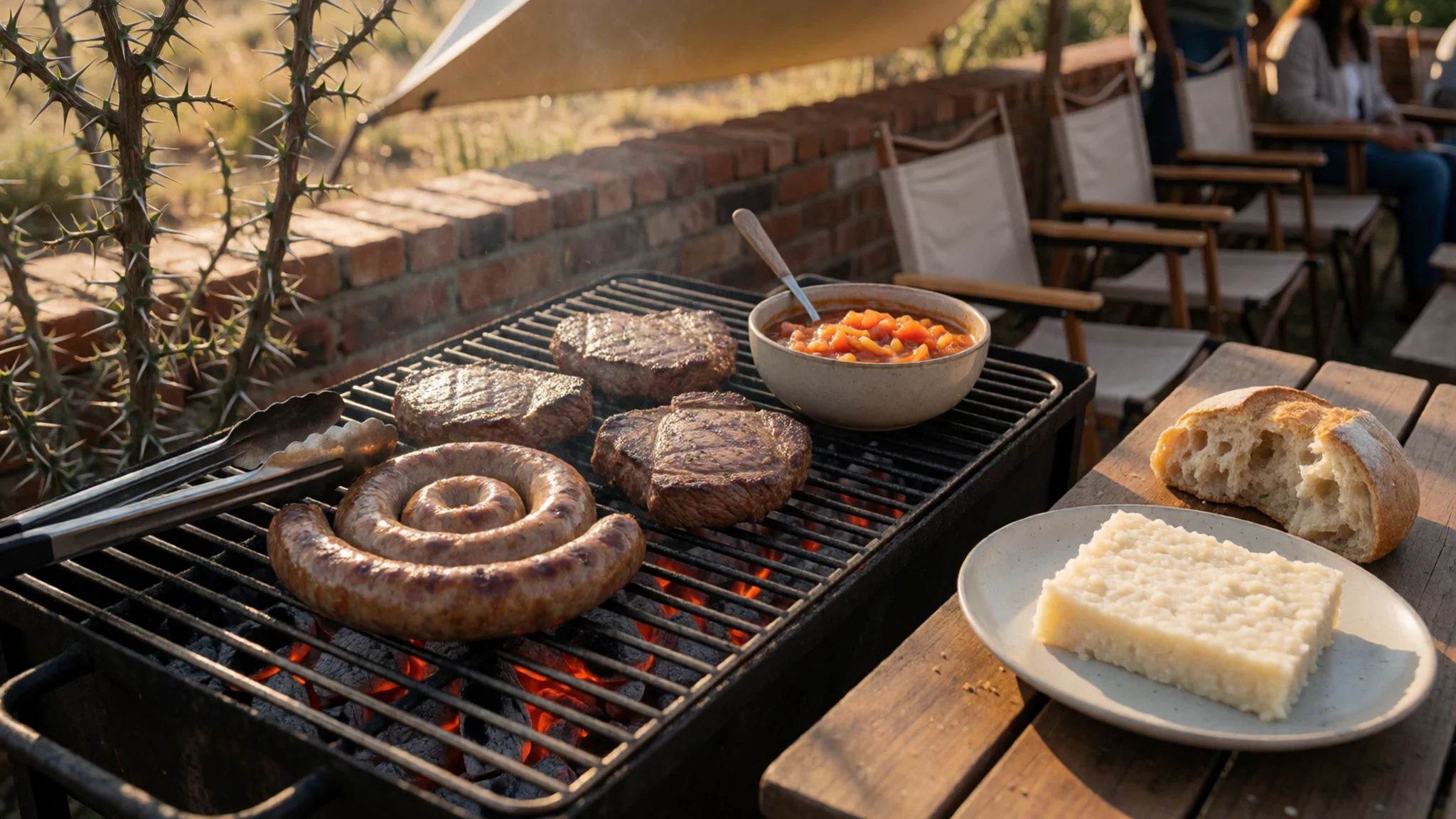
- Tinkhobe — Home kitchens and markets near Manzini
Tinkhobe is boiled maize kernels cooked slowly with beans, soft, earthy and often seasoned lightly. It is home food more than restaurant food, so ask at a market stall or a guesthouse that cooks local dishes. - Emasi — Rural homesteads and village shops
Emasi is soured milk, thick and tangy, traditionally drunk or eaten with porridge. Since cattle matter so much here, it feels fitting beside Mkhaya. The taste is sharp, so take a small portion at first. - Dried and cured meat — Butchers and markets in Manzini
Strips of dried meat, similar to biltong, are a common snack for long drives and bush days. Beef and game are usual. Buy from a butcher or market stall and keep it in a bag with the rest of the picnic.
Plan it
Best time. May to September is the dry winter, when the grass is lower, animals gather near water and days are mild; mornings in open vehicles can be cold. October to March is hot and wet, with greener bush but a higher chance of the river flooding and cancelling vehicle access.
How long. 1–2
Getting there. Fly to Eswatini's international airport or reach the country by road from South Africa, then go to Manzini and take the MR8 road to the village of Phuzumoya. Look for the small yellow grocery store with Mkhaya signs, which is the pickup point. Vehicles do not enter the reserve, so the car stays in the village.
Budget. high
Tips
- Book through Big Game Parks before arrival: the reserve has no reception office, and cottages and day tours must be arranged in advance.
- Confirm pickup times when booking, and arrive at Phuzumoya early, since the pickup point is a roadside shop rather than a gate.
- After heavy rain, ask about the river crossing and be ready to walk over the railway bridge with the guide.
- Carry water, sun protection and binoculars, and bring cash for small purchases in the village.
- Stay in a guesthouse or backpackers in Manzini if the reserve's overnight rates are too high.
Etiquette
- Follow the guide's instructions on distance from rhino and elephant, and keep voices low on drives and walks.
- Greet people in Phuzumoya with sawubona and ask before taking photographs of anyone.
- Take all rubbish away and stay inside vehicles unless the guide says otherwise.
Nearby
Sources
- Wikidata Q6885481 (CC0)
- Wikipedia: Mkhaya Game Reserve (rev 1378372760) (CC BY-SA 4.0)
- Wikivoyage: Mkhaya Game Reserve (rev 4992484) (CC BY-SA 4.0)
- Nguni Cattle, Justinjerez (CC BY 3.0)
- Map of Eswatini with regions colour coded, User:(WT-shared) Burmesedays, Perry-Castañeda Library Map Collection (CC BY 3.0)
- Mkhaya Game Reserve banner Nguni cattle, Justinjerez (CC BY 3.0)


Wildlife
- Black rhino (animal)
Think of the black rhino as a big grey-brown giant with a hooked lip, whose name is a bit of a fib, because its colour runs from brown to grey. It is one of the stars of Mkhaya's wildlife, and it is native to Eswatini as well as many other countries of East and Southern Africa. Our notes do not say which season or hour suits it best, so ask at the reserve when you arrive.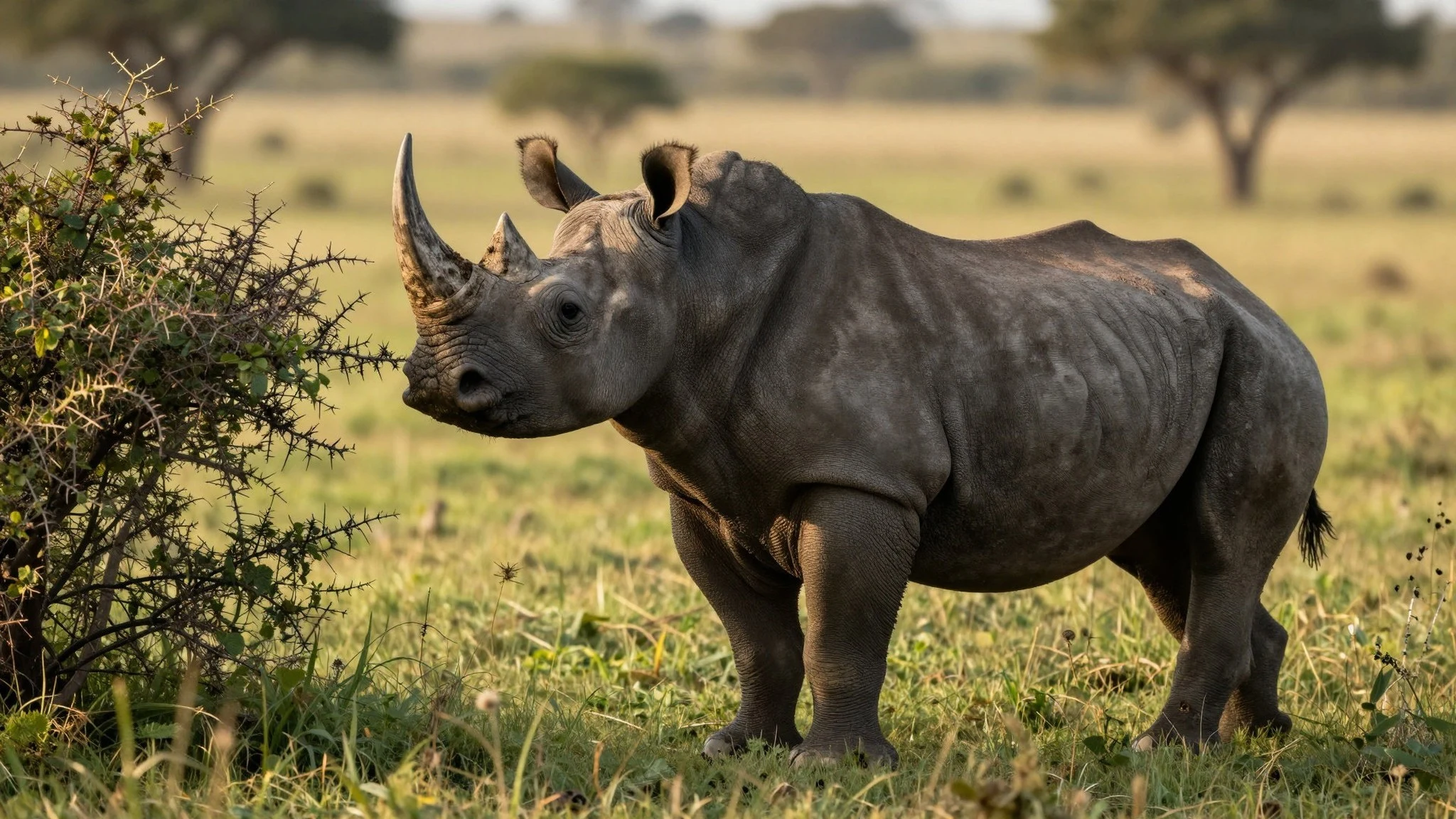
- Elephant (animal)
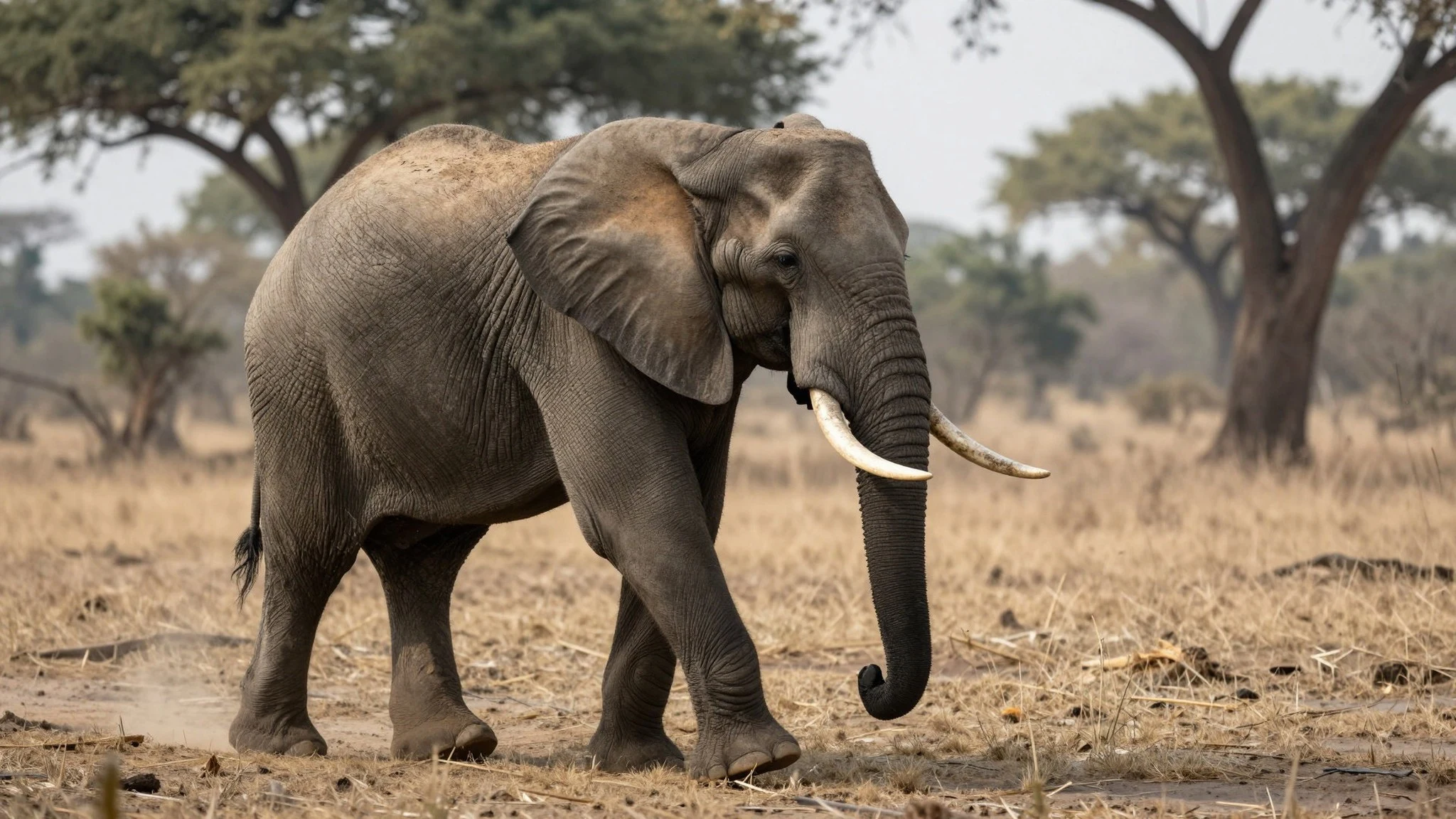
The elephant is the biggest animal living on land, with a long bendy trunk, big ears that help it keep cool, and curved tusks. It is one of the great sights on Mkhaya's wildlife list, and the African bush elephant belongs to the savannas south of the Sahara. The notes do not say where in the reserve, or at what season or hour, it is best seen, so ask your hosts when you arrive.