Mbabane
Mbabane, Eswatini
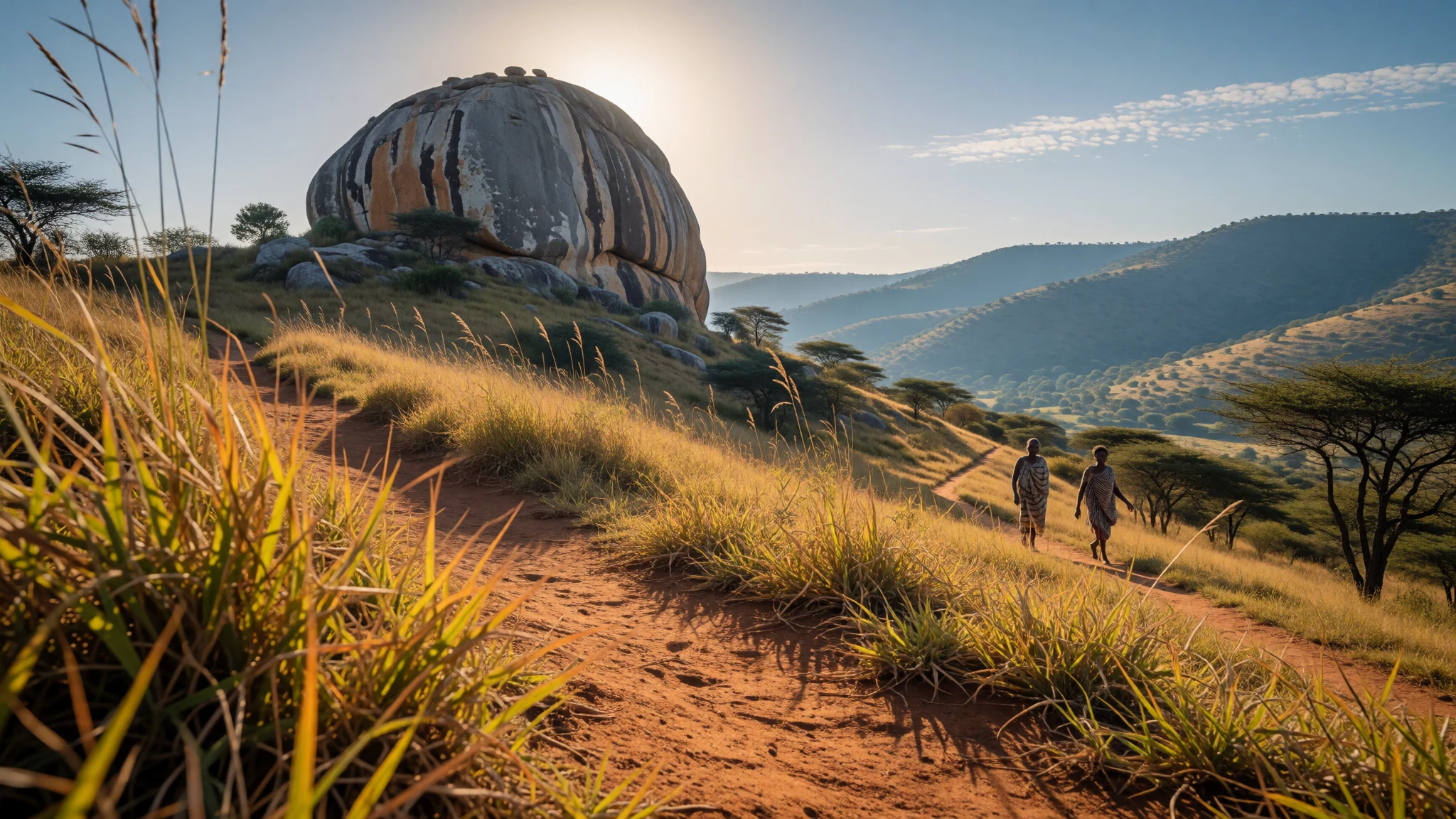
Mbabane is a small, mild-climate highland capital, best used as a relaxed base for granite hikes, craft shopping and Eswatini's cultural calendar.
The place
Mbabane is the executive capital of Eswatini, while the royal and legislative side of government sits at nearby Lobamba. By most standards it is a small city, home to about 76,000 people, and it stands at 1,243 metres in the Mdzimba Mountains, where the Mbabane River and its tributary the Polinjane cut through the valleys. That height shapes everything. Summers are warm rather than hot, and most of the year's rain falls then, usually as afternoon storms. Winter days are mild and clear, but nights can turn properly cold; July averages about 11 °C, against about 22 °C in January. Frost appears on a few mornings each year, and snow is a rarity, recorded only a handful of times in over a century. The centre is compact and unglamorous: two modest shopping malls, a busy taxi and bus rank, and open markets that fill on certain days. Housing spreads across the ridges, in areas with names such as Sidvwashini, Msunduza, Malunge and Westridge Park. To be straight about it, Mbabane is not a city of famous monuments. Its value is as a practical, friendly base, with a granite dome, a wetland reserve and craft workshops within a short drive. It is also the banking and administrative centre of the Hhohho Region, so weekdays feel brisk and weekends noticeably quieter.
Its story
Mbabane takes its name from Mbabane Kunene, a chief who was living in the area when British settlers began to arrive. A settler named Mickey Wells set up a base in 1887 at the spot where the road from the Transvaal to Mozambique crossed the Mbabane River, and a small cluster of buildings grew around it. The real turning point came in 1902, when Britain made the settlement the administrative centre of the new Protectorate of Swaziland, taking the role from Bremersdorp, today's Manzini. For years the town was little more than shops, churches and schools run by white settlers, and Swazi people were not allowed to live inside it; they stayed in the surrounding rural districts. By the 1930s Mbabane had electricity, running water, telephones and a hospital, yet growth stayed slow, because most Swazis lived in the countryside and many worked outside the country. The postwar decades changed that. Trade schools opened, a railway linked Maputo with mines in South Africa and Lesotho, and foreign investment arrived, sugar above all. Mbabane became the main centre of development for Hhohho. After independence the city gained further government buildings, including a British consulate, and in recent years a financial sector of banks, insurers and investment firms has made it a service hub for the wider region.
What to see
- Sibebe Rock — Just north-east of the city
Sibebe Rock is a bare granite dome just outside Mbabane, reached by marked Swazi trails. It rewards an early start: the rock gets hot and exposed by midday, and the views over the surrounding hills are clearest in the morning. Bring grippy shoes, water and a hat, and check conditions after rain. - Hawane Nature Reserve — North-west of Mbabane
Hawane Nature Reserve is a quiet stretch of rolling grassy hills with a walking trail and plenty of birdlife, and it is recognised as a Ramsar wetland. It suits a slow half-day rather than a big expedition. Take binoculars, a light jacket for cool mornings, and check access before travelling. - Indingilizi Gallery — Central Mbabane
Indingilizi Gallery has shown Swazi art since 1982, and is the easiest place in town to see local work in one room: sculpture, paintings, batik, mohair, pottery and ethnic jewellery. It is a good stop for gifts that come from named makers, and staff can explain the techniques and materials. - Swazi Plaza and the centre — City centre
Swazi Plaza is the heart of everyday Mbabane, beside the taxi and bus rank where minibuses leave for towns across the region. Wandering here shows how people shop, commute and meet. It is functional rather than pretty, but good for a sim card, cash machines and street snacks.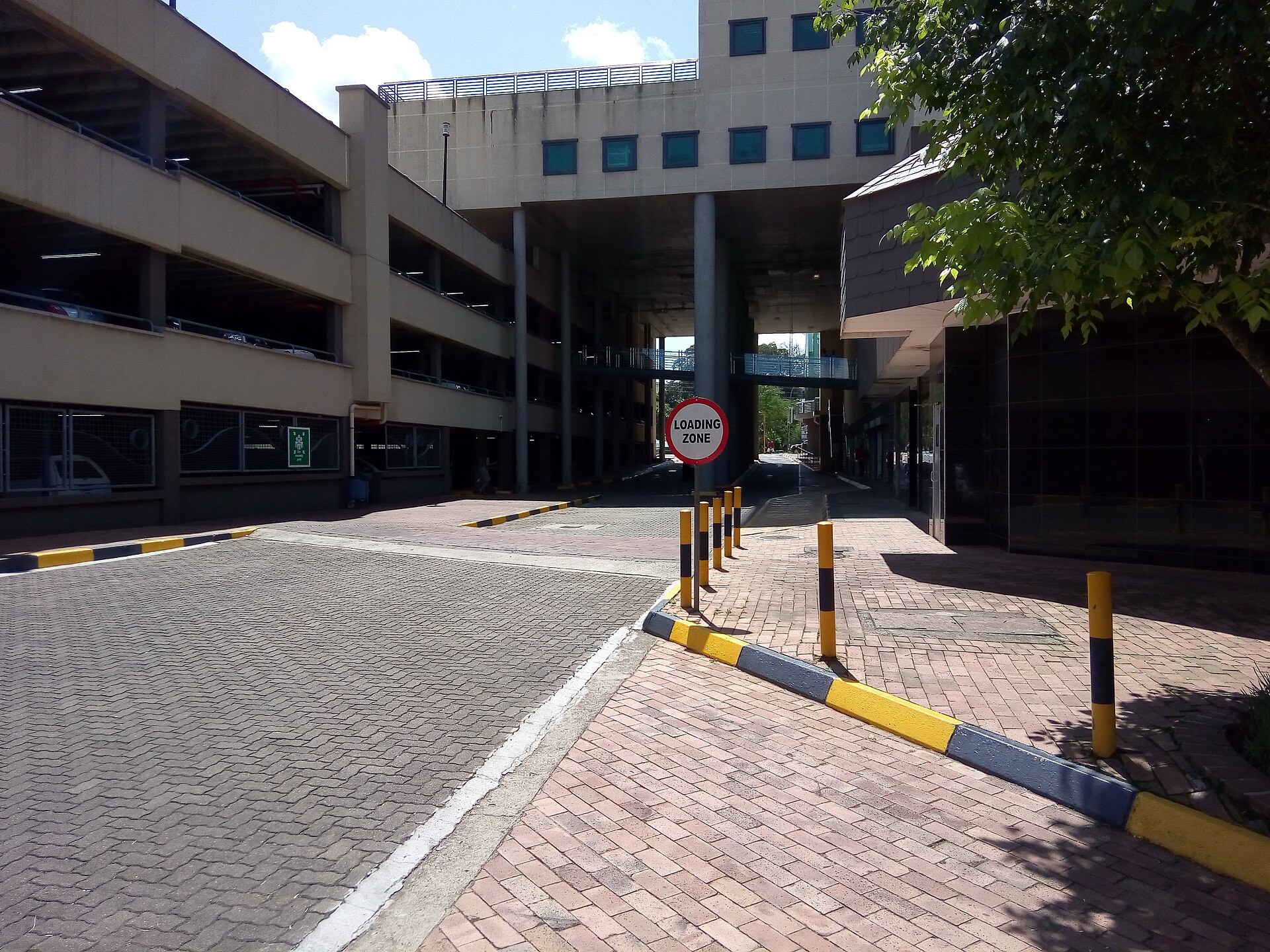
- Candle workshops and cultural village — Outskirts of the city
Several workshops around Mbabane make traditional hand-made Swazi candles, and some let visitors watch the colourful shapes being formed. A Swazi cultural village lies close by too, offering songs, dance and homestead life. Check opening arrangements locally, since small businesses change their hours without much notice.
Culture
Mbabane sits inside a country where the monarchy and clan life remain central to public culture, and visitors tend to feel that quickly. SiSwati is the main language, and English is widely spoken, so getting by is easy; a few siSwati greetings are still appreciated. The city is the best place to see contemporary Swazi craft, from woven grass items and pottery to batik, mohair and jewellery, much of it sold through galleries and roadside stalls. Candle-making is another local trade, with workshops around the city selling hand-made pieces. The cultural calendar is built around ceremonies elsewhere in the kingdom, most famously the Umhlanga reed dance and the Incwala kingship ceremony, which draw people from across the country. Marula season brings the brew called emaganu, which is shared widely while the fruit is ripe. Church life is also strong, and Sundays are quiet in the centre, with many people dressed up for services. Daily manners are courteous and unhurried; people greet each other first and get to business afterwards. Ceremonies are not tourist shows, so dates, access and rules change, and local advice is worth seeking before going. Greet people before asking for anything, and ask permission before photographing anyone, particularly at ceremonies, where photography may be restricted.
What to wear
In Mbabane, traditional Swazi dress is best seen at ceremonies and national occasions rather than on ordinary streets. The central garment is the lihiya, a large length of printed or checked cloth wrapped or knotted at the shoulder or waist, worn by both women and men. At events like Umhlanga and Incwala, beadwork, animal skins, feathers and bright wraps come out, and the details can signal age, role and status. Craft shops sell beadwork, mohair and woven items that echo these traditions. Day to day in the city, most people wear familiar western clothes: office wear and school uniforms on weekdays, smart outfits for church on Sundays, and jeans, trainers and fleeces for casual outings. Many wear a wrap or print for celebrations. For visitors, layers work best at this altitude. Winter mornings and evenings are cold, so bring a warm jacket, while middays can be sunny and mild; in summer pack a light rain jacket and a sun hat. Sturdy shoes are needed for Sibebe Rock and reserve trails. Dress modestly, with covered shoulders and knees, around ceremonies, churches and rural homesteads, and follow any guidance given for royal or cultural events.
What to eat
- Bhatata (sweet potato) — Open markets and roadside stalls
Bhatata, the local sweet potato, is a staple of home cooking, boiled, roasted or served alongside meat and stews. It tastes earthy and gently sweet, and is simple to find fresh in season. Buy it from market traders and eat it as a filling snack. - Emasi (sour milk) — Local eateries and food shops
Emasi is traditional soured milk, tangy and cooling, eaten on its own or with porridge. It is an acquired taste for some, but a true everyday Swazi food. Try it in small amounts first, and ask locals how they like to serve it. - Emaganu (marula brew) — Community gatherings in marula season
Emaganu is a brew made from marula fruit, drunk across the country during the ceremony period when the fruit ripens. It is a seasonal, communal drink rather than something found year-round. Visitors timing their trip around the celebrations may be offered a taste. - Sishwala with relish — Simple local eateries in the centre
Sishwala is thick maize porridge, the basic starch of Swazi meals, usually eaten with a stew, greens or grilled meat on the side. It is hearty, filling and good value for hungry walkers. Eat it with your right hand if locals around you do. - Braai (grilled meat) — Roadside grills and neighbourhood eateries
Braai, grilled meat cooked over coals, is the weekend meal across the region, often with porridge and a tomato-onion relish. Smoky, simple and social, it is easy to find in the evenings. Ask for the day's cuts and cooking time before ordering.
Plan it
Best time. April–May and September–October, when days are mild and the heavy summer rains have eased or not yet arrived. June–August is dry and sunny but nights are cold, and December–February brings warm weather with frequent storms.
How long. 2–3
Getting there. Most visitors arrive overland from South Africa or Mozambique; check current flight options into Eswatini separately. Regular buses run between Johannesburg and Durban, and minibuses run from Maputo to Manzini and Mbabane. The nearest South African border crossing is Ngwenya–Oshoek, and minibus taxis for Mbombela leave from the taxi stop near Swazi Plaza. Driving is straightforward on good tarred roads with petrol stations on the main routes.
Budget. low
Tips
- Bring layers: winter nights are cold at this altitude and summer afternoons can bring storms
- Start hikes at Sibebe Rock early, before the granite heats up
- Pick up free maps and accommodation advice at the tourist information office
- Carry some cash for markets and minibus taxis, and check the city council website (http://www.mbabane.org.sz/) for local updates
- Ask locally about ceremony dates, as plans and access change from year to year
Etiquette
- Greet people before starting a conversation or asking a favour
- Ask before photographing people, homesteads or ceremonies
- Dress modestly when visiting churches, rural homesteads or cultural events
Nearby
Sources
- Wikidata Q3904 (CC0)
- Wikipedia: Mbabane (rev 1384423009) (CC BY-SA 4.0)
- Wikivoyage: Mbabane (rev 5423295) (CC BY-SA 4.0)
- Photo: IMG_3173, Athena Lao (CC BY 2.5)
- Photo: South African High Commission in Mbabane, Schmeerkahover (CC BY-SA 4.0)
- Photo: Mbabane (Swazi Plaza), Bakhile (CC BY-SA 4.0)
- Photo: Embassy of the Republic of China (Taiwan), Kransky (CC BY 3.0)
- Photo: Eswatini Bank, Mbabane, Bakhile (CC BY-SA 4.0)
- Photo: View of Mbabane, Swaziland, Jacques (CC BY 2.5)
- Photo: Portable market hut, Mbabane, John Atherton (CC BY-SA 2.0)
- Map: Eswatini–South Africa border, US Department of State (Public domain)


