Mlawula
Mlawula, Eswatini
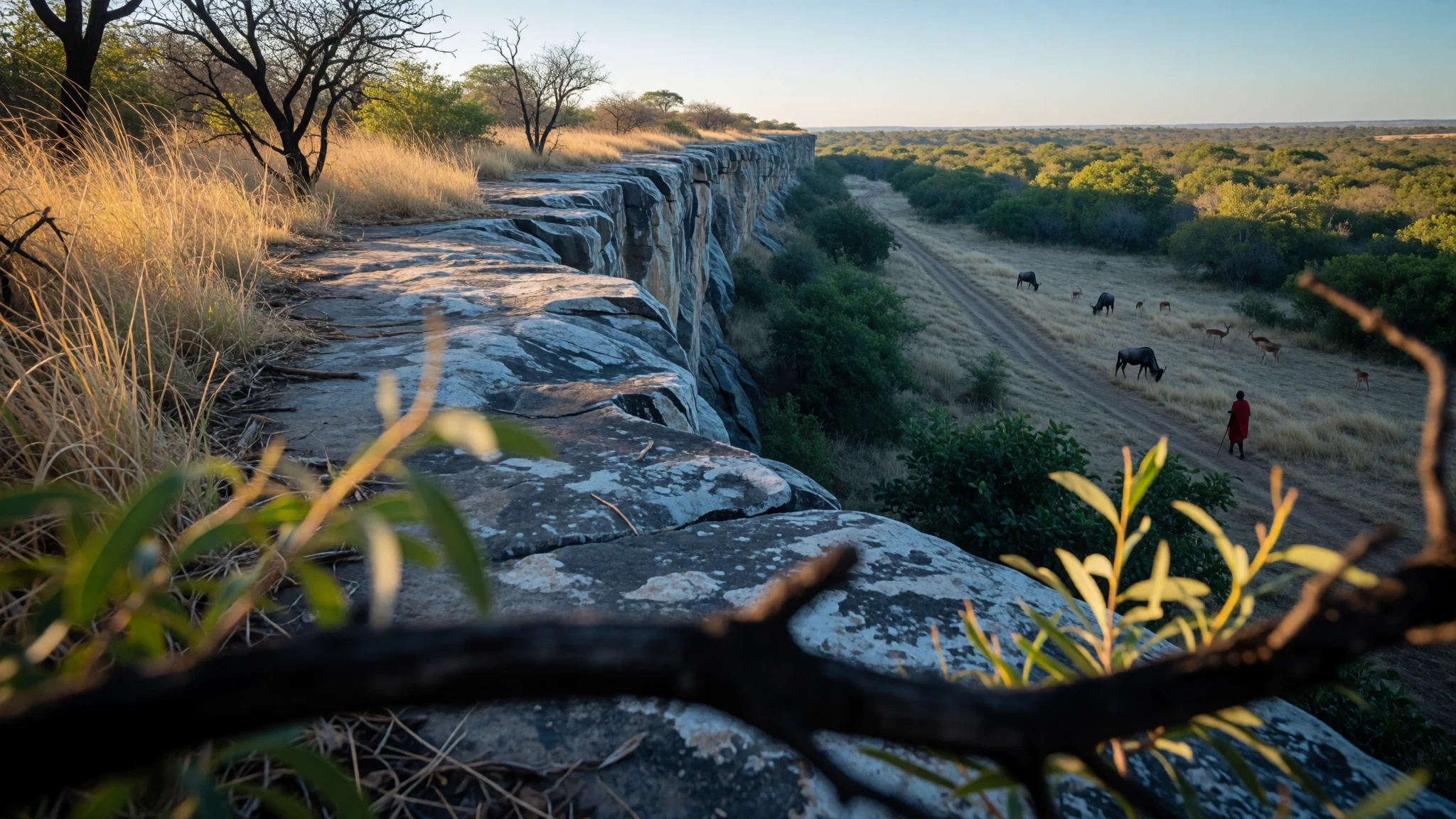
Mlawula is a quiet bushveld reserve in north-eastern Eswatini where walkers, not vehicles, set the pace, among wildebeest, birds and ironwood ravines.
The place
Mlawula Nature Reserve sits in the north-east of Eswatini, on the eastern side of the country where the land drops from the Lubombo mountains towards the Mozambican lowlands. It covers about 165 square kilometres and shares boundaries with Mbuluzi Game Reserve, Simunye Nature Reserve and Hlane Royal National Park, so the protected land around it is larger than the reserve alone. The ground changes a lot over short distances. The Lubombo ridge is cut by deep rocky ravines, some holding nearly pure stands of Lubombo ironwood and a cycad that grows nowhere else. The Mbuluzi river valley carries plants more typical of the Mozambican coastal flats. The drier Siphiso valley is knobthorn savanna, with bushwillows on the stony ridges, while wetter forest and thicket cling to the higher ravines and south-facing valleys. That patchwork explains the wildlife lists. More than 60 mammal species have been recorded, a few of them brought back after local losses, along with roughly 350 bird species, against about 500 for the whole country. Plant records run to about 1,035 species. Insects and spiders are barely studied, so nobody has a reliable count. Mlawula feels different from the drive-through parks elsewhere in southern Africa. A network of about 50 km of trails allows people to walk through the bush without a guide, on routes lasting from around an hour and a half to two days. All water has to be carried. It is a place for slow looking: a klipspringer on a rock, a hornbill in a thorn tree, and from the Lubombo trails a view that opens westwards over Eswatini and eastwards towards the Mozambique coast. Accommodation is modest, with tents, a cottage and a campsite rather than big lodges.
Its story
Mlawula Nature Reserve has a longer and more tangled history than its calm bush suggests. The area was first proclaimed as protected land in 1914, but that status was later withdrawn and the ground was divided into cattle ranches. For years the case for conservation here was recognised on paper without lasting protection on the land. Things changed in 1978, when the Niven family gave their Blue Jay Ranch to the Swaziland National Trust Commission. It was gazetted that year as Ndzindza Nature Reserve, and it became the first piece of the present reserve to be protected again. More land arrived soon afterwards. The Mlawula Estates were bought, with part of the funding coming from Havelock Mines, and Tibiyo donated Nyala Ranch. Together these former ranches and estates were joined into the reserve that now borders Mbuluzi, Simunye and Hlane. The pattern is worth noting: this was not a wilderness fenced off from the start but a patchwork of working land, assembled through gifts and purchases over a short span of years. Some of the mammals have since been reintroduced, which hints at how much had to be rebuilt. Today the reserve is a place where recovery is the story, and the walking trails, pools and camps all sit on ground that was once grazing country.
What to see
- Python Pool — Rocky gorge within the reserve
Python Pool lies in a small rocky gorge, and the name hints at what might turn up. Klipspringer, lizards, terrapins and pythons are all possible, though none is guaranteed, and the gorge is as good for its plants as its animals. Go quietly, scan the rock faces first, and give the water's edge a few patient minutes.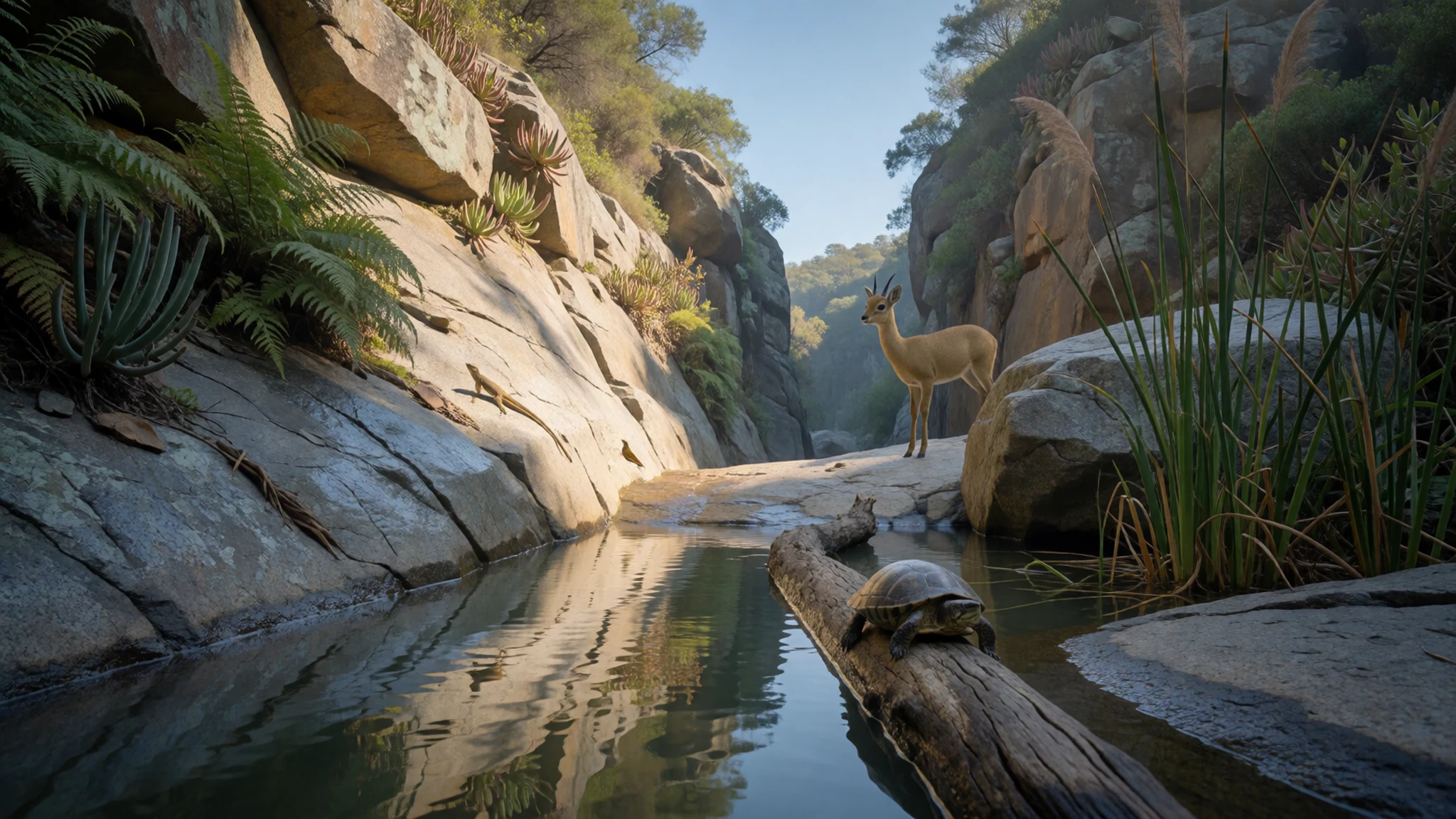
- Hyaena Pool — Southern end of the Siphiso Valley
Hyaena Pool is a small dam at the southern end of the Siphiso Valley, in drier knobthorn country. Hyaenas drop by only now and then, so treat them as a bonus. Antelope and other grazers are likelier, and the open savanna around the water suits slow scanning with binoculars, especially early or late in the day.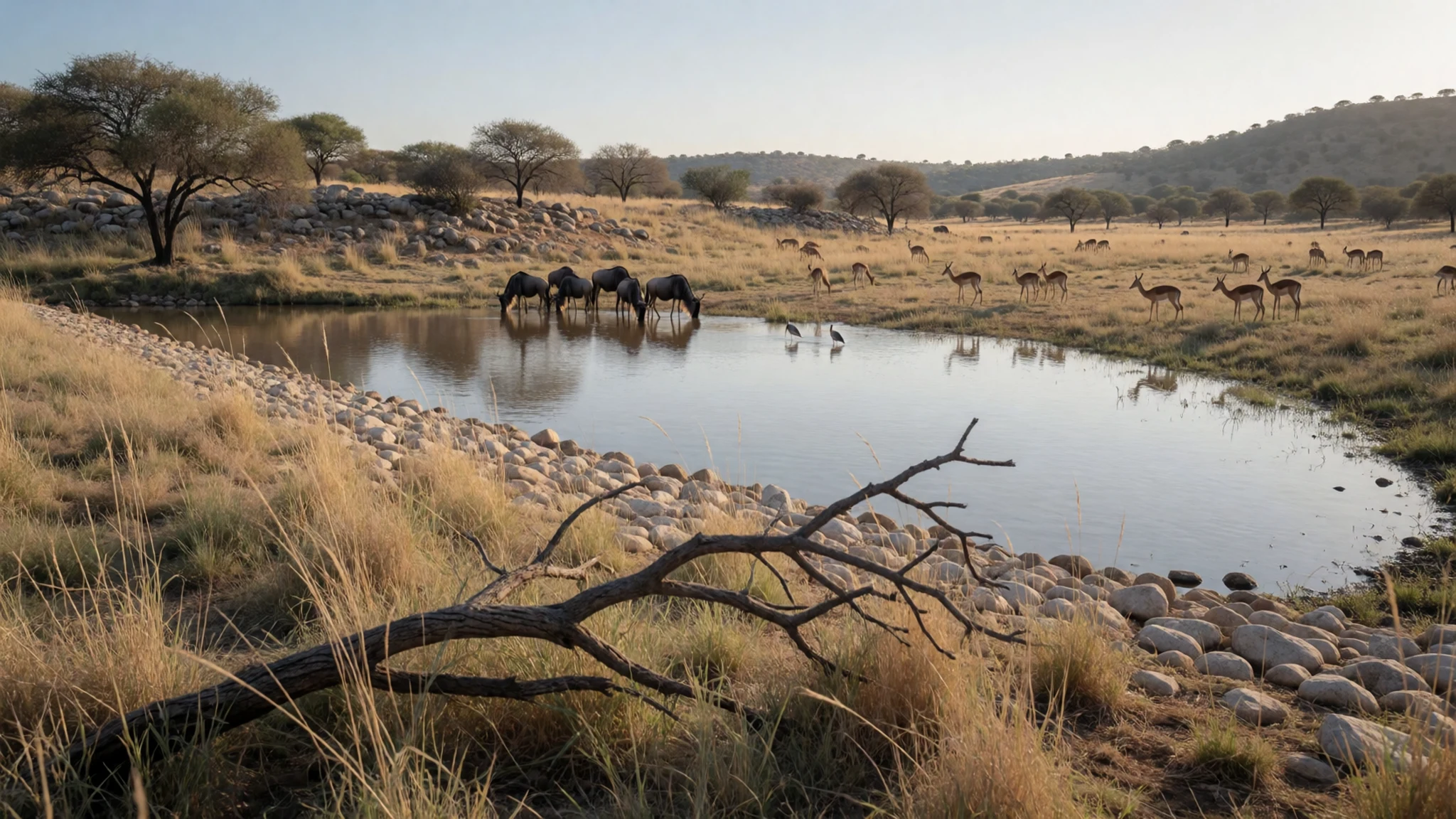
- Khabane Cave — Climb above the reserve's trails
Khabane Cave rewards a steep climb with a wide outlook over the reserve and the land beyond it. The cave is also a home for the endemic Swazi euphorbia, along with owls and mocking chats. Allow plenty of time, start before the heat builds, and carry more water than seems necessary.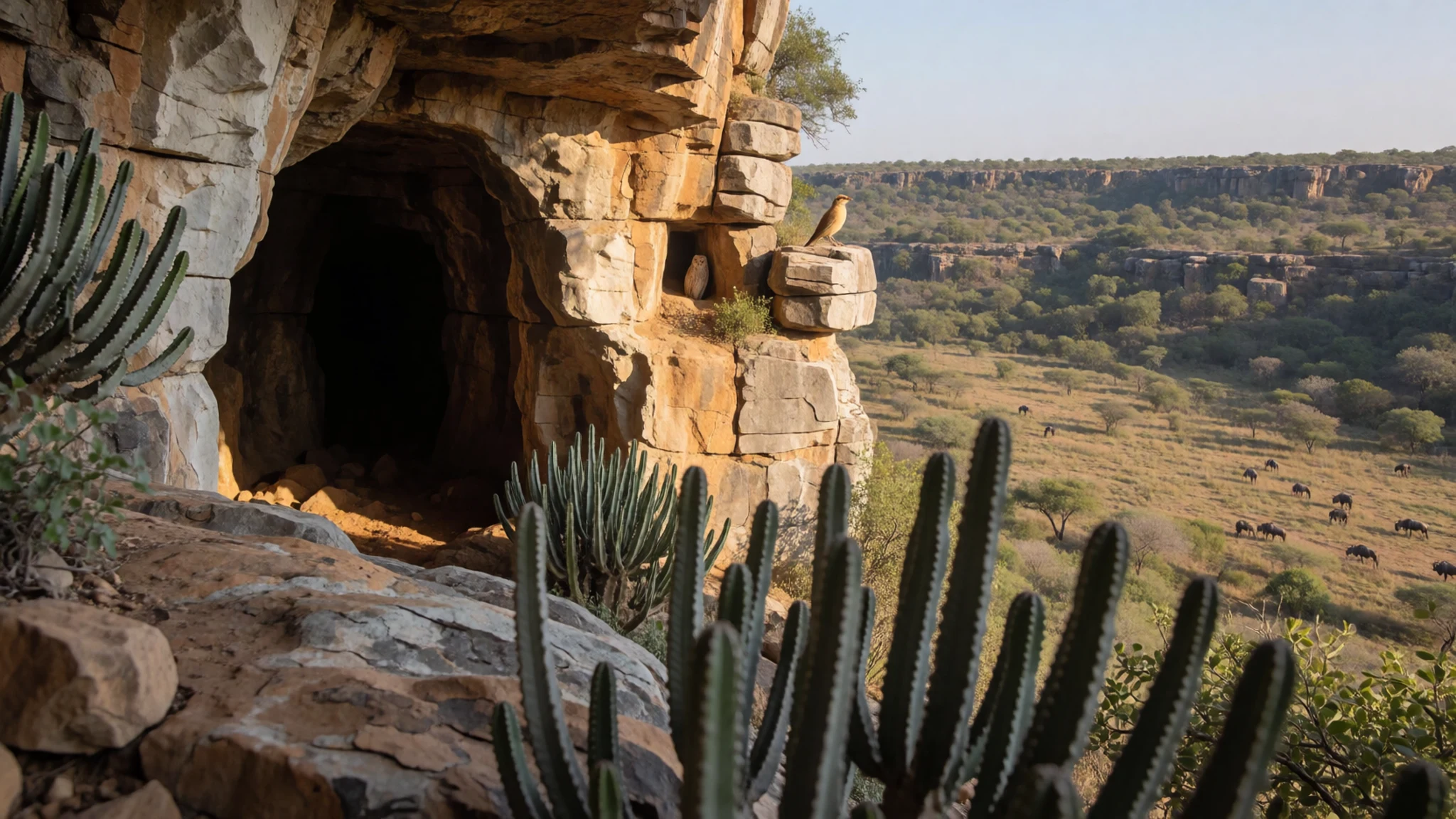
- Mahlabashane Gorge — On foot from the Mbuluzi Valley road
Mahlabashane Gorge is reached on foot from the Mbuluzi Valley road. It shelters rare plants, stands of the local ironwood forest and some uncommon birds, so it suits botanists and birders more than anyone chasing big animals. The shade is welcome, but the ground is rocky, so sturdy footwear matters.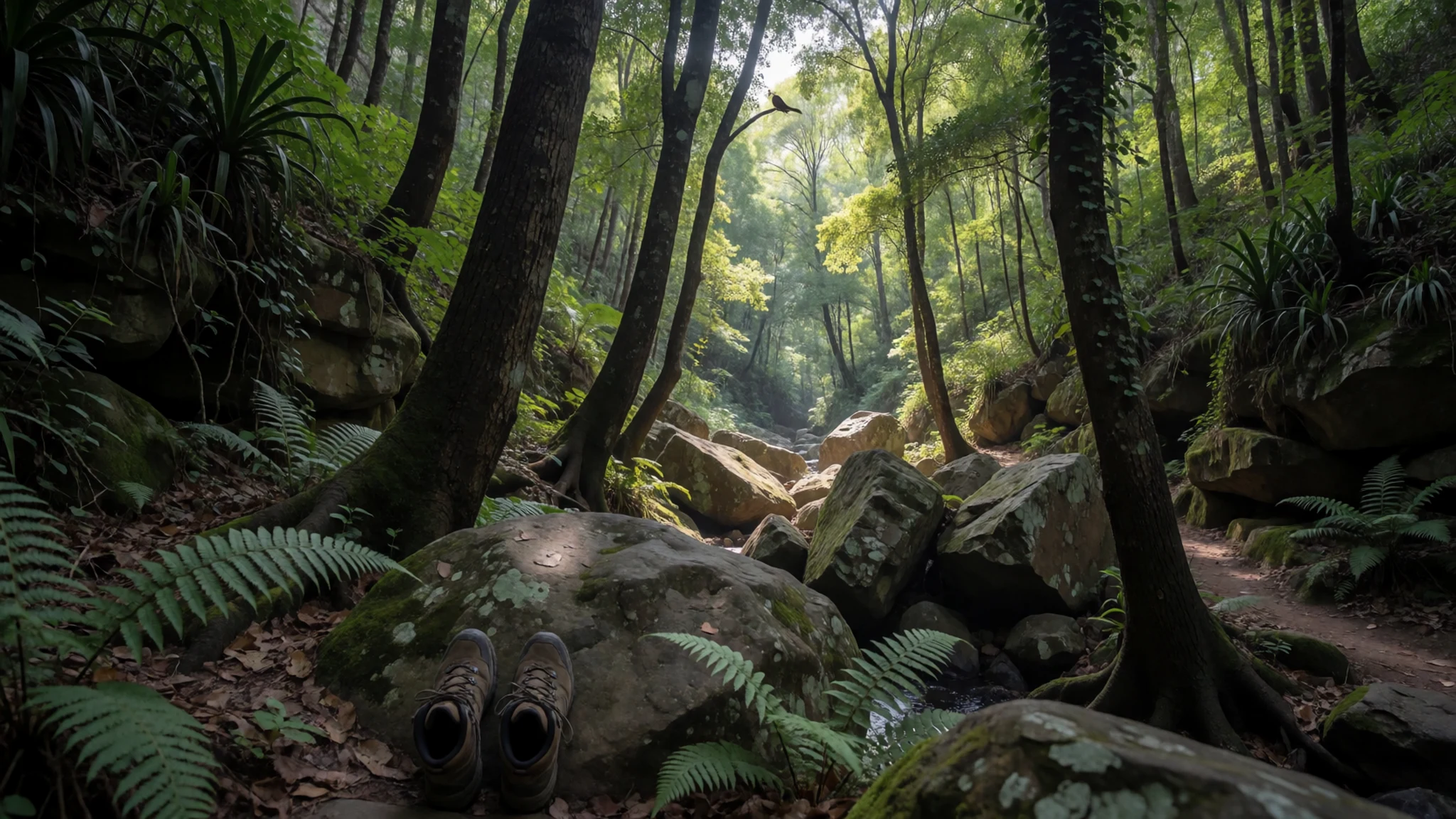
- Lubombo mountain trails — Lubombo ridge
The trails of the Lubombo mountains form part of a walking network of about 50 km across the reserve. Routes run from about an hour and a half to two days, self-guided, with every drop of water carried in. On a clear day the ridge looks west over Eswatini and east towards the Mozambique coast.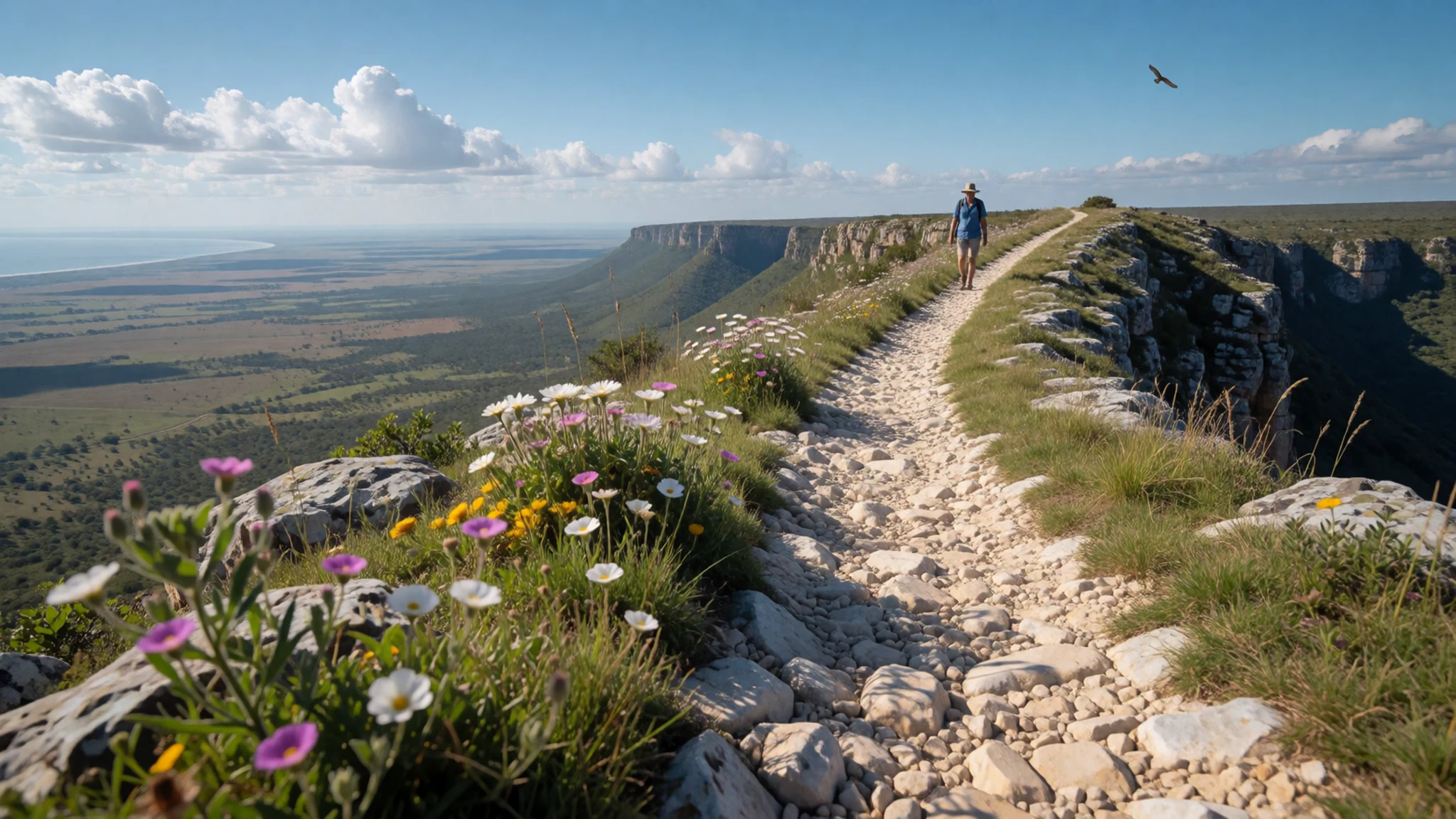
Culture
Mlawula lies in Eswatini, where the rhythm of rural life still follows cattle, family homesteads and the seasons, and the reserve itself grew out of old cattle ranches. Most visitors meet the country's culture in small ways: the language, the greeting, the pace of a conversation. SiSwati is the national language alongside English, and a spoken greeting matters. 'Sawubona' to one person, 'sanibonani' to a group and 'ngiyabonga' for thanks all go down well with reserve staff, guides and people on the road. Greeting first and asking afterwards is the normal order of things. Eswatini is a monarchy, and royal ceremonies such as the Reed Dance and Incwala are important national events, though they take place elsewhere and on their own calendar rather than as shows for tourists. Mlawula's neighbour Hlane is a royal national park, a reminder that land and the crown are closely linked here. Inside the reserve, the culture is that of the bush: quiet walking, patience, and trust in the advice of rangers about animals and water. Staff often know the birds and plants in detail, and asking them questions usually leads to the best part of a visit. Greet staff and anyone you meet on the trails with a friendly 'sawubona', and always ask before photographing people.
What to wear
Mlawula is a working bush reserve, so what people wear here is practical, but Eswatini has a strong tradition of dress that is worth knowing about. Traditional clothing centres on emahiya, large pieces of bright cloth wrapped and knotted at the shoulder, worn by both women and men. Beadwork, animal skins and feathers feature in ceremonial outfits, which appear most clearly at royal events such as the Reed Dance and Incwala rather than at the reserve. Everyday wear now is much like elsewhere in southern Africa: jeans, T-shirts, school uniforms and church clothes, with wraps and old work clothes for farm tasks in the countryside. For a visit, think of bush walking. Long, light trousers and a long-sleeved shirt in neutral colours such as khaki, olive or sand protect against thorns, sun and ticks. Bring a wide-brimmed hat, sunglasses and sunscreen. Closed shoes with good grip are essential on the rocky ravines and the climb to Khabane Cave, and sandals will not do. Mornings in the cooler months can be chilly, so pack a fleece, and a light rain jacket helps in summer storms. In villages and towns outside the reserve, covering shoulders and knees is polite, and swimwear belongs at camp, not on the road.
What to eat
- Sishwala — Home-style eateries and market stalls in the towns near the reserve
Sishwala is stiff maize porridge, the everyday staple of the country, eaten by hand with a relish of meat, beans or greens. It is filling after a day of walking and appears on most home-style menus.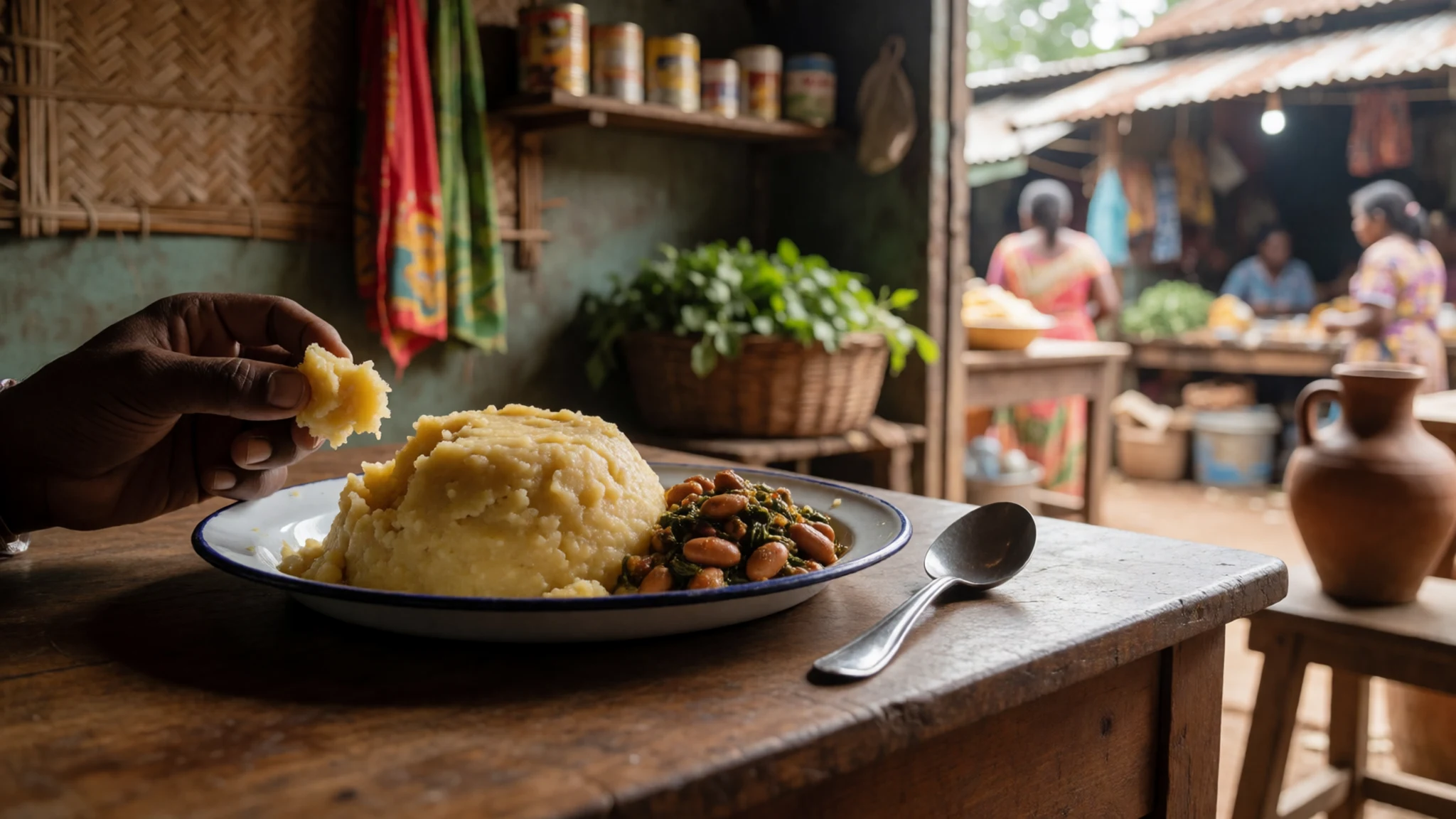
- Umncweba — Butchers' counters and market stalls in the nearby towns
Umncweba is dried, cured meat in the style of biltong, usually beef or game, chewed slowly as a trail snack. It travels well, keeps without a fridge and suits long walks where weight matters.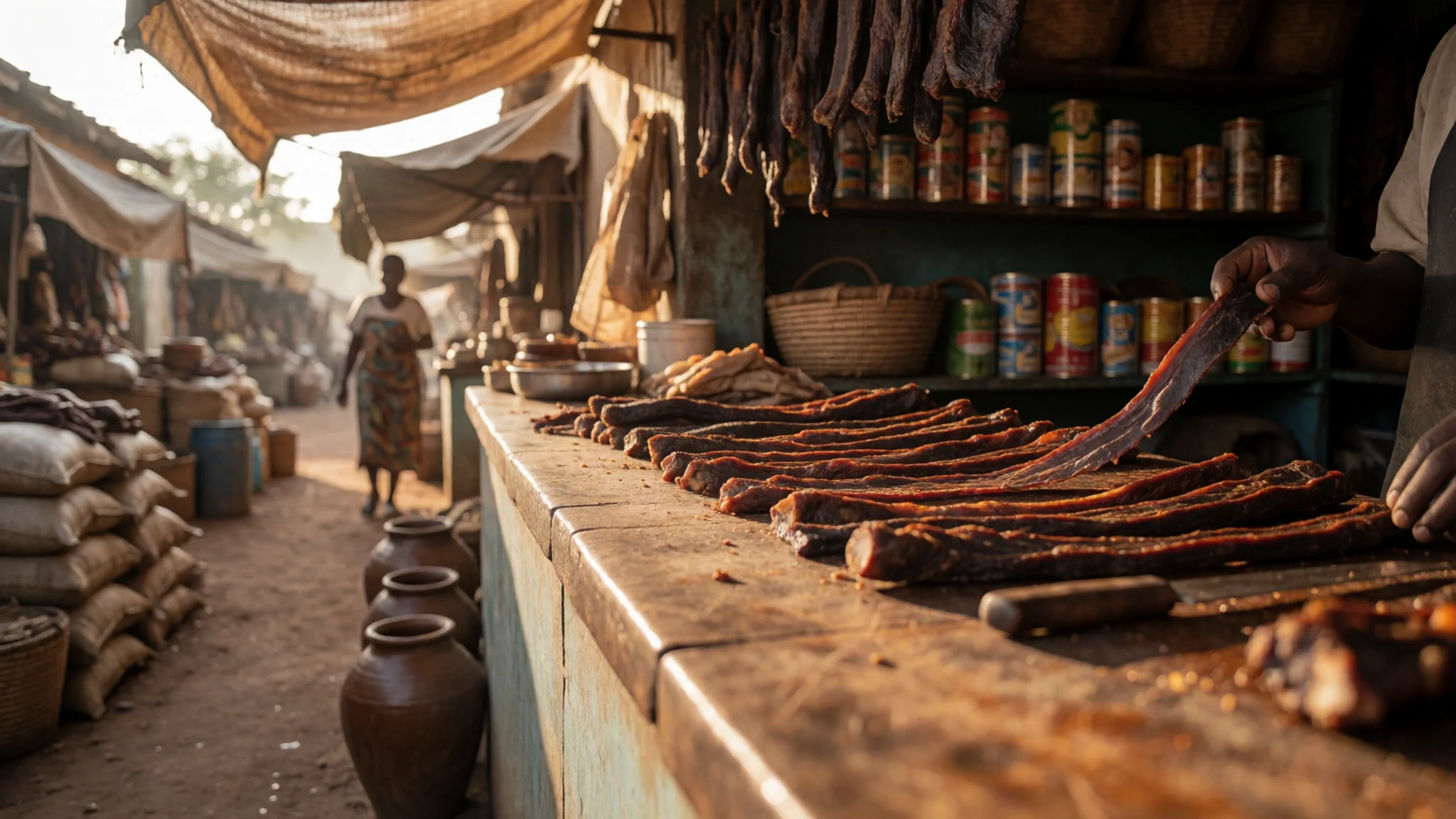
- Sidvudvu — Home cooking and local eateries; ask at the camp
Sidvudvu is a soft pumpkin porridge, mildly sweet and often made with maize meal, eaten as a hearty breakfast or side dish. It suits cool winter mornings in camp before a long walk. - Braai — Self-catering camps, campsites and roadside grill stalls
A braai is a barbecue over wood coals, with beef, chicken or boerewors sausage and often maize porridge alongside. At self-catering camps it is the natural evening meal; check what each camp provides. - Emasi — Village shops, market stalls or a family homestead
Emasi is soured milk, thick and tangy, traditionally eaten with maize porridge or drunk plain. Its sharpness is an acquired taste, but it is a real local flavour and a good thing to try once.
Plan it
Best time. May to September, the cooler dry months, when walking is comfortable and the bush is thinner and easier to see through. Summer in the lowveld is hot and humid, with storms, so trails are best done at dawn.
How long. 2–3
Getting there. Fly to Johannesburg or to King Mswati III International Airport in Eswatini, then travel by road to the north-east of the country. The last leg is by car, since public transport is thin, so hire a vehicle or arrange a transfer, and check gate and road details with the reserve before you set out.
Budget. low
Tips
- Book the camp or campsite well ahead for weekends and school holidays, and check availability and current rules with the reserve.
- Carry all the drinking water you need on every trail, as none is provided along the routes.
- Walk in the early morning, when it is cooler and animals and birds are most active.
- Check for ticks after walking through long grass, and wear closed shoes with grip.
- Bring cash as well as cards, and expect patchy phone signal in the valleys.
Etiquette
- Greet people with 'sawubona' before asking for anything.
- Ask before photographing people.
- Keep to marked paths, keep your distance from animals and take all litter away.
Nearby
Sources
- Wikidata Q6885682 (CC0)
- Wikipedia: Mlawula Nature Reserve (rev 1333117998) (CC BY-SA 4.0)
- Wikivoyage: Mlawula Nature Reserve (rev 4410032) (CC BY-SA 4.0)
- Photo: Mlawulaview1.jpg, K. Braun (Public domain)
- Photo: Mlawulamagadzavane3.jpg, K. Braun (Public domain)
- Map: Eswatini Regions map.png, User:(WT-shared) Burmesedays, Perry-Castañeda Library Map Collection (CC BY 3.0)


Wildlife
- Blue wildebeest (animal)
The blue wildebeest is a big antelope with a pale beard, which is why some people call it the white-bearded gnu. In Mlawula you may meet it while walking, since feet rather than vehicles set the pace in this quiet bushveld reserve. The notes give no season or hour, so ask your guide what to expect on the day. Keep a respectful distance, move softly, speak little, and never offer it food.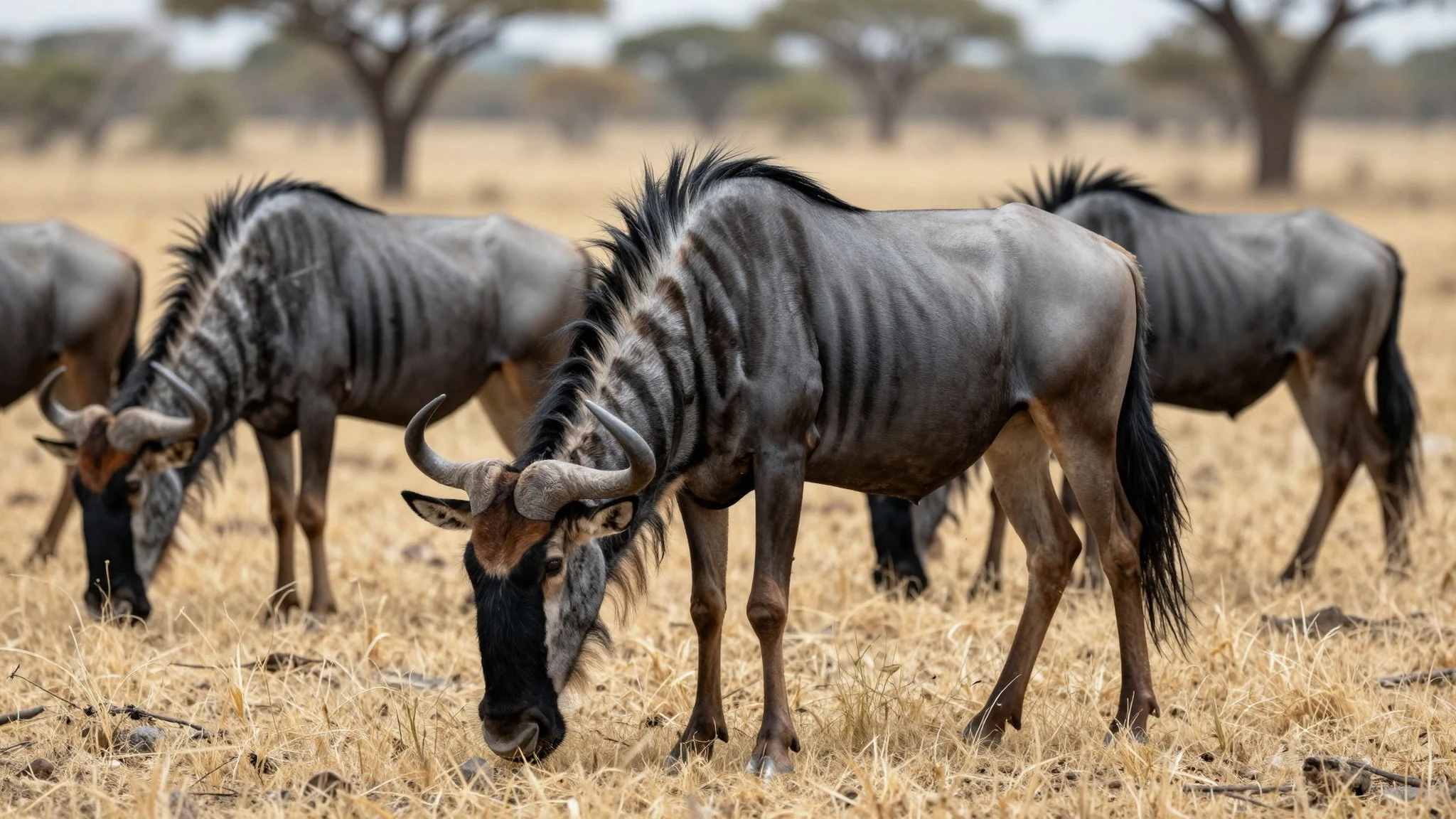
- Mocking cliff chat (bird)
The mocking cliff chat is a small bird of rocky country, a chat that makes its home among crags and stony slopes. In Mlawula it is found around the cave, which it shares with owls and the rare Swazi euphorbia. The notes do not say which season or hour suits it best. Watch from a polite distance, stay quiet so it keeps its perch, go with a guide, and never feed it.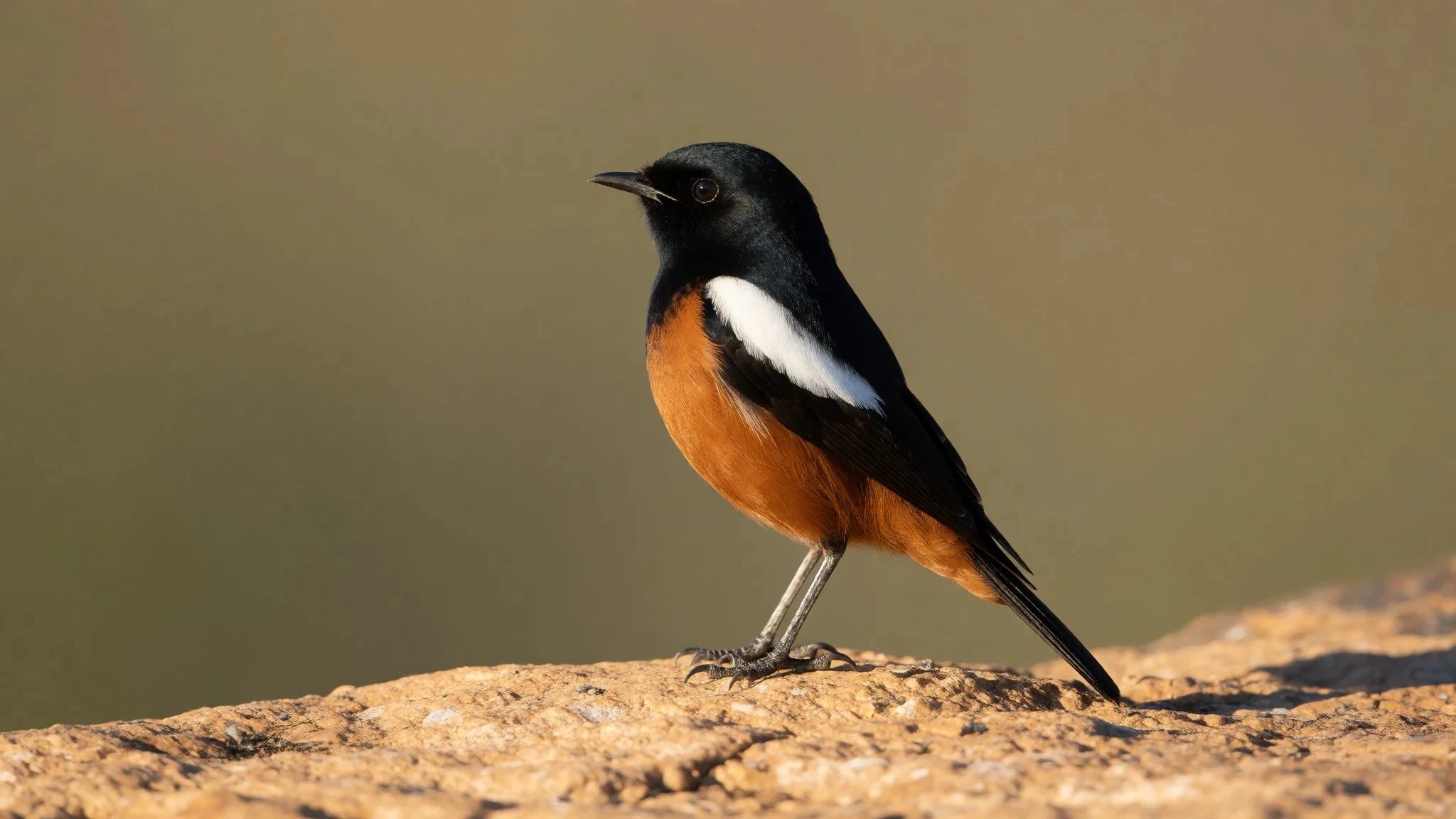
- Southern yellow-billed hornbill (bird)
The southern yellow-billed hornbill is a bird with a bright yellow beak that spends much of its day on the ground, hunting seeds, insects, spiders and scorpions. At Mlawula you may spot one in a thorn tree, and it is often seen beside roads and watercourses. The notes give no season or time of day. Watch from a distance, keep still and quiet, ask your guide for help, and never feed it.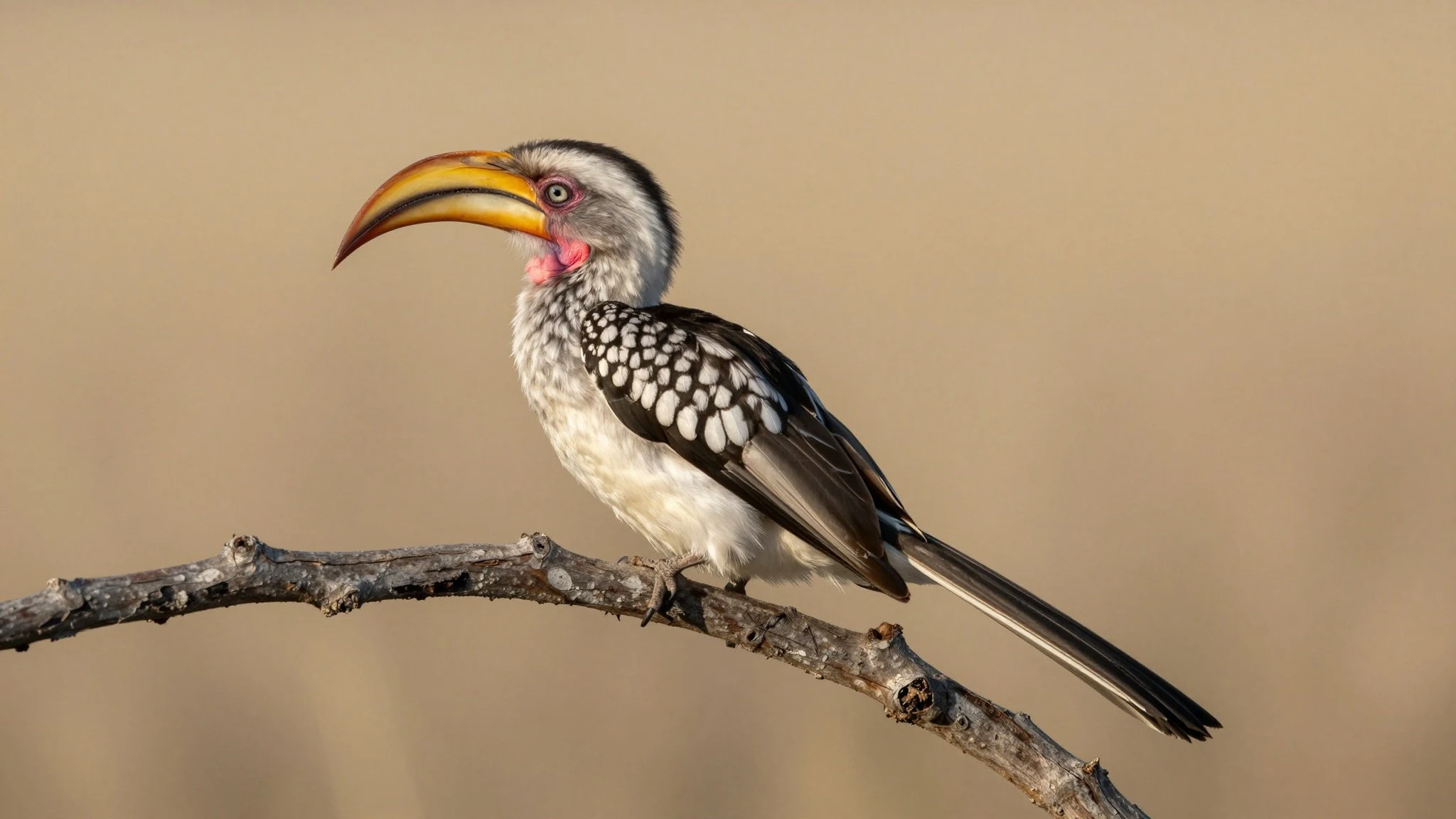
- Klipspringer (animal)
The klipspringer is a small, sturdy antelope that lives among rocks, its yellowish-grey to reddish-brown coat blending neatly into the stone. In Mlawula, look for one standing on a rock as you wander, and enjoy the wide views from the Lubombo trails while you search. The notes give no season or time of day. Stay well back, keep your voice low, walk with a guide, and never feed it.