Hlane
Hlane, Eswatini
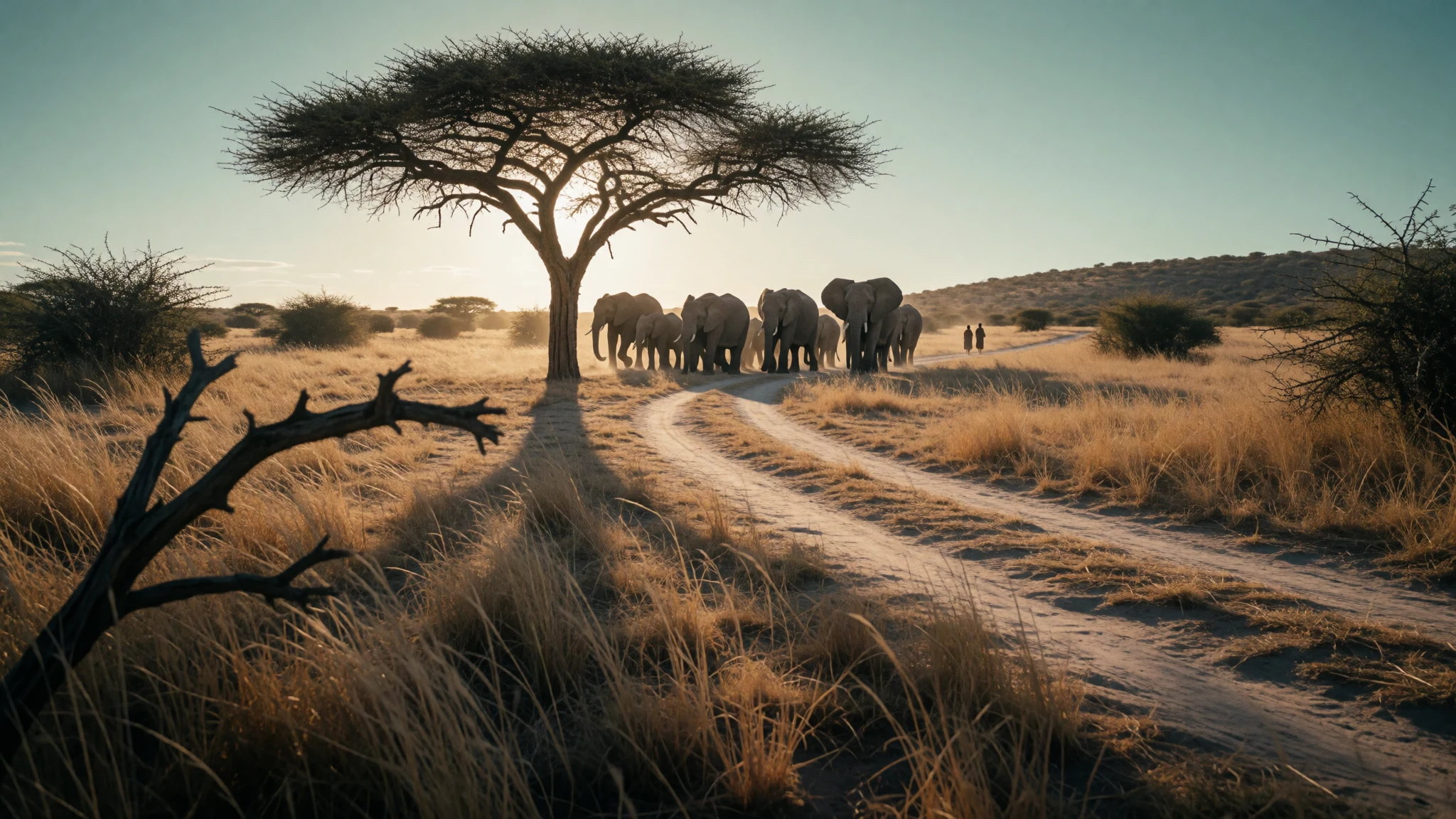
Hlane is a small, well-run royal reserve in Eswatini where elephants, rhinos and lions can be seen close up, often on foot with a guide.
The place
Hlane Royal National Park lies in the lowveld of north-eastern Eswatini, about 67 km north-east of Manzini along the MR3 road. The tarred road runs almost to the entrance gate, and buses between Manzini and Simunye stop there, so the park is easier to reach without a car than many reserves in the region. The landscape is dry savanna: flat to gently rolling ground, thorn trees and open bush, with waterholes where animals gather through the dry months. The park is small enough to cover in a couple of days but large enough that sightings feel earned rather than staged. Elephants, rhinos, lions, leopards, cheetahs, giraffe, zebra and several kinds of antelope are all recorded here, and rhinos are regularly seen. Guided bush walks in the northern part of the park are the usual way to meet elephants and rhinos at ground level. A hide beside the waterhole known as Hippo Pool gives a quiet bench from which to watch. There are two kinds of accommodation inside the park, and both are reserved through Big Game Parks central reservations. Families tend to do well here, because distances are modest and the wildlife is reliable, though nothing is promised on any given morning. Hlane also pairs naturally with the nearby Mlawula Nature Reserve, which has wilder scenery and a quieter feel, so a short trip can offer both.
Its story
Hlane Royal National Park began as a royal hunting ground, and much of its story is about what that ownership came to mean. For a long time the land belonged to the Swazi crown, and access was a privilege of the king rather than a right of the public. In 1967 King Sobhuza II ordered it set aside as a park, and the name Hlane, meaning wilderness, was his choice. The decision turned private hunting land into protected country at a time when wildlife across southern Africa was losing ground to farms, fences and rifles. Today the park is still held in trust for the nation by the reigning king, Mswati III, but its management sits with Big Game Parks, a privately owned body that also runs other reserves in Eswatini. Visitors meet that arrangement in practical ways: bookings go through a central office, the camps are modest, and rangers speak plainly about what is and is not likely to be seen. The result is a park shaped by two traditions at once, royal stewardship of land and modern conservation practice. Neither is dramatic on the surface. What stays with people is how close a small, carefully run reserve can bring them to animals that survive in far fewer places than they once did. A private royal reserve, kept open by order and by steady upkeep, now does public work.
What to see
- Guided bush walk in the northern park — Northern part of the park
Hlane's northern section is where guides lead small groups on foot, which is the best way to get near elephants and rhinos without a vehicle between you and them. Walks are slow and quiet, with plenty of talk about tracks, dung and bird calls. Book through the camp rather than turning up.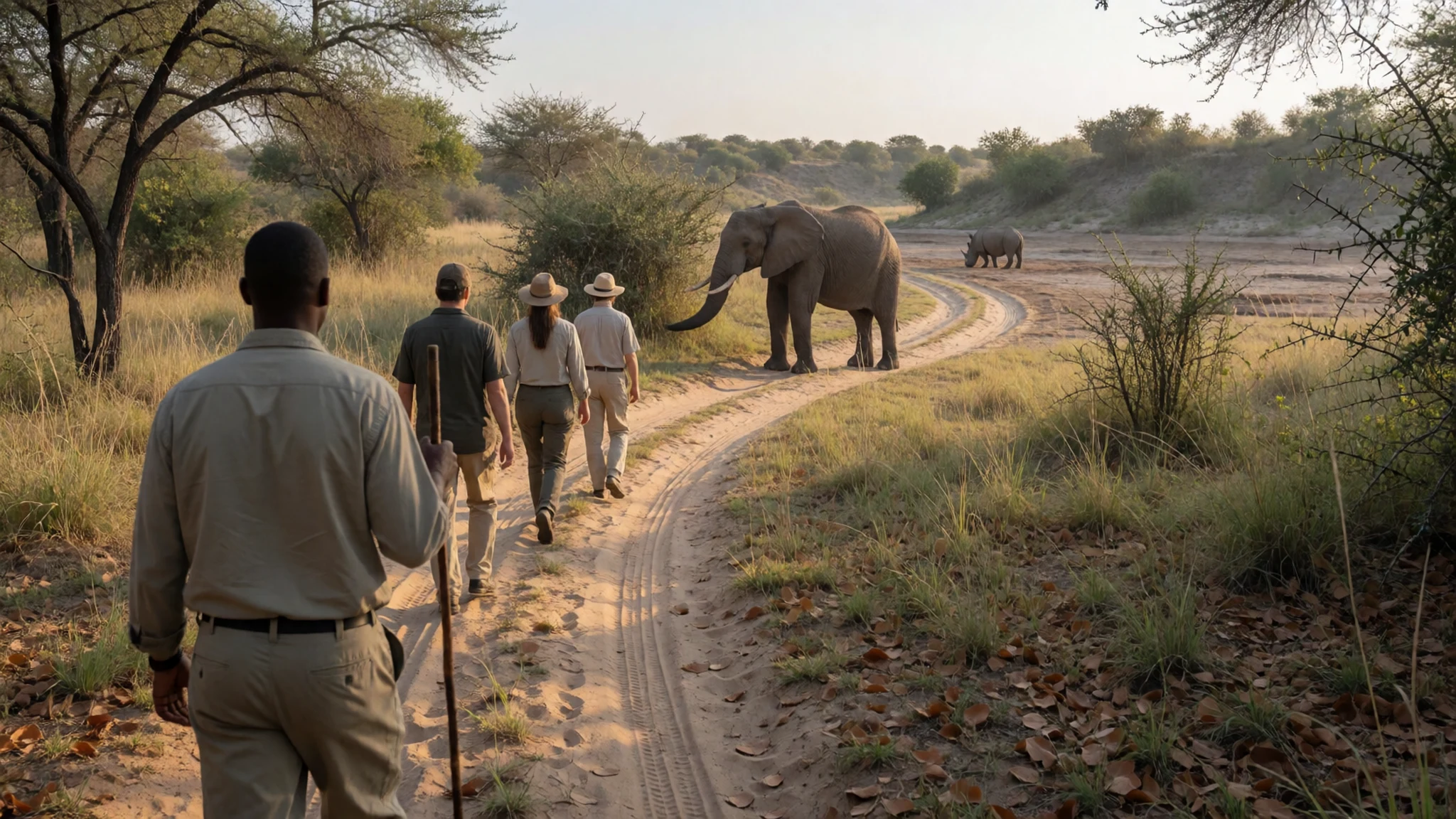
- Hippo Pool hide — Southern part of the park
A basic hide overlooks the waterhole known as Hippo Pool, in the southern part of the park. It is a plain structure with benches, and its value is patience: sit quietly through the heat of the day and watch what comes to drink. Bring binoculars, water and something to read.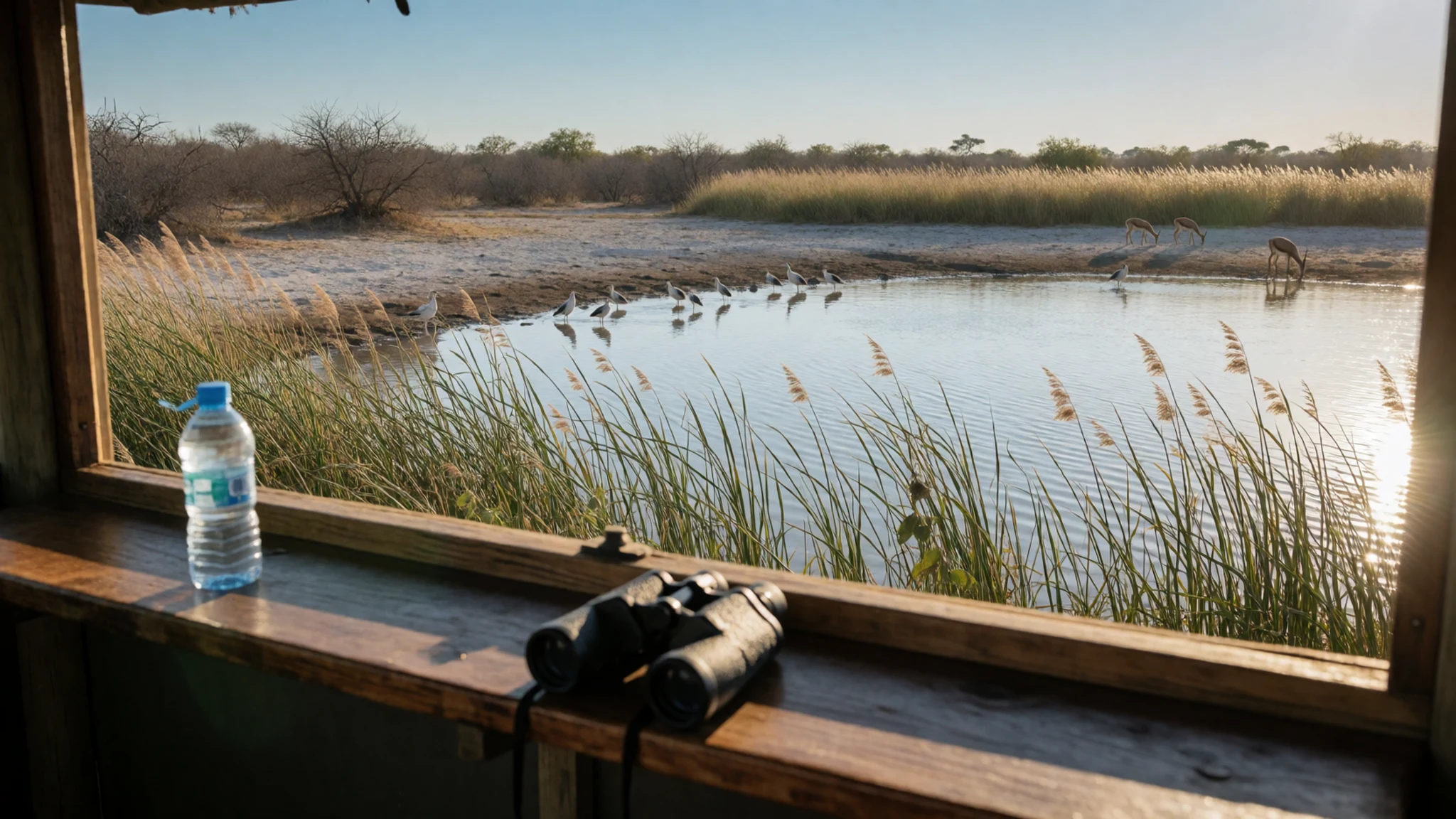
- The lion enclosure — Near the main camp
Lions at Hlane roam free within the park, and sightings are a highlight of the experience, though they require patience and a keen eye. It is worth pairing a drive with a guided walk to increase your chances of spotting these elusive predators in their natural habitat.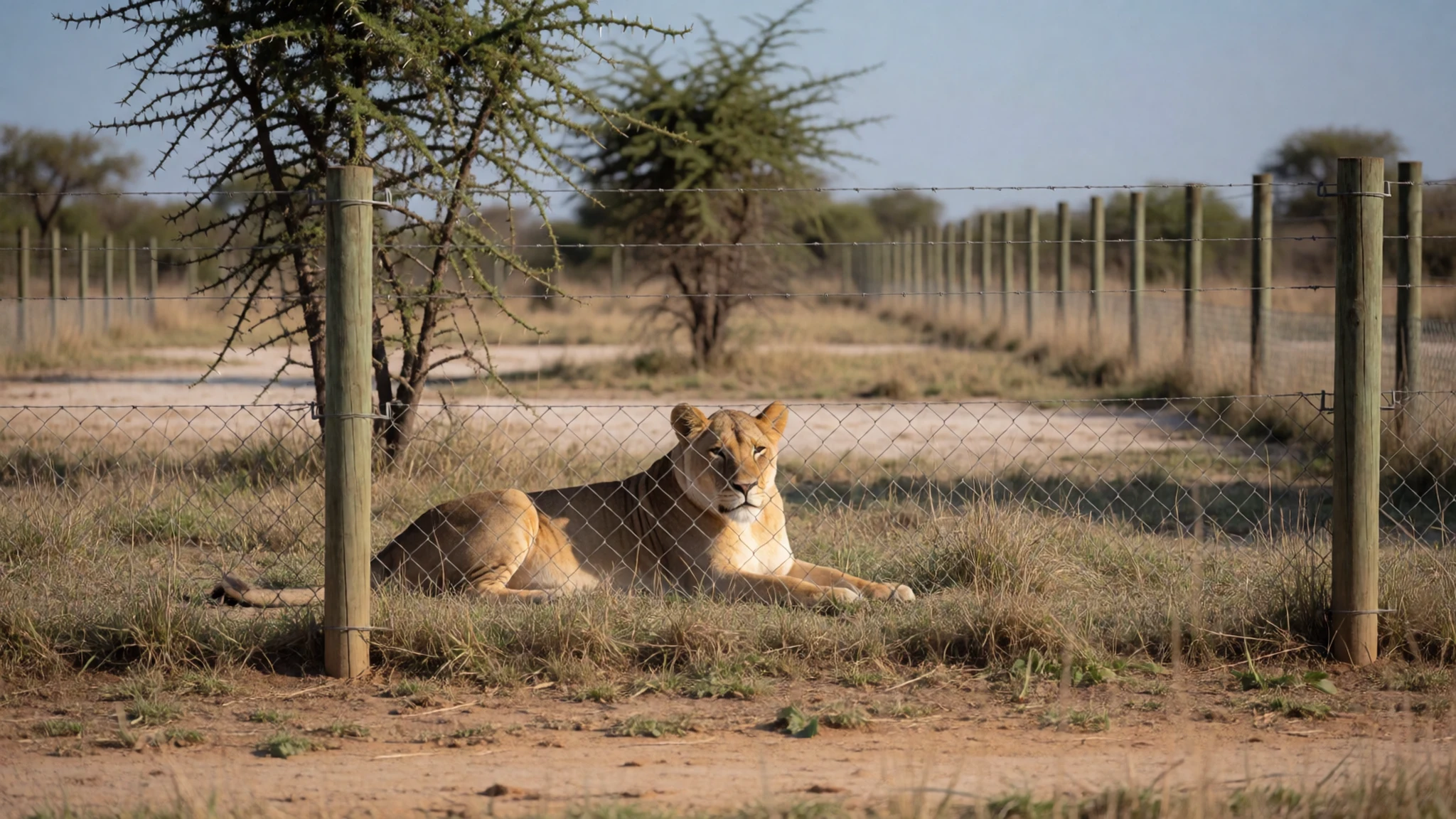
- The roosting scops owl at the main camp — Main camp
A tiny scops owl roosts at the main camp, and staff will point it out if asked. It is easy to miss, its plumage matching bark so well that a first glance finds only a branch. A small reward for slowing down between game drives and walks.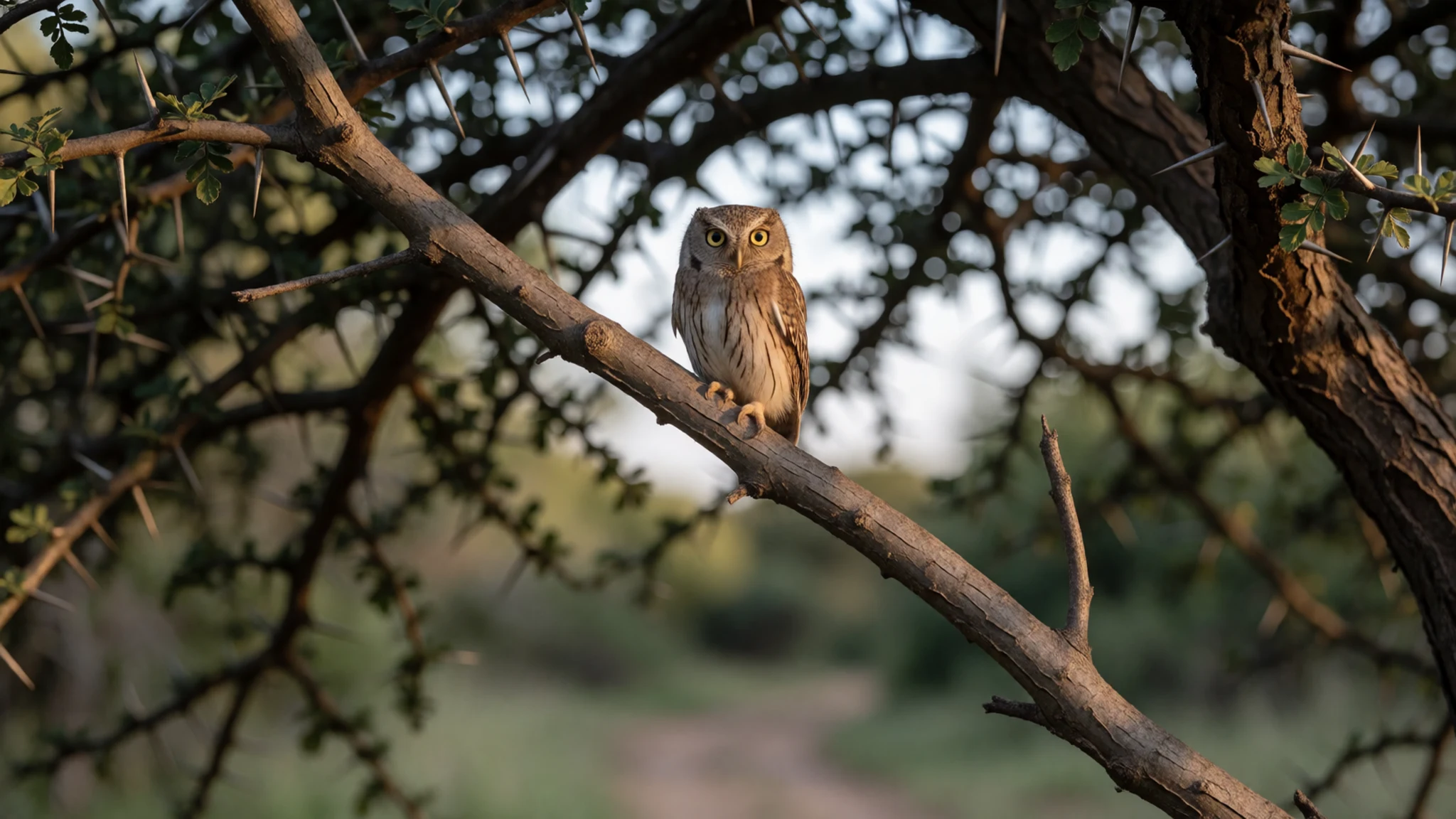
- The MR3 approach road — Road between Manzini and the park gate
The drive in along the MR3 is worth noticing in itself: rural lowveld, homesteads, cattle and roadside stalls before the gate. Going slowly gives a sense of the country around the park, which is lived-in farmland as much as wilderness, and a useful frame for what the reserve protects.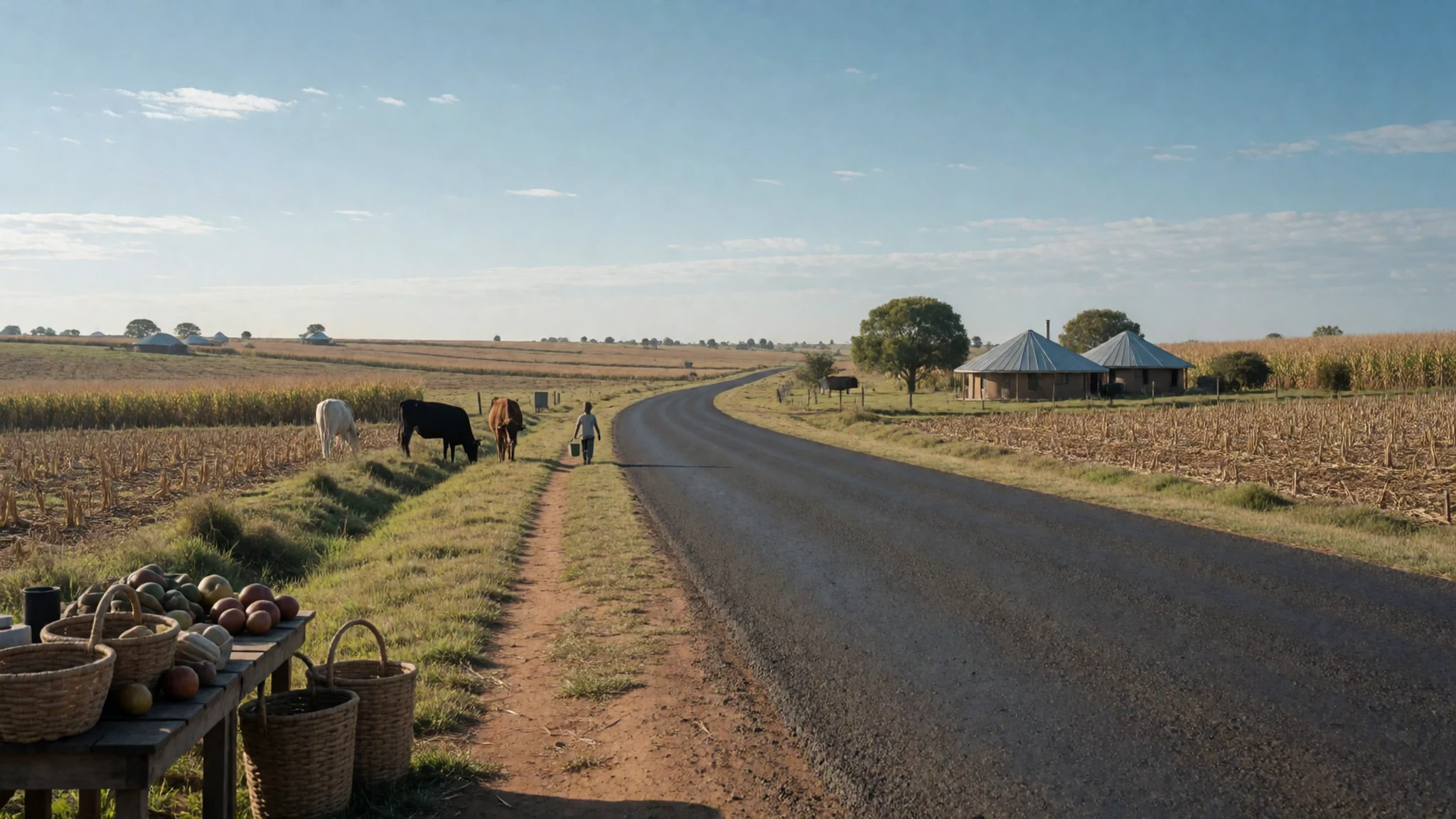
Culture
Hlane Royal National Park carries the marks of Eswatini's monarchy, because the land was a private royal hunting ground before it opened to the public. King Sobhuza II gave it the name Hlane, meaning wilderness, and the park is held in trust for the nation by King Mswati III, with day-to-day running left to Big Game Parks, a private body. That mix of royal ownership and conservation management is unusual, and it explains why the park feels both formal and personal. Eswatini's royal ceremonies, such as the Umhlanga reed dance and the Incwala first-fruits ritual, put cattle, land and loyalty at the centre of public life. Siswati is the everyday language, English is widely spoken, and greetings matter. 'Sawubona' is said to one person and 'Sanibonani' to a group, usually followed by a short question about how they are. Elders are shown particular respect. Many rangers, cooks and drivers at the camps live in nearby communities, so a patient, friendly manner goes a long way, and tipping a good guide at the end of a walk is welcomed. Greet gate staff and guides with a proper 'Sawubona' before asking anything, and stay with your guide on every bush walk.
What to wear
Hlane lies in a country where traditional dress is still worn with pride at royal ceremonies. The everyday cloth is the lihiya, a bright printed wrap, usually cotton, knotted at the shoulder or tied at the waist; women and men both wear versions of it. For the Umhlanga reed dance, young women wear beaded sashes, tassels and short wrapped skirts, while men at the Incwala wear skins, feathers and shield-and-stick regalia suited to dance. These outfits belong to ceremony rather than daily life. Day to day, people around the park wear ordinary modern clothes: jeans, T-shirts, school uniforms and work wear, with the lihiya often added over the top in cooler weather or at gatherings. Rangers wear olive or khaki. Visitors should dress for the bush: neutral greens, tans and browns, never bright colours or white, which show up and gather dust. Closed shoes with a good grip are best for walks, with a wide-brimmed hat, sunscreen and lightweight long sleeves for sun and insects. Winter mornings and evenings can be cold on open vehicles, so pack a fleece. Shorts are fine in camp, but covered knees and shoulders are polite when visiting nearby villages or royal occasions.
What to eat
- Sishwala with beef stew — Camp restaurants and roadside eateries along the MR3
Sishwala is a stiff maize porridge, eaten by hand and rolled into balls to scoop up stew. It is the everyday staple across Eswatini, filling and plain, and works well after a morning on foot. Look for it at camp restaurants and roadside eateries.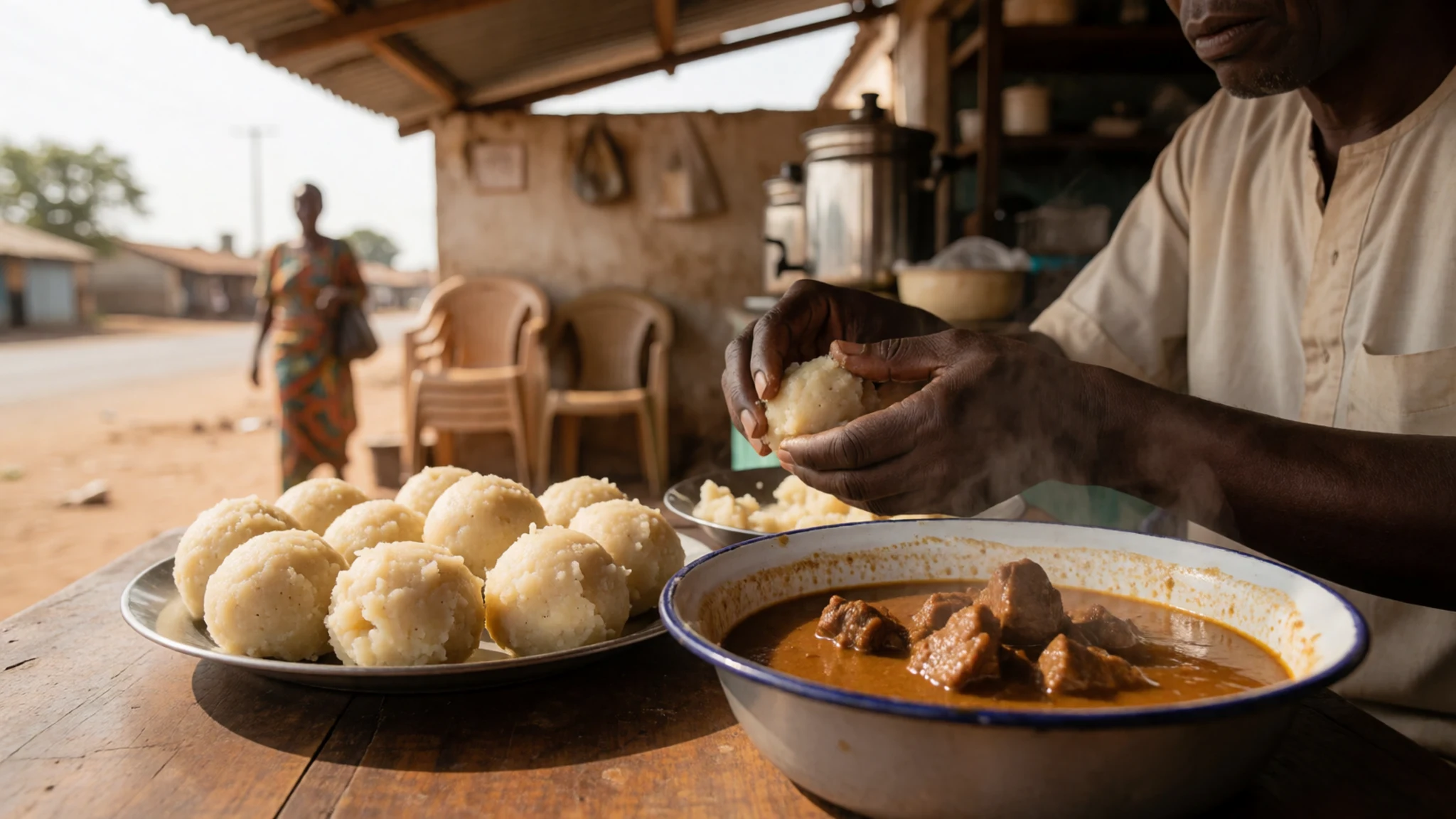
- Umncweba — Market stalls and small shops near Simunye and Manzini
Umncweba is dried, cured meat, similar in spirit to biltong, usually beef or game. It travels well and makes a sensible snack for a long drive or a hide watch. It is sold in small shops and rural markets rather than being a restaurant dish.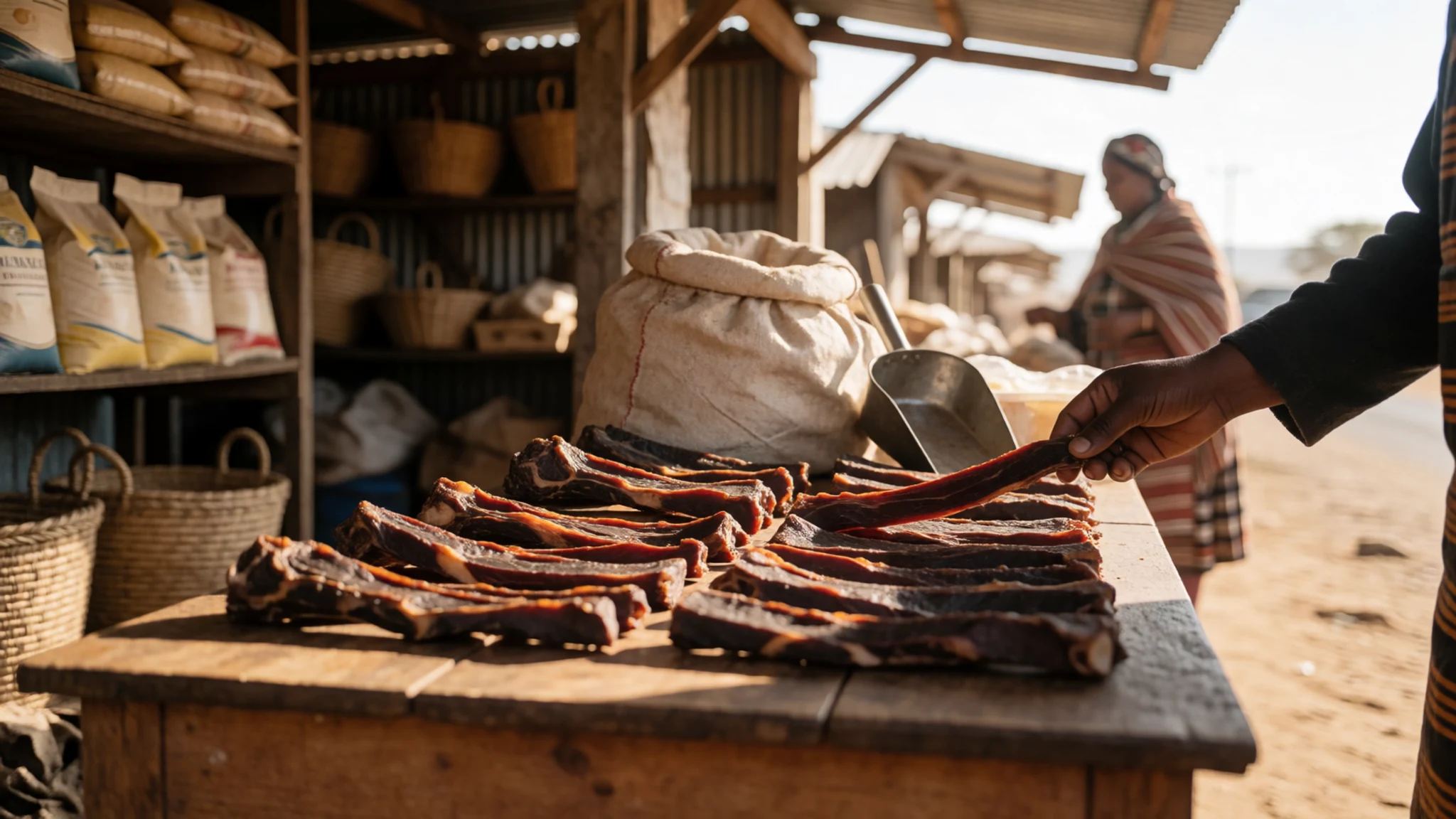
- Emasi — Homesteads, markets and shops in rural Eswatini
Emasi is soured milk, a traditional drink and ingredient with a tangy, yoghurt-like taste. It is often served with porridge or on its own. Visitors unused to it can try a small cup first, as it is an acquired taste for many. - Braai — Camp braai areas and eateries in the park
A braai, the southern African barbecue, is the social meal of the region: beef, boerewors sausage, chicken, and pap or salad on the side. Many camps run a braai area for guests in the evening, and the smell of smoke often gathers at dusk. - Pumpkin and greens — Local eateries and markets in Manzini and Simunye
Pumpkin, cooked down with a little sugar or butter, and leafy greens such as spinach or pumpkin leaves, are common vegetable sides. They come alongside porridge and meat in home cooking and are worth ordering as a lighter balance to the heavier dishes.
Plan it
Best time. June to August is the dry, coolest season: animals gather at waterholes, vegetation thins and walking is most comfortable. Summer is hottest and wettest from November to February, but the bush is green and birdlife is at its busiest.
How long. 2–3
Getting there. The nearest airport is at Manzini, about 67 km south-west of the park. From there go by car along the MR3, or take a bus towards Simunye, which stops at the park gate, around 4 km south of Simunye. The road is tarred almost to the entrance.
Budget. mid
Tips
- Reserve accommodation in advance through Big Game Parks central reservations; check the official site for current contact details
- Book bush walks at the camp, and go early while it is cool
- Carry water, a hat, sunscreen and insect repellent
- Bring some cash for small purchases and tips, as cards may not work everywhere
- Combine with Mlawula Nature Reserve nearby for varied scenery
Etiquette
- Greet staff with 'Sawubona' before asking for anything
- Stay with your guide on foot and keep your voice low near animals
- Do not feed wildlife or leave rubbish behind
Nearby
Sources
- Wikidata Q9067090 (CC0)
- Wikipedia: Hlane Royal National Park (rev 1362764203) (CC BY-SA 4.0)
- Wikivoyage: Hlane Royal National Park (rev 4763907) (CC BY-SA 4.0)
- Photo: Hlane basic hide at Hippo Pool, Bjørn Christian Tørrissen (CC BY-SA 4.0)
- Photo: Lioness in the lions enclosure, Bernard Dupont (CC BY-SA 2.0)
- Photo: Map of Eswatini regions, User:(WT-shared) Burmesedays, Perry-Castañeda Library Map Collection (CC BY 3.0)
- Photo: MR3 Hlane, Antonio Olmedo (CC BY-SA 2.0)


Wildlife
- African elephant (animal)
The African bush elephant is the biggest animal that walks on land, with a long trunk that works like a hand, curved tusks and great ears that help it keep cool. At Hlane, walking with a guide through the northern part of the park is the usual way to meet elephants on foot. Stay close to your guide, keep your voice low and your distance generous, and never offer food.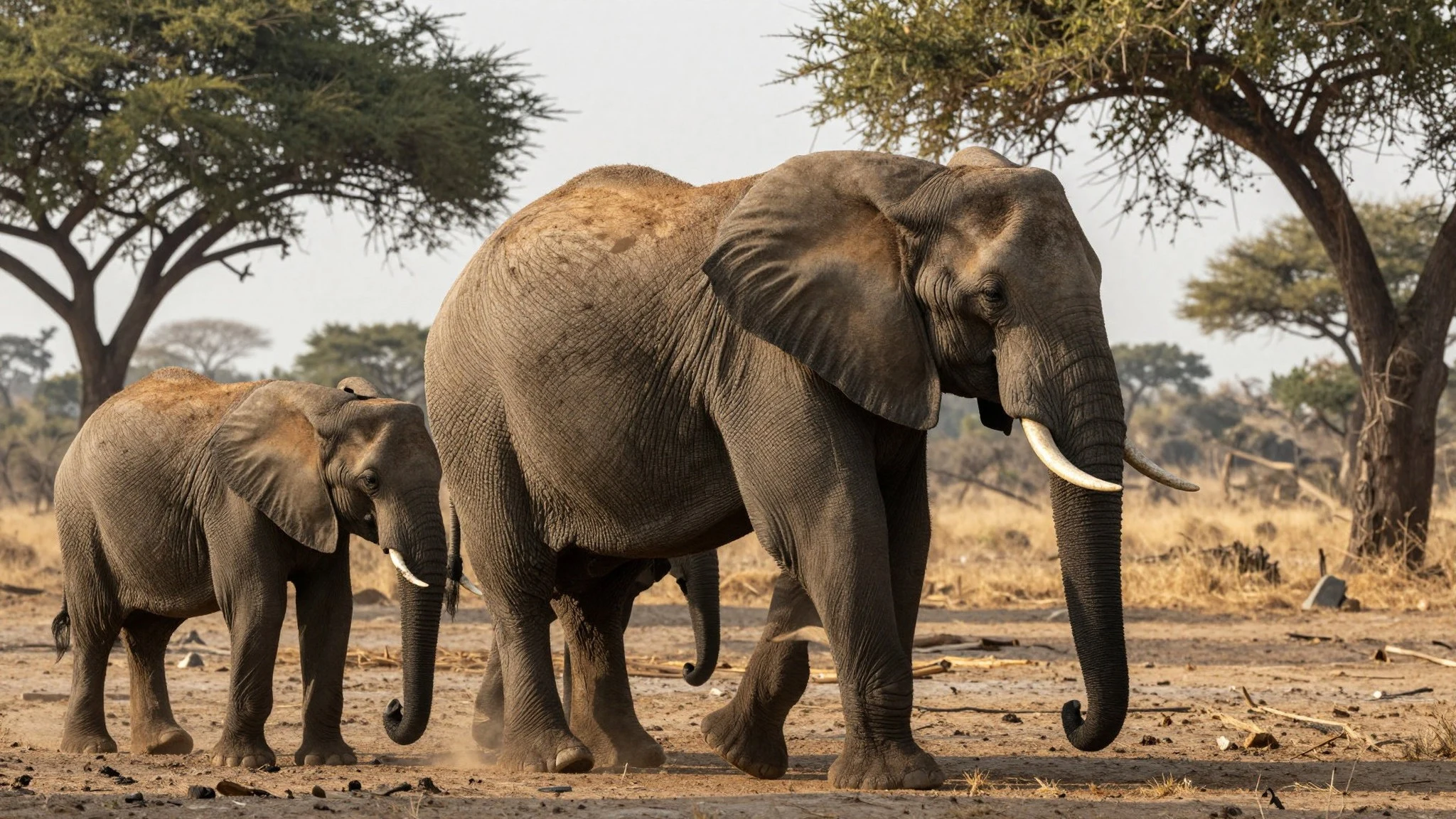
- Lion (animal)
The lion is a big, muscular cat, and the male wears a thick mane like a king's collar. Lions are among the animals recorded at Hlane, though the reading does not promise them the way it does rhinos, so treat any sighting as a gift. Watch from a safe distance with a guide, keep quiet and still, and never feed a wild lion.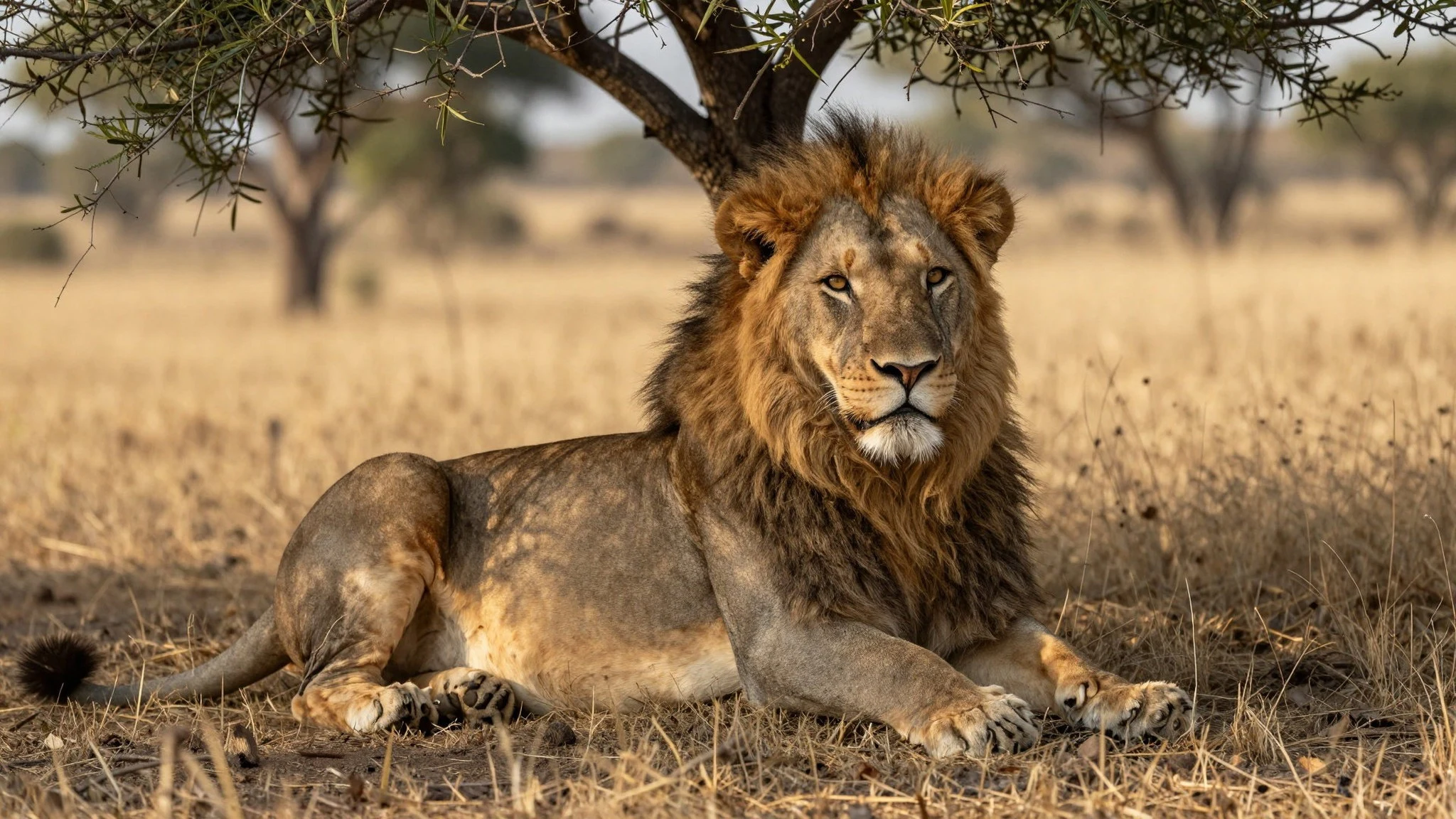
- African scops owl (bird)
The African scops owl is a tiny owl, found widely across sub-Saharan Africa, but this little one is easy to meet right at camp. One roosts at Hlane's main camp, and staff will gladly show you where if you ask. Look from a respectful distance, speak softly, and let the owl rest undisturbed. Like every wild creature here, it should never be fed.