Mantenga Nature Reserve
Mantenga Nature Reserve, Eswatini
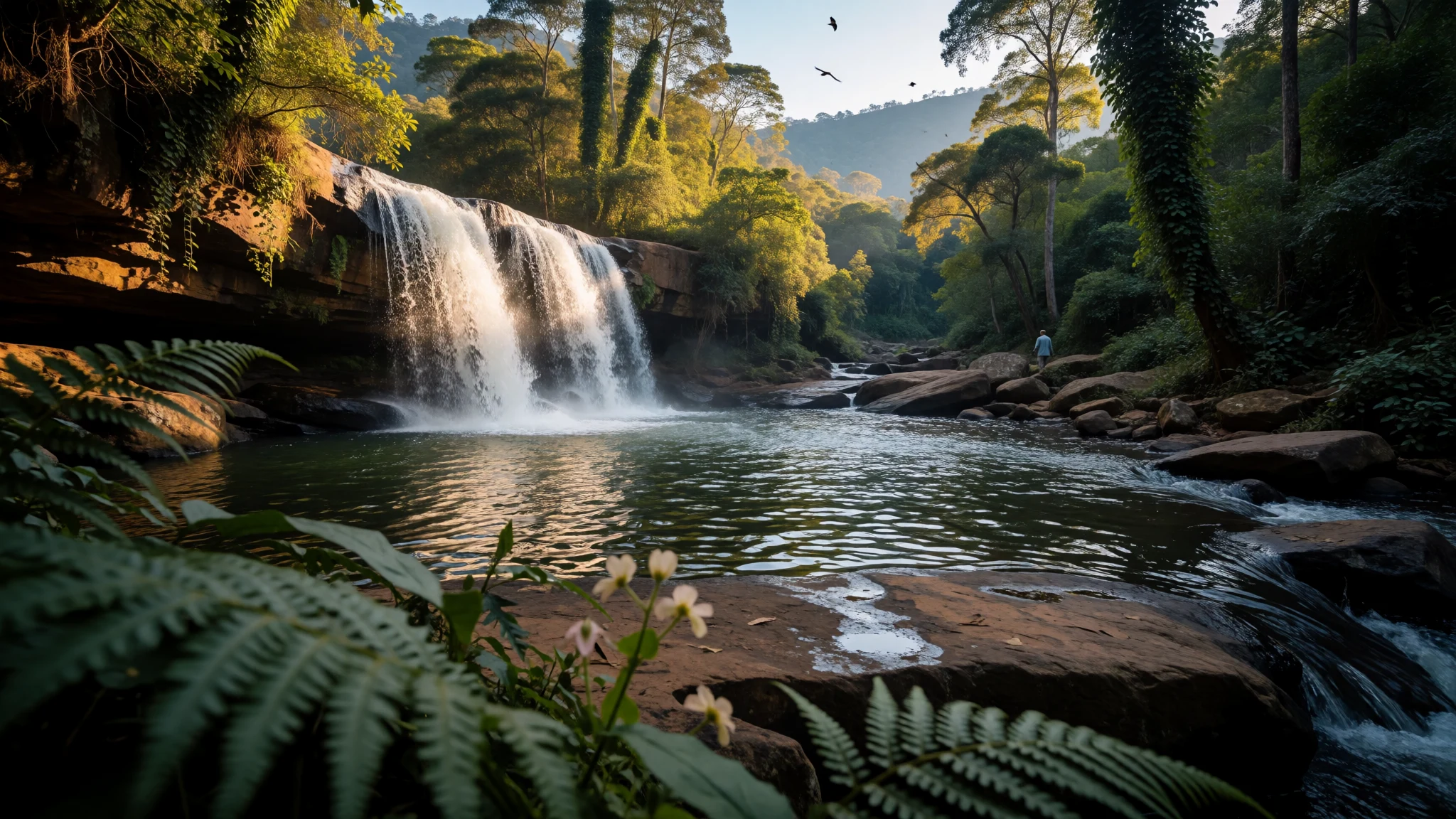
Mantenga Nature Reserve pairs a forested river valley and an easy waterfall walk with a staged look at traditional Swazi homestead life.
The place
Mantenga Nature Reserve lies in the hills of western Eswatini, a short drive from the capital Mbabane. It protects a patch of woodland around the Lushushwane River, and that river is the reason for most of what visitors come to see. The reserve is small and easy to manage: a single outing covers the main sights, and nobody needs hiking experience or special kit to enjoy it.
Near the entrance stands a replica Swazi village, built to show how a traditional homestead was laid out. It is a reconstruction rather than a living community, and the people there are staff and performers, not residents. That is worth knowing before arrival, because it shapes what the place offers. It works as an introduction, and it is not a window onto everyday village life. Entry is by fee, and the village can be toured alone or with a guide; check the official site or ask locally for current arrangements.
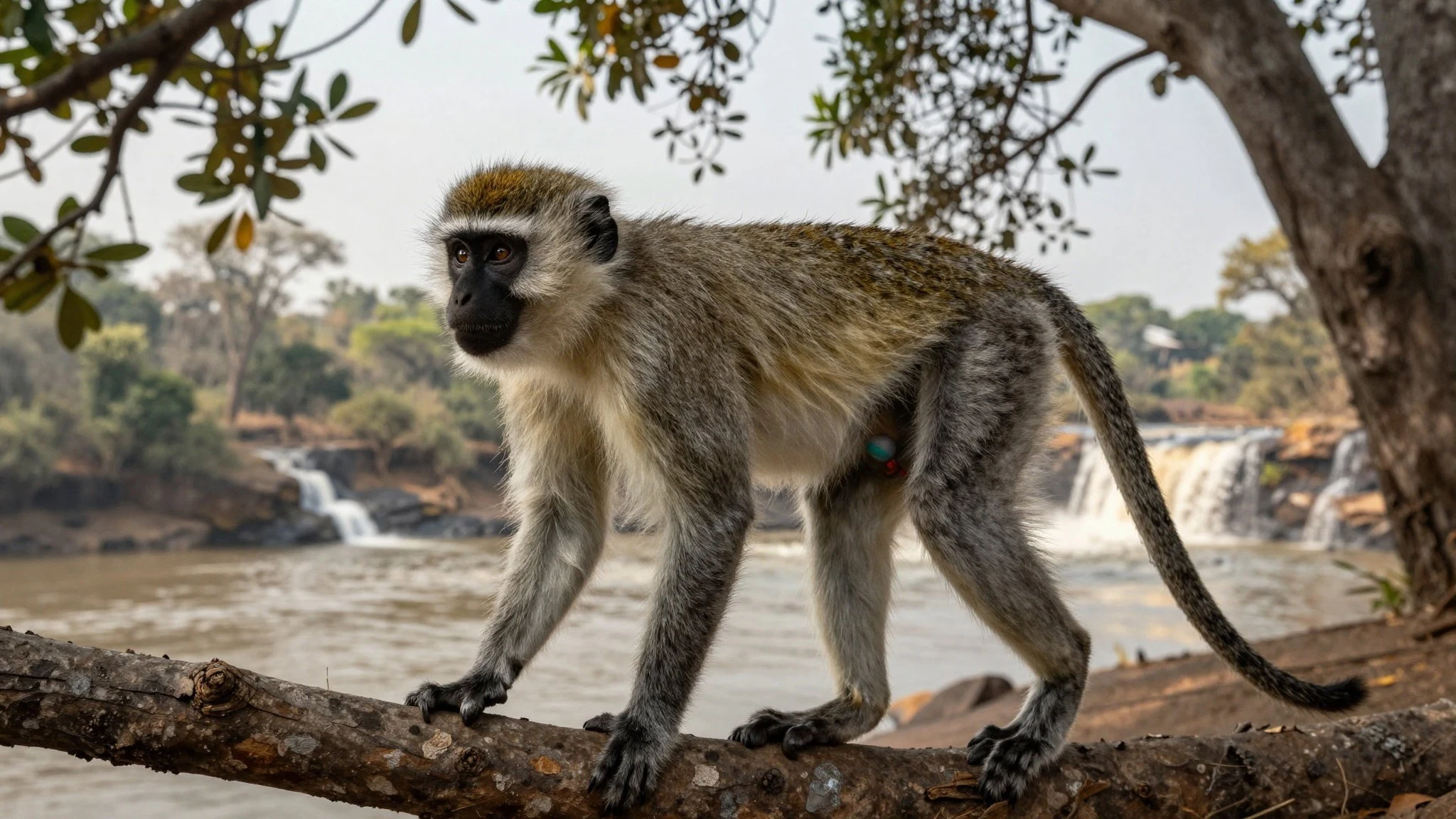
The natural highlight is Mantenga Falls, reached by a walk that most people find manageable. Wikivoyage describes it as the country's largest waterfall by volume, so it is at its fullest after the summer rains and thinner in the dry months. Wildlife is modest. Vervet monkeys are the animals most visitors actually meet, and they have learned to ask for food, so bags and picnics need watching. A cafe with outdoor seating and a mountain view, and a lodge near the waterfall, mean the reserve can be a half-day stop or a quiet overnight base.
Its story
Mantenga Nature Reserve tells two stories at once, and they sit side by side on purpose. One is ecological: a river valley whose woodland has been set aside, so that the Lushushwane keeps running through trees rather than through farmland or housing close to the capital. The other is cultural: a recreated homestead meant to show visitors how Swazi families once lived.
The replica village is modelled on a nineteenth-century settlement. That period matters in Eswatini's own account of itself, because it is associated with the consolidation of the Swazi kingdom, whose monarchy remains central to national life today. Beehive-shaped grass huts, a layout organised around the family and the cattle, and a clear separation of spaces for different members of a household are the sort of details such reconstructions try to convey. Guides explain these arrangements, and the explanations are the real value of the visit.
Performance is part of it. The Sibhaca dance, a energetic stamping dance traditionally performed by men, is staged at the village twice daily, and it gives the setting a human voice. Honesty helps here: it is a show for visitors, so the atmosphere is closer to a museum with music than to a festival. Even so, it is a useful way to meet Swazi song, rhythm and costume in one place, before heading out to the quieter forest and the falls that the reserve was created to protect.
What to see
- Swazi cultural village — Near the reserve entrance
A replica of a nineteenth-century Swazi homestead stands near the reserve entrance. Grass-thatched huts, a cattle area and guided explanations show how a household was arranged. It is entered for a fee and can be toured alone or with a guide; no one lives there, so treat it as a museum.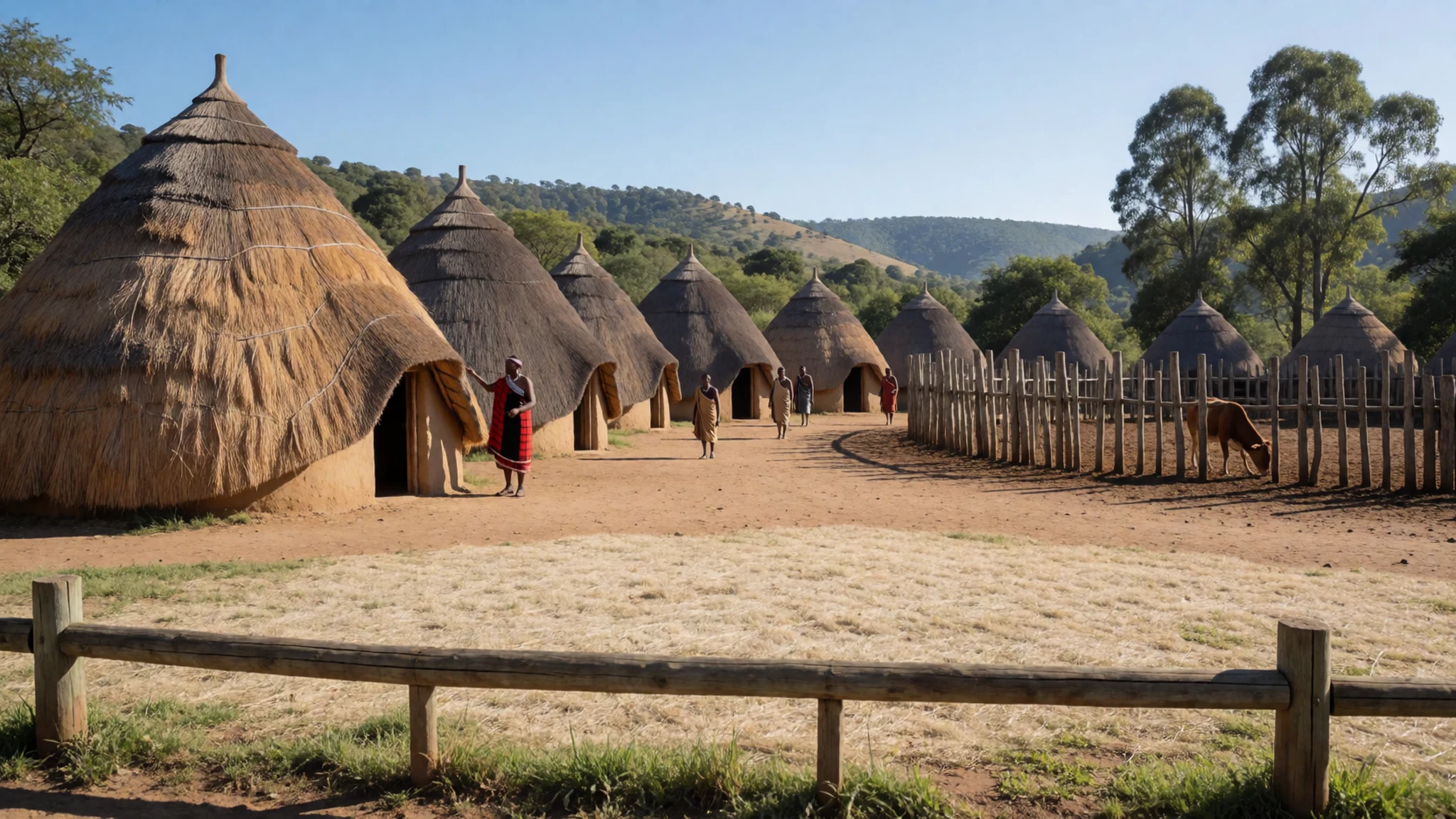
- Sibhaca dance — Cultural village, reserve entrance
Dancers perform the Sibhaca at the cultural village twice daily. It is a stamping, rhythmic men's dance, driven by drums and voices and performed in traditional costume. Ask at the entrance about current times rather than relying on a fixed schedule, since performances depend on staffing and visitor numbers.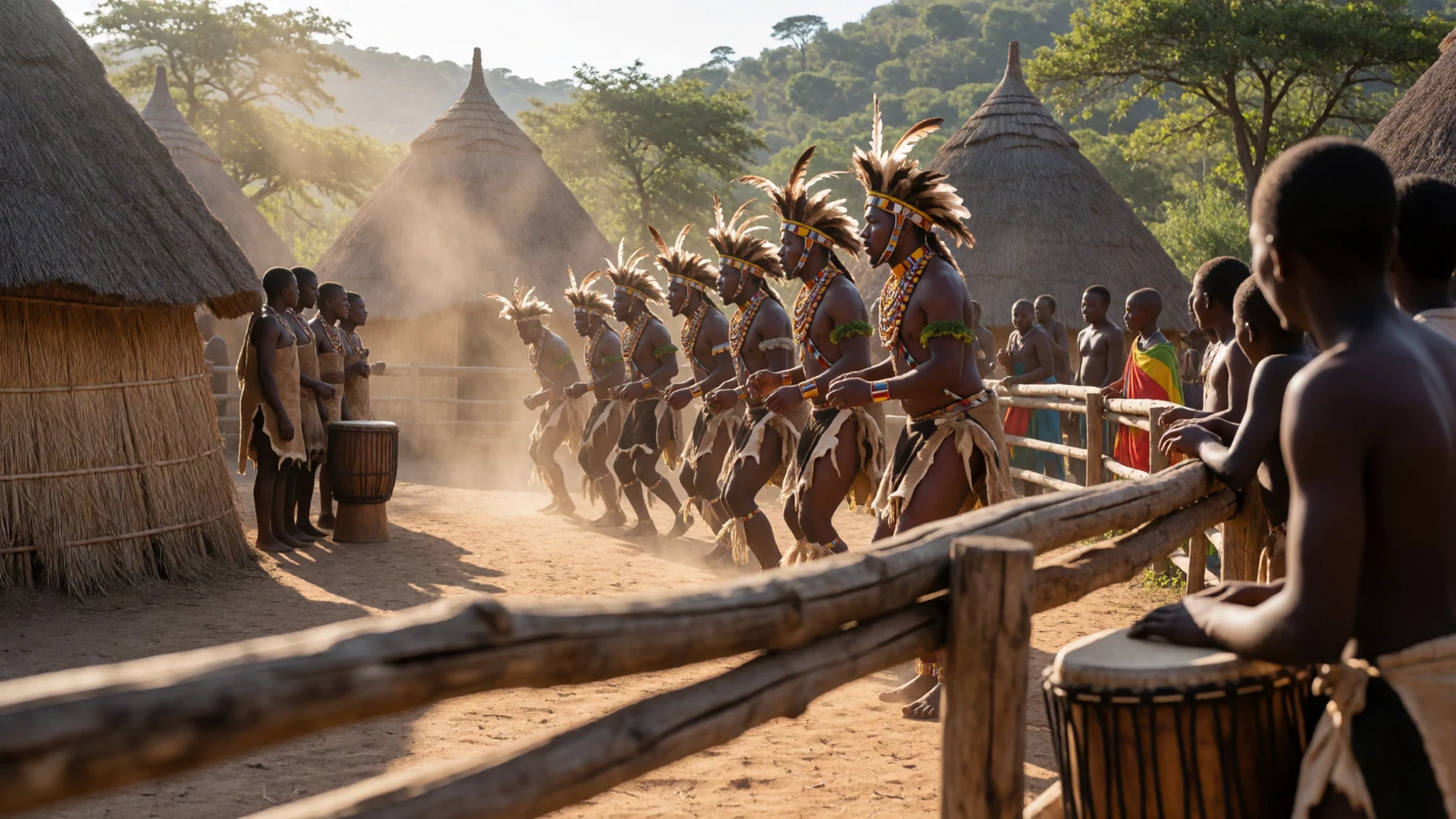
- Mantenga Falls — Inside the reserve, along the river
The main natural sight is the waterfall on the Lushushwane River, reached on foot along a path that most people manage easily. Wikivoyage calls it the country's largest by volume. It is fullest after summer rain and quieter in the dry months, so expect different scenes in different seasons.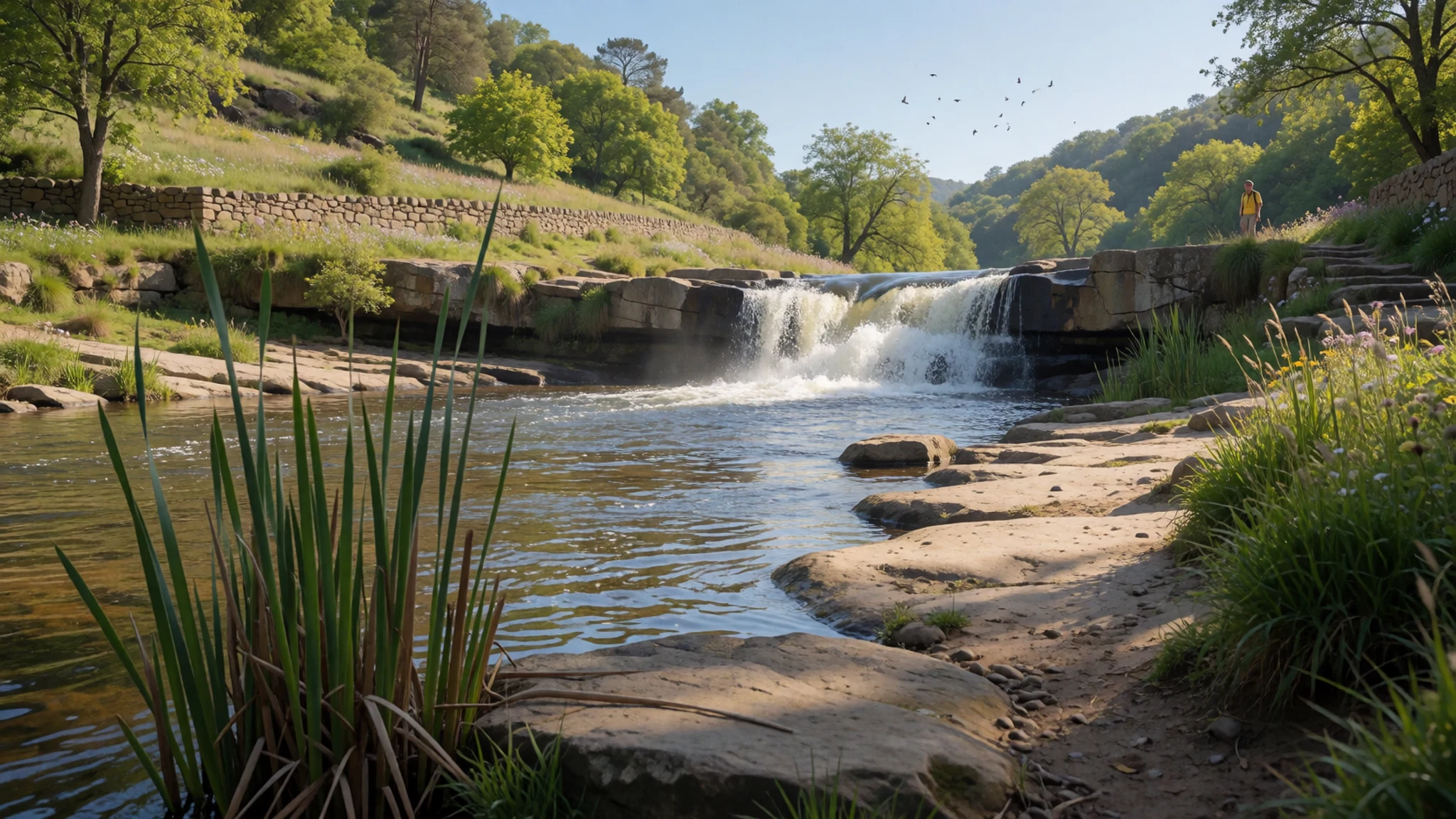
- Lushushwane River woodland — Throughout the reserve
The woodland around the river is the reason the reserve exists. Walking beneath its trees gives shade on warm days and a calmer pace than the village. Birdsong is likely, larger wildlife is not. It suits a slow stroll more than a serious hike, and sturdy shoes are enough.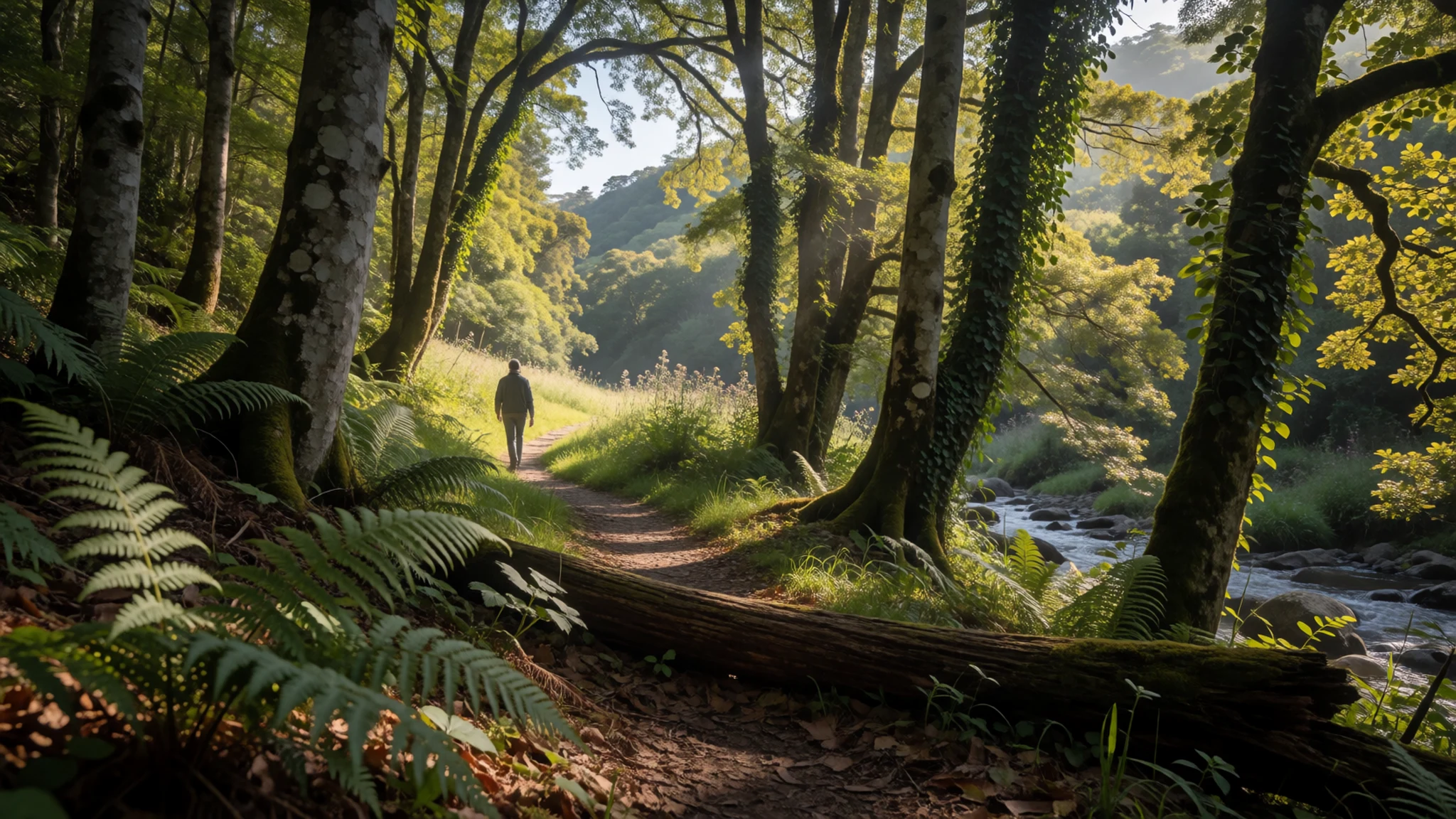
- Vervet monkeys — Paths and picnic areas
Vervet monkeys are the animals most visitors actually see here, and they are bold about asking for food. Do not feed them, keep snacks sealed and bags zipped, and avoid direct eye contact or showing teeth. They are fun to watch from a sensible distance, but they can snatch.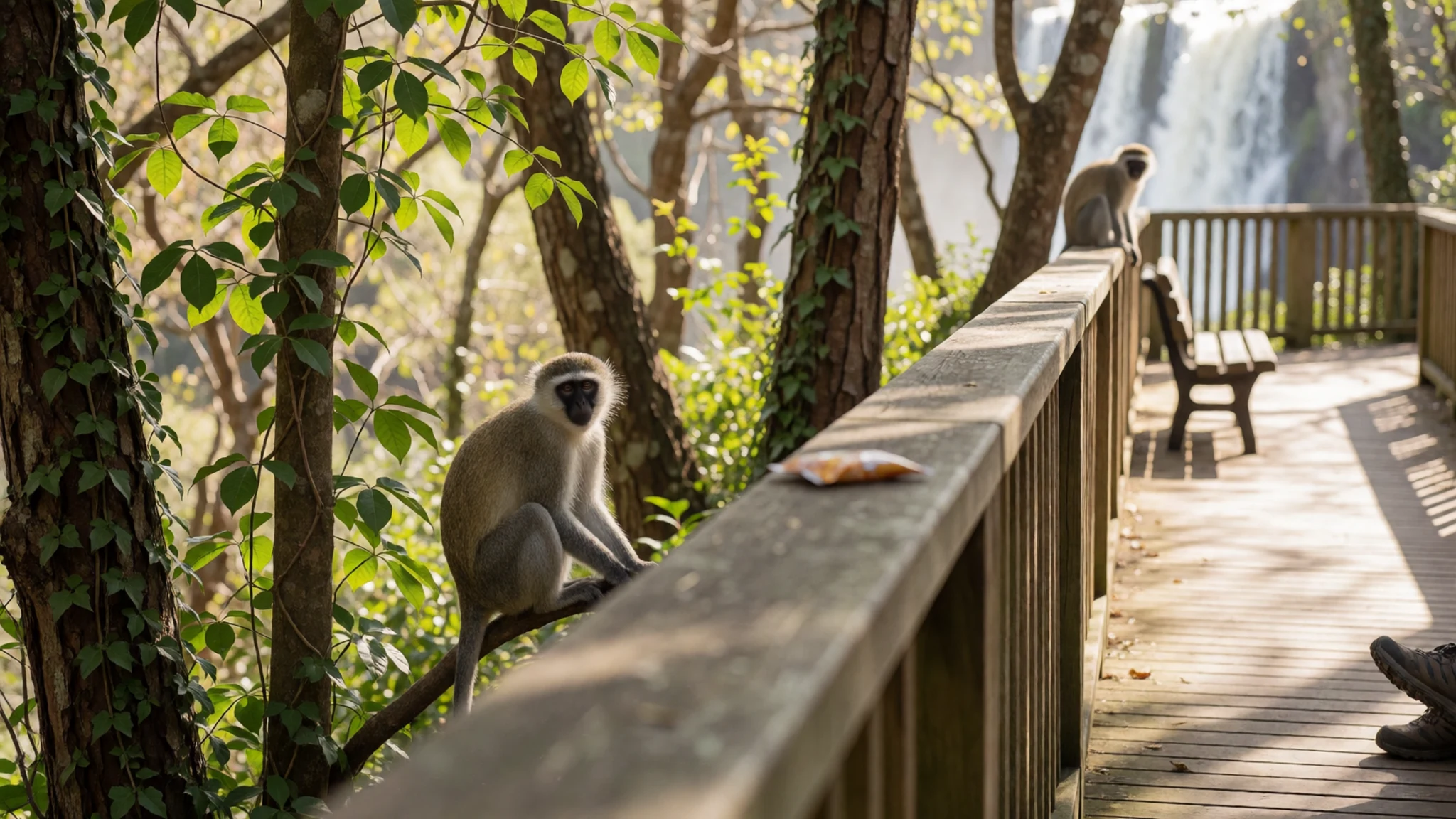
Culture
Mantenga Nature Reserve sits in a country where the monarchy, clan identity and ceremony remain living parts of public life, and that colours how a visit feels. The replica village is a staged introduction rather than a real settlement, but the customs it illustrates are still recognised across Eswatini: respect for elders, a household organised around family and cattle, and music and dance as ways of marking community occasions.
The Sibhaca dance is the clearest taste of this at the reserve. It is rooted in men's team dancing, with synchronised stamping and call-and-response singing, and it belongs to a wider tradition of song and dance used at celebrations. Performers at the village are doing a job for visitors, but the skill is real, and applause and a few good questions to the guides are welcome.
Language helps. English is widely used alongside siSwati, and a simple greeting in siSwati usually earns a warm response from staff and guides. Conversation is generally courteous and unhurried, so rushing a guide through an explanation can feel abrupt. Eswatini's royal family is held in great respect, and casual jokes about it land badly with locals. It is wiser to listen first and ask politely.
Small donations or tips for guides and performers are appreciated but not demanded; ask staff what is usual rather than guessing. Ask permission before photographing any performer or staff member up close, and never pass food to the monkeys or leave rubbish behind.
What to wear
Mantenga Nature Reserve is a good place to see traditional Swazi dress at close quarters, because the cultural village's performers wear it. The everyday cloth wrap for women is the lihiya, a bold printed or checked blanket-style fabric tied at the shoulder or waist; plural emahiya. Men's ceremonial dress uses wraps and animal skins, and both sexes may add beadwork, necklaces and feathers for dances and festivals. The materials are mostly cotton cloth, glass beads, leather and fur, and the full outfits are worn for ceremonies, royal occasions and performances rather than on ordinary days.
What people wear now is much more ordinary. In Mbabane and around the reserve, most people dress in jeans, shirts, dresses and school or work uniforms, with the occasional lihiya worn over modern clothes at family or community gatherings. Staff at the reserve may wear uniforms; performers wear costume only for shows.
For a visit, dress for the outdoors. Light, breathable layers suit warm days, and a light waterproof is sensible in the rainy summer months. Cooler mornings and evenings in the dry season call for a fleece or jumper. Sturdy closed shoes or trainers with grip are best on the waterfall path, which can be slippery near water. Add a hat, sunscreen and a refillable bottle. Modest knee-length shorts or trousers are fine; there is no strict dress code at the reserve, though covering up a little is courteous when visiting local homes or ceremonies.
What to eat
- Braai (grilled meat) — Casual eateries and lodges around Mbabane
Braai, the southern African barbecue of beef, chicken or sausage over wood or charcoal, is a staple of social meals in Eswatini. It is easy to find at lodges, roadside spots and casual eateries around Mbabane, and often comes with pap and a tomato relish.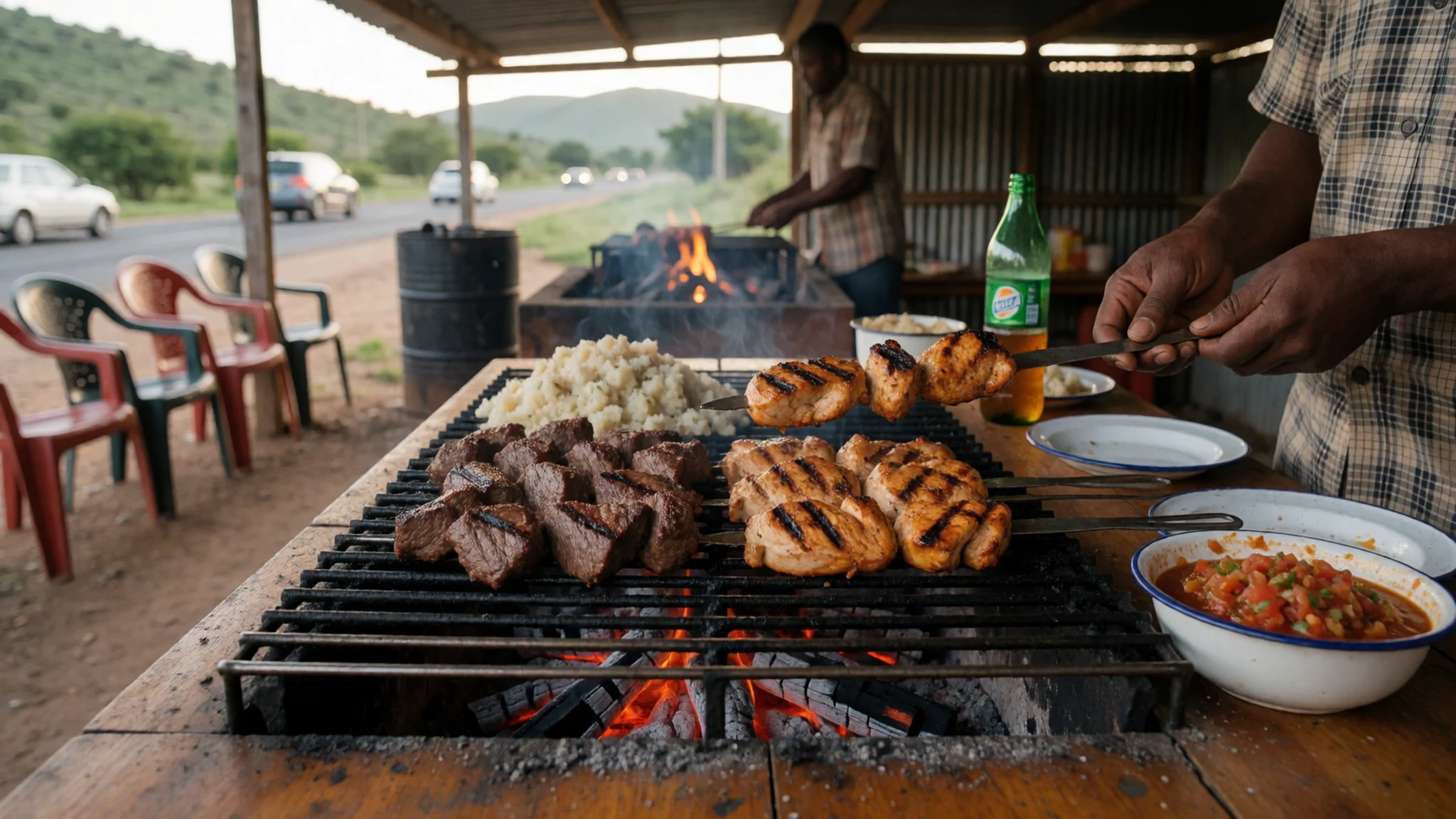
- Sishwala (maize porridge) — Local eateries and market food stalls in Mbabane
Sishwala is thick maize porridge, the everyday starch of Eswatini, eaten with the hands and served with meat, greens or a stew. It is filling, inexpensive and widely available, and a good way to taste ordinary home cooking.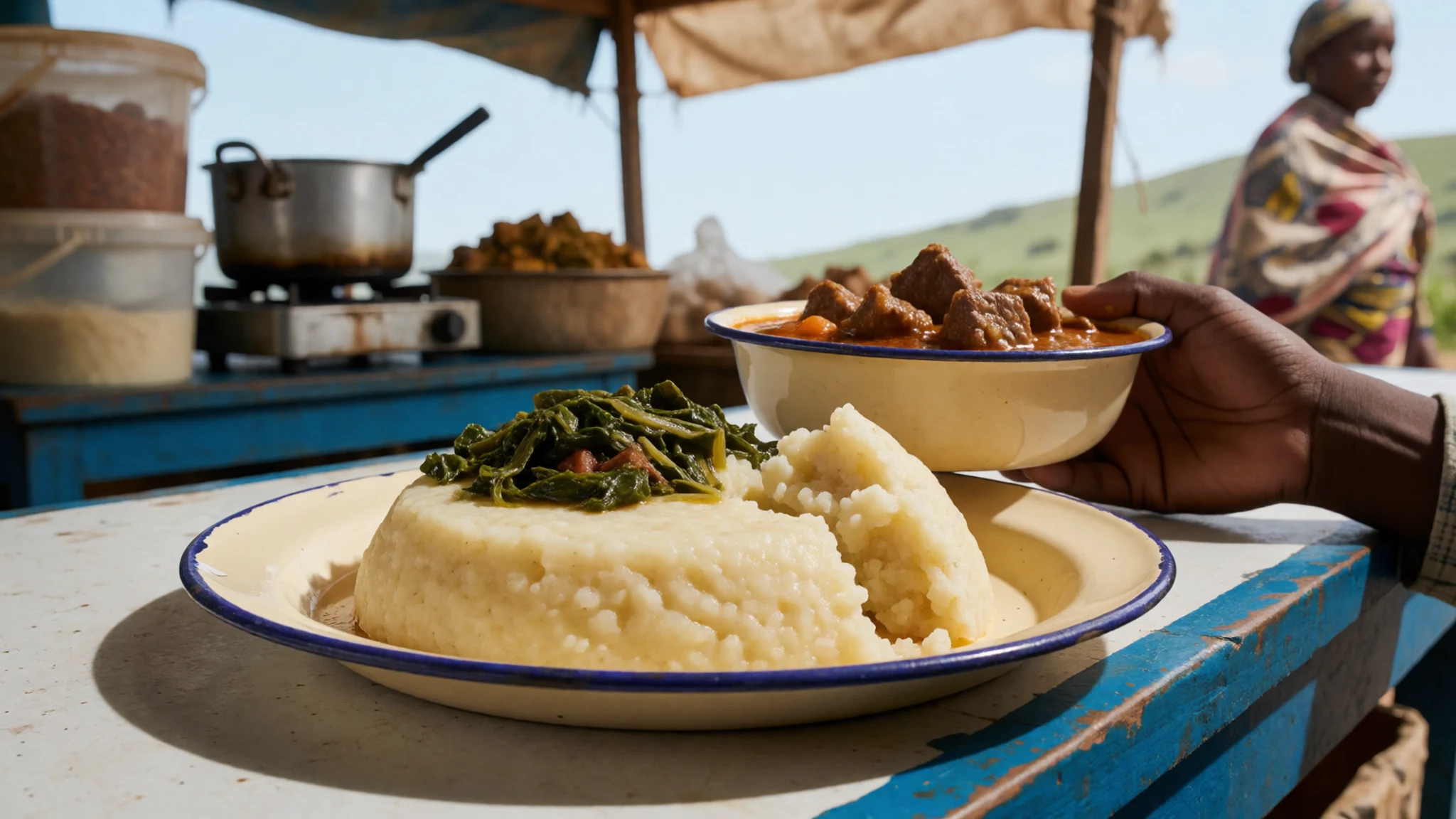
- Stews and relishes — Local eateries, lodge restaurants and home-style kitchens
Beef, chicken and vegetable stews with spinach-style greens and bean relishes accompany most local meals. They are usually mild and hearty rather than hot, and vegetarian versions are easy to arrange if asked in advance. - Mantenga Fall Cafe lunch — The cafe inside the reserve
Wikivoyage mentions the Mantenga Fall Cafe, which has outdoor seating and a mountain view. It suits a simple lunch of sandwiches, grills or salads between the village and the falls; check the menu on the day. - Fresh fruit and roadside snacks — Roadside stalls on the drive from Mbabane
Seasonal fruit such as bananas, oranges and mangoes is sold from roadside stalls on routes towards Mbabane, along with roasted maize in season. Buy a bag for a picnic, but keep it sealed because of the monkeys.
Plan it
Best time. April–May and September–October, when days are mild and the paths are comfortable; the falls are fullest after the summer rains, so a trip soon after the wet season gives the best flow. Summer can be hot and showery, and winter mornings are cool.
How long. 1
Getting there. Mbabane is the nearest town, and the reserve is a short drive from it by car or taxi. Most visitors reach Eswatini by road from South Africa or by flight to the country's international airport, then continue to Mbabane. Check the official site for current entry arrangements and transport.
Budget. low
Tips
- Check the official site or ask locally for entry fees, dance times and opening hours before setting out
- Carry some cash for entry, tips and snacks, and ask whether cards are accepted
- Wear grippy shoes for the waterfall path and bring water and sun protection
- Keep food out of sight and bags zipped because the vervet monkeys are persistent
- Go earlier in the day for cooler walking and quieter paths
Etiquette
- Do not feed the monkeys or leave rubbish on the trails
- Ask before photographing performers or staff up close
- Treat the cultural village as a museum rather than a home, and listen respectfully to guides
Nearby
Sources
- Wikidata Q107196152 (CC0)
- Wikipedia: Mantenga Nature Reserve (CC BY-SA 4.0)
- Wikivoyage: Mantenga Nature Reserve (rev 5311994) (CC BY-SA 4.0)
- Mantenga nature reserve — Jean-Marc Astesana, via Wikimedia Commons (CC BY-SA 2.0)

Wildlife
- Vervet monkey (animal)
The vervet is a grey monkey with a black face, the cheeky neighbour you won't forget. Of all the animals at Mantenga, it is the one most visitors end up meeting. Vervets have learned that people carry snacks, so keep bags closed and picnics close to hand. Watch them from a respectful distance, stay calm and quiet, and never offer food; feeding only teaches them to beg. A guide can help you enjoy them safely.