Mhlambanyatsi
Mhlambanyatsi, Eswatini
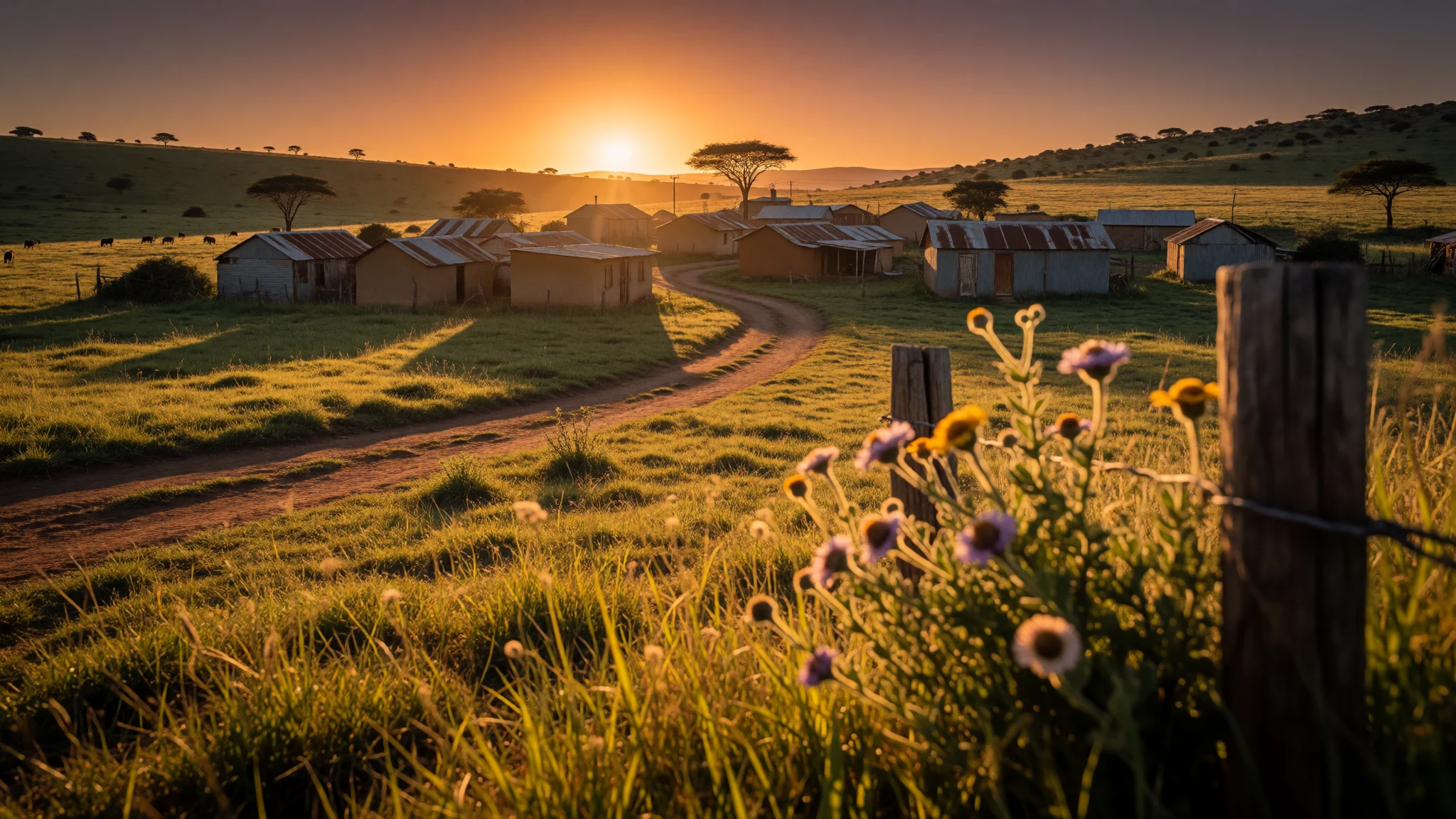
Visit Mhlambanyatsi for a quiet glimpse of rural Eswatini life and easy access to the region's dramatic geological wonders.
The place
Mhlambanyatsi is a modest town situated in the western reaches of Eswatini, resting about 18 kilometres southwest of the capital, Mbabane. It serves as a peaceful gateway to the rugged highlands and river valleys that define the landscape of this small Southern African nation. The town itself is small, with a population of about 2,800 people, and it retains a slow, rural pace that contrasts sharply with the bustle of the larger urban centres. Visitors often find the area welcoming, reflecting the general reputation for friendliness that characterizes the country.
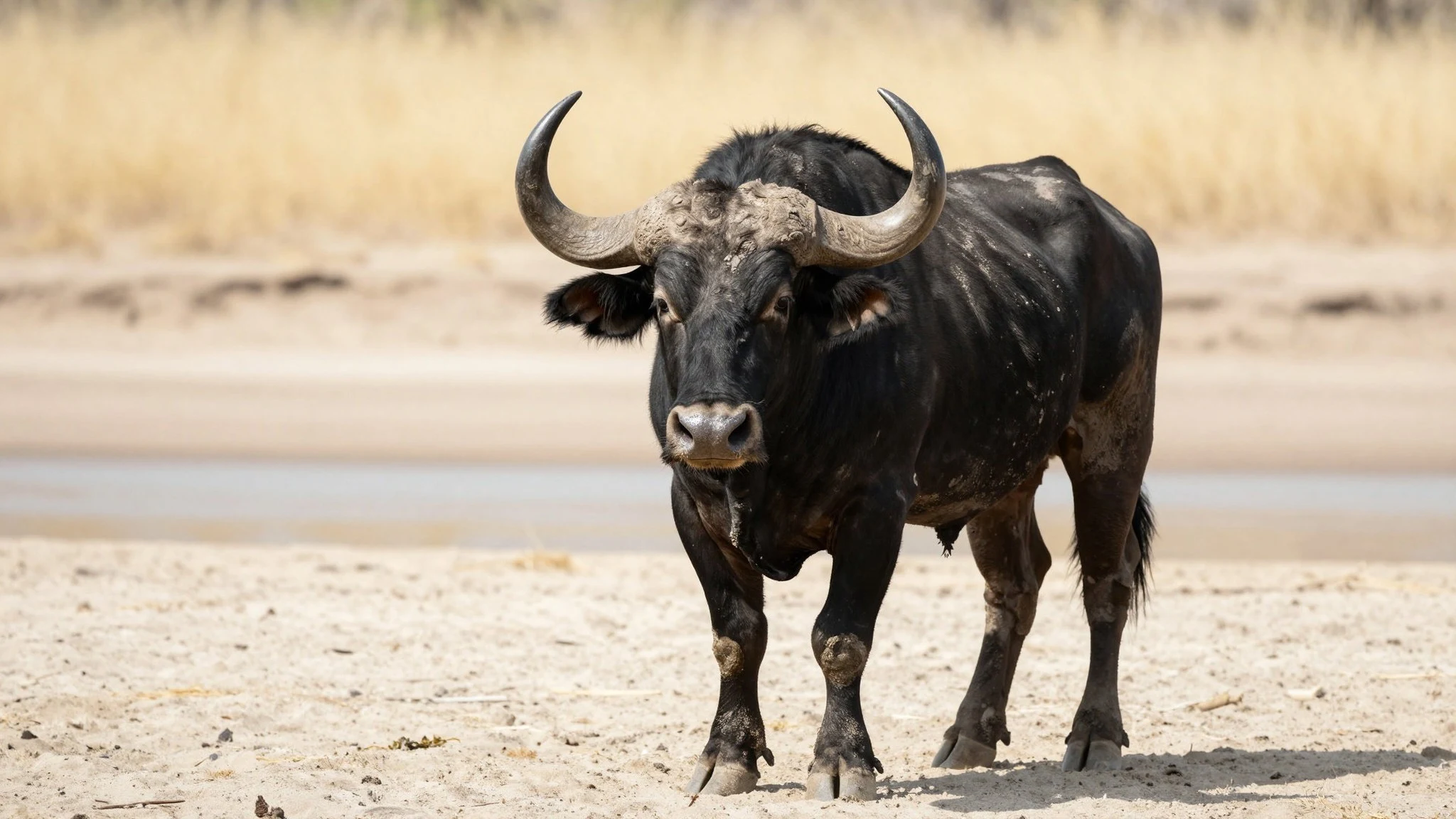
The surroundings of Mhlambanyatsi are dominated by nature. The land is a mix of rolling hills and riverbeds where wildlife, including buffaloes, can occasionally be spotted lounging in the sand. While the town doesn't have the high-end infrastructure of the Ezulwini Valley, its charm lies in its authenticity. It is a place where traditional ways of living are not just preserved for tourists but are the daily reality for the residents. The economy here is tied closely to the earth, with agriculture and livestock playing central roles, though the region often struggles with the effects of overgrazing and recurring periods of drought. For those who prefer an honest, unvarnished look at the Swazi countryside, Mhlambanyatsi provides a grounding experience far from the luxury palaces of the monarchy.
Its story
Mhlambanyatsi exists within a kingdom that maintains a rare form of absolute royal rule. The social fabric of the town and the wider country is woven around the figure of the King, who represents the unity of the state and the sacredness of the land. This bond is most visible during the incwala, a lengthy series of ceremonies focusing on agricultural fertility and traditional authority. To understand Mhlambanyatsi is to understand a society where the Dlamini clan's lineage still dictates the rhythm of national life.
However, this traditionalism exists alongside modern hardships. Much of the population lives in poverty, and the struggle for survival is evident in the over-farmed soil and the high unemployment rates. There is a poignant tension here: while the royal family lives in immense luxury, many citizens face food insecurity during lean years. Despite these contradictions, the people of Mhlambanyatsi remain deeply loyal to their customs. They balance a predominantly Christian faith with the ancestral wisdom of traditional healers. The town is a microcosm of Eswatini itself—a place of profound kindness and enduring tradition, operating under a political system that has remained largely unchanged despite the introduction of a formal constitution in the early 2000s.
What to see
- Sibebe Rock
Located a short trip from Mhlambanyatsi, this is one of Africa's most impressive geological formations. Its scale is often compared to Australia's Uluru. It offers a challenging but rewarding hike for those who wish to climb to the summit for sweeping views of the countryside. - Nsangwini Rock Art Tour
This historic site is perched above the Komati River. It allows visitors to explore ancient rock paintings and learn about the early inhabitants of the region. It is a quiet, evocative spot that highlights the deep prehistoric heritage of western Eswatini. - Local Riverbeds
The sandy beds surrounding Mhlambanyatsi are an honest reflection of the local environment. During dry spells, these areas become resting spots for wildlife, including buffaloes. Walking through these riverbeds provides a sense of the scale of the landscape and the challenges of the climate.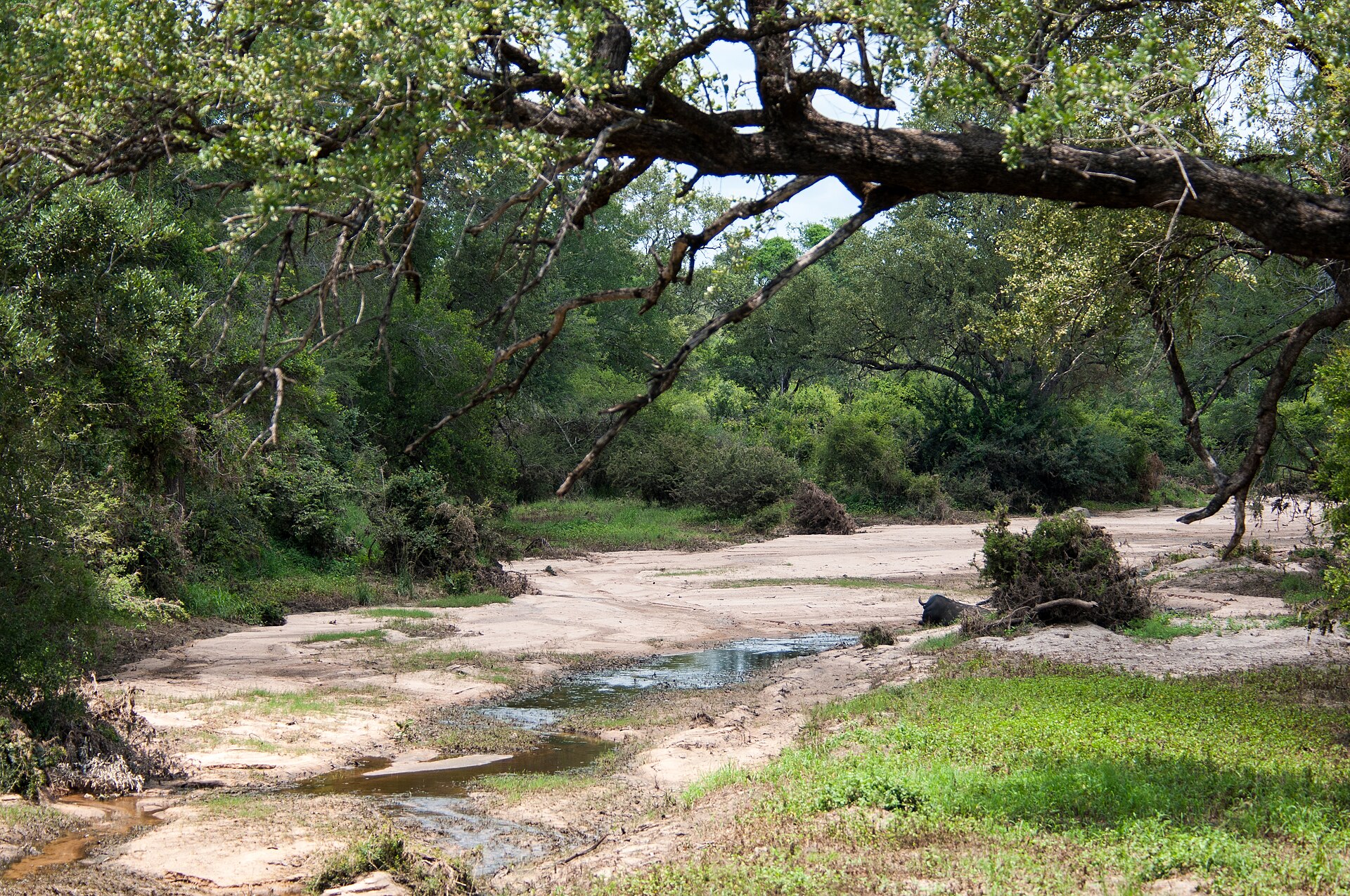
- National Game Reserves
The government-sponsored parks near Mhlambanyatsi are essential for any nature lover. These reserves protect local wildlife and offer a chance to see the diverse fauna of Eswatini in a managed environment, providing a crucial sanctuary for animals amidst the overgrazed farmland. - Rural Community Markets
The small-scale trading spots around Mhlambanyatsi are the best places to see daily life. Here, local farmers sell seasonal produce, handmade crafts, and traditional textiles, offering a warm and concrete look at the local economy and the friendliness of the Swazi people.
Culture
Culture in Mhlambanyatsi is a blend of deep royal loyalty and strong religious faith. Most residents are Christian, but traditional beliefs remain powerful. Many people still seek the guidance of a sangoma for divination or an inyanga for herbal medicine. It is important to treat these traditional healers with genuine respect, as they are vital community figures, and referring to them as 'witch doctors' is considered highly offensive. The social structure is closely tied to the monarchy, and open criticism of the King is generally avoided in public conversation. This loyalty is not just political but is woven into the spiritual identity of the people. Modesty is highly valued here, and the community is generally conservative in its social interactions. You should dress modestly and avoid making disparaging remarks about the monarchy or traditional healers when speaking with locals.
What to wear
In Mhlambanyatsi, fashion is a clear indicator of age, gender, and social standing. The most iconic traditional dress is the emahiya, consisting of two large pieces of fabric. One is draped over a shoulder and hangs across the torso, while the other is tied around the waist as a skirt extending below the knees. These textiles are often brightly coloured and paired with accessories that signal marital status. In daily life, however, many residents wear a mix of Western clothing and traditional elements. T-shirts and trousers are common, though the emahiya remains a staple for ceremonies and formal gatherings. For visitors, the key is modesty. While shorts and sleeveless tops are usually acceptable in the heat, covering your shoulders and knees is a sign of respect, especially when visiting religious sites or rural homes. Sturdy walking shoes are essential for the sandy riverbeds and the rocky terrain of the surrounding hills.
What to eat
- Chicken Dust — local street vendors
A popular, budget-friendly street food consisting of grilled chicken cooked over an open fire. It is typically served with a side of fresh salad and mealie, offering a smoky, authentic taste of local BBQ culture. - Pap — any local eatery
This maize-based porridge is the primary staple of the Swazi diet. It is thick, filling, and served with almost every meal, often accompanied by beans, pumpkin, or a rich meat stew. - Wild Meat — tourist restaurants
Dried or cooked antelope is a regional delicacy often referred to as 'wild meat'. It has a gamey, rich flavour and is frequently featured on the menus of restaurants catering to visitors. - Marula Brew — private homes or rural villages
A potent, locally brewed drink made from the fruit of the marula tree. It is seasonal, with the fruit ripening between December and March, and is usually found in home-brewed batches. - Roadside Fruits — roadside merchants
Fresh avocados, pumpkins, and sweet breads are sold by vendors along the roads. These are the best way to sample the local produce of the highlands during the harvest seasons.
Plan it
Best time. May to September for cooler, drier weather; December to March is the rainy season when the landscape is greenest and marula fruit ripens.
How long. 2–3
Getting there. Fly into King Mswati III International Airport, then hire a car or take a shuttle to Mbabane; from there, it is a 18 km drive southwest to Mhlambanyatsi.
Budget. low
Tips
- Carry plenty of cash for rural markets and street food
- Be cautious of hippopotamuses in rivers as they are territorial
- Use a 4x4 vehicle if planning to visit Sibebe Rock during the rainy season
- Keep a respectful tone when discussing the monarchy
Etiquette
- Dress modestly, especially when visiting village homes
- Avoid using the term 'witch doctor' for traditional healers
- Be polite and patient with police officers to avoid unnecessary conflict
Nearby
Sources
- Wikidata Q3643138 (CC0)
- Wikipedia (CC BY-SA 4.0)
- Wikivoyage (CC BY-SA 4.0)
Wildlife
- African buffalo (animal)
The African buffalo is a big, heavy wild ox with a broad head, sturdy neck and large horns, and the males wear a hard, bony shield across the forehead. Its coat runs from rusty brown to black. In Mhlambanyatsi, look among the rolling hills and along the riverbeds, where buffaloes are sometimes seen resting on the sandy ground, though not often. Watch from a respectful distance, stay quiet, go with a guide, and never feed them.