Mlilwane Wildlife Sanctuary
Mlilwane Wildlife Sanctuary, Eswatini
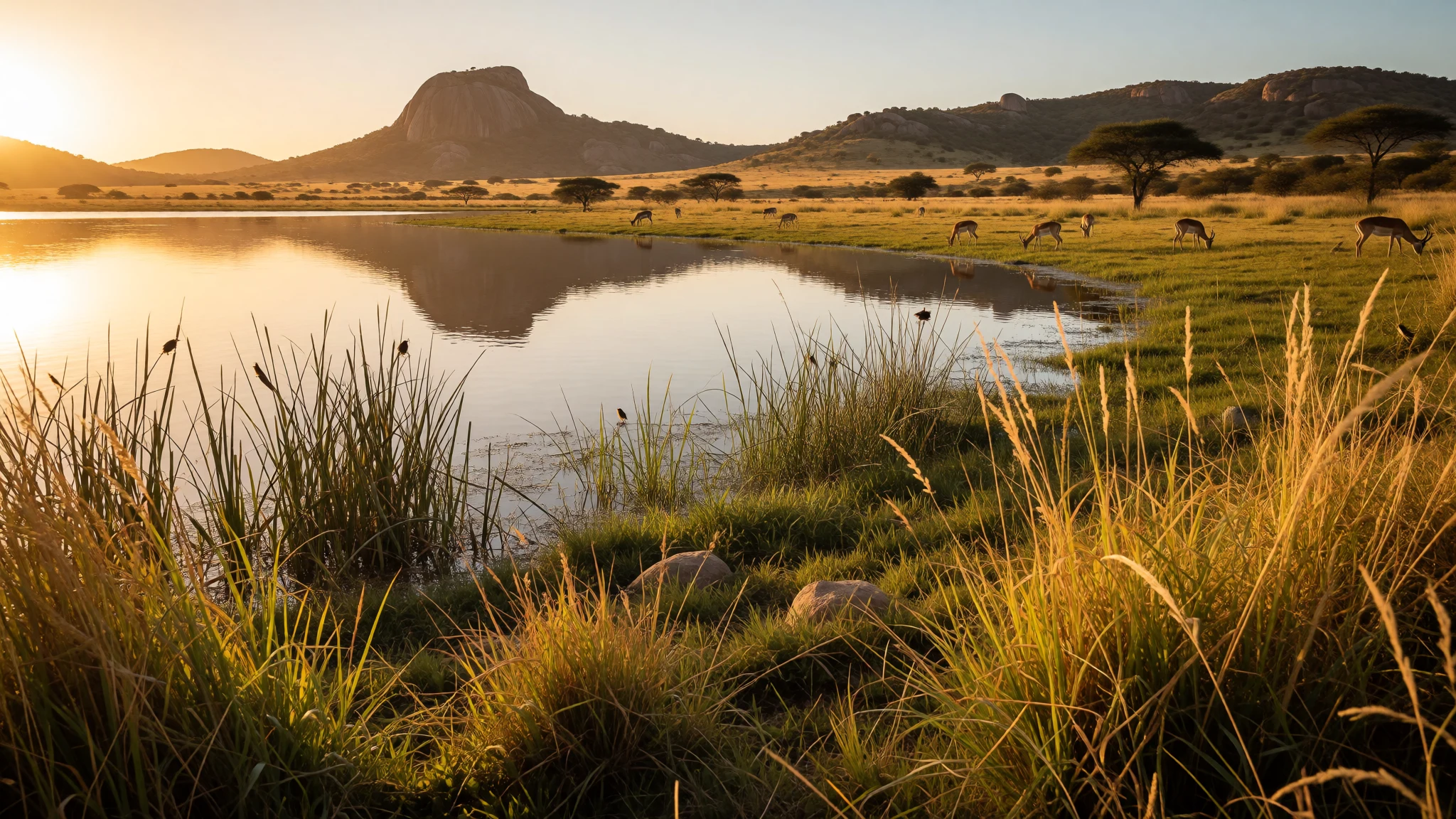
Mlilwane Wildlife Sanctuary pairs easy wildlife watching with tranquil water-and-bush landscapes, managed with ranger-led guidance.
The place
Mlilwane Wildlife Sanctuary sits in Eswatini and is managed as a protected area by a non-profit trust, with a focus on keeping wildlife and habitat in place. It’s also one of the country’s older protected areas, which means the landscape has had time to settle into a rhythm of grazing, browsing, and birdlife.
The sanctuary is roughly 4,560 hectares, so it feels like a proper slice of countryside rather than a small enclosure. Water shapes the scenery: lakes, lush edges, and the kind of pockets where animals come to drink and move between feeding grounds. That “water first” setting also helps explain why so many sightings happen close to the calm areas, even when you’re not deliberately hunting for the big action.
Wildlife is the headline. Visitors commonly look out for antelope such as impala and waterbuck, and you may also see kudu. Predators are part of the story too: leopards and hyenas can turn up, and birds ranging from raptors to scavengers share the same open-and-wooded mosaics. Walking tours and game drives let people experience the sanctuary at different speeds, while horseback safaris add a steadier, quieter way to cover ground.
There’s a steady sense of learning here rather than only “spot-and-go”: the sanctuary exists to protect animals and help people understand the natural world, so guides tend to talk about habitat as much as sightings. Crowds aren’t the point—this is more about being outdoors, patient, and ready for animals to appear where water and cover meet.
Its story
Mlilwane Wildlife Sanctuary traces back to conservation work started in the 1960s, when Ted Reilly helped establish the sanctuary’s protected status. The story has a personal thread as well: Reilly’s father had settled in Mlilwane back in 1908, and that long local connection sits underneath the wider conservation goal.
The sanctuary was created to protect local wildlife and the habitats they depend on, but it also had an education-and-appreciation side. Over time, that “learn as you go” approach has shaped how visitors experience Mlilwane: guided walking tours and game drives aren’t just about searching for animals, they’re about understanding why animals use particular parts of the landscape.
In practice, Mlilwane’s appeal comes from variety. The sanctuary’s mix of water, open ground, and wooded areas supports different species—so a day can move from quiet moments by a lake to more active grazing scenes. Antelope sightings provide the familiar beats, while the chance of predators reminds people this is not a theme park: animals live by their own schedules.
There’s also room for culture alongside conservation. Visitors can join experiences such as visits to traditional Swazi villages, which grounds the trip in the wider human landscape of Eswatini—not only the wild one.
For many travellers, what feels different about Mlilwane is that it holds together conservation, learning, and genuine wildlife viewing in one managed place, rather than treating nature as a backdrop.
What to see
- Lake-side landscapes — around the sanctuary lakes
Mlilwane Wildlife Sanctuary has water that shapes everything from animal movement to how the light falls on the bush. A calm lake setting is where you’re most likely to notice relaxed drinking and browsing behaviour, especially in the early part of the day.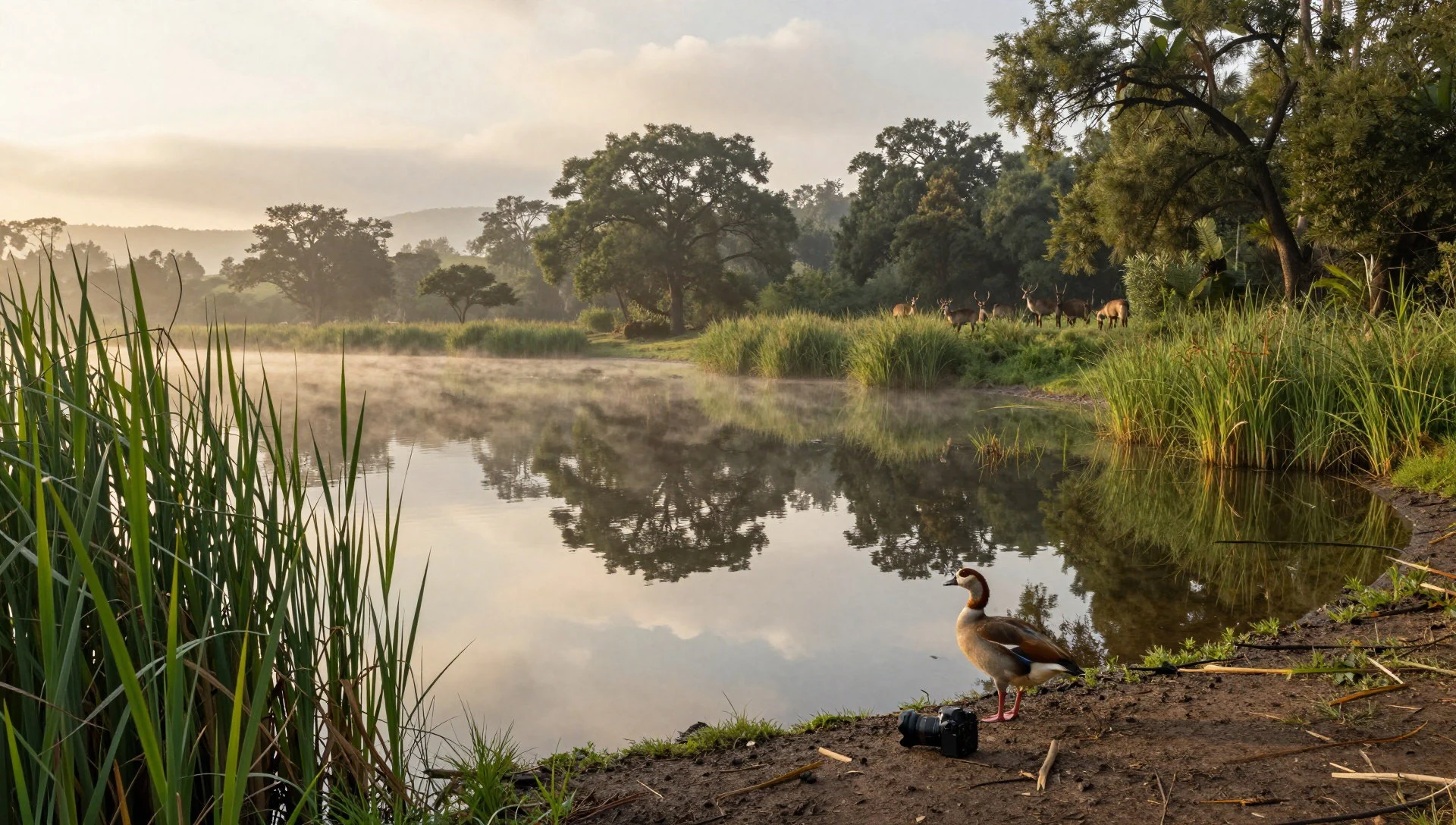
- Grazing antelope near the Mli — the sanctuary’s open grass areas and edges
In Mlilwane, grazing can feel close and almost conversational—watch for blesbok and impala sharing the same stretches. The best sightings usually come when you stay still, let the guides handle vehicle positioning, and scan both open ground and the edges.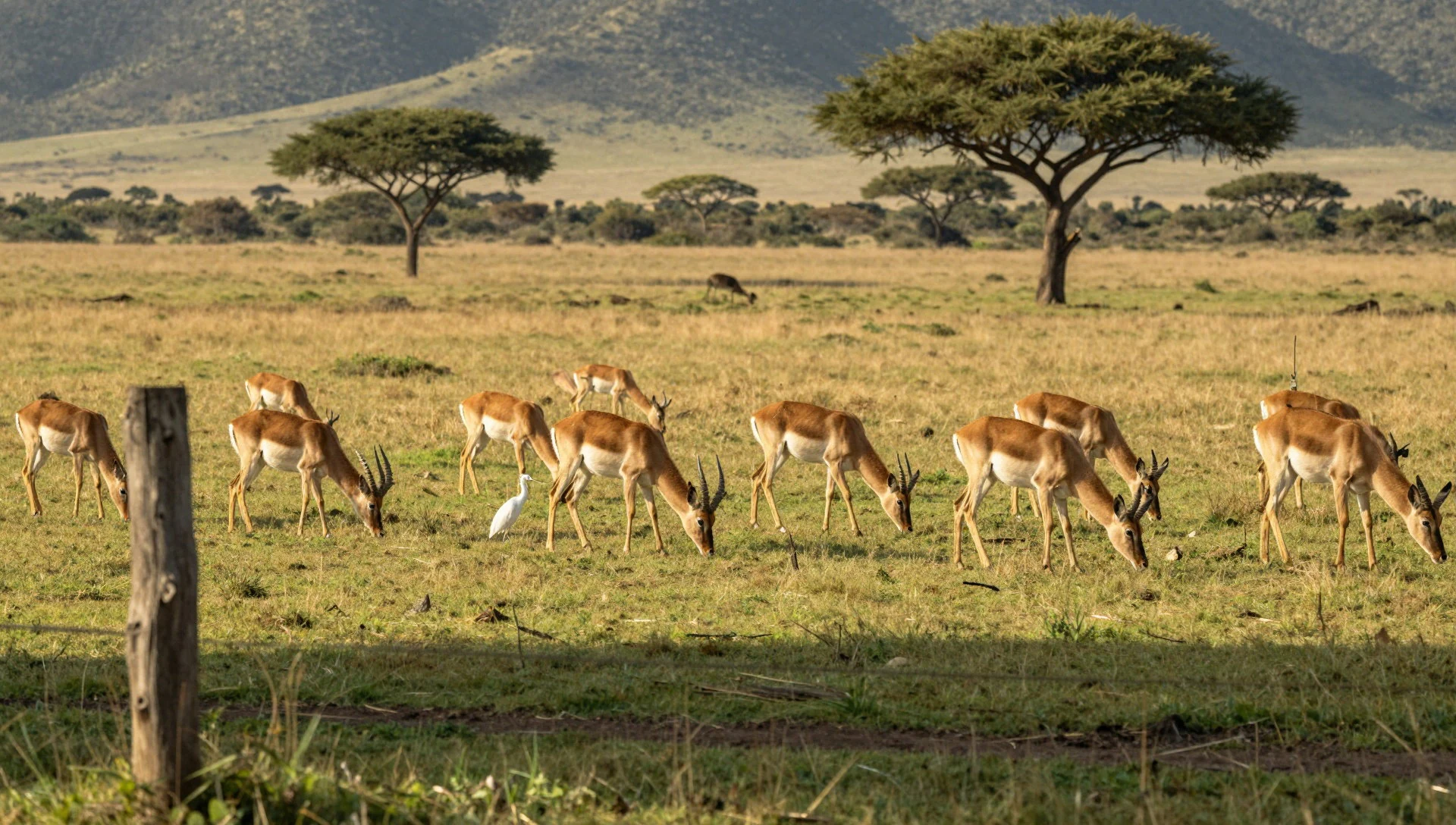
- Woodland-and-edge moments — woodland edge trails
Mlilwane Wildlife Sanctuary has woodland edges where shade meets open ground, and that boundary is often where activity concentrates. It’s a good place for bird spotting and for catching movement before you see the animal fully.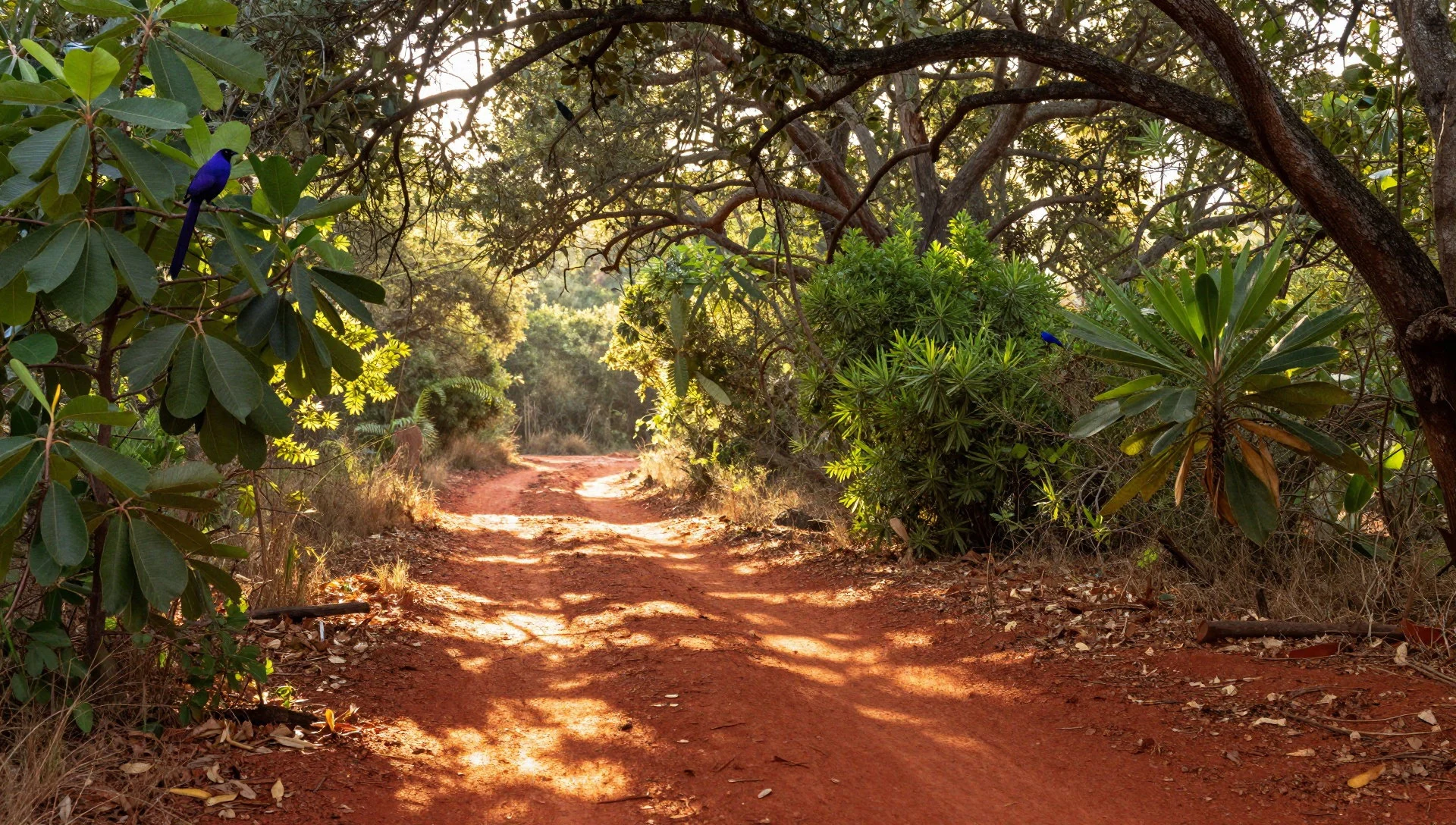
- Termite mounds and the micro-landscape — walkable spots across the sanctuary
Termite mounds add texture to Mlilwane’s scenery and offer a reminder that the ecosystem is constantly at work beneath your feet. Pause here to look for smaller signs of life—track patterns and insect activity often cluster around these structures.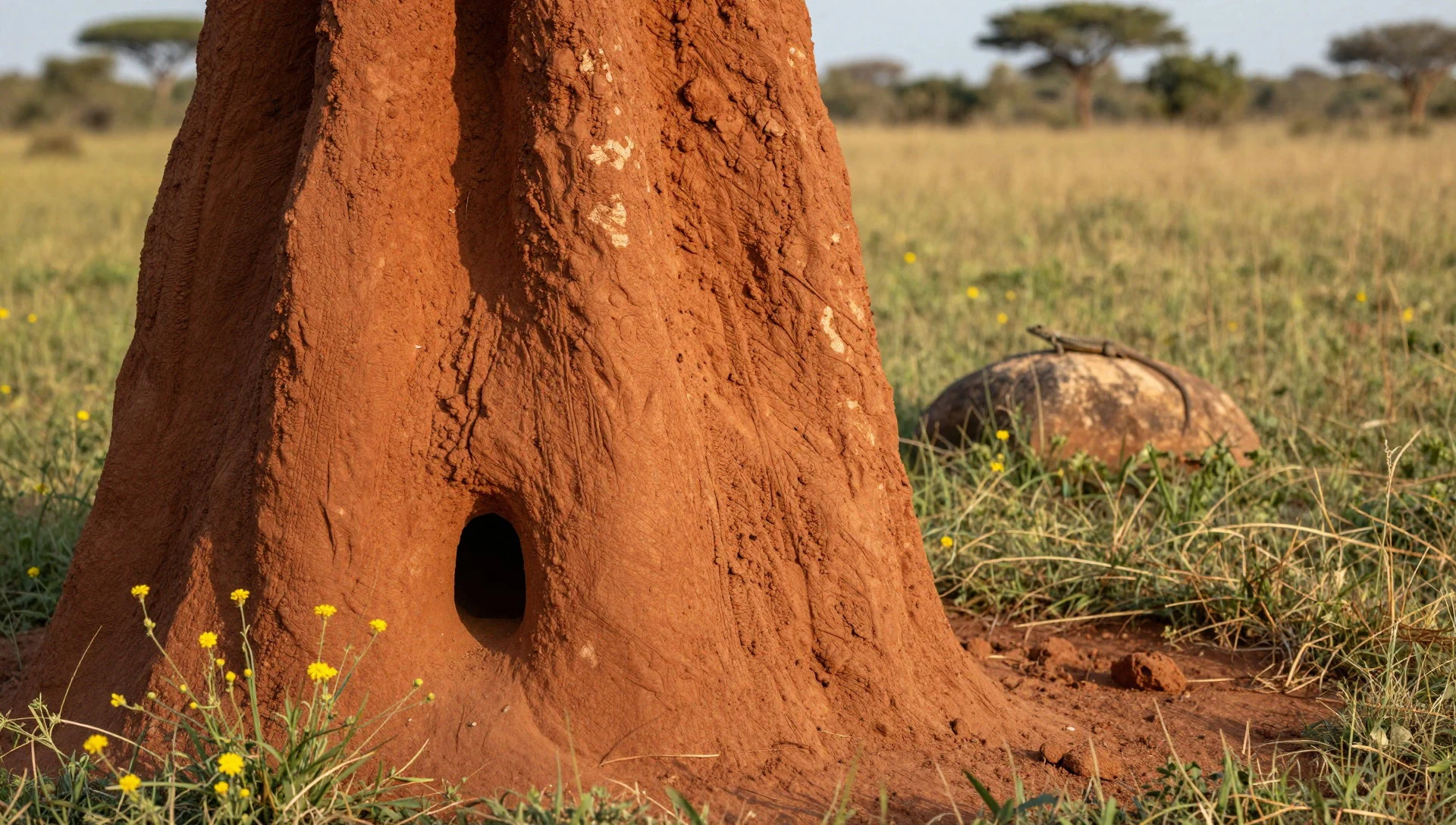
- Big-sky scenery across the reserve — open sections of the sanctuary
Mlilwane’s protected area feels like proper countryside rather than a fenced-in stop. When skies are clear, look for long sightlines that help you understand how animals travel between resting and feeding zones.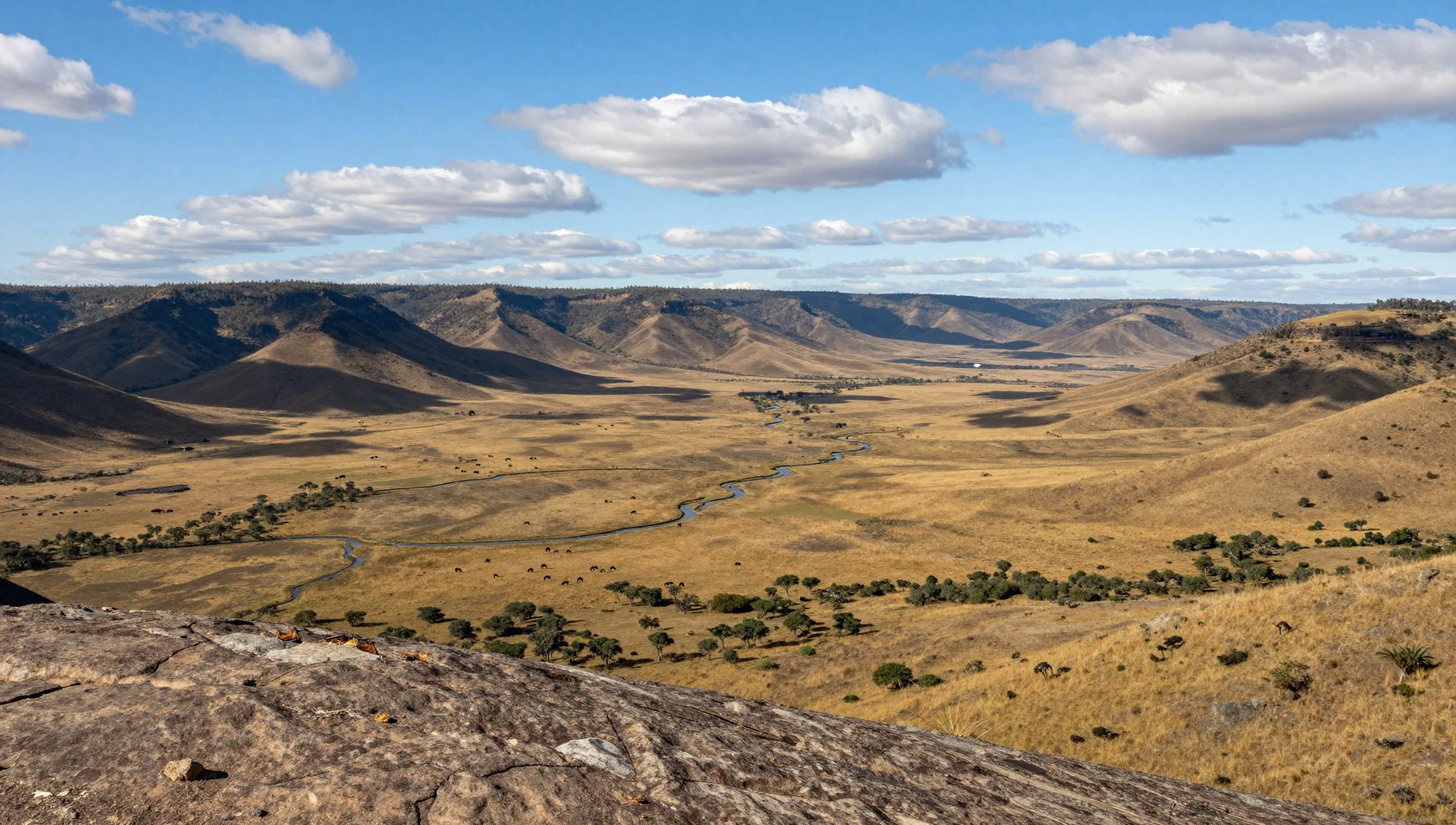
Culture
Mlilwane Wildlife Sanctuary isn’t only about wildlife; it also connects visitors with Swazi village culture through organised experiences. The sanctuary’s conservation mission includes giving people ways to learn about and appreciate the natural world, and that learning is often paired with local cultural moments rather than treated as an afterthought.
What this feels like on the ground is a shift from scanning for animals to understanding the human landscape around the reserve. You may hear context about how local communities live alongside protected land, and how traditional life fits with the idea of conserving habitats.
Keep expectations grounded: cultural visits are usually about listening, walking, and engaging respectfully, not about big performances on demand. Dress sensibly and choose quiet, observant behaviour—these are real community spaces.
If you’re photographing, remember that wildlife viewing has its rules for a reason, and the same respect applies to people and daily life. Treat the visit as an exchange: ask what’s appropriate, follow local guidance, and let the experience stay calm and considerate for everyone involved.
Visitor etiquette: Keep voices low and follow your guide’s instructions during village visits, especially around people’s homes and personal spaces.
What to wear
For Mlilwane Wildlife Sanctuary, clothing needs to work for warm daytime wildlife viewing and cooler moments when you stop moving on walks or wait for a drive. Traditional Swazi dress varies by occasion, but you’ll often see components like a wrap or skirt-style garment and coordinated textiles in patterns and bold colours, worn as part of cultural ceremonies and village visits.
What travellers usually wear now is simple, practical safari-style kit: breathable shirts, long trousers or lightweight safari pants for insect and brush protection, and a hat for sun. Footwear matters because you may walk on uneven ground and spend time near water edges; closed-toe shoes with grip are safer than flimsy sandals.
For a visitor, the best approach is modest, comfortable layering: light fabric for daytime, something warmer for early starts, and neutral colours that don’t scream for attention when animals are near. If you’re joining a village visit, leaning slightly more covered and avoiding very revealing outfits shows respect, and it also helps keep you comfortable in the heat.
Pack a reusable water bottle and consider light rain protection, as weather can shift while you’re outdoors. The goal is to look neat enough for community moments while staying fully ready for long, watchful hours in the bush.
What to eat
- Hippo Haunt Restaurant — at/near Mlilwane visiting area (Hippo Haunt Restaurant)
Hippo Haunt is a restaurant associated with Mlilwane visiting, mentioned for its views though the food is described as average. It’s a convenient option for a sit-down meal when you’re not staying out in the bush for long.
- Picnic-style meals with the day’s drives — on routes between walking tours and game drives
Many travellers keep food simple on wildlife days: snacks, sandwiches, and fruit that travel well between walking tours and game drives. It suits the long waiting periods and lets the day stay flexible around sightings.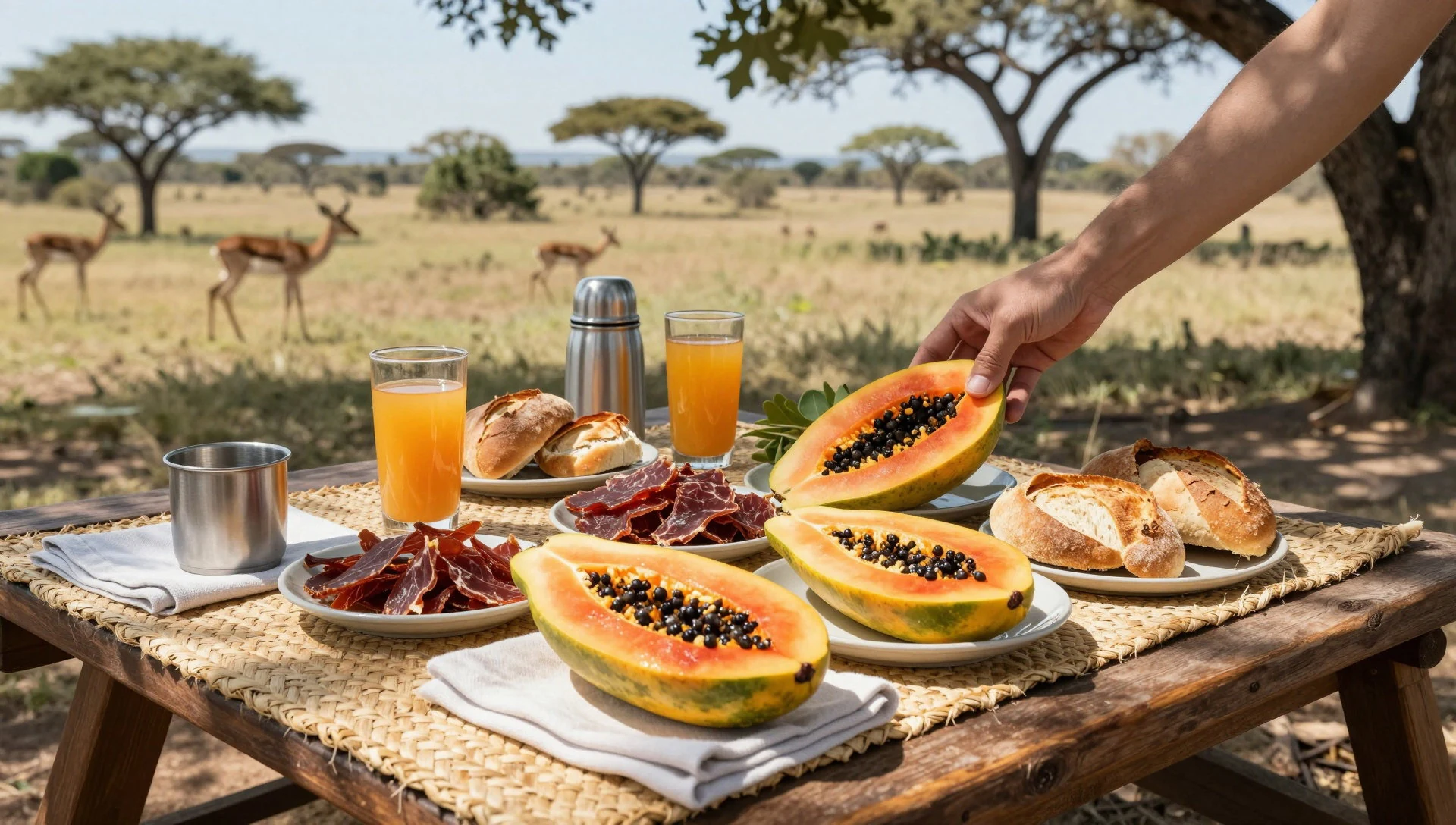
- Local market-style snacks — local markets and snack stalls in nearby towns
A practical way to eat while moving around Eswatini is to rely on market-style snacks—things you can grab quickly and share. This works especially well for lighter lunch breaks before heading back to the reserve. - Restaurant meals with Swazi-friendly choices — restaurants and eatery-style places near the sanctuary
In and around Eswatini, you’ll usually find straightforward restaurant meals that suit day trips: hearty mains and filling sides that don’t require long prep. Pick something easy if your afternoon includes a return drive. - Coffee and sweet breaks during downtime — hotel lobbies and casual cafés in nearby towns
When your schedule allows downtime, a simple coffee stop helps reset between activities. It’s also a good moment to hydrate and check with staff about when the next tour or drive is starting.
Plan it
Best time. May is the driest month, with long, dry outdoor time, and August is also relatively dry and among the coolest for daytime highs (around 36°C). September to November brings the wettest period, while December through March stays on the warmer side (mean highs roughly 39–42°C), which can make long walks feel tougher.
How long. 3–4
Getting there. Arrange your arrival by using local transfers to reach Mlilwane Wildlife Sanctuary.
Budget. mid
Tips
- Plan wildlife time early so light and animal activity help your chances
- Use the ranger guidance for where it’s safe to walk and where to position during sightings
- Bring water and stay patient—game viewing depends on animal schedules
- Keep an eye on weather shifts if you’re doing both walks and drives in one day
Etiquette
- Follow instructions from park rangers and staff about safe areas for walking or driving
- Do not approach or disturb animals, even if they seem relaxed
- Keep noise down during guided activities so you don’t disrupt wildlife
Nearby
Sources
- Wikidata Q1941204 (CC0)
- Wikipedia (rev 1362615640) (CC BY-SA 4.0)
- Wikivoyage (rev 5385265) (CC BY-SA 4.0)
- Photo photos/01-zabras-in-mlilwane-wildlife-sanctuary.jpg (CC BY 2.5)
- Photo photos/02-mlilwane-wildlife-sanctuary-02.jpg (CC BY-SA 1.0)
- Photo photos/04-lake-in-mlilwane-wildlife-sanctuary.jpg (CC BY-SA 1.0)
- Photo photos/06-mlilwane-wildlife-sanctuary-in-eswatini-01.jpg (CC BY-SA 1.0)
- Photo photos/08-termite-mound-in-mlilwane-wildlife-sanctuary.jpg (CC BY-SA 1.0)


