Mineral de Pozos
Mineral de Pozos, Mexico
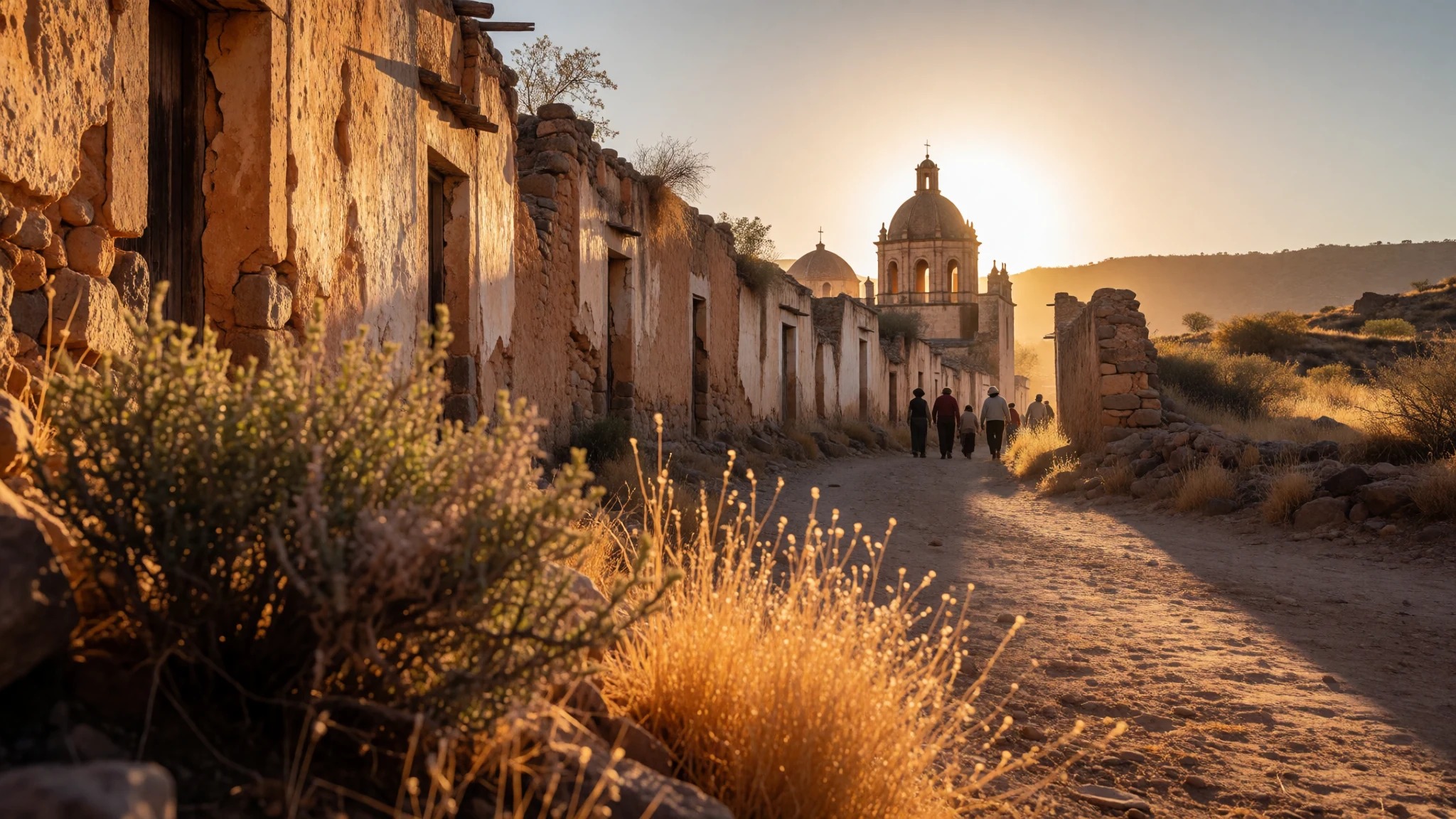
Explore a hauntingly beautiful ghost town where silver mining history meets a serene, high-altitude desert landscape.
The place
Mineral de Pozos is a quiet, evocative settlement tucked away in the state of Guanajuato. Perched at a high elevation, the town feels far removed from the typical tourist circuit, offering a stillness that is rare in central Mexico. The landscape here is arid and rugged, acting as a transition zone between the lush southern forests and the stark deserts of the north. Walking through the town, one finds a mixture of weathered stone walls, abandoned structures, and a few carefully restored plazas. It is a place where the silence is heavy and the air is thin, making the experience feel somewhat ethereal. The town is not about fast-paced sightseeing but about wandering through ruins and appreciating the slow decay of a former mining powerhouse. Because it lacks the crowded energy of nearby colonial hubs, the atmosphere remains intimate and honest. Visitors will find a community that is welcoming but understated, reflecting the modesty of a town that has seen its peak wealth fade into the dust. The heat during the day can be intense, but the high altitude ensures that evenings are often crisp and cool, requiring a light jacket even in the warmer months. It is a destination for those who prefer solitude and the poetry of ruins over polished museums.
Its story
The story of Mineral de Pozos is one of extreme cycles: sudden wealth followed by total abandonment. Long before the Spanish arrival, the region was a hub of agricultural development. Early inhabitants, known as the Chupícuaro, created a sophisticated society based on the fertility of the local soil. However, shifting climates and severe droughts eventually led to the decline of these settled cities, leaving the land to nomadic groups like the Chichimeca. When the Spanish arrived, they discovered the true treasure of the earth: silver. The town transformed into a critical mining center, where silver, gold, and iron were pulled from the depths of the ground. Great haciendas were built to manage the extraction, creating a rigid social hierarchy based on mineral wealth. For a time, the town was a beacon of prosperity, but as the veins of ore ran dry and economic priorities shifted, the population dwindled. Many families simply walked away from their homes, leaving behind the skeletal remains of mansions and warehouses. This period of abandonment turned the town into a 'ghost town,' a status that now defines its charm. Today, the geology that once brought fortune continues to shape the land, with the rugged plateau providing a stark backdrop to the crumbling stone monuments of the mining era.
What to see
- Parroquia San Pedro Apostol — Town Centre
The spiritual heart of Mineral de Pozos, this 17th-century church is famous for its iconic cupola and detailed frescoes. The interior is covered in intricate tilework and paintings that survive as a testament to the town's former wealth. Its dome is a primary landmark visible from most points in the settlement. - Centenario Mine — Mining District
A hands-on experience where visitors can put on hardhats and descend into the earth. The tour is informal and friendly, showcasing various mineral samples and a collection of old mining equipment. It provides a concrete look at the labour and geology that built the town's early economy. - Hacienda El Triangulo — Outskirts
This historic silver-mining estate operated throughout the 19th century, extracting gold, iron, and silver. After being abandoned in the early twentieth century, it now stands as a haunting ruin. The site allows visitors to wander through the remnants of an industrial complex that once dominated the local landscape. - Rancho de Lavanda Pozos — Rural North
A fragrant contrast to the dusty ruins, these lavender fields offer guided tours and a peaceful retreat. The site includes a gift shop and a restaurant where the plant is incorporated into food and drink. It is one of the most colourful and manicured spots in the region. - History Museum — Town Centre
A modern facility that uses interactive screens and dioramas to explain the regional evolution of Mineral de Pozos. The displays cover everything from the pre-Hispanic agricultural era to the mining boom. It is an excellent starting point for understanding the town's layered history through professional curation. - Plaza del Minero — Town Centre
The primary gathering space in Mineral de Pozos, featuring traditional stone walkways and an open-air theatre area. It serves as a quiet spot for reflection and a venue for local events, reflecting the town's identity as a mining community through its naming and design.
Culture
Culture in Mineral de Pozos is a blend of quiet resilience and a pride in the state of Guanajuato's broader artistic legacy. While the town itself is sleepy, it is influenced by the grand traditions of the region, such as the Festival Internacional Cervantino. This massive event, though centred in the capital city, brings a spirit of opera, theatre, and dance to the wider state, encouraging a general appreciation for the arts. Local life in the town revolves around the slow pace of the high plateau, with a strong connection to the land and the ghosts of the mining past. There is a growing movement of artists and seekers who are drawn to the solitude of the ruins, adding a contemporary layer of bohemian creativity to the traditional Mexican village atmosphere. Respect for the silence and the ruins is paramount here, as many of the abandoned sites are fragile and considered part of the town's collective memory. When visiting the church or local homes, a modest and quiet approach is appreciated. Please ensure you ask for permission before photographing residents in their doorways.
What to wear
Fashion in Mineral de Pozos is defined by the practical needs of the high-altitude desert. Traditionally, the region’s textiles are influenced by the broader Guanajuato state, featuring sturdy cottons and wools used in wraps and shawls to combat the chilly mountain nights. In the past, the dress of the mining class was utilitarian, while the owners of the haciendas wore refined European-style garments. Today, the local population typically wears casual, durable clothing—denim, sturdy boots, and hats to shield against the sun. Visitors should dress in layers; the sunlight is piercingly strong during the day, but temperatures drop sharply as soon as the sun sets. Breathable linen or cotton is ideal for midday wandering, but a warm fleece or wool jacket is essential for the evenings. Because the terrain consists of uneven stone paths, sandy tracks, and rocky mine trails, sturdy closed-toe walking shoes or hiking boots are far more practical than sandals. Modest dress is recommended when entering the Parroquia San Pedro Apostol.
What to eat
- Traditional Regional Cuisine — rooftop eateries
Hearty, rustic Mexican dishes that utilise local ingredients, often served on rooftops with views of the town's gardens. These meals typically feature slow-cooked meats and corn-based staples. - Indigenous-influenced Guacamole — upscale regional restaurants
A bold take on the classic avocado dip, often enhanced with dried insects to provide a crunchy texture and an authentic taste of pre-Hispanic traditions. - Experimental Regional Plates — speciality dining rooms
Unusual combinations of local ingredients designed to challenge the palate and showcase the diverse flavours of the Guanajuato plateau. - Lavender-infused Treats — lavender farm cafe
Unique desserts and beverages, including lavender ice cream and lavender beer, sourced from the local flower fields for a floral, aromatic experience. - Casual Pizza and Beer — local casual cafes
A relaxed alternative to formal dining, offering simple pizzas and cold beers in a casual, unpretentious environment for travellers.
Plan it
Best time. October–November and March–April are ideal to avoid the peak heat of May and the heavy rains of July through September while enjoying the clear mountain air.
How long. 2–3
Getting there. Fly into Aeropuerto Bajío/León (BJX) or Querétaro Intercontinental Airport (QRO), then take a taxi for a journey of several hours. Alternatively, drive from San Miguel de Allende via state highway 1.
Budget. mid
Tips
- Carry plenty of water due to the arid climate and high altitude
- Bring a warm jacket for the evenings even in summer
- Keep cash on hand as small vendors and guides rarely take cards
- Wear sturdy boots for exploring the ruins and mines
- Start your outdoor excursions early to beat the midday heat
Etiquette
- Avoid climbing on unstable ruins to preserve the site
- Speak softly in the church and residential areas
- Tip your mining guides as they often rely on these gratuities
Nearby
Sources
- Wikidata Q5691954 (CC0)
- Wikipedia (CC BY-SA 4.0)
- Wikivoyage (CC BY-SA 4.0)