Mentawai Islands
Mentawai Islands, Indonesia
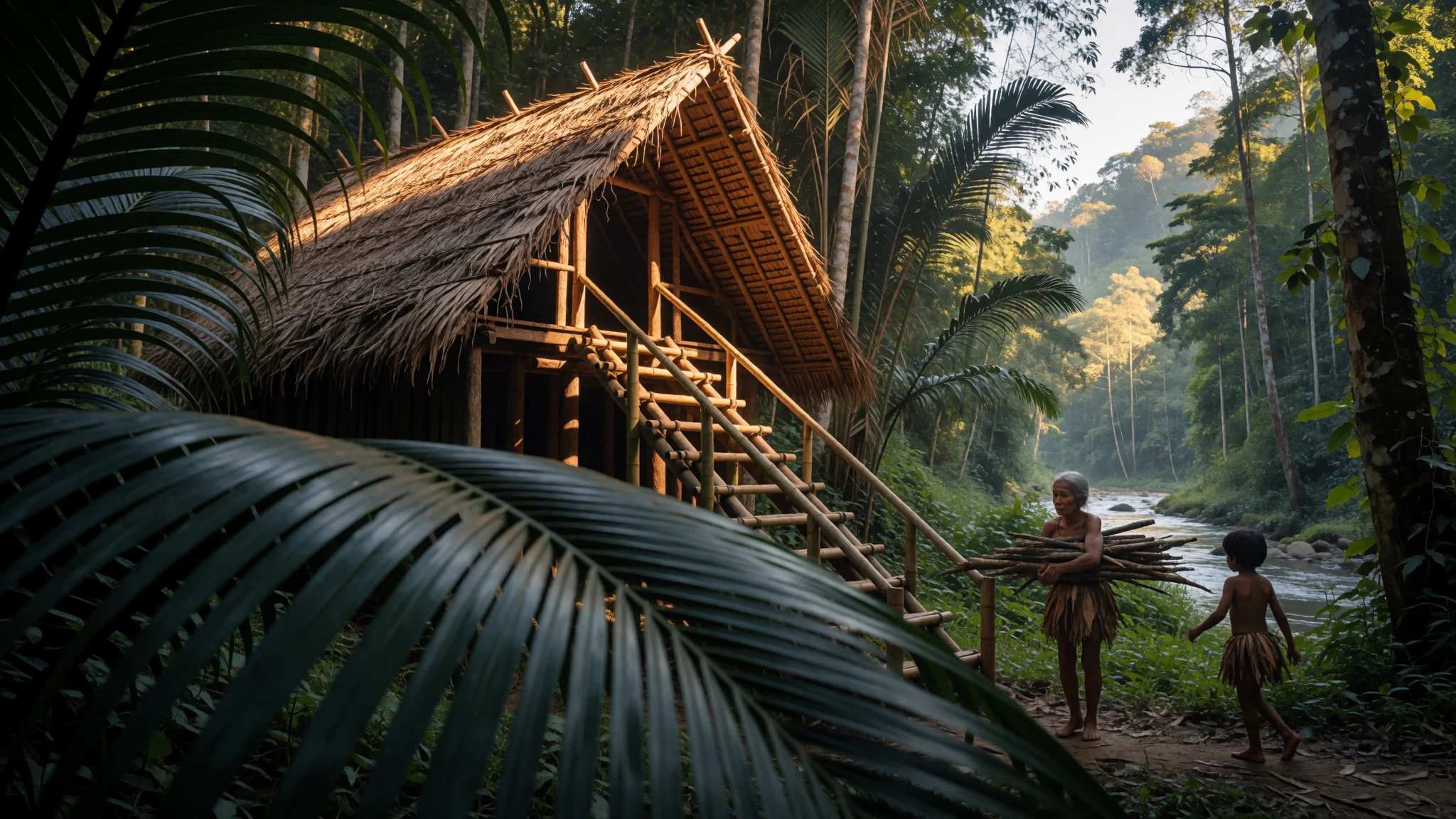
Mentawai Islands pair Indian Ocean surf breaks with forest villages on Siberut, where Sikerei healers and communal uma houses still shape daily life.
The place
Mentawai Islands is a regency of West Sumatra, Indonesia, scattered across the Indian Ocean about 150 km off Sumatra's west coast, with islands and islets numbering around one hundred. The sea crossing is the Mentawai Strait, and it is wide enough that the group has gone its own way in language, custom and wildlife. The regency has a population of about 80,500 and was created in 1999. Four islands matter to most visitors. Siberut is by far the biggest and holds most of the forest and the villages. Sipora, North Pagai and South Pagai lie to the south and are where the surf camps cluster around the reef passes. The land area is about 6,034 sq km, but it feels smaller on the ground, because there are few roads and almost everything moves by boat. Tourism runs on two separate tracks. Surfers stay in beachfront camps or on charter boats and rarely see the interior. Cultural visitors go to Siberut, where a national park of 403,000 hectares, a UNESCO Biosphere Reserve, covers much of the interior. Facilities are thin outside a couple of small port towns, and medical help is limited. Earthquakes are a fact of life here, because the islands sit above the Sunda megathrust. It is a place for people who can handle delays, basic lodging and weather that decides the schedule.
Its story
Mentawai Islands have been cut off from the Sumatran mainland for long enough that their people, the Mentawai, developed a way of life found nowhere else in Indonesia. Villages are organised around the uma, a communal longhouse where extended families live, and around the Sikerei, healers who mediate between people, the forest and the spirits. Tattooing, called titi, marks a person's place in this world and is one of the long-standing tattoo traditions of Southeast Asia. Over the twentieth century, pressure from religious missions and the state pushed many communities towards settled villages and mainstream religions, and much of the old practice faded. It survives most fully today in Siberut's interior, while on the other islands outside influence has absorbed a good deal of it. The islands came onto the world's radar again in a different way. In 1980 three surfers, Chris Goodnow, Scott Wakefield and Tony Fitzpatrick, found a wave they first called P-Land, after Pasangan Bay in the Pagai group. Others followed, and surf camps and charter boats grew up around the reef passes. The regency itself was formed in 1999. Today the story is about balance: income from visitors against the risk of turning a living culture into a show, and a forest that people depend on against pressures from outside.
What to see
- Uma in Siberut's interior — Interior villages, Siberut
The uma is the communal longhouse of the Mentawai, home to an extended family and often to a resident Sikerei. Visits are arranged through a guide and involve a river journey and a night with the host family. Go to learn, not to collect photographs.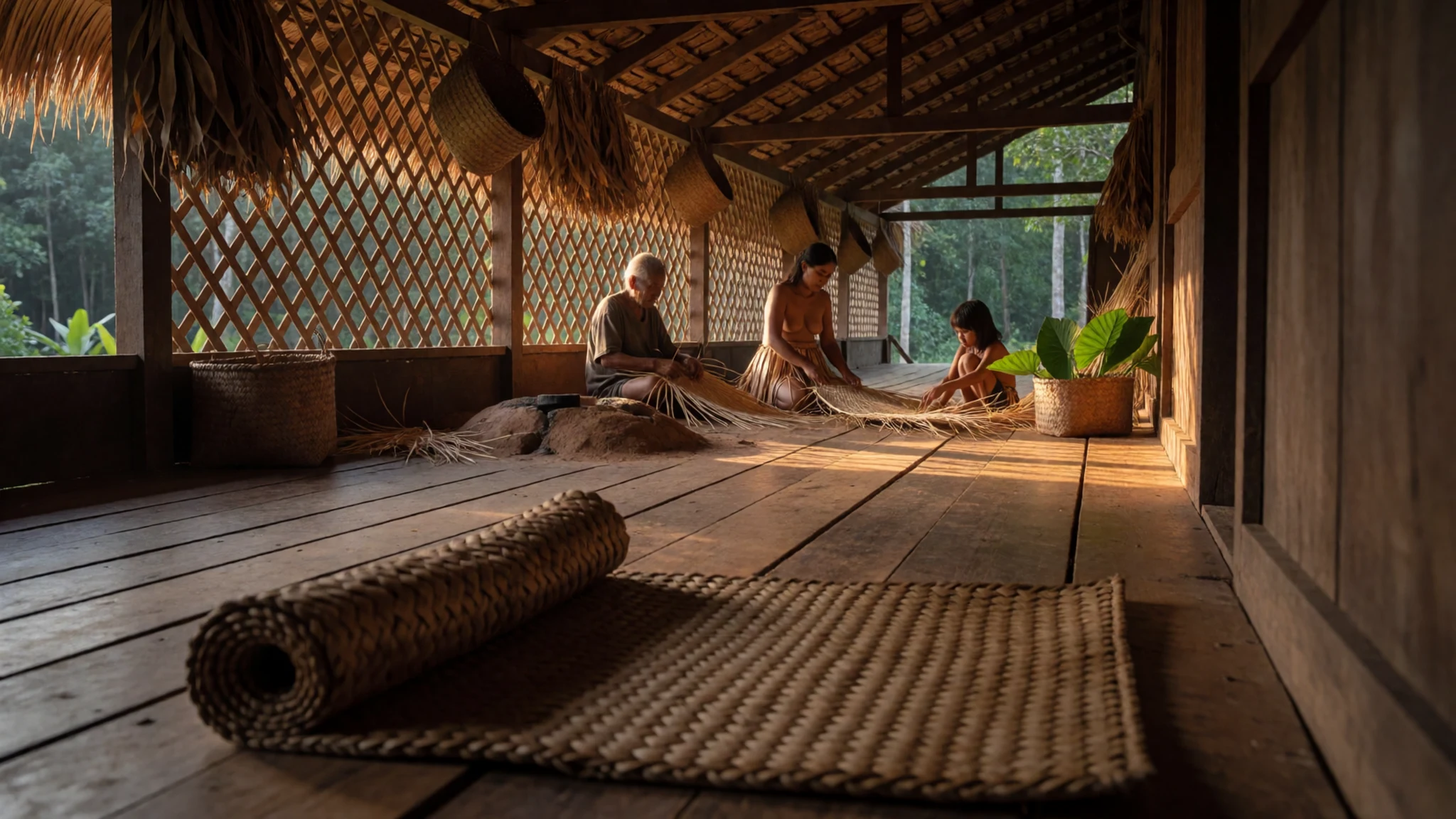
- Siberut National Park — Siberut island
Siberut National Park covers a large part of the island's forested interior and is a UNESCO Biosphere Reserve of 403,000 hectares. Several primate species live only here. Rivers are the roads, so expect long hours in a boat, heavy humidity and plenty of insects.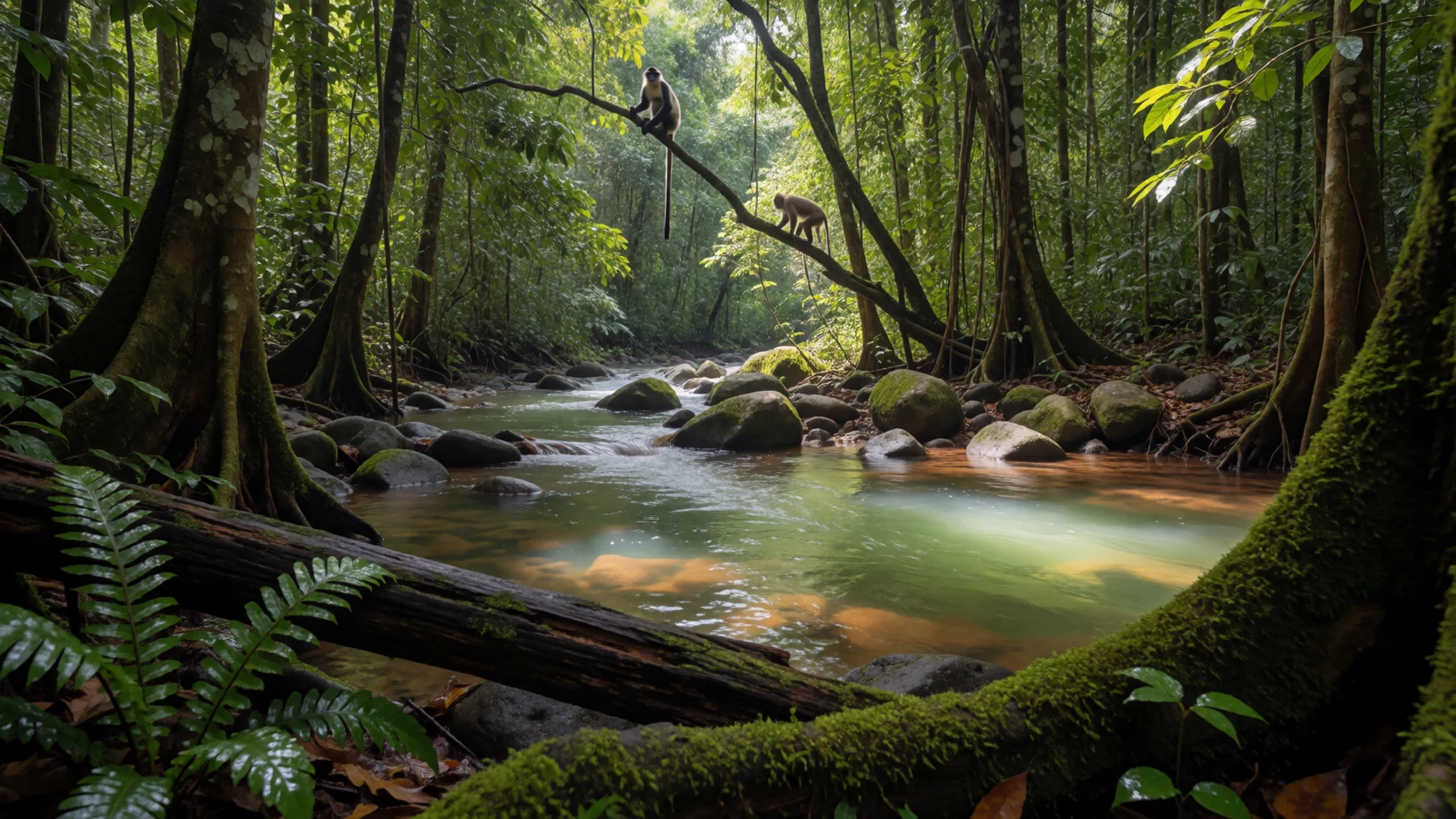
- Muara Siberut — Siberut's coast
Muara Siberut is the small port town where most journeys into Siberut's interior begin. It has a few basic guesthouses and shops selling bottled water. Treat it as the last chance to stock up and as a place to wait out a delayed boat or a bad forecast.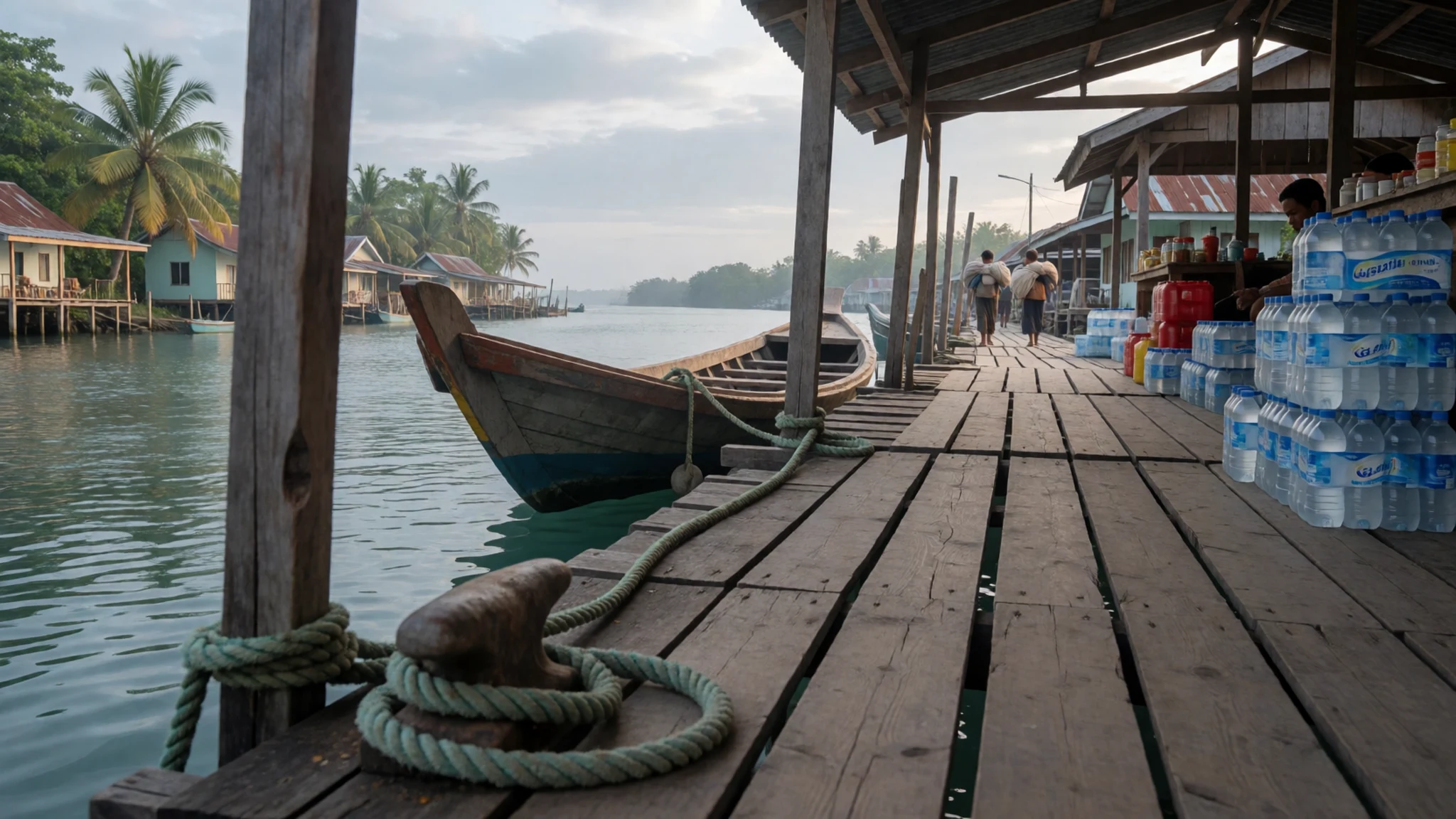
- Tuapejat and Pantai Jati — Sipora
Tuapejat is the main port town on Sipora, where the ferry from Padang arrives, and Pantai Jati is a beach nearby. It suits a quiet half day of walking and swimming before or after a surf camp stay. Check conditions locally before entering the water.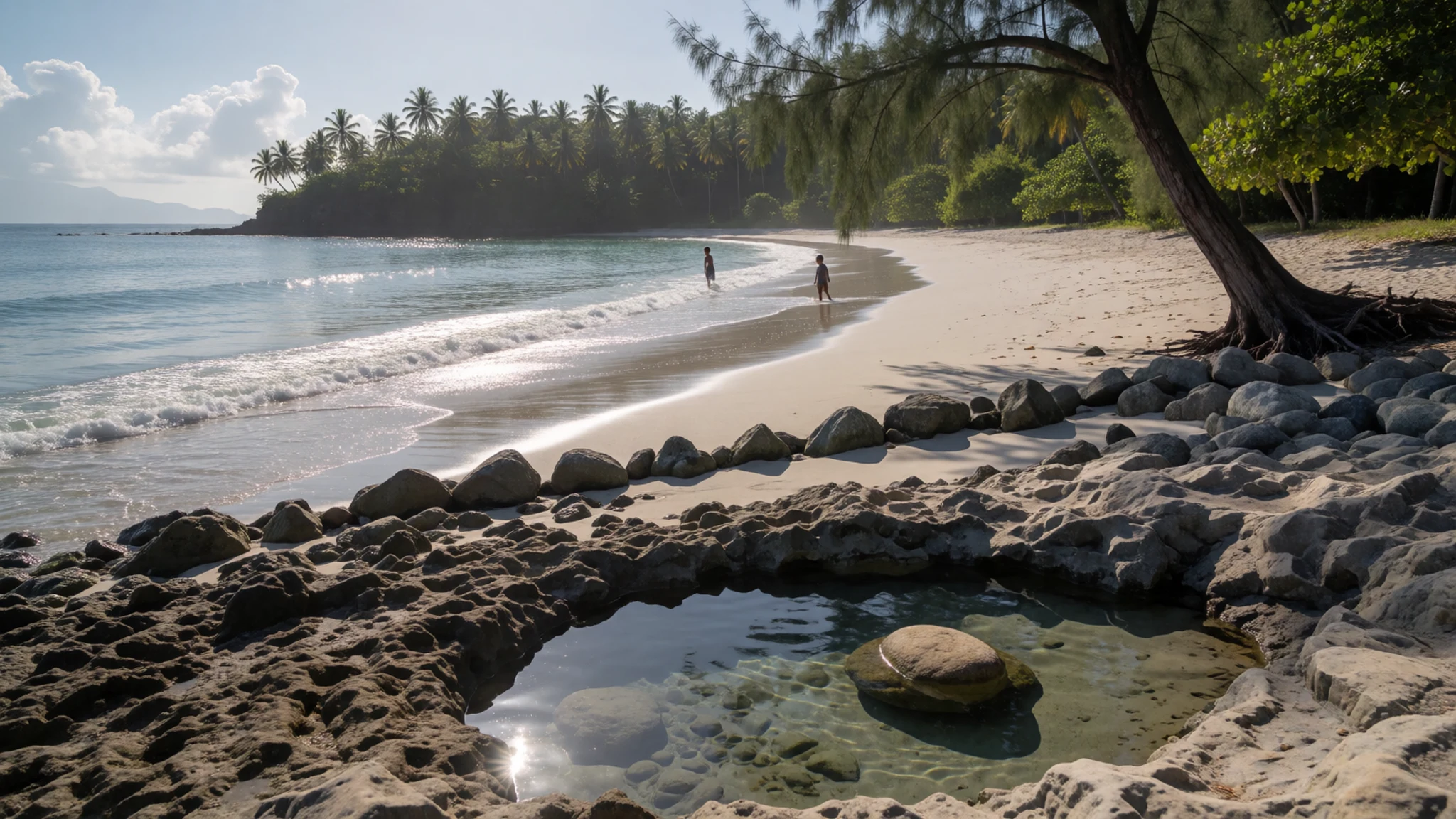
- Surf breaks of Sipora and the Pagais — Reef passes, Sipora and the Pagai islands
Breaks such as Beng Beng and E-Bay draw surfers, and Macaronis has a history going back to 1980. Waves vary a great deal, from forgiving to hollow and shallow over reef, so match the spot to your ability. Camps and charter skippers know the daily conditions.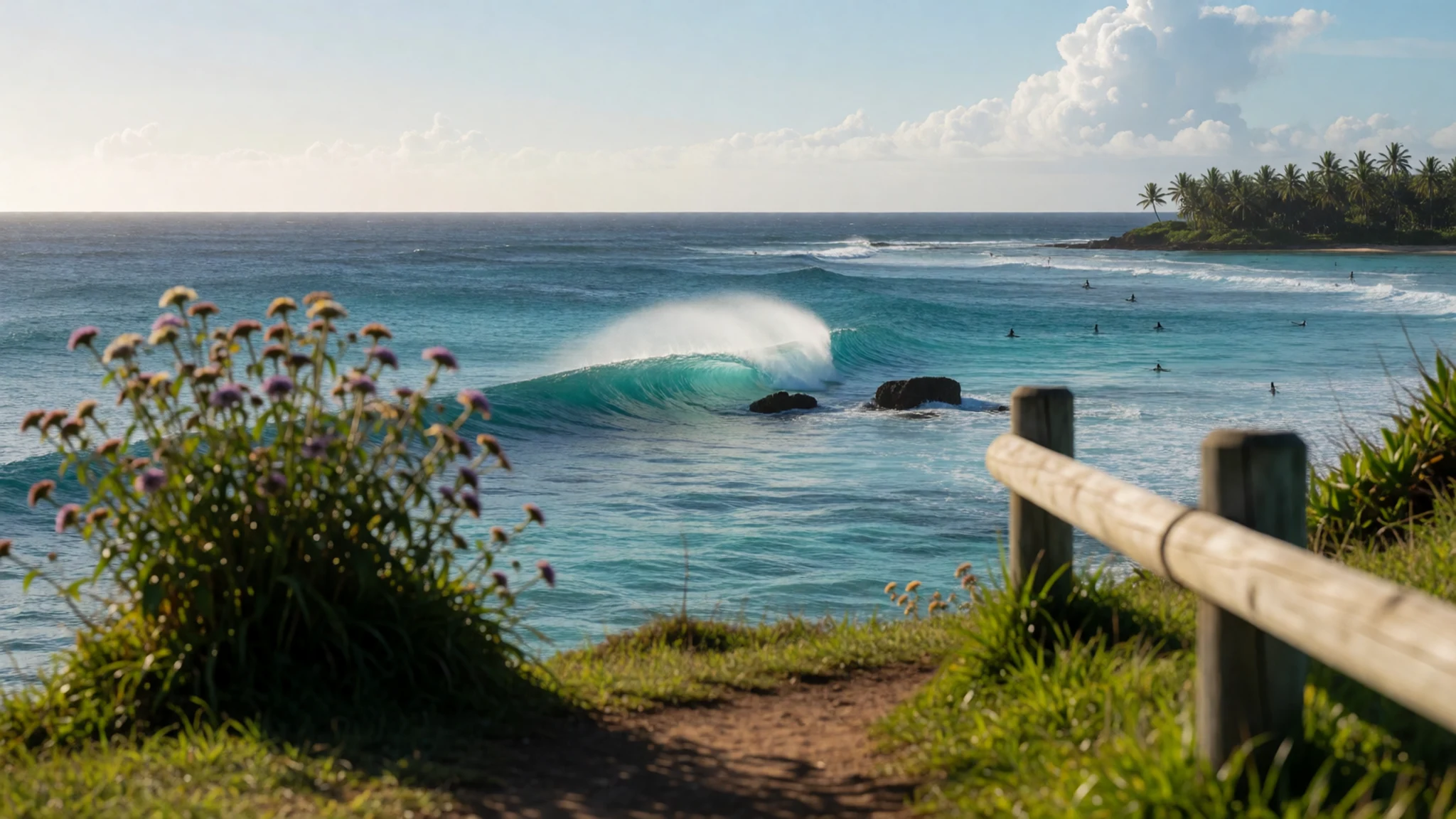
Culture
Mentawai Islands hold a culture built around the uma, the forest and the Sikerei, who act as healers and ritual specialists. Beliefs hold that people share the world with spirits of animals, trees and rivers, and that ceremonies keep that relationship in balance. Titi, the traditional tattoos, carry meaning about a person's identity and standing, which is why guides can explain them but they are no longer offered as a paid activity. This way of life is most intact in Siberut's interior. On the other islands, modernisation and outside influence have gradually absorbed much of it, and many people there are Christian or Muslim and live in ordinary roadside villages. Visitors should remember that a tribal visit is a stay in someone's home, not a performance. Meals, sleeping places and the pace of the day belong to the host family, and the guide acts as interpreter and go-between. Offerings for the host are normally arranged through the guide, so ask before bringing gifts. Alcohol has no place in Mentawai tradition. Surf towns and camps are more relaxed, but they sit in a conservative province, so common-sense modesty applies there too. Ask your guide before you photograph people, ceremonies or the inside of an uma, and never bring alcohol into a village.
What to wear
Mentawai Islands have a traditional dress that is spare and made from the forest. Men have long worn a loincloth of beaten bark, and women a short wrap or skirt, with strings of coloured beads around the neck and chest. Leaves and flowers go into the hair for ceremonies, and tattoos act as a kind of permanent clothing, marking identity. This dress is now mostly kept for rituals and visitors' occasions, especially in Siberut's interior. Day to day, people in the port towns and on the coast wear what is common across Indonesia: T-shirts, shorts, sarongs, and long skirts or trousers for church and mosque. In villages, many wear a mix of both, with bark cloth kept for special days. A visitor should dress for heat, wet and mud. Light, quick-drying long sleeves and trousers help against insects and sun in the forest, and a waterproof bag matters more than a second outfit. Sandals suit the beach but not the river trails, so bring closed shoes with grip that can get soaked. In villages and port towns, cover shoulders and knees. Surf wear is fine at camps and on the water, but put on a shirt and a sarong or shorts when walking through any settlement.
What to eat
- Subbet — Home kitchens and small coastal eateries; ask your host or guide
Subbet is a Mentawai speciality made from a dough of taro and banana, then wrapped and cooked. It is filling and mildly sweet. It is rarely sold on a menu, so ask a host family or a local guide.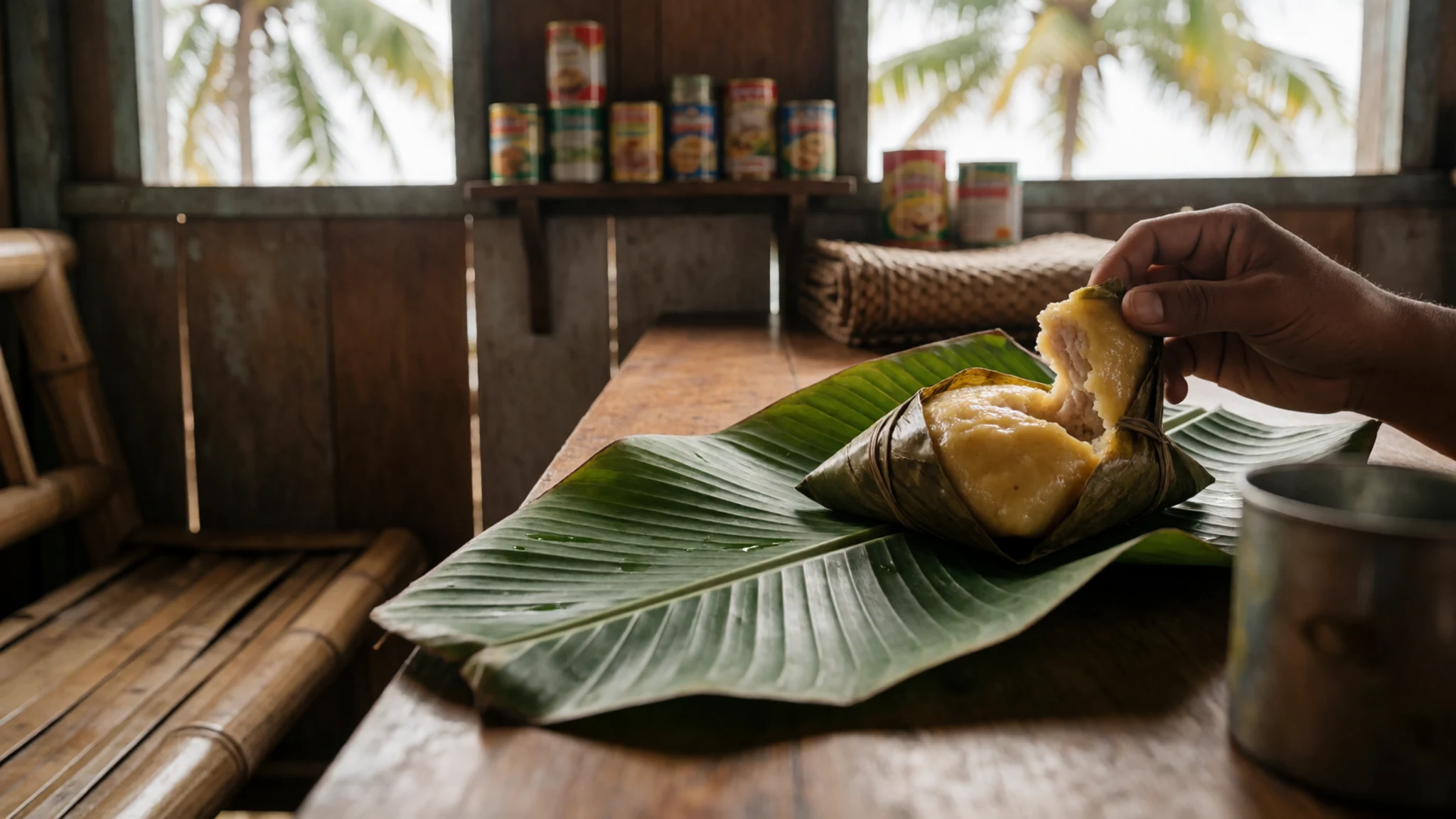
- Sago — Villages, where it is a traditional staple; ask your host
Sago, the starch from the sago palm, is a long-standing staple in the islands. It is usually cooked into a soft, chewy paste or cakes and eaten with fish or vegetables. Your host family can show how it is prepared.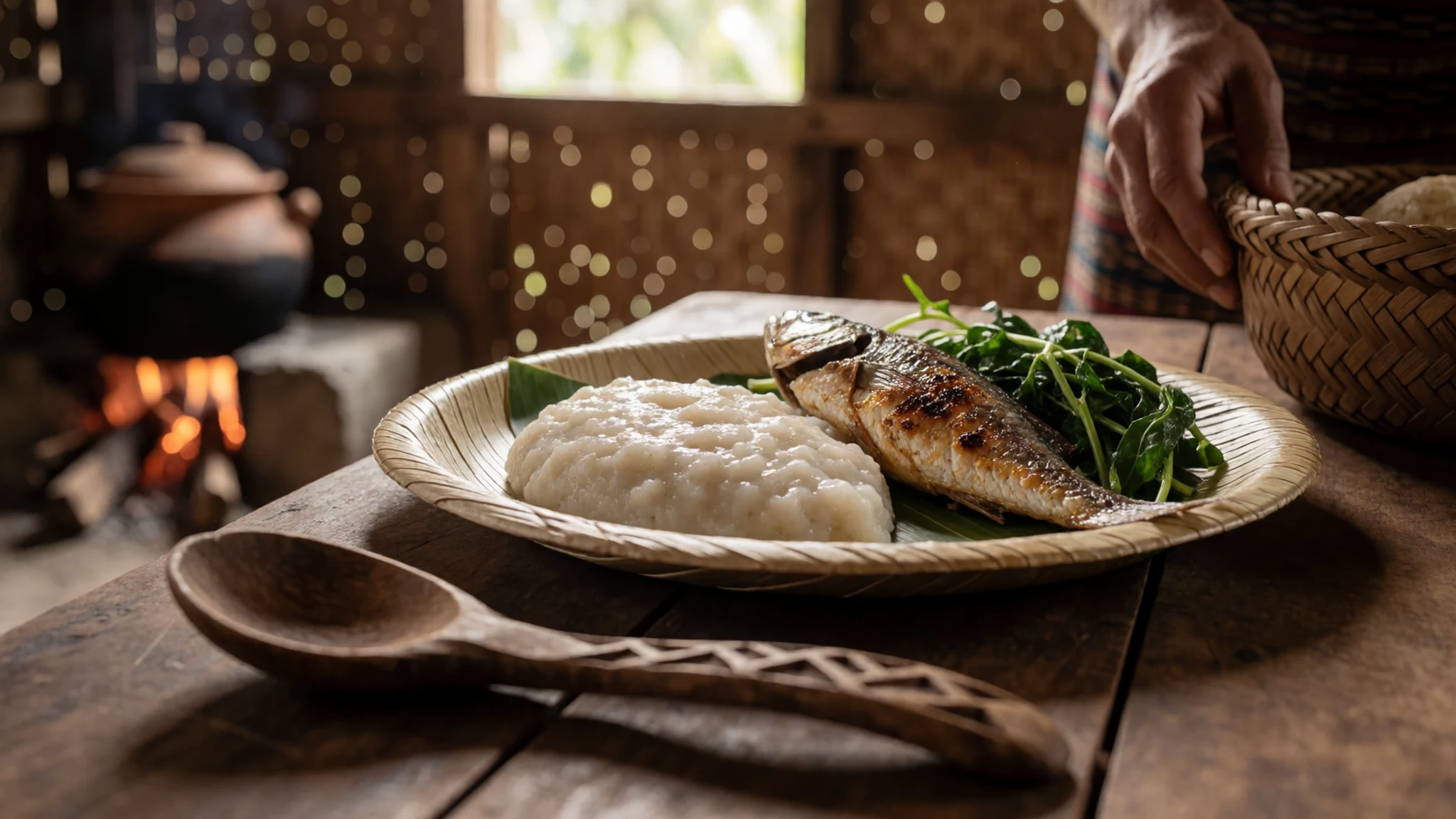
- Grilled or boiled fish — Coastal villages and surf camp kitchens
Fish from the surrounding reefs and rivers is the usual protein on the coast. It is grilled over a fire or boiled with simple seasonings. Surf camps often serve it with rice, and fishing families may share the day's catch. - Taro and banana dishes — Family meals in villages
Taro roots and bananas are grown around the settlements and cooked in many simple ways, boiled, roasted or mashed. They are filling, and travellers on a tribal visit are likely to be fed them. Good with fish or forest greens. - Rice and noodles from the guide's pack — On a tribal visit in Siberut's interior
There are no shops or restaurants in the interior villages, so guides carry rice, noodles and preserved protein from Padang. Meals are then shared with the host family's forage and catch. Tell your guide beforehand if you are vegetarian.
Plan it
Best time. May–September is the usual surf season and tends to bring calmer boat days, though the islands are close to the equator and rain can fall in any month. Check forecasts and sea conditions before booking, and keep dates flexible.
How long. 5–7
Getting there. Fly to Padang's Minangkabau International Airport (BIM), then take the Mentawai Fast ferry from Padang. It runs daily and alternates between Sipora on some days and Siberut on others, so check the operator's current schedule. Sipora has a small airport, but scheduled flights are very limited. The last leg to a camp or village is usually by small boat.
Budget. mid
Tips
- Check ferry times with your operator or accommodation just before travel, as schedules shift and sailings can be cancelled in bad weather.
- Keep a spare day before any onward flight, because rough seas can delay crossings.
- Bring cash, any medication you need and enough drinking water or a purifier for the interior, since nothing can be bought there.
- Take travel insurance that covers medical evacuation to Padang, as clinics are very limited.
- Book surf camps, charters and Siberut guides ahead through a reputable operator.
Etiquette
- Go with a guide on tribal visits and follow their lead with the host family.
- Ask before photographing people, ceremonies or the inside of an uma.
- Do not bring alcohol into villages.
Nearby
Sources
- Wikidata Q6038 (CC0)
- Wikipedia: Mentawai Islands Regency (rev 1385920491) (CC BY-SA 4.0)
- Wikivoyage: Mentawai Islands (rev 5415747) (CC BY-SA 4.0)
- Photo: Topographic map of Mentawai Islands (Sadalmelik) (CC BY-SA 2.5)
- Photo: Pelabuhan Kapal Tuapejat (Rahmatdenas) (CC BY-SA 4.0)
- Photo: Mentawai Uma (Alex Lapuerta) (CC BY 2.5)
- Photo: Pantai Jati, Tuapejat (S Kartika) (CC BY-SA 4.0)
- Photo: Subbet (Rus Akbar) (CC BY-SA 4.0)
- Photo: Surfers explore the Mentawai islands (colmsurf) (CC BY 2.5)
- Photo: A river on Siberut island (www.viajar24h.com) (CC BY 2.5)
- Photo: Pulau Asli Tour logo (Andrian salis) (CC BY-SA 4.0)


