Maragogi
Maragogi, Brazil
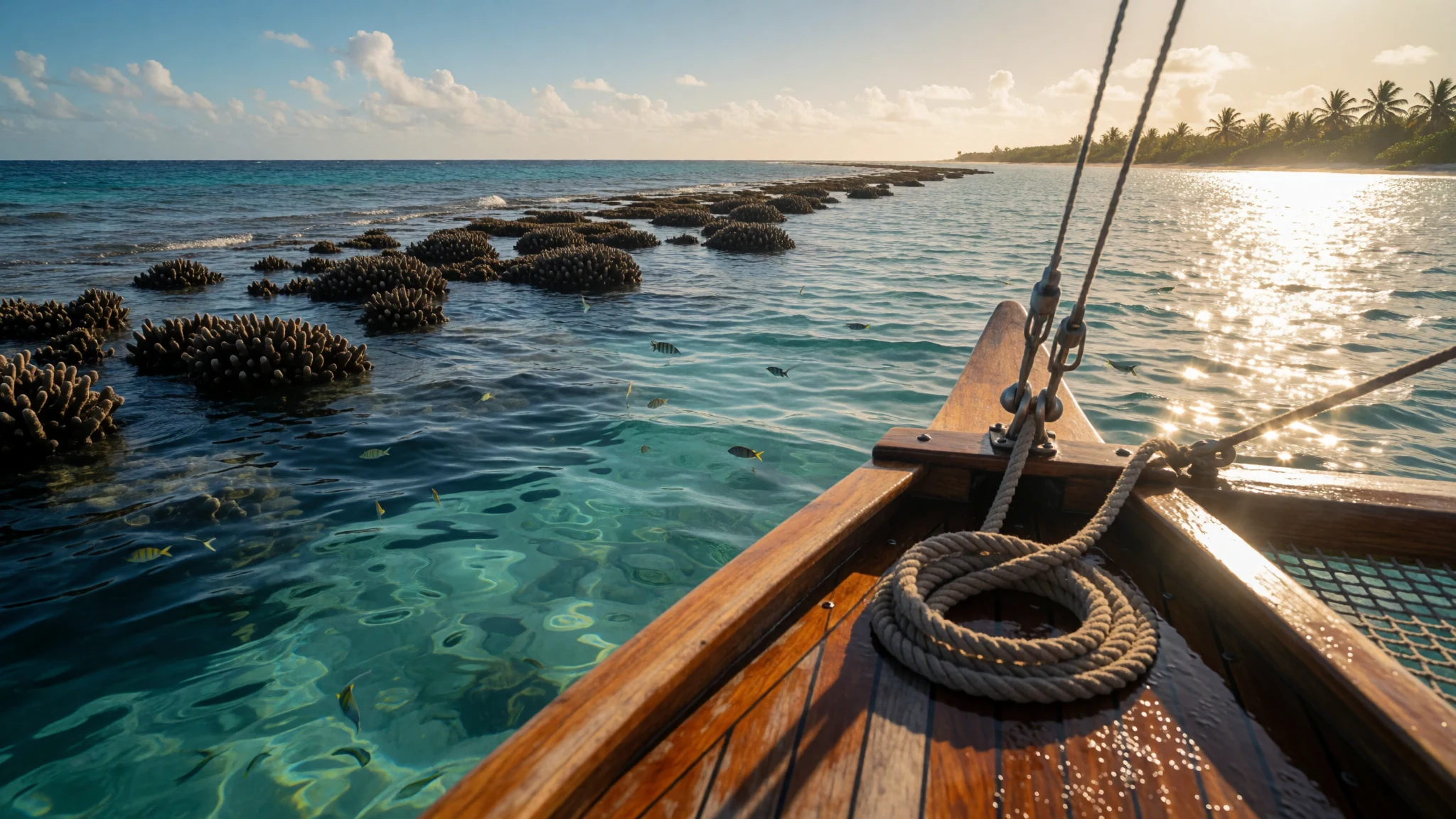
Maragogi offers warm Atlantic shallows, reef pools that appear at low tide, and quiet beaches along Brazil's Coral Coast.
The place
Maragogi is a small seaside municipality on the northern coast of Alagoas, in north-east Brazil, about 125 km north of the state capital, Maceió. It sits 5 m above sea level on a flat shore of coconut palms, sandy side streets and low houses facing a long line of reef. The town is the main base for the Costa dos Corais, the Coral Coast, a run of about 130 km of living reef. Most visitors arrive from Maceió or Recife, many for a long weekend, and tourism now carries the local economy.
The climate is tropical: warm to hot and humid all year, softened by trade winds off the ocean, with no real extremes. January is the warmest and sunniest month. July is the coolest and wettest, though cool is relative here. Inland, the land was once tropical forest before sugar cane and coconut plantations took over much of it.
The centre is easy to cover on foot. There is a beachfront road, small guesthouses, bakeries and sandwich counters, and boat operators who work straight from the sand. Quieter stretches lie to the south, and across the river to the south-west a ferry leads to far emptier beaches near Porto de Pedras. Maragogi is not a town of monuments. It works as a slow base: mornings on the water at low tide, afternoons in the shade, evenings over grilled fish, with the tide table deciding the day more than any timetable does.
Its story
Maragogi began as a modest village called Gamela, and Wikidata dates the municipality to 1875. The name changed twice in the following years. In 1887 the settlement took the name Isabel, honouring the Brazilian princess who signed the law ending slavery. In 1892 it became Maragogi, after the river that runs beside the town. Some historians trace the word to Marahub-gy, said to mean the river of the Marauba people, though the etymology is not settled.
The coast around it was contested ground. Dutch and Portuguese colonisers fought here, and the first wealth of the region came from sugar cane and coconut plantations. Sugar in colonial Brazil rested on enslaved labour, which gives the princess's name in the town's history a particular weight. The plantation economy faded, and for a long time Maragogi was a fishing and farming town that few outsiders visited.
Tourism changed that. The reefs offshore, the clear pools that surface at low tide and the string of calm beaches turned a quiet municipality into the most visited destination in Alagoas after the capital. From 2015 the town also began hosting sporting events, starting with a trail-running race, which added outdoor and adventure travel to the usual beach holiday. Local accounts still describe much of the area's potential as untapped, and the contrast between the busy boat landings and the empty beaches either side of them shows it.
What to see
- The Galés natural pools — Offshore, reached from Maragogi beach
The Galés are reef pools that emerge at low tide about 6 km off Maragogi beach. Catamarans and smaller boats run out to them, and a trip lasts about 2 hours. The water is clear and full of small coloured fish. Snorkels can be rented on the sand, and a waterproof camera is worth having.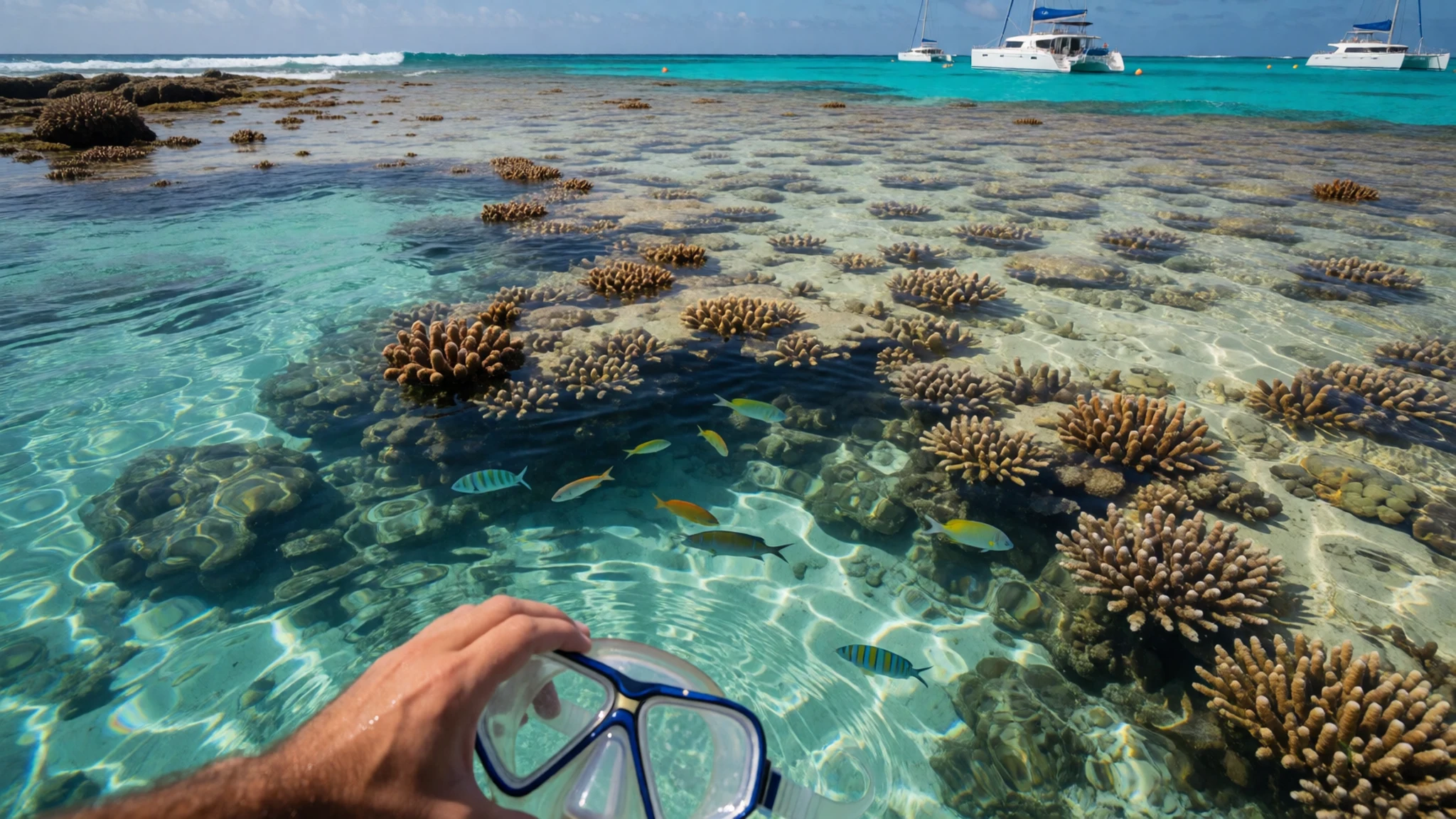
- Maragogi beach — Town centre waterfront
Maragogi beach is the town's main strip: pale sand, palms, shallow warm water and a steady line of boats waiting to head to the reef. It is lively by midday and calmer early and late. Beach huts sell drinks and grilled snacks, and the sea is usually gentle enough for children.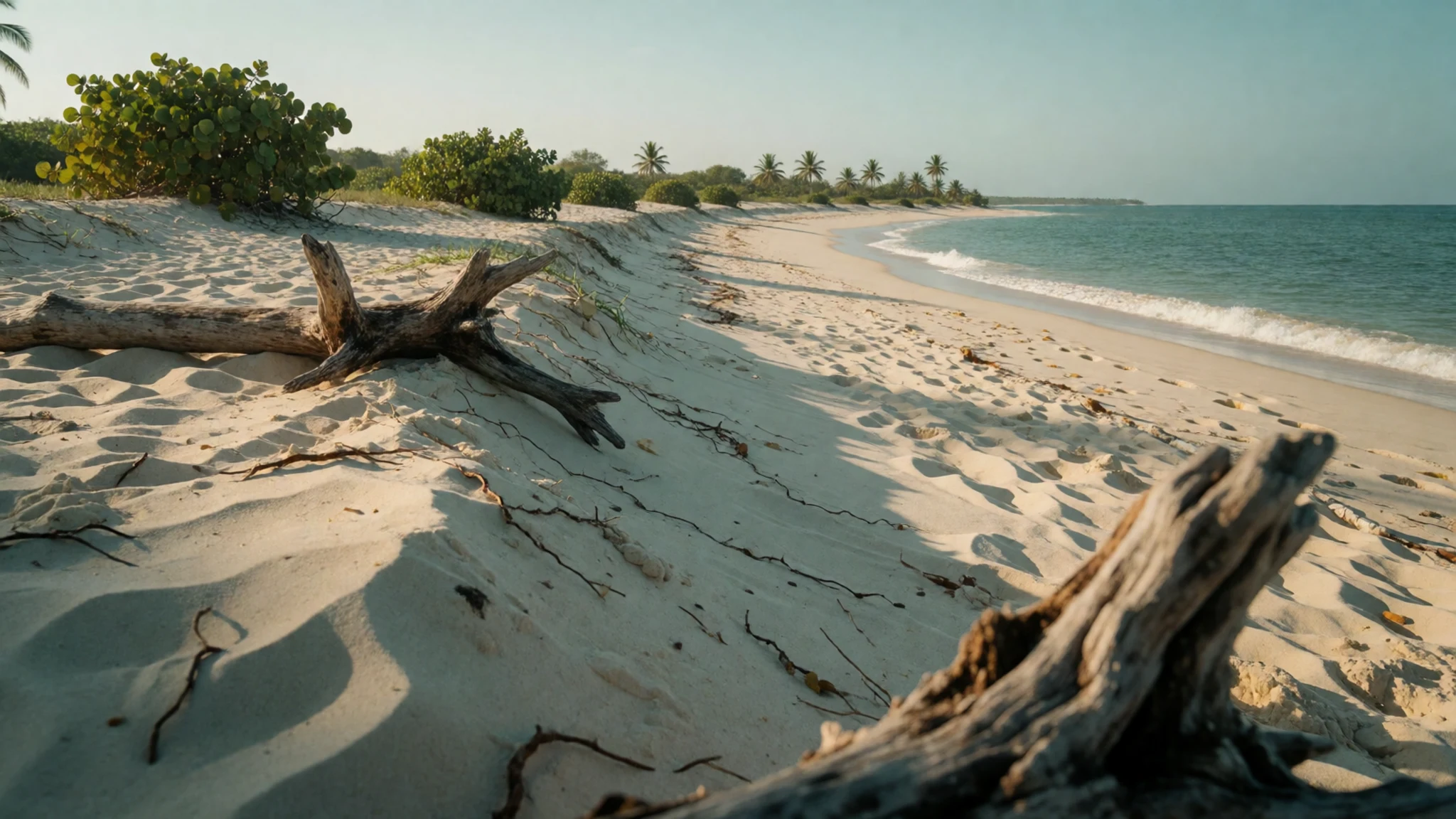
- Camacho beach — South of Maragogi beach
Camacho beach lies south of the main beach and can be reached on foot, which keeps the crowds thinner. It suits a long, unhurried walk along the sand, a swim away from the boat traffic and a quiet afternoon. Bring water and shade, as facilities are limited compared with the town front.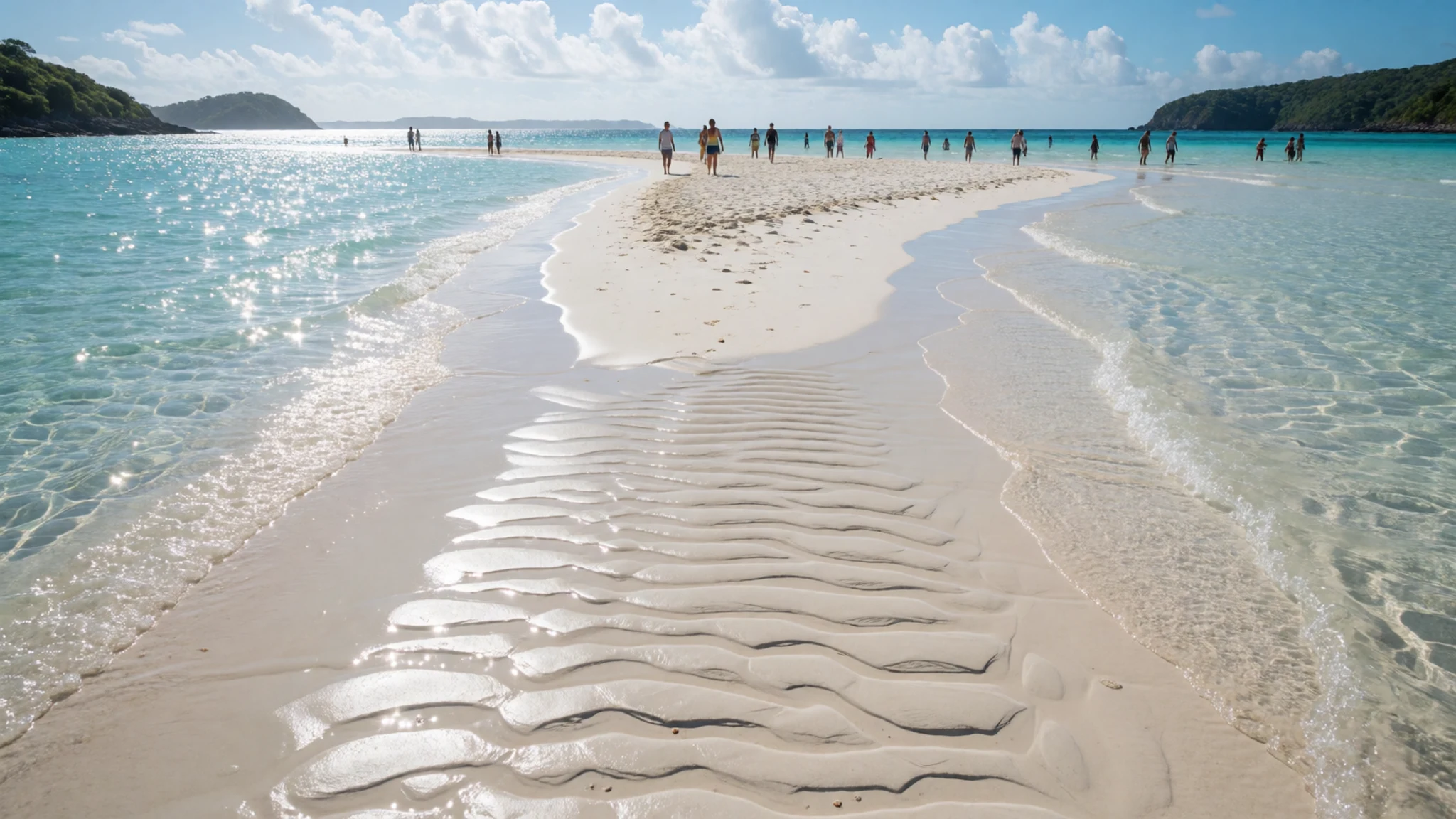
- Barra Grande — North of the town centre
Barra Grande is a beach settlement within the municipality, with a smaller, more laid-back feel than the town centre. It is a good choice for a calm swim, a simple meal by the water and an hour of watching local boats come and go. Transport is easiest by car or taxi.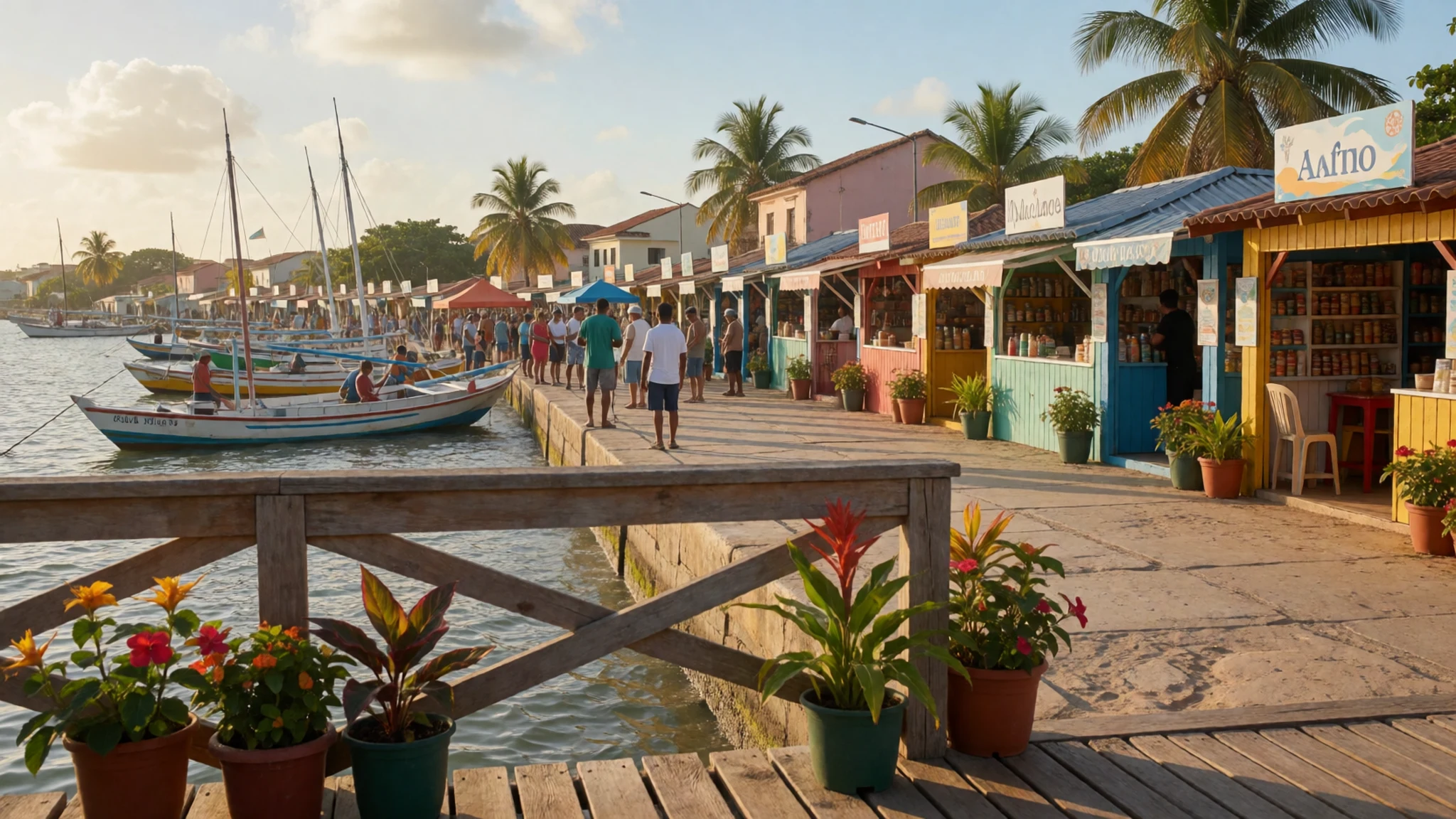
- Ferry to Porto de Pedras — Japaratinga, southern edge of the municipality
From the Japaratinga side, a small ferry crosses the Manguaba River to Porto de Pedras, where the beaches are close to deserted. Passengers on foot can cross without paying, according to Wikivoyage. The crossing is short, and the reward is long, empty sand and a very different pace from Maragogi.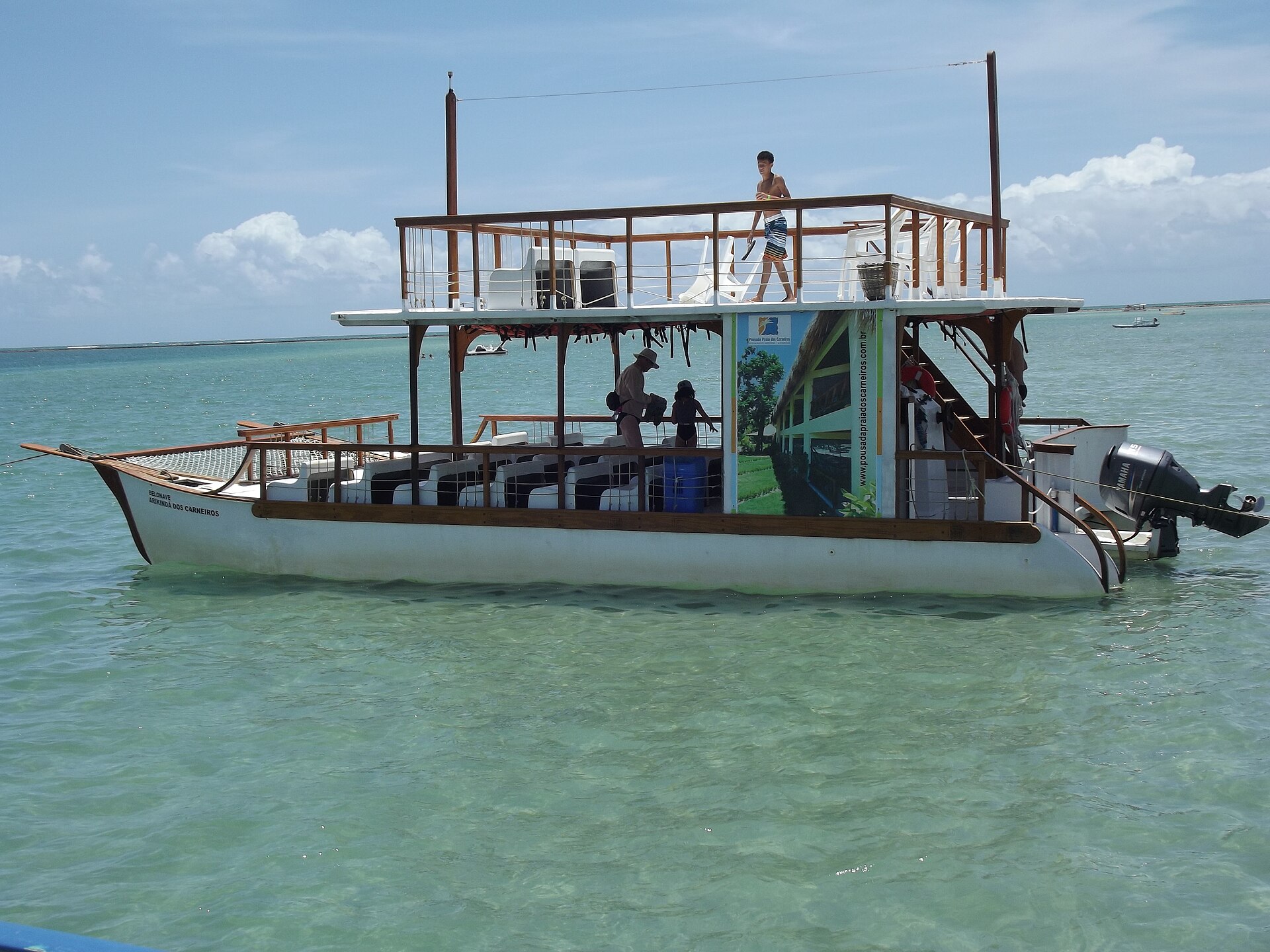
Culture
Maragogi is a Brazilian north-eastern beach town, and daily life follows the sea. Fishing families, boat crews and small guesthouse owners make up much of the community, and many people live off the tide tables as much as the calendar. Portuguese is the language of the town, and a few words of greeting go a long way, since English is not widely spoken outside the larger tour operators.
The pace is relaxed. Weekends bring families from Maceió and Recife, with coolers, music and long lunches under beach shelters. In the evenings, the town fills with the sound of forró, the accordion-led dance music of the north-east, drifting from bars along the front. In June, the festas juninas bring bonfires, corn-based sweets, costumes and dances across the region, and the small towns of Alagoas take them seriously.
The colonial history of sugar and slavery sits quietly behind the postcard beaches, and the town's very name records an abolitionist princess. Visitors will find people proud of the reef and keen to protect it, because the pools and the fish are the reason the town has work. Boat operators brief guests before a trip, and it is worth listening to them.
Ask before photographing local people, especially fishermen and children, and never stand on the reef or feed the fish at the pools.
What to wear
Maragogi has no single formal costume, and the traditional clothing of north-east Brazil appears mainly at festivals. For the June festas juninas, people wear checked cotton shirts and dresses in bright patterns, patched for a rustic look, with straw hats and plaits. Alagoas is also known for filé, a handmade lace-like needlework made on net, which turns up on table linen and fine blouses sold in craft shops. Traditional fishermen wear simple cotton shirts and wide straw hats against the sun.
Day to day, people dress for heat and sand. Locals wear swimwear on the beach, then shorts, light T-shirts, cotton dresses and rubber flip-flops in town. Evenings are casual: a clean shirt or sundress and sandals are enough for almost any restaurant, though people tend to cover up once they leave the beach.
Visitors should pack light cotton or linen, a wide-brimmed hat, sunglasses and a long-sleeved rash vest for snorkelling, since the sun on the water is strong. Reef-safe sunscreen is a good idea, as is a pair of water shoes for rocky patches. Bring a thin rain jacket for the wetter months, and a light wrap or shirt for shaded walks and for the town centre. Swimwear is fine on the sand but not in shops or restaurants.
What to eat
- Grilled fish — Beachfront huts and small seafood eateries in the town centre
Fresh fish grilled whole or in fillets, served with rice, farofa (toasted cassava flour) and salad, is the staple lunch. It is cooked simply, with garlic and lime. Look for it at beachfront huts and family-run eateries along the shore.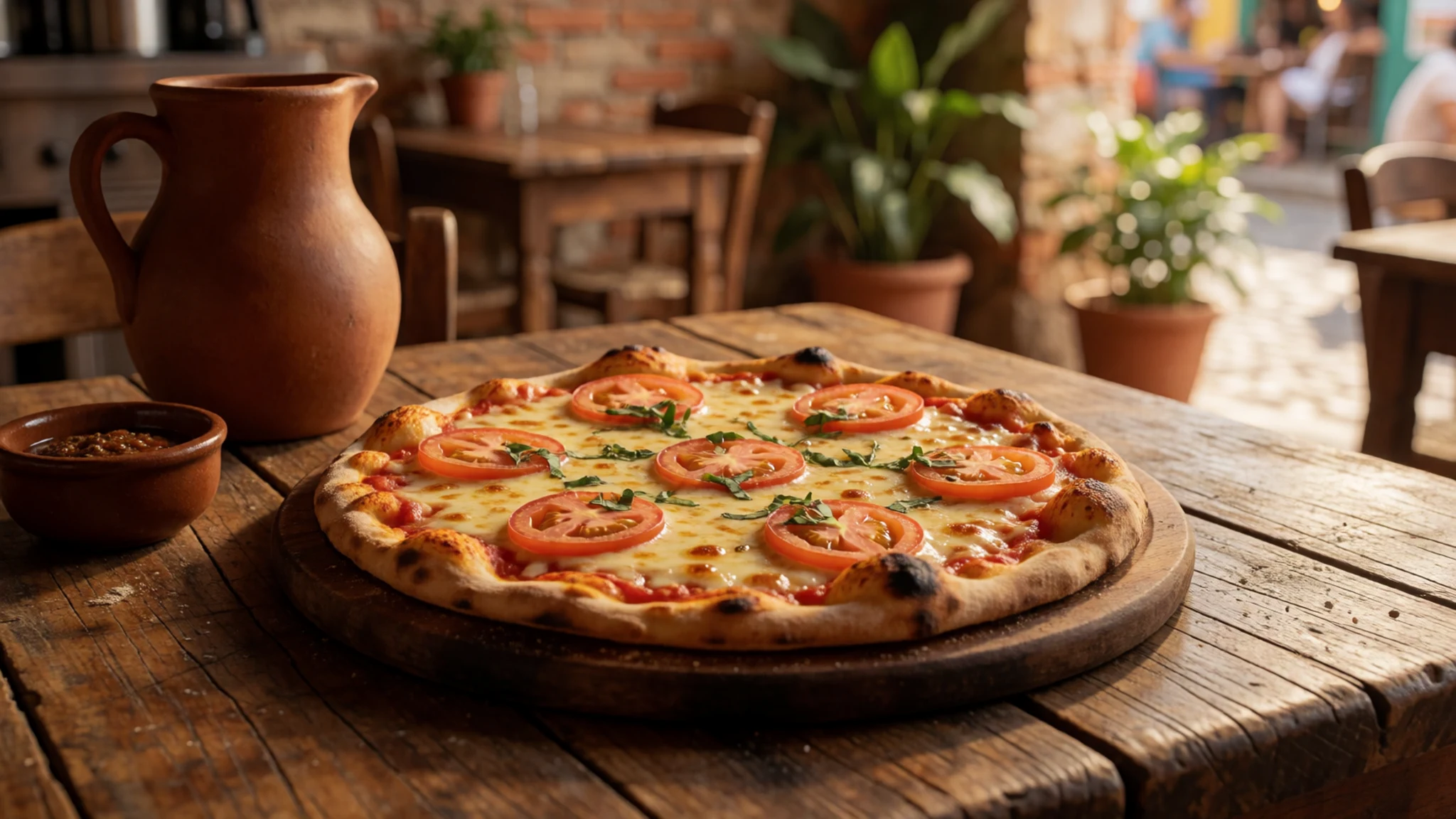
- Moqueca — Sit-down seafood restaurants away from the beach strip
Moqueca is a slow-cooked stew of fish or shrimp in coconut milk, tomatoes, peppers and coriander, usually brought to the table bubbling in a clay or metal pot. It is rich, gently spiced and best shared over a long lunch.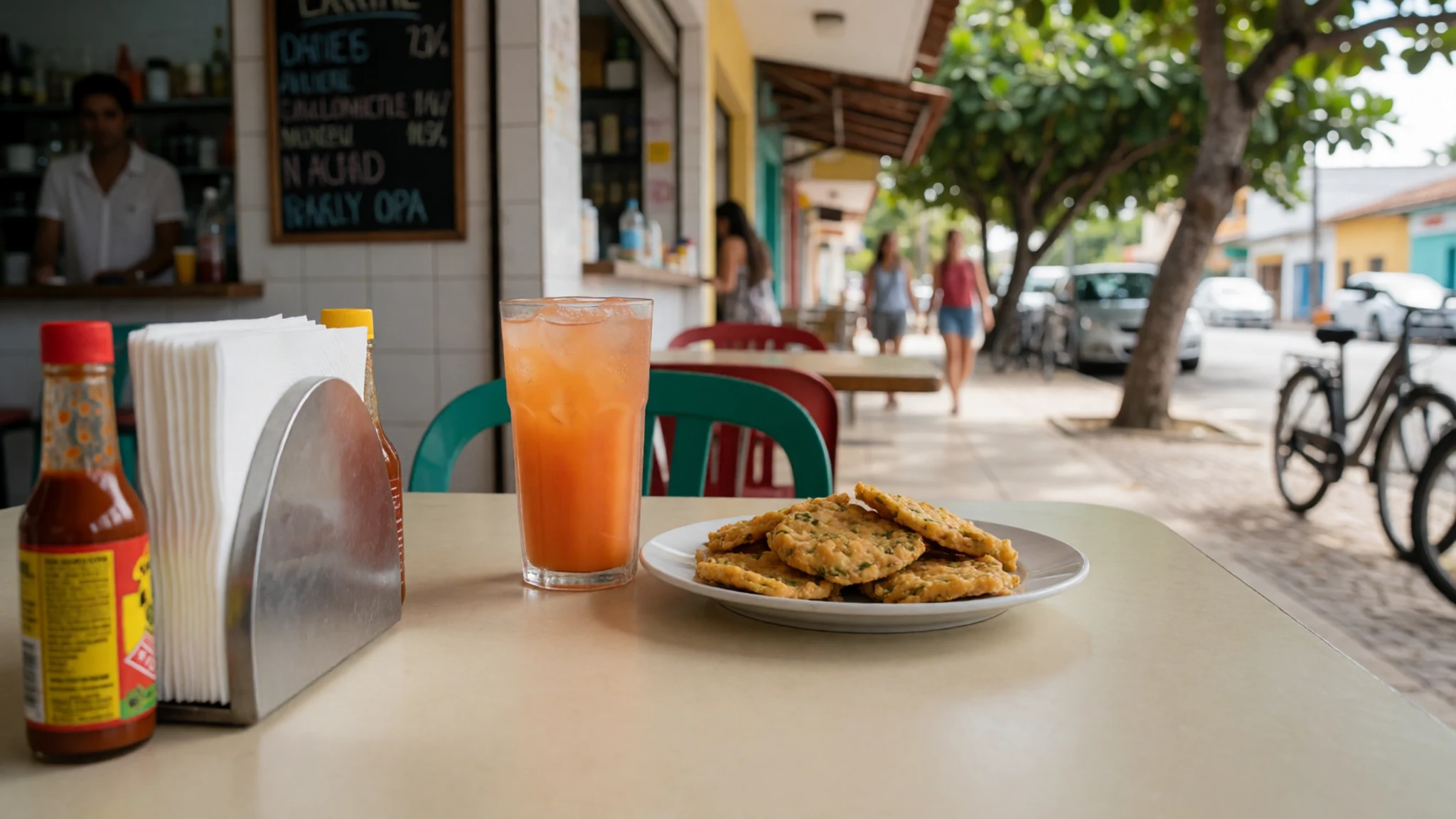
- Tapioca — Street stalls and breakfast cafés around the town centre
Tapioca here means a thin, chewy pancake of cassava starch, folded around fillings such as grated coconut, cheese or sweetened condensed milk. It is a common breakfast and a cheap afternoon snack, and it is naturally free of wheat. - Caldinho de sururu — Small bars and seafood huts, especially near the water
Caldinho de sururu is a thick, savoury broth made from small lagoon mussels, a regional favourite across Alagoas. It is served hot in a cup or bowl, often with lime and chilli on the side, and works as a starter or a light meal. - Fresh coconut water — Beach stalls and roadside carts throughout Maragogi
Green coconuts are chopped open on demand, and the cold water inside is the standard way to cool down on a hot day. Many sellers will split the shell afterwards so the soft flesh can be eaten with a spoon. - Sandwiches and burgers — Snack counters and casual eateries near the main beach
Sandwich counters and burger spots are a staple of the town centre, popular with day-trippers who want something quick between boat trips. Expect big portions with fries, plus fruit juices blended to order.
Plan it
Best time. October to March is the sunnier, drier part of the year, with January the warmest month. Mid-year, and July in particular, is cooler and wetter, which makes boat trips less predictable. Whatever the month, it is humid, so plan around low tide for the reef pools.
How long. 2–4
Getting there. Fly to Maceió airport, then travel about 125 km north along the coast road by hire car, transfer or shared van from the Maceió bus station. Recife is the other gateway, but there is no direct bus, so check current services on a booking site such as Clickbus. The last leg into town is short, and local vans and taxis cover the coastal strip. Check the official municipal website, http://www.prefeiturademaragogi.com, for local information.
Budget. mid
Tips
- Check the tide table before booking the reef trip, as the pools are best at low tide
- Carry some cash for beach huts, snorkel hire and small vans, as card machines are not universal
- Use reef-safe sunscreen and a rash vest, since the sun on the water is strong
- Book boats and accommodation early for weekends and school holidays, when visitors arrive in numbers
- Leave early for the pools to avoid the midday boat traffic
Etiquette
- Do not stand on or touch the coral, and do not feed the fish at the pools
- Ask before photographing local people, especially fishermen and children
- Keep swimwear to the beach and cover up in shops and restaurants
Nearby
Sources
- Wikidata Q971736 (CC0)
- Wikipedia: Maragogi (rev 1376408983) (CC BY-SA 4.0)
- Wikivoyage: Maragogi (rev 5045767) (CC BY-SA 4.0)
- Bandeira de Maragogi Alagoas — Yaanub (Public domain)
- Localização da cidade no estado de Alagoas — Wellber Drayton (Public domain)
- Barra grande — Edujsneto (CC BY-SA 4.0)
- Ponto de apoio a turistas, praia de Maragogi — Dario Sanches (CC BY-SA 2.0)
- 1998 Maceió - AL — Silvio Chiozini (CC BY 3.0)
- Barco típico de passeio da Praia de Maragogi — Alessandra Chanquet (CC BY-SA 4.0)
- balsa na praia de maragogi — Fabiana Dias Canzian (CC BY-SA 4.0)
- Barreira de corais — enioprado (CC BY 3.0)


