Mai Chau
Mai Chau, Vietnam
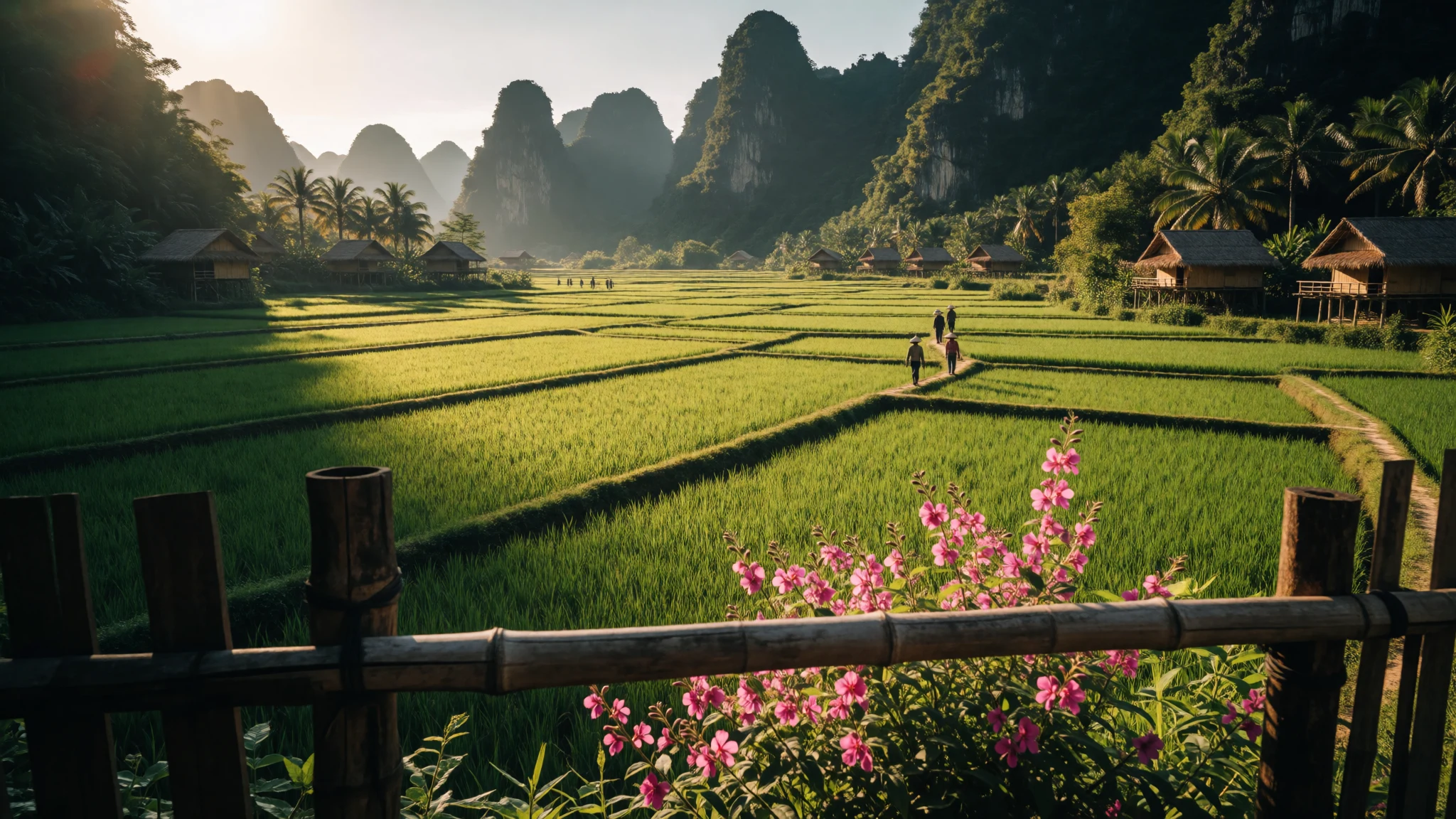
Mai Châu is a valley of rice fields and bamboo stilt houses in northwest Vietnam, a gentle mountain stop within reach of Hanoi.
The place
Mai Châu is a mountain district in the northwest of Vietnam, centred on a farming valley about 135 km from Hanoi. The town of Mai Châu, at an elevation of 407 m, is the district capital and the base most visitors use. The administrative map has shifted in recent years: older sources place the district in Hòa Bình province, newer ones in Phú Thọ, so a bus ticket or map may show either name. The land falls into two kinds of country. The low ground is flat and fertile, a patchwork of paddy where villages cluster beside streams. Above it the ranges turn steep and rugged, cut by gullies and watercourses, and settlements thin out into hamlets reached by narrow roads and footpaths. Most residents are White Tai, with Mường and Kinh communities living alongside them in roughly equal numbers. That mix shapes the feel of the place: bamboo and timber houses raised on posts, looms working under the floorboards, rice drying in the sun. Mai Châu is not a city and does not try to be. Evenings are quiet, the loudest sounds are roosters and motorbikes, and the pace follows farm work rather than a timetable. Visitors come mostly for the scenery, for walking and cycling between villages, and to sleep overnight in a stilt house, which is the established way to experience the valley. Crowds are modest on weekdays but build at weekends and public holidays, when families escape the capital. Seasons matter: summer is hot and wet, while winter mornings can be cold and misty.
Its story
Mai Châu carries a name older than Vietnamese rule over the valley. Kinh administrative records took it from a White Tai word for the whole region that now makes up Hòa Bình and part of Sơn La, written in several spellings, among them Mường Muổi. The meaning usually given is 'land of the barbarians', which probably reflects how Tai leaders regarded the people already living there when they pushed military forces towards the junction of the Đà River. Before the 7th century AD, those earlier inhabitants were known to Annamese chroniclers as the Xá, a label that lumped together many communities with no shared language or state. That lack of unity left them exposed when Tai expansion moved south, and the northwest of Vietnam lost much of its population in the upheaval. Over the following centuries the Xá along the upper Đà were largely wiped out or absorbed by newcomers, with only a few small remnants surviving in the roughest mountains of southern Hòa Bình. What visitors meet today is mainly the Tai inheritance: the White Tai and Black Tai who settled the valley, and the Ban Lác community, whose ancestors came from Tai lands. The wider story of Vietnam, with its repeated struggles against Chinese rule and later French colonisation, forms the backdrop, though the valley's own past is mostly one of migration and farming rather than battles. Details of the earliest period are thinly documented, so the dates are best read as broad.
What to see
- The valley rice fields — Mai Châu valley floor
The floor of the Mai Châu valley is a chequerboard of paddy that shifts from bright green to gold through the growing season. Walking or cycling the lanes between villages is the simplest way to see it, and the low hills around the edge give a decent vantage in clear morning light. Expect mud after rain.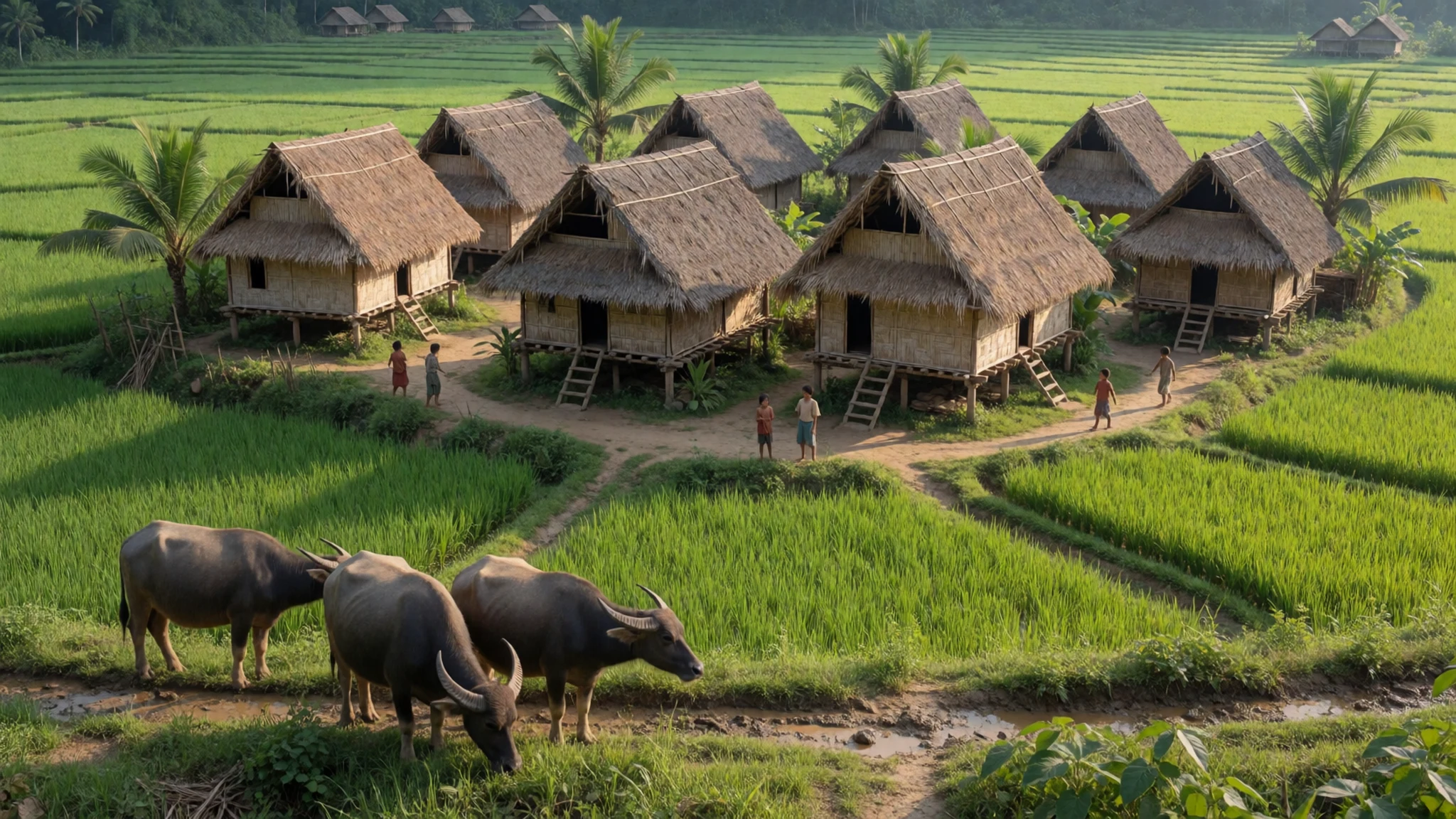
- White Tai stilt villages — Villages around Mai Châu town
The White Tai villages near the town are known for timber and bamboo houses raised on posts, which keep floodwater below the living floor and shelter animals underneath. Many families now host guests on mats in the airy upper room. Wander the lanes politely, and treat verandas as private space unless invited up.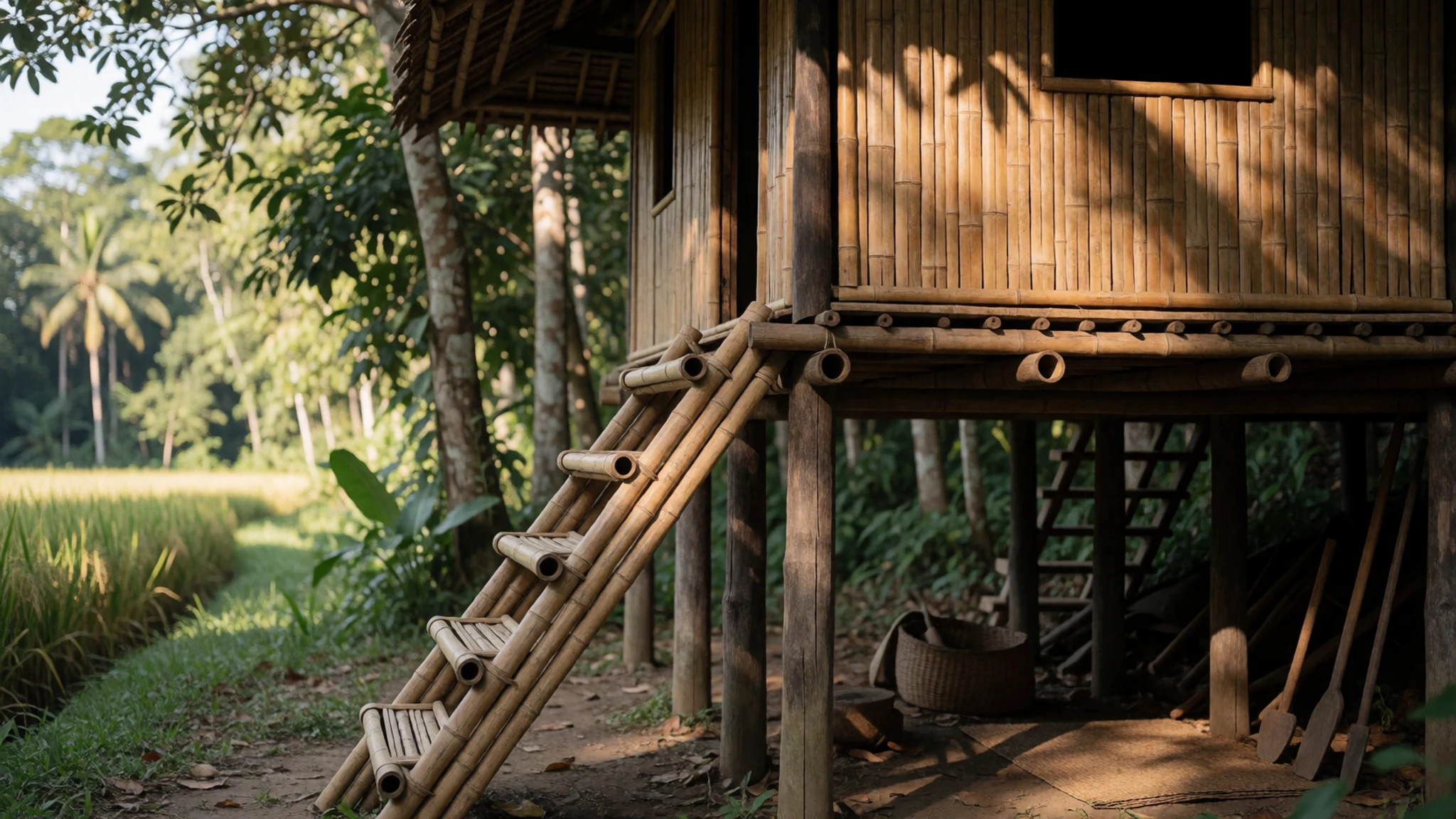
- Mường houses — Mường hamlets in the district
Mường communities in the district build in a similar post-and-beam style, with small differences in roofline and layout that a patient eye can pick out. Houses stand among gardens, vegetable plots and drying racks. Photographing from the lane is fine, but ask before stepping into a yard or pointing a camera at residents.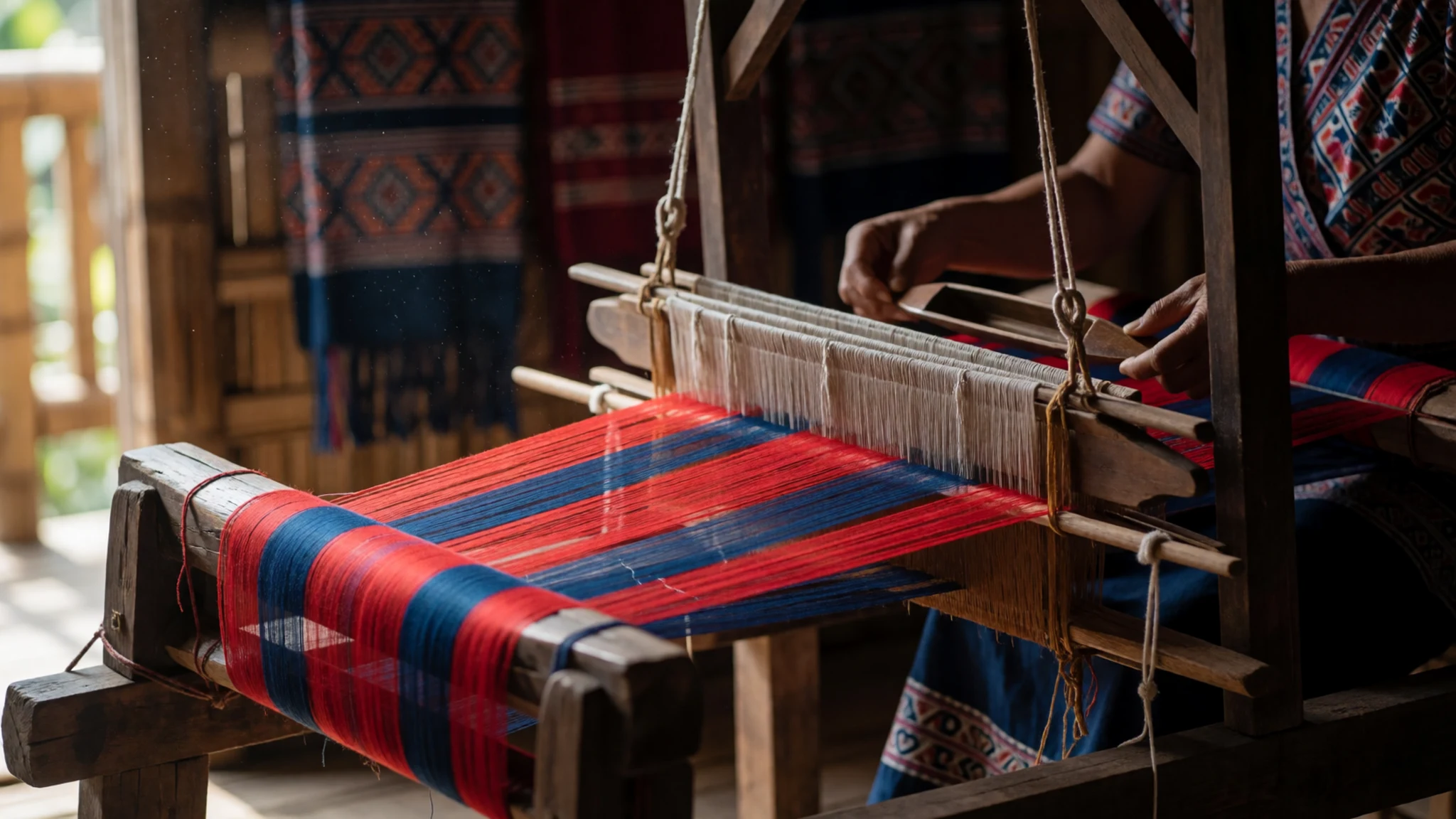
- House-building in the villages — Villages across the valley
New stilt houses go up regularly in the district: a tall timber frame first, then bamboo flooring, walls and a roof. It is working village life, not a performance, so watch from a distance, keep clear of tools and ladders, and do not interrupt the builders. It explains how the older houses were put together.
- Weaving at the loom — Tai villages, under and beside the houses
Weaving remains a living craft in the Tai villages, and looms are often set up beneath or beside the houses. Scarves, cloth and bags are sold directly by the women who make them. Handwork takes many hours, so it is fairer to buy one good piece than to push hard for a discount.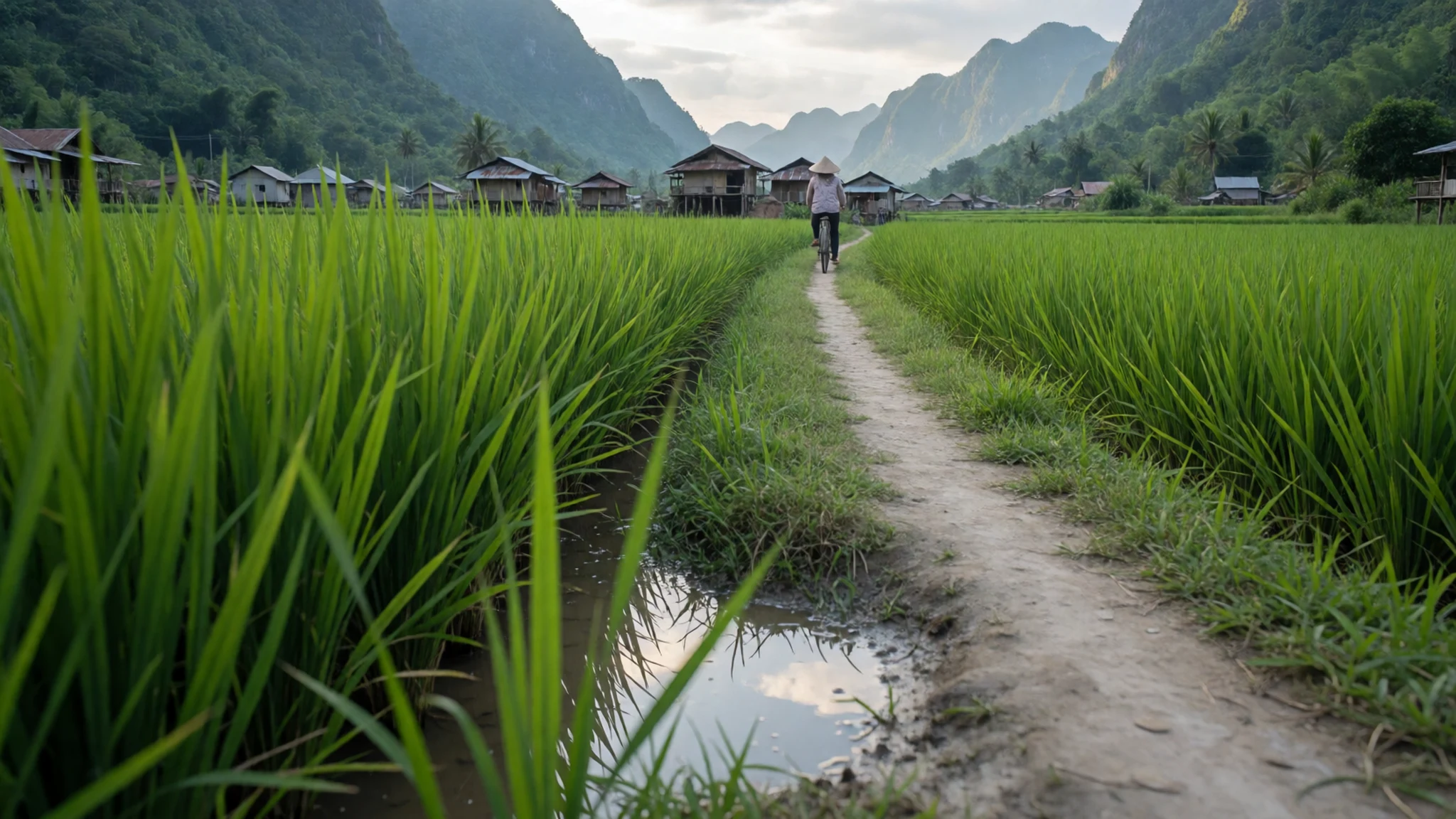
Culture
Mai Châu is mainly Tai country. The White Tai and Black Tai peoples make up the largest ethnic group of the region, with Mường and Kinh neighbours beside them, and the Ban Lác community traces its ancestry to Tai settlers who moved into northwestern Vietnam. Daily life revolves around rice farming, weaving and the household, and the stilt house sits at the centre of it: a timber and bamboo frame lifted about three metres off the ground to keep water out and give livestock shelter. Upstairs is where families cook, sleep and receive guests, so staying in one means sharing the real living space of a family. Respect for elders runs deep across Vietnamese culture and shows in small ways, such as who is served first at a shared meal and who speaks first. Visitors who are polite and a little reserved are generally welcomed warmly, even when a language barrier limits conversation. Being stared at is common in rural areas and is usually curiosity rather than hostility. Homestay evenings may include a shared meal, rice wine and sometimes a song or dance by local people; joining in is welcome when invited. These are working villages with early starts, so quiet after dark is appreciated. Take off your shoes at the foot of the stairs before stepping into any stilt house, greet the oldest person present first, and ask before photographing anyone.
What to wear
Mai Châu's traditional dress is tied to its Tai communities and to hand-weaving. White Tai women have long worn a fitted short blouse with decorative buttons, a long dark skirt and an embroidered headscarf, made from hand-woven cotton and silk, often with patterned brocade bands. Mường women favour long skirts with a decorated waistband. Details vary by village and family, and this dress is worn mostly for festivals, weddings, performances for guests and by some older women day to day. What people actually wear now is practical and ordinary: jeans or loose trousers, T-shirts, rubber sandals or trainers, and conical hats or cloth wraps against the sun when working in the fields. Motorbike helmets are everywhere. A visitor should pack light, breathable clothing that covers shoulders and knees, since villages are conservative, plus long trousers and sleeves for evening mosquitoes. Bring a warm layer for cool, misty mornings and winter, and a light rain jacket in any season. Sturdy sandals or trainers with grip suit muddy paths between paddy fields, and slip-on footwear is the easiest choice because shoes come off at every stilt house. Hand-woven scarves and cloth bought directly from weavers make a better souvenir than anything mass-produced.
What to eat
- Cơm lam (rice in bamboo) — Roadside stalls on the approach roads and village homestays
Sticky rice is packed into a length of bamboo and roasted over embers until the tube chars and the rice picks up a faint smoky sweetness. It is peeled open and eaten with salt or sesame, and makes an easy snack for walking.
- Pa pỉnh tộp (grilled flattened fish) — Homestay dinners in the Tai villages
A Tai dish of freshwater fish opened out flat, seasoned with herbs and grilled over charcoal. The skin crisps while the flesh stays soft. It usually arrives with sticky rice and a dipping sauce, and is a good one to ask for.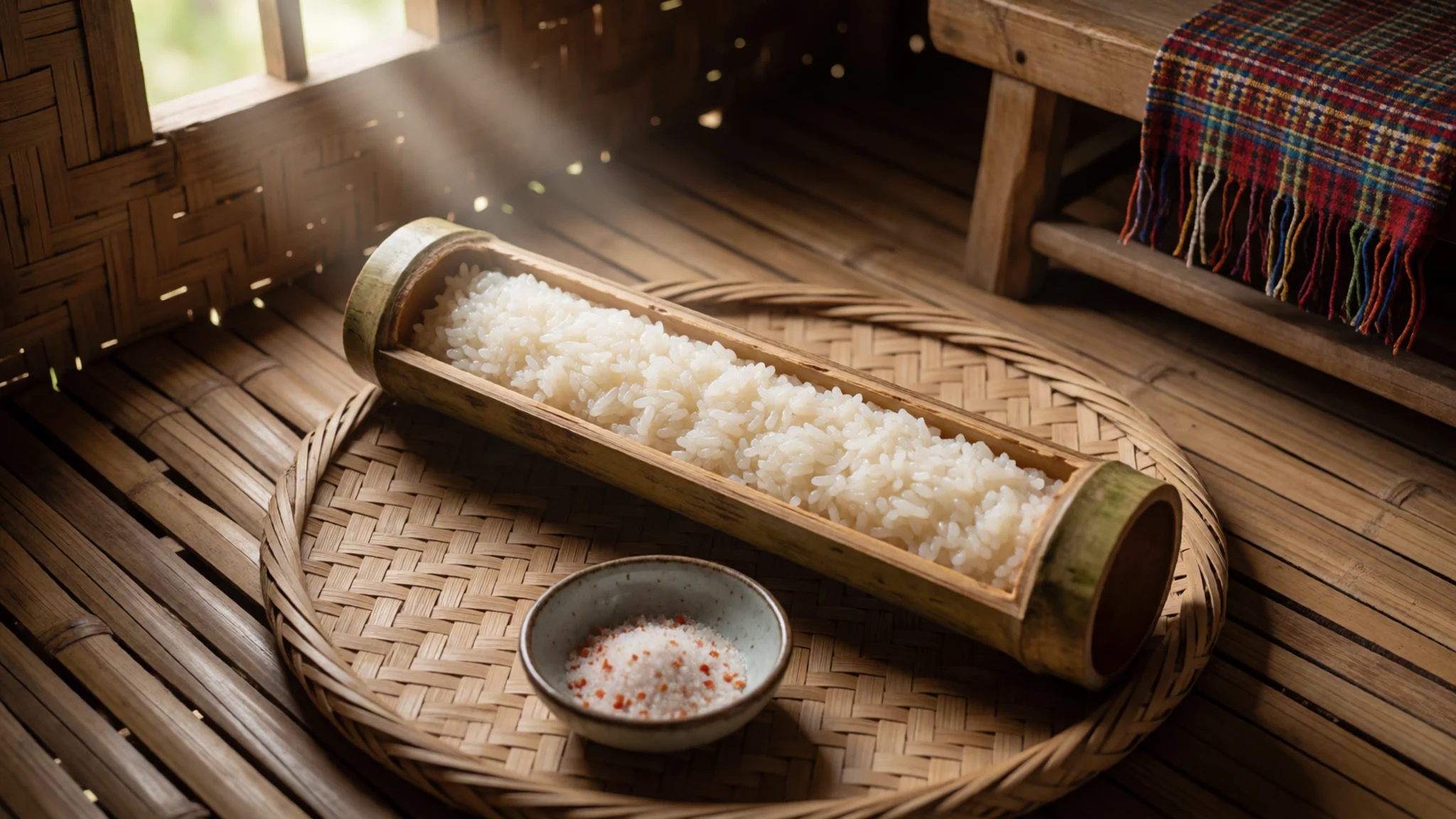
- Thịt trâu gác bếp (smoked buffalo meat) — Village markets and shared family meals
Strips of buffalo meat are cured and hung above the kitchen hearth, where smoke preserves them. Served sliced thin or briefly fried, the meat is chewy, savoury and strongly flavoured. It is a regional speciality across the northwest highlands. - Rượu cần (jar wine) — Homestay evenings and village celebrations
A fermented rice drink shared from a large jar through long bamboo straws. Drinking it is a social ritual, with a host guiding the pace. It tastes mildly sweet and sour, so pace yourself, especially in the heat. - Vietnamese iced coffee — Cafés in Mai Châu town and roadside stops
Strong filter coffee dripped slowly over ice, usually with sweetened condensed milk. After a morning of walking between villages it is a welcome pick-me-up, and one of the few places where a café feels the same as in Hanoi.
Plan it
Best time. October–November, when the heat has eased and the fields are ripening, and March–April for fresh green paddy and mild days. Summer is hot and wet, with muddy paths, while winter mornings can be cold and misty.
How long. 2–3
Getting there. Fly to Noi Bai International Airport in Hanoi, then travel about 135 km by road to Mai Châu town; options include a scheduled bus or a pre-arranged car, so check current operators. Within the valley, villages are best reached on foot or by bicycle.
Budget. low
Tips
- Book homestays ahead for weekends and public holidays, when the valley fills with visitors from Hanoi
- Start walks or rides early to catch cooler air and clearer light over the paddy
- Carry some cash, as small village shops and homestays may not take cards
- Bring insect repellent and a rain layer in any season
- Check Vietnam's entry requirements for your passport well before travel
Etiquette
- Remove shoes before climbing the steps into a stilt house
- Greet elders first and keep voices low in the evening
- Ask permission before photographing people or entering private yards
Nearby
Sources
- Wikidata Q6735119 (CC0)
- Wikipedia, Mai Châu district (rev 1384529729) (CC BY-SA 4.0)
- Wikivoyage, Vietnam (rev 5410523) (CC BY-SA 4.0)
- Photo: A scenery of Mai Chau, Hoa Binh, Vietnam (Jos Dielis) (CC BY 2.5)
- Photo: Mai Chau - Häuser im Reisfeld (Franzfoto) (CC BY-SA 1.0)
- Photo: A stilt house in Mai Chau, Hoa Binh, Vietnam (Jos Dielis) (CC BY 2.5)
- Photo: Stick house construction, Mai Chau, Vietnam (Steven C. Price) (CC BY-SA 4.0)
- Photo: Stilt house construction, Mai Chau, Vietnam (Steven C. Price) (CC BY-SA 4.0)
- Photo: Stilt house contstruction, Mai Chau, Vietnam (Steven C. Price) (CC BY-SA 4.0)
- Photo: A stilt house by Muong people in Mai Chau District (Jos Dielis) (CC BY 2.5)
- Photo: Traditional weaving, Mai Chau, Vietnam (Steven C. Price) (CC BY-SA 4.0)


