Mount Kilimanjaro
Mount Kilimanjaro, Tanzania
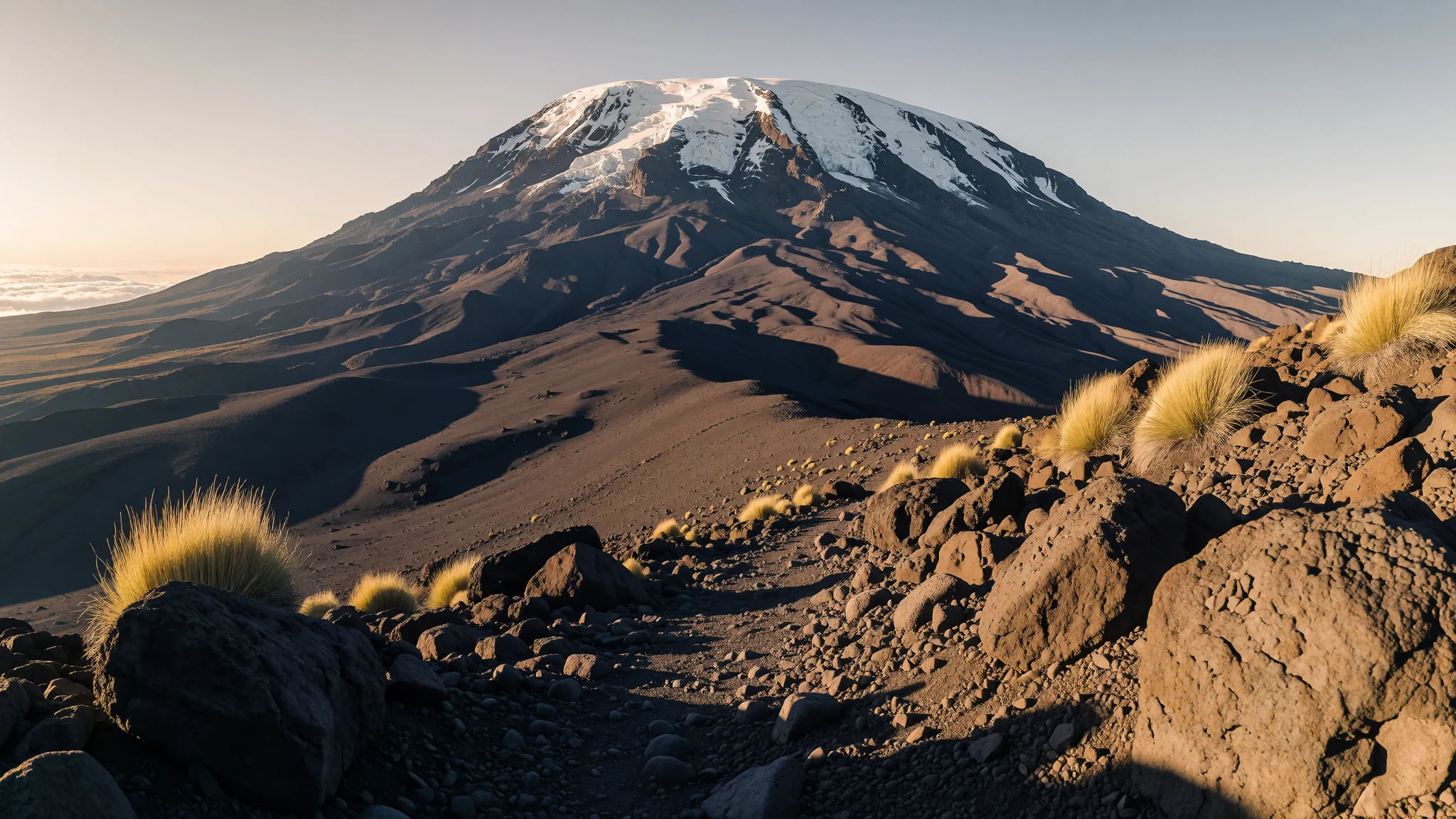
Climb Mount Kilimanjaro to stand on the roof of Africa, traversing diverse ecological zones from tropical rainforest to arctic glacial ice.
The place
Mount Kilimanjaro is a vast dormant stratovolcano rising in the northeastern corner of Tanzania. Standing as the highest mountain on the African continent, it forms a colossal mass that dominates the surrounding plateau. Unlike the folded ranges of the Himalayas or the Andes, this great peak was forged by tectonic rifting along the East African Rift, pushing up enormous volumes of volcanic material over millions of years. Today, Mount Kilimanjaro is anchored by three distinct volcanic cones. Shira is the oldest and lowest, its rim eroded into a high plateau. Mawenzi forms a jagged, highly weathered eastern tooth of dark rock and sheer cliffs. Kibo is the central and highest cone, crowned by a broad summit caldera and the famous Uhuru Peak. Because it stands in relative isolation rather than as part of a continuous chain, Mount Kilimanjaro displays an extraordinary vertical range of climates and habitats. Its lower flanks support fertile agricultural plots and thick montane forests, which gradually give way to misty cloud forests dripping with moss and ferns. Higher still, the landscape opens into sweeping moorlands and bleak alpine deserts where hardy endemic plants survive intense solar radiation and freezing night temperatures. Near the summit, the environment turns glacial, featuring dramatic ice fields and receding remnants of ancient ice caps. This unique topography attracts thousands of trekkers annually, all seeking to experience the transition from equatorial warmth to arctic cold along well-established walking paths that require endurance rather than technical mountaineering skills.
Its story
For centuries, the lower southern and eastern slopes of Mount Kilimanjaro served as the traditional homeland of the Chagga people, who built sophisticated irrigation furrow systems and established thriving agricultural communities. The origin of the mountain's name remains a subject of scholarly debate, with various historical interpretations suggesting meanings related to whiteness, caravans, or absolute greatness. For a long time, European geographers dismissed classical reports of a snow-covered mountain near the equator as travellers' tales. That skepticism ended in 1848 when the German missionary Johannes Rebmann reported seeing the snowy summit, sparking intense geographical curiosity in Europe. Several failed expeditions followed as explorers attempted to find a route through the dense tropical forests and harsh moorlands. Finally, in 1889, German geographer Hans Meyer and Austrian mountaineer Ludwig Purtscheller completed a successful ascent, reaching the highest point on Kibo's rim after cutting steps through the demanding ice fields. During the colonial era, the territory shifted under German and later British administration before Tanzania gained independence. In 1973, the mountain and its surrounding forests were officially designated as a national park to protect its fragile ecosystems from overexploitation. Over subsequent decades, Mount Kilimanjaro evolved into one of the most famous trekking destinations on earth, drawing walkers from every continent. Yet the mountain tells an urgent modern story as well; its famous glaciers have been shrinking rapidly due to changing climatic patterns, losing a vast majority of their ice volume over the course of the twentieth century and highlighting the environmental pressures facing high-altitude ecosystems worldwide.
What to see
- Marangu Gate — Marangu Route entry point
Marangu Gate serves as the official park entrance and registration point for one of the mountain's most popular routes. Trekkers begin their journey through the lush rainforest canopy here, surrounded by towering trees, colourful birdlife, and playful blue monkeys inhabiting the lower slopes.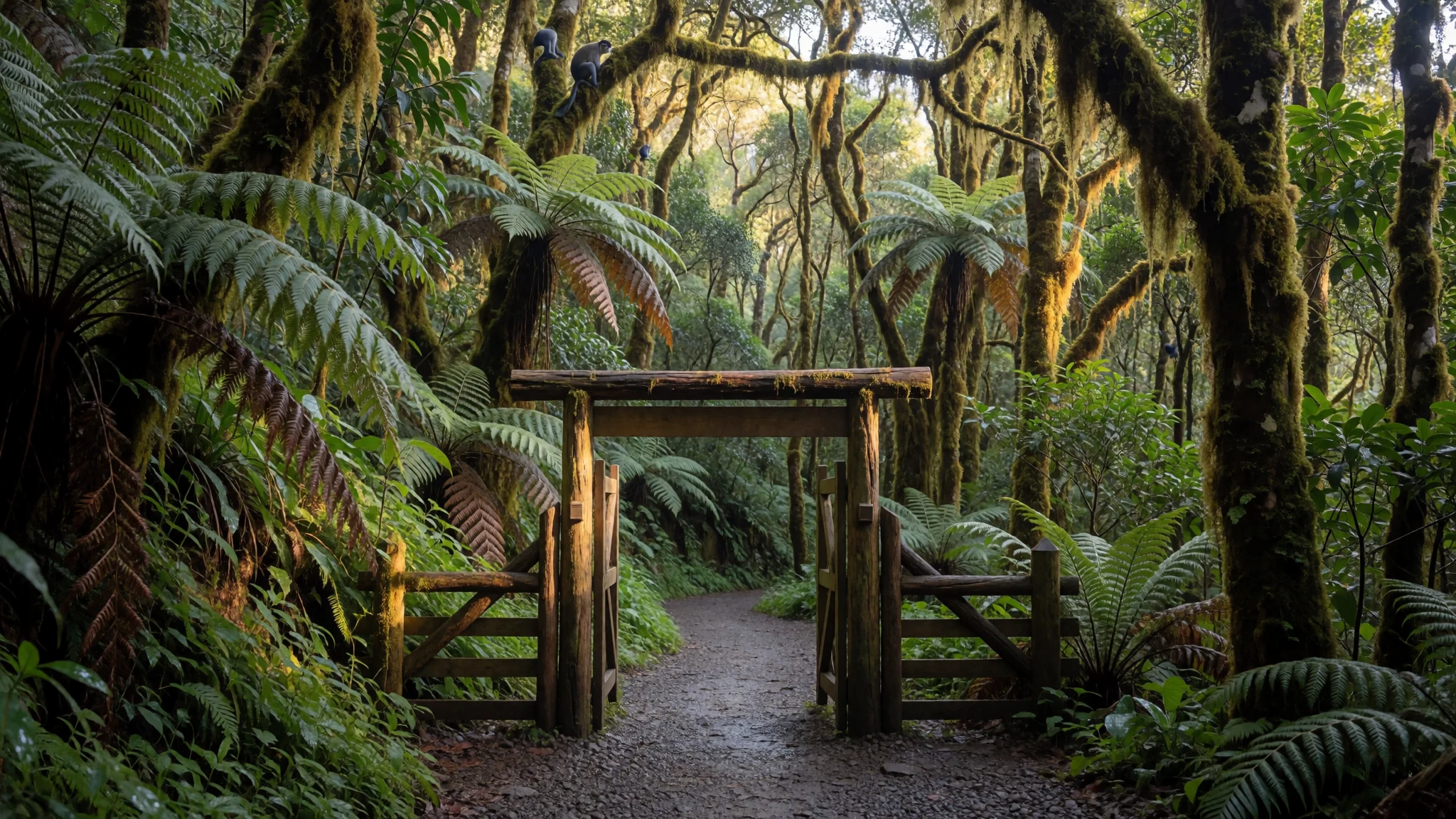
- Maundi Crater — Lower slopes near Marangu
Maundi Crater is a scenic volcanic depression located a short walk above the park gate. It offers an accessible day-hike destination with panoramic views across the surrounding forest canopy and, on clear days, sweeping vistas stretching toward the Kenyan border.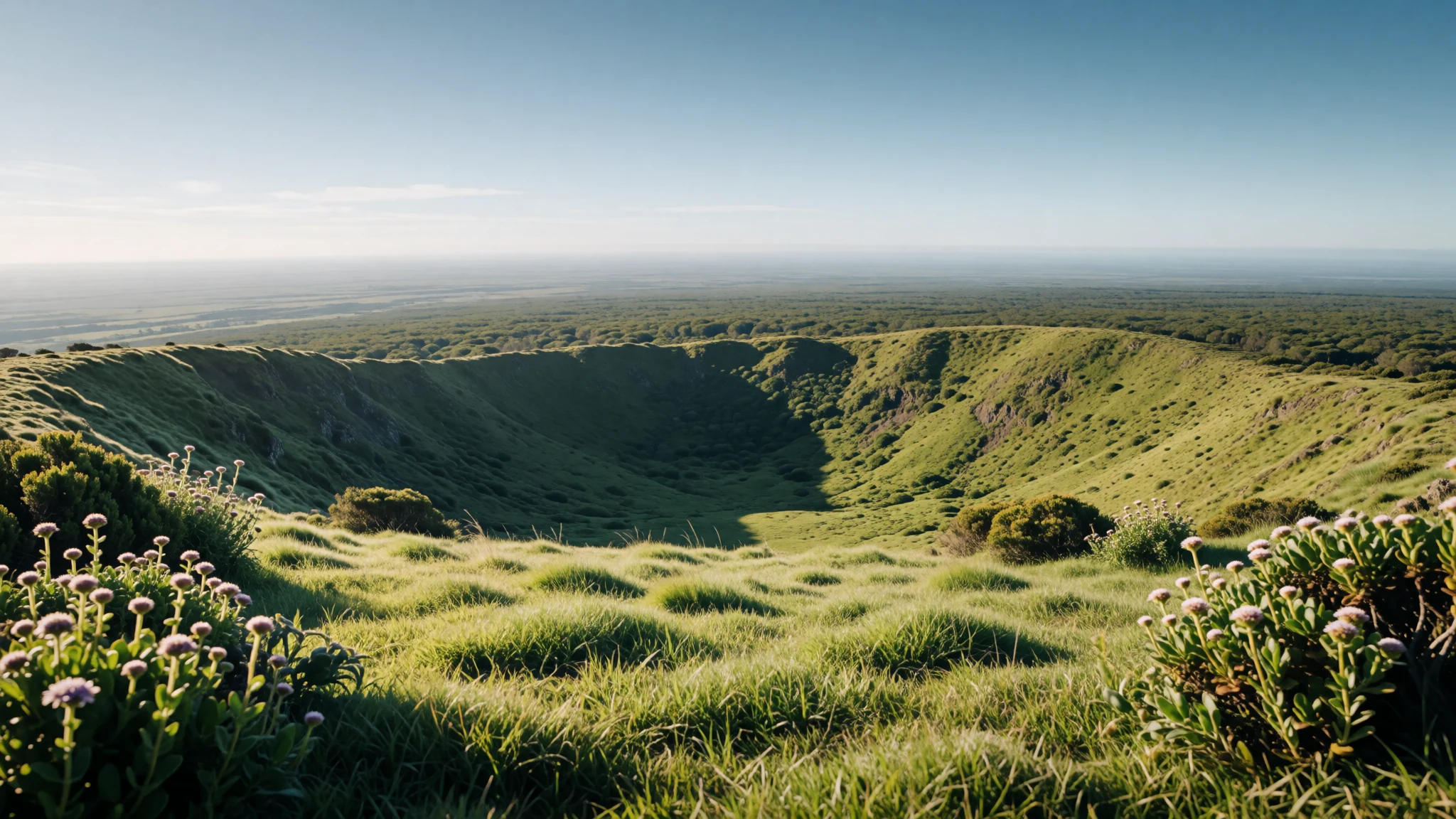
- Kibo Cone — Summit zone
Kibo Cone forms the massive, snow-dusted dome at the heart of Mount Kilimanjaro. Its symmetrical slopes comprise loose scree and ash, leading up to the crater rim where climbers make their final grueling push toward the highest summit.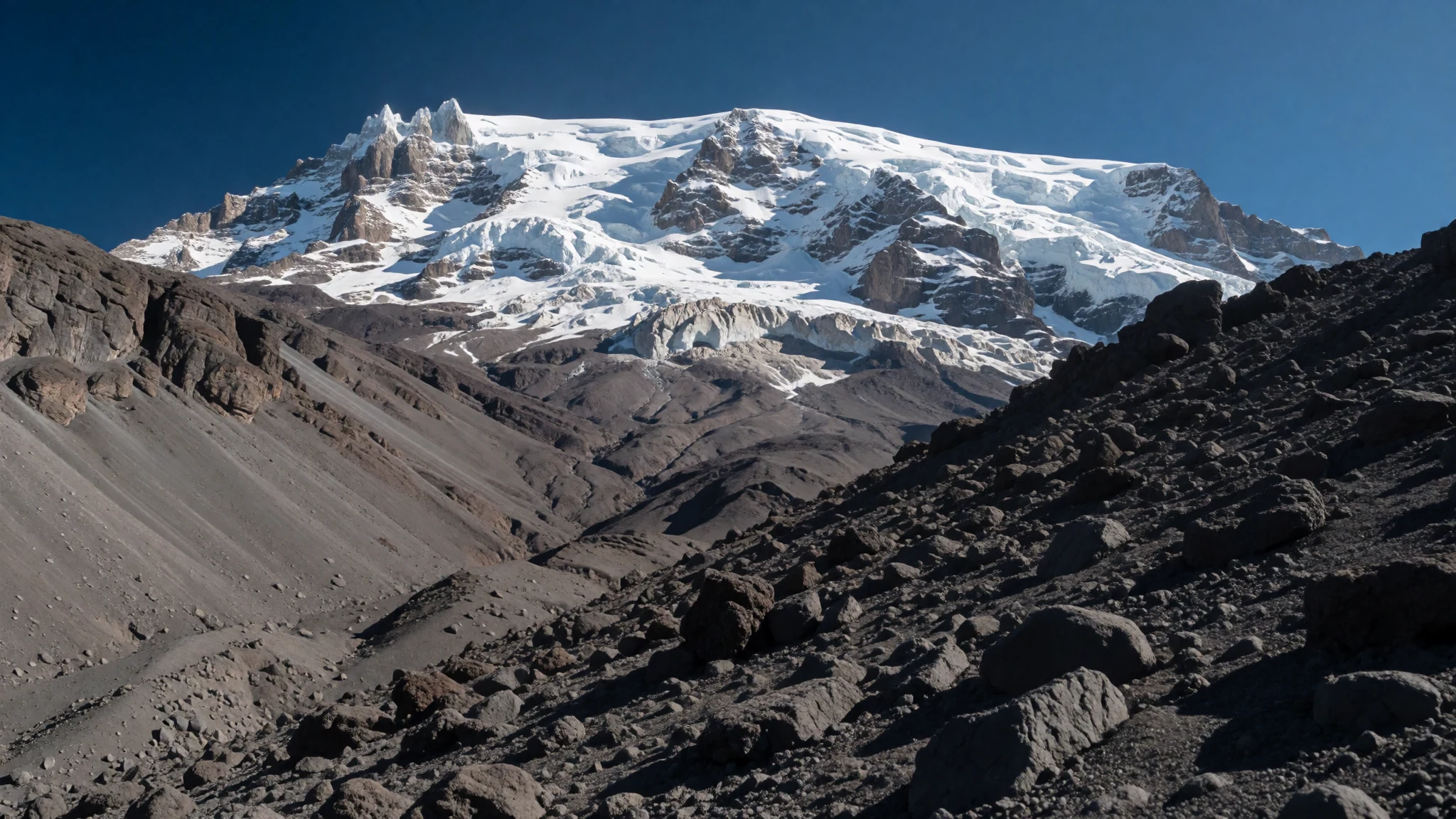
- Rebmann Glacier — Southern Icefield, Kibo
Rebmann Glacier represents one of the surviving ice masses clinging to the Southern Icefield of Kibo. Named after the missionary who first reported the mountain, this shrinking wall of blue ice illustrates the dramatic glacial retreat visible across the peak.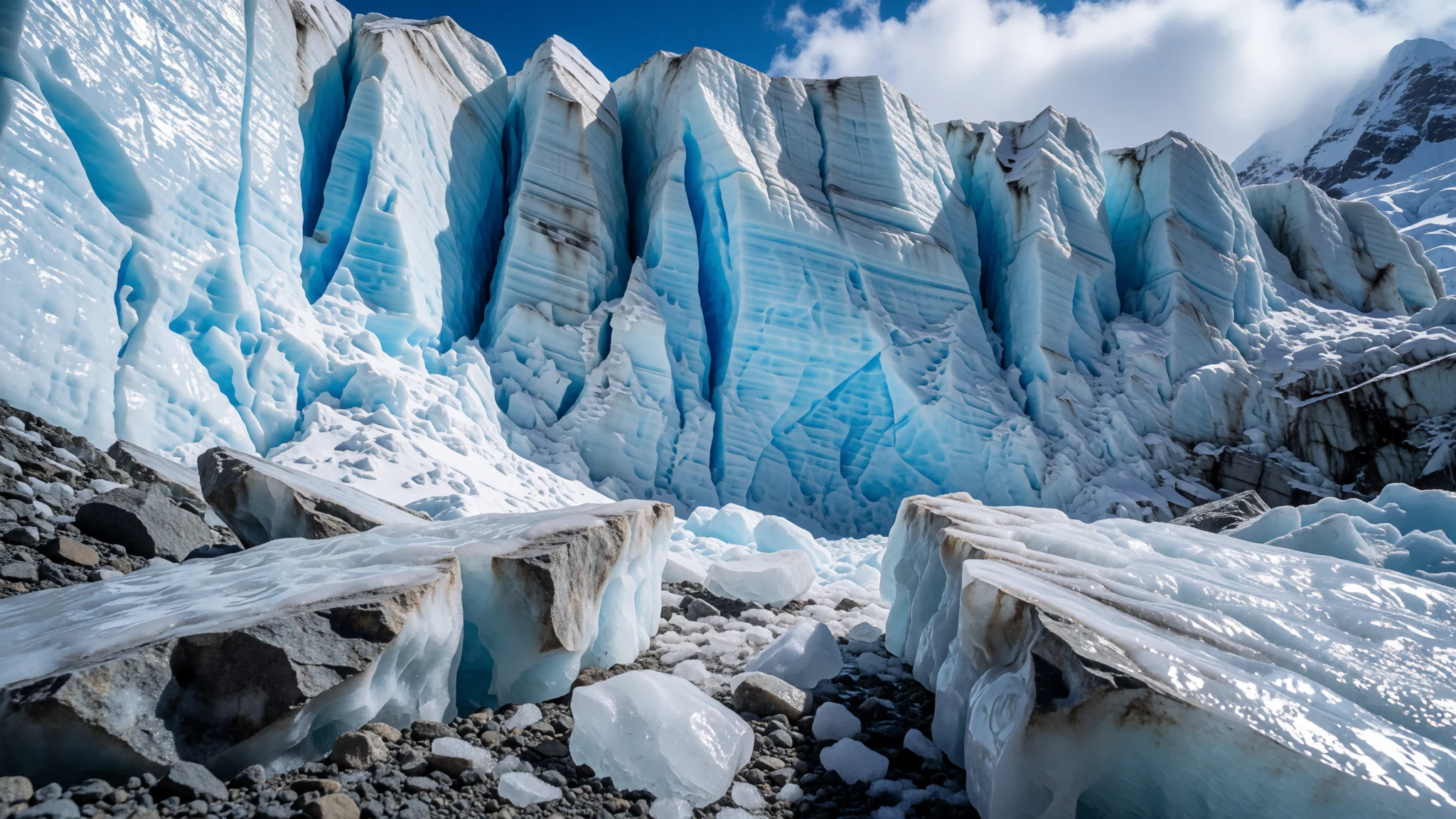
- Mawenzi Peak — Eastern massif
Mawenzi Peak stands as the jagged, heavily eroded eastern volcanic cone of Mount Kilimanjaro. Its dramatic black rock towers, sheer cliffs, and steep gullies contrast sharply with the smooth, rounded snow dome of neighbouring Kibo.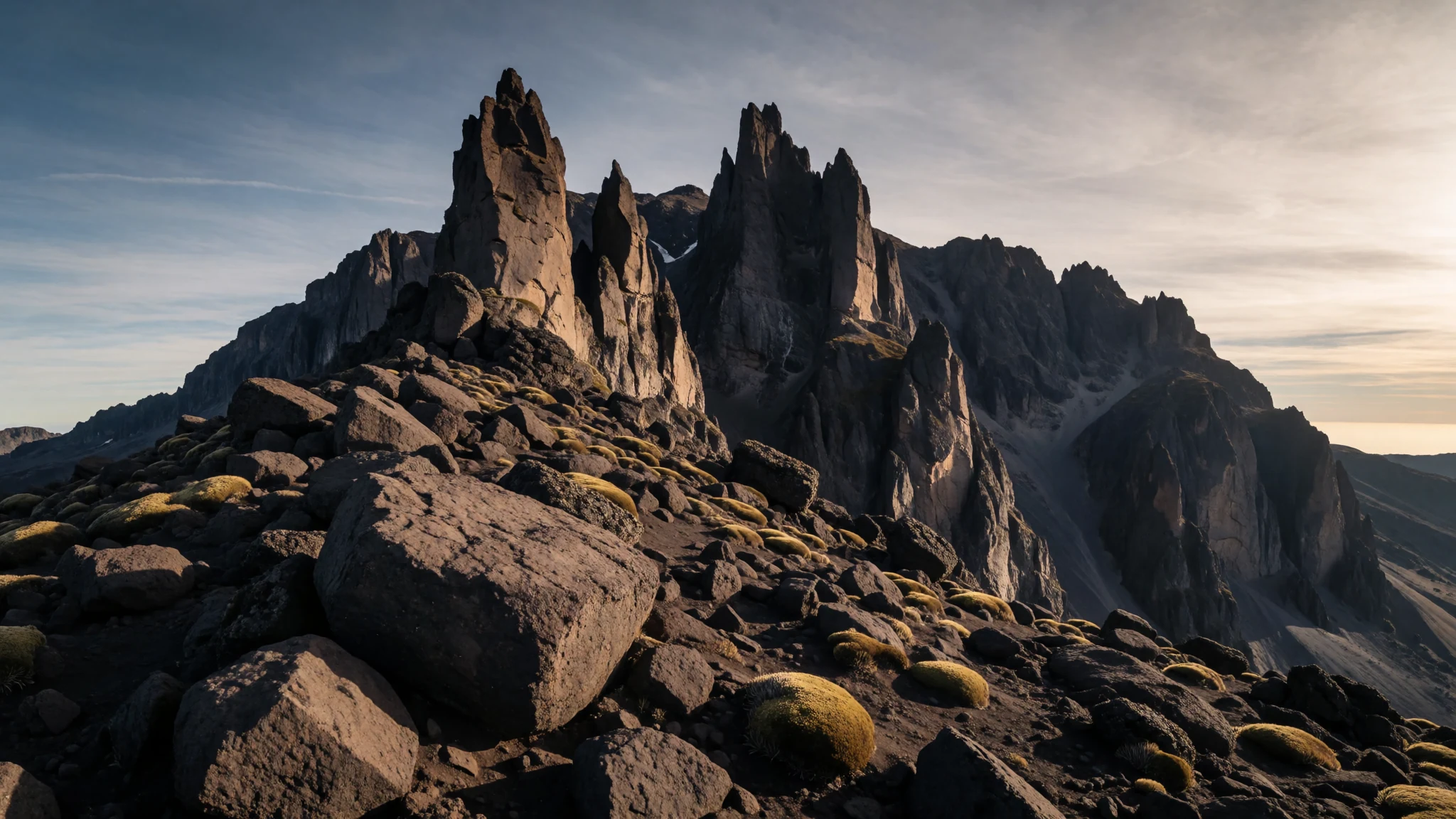
Culture
The communities living around the base of Mount Kilimanjaro, predominantly the Chagga people, maintain a rich heritage rooted in intensive agriculture, banana cultivation, and coffee farming on the fertile volcanic soils. Traditional village life revolves around extended family networks and community cooperation, values that heavily influence the mountain porter culture today. Porters and guides form the backbone of every trekking expedition, displaying remarkable resilience, local knowledge, and hospitality while carrying heavy loads across punishing terrain. Traditional music and dance remain an integral part of local celebrations, often performed using traditional drums and call-and-response singing during community gatherings or to welcome successful climbing teams back to the base towns of Moshi and Arusha. Swahili serves as the primary language of daily communication, spoken alongside local tribal tongues and English in tourist-frequented areas. Visitors engaging with local communities should always ask permission before taking photographs of residents, respect local customs regarding modest attire in rural villages, and ensure that trekking crews are treated with fairness and adequate compensation. Always tip your mountain guides, cooks, and porters fairly at the end of every successful trek.
What to wear
Traditional attire among the Chagga and neighbouring peoples of the Mount Kilimanjaro region historically featured garments fashioned from treated animal skins, bark cloth, and woven plant fibres for daily protection against the mountain climate. Modern daily wear in the bustling market towns surrounding the base of Mount Kilimanjaro, such as Moshi and Arusha, blends contemporary African styles with practical Western clothing. Local residents commonly wear lightweight shirts, trousers, and vibrant kangas or kitenge wraps featuring bold patterns and rich colours. For visitors preparing to explore Mount Kilimanjaro, traditional fashion takes a back seat to high-performance technical mountain gear. Layering is essential due to the extreme temperature swings encountered while climbing the peak. Trekkers need moisture-wicking base layers, insulating fleece jackets, windproof and waterproof outer shells, insulated down parkas for freezing summit nights, sturdy and well-broken-in hiking boots, thermal gloves, and woollen beanies. When visiting local towns before or after the trek, visitors should wear modest, respectful clothing that covers shoulders and knees to align with local cultural norms.
What to eat
- Ugali — Local restaurants and roadside eateries in Moshi
Ugali is a dense, comforting staple food made from maize flour cooked with boiling water into a firm dough-like consistency. It is traditionally shaped by hand and served alongside rich stews, meats, or cooked greens in local eateries across the region.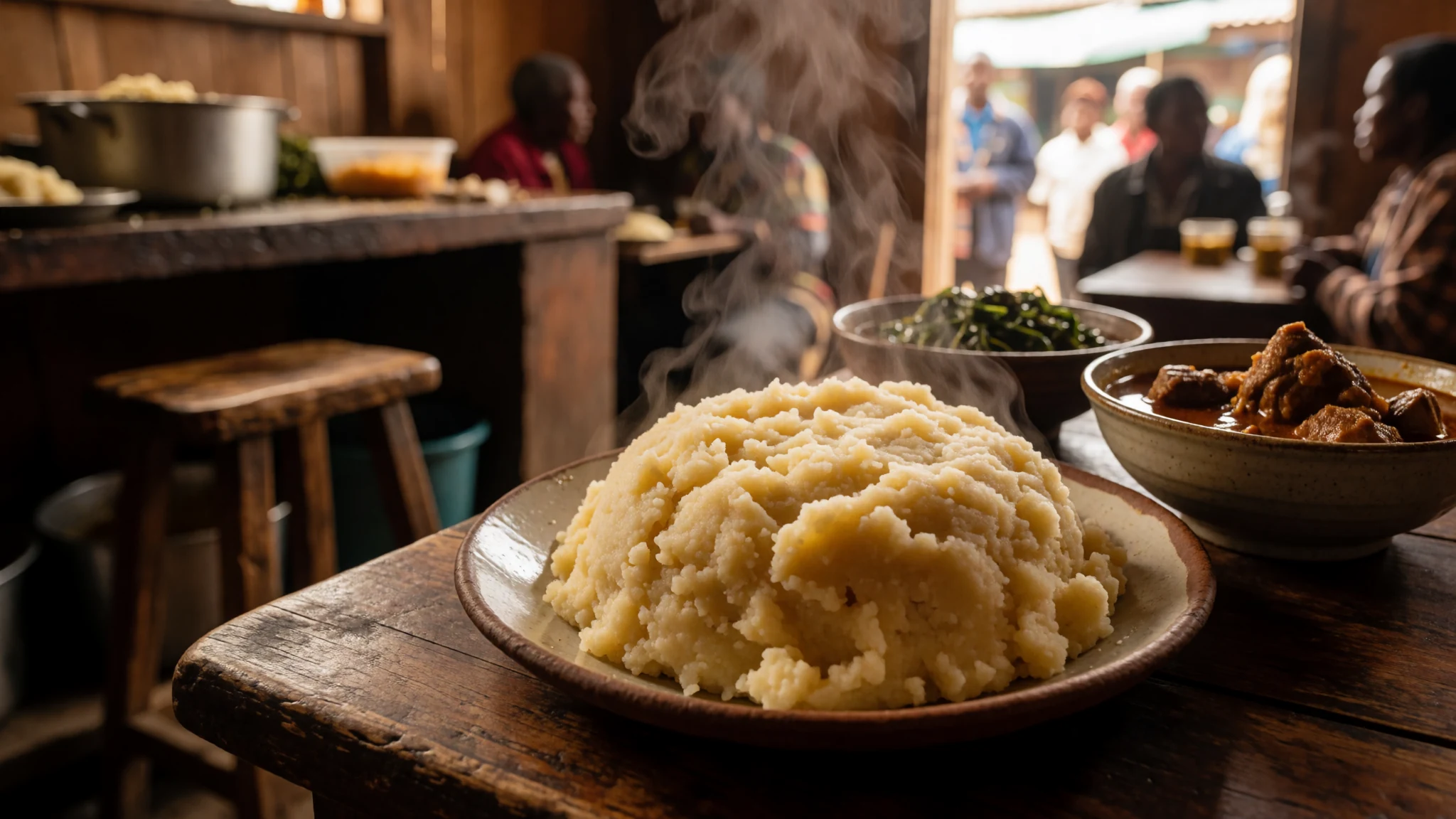
- Nyama Choma — Open-air barbecue spots and local butcher shops
Nyama Choma translates to roasted meat and is a beloved culinary tradition across Tanzania. Typically consisting of goat or beef seasoned simply and grilled slowly over open coals, it is served hot with kachumbari tomato salad.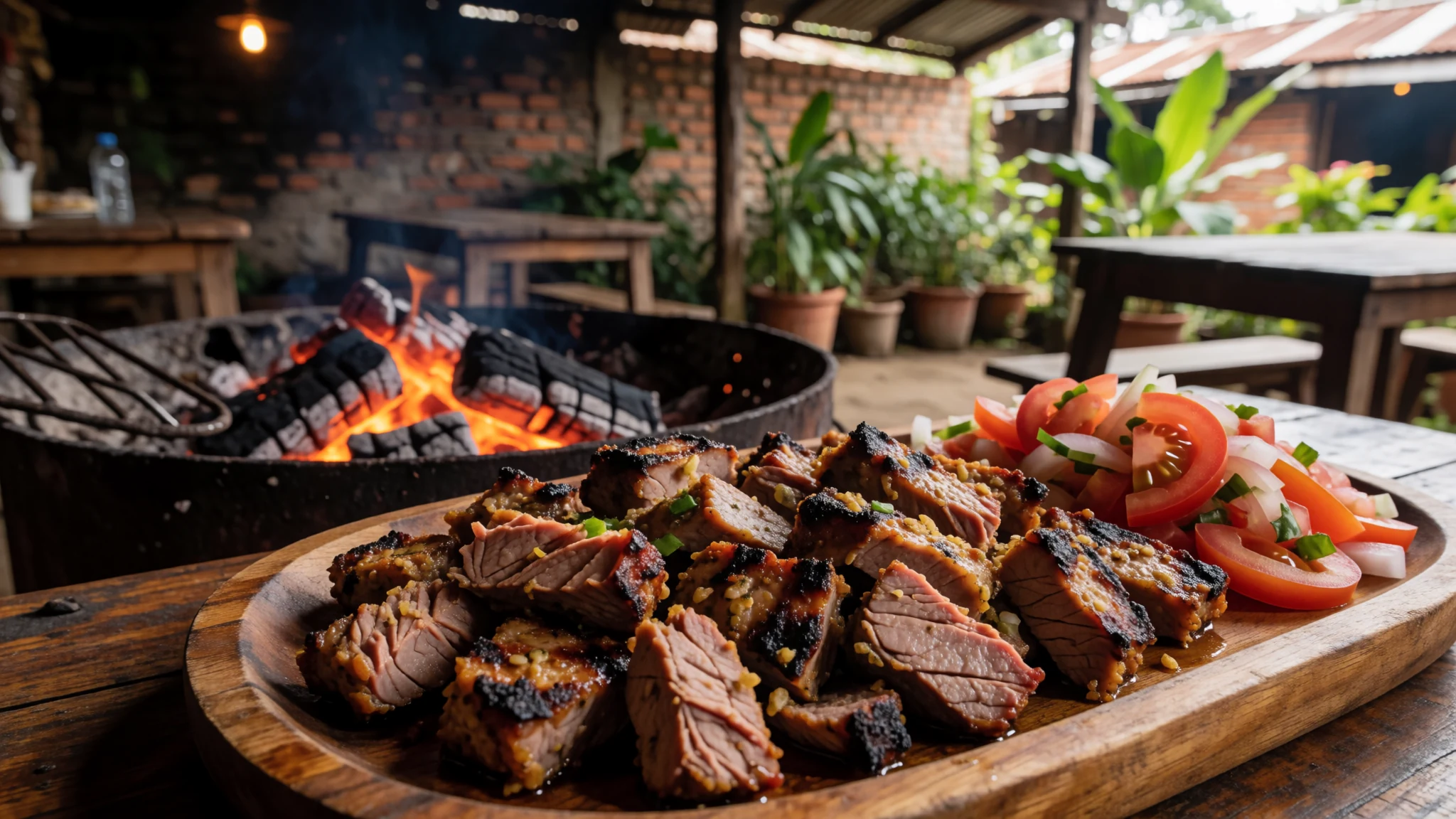
- High-Energy Trekking Snacks — Local markets in Moshi before starting the climb
High-energy snacks such as mixed nuts, dried fruits, and chocolate bars are essential provisions carried by trekkers. They provide quick bursts of calories and easily digestible energy during long, strenuous walking days at high altitudes. - Instant Noodle Meals — Supermarkets and provision shops in Arusha
Instant noodle packets provide a comforting, quick-cooking meal option favoured by many independent trekkers. They are easily prepared at mountain camp kitchens using boiled water to restore warmth and energy after a chilly day. - Oral Rehydration Solutions — Pharmacies and trekking supply stores in Moshi
Oral rehydration salts mixed into plentiful drinking water are vital for preventing dehydration while trekking at high elevations. Maintaining electrolyte balance helps combat the physical strain and fatigue caused by exertion in dry mountain air.
Plan it
Best time. July to September offer the clearest skies and driest weather, while January, February and September are the best months for climbing Mount Kilimanjaro.
How long. 6–8
Getting there. Fly into Kilimanjaro International Airport (JRO), then take a shared shuttle or private taxi to the base towns of Moshi or Arusha.
Budget. high
Tips
- Ascend slowly over six to eight days to give your body adequate time to acclimatise to high altitude.
- Book your climb with a reputable, licensed tour operator that treats porters fairly and follows safety regulations.
- Drink plenty of water and use oral rehydration salts daily while trekking to prevent severe dehydration.
- Pack a comprehensive kit list including thermal layers, waterproof shells, and sturdy broken-in hiking boots.
- Carry spare cash in US dollars and Tanzanian shillings for tipping guides, cooks, and porters at the end of the trek.
Etiquette
- Always ask permission from local residents before taking photographs in villages around the mountain base.
- Dress modestly with covered shoulders and knees when visiting rural communities off the mountain.
- Tip your mountain crew generously and fairly according to established local guidelines after your trek.
Nearby
Sources
- Wikidata Q7296 (CC0)
- Wikipedia (rev 1382905610) (CC BY-SA 4.0)
- Wikivoyage (rev 5344350) (CC BY-SA 4.0)
- Photo photos/01-mt-kilimanjaro-12-2006.jpg (CC BY 3.0)
- Photo photos/02-kilimanjaro-from-amboseli.jpg (CC BY-SA 4.0)
- Photo photos/03-the-kibo-and-mawenzi-cones-of-mt-kilimanjaro.jpg (CC BY 3.0)
- Photo photos/04-kilimanjaro-dymamics2.jpg (CC BY-SA 4.0)
- Photo photos/05-kibo-gro-er-gletscher-big-glacier.jpg (CC BY 3.0)
- Photo photos/06-der-kilimandscharo.jpg (Public domain)
- Photo photos/07-elephants-at-amboseli-national-park-against-mount-kilimanjar.jpg (CC BY 3.0)
- Photo photos/08-forest-in-marangu-route-in-kilimanjaro-area-001.jpg (CC BY 3.0)


