Magdeburg
Magdeburg, Germany
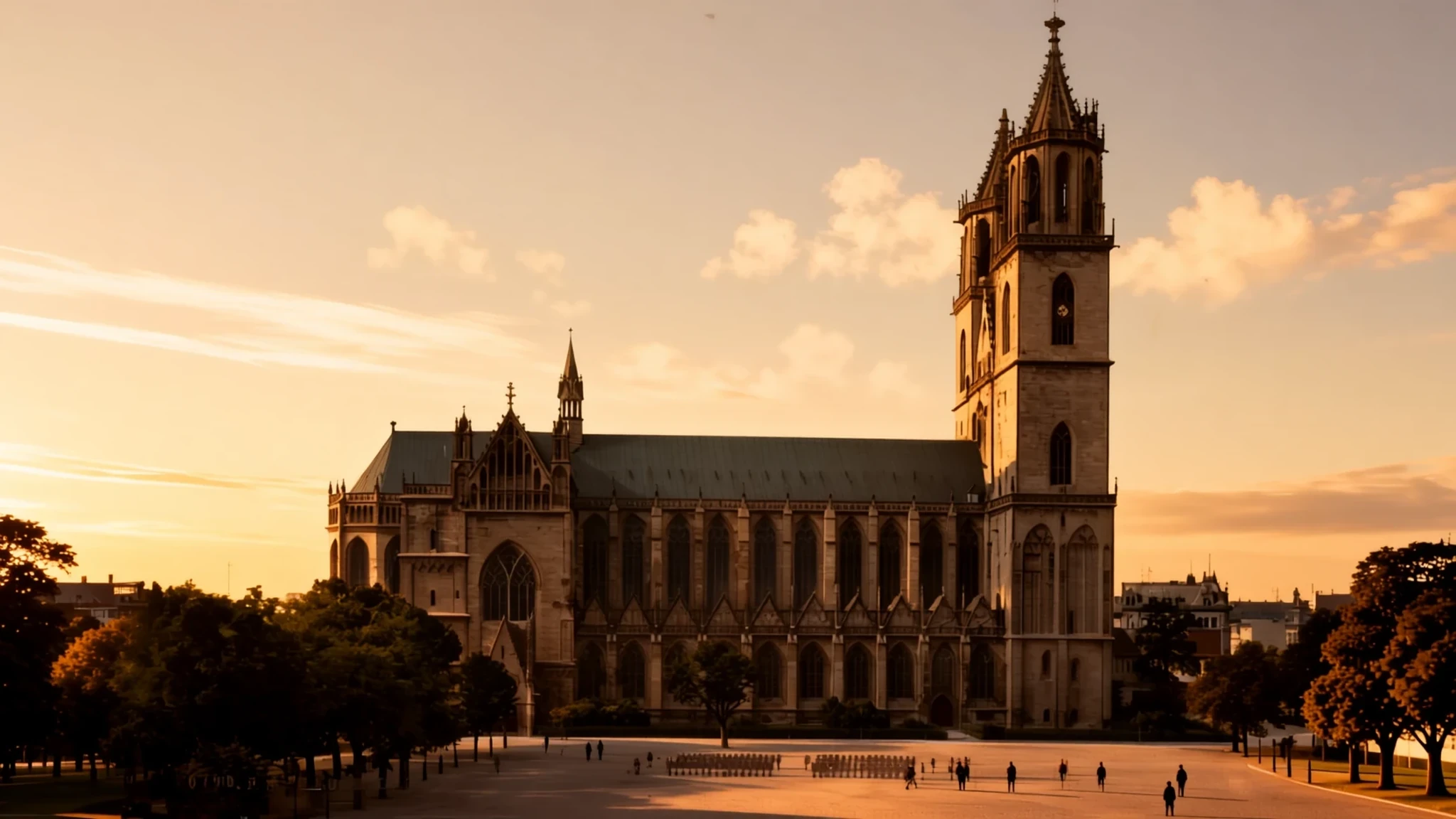
Magdeburg is an Elbe-side city where an emperor's tomb, a famous physics experiment and a pink Hundertwasser building share one compact centre.
The place
Magdeburg sits on the Elbe in central Germany and is the capital of Saxony-Anhalt. With a population of about 244,000 and an elevation of 64 m, it is a big city by German standards but an easy one to cover on foot, with most of the main sights strung along a short stretch of the river's west bank.
It is not a polished postcard town, and that is part of its character. Much of the centre was destroyed in the last months of the Second World War, and the rebuilding that followed left a mix of surviving medieval churches, East German-era housing blocks, wide avenues and newer architecture. Old and new sit side by side, sometimes awkwardly, often interestingly.
The city's official title includes Lutherstadt, a nod to its place in the Reformation. Its name appears in records from the early ninth century, and later its town law, the Magdeburg rights, was adopted by towns across Central and Eastern Europe. That legal legacy is one reason the city's name turns up in places far from the Elbe.
Visitors tend to arrive for the cathedral, stay for the river and the cafés, and leave surprised at how green it feels. Parks and Elbe meadows run close to the centre. The Christmas market draws crowds in winter, while late spring and early autumn are quieter and milder. Prices are generally gentler than in Berlin or Munich, and the pace is unhurried.
Its story
Magdeburg's recorded history begins with Charlemagne, in whose records the settlement appears as Magadoburg in 805. The name is thought to come from Old High German words for mighty and fortress. In 919 King Henry the Fowler strengthened its defences against raiders from the east.
The city's real rise came with Otto I. In 929 he gave it to his English-born wife Edith, who liked the place and stayed often. Her grave lies in the crypt of the abbey church that later became the cathedral. Otto himself founded a convent here, held a royal assembly in 937 and was eventually laid to rest in the same cathedral. In 968 the Archbishopric of Magdeburg was created, with Adalbert as its first archbishop, giving the city authority over a string of bishoprics to the east.
Such prominence brought wealth and a place in the Hanseatic League, but also disaster. A fire in 1207 destroyed much of the city, including the earlier Ottonian cathedral. In 1631, during the Thirty Years' War, imperial Catholic forces sacked Magdeburg, and about 25,000 non-combatants died, a loss remembered across Germany for centuries.
The city also gave science a famous demonstration. Otto von Guericke, a local figure, used paired copper hemispheres to show the force of air pressure, and the experiment still carries the city's name. The third great devastation came with Allied bombing in 1945, which destroyed much of the centre and shaped the city seen today.
What to see
- Magdeburg Cathedral (Magdeburger Dom) — Domplatz, Old Town
Magdeburg's Gothic cathedral, dedicated to St Maurice and St Catherine, rose over several centuries on the site of its predecessor. Inside is the tomb of Otto I, the reason many visitors come. Go early for quiet and good light, and check the official city site for opening arrangements and any visiting restrictions during services.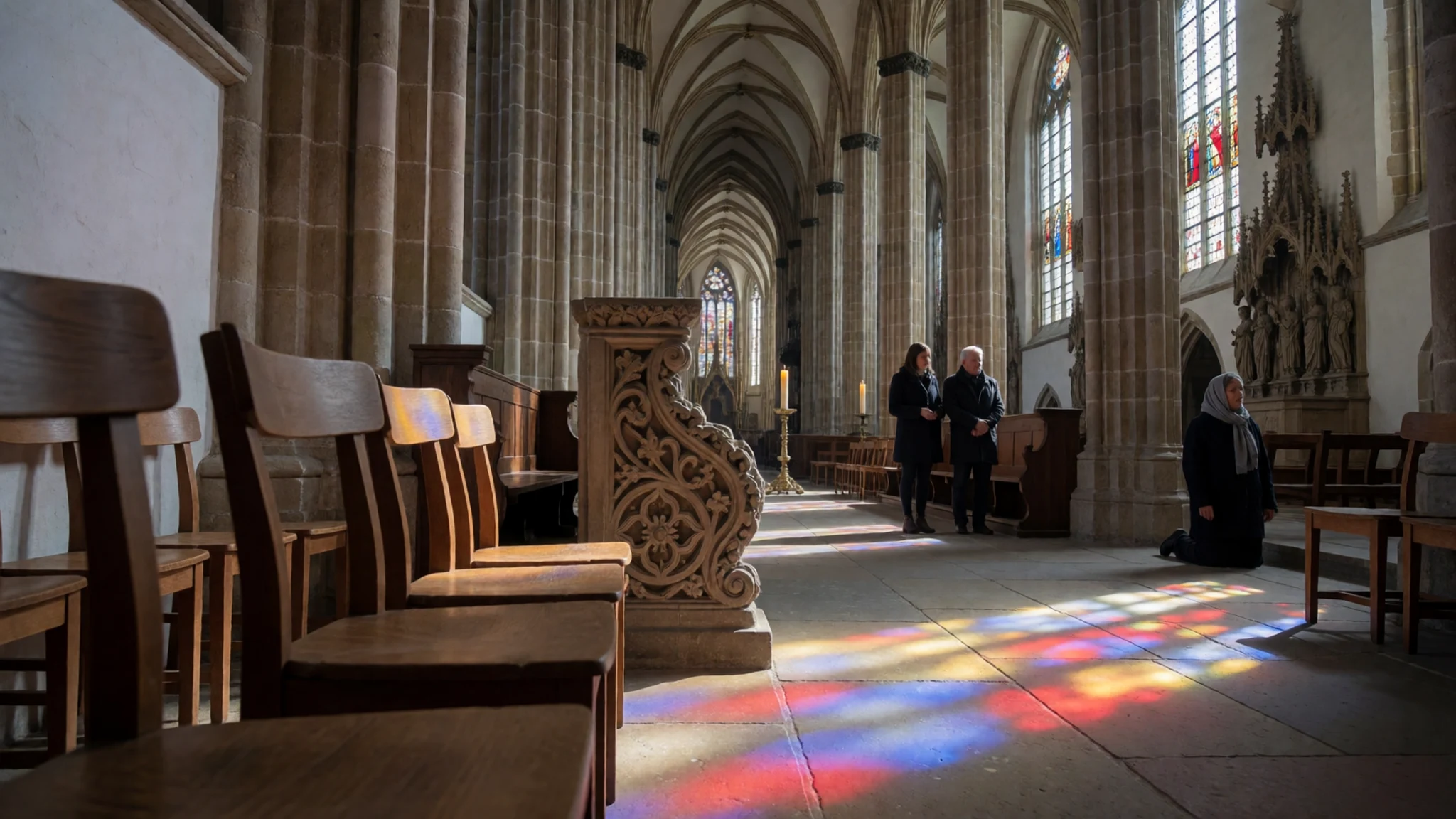
- Kloster Unser Lieben Frauen — Near the Elbe, Old Town
This former monastery is among the most important Romanesque complexes in Germany, begun in the eleventh century. Its cloister is calm and cool even in summer, and the buildings now hold an art gallery and concerts. It is a good counterweight to the grander cathedral nearby.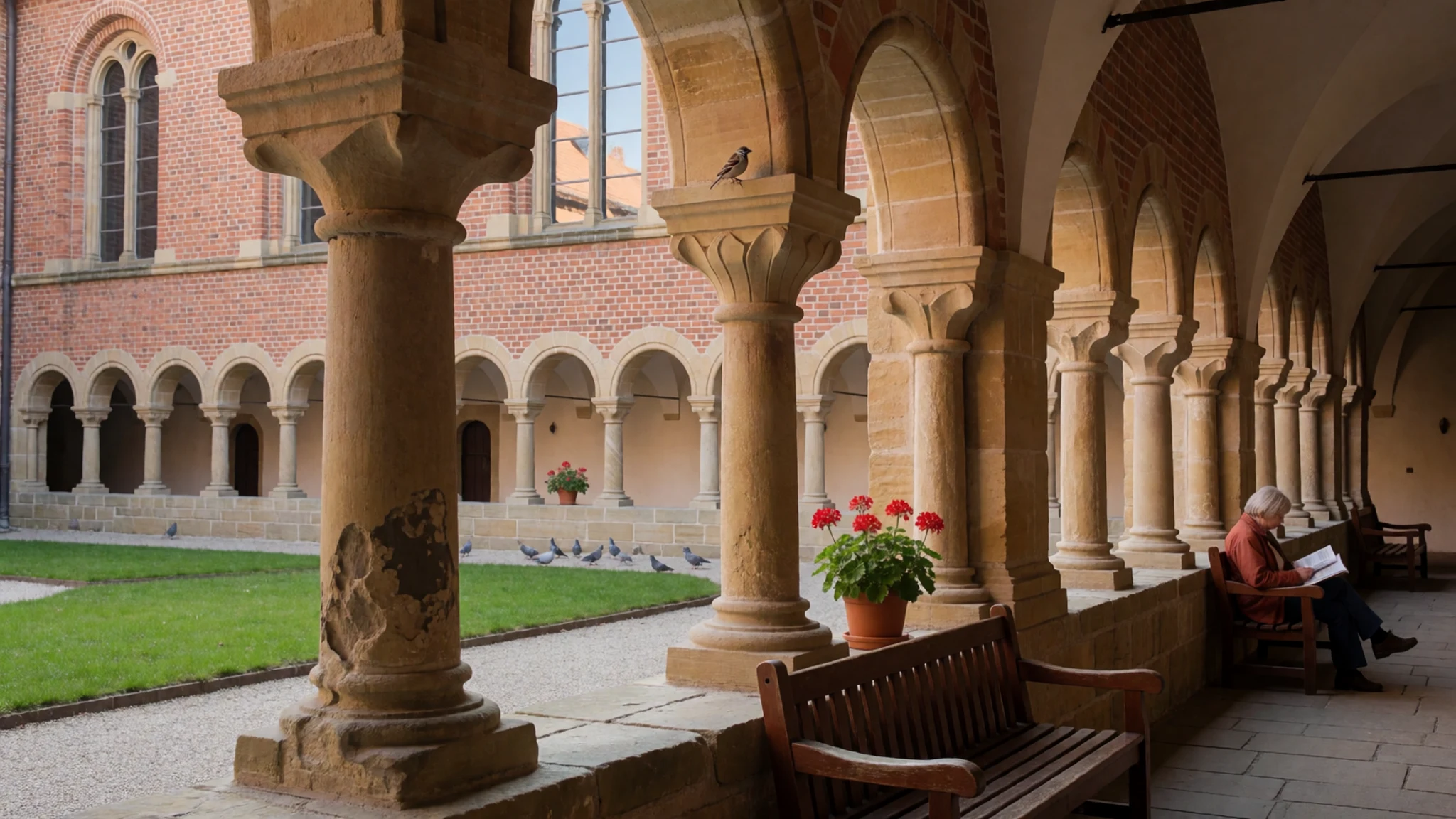
- St John's Church — Old Town, by the Elbe
Badly damaged in the war, this church stood as a ruin for decades before being rebuilt as a venue for events. Its south tower is 52 m high and can be climbed for a view across the city and the river. It is a useful way to get your bearings on a first morning.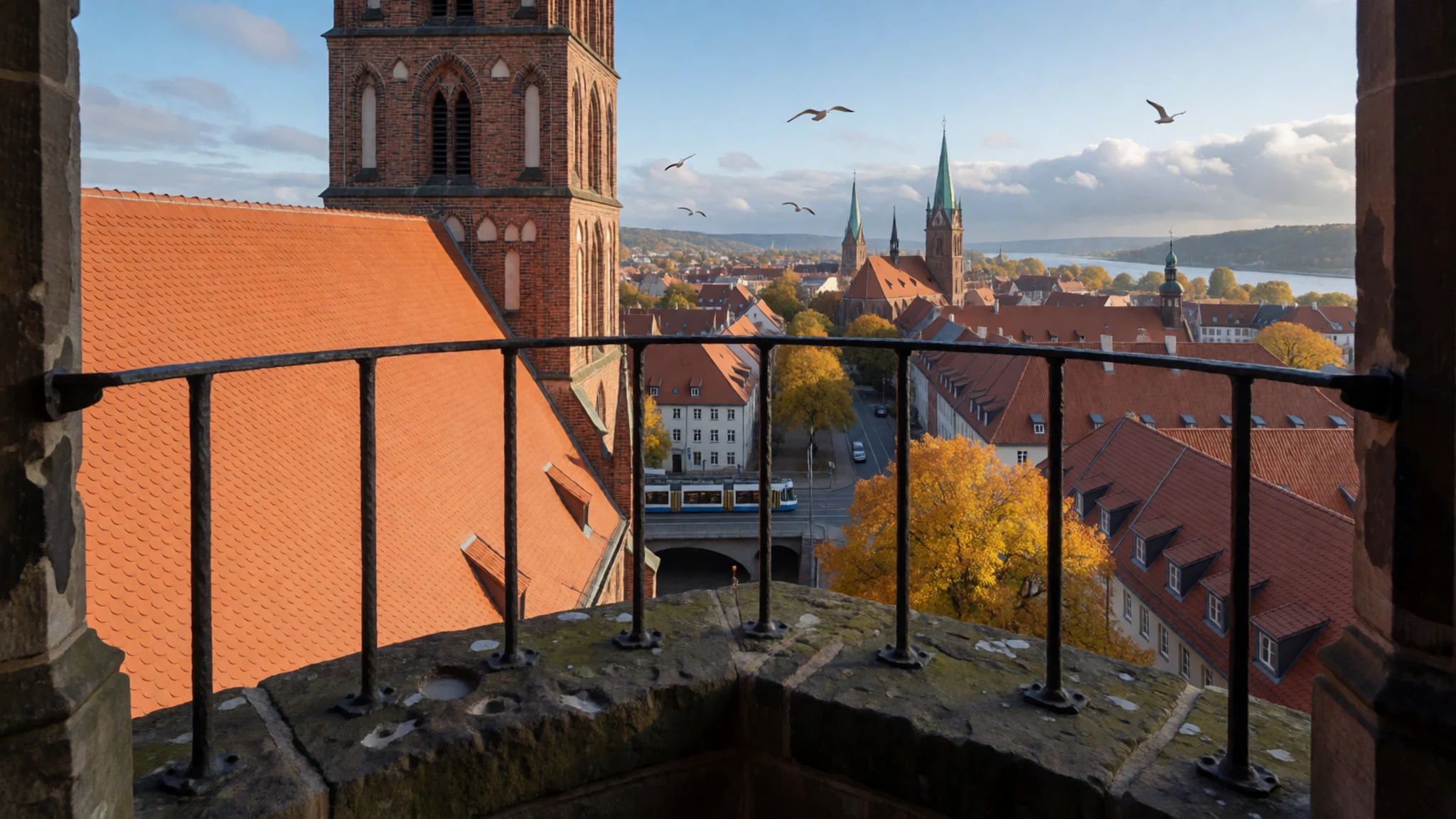
- Green Citadel — Near the cathedral
Designed by the Austrian artist-architect Friedensreich Hundertwasser, this pink apartment and shopping block has wavy lines, irregular windows, coloured tiles and plants growing from the roof. It is playful and quite unlike anything else in the centre. Walk the courtyard and look up.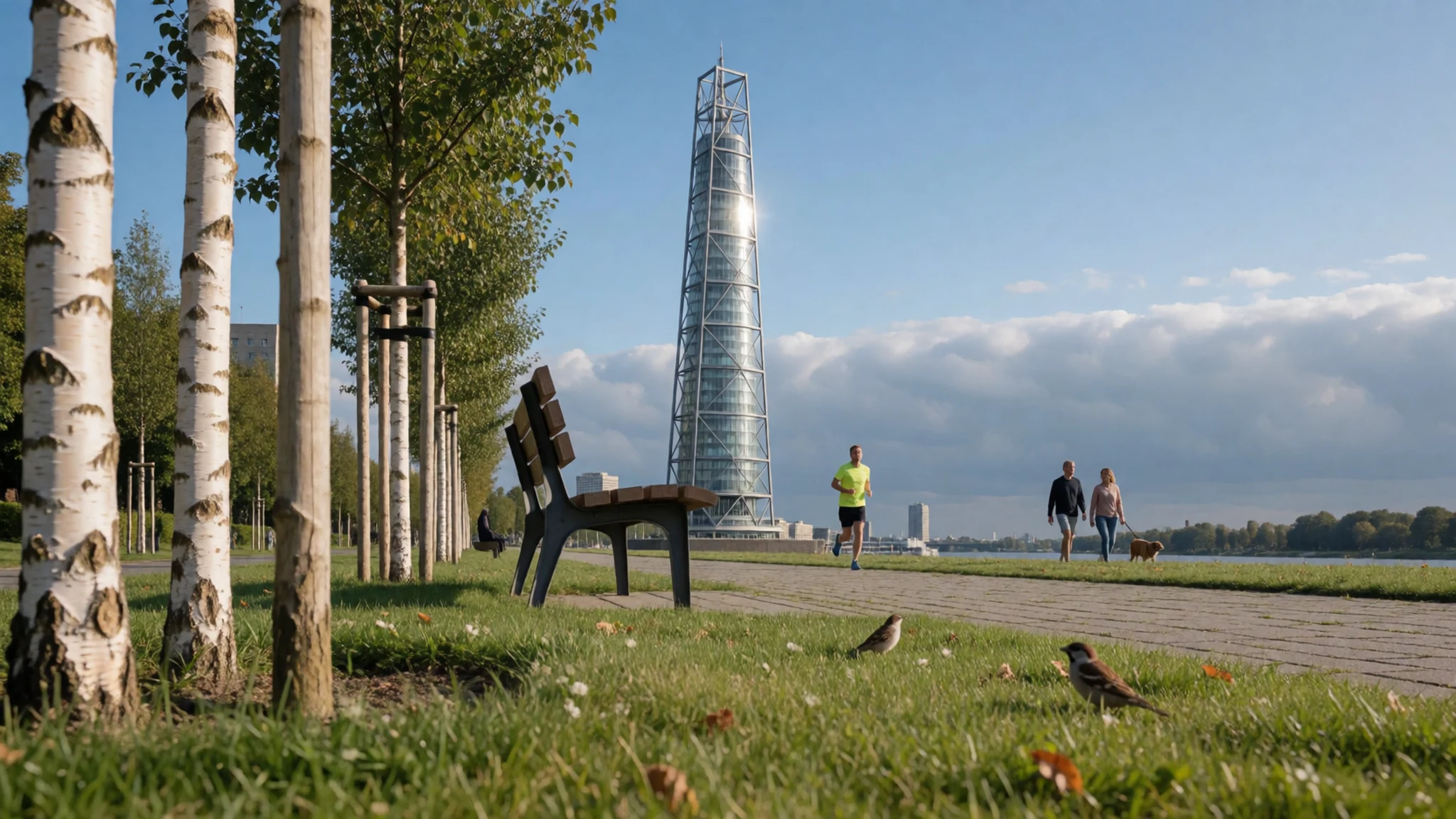
- Millennium Tower — Elbauenpark, north-east of the centre
Set in a riverside park on an island in the Elbe, this tower houses an exhibition on nature and the story of humanity. It makes a pleasant outing combined with a walk or cycle along the water, away from the main sights, and suits families or anyone wanting green space.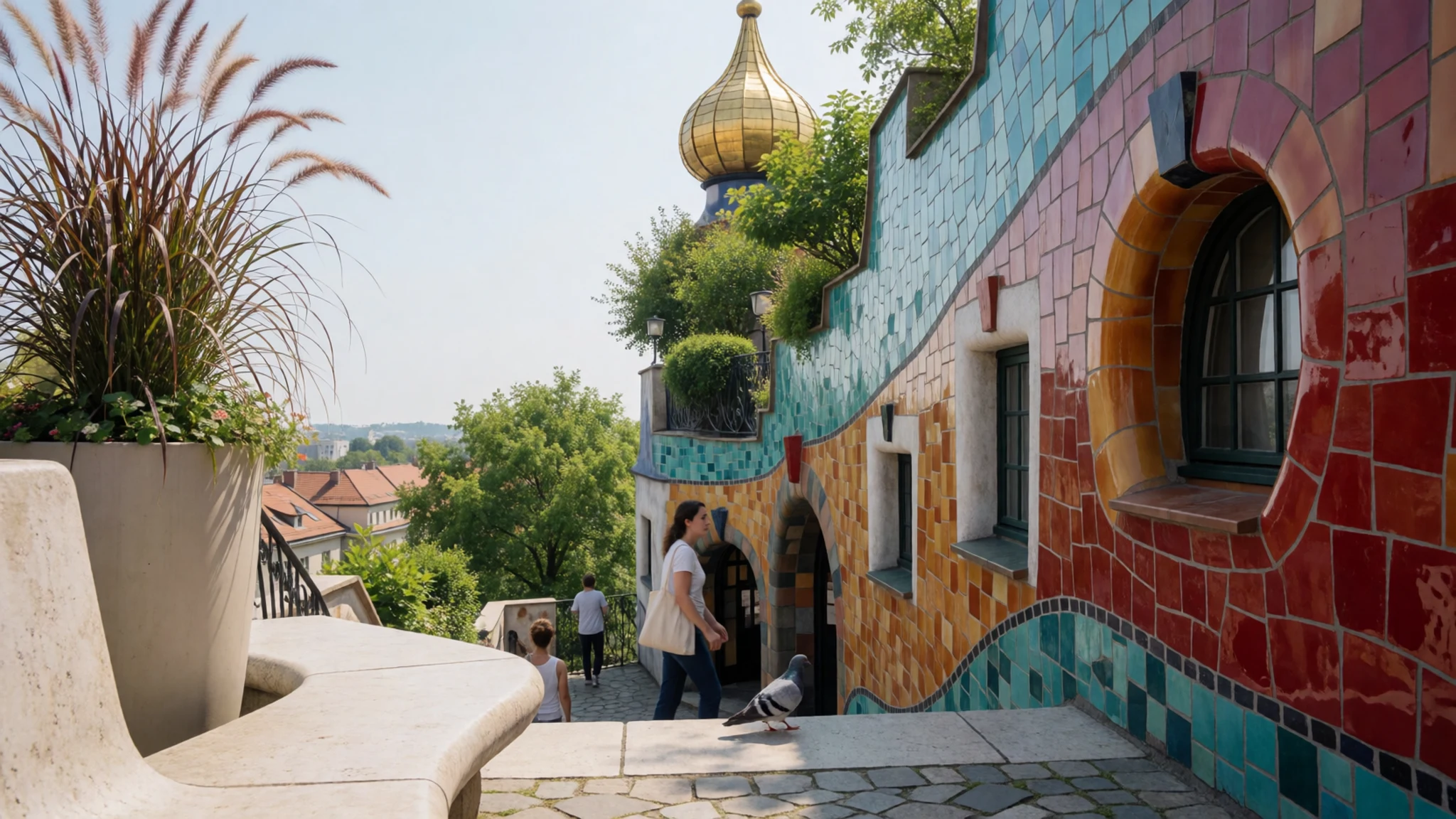
Culture
Magdeburg's culture is a layered one: imperial and church history from the Middle Ages, Reformation connections, scientific curiosity, and the later experience of life in East Germany. People here are proud of the cathedral and of Otto von Guericke, and many locals will happily talk about how the city has rebuilt itself after repeated destruction.
The city has a municipal theatre, Theater Magdeburg, and a calendar of festivals through the year. The best known is the Christmas market, which draws about 1.5 million visitors annually, so December evenings in the centre can be crowded. Other events include the Stadtfest, Christopher Street Day, Elbe in Flames and the Europafest. The autumn fair claims descent from a feast of the Theban Legion held in 1010, which locals cite as the root of one of Germany's oldest folk festivals.
Daily manners are typical of northern and eastern Germany: polite but reserved, punctual, and direct rather than effusive. Greet shop staff when you enter, wait for green pedestrian lights even on empty streets, and expect cafés and shops to keep shorter hours on Sundays, when many close. Recycling and quiet hours are taken seriously in residential blocks.
The churches are living places of worship as well as sights, and services take priority over visitors. When a service is under way in the cathedral or another church, keep your voice low, do not walk around or take photographs, and wait until it ends to look around.
What to wear
Magdeburg has no single regional costume that visitors will meet in daily life. Historic dress of the Elbe lowlands and the wider Saxon lands was built from wool, linen and plain-woven cotton, with embroidered aprons, bodices and caps for women and waistcoats with felt hats for men. Today such clothing is seen mainly at folklore events, historic reenactments and heritage displays rather than on the street.
What people wear now is practical and understated. Locals dress in layers, in muted colours: dark jeans, knitwear, rain jackets and sturdy trainers or boots are standard. Evenings at the theatre or a concert call for a little more polish, but a jacket and tie is rarely expected. Cyclists are everywhere, so many people dress for the saddle, with waterproofs close to hand.
For visitors, the main concern is weather. Summers are mild to warm, winters are cold and damp, and the Elbe wind can bite on the riverfront. Pack a waterproof layer in any season, and a warm coat, hat and gloves for the Christmas market. Comfortable walking shoes matter because the centre has cobbled stretches and long avenues.
There is no strict dress code for churches, but shoulders and knees covered is a courteous choice, and hats are traditionally removed indoors. Swimwear belongs at the pool or river beach, not in the town centre.
What to eat
- Currywurst — Snack kiosks around the main station
Sliced sausage under a spiced tomato-curry sauce, served with chips or a bread roll. Magdeburg's take has a local chilli-hot reputation, with sauces graded by heat. Look for a snack stand or small curry kiosk near the main station.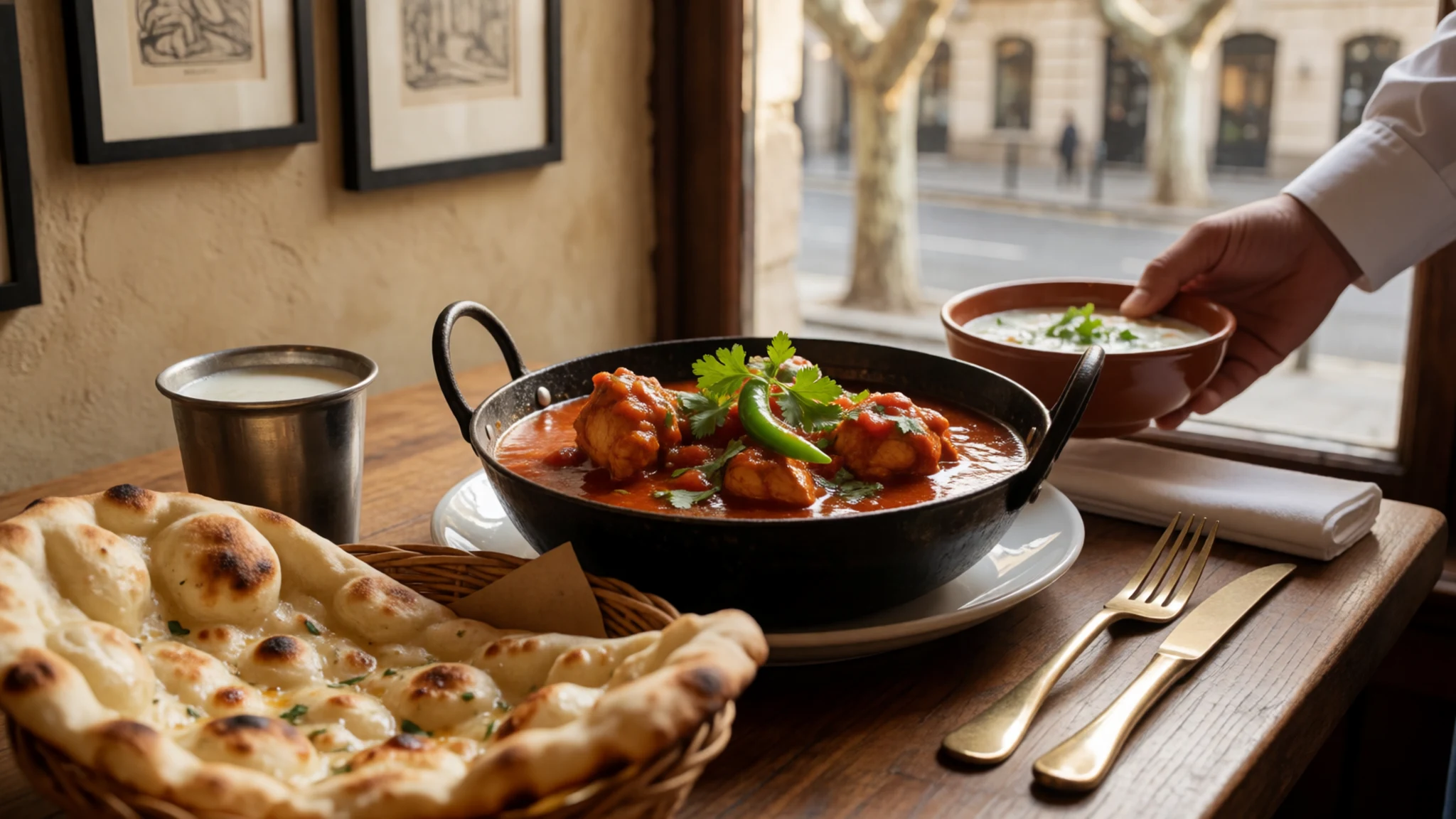
- Fried fish (Backfisch) — Fish takeaways in the city centre
Battered or breaded fish, fried and served with potato salad or chips, a northern German habit that suits a quick lunch. A few specialist fish shops in the centre serve it to take away.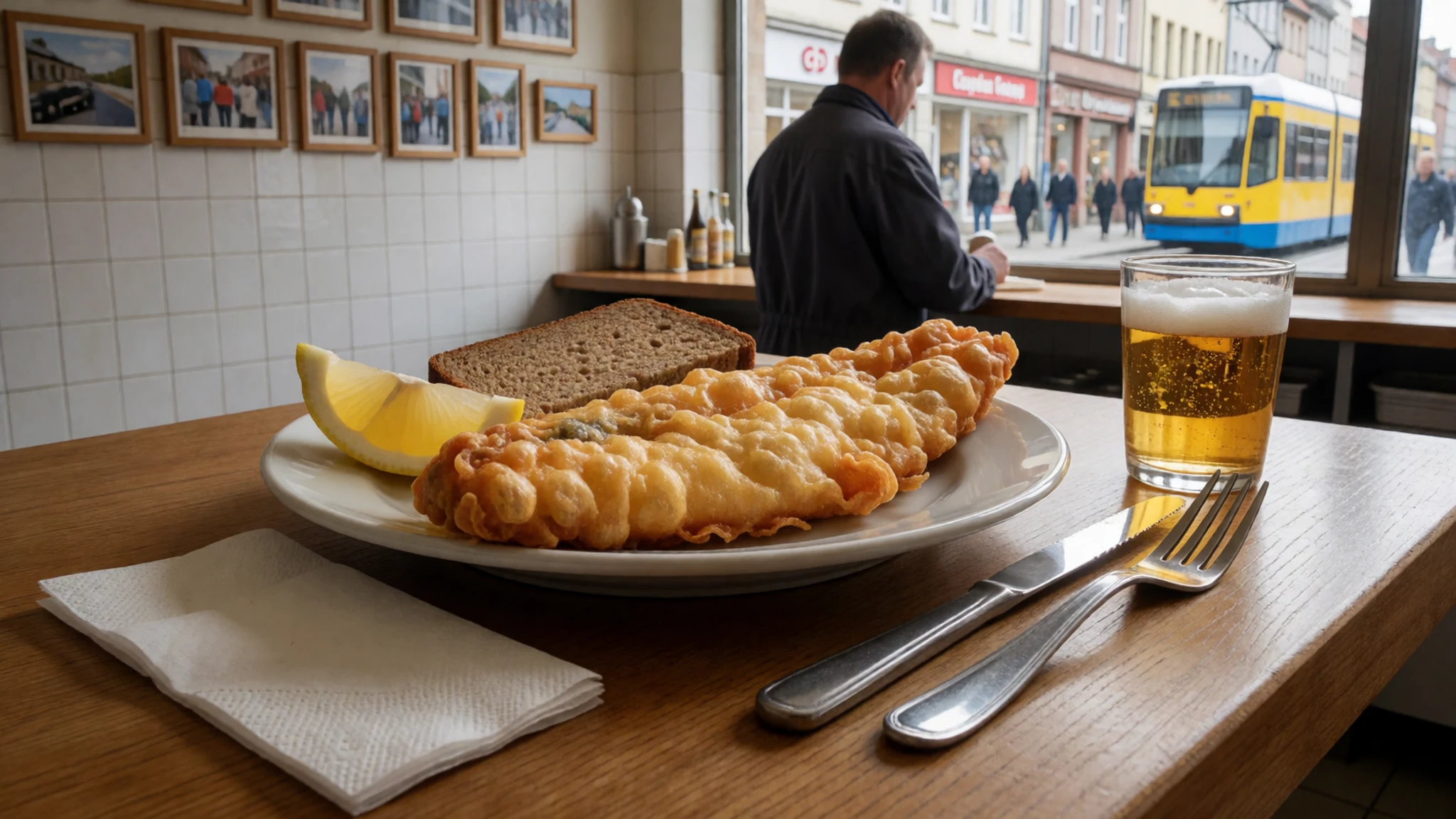
- Döner and Turkish grill — Streets near the main station
Kebab shops are a staple of German city eating, and Magdeburg is no exception. Expect spit-roast meat in flatbread with salad and sauces, often vegetarian-friendly options too. The area around the main station has several. - Soup and hearty German plates — Old Town cafés and soup bars
Soup shops and traditional eateries serve potato soups, sausages, roast pork and dumplings, especially welcome on cold days. Look for lunchtime specials on chalkboards in the old town. - South Asian curries — Eateries in the eastern districts
Indian and Pakistani eateries serve chicken karahi, jalfrezi and vindaloo, with vegetarian dishes alongside. They will be familiar comfort for travellers from India, though spice is often toned down unless you ask. - Christmas market treats — Christmas market, city centre
In December the cathedral-side market offers roasted almonds, grilled sausages, potato pancakes and mulled wine, with non-alcoholic punch for children. Go on weekday afternoons to avoid the thickest crowds.
Plan it
Best time. May–June and September are mild and good for walking and Elbe-side days. December suits the Christmas market but is cold, damp and crowded. Winter otherwise can be grey and chilly.
How long. 2
Getting there. The nearest big airport is Leipzig/Halle, with an hourly IC train direct to Magdeburg Hbf in about an hour. Berlin Brandenburg Airport is about two hours by train, and Hannover Airport connects by S-Bahn to Hannover Hbf, then IC or regional trains. Magdeburg-Cochstedt has no scheduled passenger flights. Book rail tickets on the Deutsche Bahn website.
Budget. low
Tips
- Book rooms early for December weekends, when the Christmas market fills the city
- Visit the cathedral early in the day for quieter light
- Carry a card, but keep a little cash for small kiosks and cafés
- Check official opening times at magdeburg.de before climbing church towers or visiting museums
- Pack a rain layer in every season
Etiquette
- Stay quiet and do not photograph during church services
- Wait for the green pedestrian light, even when roads look empty
- Greet staff in shops and cafés when you enter
Nearby
Sources
- Wikidata Q1733 (CC0)
- Wikipedia: Magdeburg (rev 1384077583) (CC BY-SA 4.0)
- Wikivoyage: Magdeburg (rev 5410168) (CC BY-SA 4.0)
- Aerial view of Magdeburg, Olivier Cleynen (CC BY 4.0)
- Fassade Magdeburger Dom, Jjjjjjjjcross (CC BY-SA 4.0)
- Altes Rathaus und Magdeburger Reiter, Radler59 (CC BY-SA 4.0)
- Jahrtausendturm Magdeburg, Kreuz und quer durch deutschland (CC BY-SA 4.0)
- Arrival of Otto I and Edith, Hugo Vogel (Public domain)
- Magdeburg hemispheres engraving, Gaspar Schott (Public domain)
- Magdeburg Stadtplan 1900 (Public domain)
- Geschäftshaus der Magdeburger Feuerversicherungs-Gesellschaft, Rudolf Hatzold (Public domain)


