Lofa River
Lofa River, Guinea
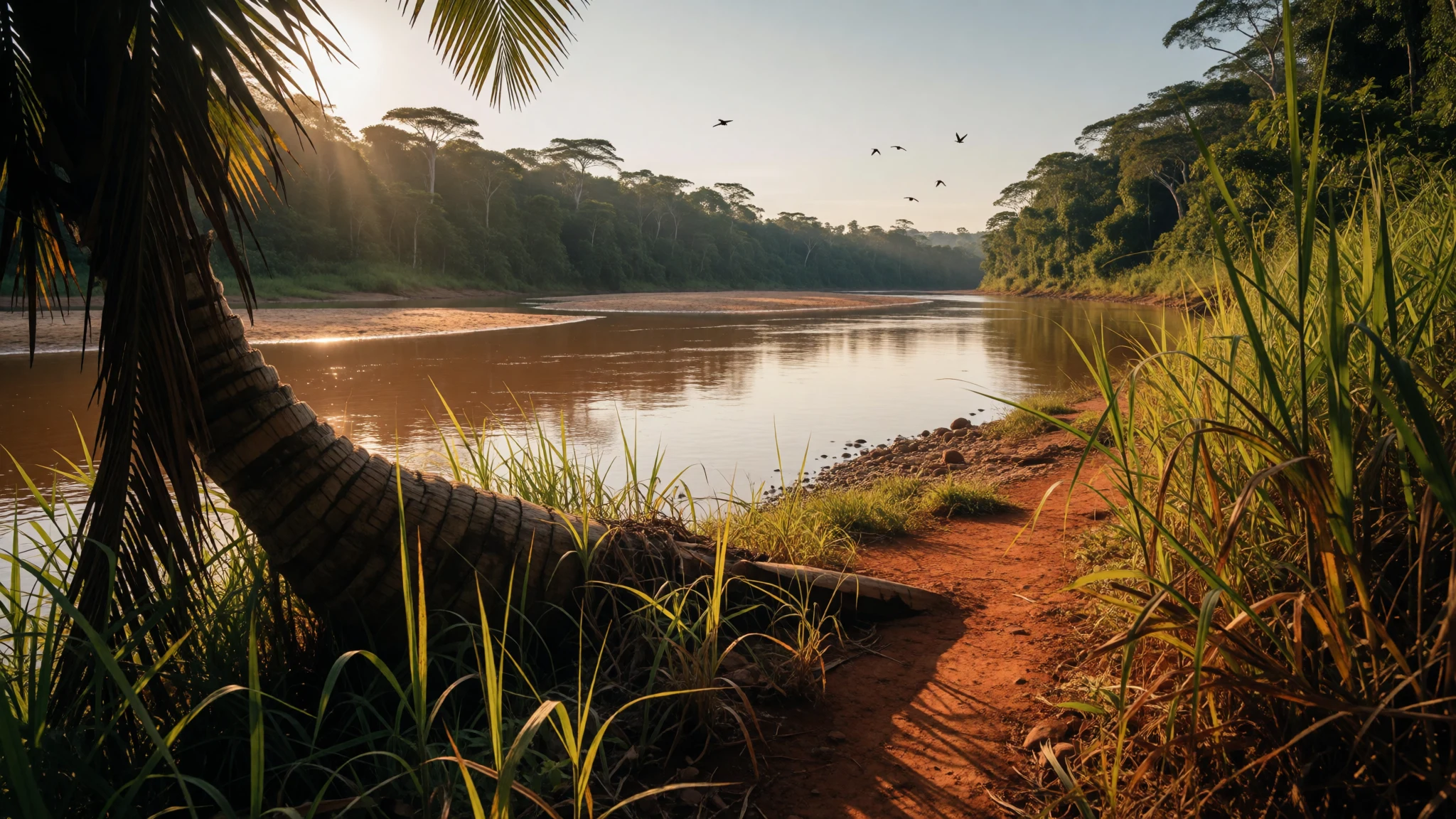
Lofa River is a working rainforest river in Guinea and Liberia, for travellers who want West Africa without a script.
The place
Lofa River rises in the forested uplands of eastern Guinea, a little northeast of the town of Macenta, then flows south-west into Liberia. It crosses the north-east of that country and reaches the Atlantic. Older accounts sometimes call it the Little Cape Mount River, and the spelling Loffa turns up too. The Lawa River joins it in Liberia's Lofa County.
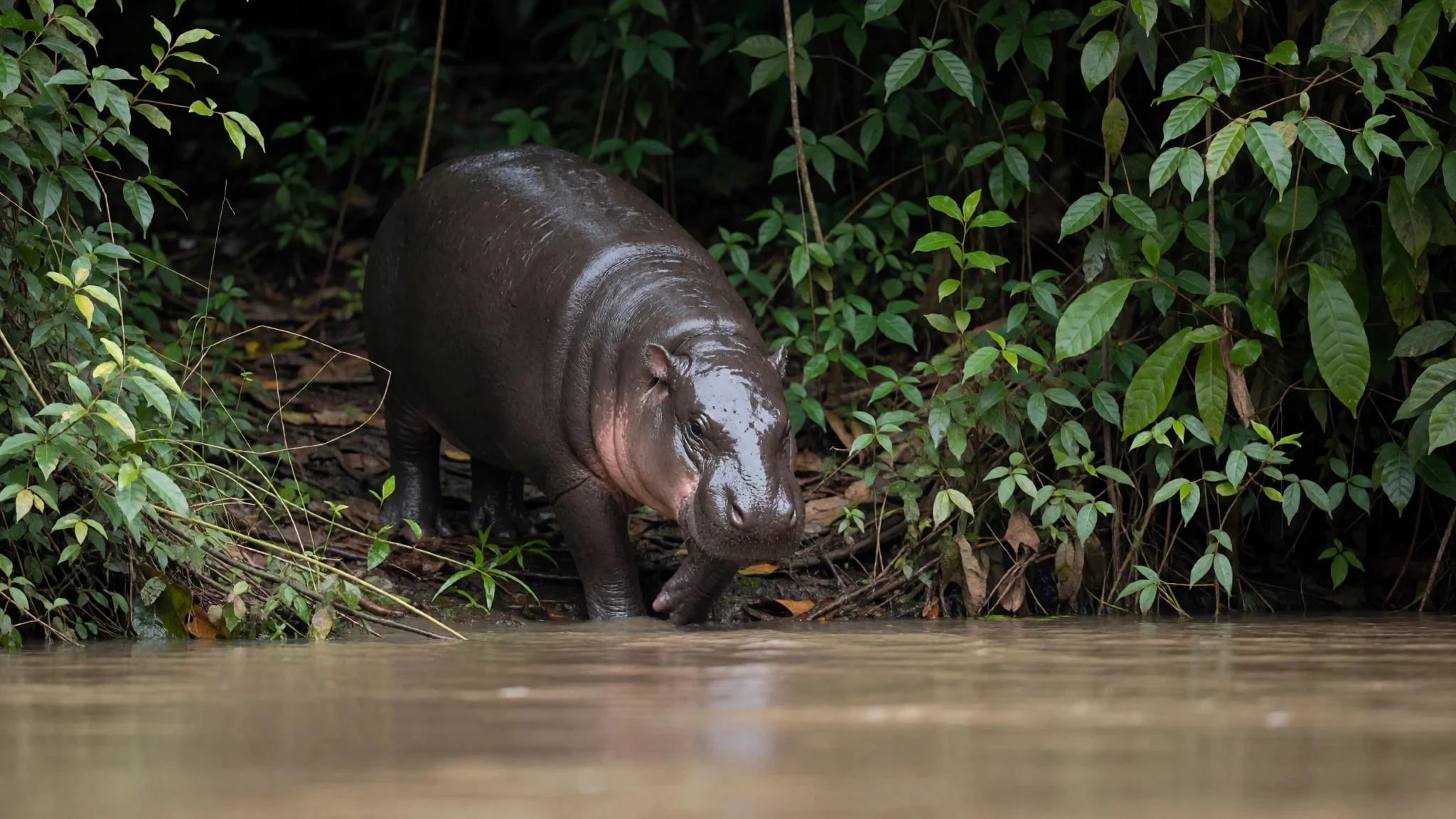
This is not a landmark with a ticket office. It is a long, working river, and what a visitor gets is the country around it: villages, farms, forest and the red-earth roads between them. The river's wildlife includes the pygmy hippopotamus, a shy forest animal that nobody should count on seeing.
The climate is tropical and humid. Rain falls from April to November, temperatures stay fairly even through the year, and tracks soften badly in the wet months. Guinea is known more for its warm people and its music than for its infrastructure, and the same is true of much of the interior on both sides of the border. Tourist facilities here are thin, so trips tend to be built around a local driver, a guide and plenty of patience. Most travellers start in Conakry, on the Guinean coast, and treat the Lofa as an overland extension rather than a day trip.
Its story
The Lofa River runs through country shaped by borders, colonial rule and long upheaval. Its older English name, Little Cape Mount River, points to the Cape Mount coast where it meets the sea, and the spelling Loffa still appears in older writing. In the middle of the last century, diamond mining concessions were granted along its banks, tying the river to the region's long search for minerals.
Upstream, Guinea's recent history is turbulent. Several empires held the territory before France took it over and made it part of French West Africa. Guinea then broke away under Ahmed Sékou Touré, a socialist who wanted a self-sufficient state and drew sharp criticism abroad for suppressing opponents. After his death General Lansana Conté took charge, promised a great deal and delivered little, and elections since then have been disputed. Conté's death was followed by a coup led by Captain Moussa Dadis Camara, who survived an assassination attempt. Alpha Condé was later elected president, but protests over his bid for a third term ended in a military coup led by Mamady Doumbouya.
On the Liberian side, the north-east, including Lofa County, was badly affected by the country's civil wars, and rebuilding roads and services has taken years. For a visitor, this history explains the thin infrastructure, and it sits alongside the warm, unhurried welcome that people in the region are known for.
What to see
- The Lofa River itself — Lofa County, Liberia
The river is best seen from a bank or a bridge, with a local guide who knows which stretches are safe for boats and swimming. Expect brown water in the rains, forest on both banks and plenty of birdsong at dawn. There is no viewing platform and no rapids to speak of; this is a working river.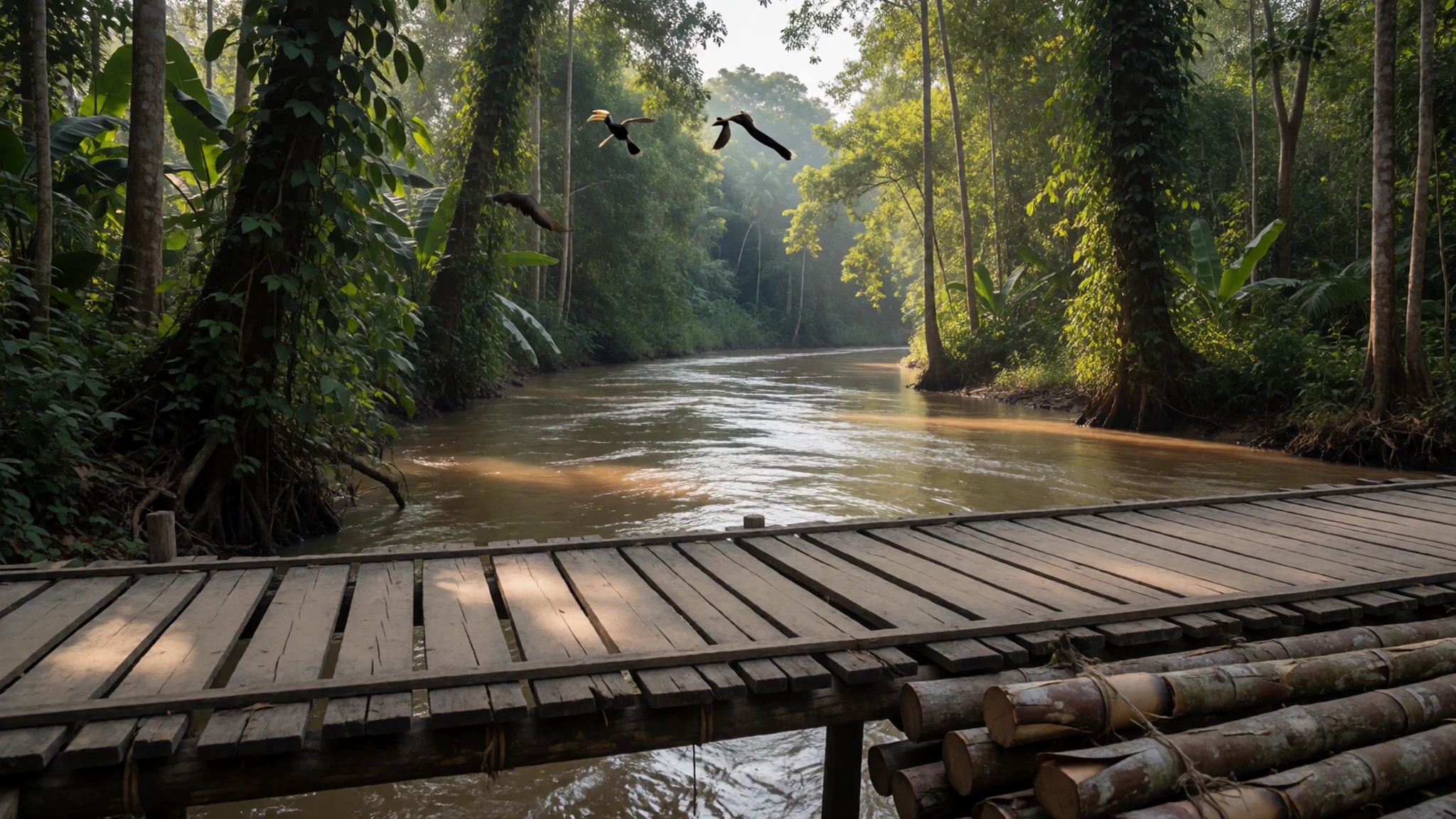
- Mount Nimba — Nimba range, Guinea
Wikivoyage names Mount Nimba as Guinea's highest peak and the country's main trekking objective. Treat it as an organised trip with a guide, check current access and security first, and go in the drier months, when paths and views are more reliable. It is a long road journey from Conakry.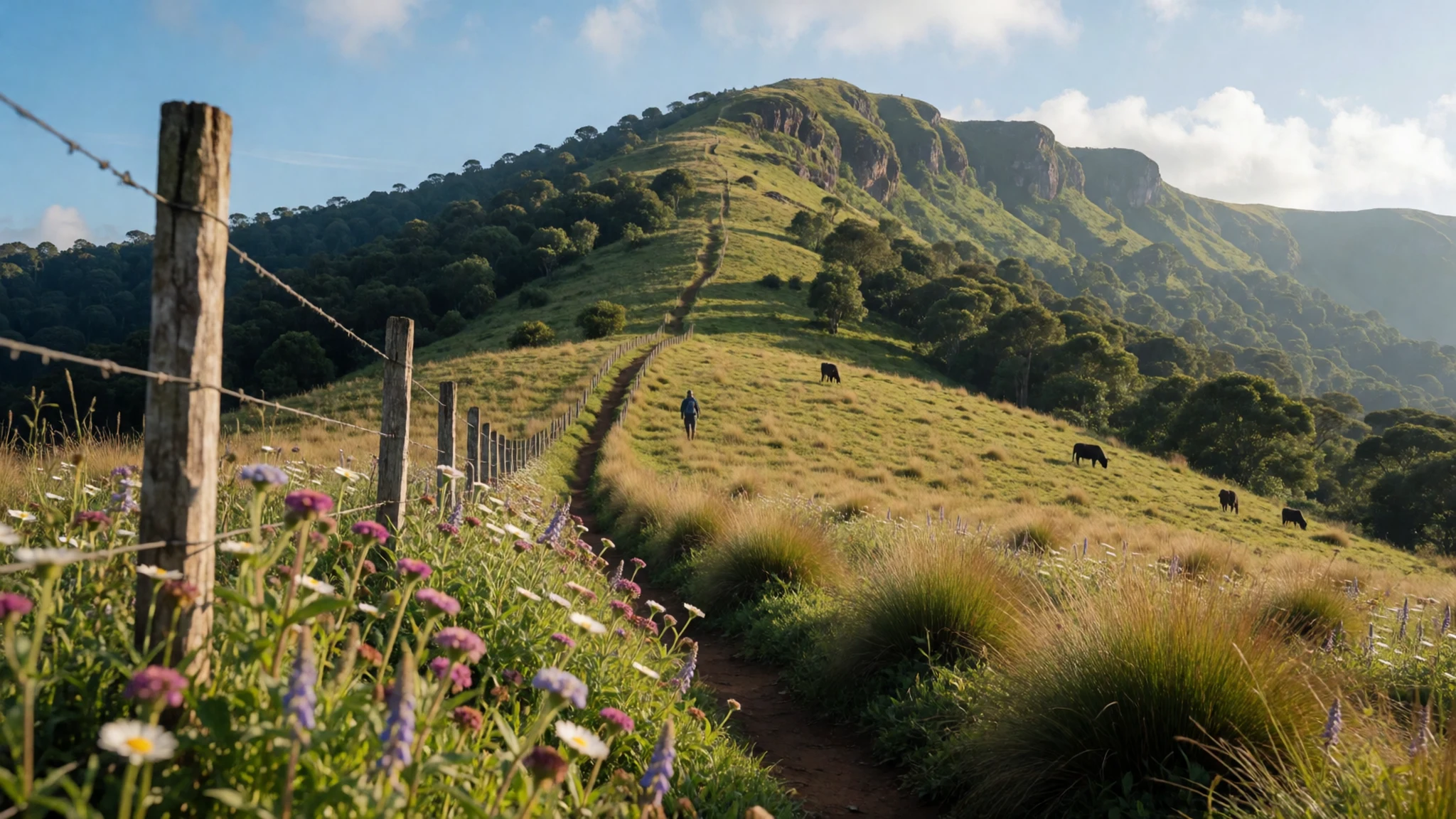
- National Museum — Conakry, Guinea
In Conakry, the National Museum is a useful first stop for a grounding in Guinea's ethnic groups, with traditional instruments, masks and ceremonial objects. It helps explain who lives where before heading inland. Ask locally about current opening arrangements rather than relying on old listings.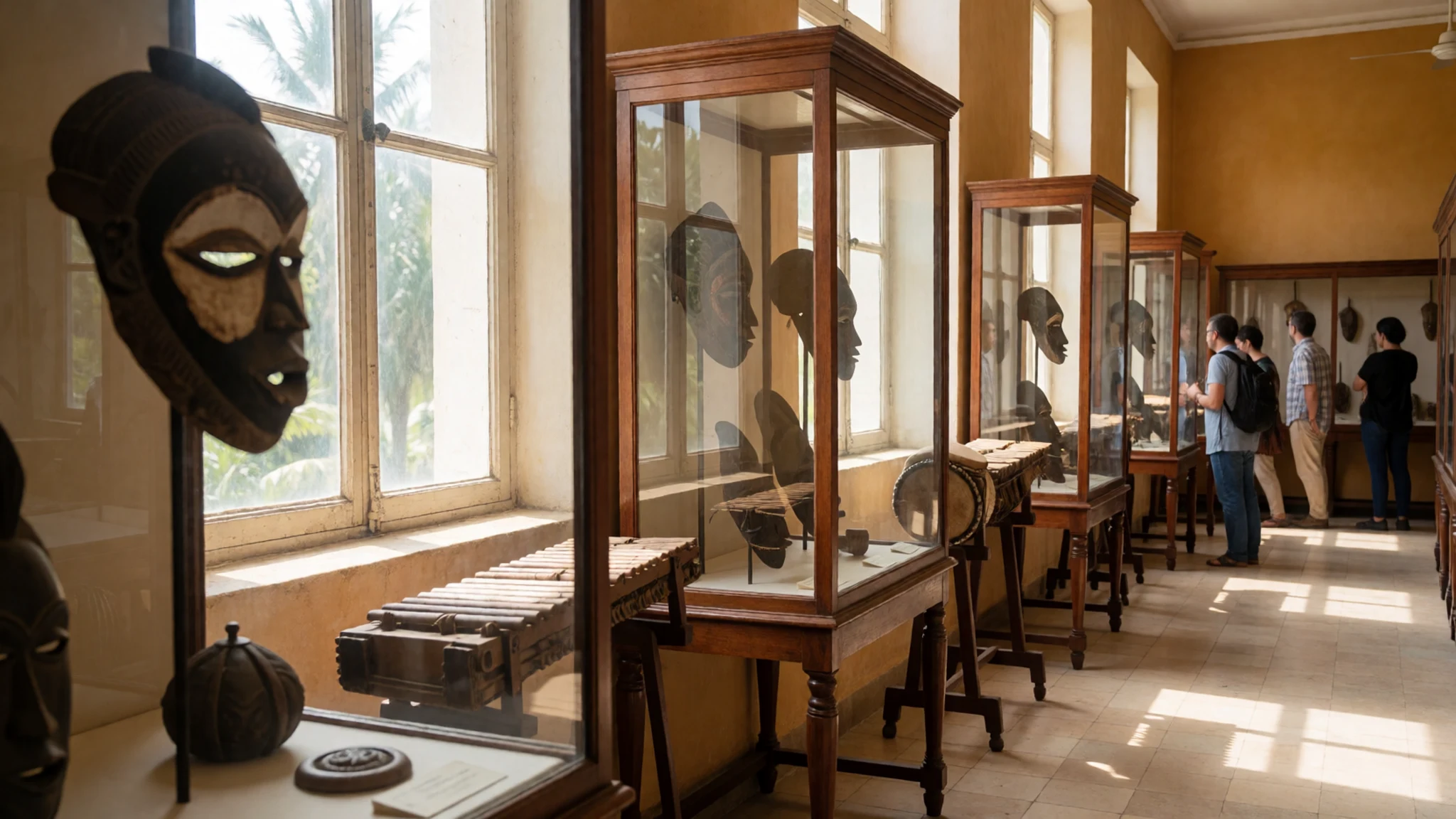
- Conakry port and the Loos islands — Tip of the Conakry peninsula
Conakry's main port sits at the tip of the peninsula, near the presidential palace, and fishermen land their catch there every day. Boats run from here to the Loos islands for a day or an overnight stay. It is busy and loud, so keep bags close and agree the fare first.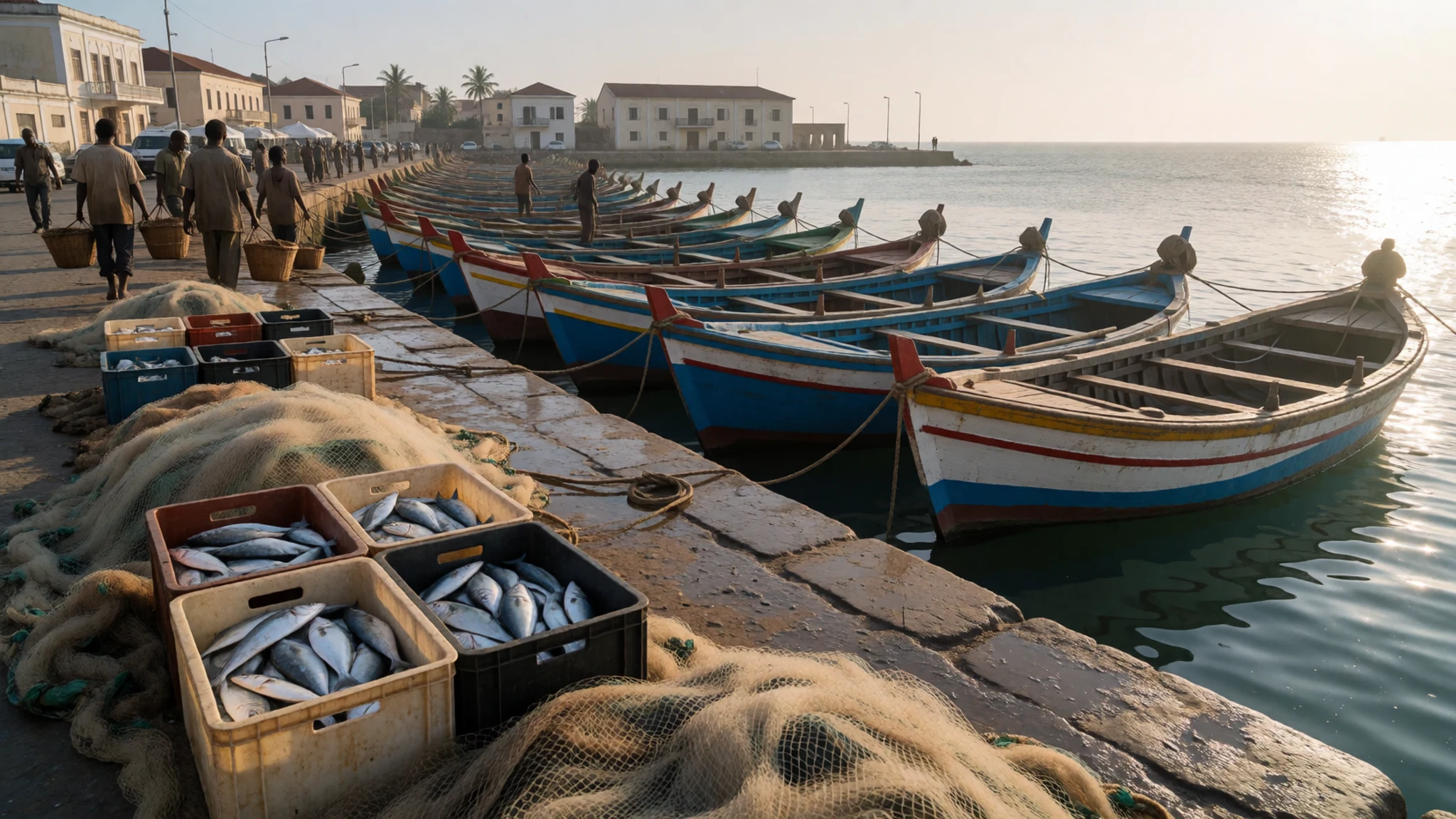
- Taouyah beach bars — Taouyah, Conakry
Taouyah is a mostly residential district of Conakry with a large market. Around sunset, residents and long-stay foreigners gather at the beach bars for grilled fish or chicken, a sea breeze, live music and football on the sand, especially at weekends. It is a relaxed way to end a day in the capital.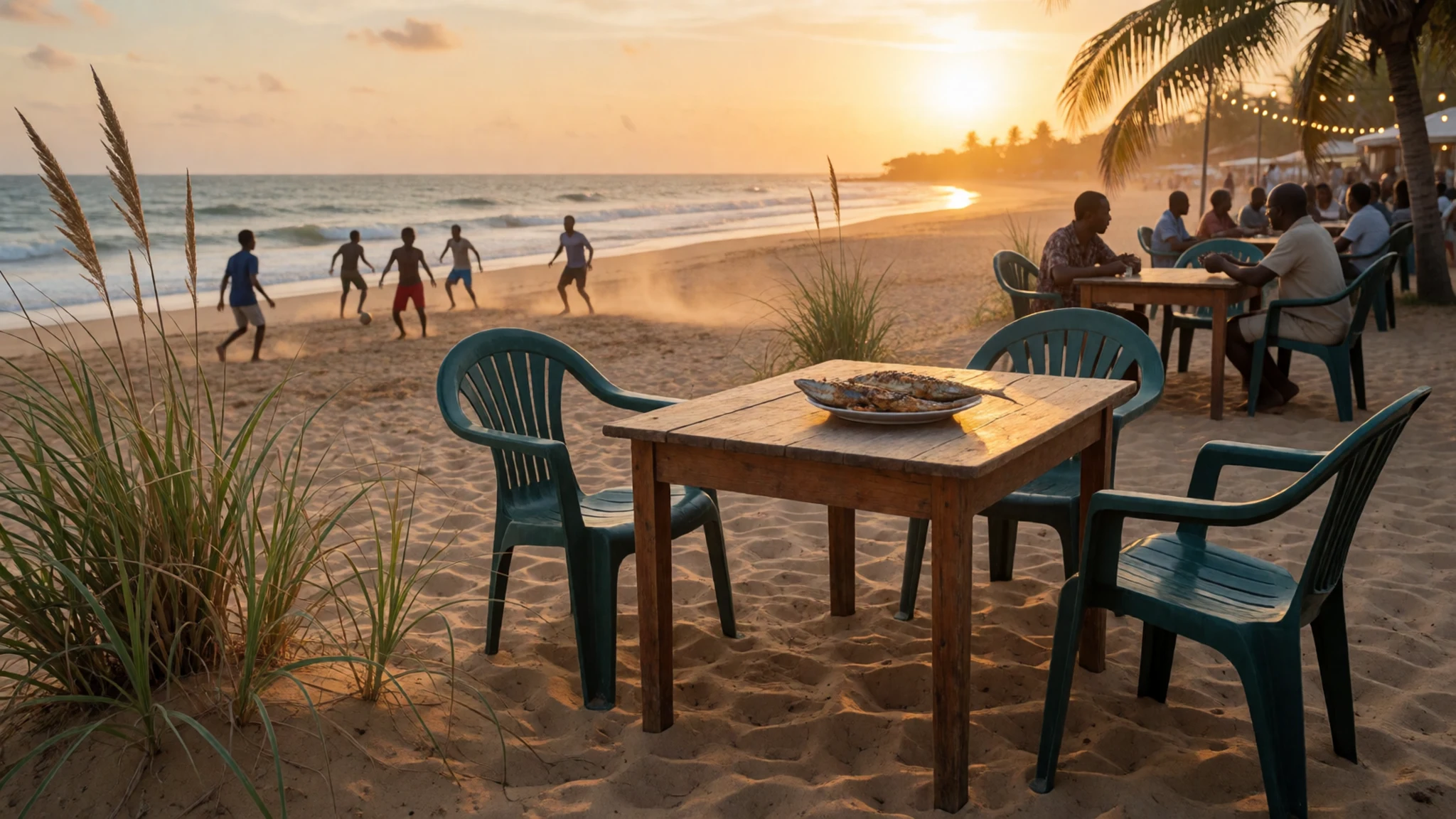
- French-Guinean Cultural Centre — Conakry, Guinea
The centre stages concerts, films, plays and traditional West African dance, and staff and regulars can usually point to that week's live music. Guinea is known for its kora players, so an evening of music is a good use of a night in the capital. Check the current programme locally.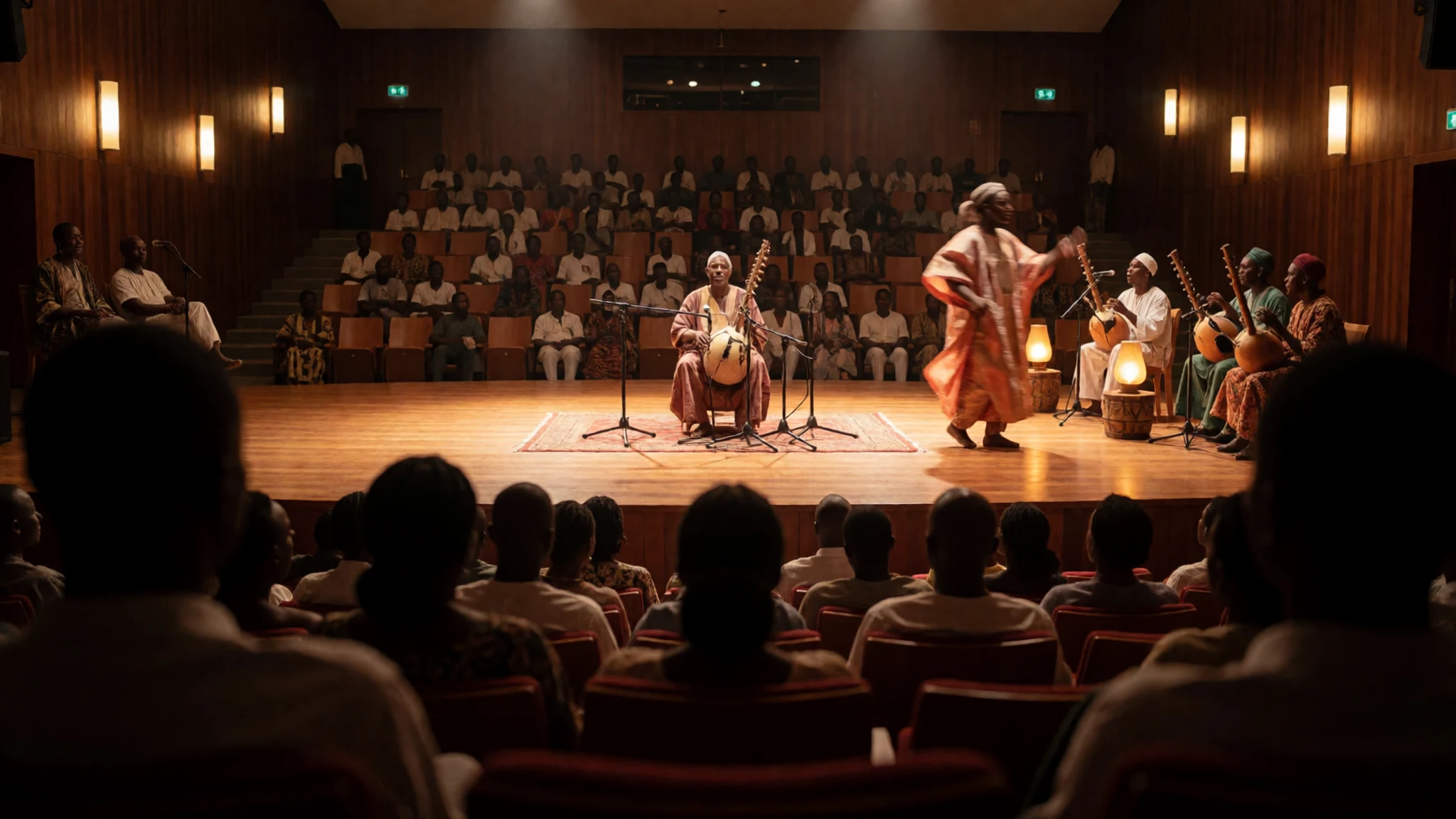
Culture
Around the Lofa River, in Guinea and Liberia, daily life runs on greetings. In Guinea a quick 'ça va?' will do, but people warm to a few questions about family, health and work or studies, and conversations, messages and emails usually start with that exchange before any business is raised. Skipping it comes across as cold.
Guinea is largely Muslim, fairly conservative and male-dominated in public life, yet foreign women travelling there report few problems, and street harassment is uncommon and frowned upon. Teasing marriage proposals are common enough to be a running joke, and are best met with good humour.
Music matters in Guinea, and kora players from the country are admired across West Africa. Live music is easy to find in Conakry's bars and cultural centres, and it is a good way to meet local artists. In the forest communities of the south-east, customs differ from those elsewhere in Guinea; pork, for example, is eaten there but not in most other parts of the country.
Hospitality towards guests is generous on both sides of the border, and accepting a seat or a drink when it is offered is part of being polite.
Greet people properly before asking for anything, and use only your right hand to greet, eat and hand over money, because the left is considered unclean.
What to wear
Along the Lofa River, traditional dress mixes Muslim West African styles with those of the forest region. In Guinea's Muslim communities men wear the boubou, a loose, wide-sleeved gown, often in dyed cotton or glossy damask known as bazin, with matching trousers and a cap for Friday prayers and festivals. Women wear wrapped skirts, fitted tops and head ties in wax-print cotton, with tie-dye and richer fabric kept for weddings. In Liberia the wrapped cloth is called a lappa, and narrow strips of handwoven cotton are sewn together as country cloth for ceremonies and elders.
Day to day, people dress for heat and practicality: T-shirts, trousers, football shirts and secondhand clothes in towns, and lappas or printed dresses with a headscarf in many villages. Smarter outfits come out for the mosque, church and market days.
Visitors should pack light cotton or linen that covers shoulders and knees, partly for modesty in a conservative, largely Muslim country and partly against sun and insects. Bring a hat, a light rain jacket for April to November, and sturdy closed shoes or boots for muddy tracks. Sandals suit towns and beaches. Women do not need to cover their hair except when entering a mosque, where a scarf is the courteous choice.
What to eat
- Rice with sauce — Small local eateries in towns outside Conakry
Guinean rice served with one of four main sauces, sometimes with beef or fish, is the everyday plate. Leaf and groundnut sauces are typical across the region. Portions are generous and the meal is filling, which suits a long day on the road.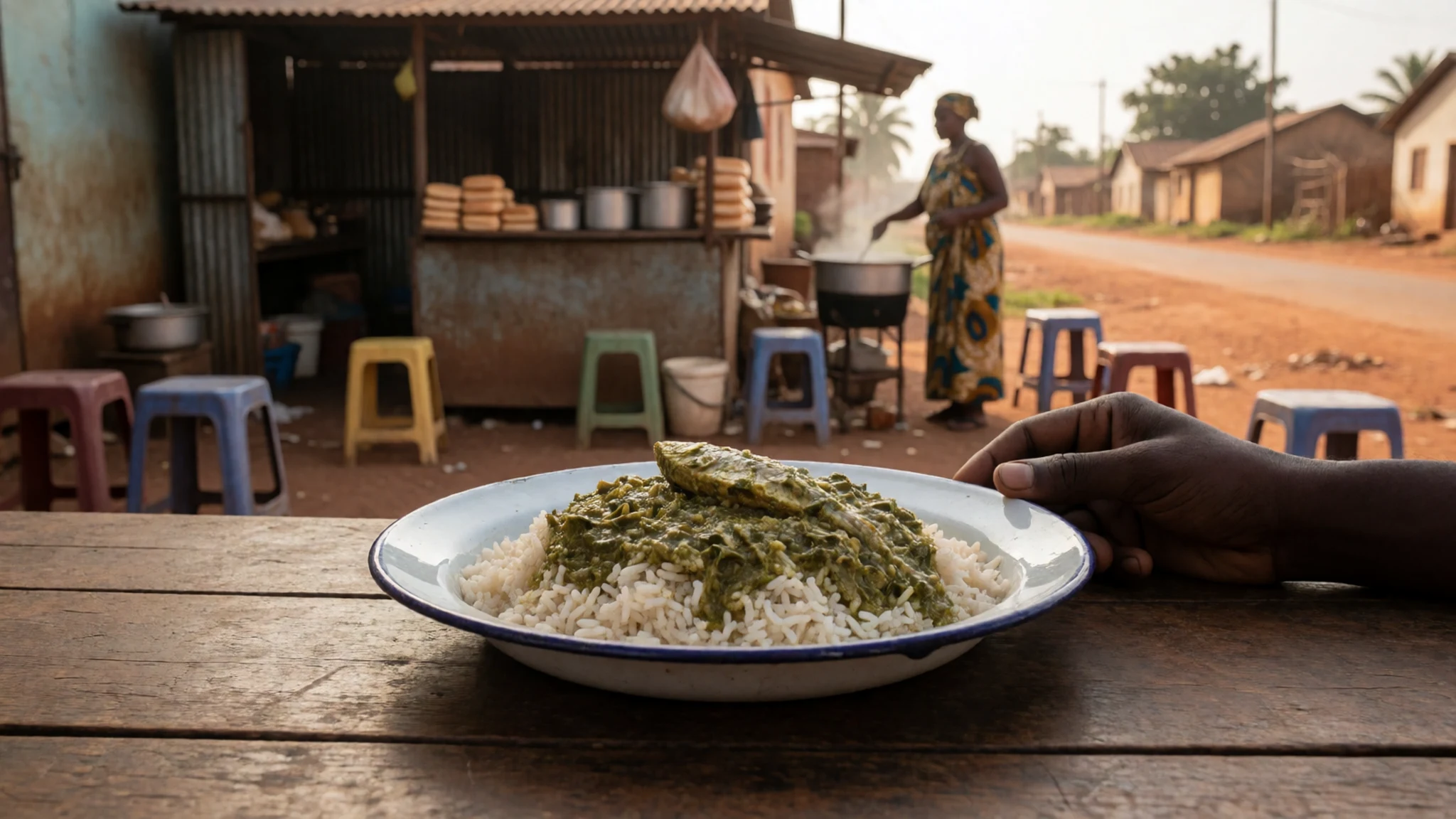
- Grilled beef — Street grills and market stalls in towns
Beef is well regarded in Guinea, grilled over charcoal or simmered into sauces and served with rice or bread. Pork is rarely on menus because most Guineans are Muslim, though communities in the forested south-east do eat it.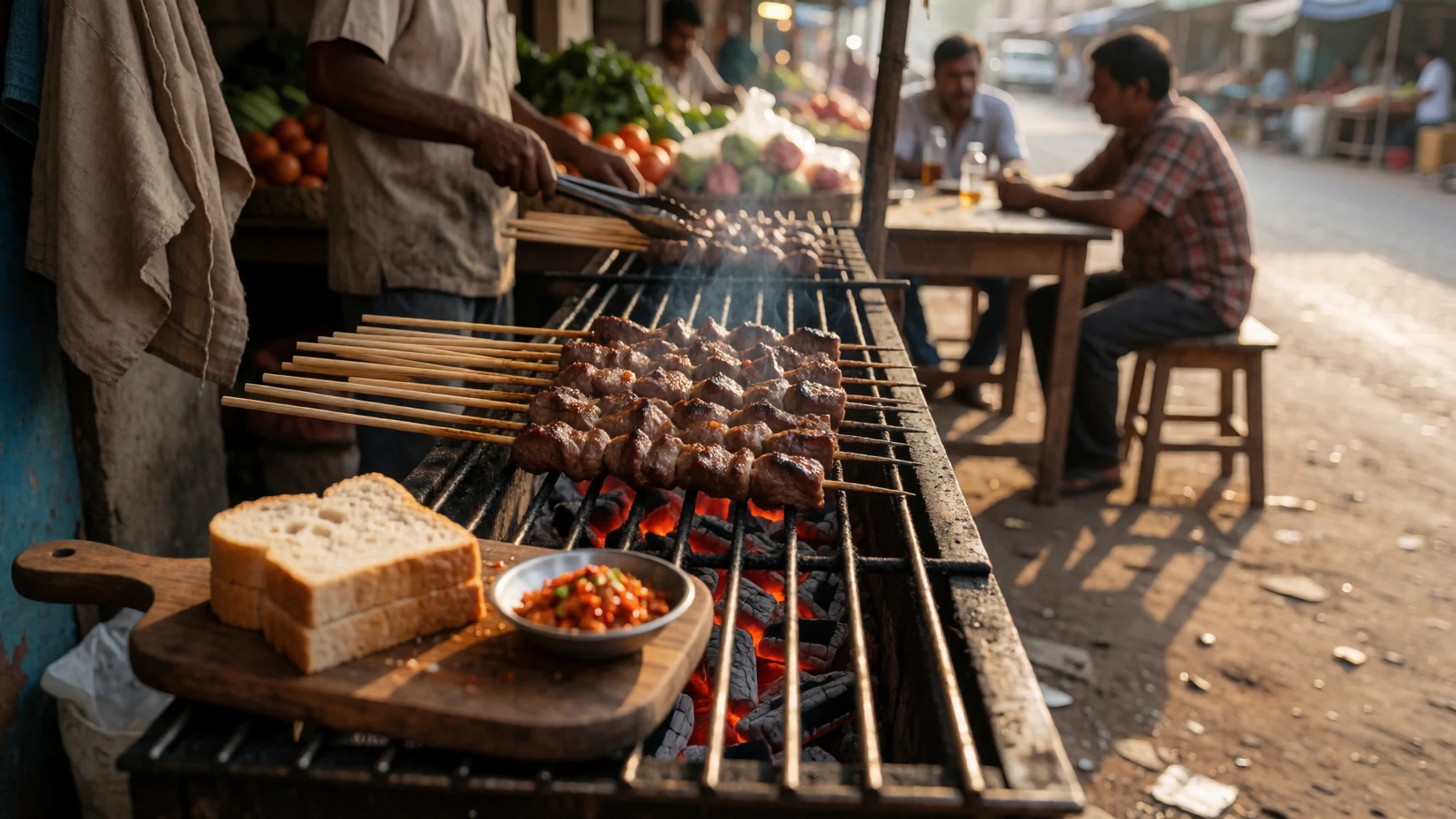
- Grilled fish and chicken — Beach bars in Taouyah, Conakry
At sunset the Taouyah beach bars serve grilled fish and chicken, and pizza for those wanting something familiar. The fish comes from boats landing the same day at the port. Order a cold drink, find a seat facing the sea and wait for the music. - Fresh fruit — Any town or village market
Fruit is inexpensive in Guinea compared with its neighbours and is sold from piles at markets. What is on offer depends on the season, but mango, pineapple, bananas and oranges are common. It is a good snack for long road journeys. - Lebanese-style breakfast — Lebanese restaurants in Conakry
Conakry has Lebanese restaurants that serve European-style breakfasts, with bread, eggs and coffee. They are a gentle start to the day and a sensible meal before a long drive inland, when eating options along the way can be limited.
Plan it
Best time. December to March, the drier months. Rain falls from April to November, humidity stays high all year and temperatures barely change, so roads and river banks are easiest in the dry season.
How long. 5–7
Getting there. Fly to Conakry (CKY) with Royal Air Maroc via Casablanca, Air France from Paris or Brussels Airlines from Brussels; Roberts International Airport (ROB) near Monrovia is the Liberian gateway. Guinea has no passenger trains, so the last leg is by road, and hiring a motorcycle or a driver is the practical option. The Guinea–Liberia crossing has been reported safe but slow, so check current conditions.
Budget. mid
Tips
- Arrange visas before you travel: Guinea requires one for almost all nationalities, plus a yellow fever certificate, so check the official e-visa site for the fee and look up Liberia's rules separately.
- Carry cash in small notes, as cards are of little use away from the capital, and expect prices to change without notice.
- Drink bottled or filtered water; Conakry's tap water is not safe unless filtered or boiled.
- Stay alert at the airport, in markets and near places popular with foreigners, and decline unsolicited offers to carry luggage.
- Hire a local driver or guide and travel in daylight, as roads are poor and slow, especially in the rains.
Etiquette
- Greet people properly and ask after their family before getting to the point.
- Use your right hand to greet, eat and pay.
- Ask before photographing people, and dress modestly, especially in Muslim areas.
Nearby
Sources
- Wikidata Q1659942 (CC0)
- Wikipedia: Lofa River (CC BY-SA 4.0)
- Wikivoyage: Guinea (CC BY-SA 4.0)
Wildlife
- Pygmy hippopotamus (animal)
The pygmy hippopotamus is a small, shy hippo that lives in forests and swamps. It belongs to West Africa, and Guinea is home to only small numbers, so nobody should count on seeing one along the Lofa River. Sightings cannot be planned, so simply stay hopeful. If you are lucky, keep a good distance, stay very quiet, let your guide lead the way, and never offer it food.