Fouta Djallon
Fouta Djallon, Guinea
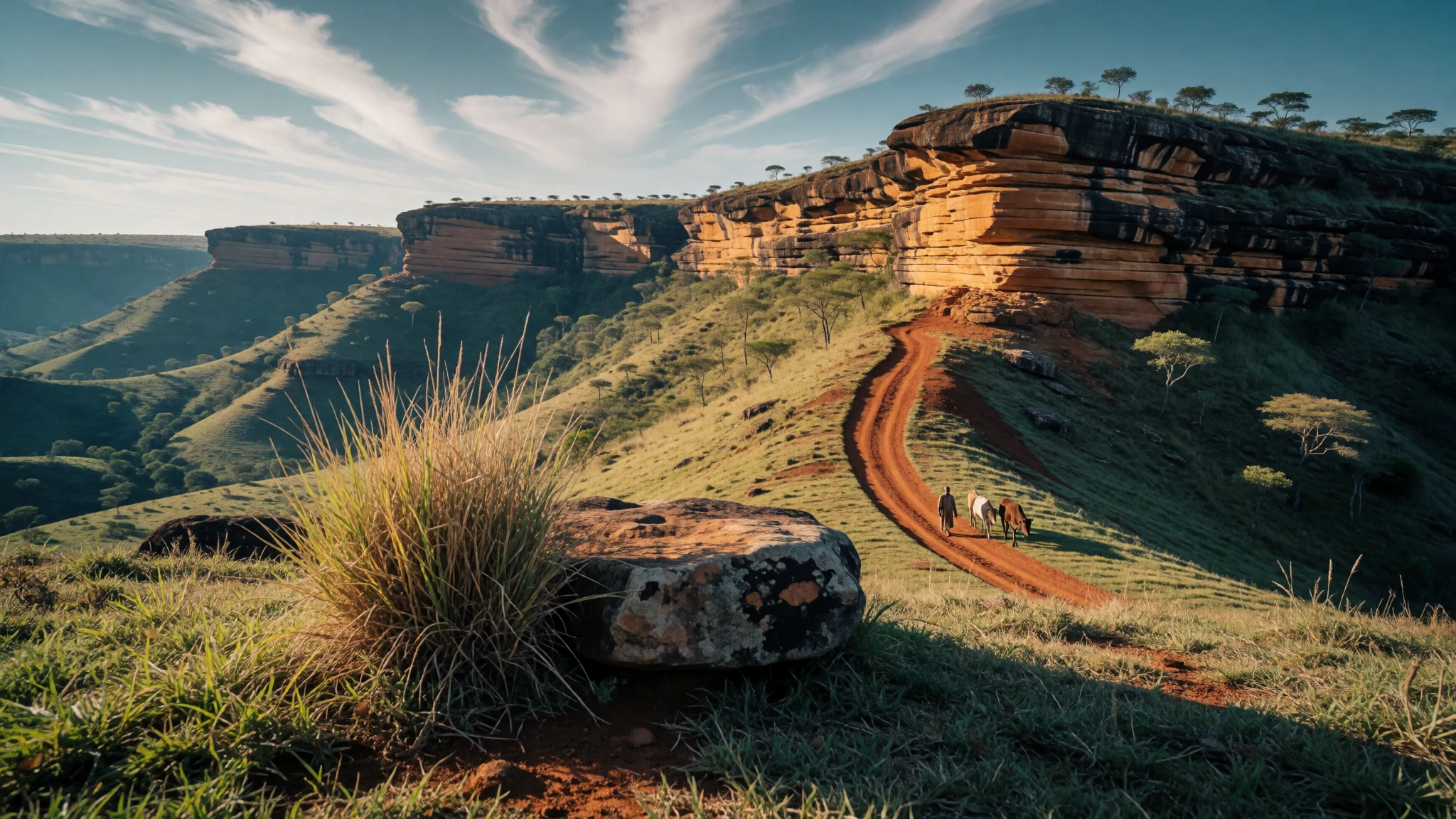
Fouta Djallon is a cool sandstone highland in Guinea, where Fulɓe towns and cattle sit above rivers bound for the coast and the Sahel.
The place
Fouta Djallon is the sandstone highland across the interior of Guinea, a wide plateau broken into blocks by deep, steep valleys. It is not a single mountain. Layered rock, grass and thin woodland cover the table, with cliffs where the cap has worn through and red laterite on the tracks between settlements. Air on the plateau runs cooler than on the coastal plain, and mornings often begin in mist. That shift is a clear sign that the highlands have started.
Towns keep to the ridges. Mamou marks where the road from the coast finishes its climb. Dalaba and Pita lie further in. Labé, to the north, is the main town and the practical centre of Fouta Djallon. Pasture, gardens and scattered compounds fill the country between them. Cattle belong to the working day, not only to the view. The people most closely tied to these hills are the Fulɓe, also known as Peul or Fula. Pular, their language, is the one used in markets and family courtyards.
Water that rises here leaves under its own names. The Bafing feeds the Senegal, the Gambia gathers headwaters on the plateau, the Konkouré drops west toward the Atlantic, and streams such as the Tinkisso turn inland toward the Niger basin. A hard ledge makes a fall. Kinkon, near Pita, and the falls around Dalaba are the ones people cross the region to reach. The ordinary picture is smaller: a path, a herd, basins on heads, a lumo under trees.
Roads keep to the high ground, so a short gap on the map takes a long while: firm and dusty in the dry months, slick once the rains settle.
Its story
Fouta Djallon became a political centre when Fulɓe Muslim reformers built an imamate in these hills. Its capital was Timbo, chosen for the plateau rather than for a port or a navigable river. The ruler took the title almamy. Power was split between rival houses, Alfaya and Soriya, who alternated in the office. The compromise kept both lineages inside the state and kept the court argumentative. Neighbours knew the arrangement as an awkward way to hold a state together, and it lasted.
Islam structured town life. Mosques, law and Quranic study sat at the centre, and the highlands sent scholars and preachers far across West Africa. The economy underneath was cattle, farmland and coerced labour. Raids and tribute linked the plateau to the country below it. A telling of Fouta Djallon that stops at piety leaves out the people the imamate enslaved and sold. The same ridges that sheltered schools also fed the regional trade in captives.
French columns eventually broke the almamy's power and ended the imamate, drawing the highlands into colonial Guinea. Timbo shrank as a capital. Road towns, Labé above all, grew because soldiers, clerks and traders needed markets on the routes. Independence did not turn the region into a museum of the imamate. It stayed a Fulɓe heartland, proud of its learning, and often in open tension with governments based in Conakry.
On the ground the older story is still spoken. Families remember which house they belonged to. Guides at Timbo begin with the almamy. Friday prayer fills the mosques, and the lumo still divides the week. Fouta Djallon is a state that vanished and a Muslim pastoral society that did not.
What to see
- Labé — Labé
Labé is the main town of Fouta Djallon and the base most journeys use. The market runs through the week and swells on lumo day with cloth, grain and livestock. Concrete and banco compounds spread over low hills around the mosques. It is the place for supplies, a bed, a shared taxi and word on which track is passable.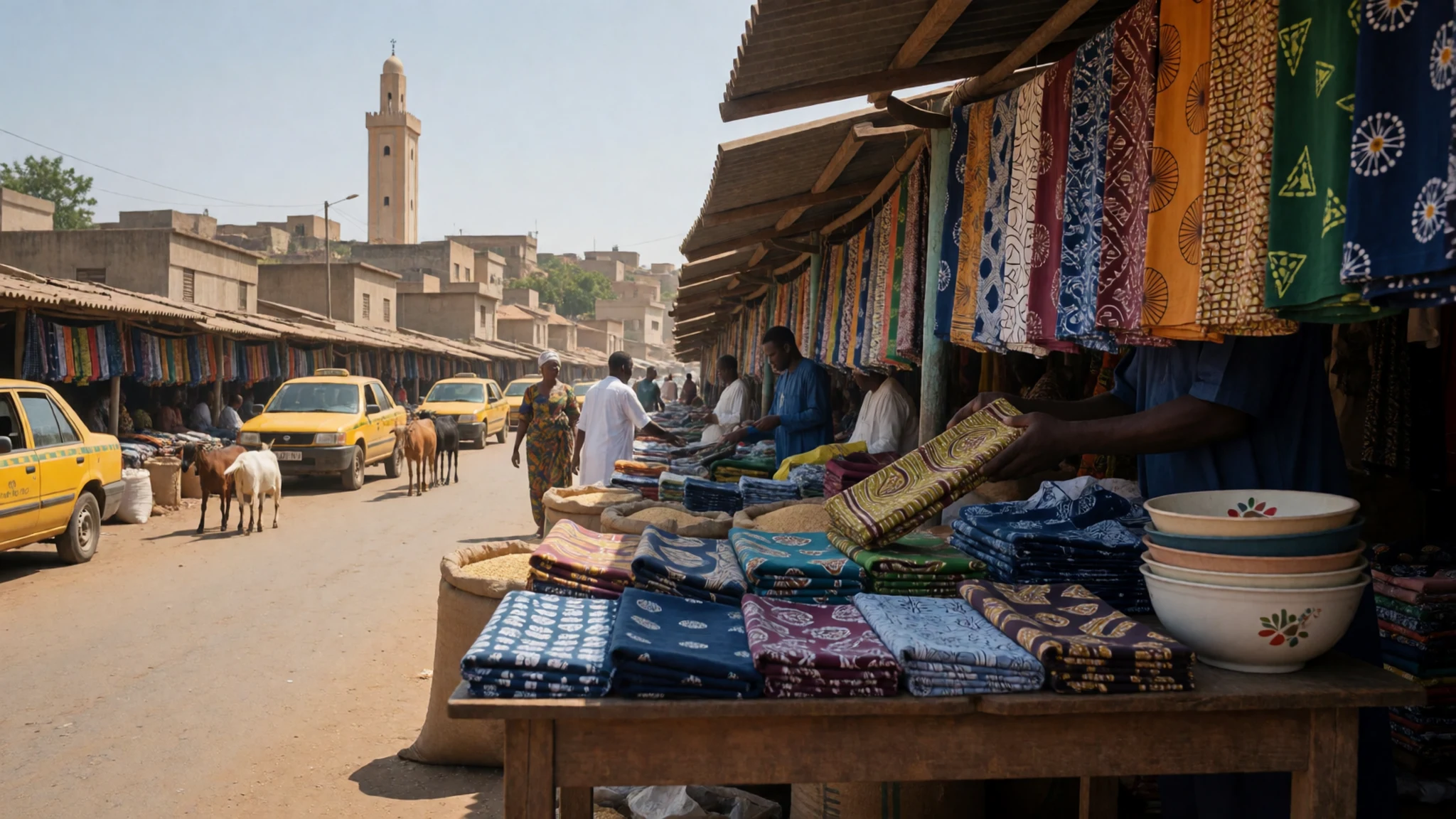
- Dalaba — Dalaba
Dalaba is a hill town in Fouta Djallon, cooler than the towns around it, with gardens and stands of pine and eucalyptus. Strawberries reach the market in season. The nearby falls are the reason to linger, on tracks that hold only in dry weather. The settlement is small: a main street, a few guesthouses and a wide view across the ridges.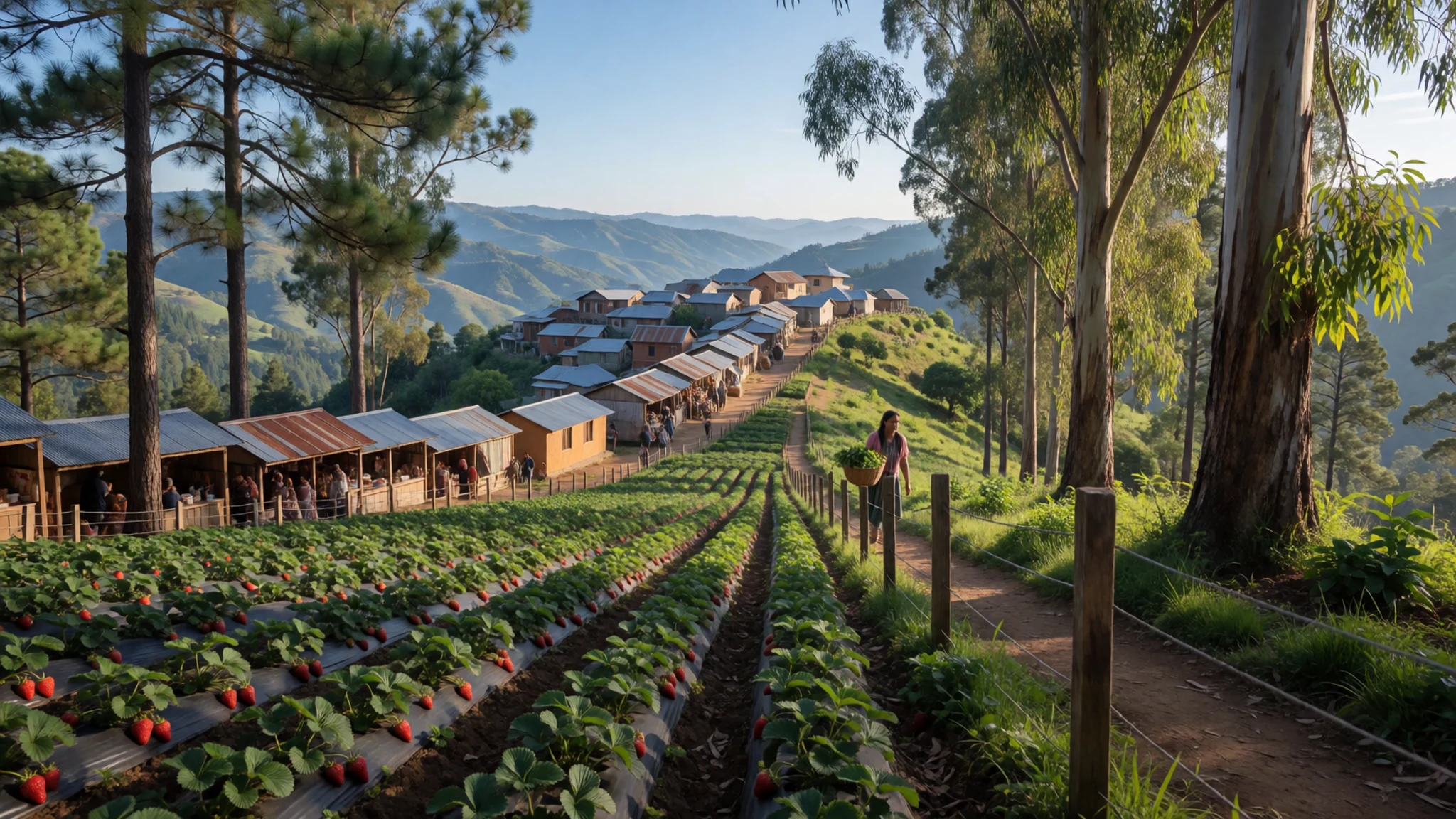
- Kinkon Falls — near Pita
The Kinkon falls drop over a ledge near Pita, in Fouta Djallon, then continue down a wooded gorge. A path reaches viewpoints and, when the rock is dry, the edge of the pool. The flow is a wide curtain in the rains and a thinner thread after dry weeks. Farmland around Pita fills the approach.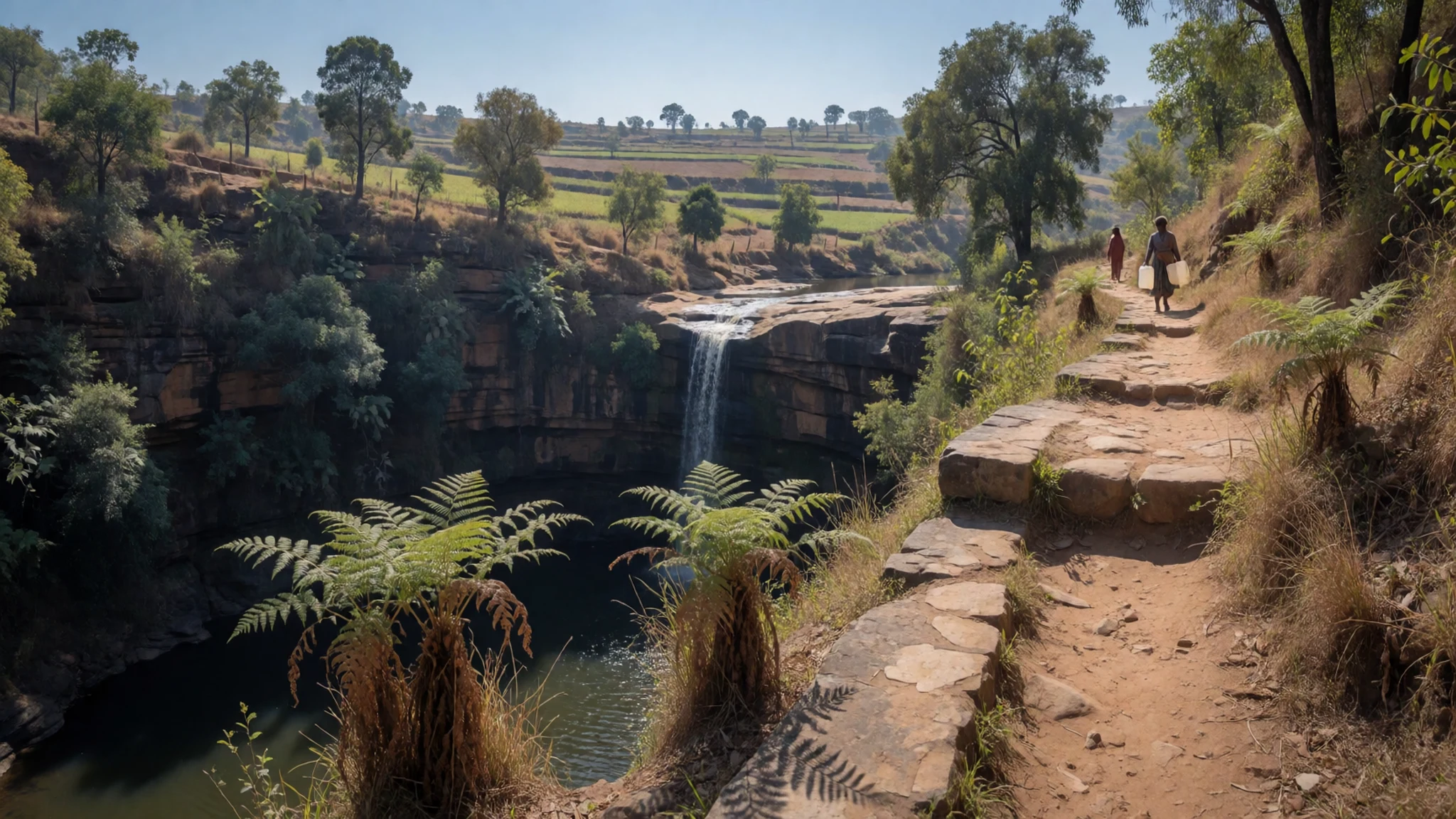
- Dame de Mali — Mali, northern Fouta Djallon
The Dame de Mali is a rock profile on Mount Loura, on the northern rim of Fouta Djallon above the town of Mali. From a favourable angle the cliff reads as a face turned toward the plain. The path is steep and open, with a long view from the top as the land falls away. Wind is usual, and the stone is slick after rain.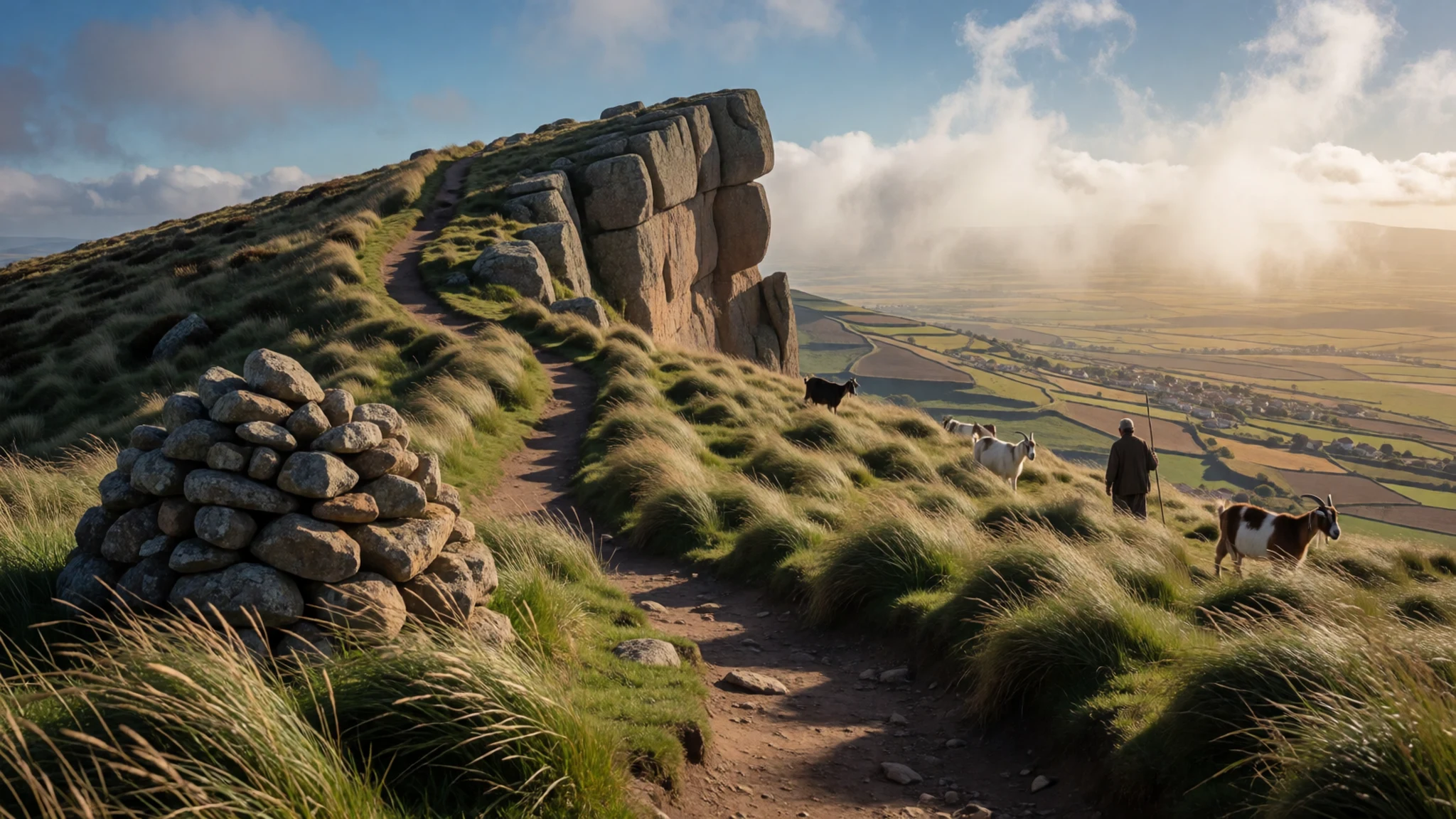
- Timbo — Timbo, eastern Fouta Djallon
Timbo, in eastern Fouta Djallon, was the capital of the imamate and is now a quiet settlement. Little of the court remains beyond compounds, a mosque, graves and the name of the almamy. A local guide can place the houses of Alfaya and Soriya in the family landscape. The road is long and rough, and a night nearby beats a rushed return to Labé.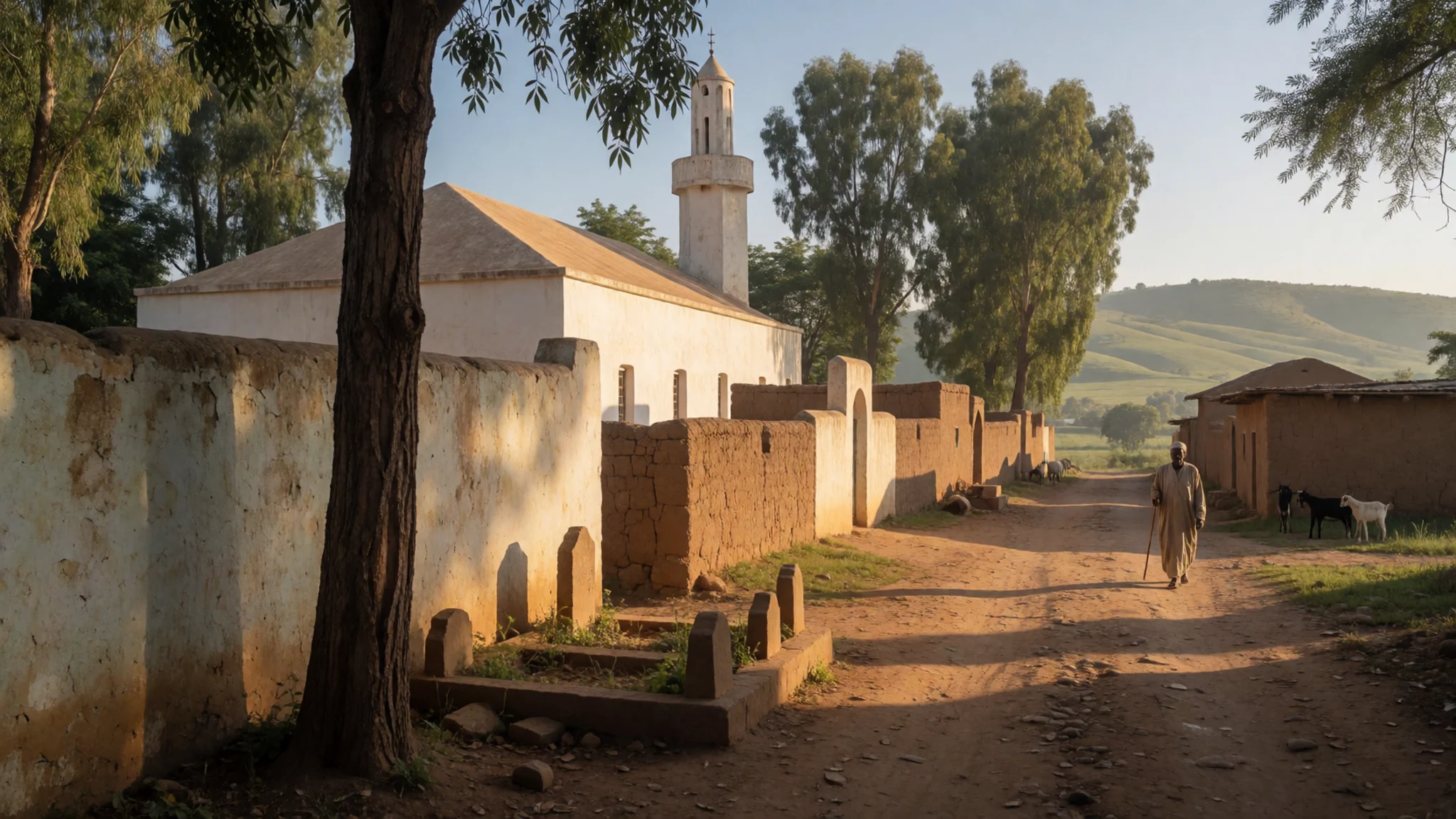
Culture
Culture in Fouta Djallon is Fulɓe culture lived on the plateau: pastoral, Muslim and organised around family, cattle and the mosque. Pular greets a stranger before any business begins. Elders are addressed first, and a long exchange of names and news is ordinary courtesy, not delay. The week turns on Friday prayer and on the lumo, when herders, farmers and traders fill a market ground and news moves faster than the road.
Hospitality is public. A guest may be offered repeated rounds of ataaya, the strong sweet tea, and waving away the opening cup can read as a refusal of the welcome. Food is eaten with the right hand from a shared bowl. Cattle are wealth and standing as well as milk, so a herd is not scenery to the household that owns it. Quranic learning still carries weight, and families speak proudly of relatives who teach.
Griots keep genealogies and sing at namings and weddings, while drums stay outside the prayer ground. Dress sharpens for Friday and for festivals, with embroidered boubous, bright pagnes and gold at the ears. Those gatherings are easy to point a camera at, and not everyone wants that. Ask before you photograph people in Fouta Djallon, use the right hand to greet and to eat, and take your shoes off before you step into a mosque.
What to wear
Dress in Fouta Djallon still starts from cloth and the occasion. Men wear the boubou, a wide robe over matching trousers, cut from cotton or a heavier weave and often embroidered at the chest and cuffs. It comes out for Friday prayer, weddings, funerals and any day a man wants to look formally dressed. Women wear a pagne, a wrap of printed or woven cotton, with a headscarf, or musor, and a fitted top. Indigo, wax-print colour and an extra wrapper at the waist are ordinary clothes, not costume.
In the towns the mix is looser. Young men wear jeans, football shirts and sandals, then change into a boubou for the mosque. Women combine tailored wax-print sets with headscarves, and a wrapper over trousers is common on the road. Herders beyond Labé and Dalaba keep to simpler cotton, a cap and shoes that survive mud. The robe is for particular hours; the wrapper and the shirt do the rest of the day.
Visitors are comfortable in light clothes that cover shoulders and knees, plus a layer for cool mornings and a rain shell in the wet months. Shoes with a grip matter on laterite and on wet rock by the falls. At a mosque, a scarf for women and shoes left at the door are expected.
What to eat
- Fonio with leaf sauce — the weekly lumo and simple eateries in Labé
Fonio is the small highland grain of Fouta Djallon, steamed and eaten with a green leaf sauce of garden leaves, oil and chilli. It is everyday food at the lumo and in simple eateries around Labé. The grain is light, the sauce bitter-green, and chilli comes on the side.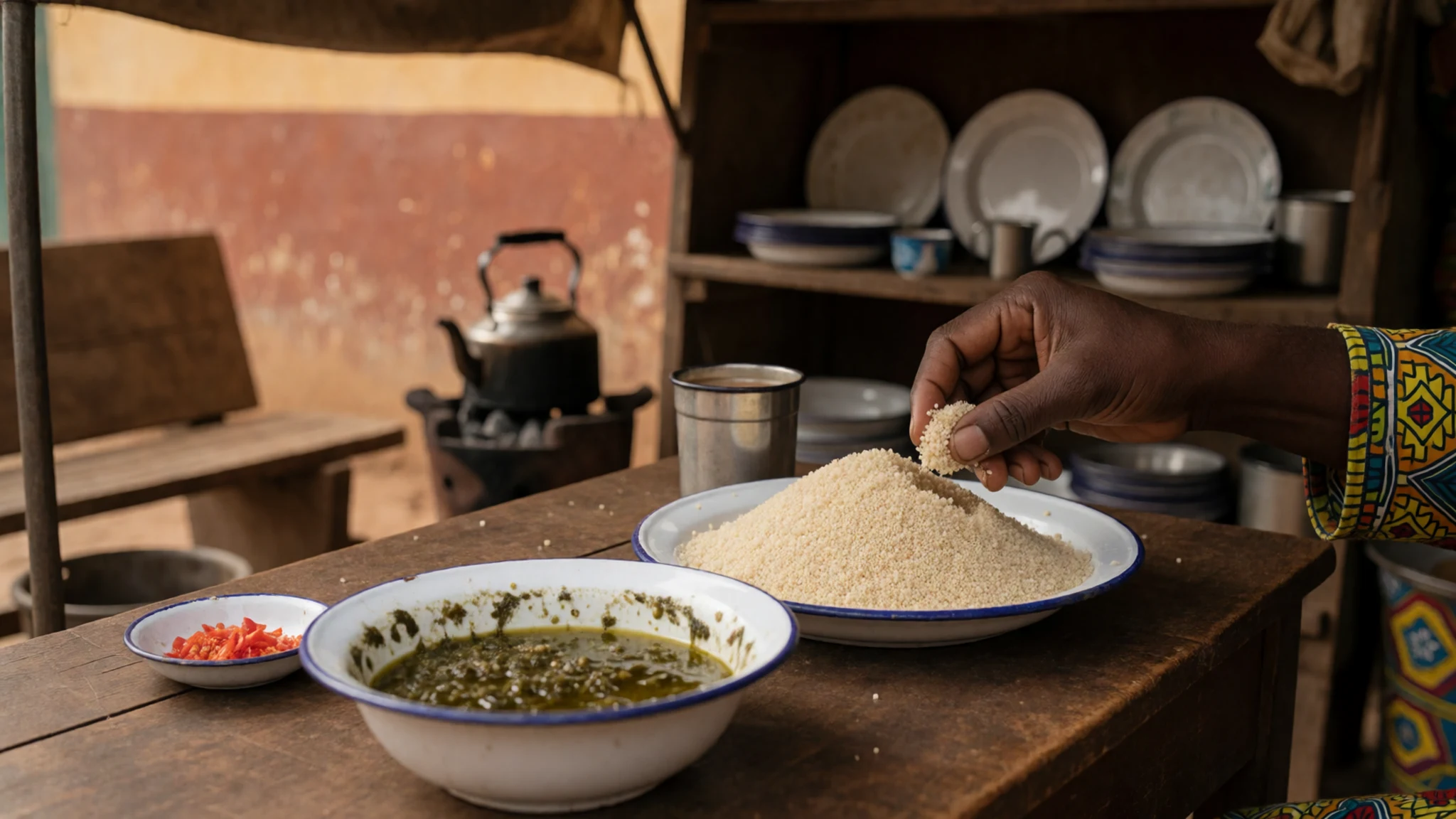
- Maafe — market stalls and small eateries on the plateau
Maafe, the groundnut stew of Fouta Djallon, is cooked with meat or garden vegetables until the sauce turns thick and orange-brown. It comes with rice or fonio at market stalls and small eateries, often on lumo day. Chilli is served apart so the groundnut stays the main flavour.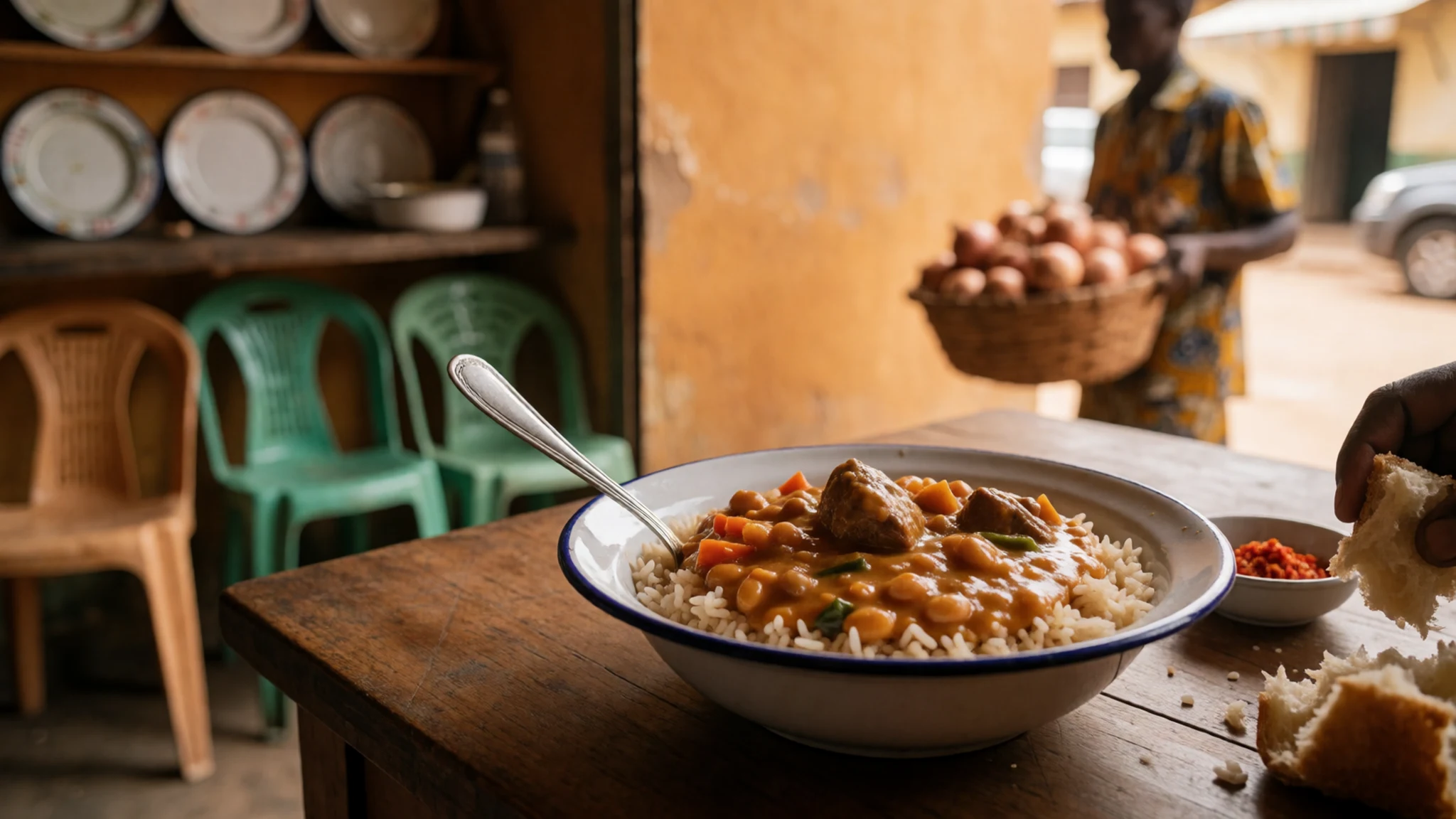
- Grilled cassava with chilli — lumo stalls from Mamou to Labé
Grilled cassava rounds with chilli paste are the between-meals snack of market day in Fouta Djallon. Vendors roast them on a small fire at the edge of the lumo and split them while they are hot. The same stalls appear from Mamou through Pita to Labé, wherever cassava is piled.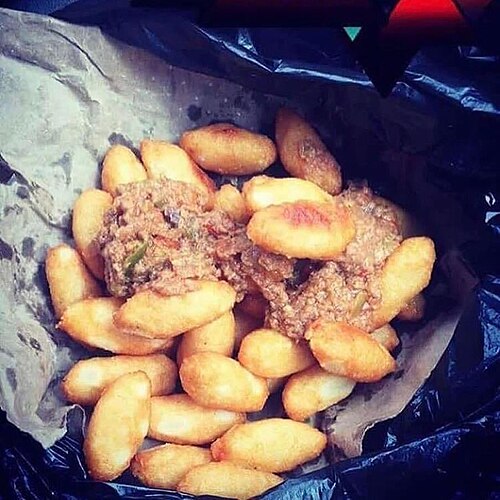
- Kosam — morning markets
Kosam, sour curdled milk, is what Fulɓe herders sell in the towns of Fouta Djallon. It is drunk plain, poured over porridge, or eaten with millet or fonio at breakfast. Morning markets still have full calabashes; by afternoon the sellers have often packed up. - Potatoes and strawberries — Dalaba and Pita markets
The cool air lets farmers in Fouta Djallon grow potatoes and, around Dalaba, strawberries. Both appear in season at the markets in Dalaba and Pita. Potatoes cooked into sauce, or strawberries eaten as they come, are as local as fonio.
Plan it
Best time. The drier months suit Fouta Djallon, when laterite roads stay firm and highland mornings are clear. Rain swells the falls and turns the same tracks to mud, so a trip built around Kinkon or the Dame de Mali is simpler before the heavy rains and fuller after they have begun.
How long. 4–6
Getting there. Fouta Djallon is reached from Conakry, which has the international airport, then by road through Mamou as the route climbs onto the plateau. Dalaba, Pita and Labé lie further along that road. Shared taxis run between the main towns; a hired car and driver are the practical way to the falls and to Timbo. The drive up from the coast takes a full day when the road is dry and longer in the rains.
Budget. mid
Tips
- Hire a car and driver in Conakry or Labé for the falls and for Timbo; shared taxis link the towns but not the rough tracks.
- Begin walks to the falls in the morning, before cloud builds.
- Carry cash, because card payment is unreliable once you leave Conakry.
- Keep drinking water in the vehicle; shops are scarce between the ridge towns.
- Ask which day the local lumo falls on, and shape the route around it.
Etiquette
- Greet elders before you explain why you have come.
- Use the right hand to eat and to pass anything.
- Take shoes off at a mosque, keep shoulders and knees covered, and ask before you photograph people.
Nearby
Sources
- Wikidata (CC0)
- Wikipedia: Fouta Djallon (CC BY-SA 4.0)
- Wikivoyage (CC BY-SA 4.0)