Kankan
Kankan, Guinea
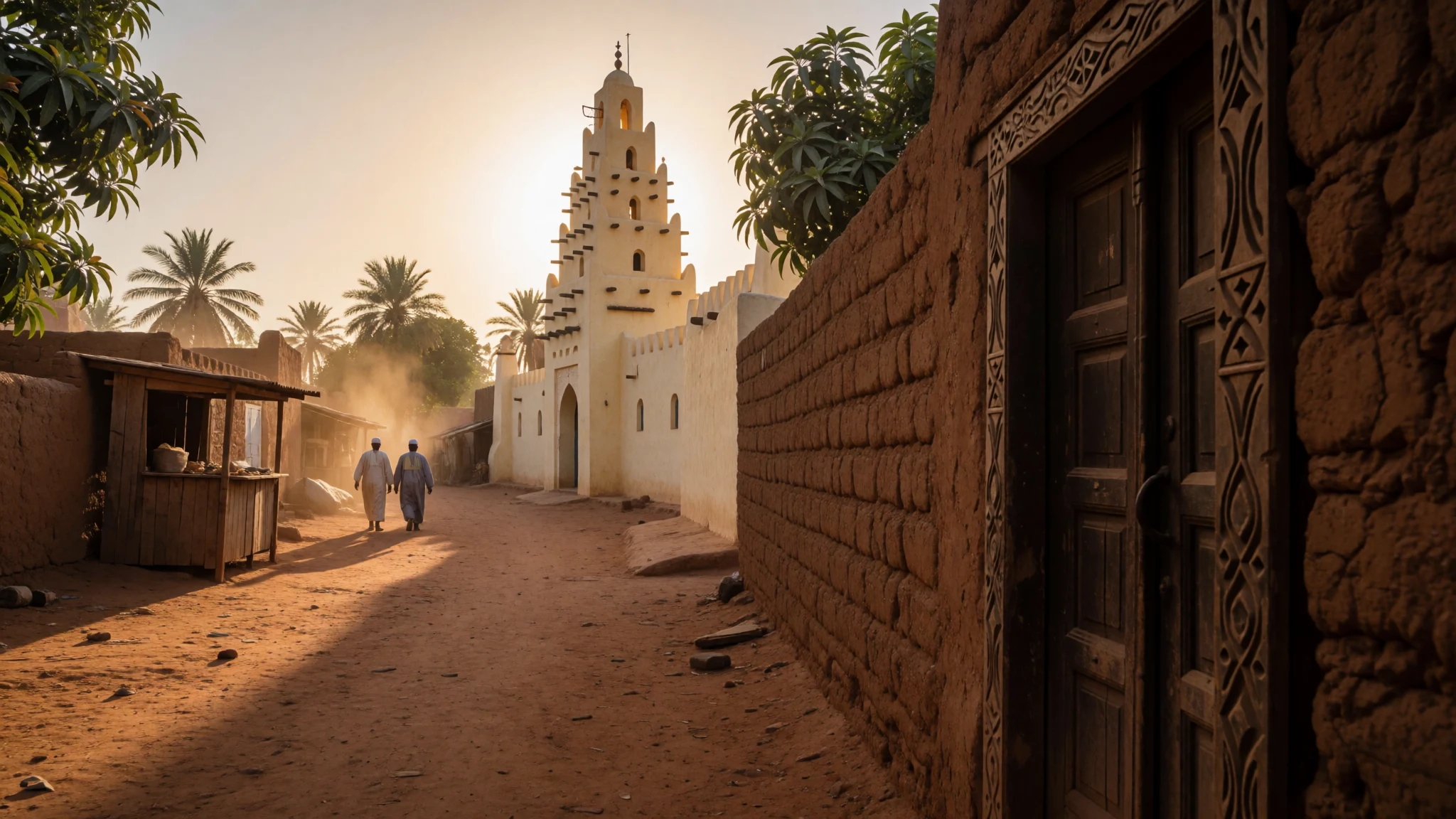
Kankan is a working Mandinka river city in eastern Guinea, where trade, Islamic scholarship and the Mamaya dance still shape daily life.
The place
Kankan sits in eastern Guinea on the Milo, a tributary of the Niger, roughly 555 km east of Conakry. It is the capital of its prefecture and of the wider Kankan Region, and the population is largely Mandinka. Wikidata counts about 190,000 residents, though other recent figures run higher, so treat any single number as approximate.
This is a place of commerce rather than monuments. Trucks, minibuses and motorbike taxis keep the streets busy, sand is hauled from the river by boat, and markets move kola nuts, grain and household goods. The road between Conakry and Bamako in Mali passes close by, so many people arrive here simply because the journey demands a stop.
Visitors should set expectations carefully. Power and running water are patchy, and luxuries such as supermarkets or shopping centres are thin on the ground. Better guesthouses tend to run electricity in the evenings and keep water available, but blackouts are normal. The local language is Malinke, French is the working language for most outsiders, and some people will speak only Malinke, so a few greetings go a long way.
The city also has a university, which gives it a younger, more studious edge than the typical transit town. The climate is tropical savanna: a rainy season, then a long dry one. March to May is punishingly hot, and the cooler dry months are far kinder for walking around. Kankan rewards slow, curious days rather than ticking off sights, and suits travellers who like ordinary urban life more than a polished attraction list.
Its story
Kankan's oral histories give its founding as 1690, credited to Daouda Kaba, whose family traced their roots to the Diafounou region of Mali. His uncle, the chief of nearby Makonon, granted him bush land beside the Milo close to where the bridge stands today. The settlement went through several names, each describing hopes for it: plenty, prosperity, welcome.
Another tradition says Dyula traders from the Sarif and Sanyo families founded it earlier, in the mid-seventeenth century. Either way, Kankan grew into a centre of Islamic learning under the scholar Alfa Kaabinè Kaba, and into a trading hub connecting the coast, the kola-growing forests and the Niger valley. For a time it was the capital of the Bate Empire.
The warlord Bourama Diakite pushed the people of the Bate region out in 1763. Kankan's residents took refuge in Timbo and Fougoumba in Fouta Jalon, sheltered by fellow Muslims, and stayed away for seven years. When they returned in 1770 they rebuilt with defences and renamed the town Kankan, meaning 'protected city'. They laid it out in six districts, two named after their host towns; the Timbo neighbourhood still carries that memory.
Later raiders from Wassoulou tried to take the town but were beaten back by Alpha-Mamoudou Kaba. In 1827 the French explorer René Caillié spent a month here, travelling with a kola caravan on his way towards Timbuktu. The railway to Conakry has been dead since 1993, which says much about how the city's fortunes now rest on roads and the river.
What to see
- Great Mosque of Kankan — central Kankan
The Great Mosque is the clearest landmark of Kankan's Islamic heritage and the best place to understand the city's scholarly past. Visit outside prayer times and approach respectfully; non-Muslim visitors should ask before going near the entrance. Early morning light is softest for photographs from the street.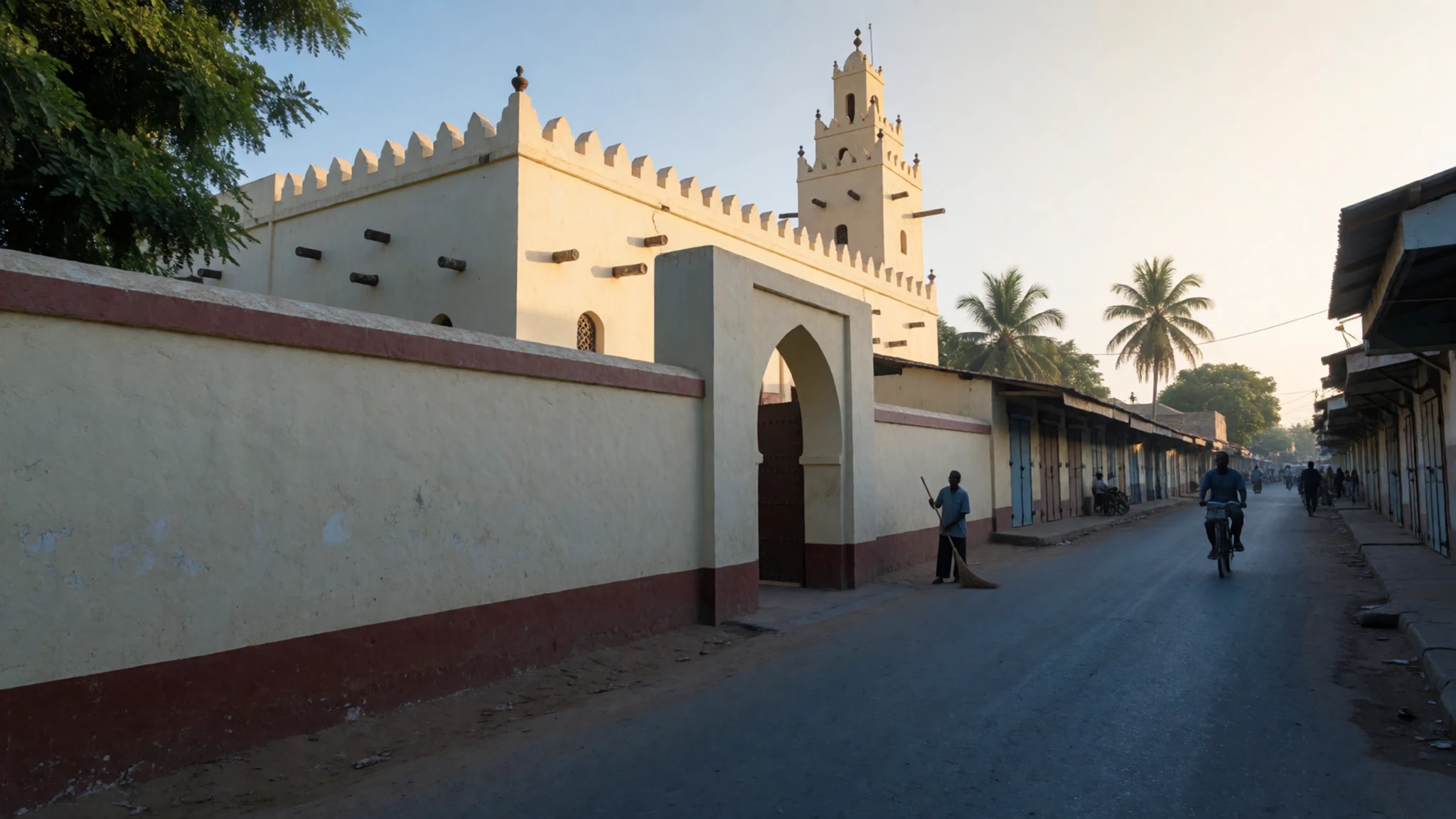
- The Milo River and sand port — riverbank near the bridge
The Milo is the reason Kankan exists, and its banks show working life: boats loaded with sand, labourers, washing and children swimming. It is pleasant at either end of the day when the heat eases. Ask permission before photographing people at work, and keep an eye on the muddy edges.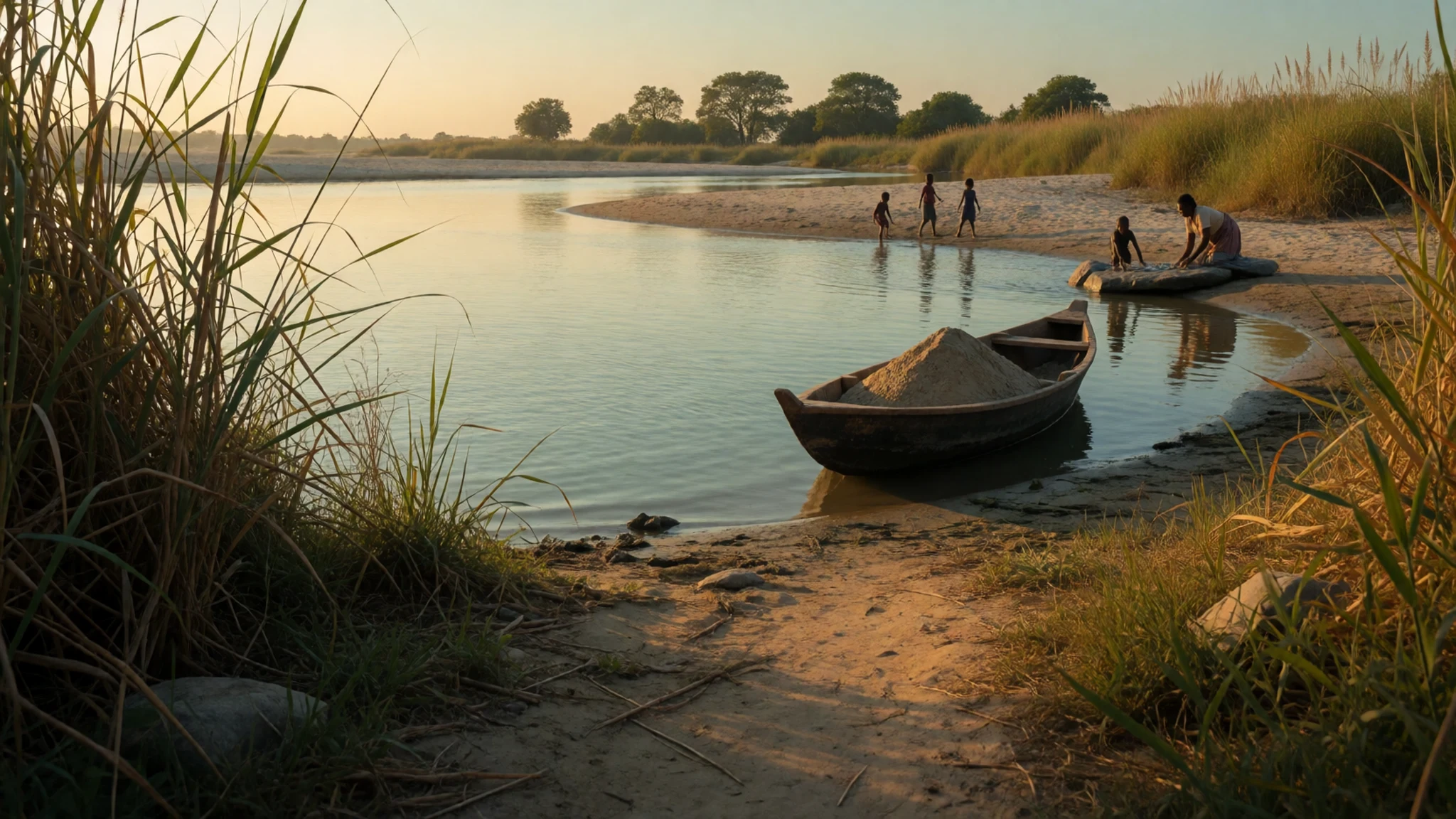
- Mamaya dance celebrations — neighbourhood gatherings and public spaces across the city
Mamaya is the Mandinka dance tradition Kankan is best known for, and it features strongly in celebrations after Ramadan around Tabaski. Dates shift with the Islamic calendar, so ask locally or at your guesthouse. If you are invited to watch, arrive with patience, as events run on community time.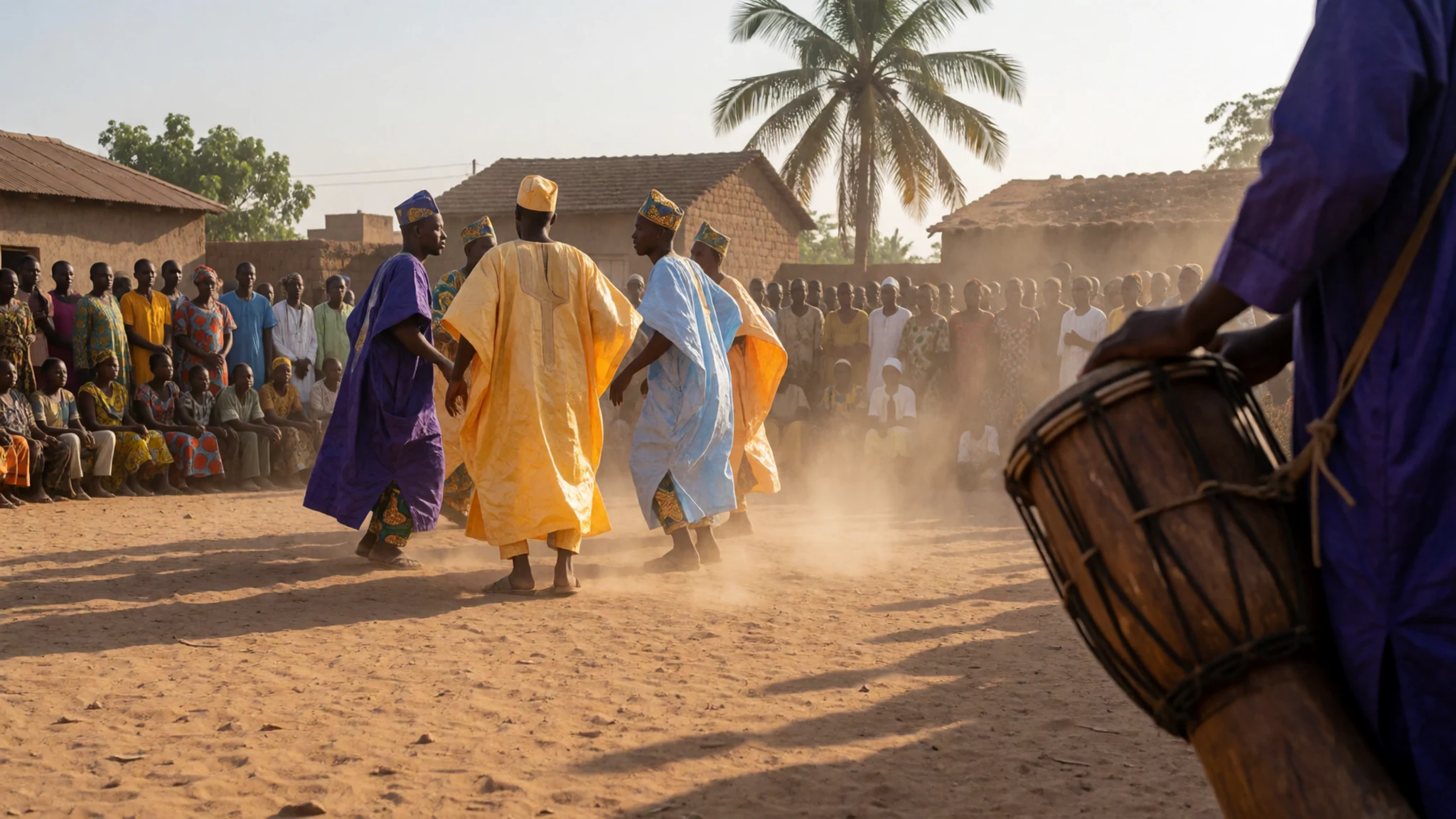
- Université de Kankan — university district
The university gives Kankan a lively student presence and a different texture from the market streets. It is worth a short visit to see the campus and perhaps meet students who speak some English. Ask politely at the gate before wandering in, as access depends on the day and the staff.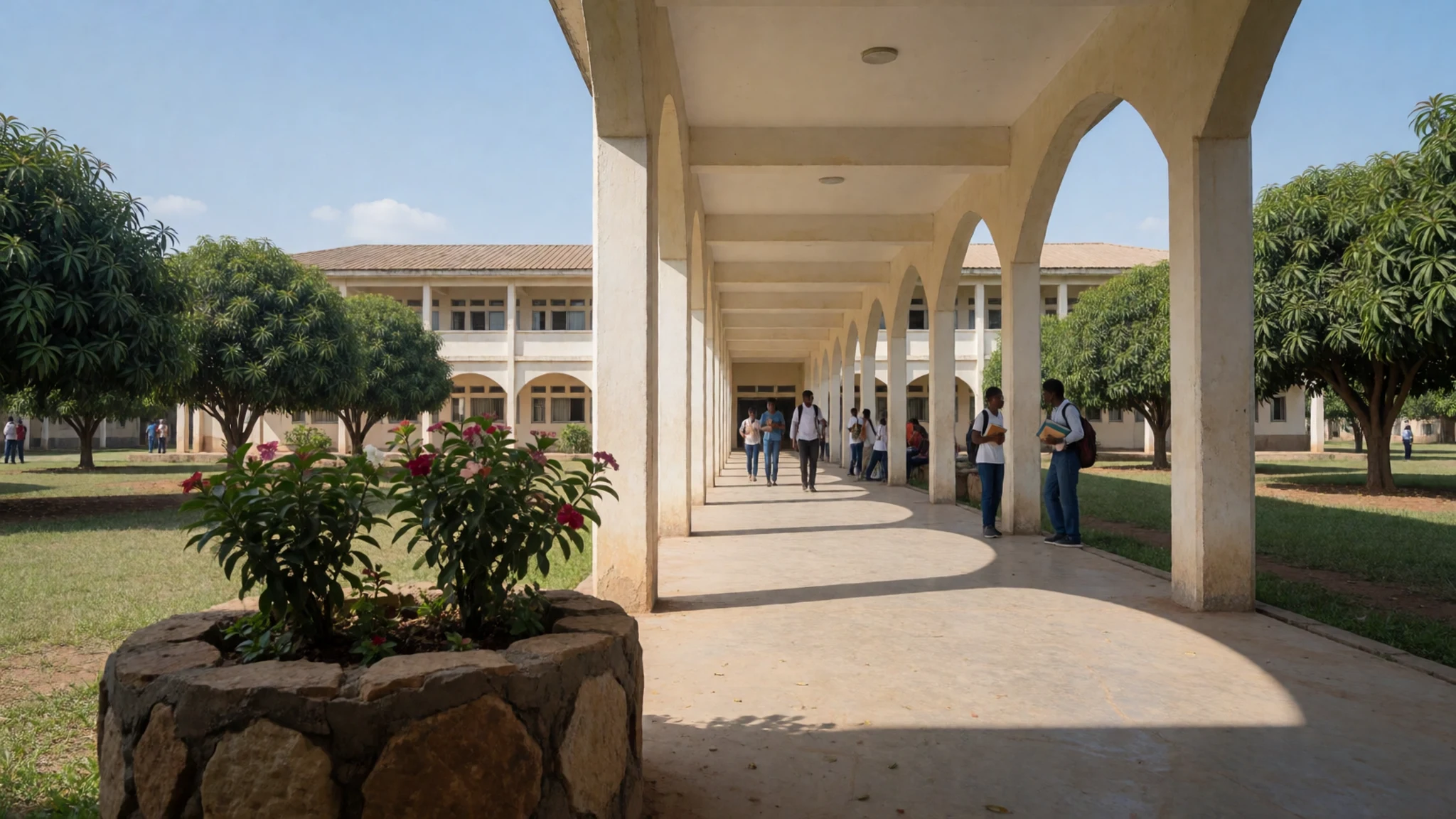
- Timbo neighbourhood — one of the old districts
Timbo is a district whose name recalls the years the townspeople spent in exile in the eighteenth century. Walking its lanes gives a feel of everyday residential Kankan, with courtyards, small shops and mosques. There is no formal attraction, so go slowly, greet people and accept that the story is told best by locals.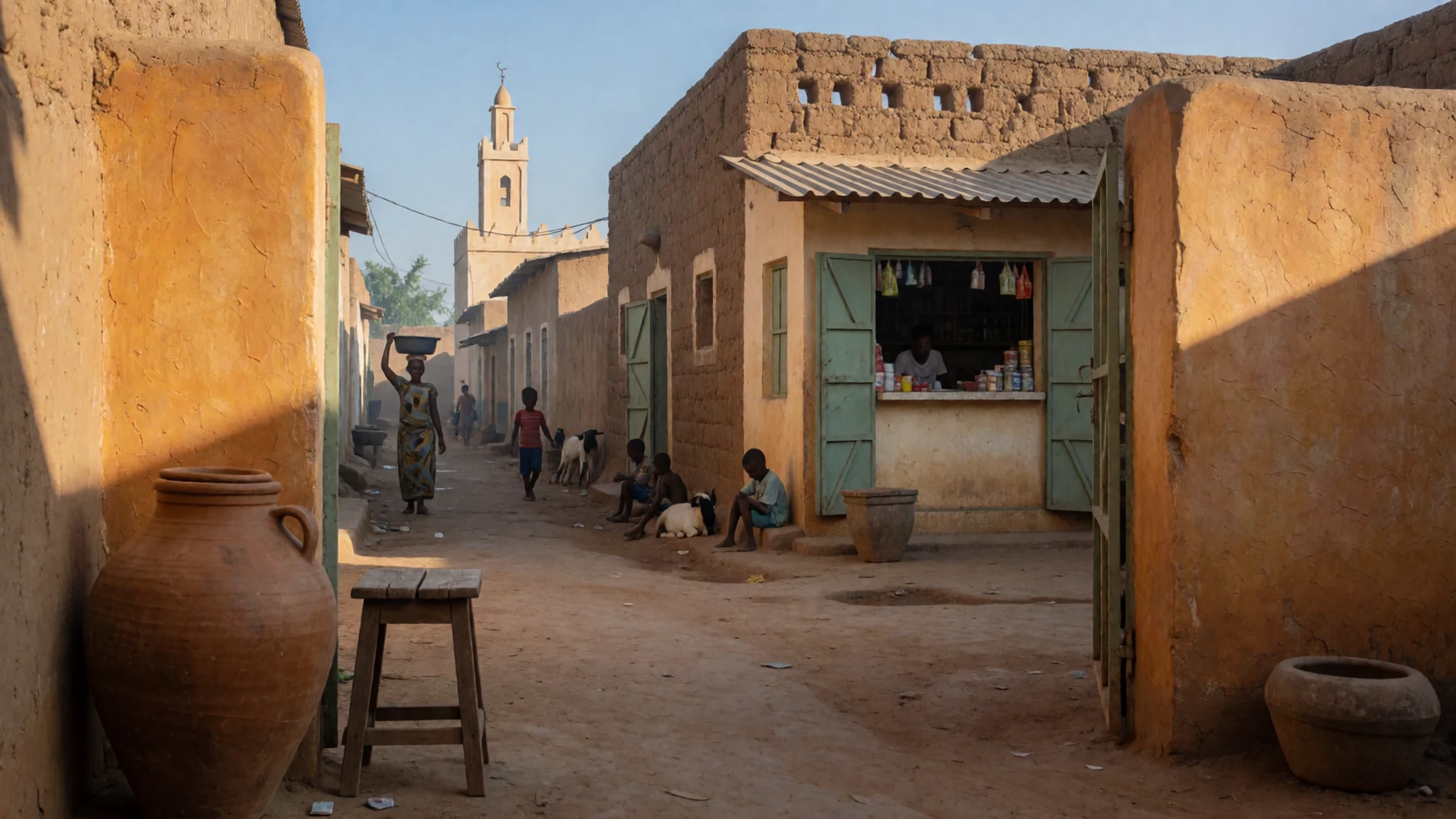
- Soundiata-Keïta military camp museum — military camp, Kankan
A museum inside the military camp holds a sculpture of Guinea's emblem and gives some national context to the city. Access to a military site can depend on permission and the situation on the day, so ask locally first and do not photograph the grounds without clearance.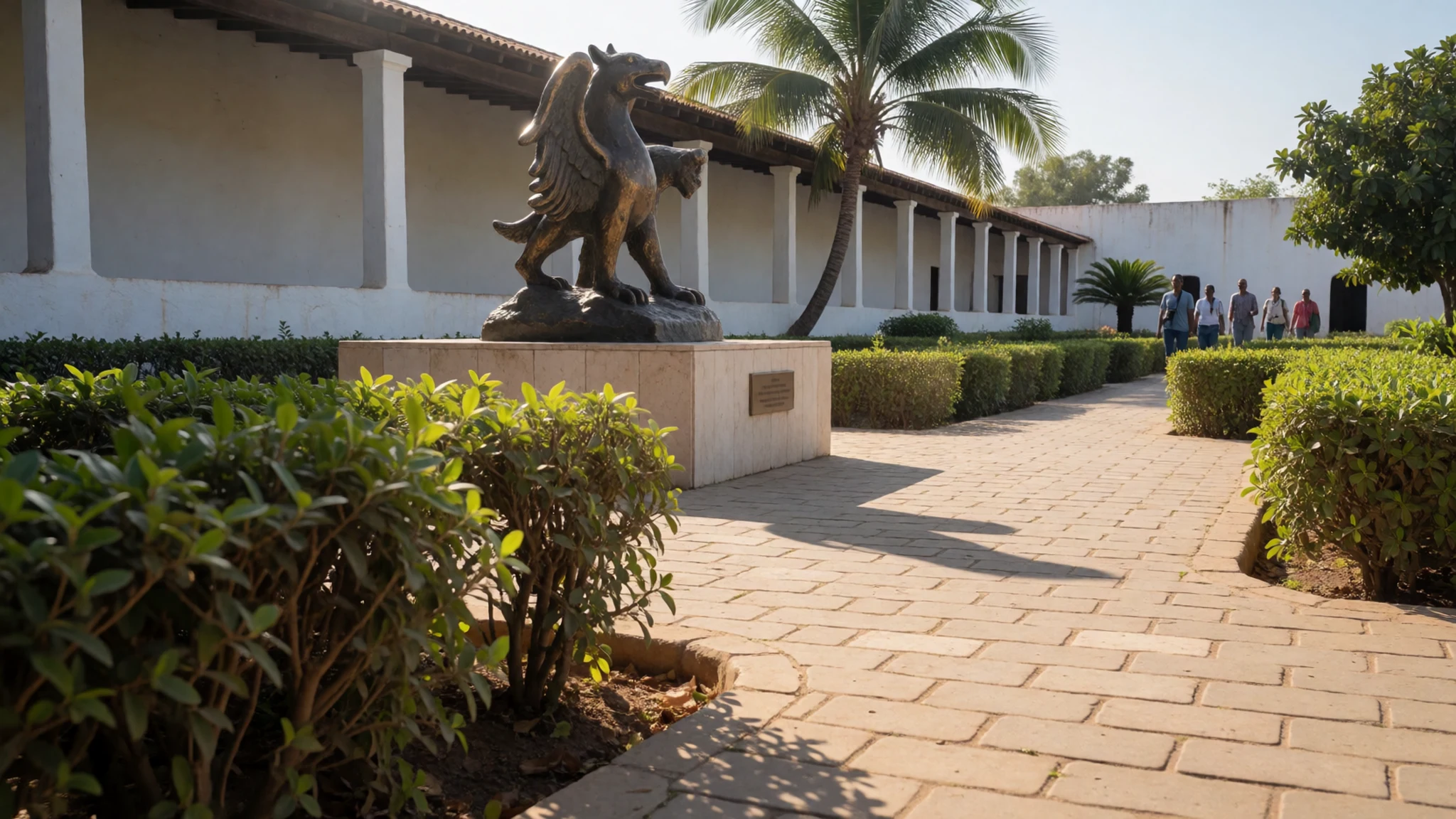
Culture
Kankan is a Mandinka city with a long Islamic scholarly tradition, and religion sets the rhythm of the day. Calls to prayer open and close the working hours, Friday is the main congregational day, and the festivals that follow Ramadan, including Tabaski, bring families together and fill the streets with music and dancing. The Mamaya tradition belongs to this festive calendar and is the cultural thread most closely tied to the city's name.
Social life leans on greeting. Conversations begin with long, courteous exchanges about health and family before any business is discussed, and rushing past them reads as rude. Malinke is the everyday language, and even a clumsy attempt at a greeting earns warmth. French helps with officials and in shops, but many people use only Malinke.
Hospitality matters. Tea is shared, guests are welcomed into courtyards, and small favours are expected to be returned in kind. The city's story as a refuge, a trading town and a seat of scholarship explains its pride: people here speak of Kankan as a place that protects and receives. Music runs through evenings, with bars playing Guinean, Malian, Ivorian and Senegalese sounds for those who like to dance.
The university and the river port add layers of student life and labour, so the city feels busy and practical rather than staged for visitors. Dress and conduct are conservative by default, especially around the mosque and during religious periods. Remove your shoes before entering any mosque or home, and always ask before photographing people, prayer spaces or anyone working at the river.
What to wear
In Kankan, traditional dress follows the wider Mandinka and West African Muslim pattern. Men wear the boubou, a long, wide-sleeved robe, often over matching trousers, in cotton or in glossy dyed damask known locally as bazin. Women wear wrapped skirts and fitted tops or long dresses cut from wax-print cotton, with a headscarf or a tied head wrap. The finest outfits come out for Friday prayers, weddings and the festivals after Ramadan, when tailors are busy and colours are bold.
On an ordinary day, people dress practically for the heat. Many men wear shirts and trousers or a lighter tunic, students wear casual clothes, and women often mix a modern top with a wrapped cloth. Football shirts, caps and sandals are common, and motorbike riders wear whatever suits dust and wind. Tailors are cheap and everywhere, so ready-made styles sit beside bespoke ones.
Visitors should aim for loose, light, long clothing. Cotton or linen shirts with sleeves, trousers or long skirts cope best with heat and also keep within local modesty norms; women will feel more comfortable with shoulders and knees covered and a light scarf to hand for mosques. Shorts and sleeveless tops draw attention. Closed shoes or sturdy sandals suit dusty, uneven streets, and slip-on footwear is useful because shoes come off often. Bring a hat and sunscreen for the hot months, and a light rain layer if travelling in the wet season.
What to eat
- Rice with leaf sauce — local eateries near the main market
Rice served with a sauce of pounded cassava or potato leaves, often cooked with palm oil, fish or meat, is a staple of Guinean home cooking. It is filling and savoury. Ask for it at modest local eateries around the markets, usually served at midday.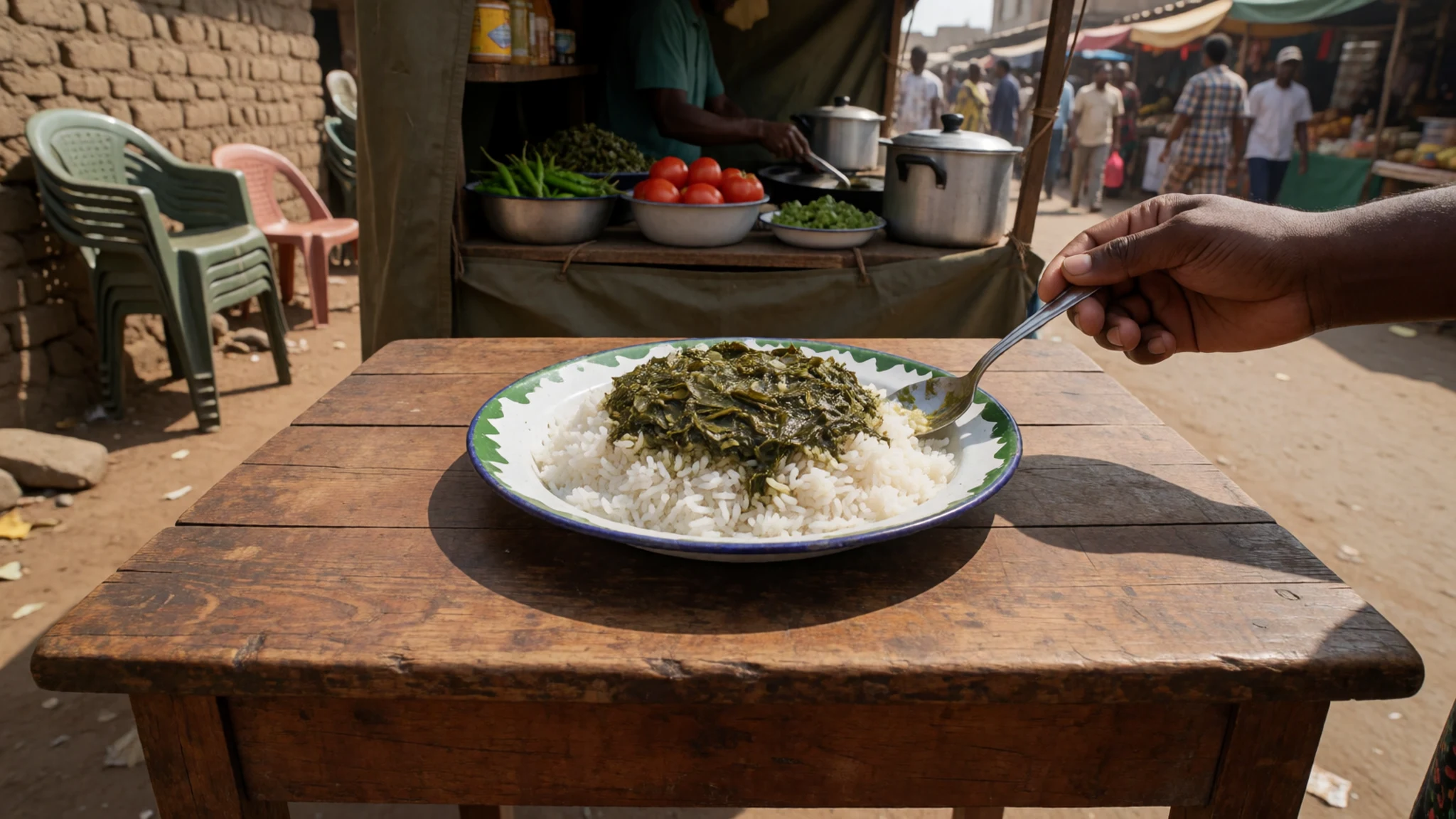
- Peanut sauce with rice — family-run lunch eateries and household meals
A thick groundnut sauce, simmered with chicken, beef or vegetables and spooned over rice, is a staple across Mandinka cooking. Expect a rich, earthy flavour with some heat. Look for it at family-run lunch spots and at home when invited to share.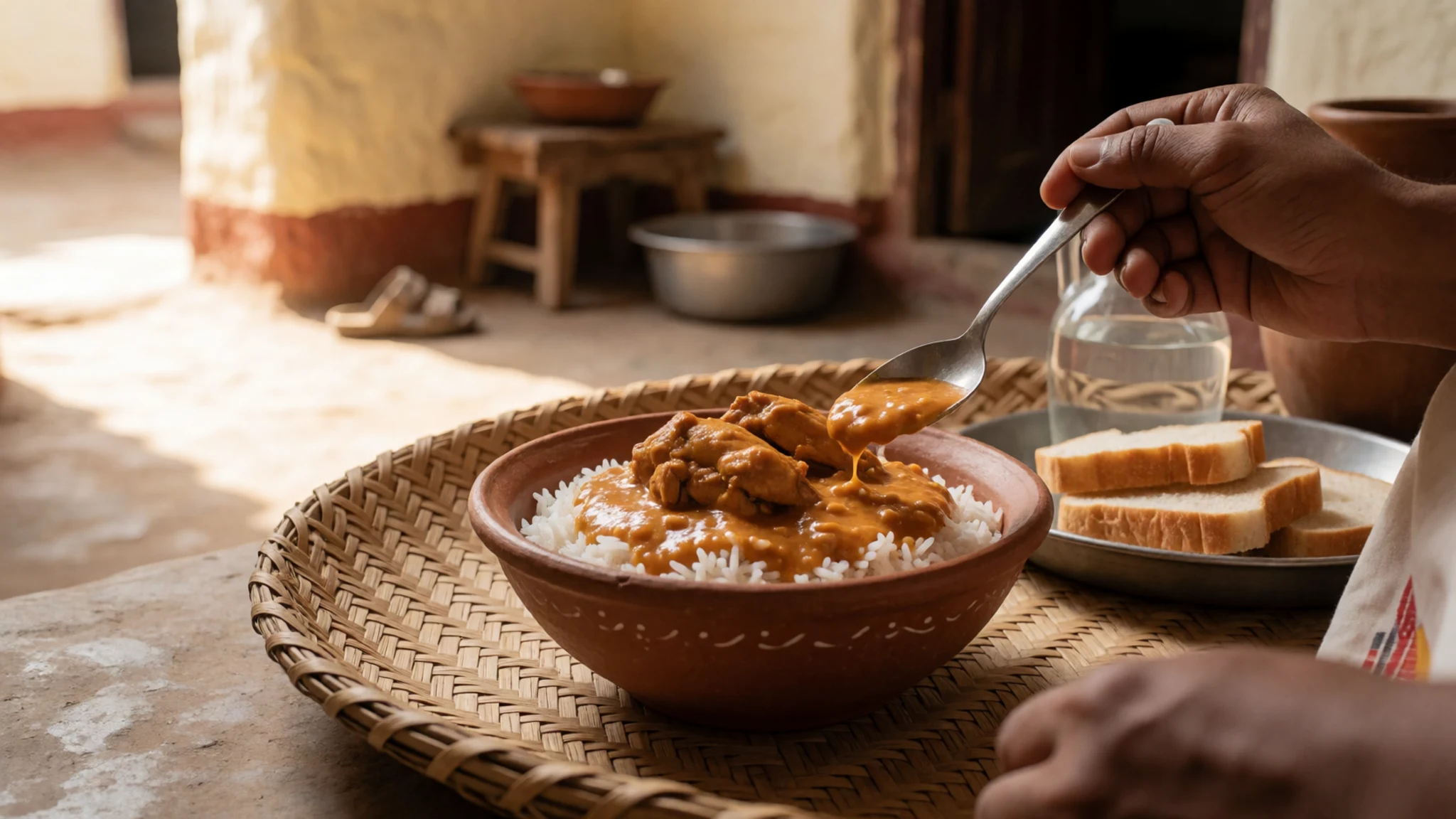
- Grilled meat and chicken — evening street stalls and roadside grills
Skewers or pieces of chicken and beef grilled over charcoal and seasoned with onion and pepper appear in the evenings. They make an easy, inexpensive supper. Choose stalls with a busy crowd and food cooked fresh in front of you. - Fonio and grain dishes — the central market and family kitchens
Fonio is a small West African grain, light and quick to cook, served like couscous with sauce or vegetables. Availability varies by season and household. Ask at markets or when eating with local families, who may prepare it for guests. - Ginger and hibiscus drinks — market stalls and roadside vendors
Chilled juices made from ginger or hibiscus flowers, sold in bottles and bags, are a welcome relief in the heat. Both are sweet and sharp. Choose sealed bottles or drinks from trusted vendors, and check that the water used is safe.
Plan it
Best time. November to February, when the dry season keeps the heat tolerable. March to May is relentlessly hot and best avoided; the rainy season makes roads slower and muddier. Time a visit for the festivals after Ramadan if you want to see Mamaya, and check the dates for that year.
How long. 1–2
Getting there. Kankan is on the road between Conakry and Bamako, around 11–12 hours by road from Conakry in normal conditions and roughly 5 hours from Bamako. Rail links to Conakry have been inactive since 1993, meaning you must rely on road transport; verify current security and road conditions before travelling.
Budget. low
Tips
- Carry cash, as cards are rarely accepted and machines may be unreliable
- Pack a torch or power bank, because blackouts are common
- Learn a few Malinke greetings and some basic French
- Drink only bottled or treated water and avoid midday heat in the hot months
- Check the latest travel advice before setting out, as conditions on the road can change
Etiquette
- Greet people before asking for anything
- Remove shoes before entering mosques and homes
- Ask before photographing people, prayer spaces or military sites
Nearby
Sources
- Wikidata Q874317 (CC0)
- Wikipedia: Kankan (rev 1378253837) (CC BY-SA 4.0)
- Wikivoyage: Kankan (rev 5285779) (CC BY-SA 4.0)
- Photo 01: Kankan regional packing's motels, Lancine.kounfantoh.fofana (CC BY-SA 4.0)
- Photo 02: Kankan, Maarten van der Bent (CC BY-SA 2.0)
- Photo 03: Grande Mosquée de Kankan, LamineNoracisse (CC BY-SA 4.0)
- Photo 04: Regional parking of kankan, Lancine.koufantoh.fofana (CC BY-SA 4.0)
- Photo 05: Entrance to the city of Kankan, LamineNoracisse (CC BY-SA 4.0)
- Photo 06: Camion, Arabiya aïcha (CC BY-SA 4.0)
- Photo 07: Sculpture of the emblem of Guinea, Mamadou Saliou Kondjira (CC BY-SA 4.0)
- Photo 08: Flusshafen für Sand am Milo, Flucco (CC BY-SA 4.0)


