Dalaba
Dalaba, Guinea
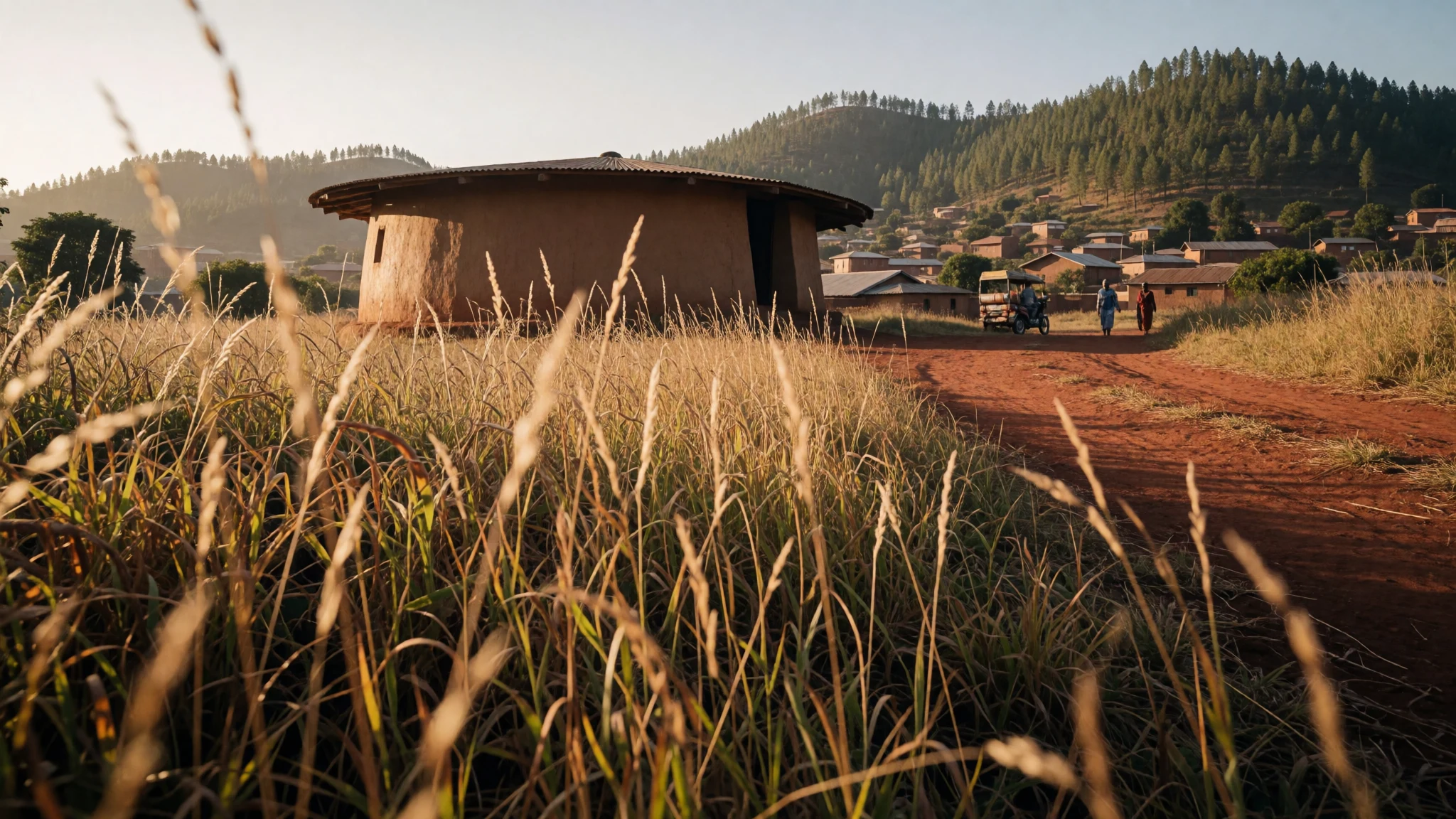
Dalaba is Guinea's cool, pine-scented highland town, worth a pause for Sunday market, waterfalls, strawberries and a French colonial retreat.
The place
Dalaba is a small town in the Mamou Region of Guinea, in the Futa Djalon highlands, and its altitude is the whole point of the place. At roughly 1300 m it is the highest town in the country, so the air is cooler and fresher than on the coast or in the capital, Conakry, which lies about 200 km away by air and some 280 km by road. Most residents are Fula (Peul, Fulɓe), Pular is the everyday language, and the town's name is also written in Fula script as 𞤁𞤢𞤤𞤢𞤦𞤢𞥄. Pine trees, morning mist and red earth tracks give the surroundings a look quite unlike lowland Guinea. The centre is a single main market street of shops, stalls and motorbike taxis, and Sunday is market day, when people come in from the surrounding hills to buy and sell. The town is also known for its strawberries, an unexpected crop for West Africa. It once had a sanatorium, a sign of its old reputation as a place to recover. Visitors should expect a quiet town rather than a polished resort: simple places to stay, modest eateries, and a pace set by weather and market days. Dalaba works well as a pause on the long overland route between Conakry, Labé and the borders with Senegal and Guinea-Bissau, or as a base for walks to waterfalls and rock bridges in the hills around it.
Its story
Dalaba's story is one of borrowed climates. During the French colonial period the town became a retreat for officials and settlers who wanted relief from the heat of the lowlands, and altitude explains why. A sanatorium was built here, and the former residence of the regional French governor, Villa Sili, still stands as a reminder of that era. Locals say snow fell on the town once, long ago, a tale that tells you more about how cold the nights feel than about the weather records. Early in the twentieth century the French botanist Auguste Chevalier trialled several pine species on the slopes nearby. The plot became known as the Chevalier arboretum and today carries the name Barry Gassimou garden. The pines are still part of the town's character, and they are a large reason it smells so different from the rest of the country. Dalaba also has a musical footnote. The South African singer Miriam Makeba, famous for 'Pata Pata', lived here while she was in exile in Guinea. Her house is a round building from French times that follows the form of traditional homes in the region, and it stayed in her family afterwards, with a niece living there for years. Behind all of this, the Fula majority gives the town its everyday rhythm, from market days to the indigo dyeing done by local women.
What to see
- Main market street — Town centre
The main street through the centre of Dalaba is where the town's life is easiest to read: stalls, small shops, motorbikes and neighbours talking. Sunday is market day and by far the liveliest time, with traders arriving from nearby villages. Come in the morning, bring small notes, and ask before photographing anyone.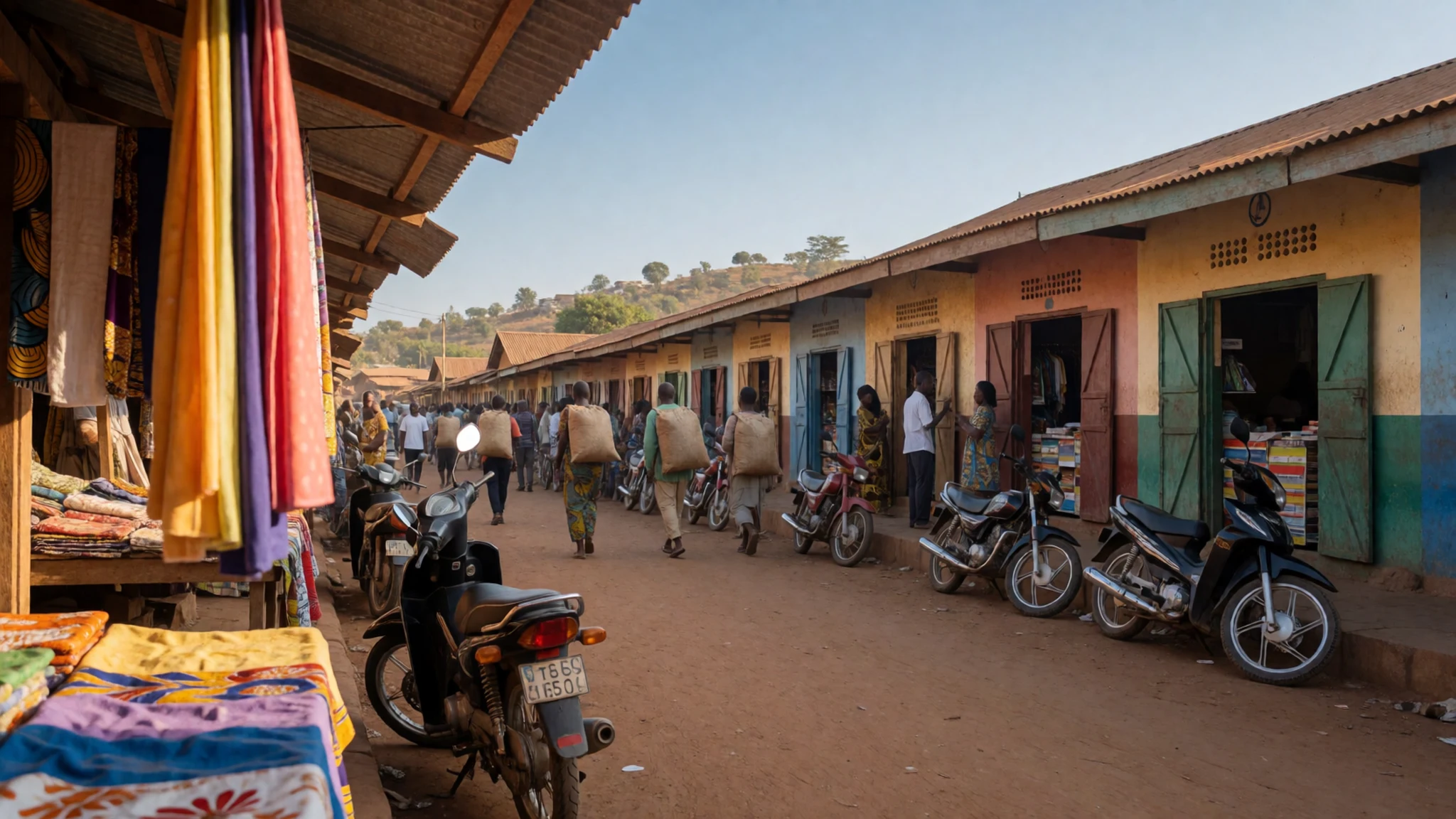
- Case à Palabres — Dalaba town
A circular building in the Fulani style, known for the mosaics that decorate its interior. The round form echoes traditional houses of the region and gives a good sense of local building ideas. Ask in town about access, since opening is informal, and a small tip for whoever shows you around is customary.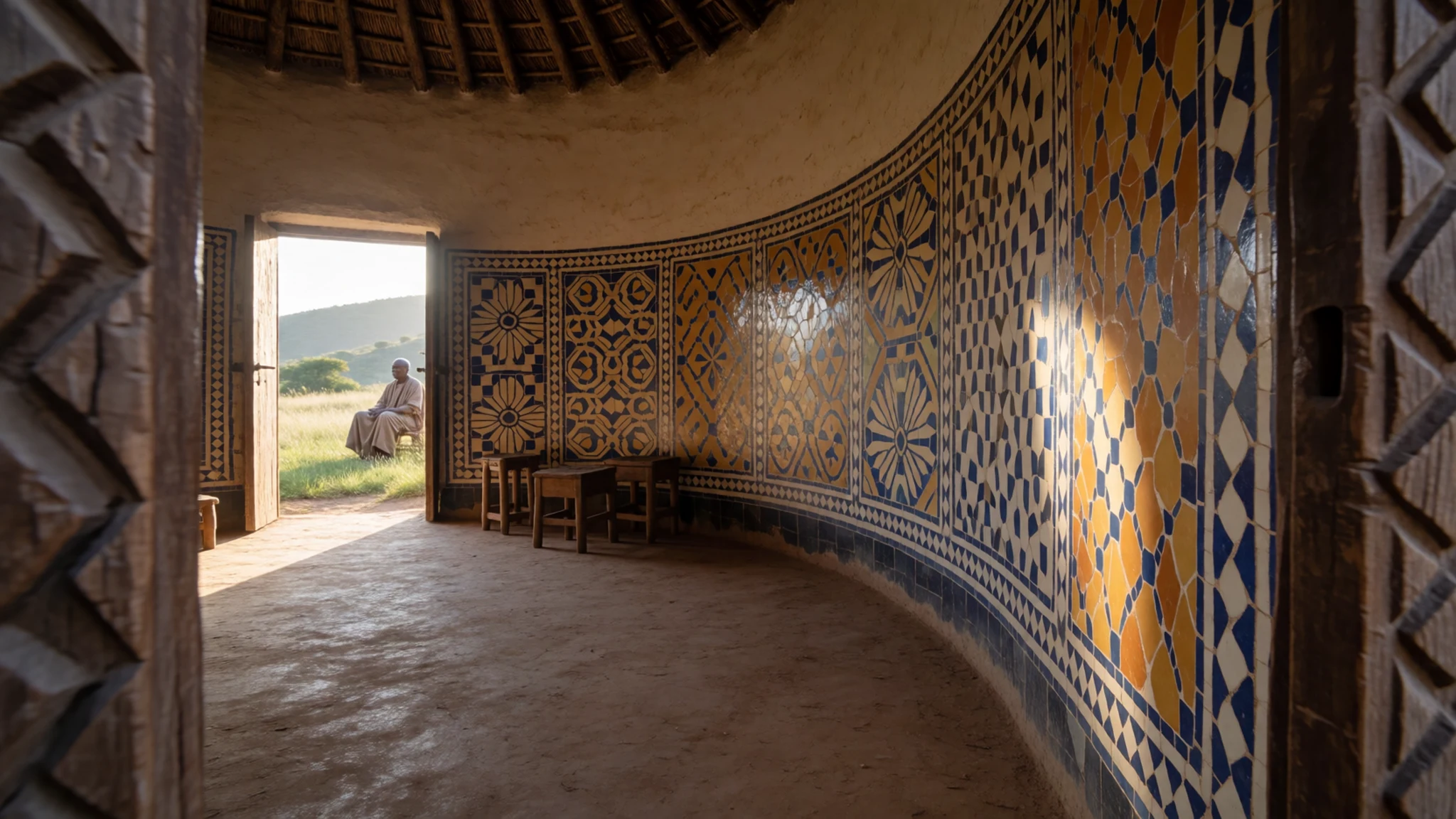
- Villa Sili — Dalaba town
Villa Sili was once the home of the French governor of the region, and it is the clearest surviving sign of Dalaba's colonial role as a cool-weather retreat. Treat it as a short architectural stop rather than a major sight. Check locally whether the grounds can be entered.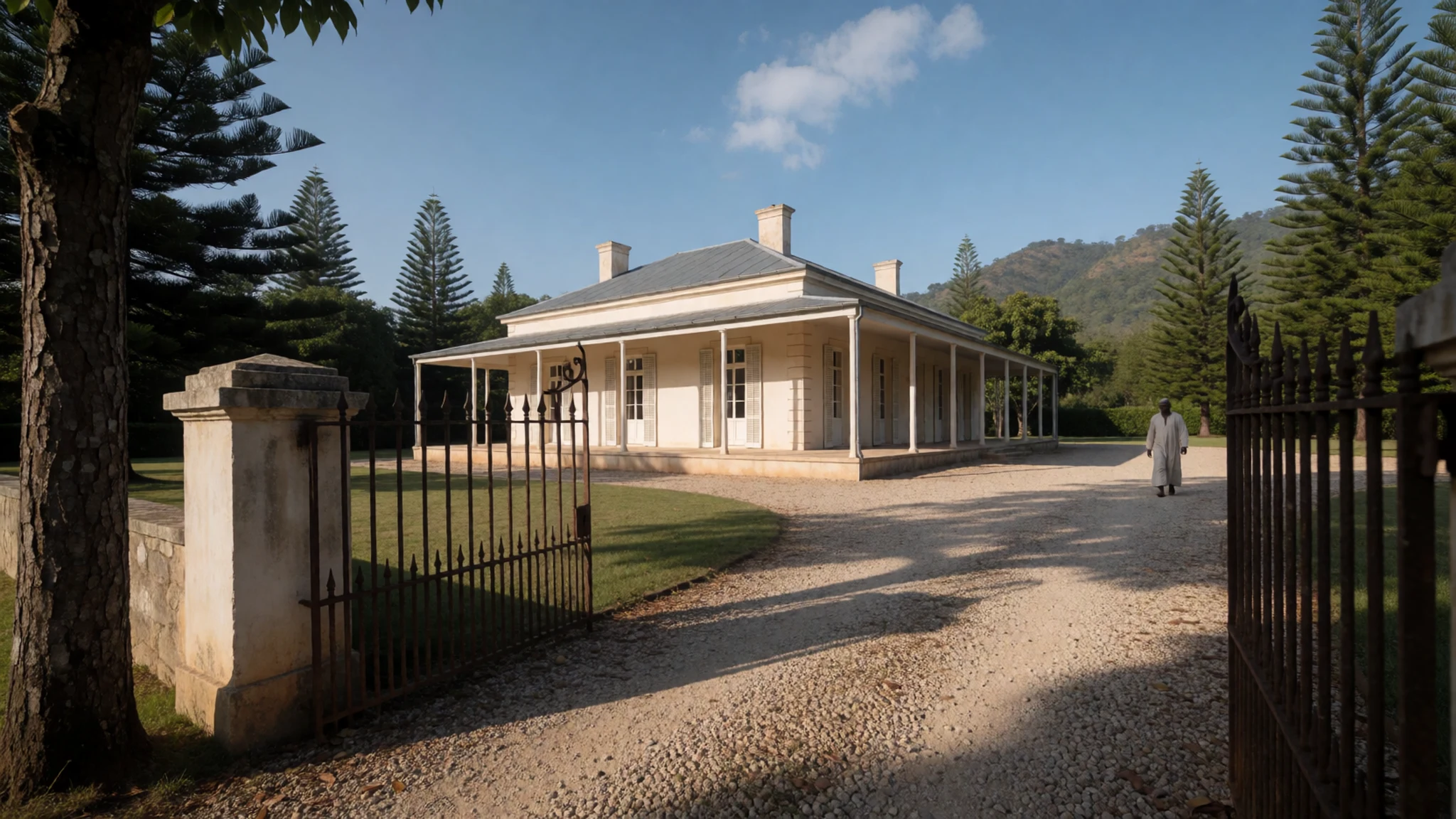
- Barry Gassimou garden — Edge of town
This wooded plot began as the Chevalier arboretum, where a French botanist tested pine species on the highland slopes. The pines survive and make a shady, resin-scented place to walk, good for escaping the midday sun. It is a calm spot, best in the morning when the air is cool.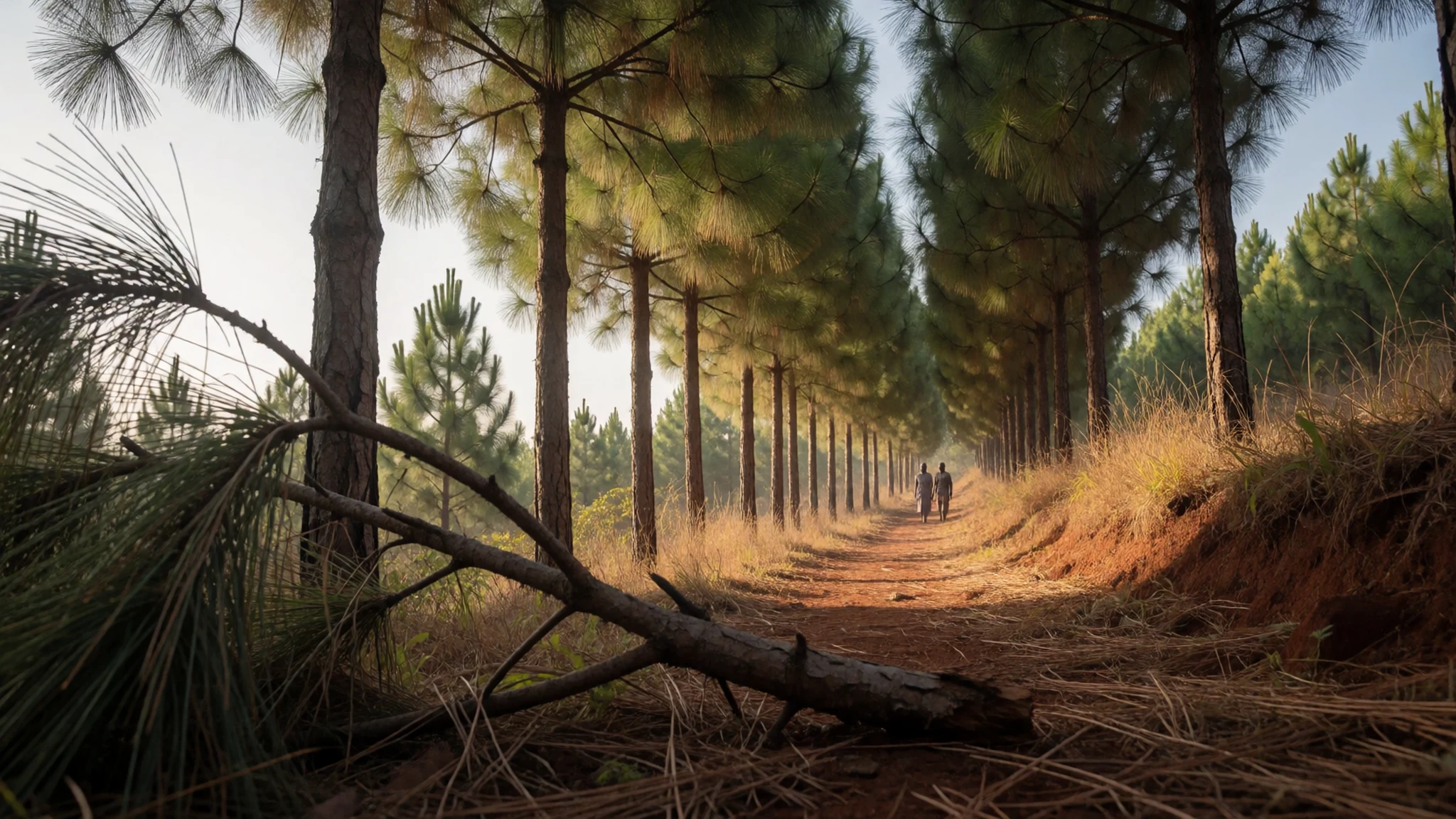
- Chutes de Ditinn — Hills outside Dalaba
A tall waterfall that drops straight off a cliff face. Flow depends on the season, so the rainy months show it at its fullest while the dry months give easier paths. Go with a local guide or driver, as tracks are rough and signposting is thin, and wear shoes with real grip.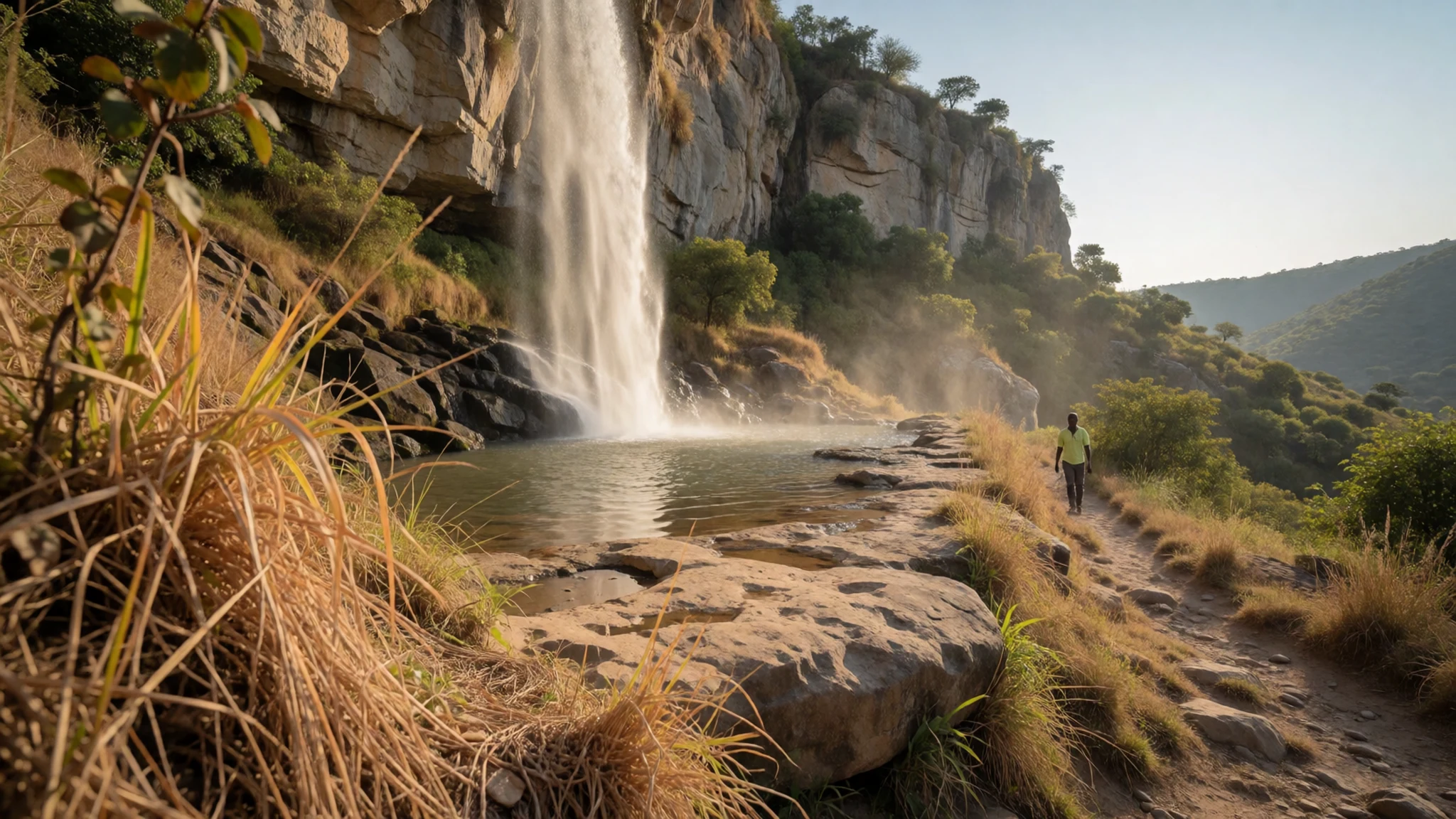
- Pont de Dieu and the viewpoints — East of Dalaba, past Dara
A hike east of town leads to Le Pont de Dieu, a natural rock bridge, and ask for directions at the crossing near Dara, as the right turn is easy to miss. Going straight on may only work in the dry season. Viewpoints closer in look over the town centre and nearby hills.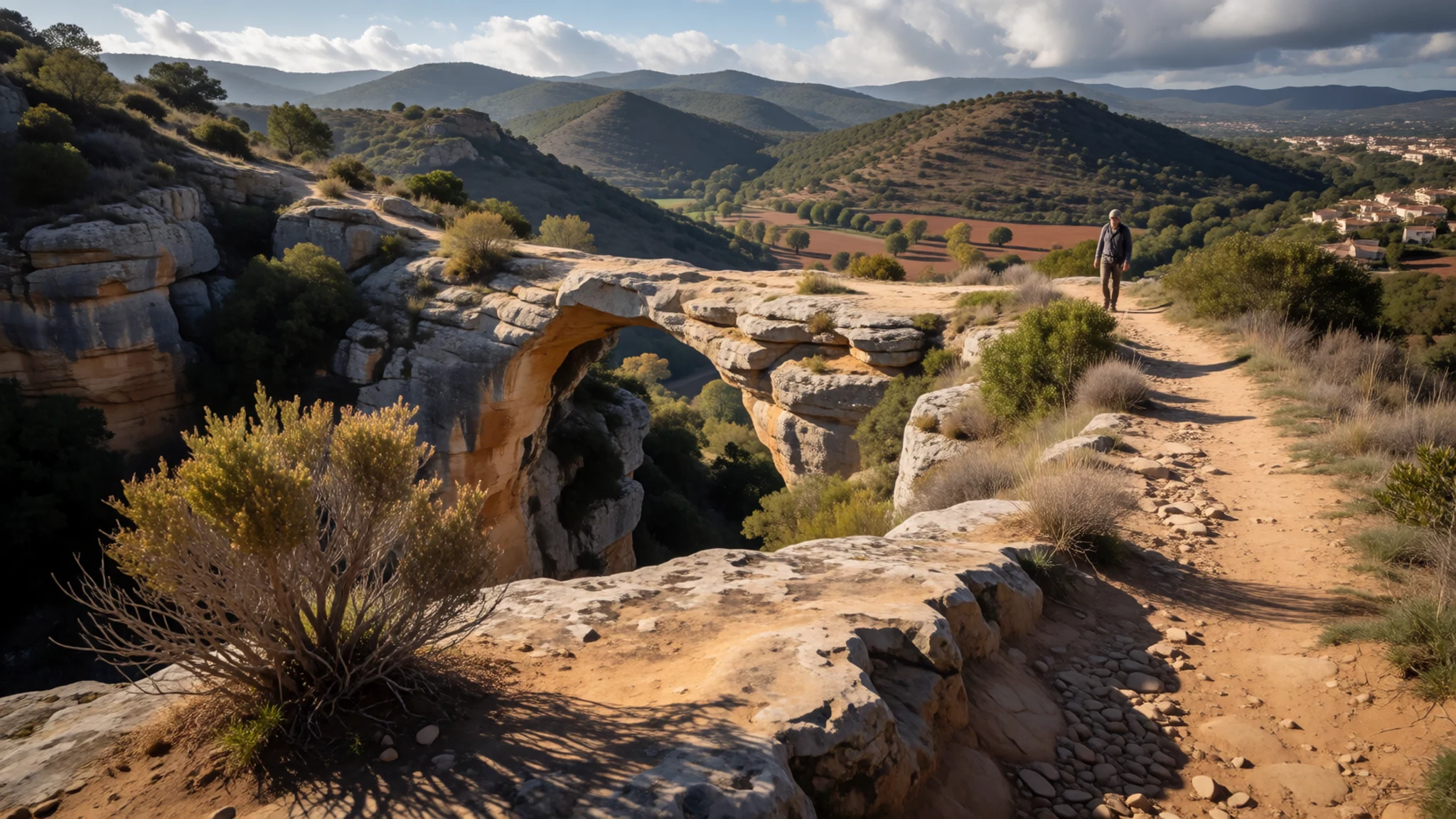
Culture
Dalaba is a Fula town, and Fula customs of hospitality, courtesy and modesty set the tone of daily life. Greetings matter: people exchange several rounds of enquiries about health, family and the day before getting to business, and rushing through them reads as rude. Most residents are Muslim, so the rhythm of the day follows prayer times, Fridays are quieter, and Sunday market is when the town is busiest. The circular house, the sort seen in the Case à Palabres and in Miriam Makeba's old home, reflects older Fula building traditions that mix well with the colonial villas found around town. Women's indigo-dyed cloth is a local craft, made with patient tie-dye work, and buying from the makers is better than buying from resellers. Music is part of the town's story too, thanks to Makeba, and evenings in the hills can bring radio songs, drumming or singing at celebrations. Hierarchy and age are respected, so greet elders first and use your right hand for giving, receiving and eating. Guinea's official language is French, but a few words of Pular are warmly received. Visitors are guests rather than spectators, and people expect that to show in behaviour. Always ask permission before photographing a person, a market stall or a family compound, and respect a refusal without argument.
What to wear
Traditional dress in Dalaba reflects Fula and wider Guinean tastes: long, loose robes for men, often in cotton, worn with a cap or a turban, and wrapped cloths with matching tops and head ties for women. The best-known local textile is cotton damask dyed deep indigo by the women of Dalaba in detailed tie-dye patterns, each piece made by hand over several days. Such cloth is worn for weddings, religious festivals and naming ceremonies, and is often sold by the length for tailoring. Everyday clothing today mixes that heritage with the practical: bright wax-print cloth made up by local tailors, plain shirts and trousers, jeans and trainers among younger people, and headscarves for many women. Football shirts are everywhere. Because the town sits high, mornings and evenings can be cool enough for a jumper or light jacket, and the rainy season brings downpours. Visitors should dress modestly, since this is a conservative Muslim community: shoulders and knees covered for both men and women, and loose lightweight cotton rather than shorts or vests. Women may like to carry a light scarf for mosques or family visits. Wear sturdy closed shoes or trainers with good grip for muddy paths and waterfall walks, and pack a rain layer outside the dry season.
What to eat
- Dalaba strawberries — Sunday market and roadside stalls
The town's best-known product, grown in the cool highland climate and sold fresh in season. Buy them from market stalls or roadside sellers and wash them with bottled or treated water. Availability varies with the weather, so ask what is currently being picked.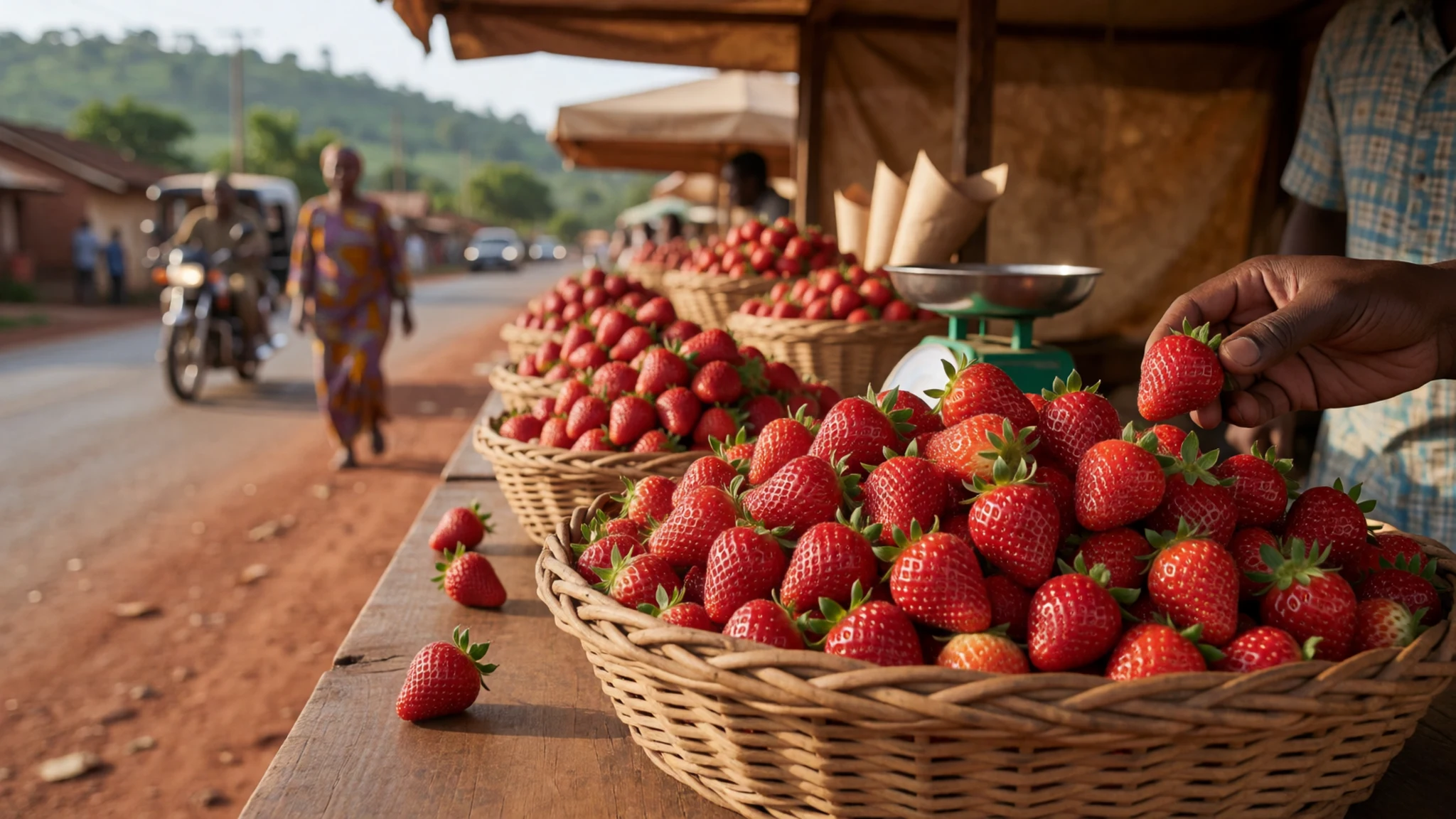
- Rice with sauce — Simple local eateries near the market street
The staple meal across Guinea: a plate of rice topped with a sauce of leaves, groundnuts or tomato and oil, often with fish or meat. Portions are generous and usually shared. It is filling after a day's walking.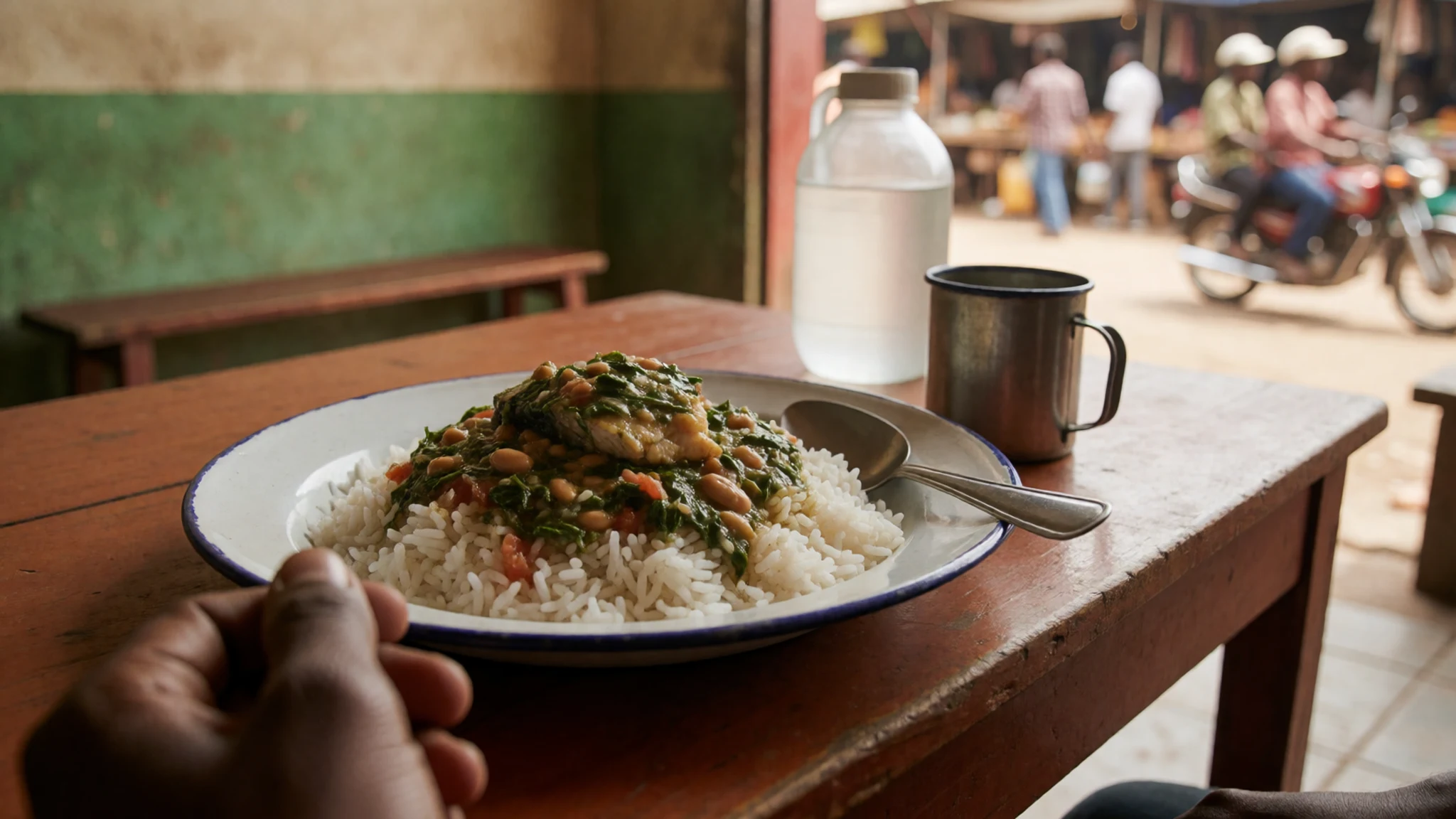
- Fonio — Family kitchens and local eateries; ask by name
A fine, quick-cooking grain grown across the Futa Djalon region and served like couscous, usually with a sauce or vegetables. It has a light, nutty taste and is a good alternative to rice when it is offered. - Grilled meat skewers — Evening street stalls around the centre
Pieces of beef or lamb grilled over charcoal and seasoned with pepper and onion, sold in the evening. They are inexpensive, smoky and best eaten hot, straight from the grill, wrapped in paper. - Bread with omelette and coffee — Roadside breakfast stalls and small cafés
A common breakfast across Guinea: a baguette filled with fried egg and onions, with sweet coffee or tea. In Dalaba's cool mornings it is a welcome, quick start before a hike.
Plan it
Best time. November to February is the dry season and the easiest time for hiking, viewpoints and reaching the rock bridge. The rainy season turns tracks to mud but gives fuller waterfalls and green hills. The altitude keeps Dalaba cooler than the coast all year, with chilly nights.
How long. 2–3
Getting there. Fly into Conakry, then travel by road to Dalaba, about 280 km, which is a long day by shared taxi or minibus. From Labé the journey is shorter, and Mamou is the nearest larger town on the main road. Prices change, so confirm fares locally before setting off.
Budget. low
Tips
- Leave Conakry very early, as road journeys take most of a day
- Time a visit for Sunday, when the market is busiest
- Carry cash in small notes, as cards are rarely accepted outside the capital
- Pack a warm layer for evenings and a rain jacket outside the dry season
- Hire a local guide for waterfalls and the rock bridge, as paths are poorly marked
Etiquette
- Dress modestly, covering shoulders and knees
- Greet people before asking for anything, and ask before taking photographs
- Use your right hand for giving, receiving and eating
Nearby
Sources
- Wikidata Q984798 (CC0)
- Wikipedia: Dalaba (rev 1386183224) (CC BY-SA 4.0)
- Wikivoyage: Dalaba (rev 4771384) (CC BY-SA 4.0)
- Photo: Centre of Dalaba, main market street, Jonathan Müller (CC BY-SA 4.0)
