Dame de Mali
Dame de Mali, Guinea
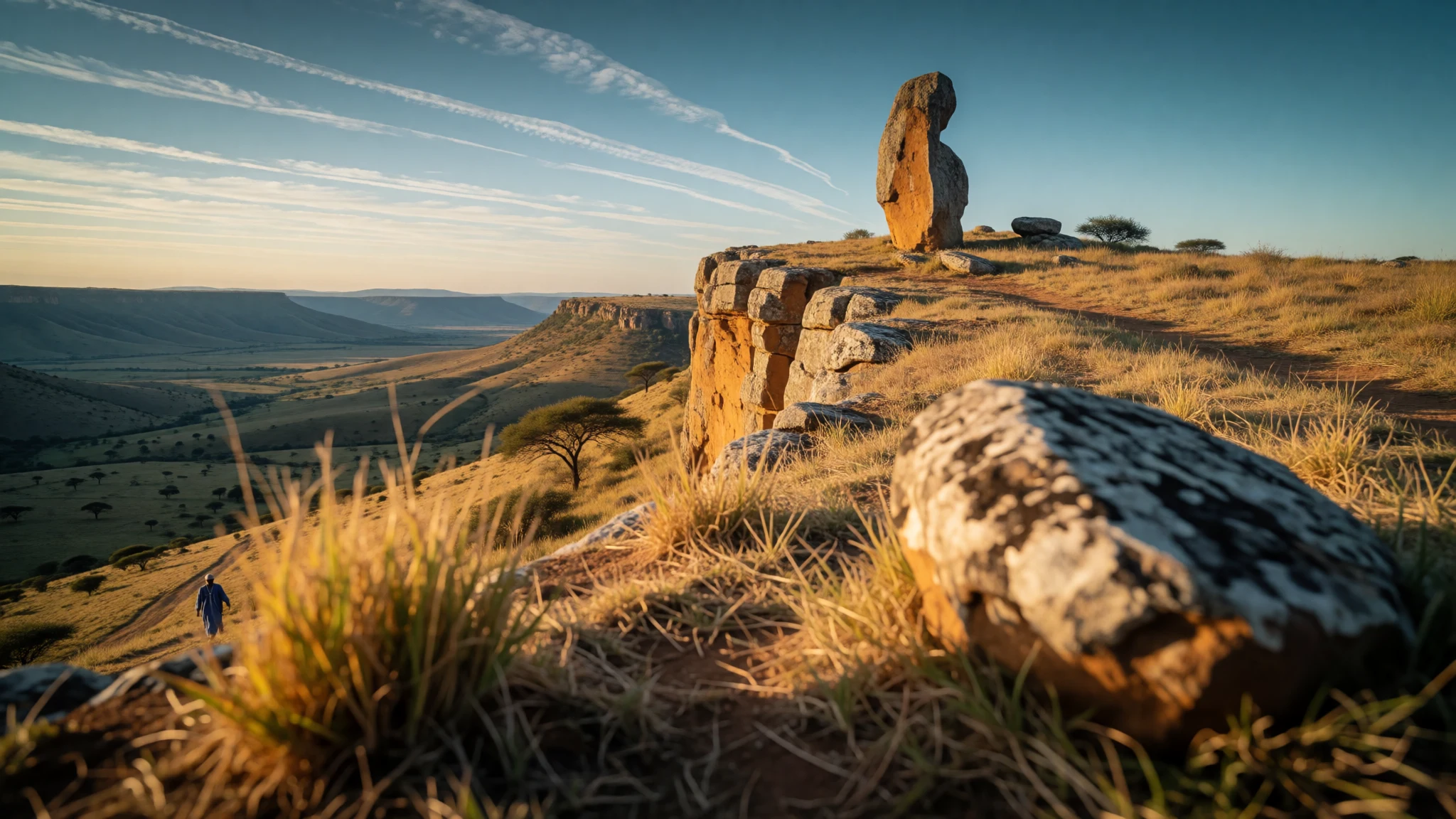
Dame de Mali is a cliff-edged peak at the northern end of Guinea's Fouta Djallon, with views that stretch toward Senegal and Mali.
The place
Dame de Mali is the popular name for Mount Loura, called Fello Loura in Pular, a mountain in northern Guinea that reaches 1,573 metres. It marks the northern edge of the Fouta Djallon, the highland region that is the heartland of the Pular-speaking Fula people. The nearest town is Mali-ville, the prefecture seat, about 7 km away, and the mountain belongs to a cluster of hills called the Massif de Tamgue. On three sides the massif drops in steep cliffs, which is why the outlook is so wide: on a clear day the land falls away toward Senegal and Mali. The mountain is a prominent landmark in the region, known locally as Mount Loura. Its high elevation provides a commanding presence over the surrounding landscape, making it visible from a distance. This is not a managed park in the usual sense. Visits are arranged locally, facilities across Guinea are thin, and a trip here feels closer to a small expedition than a day out. The rewards are cooler air than the lowlands, farmland and villages on the plateau, and a real sense of standing on the rim of a high country. Dry-season haze can flatten the view, and in the rains the tracks turn to mud. Guinea's overall size is similar to that of the United Kingdom, and distances feel longer than the map suggests because roads are slow.
Its story
Dame de Mali stands in a region whose story long predates the modern state of Guinea. The Fouta Djallon highlands were the base of a long-lived Islamic state led by Pular-speaking Fula scholars and warriors, and the plateau's villages, Quranic schools and farms still carry that heritage. Later the territory passed through a series of empires before the French took control in the late nineteenth century and made it part of French West Africa. Guinea declared independence in 1958 under Ahmed Sékou Touré, a socialist who wanted a self-reliant nation and drew steady criticism abroad for repressing his opponents. After he died in 1984, General Lansana Conté took over. Hopes of change faded, many promises went unmet, and the multiparty elections that followed were repeatedly disputed. When Conté died in 2008 without naming a successor, Captain Moussa Dadis Camara seized power in a coup, which many Guineans saw as one more setback. Against that background the mountain has become a quiet point of local pride: a landmark people in the region point to and photograph, while the country around it remains rich in minerals and short of roads, power and services. The mountain has no recorded founding story in the available records, so local explanations are best heard from people in Mali-ville.
What to see
- The summit of Mount Loura — Summit area, Mount Loura
The summit of Mount Loura stands near the top of Mount Loura, a slim stone form whose outline people read as a woman's head and shoulders. The air is freshest here at dawn, before the midday heat sets in. Asking in Mali-ville for someone who knows the approach is the practical way to reach it.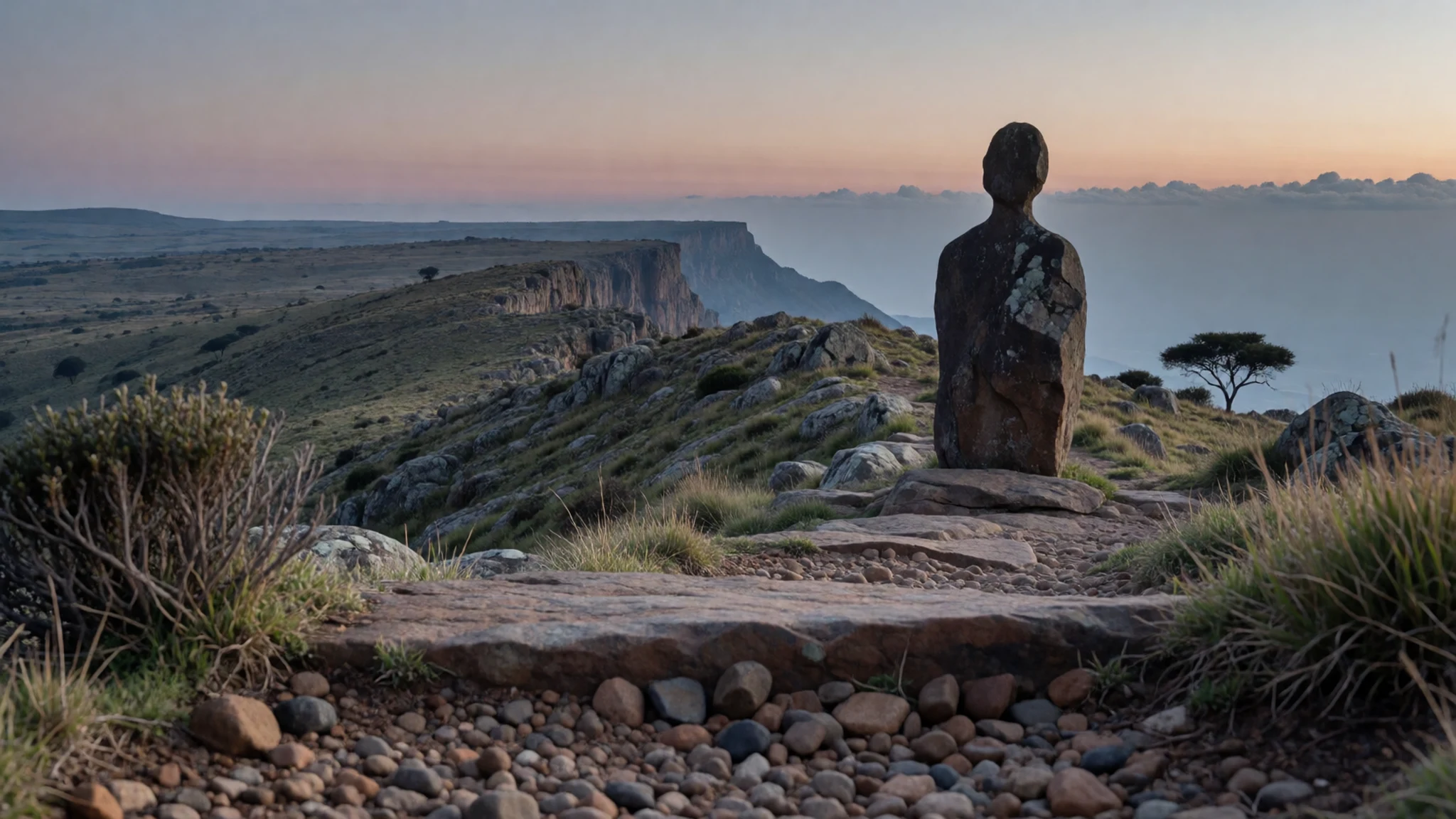
- Cliffs of the Massif de Tamgue — Massif de Tamgue
Mount Loura belongs to the Massif de Tamgue, a block of highland that ends in steep cliffs on three sides. The drop is the thing to respect: edges are generally unprotected, grass can hide gaps, and wind rises near the rim. Keep back from the lip, walk with a local companion, and avoid wet rock.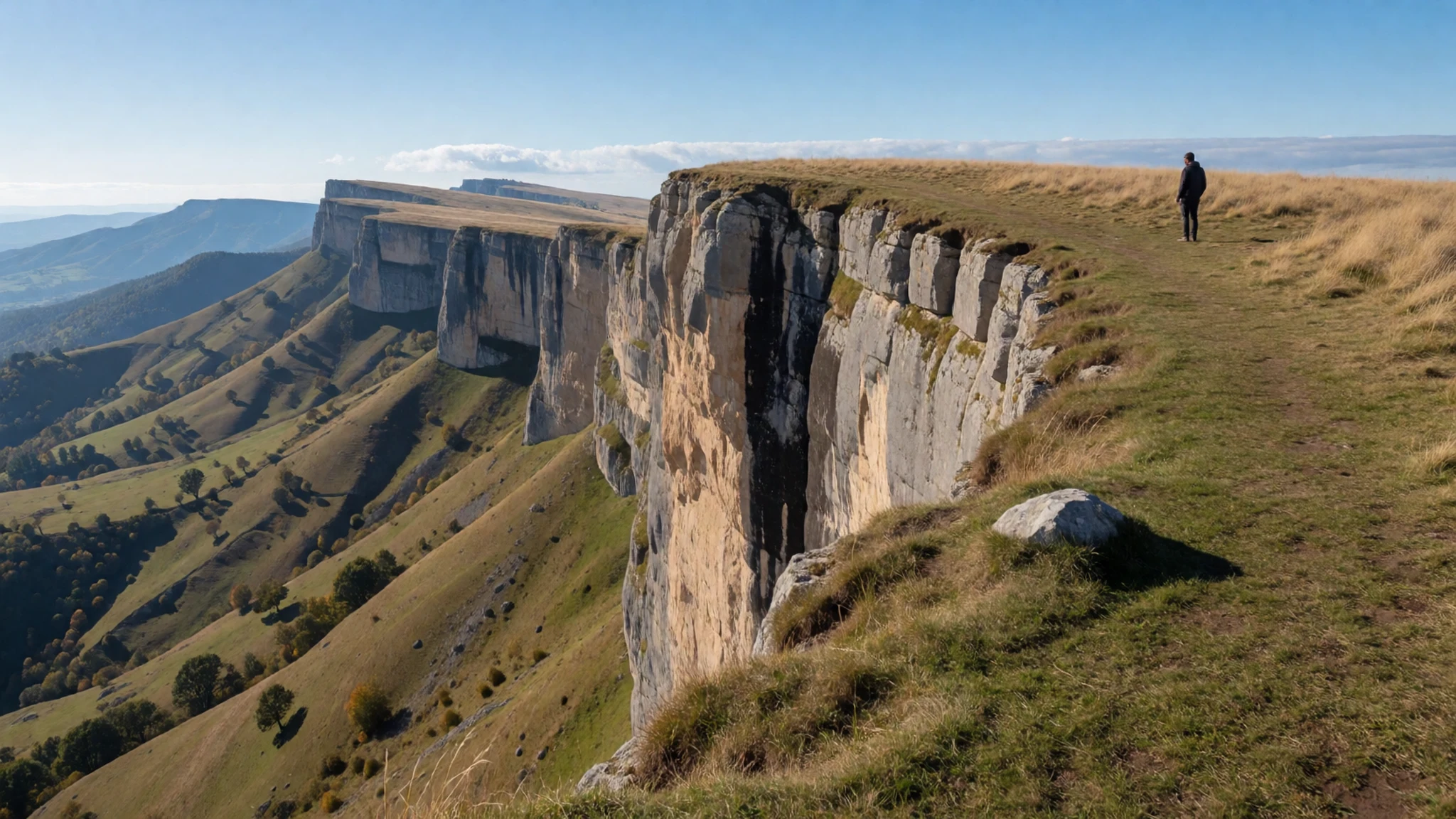
- The view toward Senegal and Mali — Summit ridge
From the top of Mount Loura the land opens out toward Senegal and Mali, a long outlook over folded plateau country. Clear mornings after the rains give the best chance of sharp distance, while dry-season haze can wash it out. Bring water and start early, as there is little shade once the sun is up.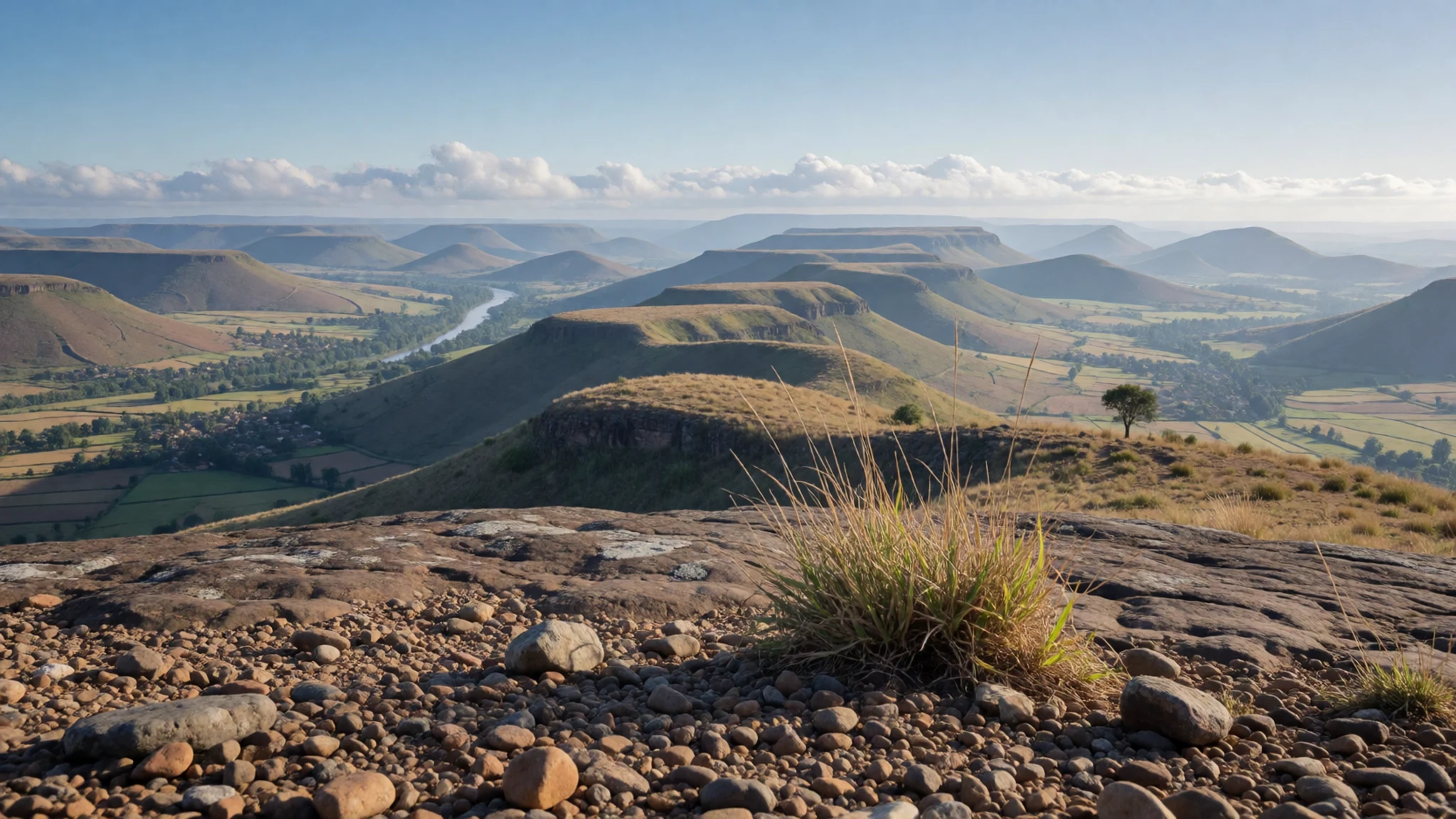
- Mali-ville — Mali prefecture, Fouta Djallon
Mali-ville is the prefecture town about 7 km from the mountain and the sensible base for a visit. It is a working market town rather than a resort, so expect simple lodging and basic supplies, and arrange a guide or transport by asking around. Carry cash and any medicines you need.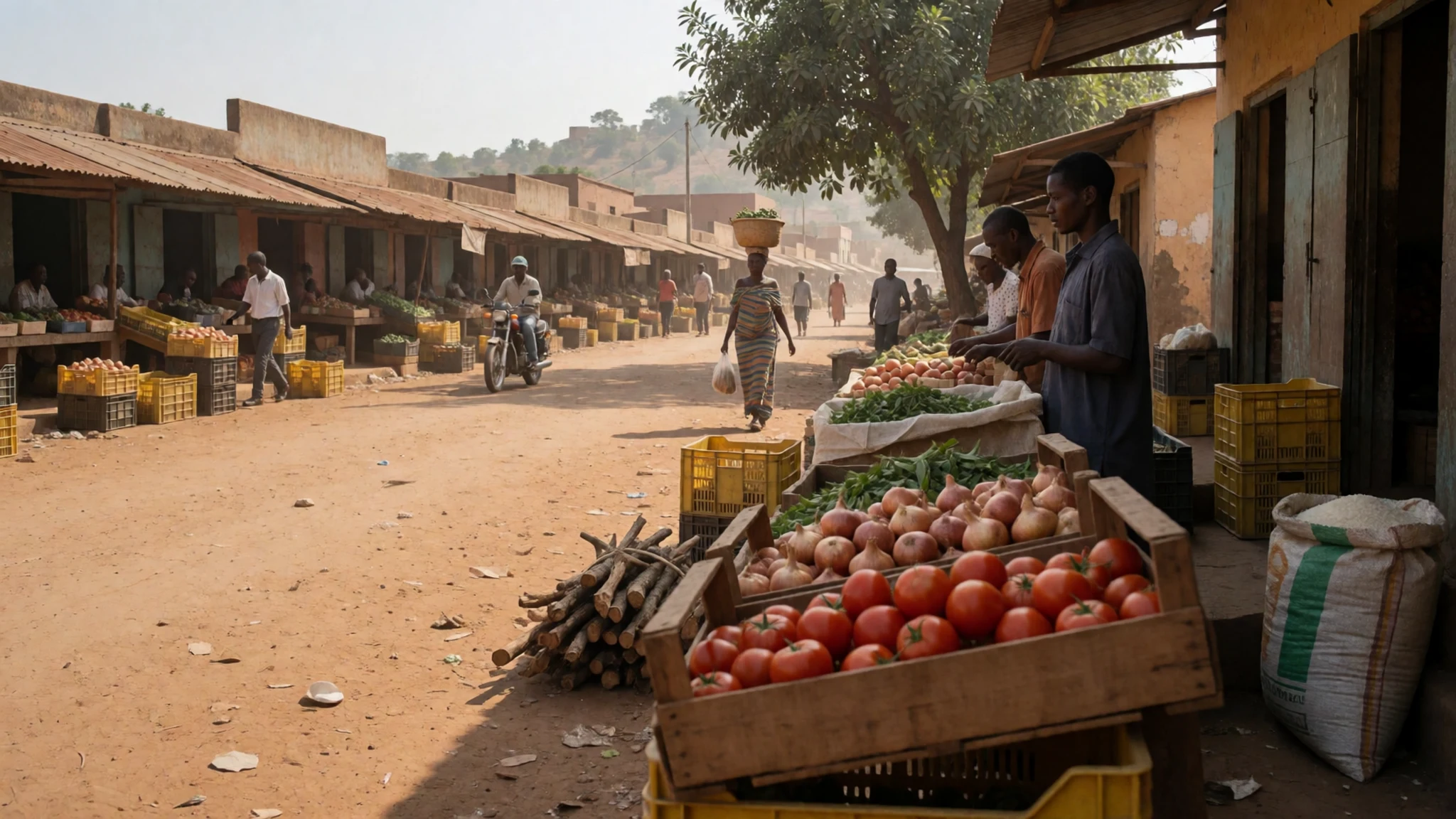
- National Museum, Conakry — Conakry
The National Museum in Conakry is a useful stop at the start or end of a trip north. It presents the country's different ethnic groups through traditional instruments, masks and related objects, which gives context for the Pular-speaking highlands and the many other communities of Guinea.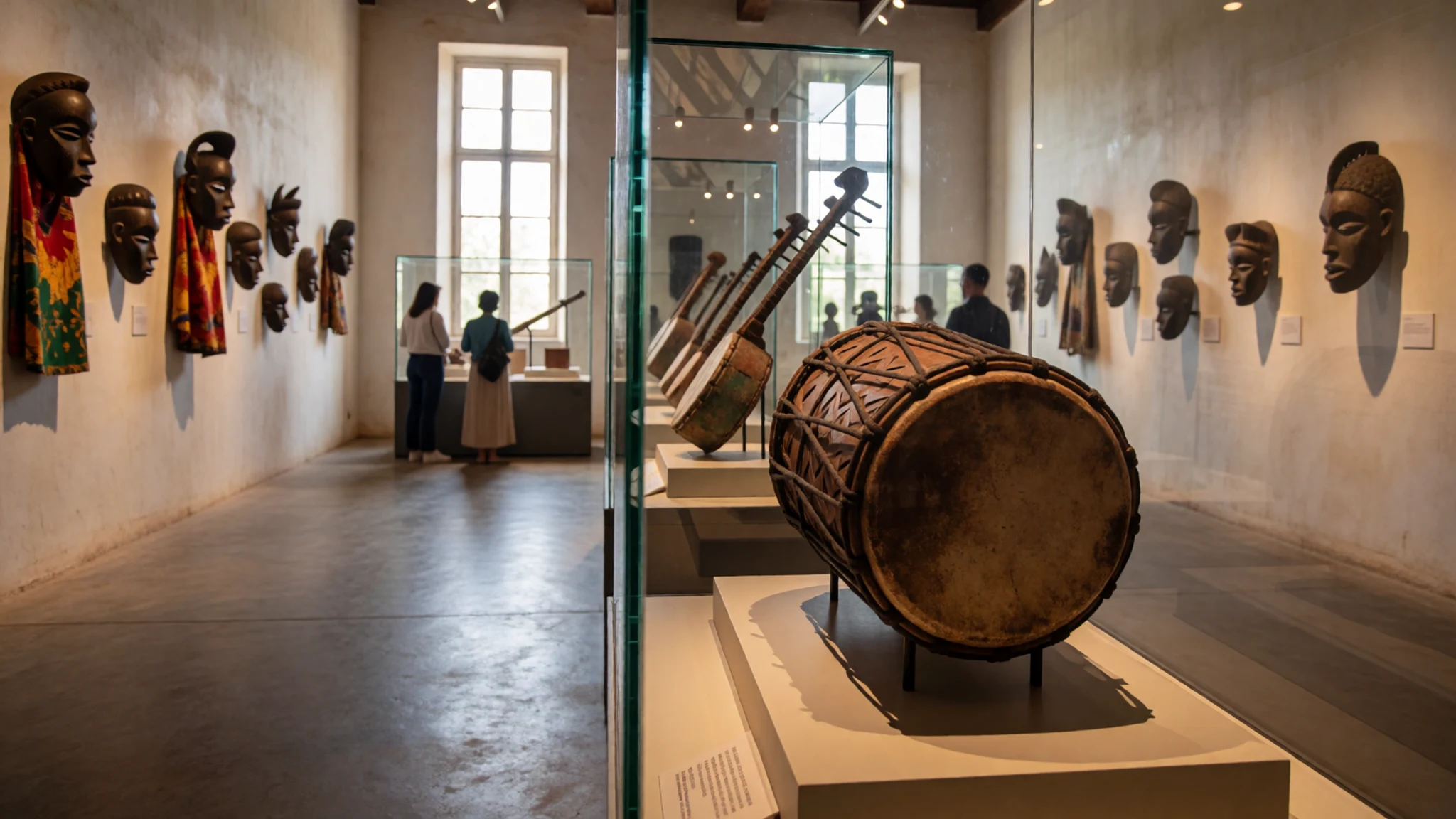
Culture
Dame de Mali sits in Pular-speaking country in a Muslim-majority, fairly conservative society, and daily life here runs on greetings. A quick "ça va?" is acceptable, but people warm to visitors who also ask after family, health and work or studies before getting to the point. That applies to conversations, messages and emails alike, and skipping the greeting reads as abrupt. The right hand is used for greeting, eating and handing over money, because the left is reserved for the bathroom and counts as unclean. French is the common language of travel, so a few phrases go a long way, and Pular greetings are warmly received on the plateau. Gender norms are more complicated than a simple summary allows. Women travelling alone generally report few problems, harassment is uncommon and frowned upon, and marriage proposals are more likely than hostility. Even so, modest dress and a calm, polite manner help everywhere outside the capital. Guinea has a record of political instability, so avoid discussing politics loudly with strangers and avoid photographing officials, police or soldiers. Village life on the plateau revolves around farming, prayer times and markets, and planning around those rhythms makes it easier to find guides and transport. Greet first, ask after family and health, use your right hand to give and receive, and ask permission before photographing anyone.
What to wear
Around Dame de Mali, traditional dress follows Fula and wider Guinean custom. Men wear the boubou, a loose, flowing robe often worn over matching trousers, sometimes with a embroidered cap, while women wear wrapped cloth (pagne) with a fitted top and a headscarf or head wrap. Cotton is everyday cloth; dyed damask known as bazin gives a glossy finish and is kept for Friday prayers, weddings and festivals. Day to day, most people dress simply: shirts and trousers, football shirts, lightweight dresses and wrappers, with sandals or plastic shoes for farm work. Colour is lively on market days and at celebrations. A visitor should dress for heat, sun and rough ground. Light, loose cotton that covers shoulders and knees suits both the climate and local modesty norms, and a scarf is handy for women entering a mosque or village gathering. Add a sun hat and sunglasses. Sturdy shoes with good grip matter more than style, because slopes are rocky and the cliff edges are unforgiving, especially when wet. In the rainy season bring a light waterproof jacket, and in the cooler evenings on the plateau a thin extra layer is welcome. Avoid military-style clothing, which can attract unwanted attention.
What to eat
- Rice with sauce — Small local eateries and market stalls in Mali-ville
The staple around Mali-ville is Guinean-style rice served with one of a handful of sauces, sometimes with beef or fish added. Leaf and peanut sauces are common, and a plate is filling and cheap. Look for it at simple local eateries and market-side food stalls.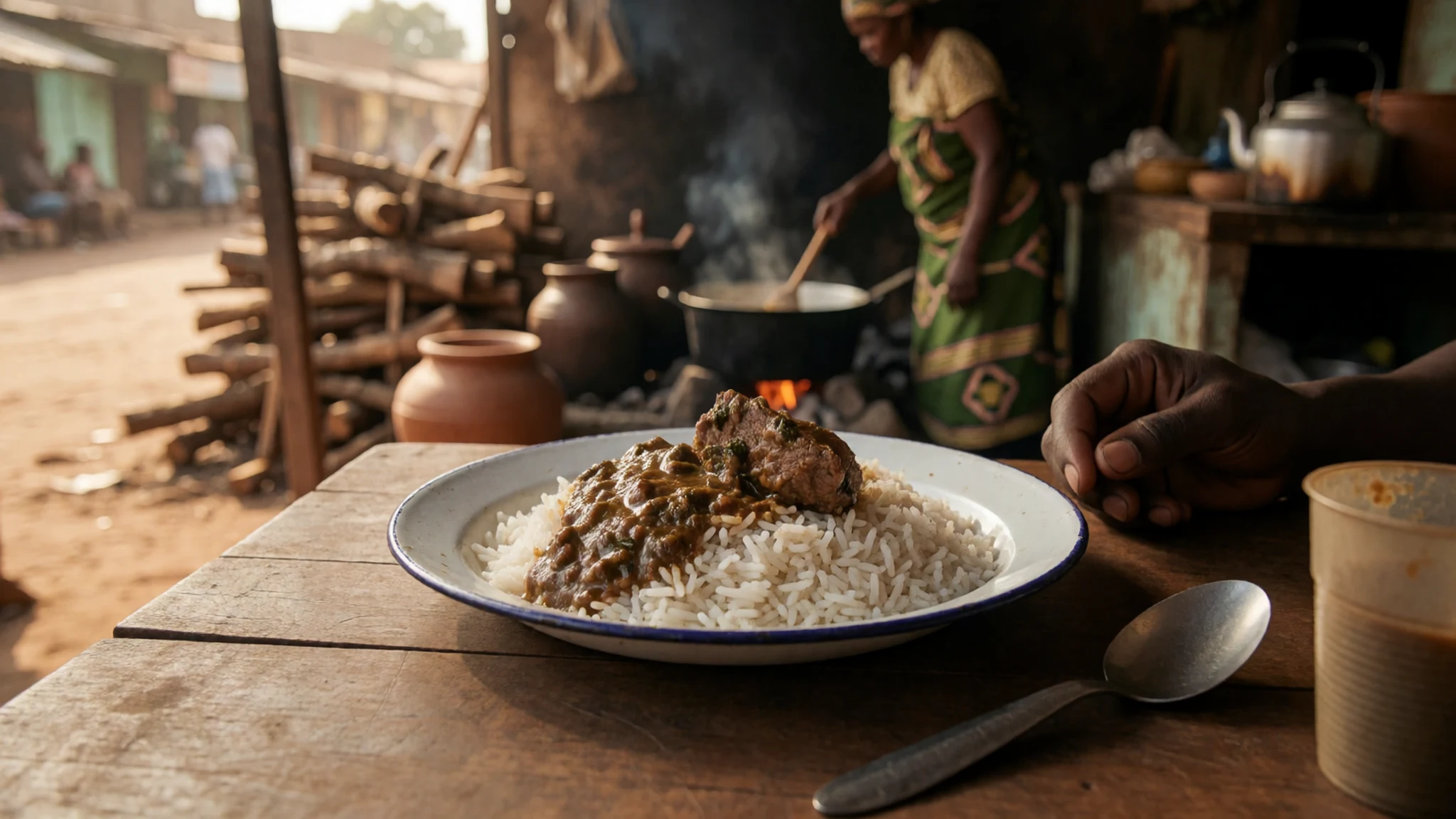
- Grilled beef — Evening grill stands near the main market
Beef is well regarded in Guinea, and grilled skewers are an easy evening meal. Pork is largely absent in Muslim areas. Look for charcoal grills near the main road and market, where meat is cooked to order and eaten with bread, onions and pepper.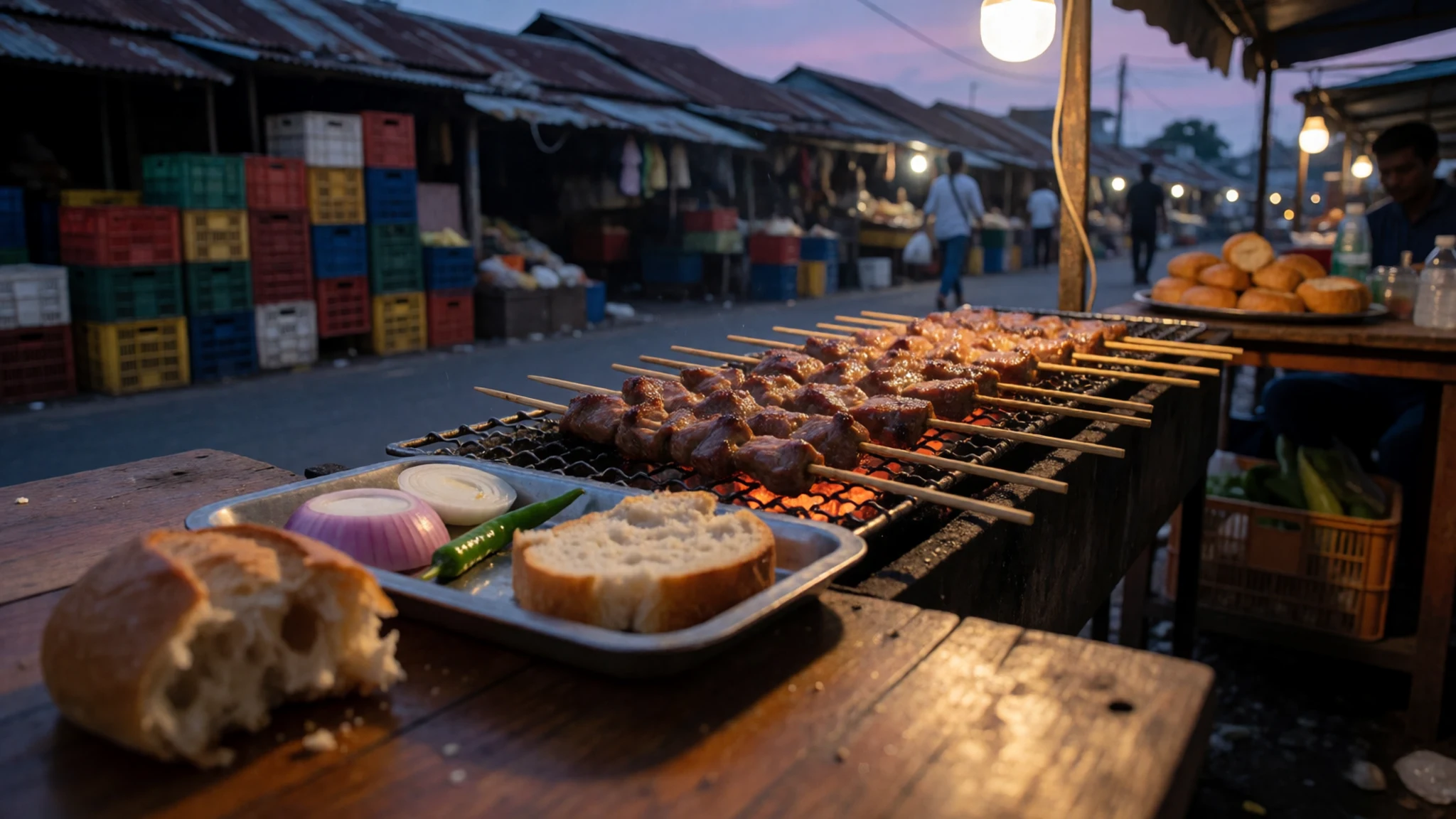
- Fonio — Family kitchens and village eateries on the plateau
Fonio is a fine, quick-cooking grain grown on the West African highlands and often eaten with a sauce of leaves or peanuts. It is lighter than rice and worth trying if a household or eatery offers it. Ask what is cooked that day, as menus are rarely written. - Fresh fruit — Weekly and daily markets in Mali-ville
Fruit is inexpensive in Guinea, and market tables on the plateau carry whatever is in season, from mangoes and oranges to bananas and papayas. It makes a good snack for the walk to the mountain. Wash or peel everything before eating. - Lebanese-style breakfast — Lebanese restaurants in Conakry
In Conakry, restaurants run by the Lebanese community serve European-style breakfasts alongside Middle Eastern plates, a useful change after a long journey. Expect bread, eggs, coffee and pastries. It is a good start before heading north.
Plan it
Best time. November to February, when the dry season is coolest and tracks are firmest for walking. The rains, peaking from July to September, bring heavy mud and cloud and make cliff paths treacherous. Haze can reduce views in the driest weeks, so early mornings are best.
How long. 2–3
Getting there. Fly into Conakry (CKY), with Royal Air Maroc via Casablanca, Air France from Paris or Brussels Airlines from Brussels. There are no passenger trains in Guinea. From Conakry the last leg is a long road journey north into the Fouta Djallon, usually via Labé, then on to Mali-ville and the mountain; ask locally about current road conditions.
Budget. low
Tips
- Check visa rules early: most nationalities need one, applications go through Guinea's embassies or the official e-visa system, and a yellow fever vaccination certificate is required
- Check your government's current travel advice before booking, as Guinea has a history of instability and lawlessness
- Carry cash, water and a basic first-aid kit, because cards and services are scarce outside Conakry
- Start walks early to avoid the heat and haze, and go with a local guide for the cliff edges
- Drink sealed bottled water, and filter or boil anything else, especially in Conakry
Etiquette
- Greet people and ask after their family and health before making a request
- Use your right hand for greeting, eating and giving money
- Ask permission before photographing people, and avoid photographing officials or security forces
Nearby
Sources
- Wikidata Q2746420 (CC0)
- Wikipedia: Mount Loura (rev 1237005808) (CC BY-SA 4.0)
- Wikivoyage: Guinea (rev 5423119) (CC BY-SA 4.0)
- La Dame du Mali du Mont Loura — Fatoumata D (CC BY-SA 4.0)
- Vue de la dame de Mali — Aboubacarkhoraa (CC BY-SA 4.0)
- Vue de la dame de Mali — Aboubacarkhoraa (CC BY-SA 4.0)
- The "Dame de Maali" on Mount Loura — Herb Caudill (CC BY 2.5)
- vue du mont loura — Aboubacarkhoraa (CC BY-SA 4.0)
- Dame de Mali en Guinée sur les hautes montagnes — M Saidou (CC BY-SA 4.0)
- La Dame du Mali en Guinée — M Saidou (CC BY-SA 4.0)
- La Dame de Mali sur le mont Loura — Amadou Tidiane98 (CC0 1.0)


