Legzira Beach
Legzira Beach, Morocco
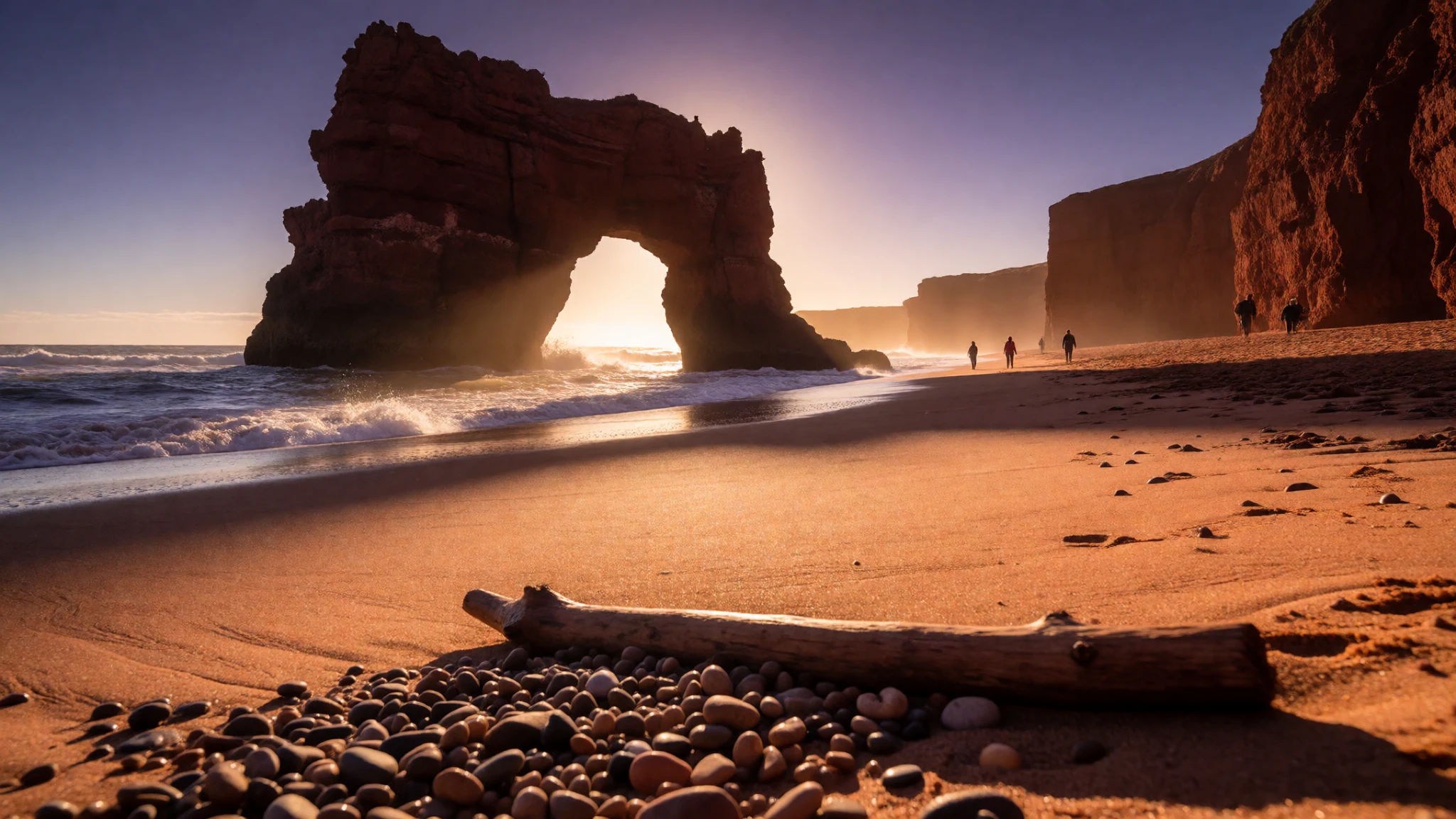
Legzira Beach is a wide Atlantic shore in southern Morocco where the sea has carved red sandstone cliffs into natural arches.
The place
Legzira Beach sits on Morocco's Atlantic coast, in the south-west, a short drive from the small town of Sidi Ifni. The sea has cut into red-brown sandstone cliffs here and left natural arches standing on the sand, their feet washed by every high tide. At low water the beach is wide, flat and easy to walk, and the arches can be passed beneath. At high water the sand narrows and some stretches are cut off. The colour changes with the hour: pale and rather flat at midday, rich orange and rust near sunrise and sunset, when the cliffs seem to glow. Behind the beach are a car park and a cluster of small eateries serving fish and tagine, and little else. There is no resort, no promenade and almost no shade. The Atlantic is cold and the currents are strong, so this is a place for walking, photographing and sitting over mint tea rather than for long swims. Wind is common, and sea mist can roll in even when inland Morocco is hot. Camels and quad bikes wait for customers near the car park, and weekends and holidays bring Moroccan families down from nearby towns. Early mornings and weekdays are quieter. The name is also spelt El Gzira or Gzira on some signs and photo captions, which helps when searching for directions or pictures.
Its story
Legzira Beach owes its arches to slow, patient erosion rather than to any single event. The cliffs are layered sandstone, softer in some bands than others, and the Atlantic has worked at them for a very long time, hollowing caves, breaking through thin walls of rock and leaving the sturdier parts standing as arches. The process never stops, which means the shape of the beach is temporary. One arch has already fallen, and its rubble now blocks the path along the sand further south. The arch that remains is the one most visitors come to see, and it will not look the same for ever. Locally the beach belongs to the Sidi Ifni stretch of coast, which has a Spanish colonial past that still shows in the town's Art Deco buildings and sea-facing plazas. Fishing has long been the work of this shore, and the beach eateries grew up to feed day-trippers and passing drivers rather than as part of any planned resort. Photographs of the arches have spread widely online, which has brought more visitors in recent years, though the setting remains simple. The practical lesson is that any guidebook description may already be slightly out of date, and that the rock itself deserves respect: fresh falls are a real risk, so people are wise to stay out from under overhangs.
What to see
- The standing arch — Legzira Beach, north end
The main arch is the reason for the journey: a tall span of red sandstone with surf running beneath it. Approach at low tide, when the sand underneath is dry and firm, and walk through rather than climbing on the rock. Morning light gives the richest colour, and late afternoon works nearly as well.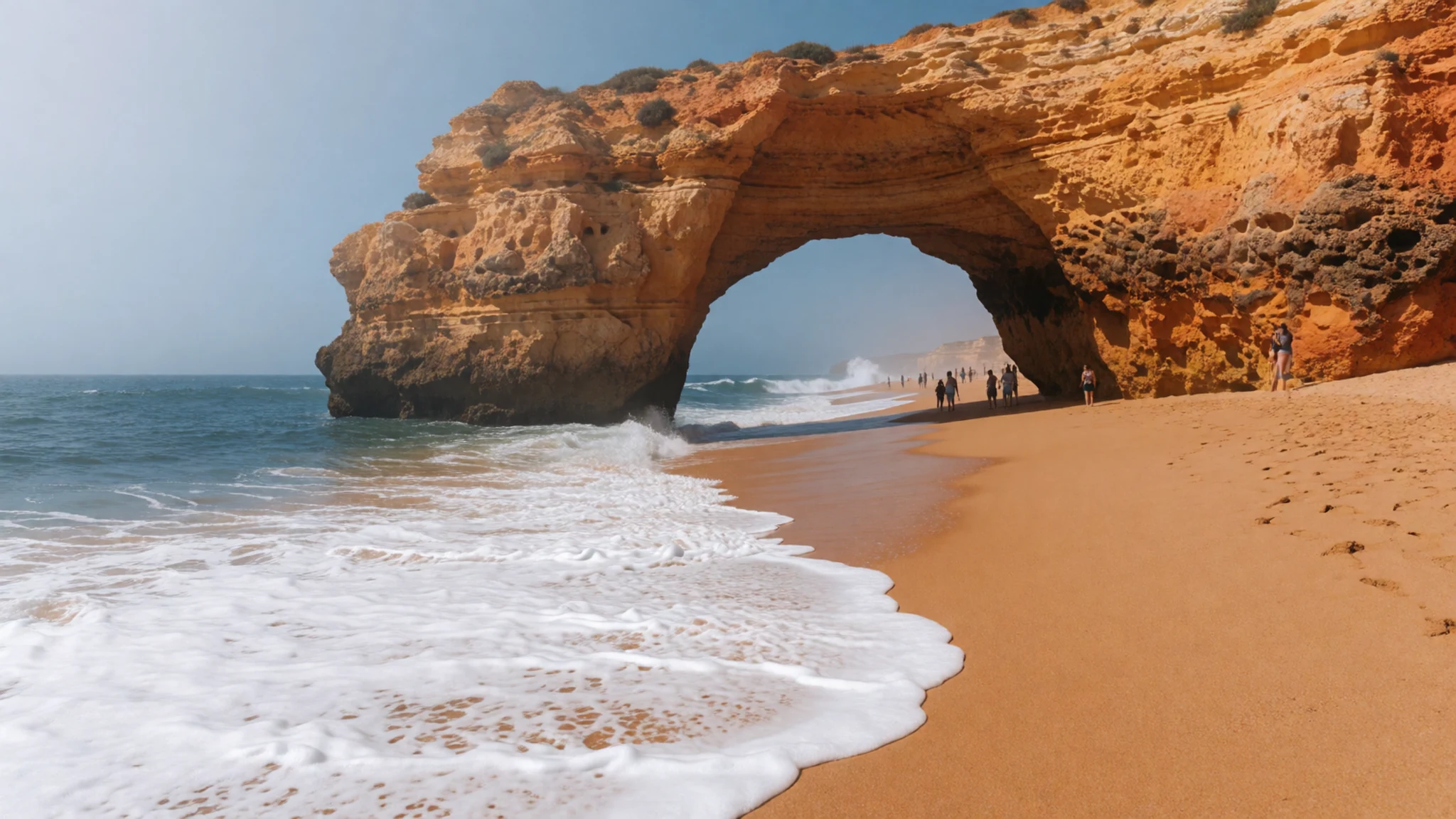
- The fallen arch — Legzira Beach, southern stretch
Further south along the sand lies the collapsed arch, whose broken rock now blocks the path at some states of the tide. It makes a natural turning point for a beach walk and shows plainly how quickly this coast changes. Keep a safe distance from the cliff base, where loose stone can drop.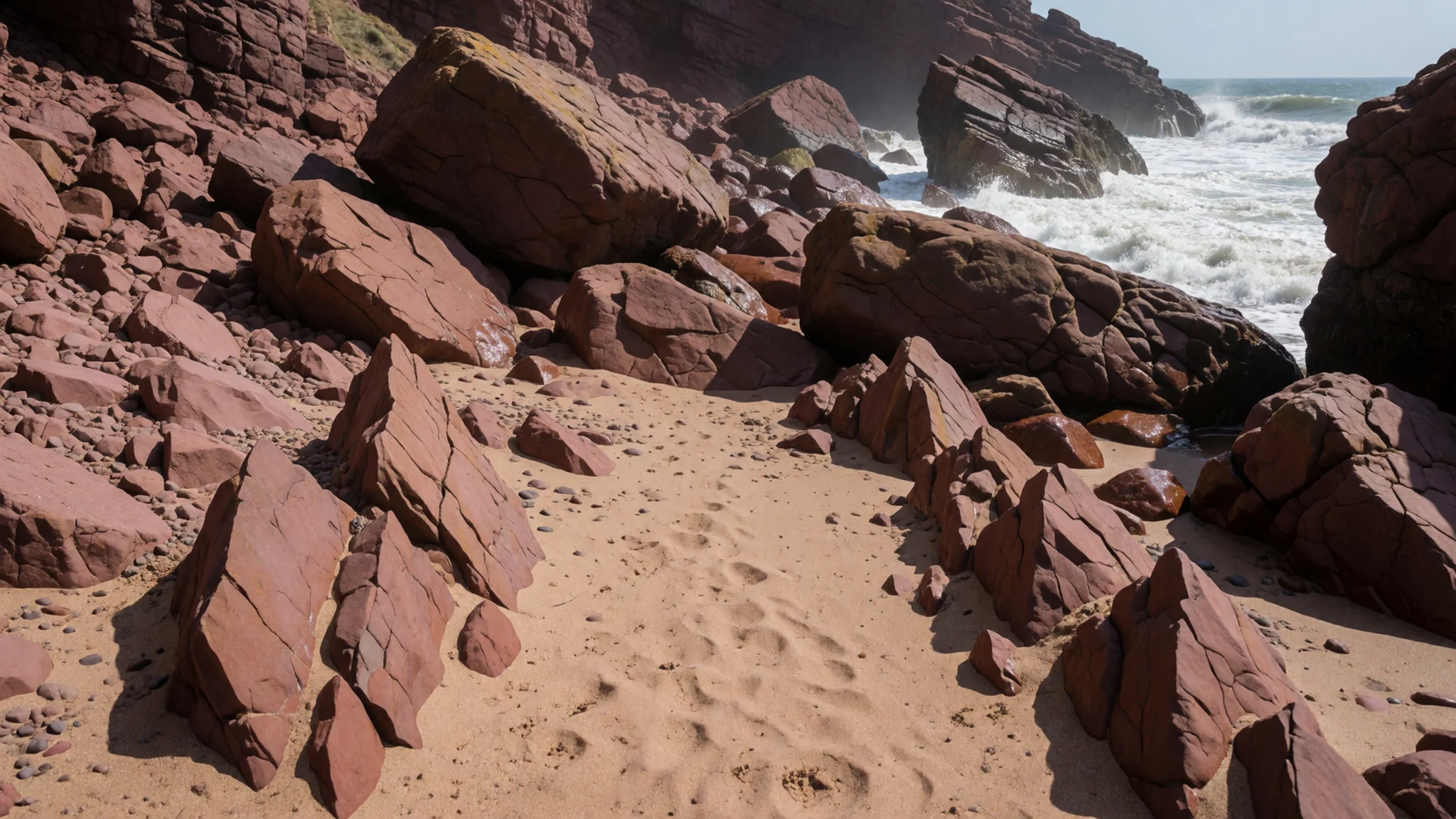
- The beach walk — Legzira Beach
Strolling from the eateries by the car park towards the fallen arch is the simplest plan and takes in most of the beach. The sand is broad and flat at low water, with shells and small rock pools along the edges. Check tide times before setting out so the way back stays open.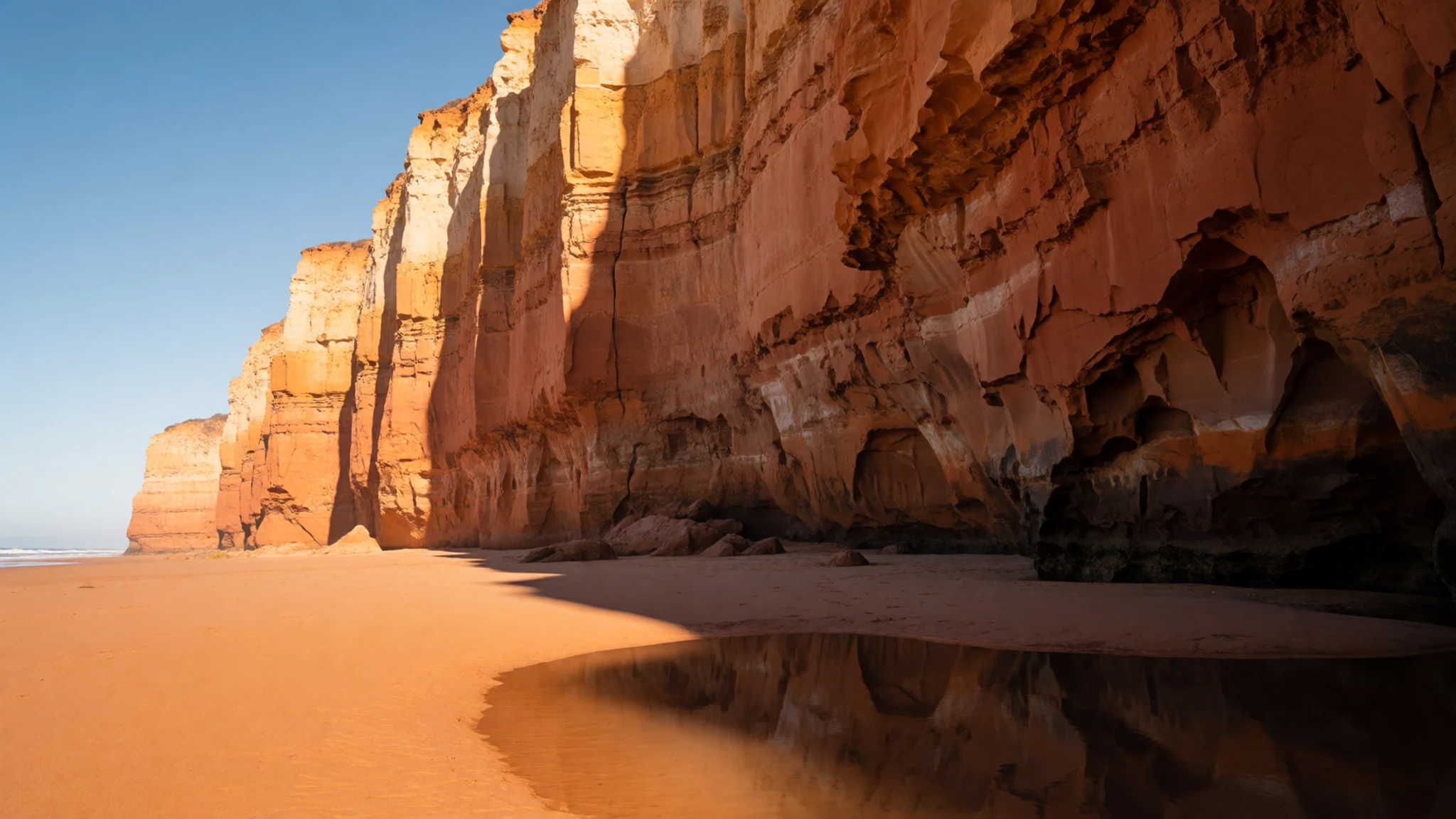
- The sandstone cliffs — Behind the beach
The cliff walls deserve a slow look in their own right, with bands of orange, rust and cream and small caves at their base. Photographers gather at sunrise and sunset, when low light deepens the colour. Treat the base with care, since the rock is soft and shed stone is common.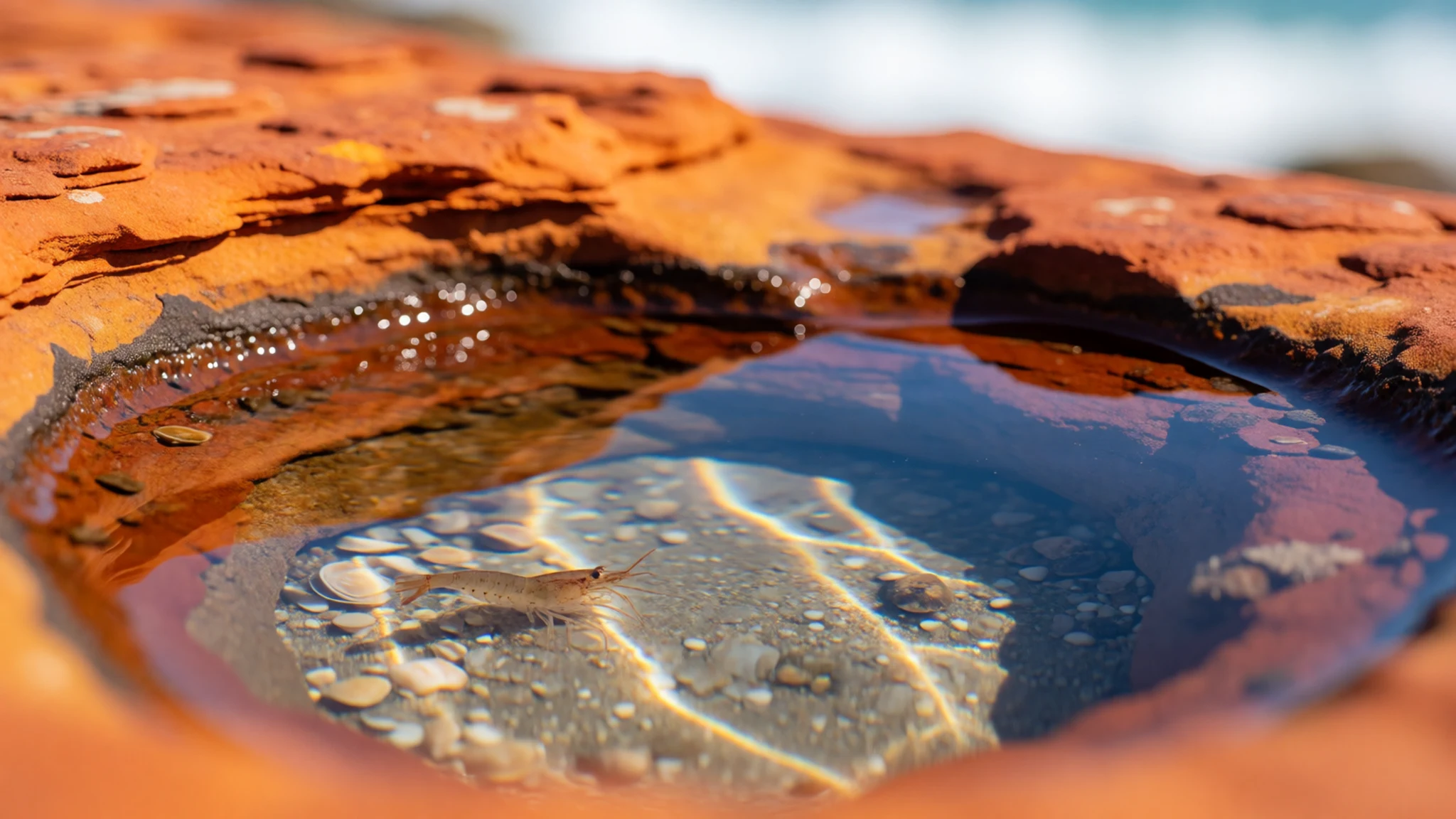
- Camels and quad bikes — Car park and beach entrance
Near the car park, local operators offer camel rides and quad-bike runs along the sand. The camels are the gentler way to cover the beach, though both are a tourist offer rather than a necessity. Agree what is included before setting off, and settle the price in advance.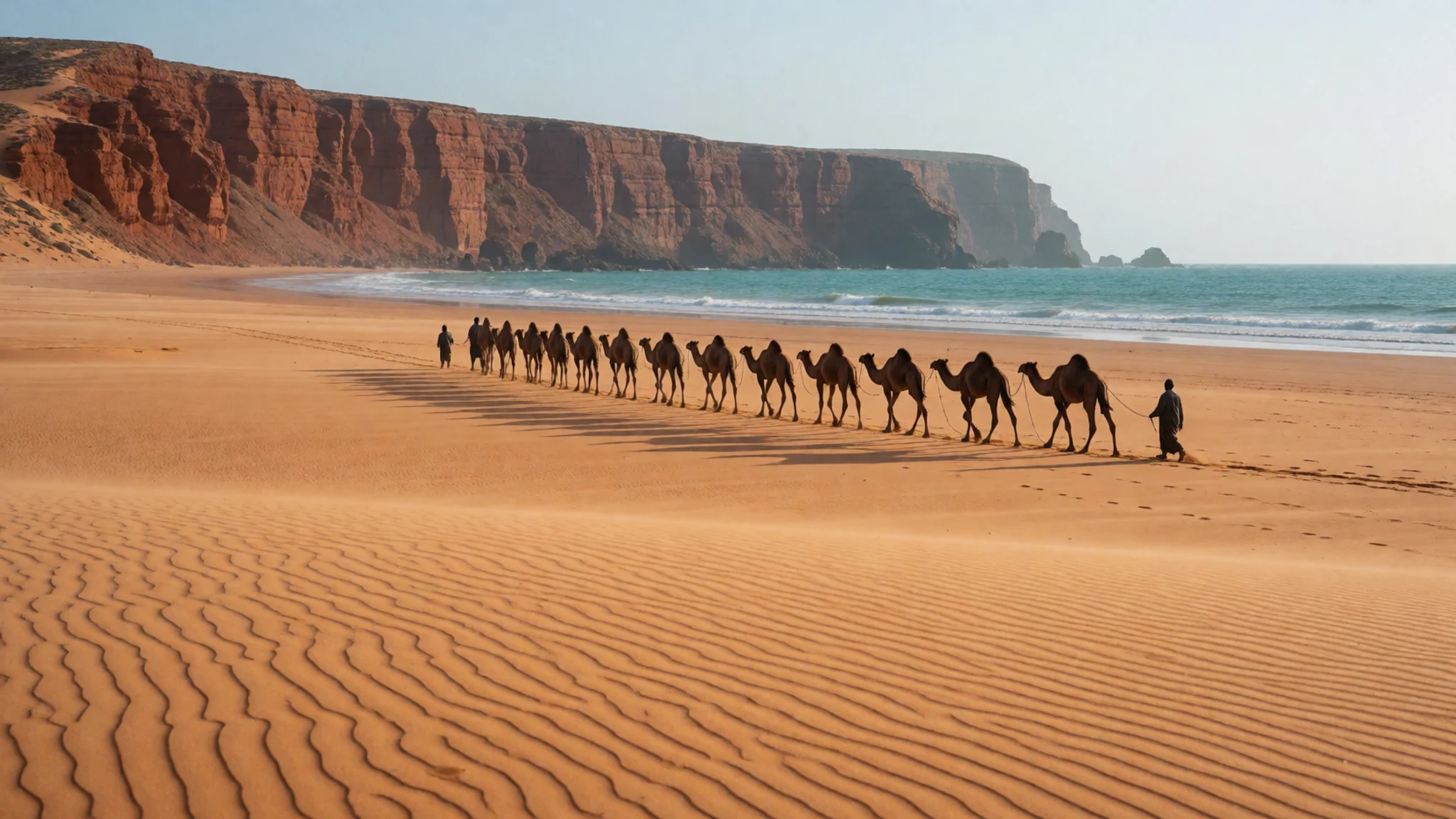
Culture
Legzira Beach lies in a part of southern Morocco where Amazigh (Berber) and Arabic-speaking communities share the coast, and where daily life turns on fishing, small farms and family trade. Tamazight, Moroccan Arabic and French are all heard, and sometimes Spanish, a leftover from the Sidi Ifni enclave. Mint tea is the language of hospitality here: refusing the first glass can feel curt, though a warm word of thanks is always accepted. Friday is the main day of prayer, and some small businesses slow around midday. Ramadan changes the rhythm of the whole coast, with eateries opening late or serving only after sunset, and eating openly in the street is considered discourteous during daylight. The beach itself has become a weekend outing for Moroccan families, so the mood is relaxed but modest. Swimwear is seen on the sand, but many locals paddle in ordinary clothes, and loud music or alcohol on the beach would sit badly with those around. Haggling is normal with camel and quad operators, and works best when done with humour and without heat. Fishing remains a working trade on this shore, so boats, nets and gear are tools, not scenery. Ask before photographing local people, especially women and children, and keep shoulders and knees covered when you walk into Sidi Ifni or nearby villages.
What to wear
Legzira Beach and the Sidi Ifni coast have a mix of traditional dress that varies by community. The djellaba, a long hooded robe in wool or cotton, is worn by men and women across Morocco, especially on cool evenings and for prayer, and leather babouche slippers go with it. In the south, Sahrawi women wear the melhfa, a long wrapped cotton cloth in bright colours, and men wear the daraa, a wide robe often in blue or white, sometimes with a turban against dust and wind. These are worn most for festivals, family occasions and Fridays. In daily life on the coast, people mostly wear jeans, tracksuits, football shirts and fleeces, with waterproofs for fishermen and a djellaba thrown over everything on a chilly morning. Visitors should plan for wind and sudden cool air even in warm months, so a windproof layer is useful. Bring a sun hat and sunscreen, since shade is scarce. Swimwear is fine on the sand, but cover up with a light shirt and loose trousers or a long skirt when going into town, keeping shoulders and knees covered. Closed shoes or sandals with grip are best for wet sand and the slippery rock around the arches.
What to eat
- Grilled fresh fish — The small eateries by the beach car park
Whatever the boats landed that day, usually grilled whole over charcoal and served with lemon, bread and a simple salad. Sardines, sea bream and similar fish are typical for the Atlantic coast. Ask what is freshest and how it is cooked.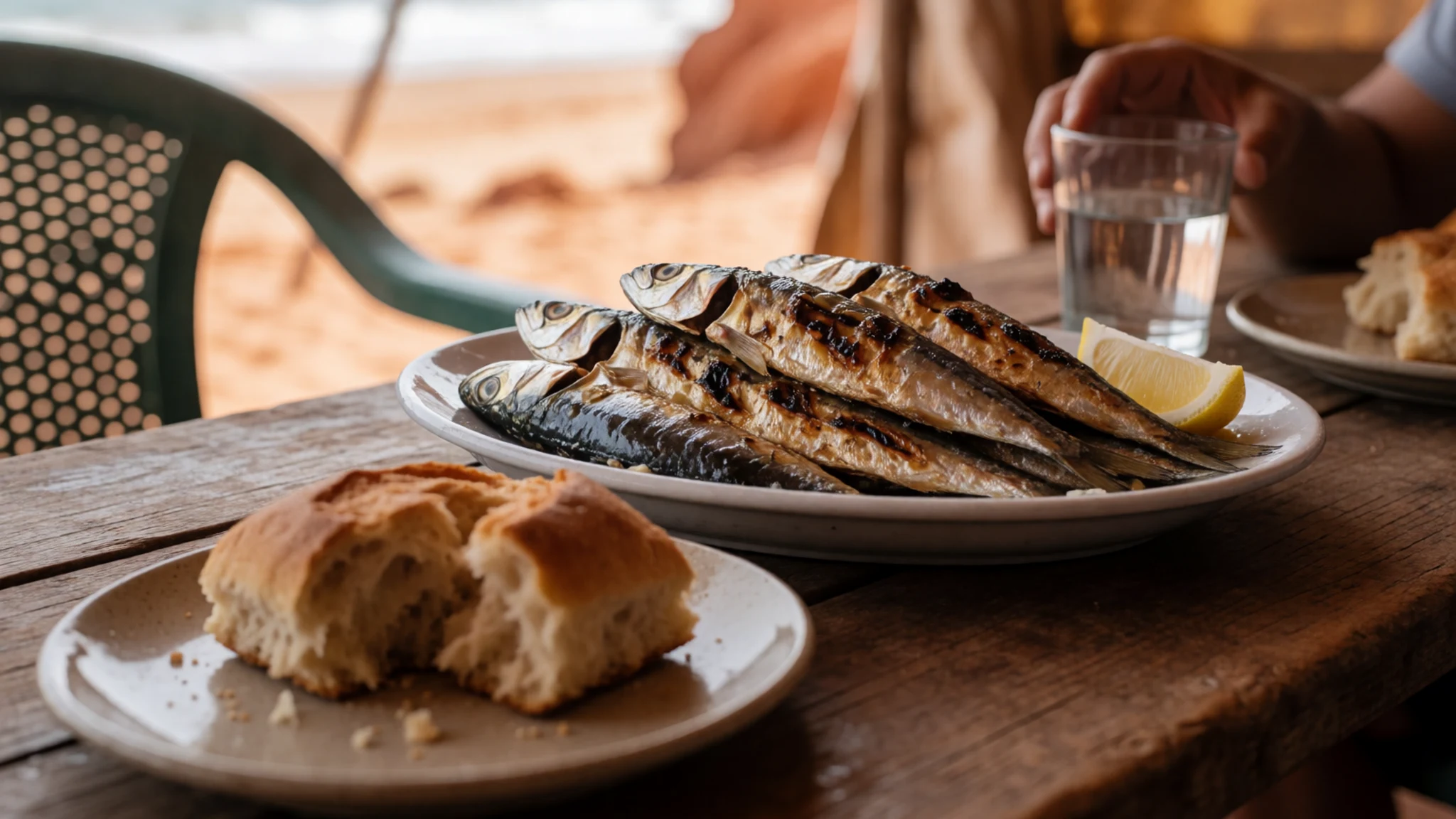
- Fish tagine — Beach-front eateries and in Sidi Ifni town
Fish stewed slowly in a clay pot with tomato, peppers, onion, garlic and spices, then brought to the table still bubbling. It is a filling, gentle dish, best shared, and usually eaten by tearing off bread to scoop it up.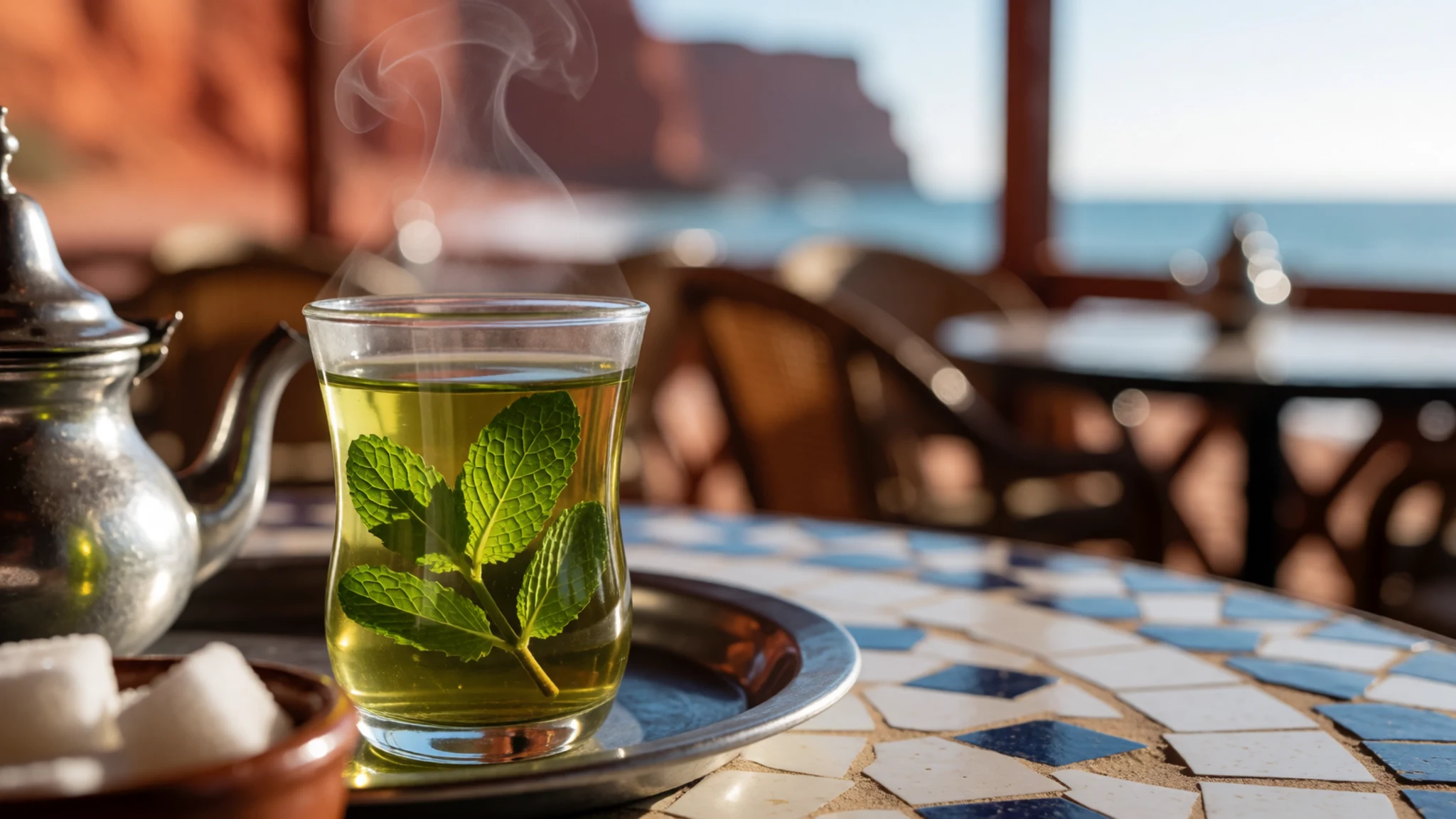
- Fried calamari and prawns — Beach-front eateries near the parking area
Quickly fried seafood served hot and crisp with lemon, a staple of coastal lunches in Morocco. Portions are often generous and suit sharing, with bread and a plate of olives on the side. - Mint tea with bread and olive oil — Beach cafés and eateries, and any tea stop in Sidi Ifni
Sweet green tea poured from a height into small glasses, often with warm bread, olive oil or local honey on the side. It is the usual pause on a windy beach and a normal gesture of welcome. - Amlou — Shops and stalls in Sidi Ifni and along the coastal road
A thick spread of toasted almonds, argan oil and honey, from the argan country of south-west Morocco. It is eaten with bread at breakfast and makes a portable souvenir. Check that it is made with real argan oil.
Plan it
Best time. April–May and October–November, when days are mild and sunny and the wind is easier to live with. Summer can bring sea mist and a cold breeze on the beach even when inland Morocco is hot, and winter is cooler with rougher seas and some rain.
How long. 1–2
Getting there. Fly to Agadir Al Massira Airport, then continue by road south through Tiznit towards Sidi Ifni; Legzira is a short drive from the town, reached by taxi or hire car. Check current bus and flight options locally, as services change.
Budget. low
Tips
- Check tide tables before you go: low tide gives the widest sand and lets you reach and pass under the arch safely
- Come early in the morning or late in the afternoon for softer light and fewer people
- Carry cash for eateries, camel rides and taxis, as card payment is not dependable at the beach
- Bring water, a windproof layer and sun protection, since there is little shade
- Do not swim unless locals say conditions are calm, as the Atlantic currents are strong
Etiquette
- Dress modestly when leaving the beach for town, with shoulders and knees covered
- Ask before photographing local people
- Take your rubbish with you and keep off the cliff base and fallen rock
Nearby
Sources
- Wikidata Q3216307 (CC0)
- Wikivoyage — Legzira (rev 5080340) (CC BY-SA 4.0)
- Wikipedia — Legzira Beach (CC BY-SA 4.0)
- El Gzira beach.jpg — Chaymae Bendaoud (CC BY-SA 4.0)
- arch legzira — angelius1979 (CC BY 3.0)
- beach legzira — angelius1979 (CC BY 3.0)
- Legzira beach, natural arches — Darymaister (CC BY-SA 4.0)
- Camels and Quads at Legzira Beach — Anass Sedrati (CC BY-SA 4.0)
- El Gzira. Natural bridge rock in Morocco — Zakariiael (CC BY-SA 4.0)
- El-gezira Beach, Sidi-ifni City — Abdbizaym (CC BY-SA 4.0)
- Gzira.JPG — Zakariiael (CC BY-SA 4.0)


