Las Lajas Sanctuary
Las Lajas Sanctuary, Colombia
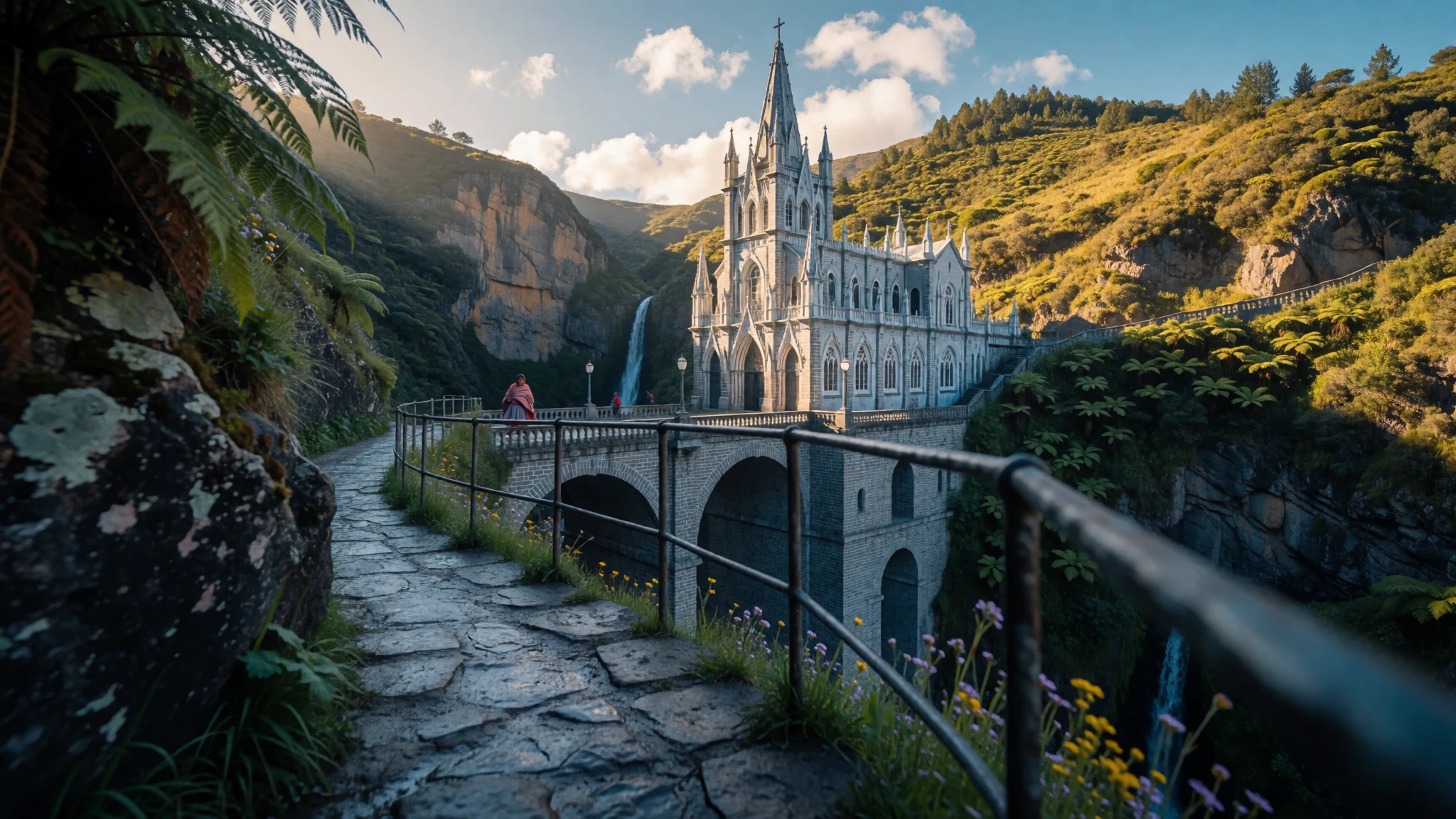
Las Lajas Sanctuary is a Gothic-style basilica built across a Colombian river gorge, around an image of the Virgin said to appear in stone.
The place
Las Lajas Sanctuary sits in the gorge of the Guáitara River, a short ride from the border town of Ipiales in Colombia's Nariño department. It is a neo-Gothic basilica, and the setting does most of the talking. The church is pressed against the canyon wall and reaches across the water on a bridge, so from the path above it seems to grow out of the rock rather than stand on it. From the gorge floor the building rises about 100 m (330 ft), and the bridge linking it to the far rim stands about 50 m (160 ft) above the river. Inside, the focus is an image of the Virgin that appears on the rock face itself, which explains the name: laja is the Spanish word for a flat slab of stone. The shrine honours Our Lady of the Rosary and draws pilgrims from both Colombia and neighbouring Ecuador, so weekends and feast days are busy with families, candles and stalls selling souvenirs and snacks. The architect of the present church was Lucindo María Espinosa Medina, and it was completed in 1949. Ipiales itself is a high, cool town that works mostly as a base: it has a bus terminal, a lively Saturday market and collectivos (shared taxis) to the Ecuadorian border at Rumichaca. Weather matters here. Cloud and drizzle roll through the valley without warning, and the classic view of the church can vanish within minutes, then return. Most visitors spend a couple of hours on site, but the chapel interior, the bridge and the walk down towards the river can comfortably fill a morning.
Its story
Las Lajas Sanctuary begins with a storm. According to local tradition, around 1754 an Indigenous woman, María Mueses de Quiñones, took shelter among the flat rocks of the gorge with her daughter Rosa, who could neither hear nor speak. Rosa is said to have cried out that a woman was calling her, and pointed at a figure lit by lightning above the stone. Word spread, pilgrims began to arrive, and stories of healings followed. An image of the Virgin, visible in the rock several feet inside the shrine, is still shown to visitors today. An early written mention comes from Juan de Santa Gertrudis, a Spanish Franciscan friar who travelled through the south of the Kingdom of New Granada in the second half of the eighteenth century and described the place in his chronicle of the journey, which he titled Wonders of Nature. The shrine itself grew in stages. The first was a simple building of straw and wood, replaced by a small brick chapel near the end of the eighteenth century. A larger sanctuary followed early in the nineteenth, and later in that century it was extended and tied to the opposite side of the gorge by a bridge. The present basilica was begun in 1916 and finished in 1949, paid for largely by donations from local churchgoers. Within a few years of its completion, Pope Pius XII had the image crowned and the shrine raised to the rank of minor basilica. Whatever one makes of the miracle, the building is a record of what a modest, devout region could raise together over many years.
What to see
- Sanctuary of Las Lajas — Guáitara River canyon, outside Ipiales
The neo-Gothic basilica is the reason for the trip, and it rewards slow looking from several angles. From the path above, its towers and spire rise straight out of the gorge wall. Inside, the canyon rock itself forms part of the sanctuary, and plaques left by grateful pilgrims cover the walls.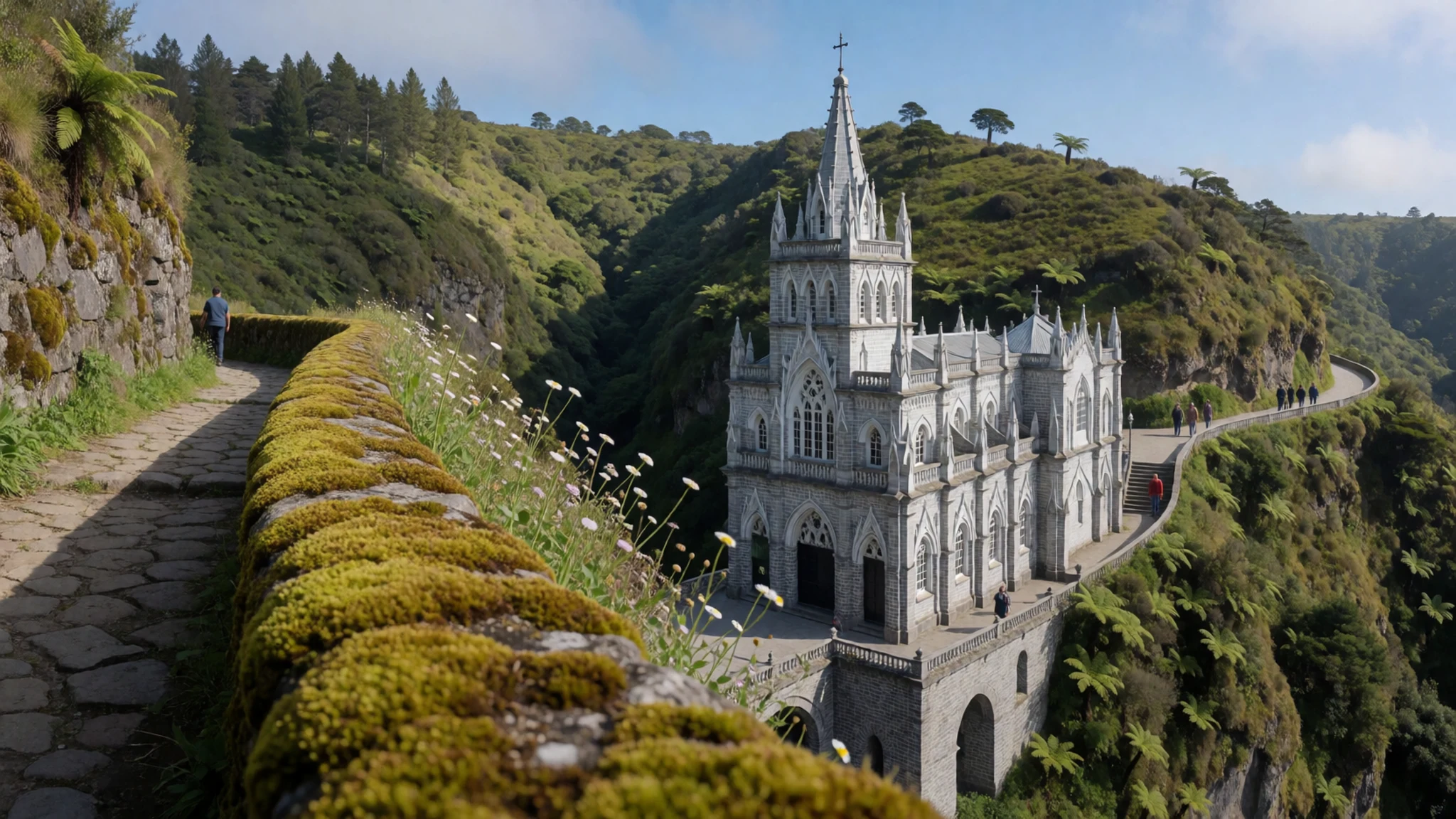
- The bridge and the viewpoints — Across the Guáitara gorge
The bridge joins the church to the far side of the gorge and is a good place to judge the building's scale. Walk across slowly, then climb back along the path for the familiar view down onto the roofline. In mist the church seems to float; in clear light the grey stone stands out against green slopes.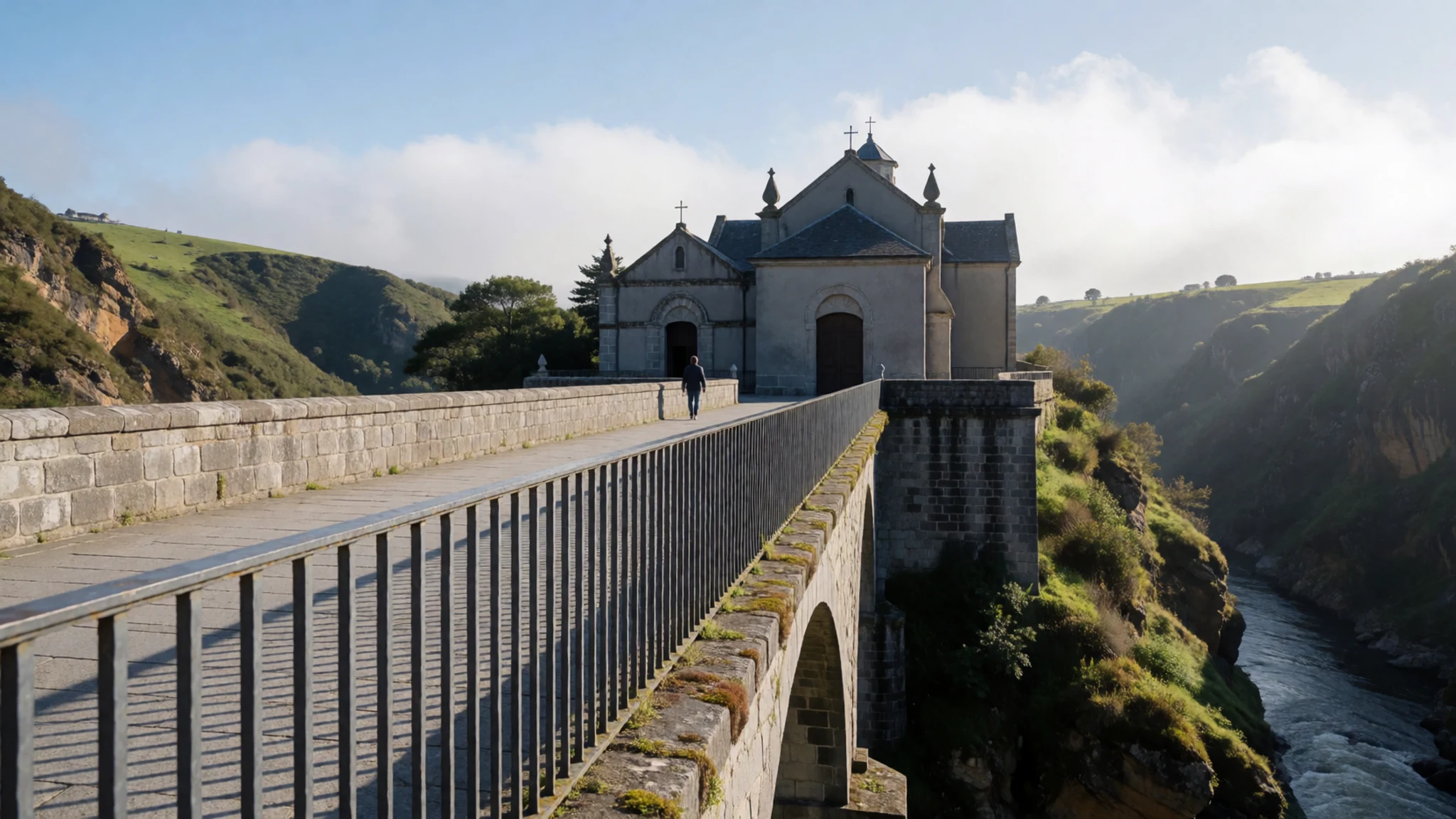
- The image in the rock — Inside the basilica
The heart of the shrine is the image of Our Lady of the Rosary, which appears on the rock face rather than on a canvas, set several feet into the stone. Pilgrims pause here to pray and light candles. Because the whole sanctuary grew from this image, even non-believers tend to linger and lower their voices.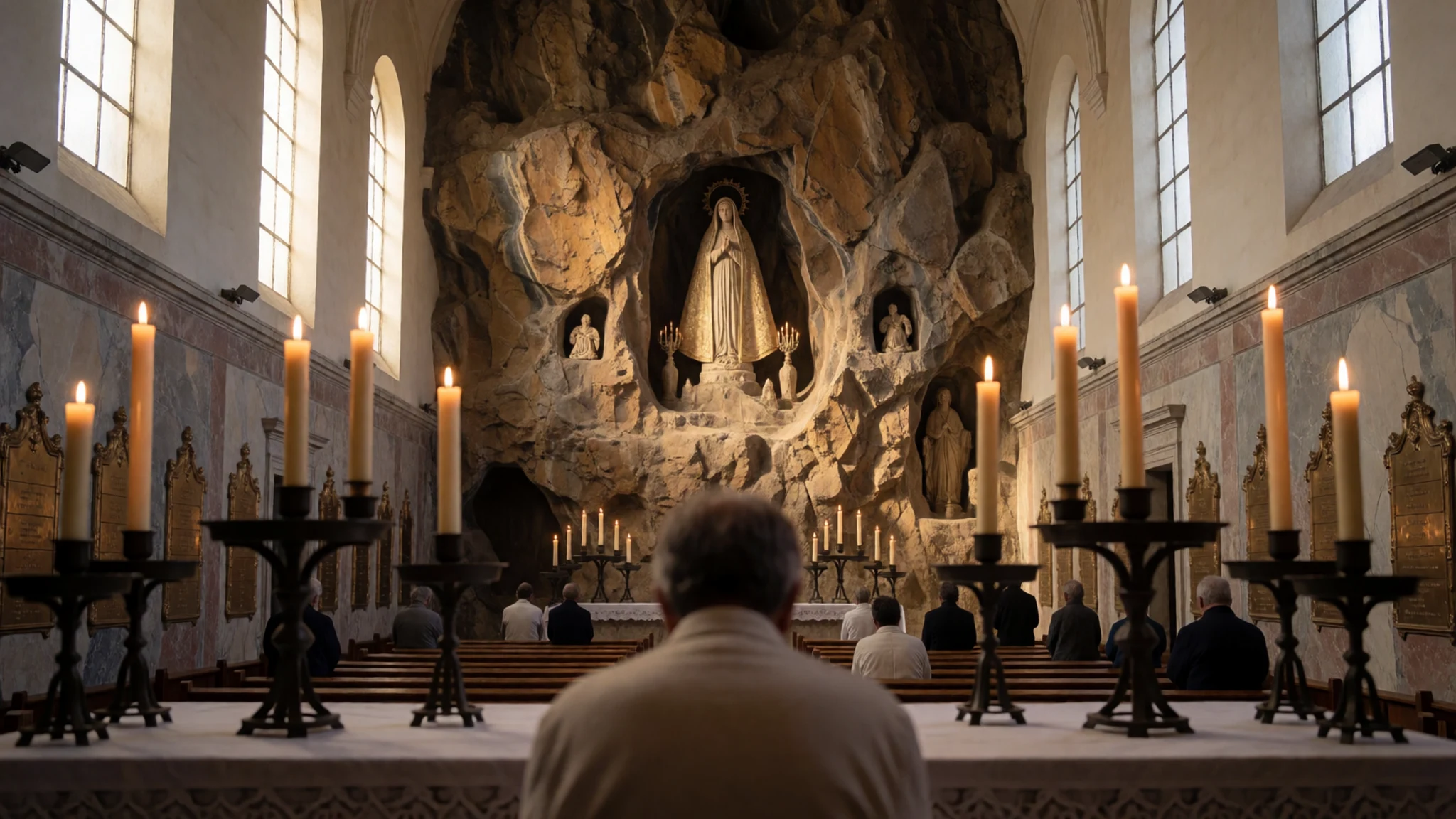
- The waterfall below the church — Gorge floor, beneath the sanctuary
A waterfall drops into the gorge beneath the sanctuary, and paths lead down towards the river. After rain it is loud and the rock is slick, so wear shoes with grip and ask locally which routes are open. The walk gives a different angle on the church, looking up at the bridge and walls from below.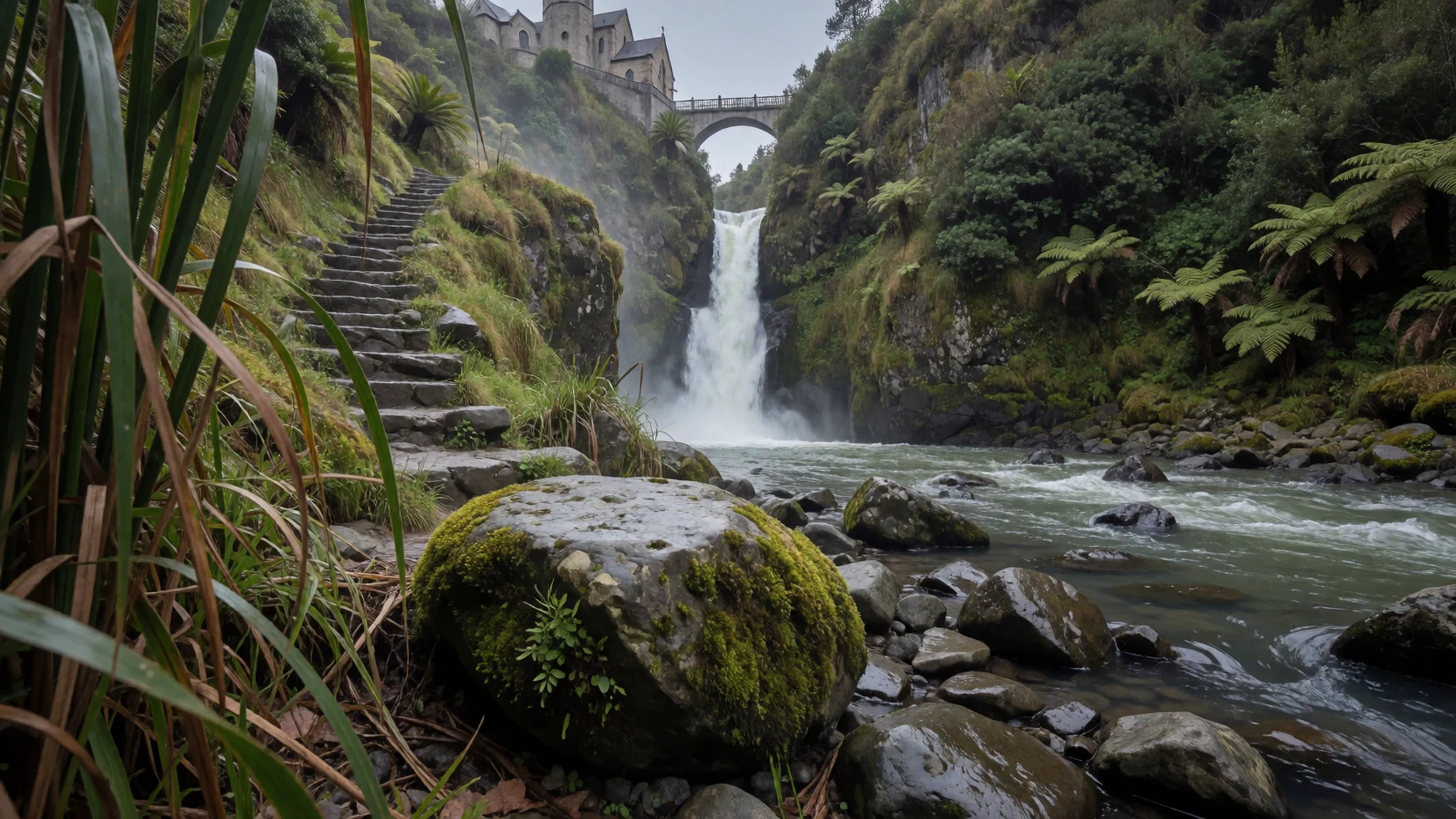
- Saturday market at Plaza Los Mártires — Ipiales, about ten minutes' walk from the town centre
In Ipiales, the Saturday market fills Plaza Los Mártires with colour and noise. It is a good way to see everyday Nariño: produce, household goods and people from surrounding villages doing the weekly shopping. Go in the morning, carry small notes, and keep bags close in the crowd.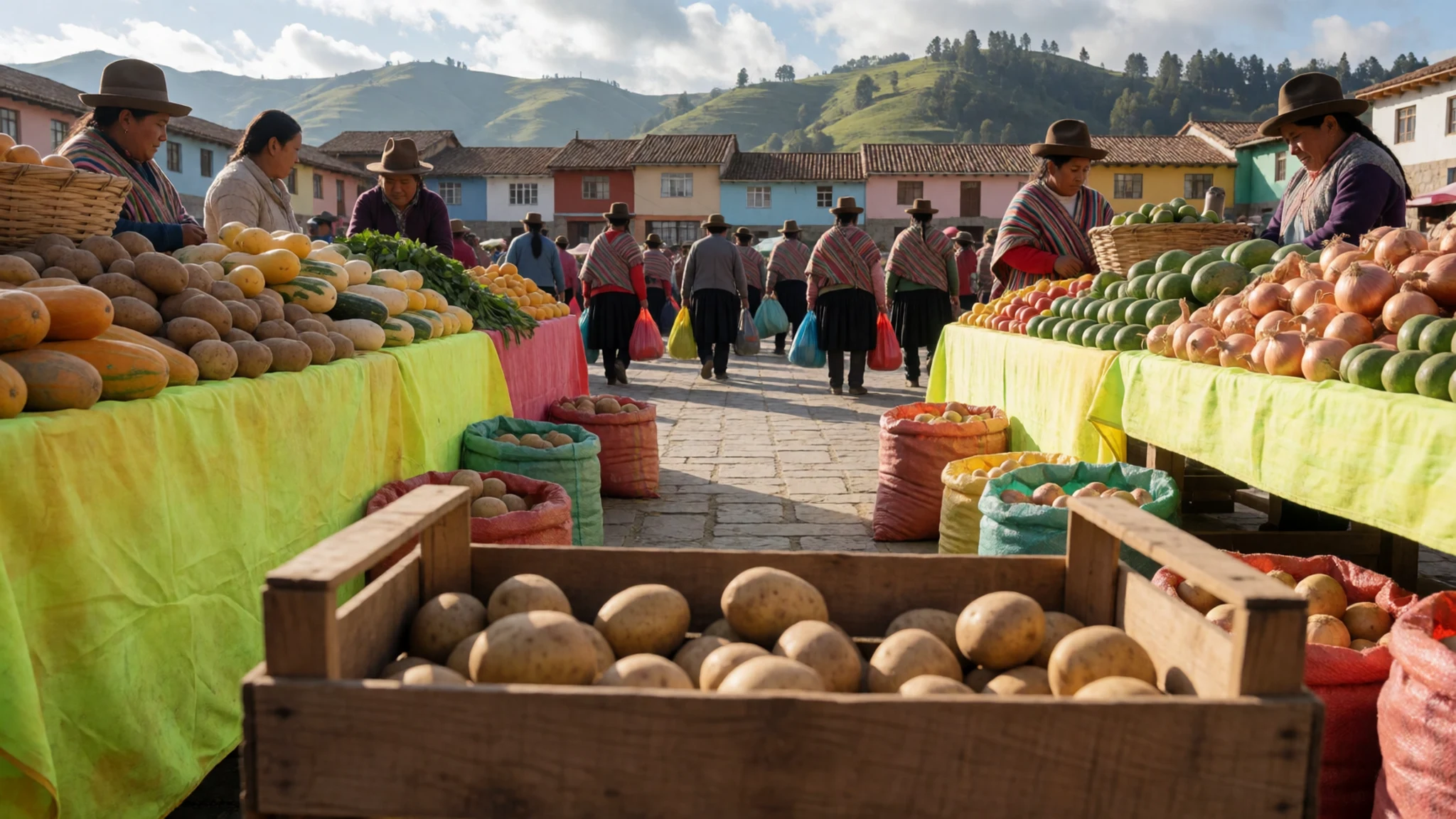
Culture
Las Lajas Sanctuary is first of all a working place of prayer, and the culture here is Catholic devotion carried across a border. The shrine honours Our Lady of the Rosary, and its pilgrims come from both Colombia and Ecuador, many travelling as families or parish groups. The faith sits alongside older Andean habits of mind: the founding story centres on an Indigenous woman and her daughter, and the Virgin appears in a natural rock, a setting that fits the way many Andean communities have long treated striking stone and landscape as meaningful. Devotion is practical and personal. People come to ask for health, to give thanks, or to mark a promise kept, and the plaques on the walls record those thanks in plain words. Mass and prayer continue through the day, so the church is not a museum even when tour groups pass through. Ipiales, the nearby trading town, shows the same frontier character in its market, its regional Spanish and the ease with which people cross to Tulcán for the day. Weekends and religious feast days bring the biggest crowds, while a quiet weekday morning feels entirely different. The pace is slow: queues of worshippers, careful steps along the bridge, murmured rosaries. Visitors who match it tend to get more from the place. Keep your voice low inside the basilica, take off your hat, and do not use flash or photograph people while they are praying.
What to wear
Las Lajas Sanctuary lies in the Andean highlands of Nariño, where the climate shapes what everyone wears. Traditional dress here is built around wool: the ruana, a rectangular woollen wrap with a slit for the head, worn by men and women, and felt hats against sun and rain. In Indigenous highland communities, women also wear woven wool shawls and skirts, often in dark colours with bright trim, mostly for festivals, markets and Sunday Mass rather than every day. Everyday clothing now is practical and layered: jeans, fleeces, rain jackets, rubber boots on wet days and sturdy shoes. For church, many people dress up a little, with a smart jacket or skirt and clean shoes, particularly on Sundays and feast days. Visitors should plan for cold, damp air even when the sun is out, because the town is high and the gorge catches mist. Bring a warm layer, a waterproof jacket and a hat or scarf. Footwear matters more than fashion: the paths to the bridge and down towards the river are stone and can be slick, so choose shoes with grip. Inside the basilica, cover shoulders and knees, avoid beachwear, and remove hats. A light scarf is handy for both warmth and modesty.
What to eat
- Cuy (roast guinea pig) — Eateries in the Carco neighbourhood, on the road from Ipiales towards the sanctuary
Cuy is the regional speciality: a whole guinea pig, roasted until the skin is crisp, usually served with potatoes. It is a celebration dish in the Andes, often shared between two. Expect a wait while it is cooked to order, and eat with your hands if the table does.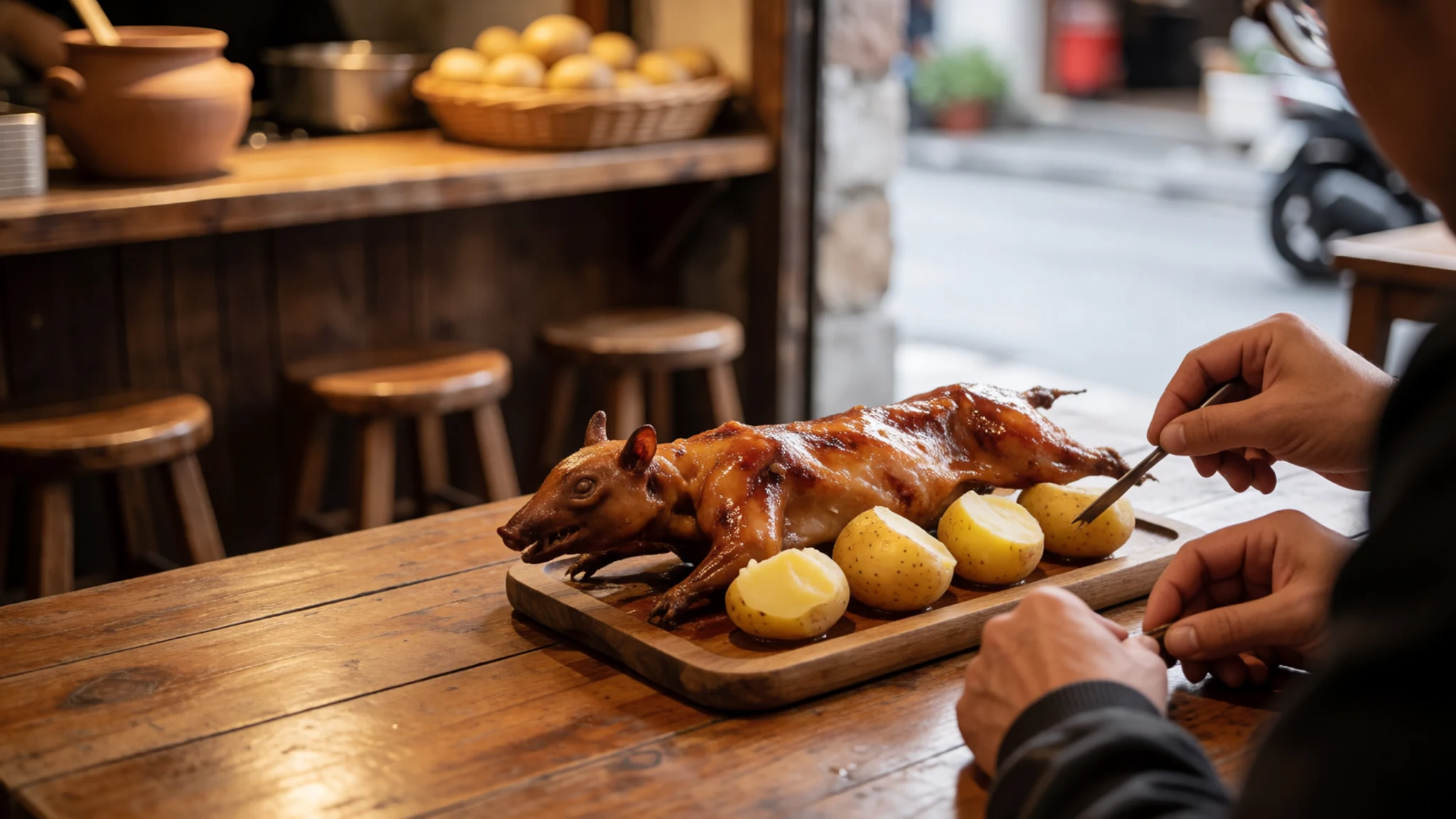
- Uvillo juice — Juice bars near the main plaza in Ipiales
Uvillo is the golden berry, a small tart fruit in a papery husk. Juice bars blend it into fresh drinks, and the "completo" versions are sweetened with honey. It is a cheerful, sharp contrast to the cold air, and an easy stop after the sanctuary.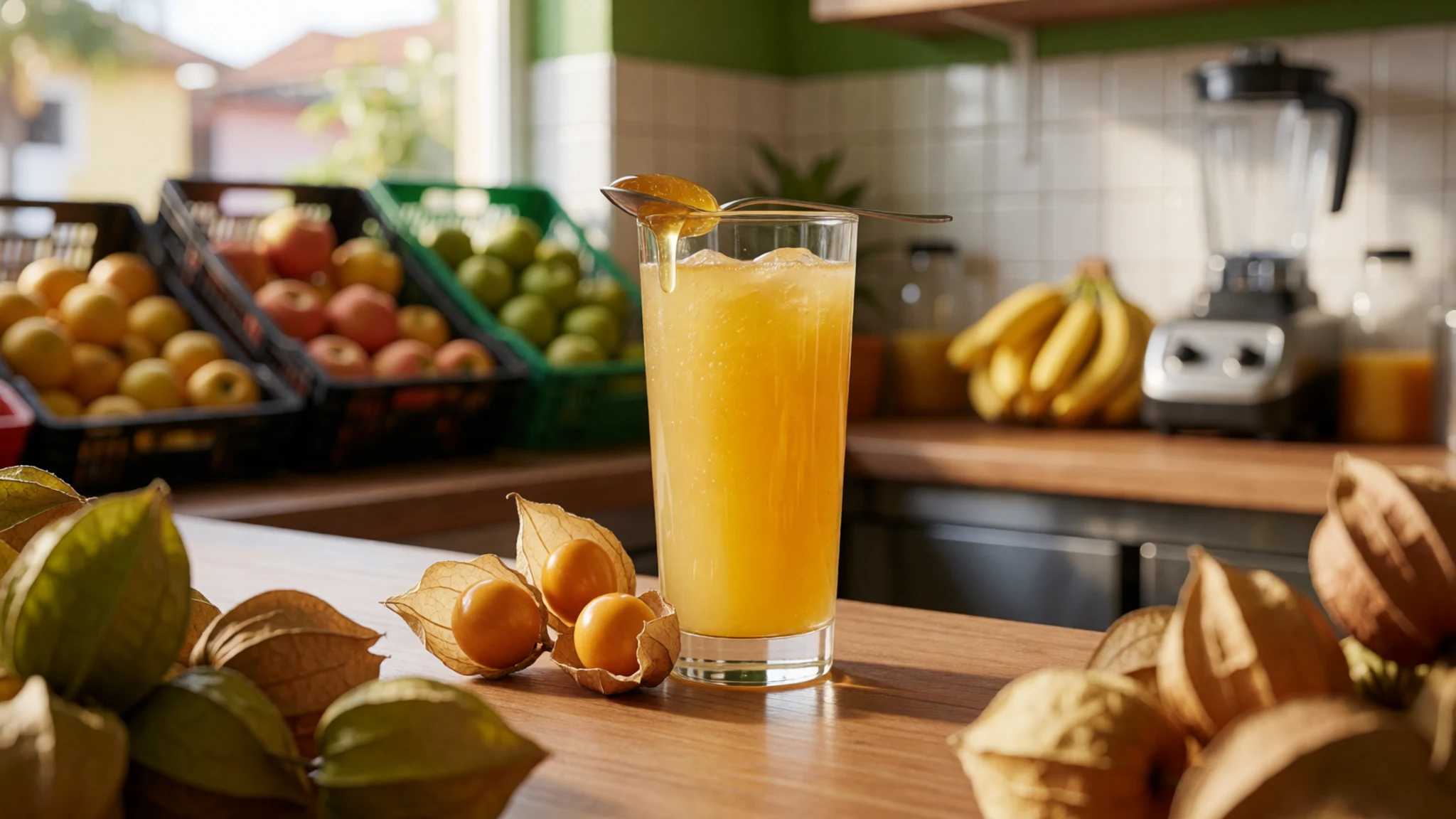
- Set vegetarian lunch — Small vegetarian eateries in the town centre
Vegetarian travellers can find a set lunch of soup, a main plate, a drink and a dessert at small eateries in central Ipiales. It is plain, filling food, usually built around grains, beans, vegetables and potatoes, and a practical choice before a cold afternoon. - Empanadas de pipián — Street stalls near the market and the bus terminal
Nariño's best-known empanada is filled with potato and served with a peanut-based sauce, often with a hot sauce on the side. Eaten hot from a stall, it makes a cheap, quick snack between buses or after a morning at the gorge. - Market fruit and potatoes — Saturday market at Plaza Los Mártires
The Saturday market is the place to taste the highlands: heaps of potatoes in several colours, fruit sold by the bag, and cooked snacks from the stalls. Point, ask for a small taste, and buy what looks freshest. Go early, before the crowds.
Plan it
Best time. Drier months in the southern Colombian Andes are typically around July–August and December–January, which gives better odds of clear views of the gorge. Cloud, drizzle and cool air can come at any time of year, so treat every month as changeable and go in the morning when mist is often thinner.
How long. 1–2
Getting there. Ipiales is the gateway town. Frequent buses run from Pasto (about an hour and a half) and from Popayán, and shared taxis (collectivos) link the bus terminal with the town centre. From Ecuador, collectivos run from Tulcán to the Rumichaca border crossing, and cars carry on to Ipiales. For the last leg, take a taxi or collectivo from Ipiales to the sanctuary; ask at the terminal for the current option.
Budget. low
Tips
- Go on a weekday morning for fewer crowds; Sundays and feast days are very busy.
- Check the official site (http://www.laslajas.org) for Mass times and any closures before you travel.
- Bring a waterproof jacket and warm layers, as weather in the gorge changes quickly.
- Carry small cash for stalls and local transport, and do not change dollars at the border, where the rate is poor.
- Combine the sanctuary with the Saturday market in Ipiales if your dates allow.
Etiquette
- Dress modestly and remove hats in the basilica.
- Keep voices low and do not photograph people while they pray.
- Do not walk in front of worshippers during Mass or use flash near the image.
Nearby
Sources
- Wikidata Q2227269 (CC0)
- Wikipedia: Sanctuary of Las Lajas (rev 1383709945) (CC BY-SA 4.0)
- Wikivoyage: Ipiales (rev 5008050) (CC BY-SA 4.0)
- Photo 01, Diego Delso (CC BY-SA 4.0)
- Photo 02, Diego Delso (CC BY-SA 4.0)
- Photo 03, Virgen de las Lajas (Public domain)
- Photo 04, Diego Delso (CC BY-SA 4.0)
- Photo 05, Diego Delso (CC BY-SA 4.0)
- Photo 06, Diego Delso (CC BY-SA 4.0)
- Photo 07, S23678 (CC BY 3.0)
- Photo 08, S23678 (CC BY 3.0)


