Larochette Castle
Larochette Castle, Luxembourg
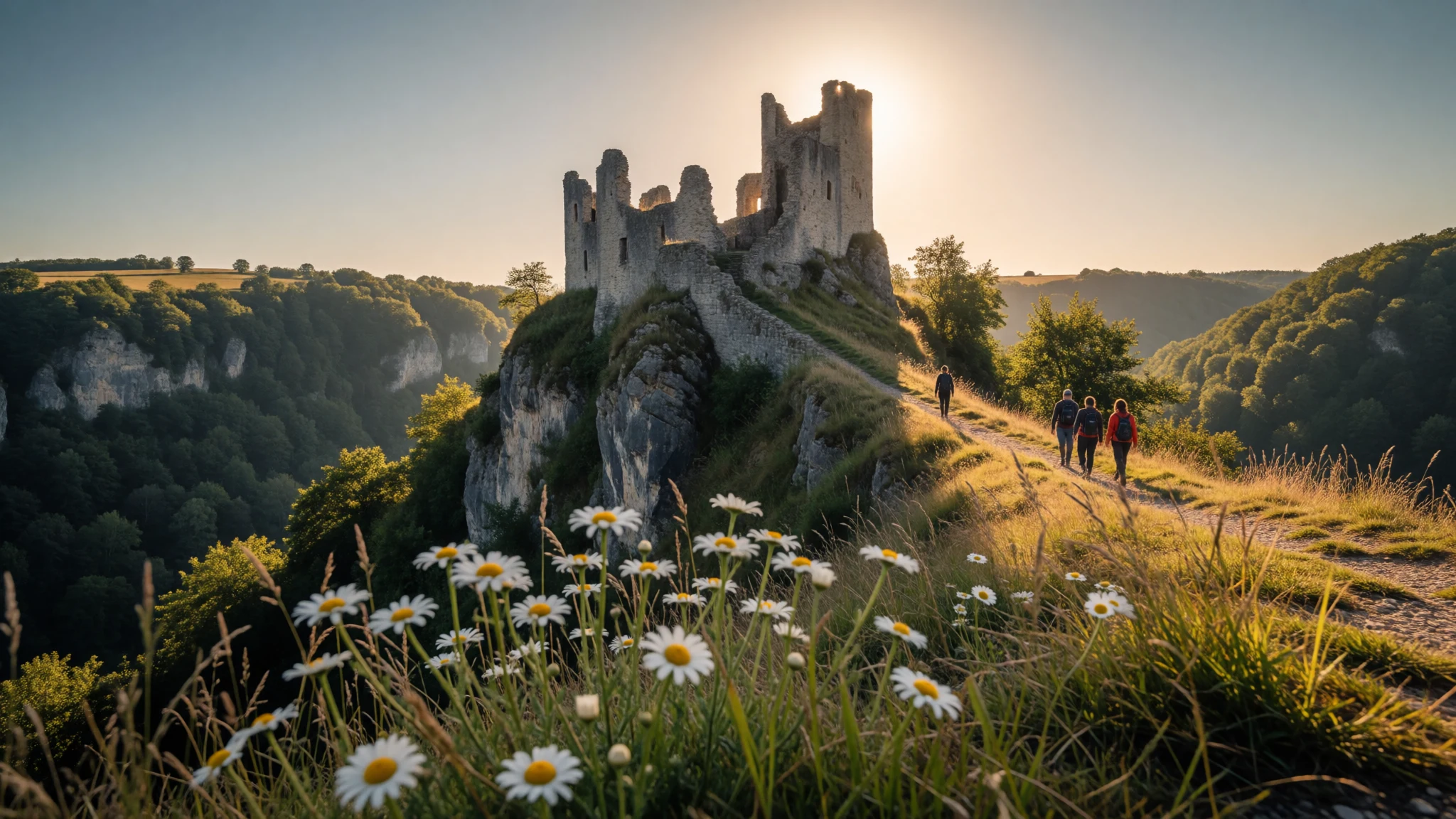
Larochette Castle is a ruined hilltop fortress above a quiet Luxembourg valley town, with legends in its stones and woodland trails at its door.
The place
Larochette Castle stands on a rocky spur above the small town of Larochette, in central Luxembourg. Locals call it Buerg Fiels; the German name is Burg Fels and the French Château de Larochette. The spur rises about 150 metres above the White Ernz, the stream that threads through the town below. It is a ruin, not a furnished stately home, and that is much of its appeal: walls, towers and gaps in the masonry are left for visitors to read for themselves.
The approach is unusual. The access road passes through a large farmyard that still has fortified earthworks, so the defences begin well before the main gate. Inside, the central building is ringed by a curtain wall that has partly collapsed. A deep ditch cuts the site into two halves, and at the far tip of the spur stand the remains of several manor houses, whose carved details suggest wealthy owners with a taste for show.
Fire brought the castle's days as a residence to an end near the close of the 16th century, and it then decayed for roughly four centuries. The State of Luxembourg bought it in 1979 and has carried out restoration work since, so some parts are stabilised and others remain rough.
The setting is as much of a draw as the stones. The town below is small and medieval in layout, and the castle sits at the edge of the Mullerthal region, a country of wooded valleys and rock formations that suits slow walking. Meysembourg Castle, another ruin, lies about 2 km north-west of the town.
Its story
Larochette Castle first appears in records at the end of the 11th century, and Wikidata dates its founding to around 1100. In the 12th century the lords of Larochette, the Van der Feltz family, served as standard-bearers to the counts of Luxembourg, a post that tied their fortunes to the region's ruling house.
The family grew large, and the castle grew with it. Instead of cramming everyone into one keep, relatives built five separate stately houses beside the main structure. Two survive in restored form: Homburg Manor, from 1350, and Créhange Manor, from 1385. Créhange now holds period artwork. Standing apart on the south side is the Verlorenkost tower, whose name means 'lost food'. The story told about it is that a cook, hurrying along with pots full of dinner, tripped and lost the lot.
The castle well has its own tale, and a darker one. During an attack, the lady of the castle is said to have leapt into the well with her child. The attackers pulled her out, then blamed the castle's steward for treason and threw him down in her place. According to the legend, he returns every Good Friday in the form of a dragon.
The legends are folklore rather than recorded history, and it is wise to treat them that way. What is documented is the long tenure of one noble line, followed by a fire near the end of the 16th century that left the buildings roofless and abandoned until the state took over in 1979.
What to see
- The castle ruins on the spur — Above Larochette town
Larochette Castle's main building sits inside a curtain wall that is now partly broken. A deep ditch divides the site into two parts, so crossing it feels like moving between separate fortifications. Allow time to circle the walls and look back down on the town and the valley.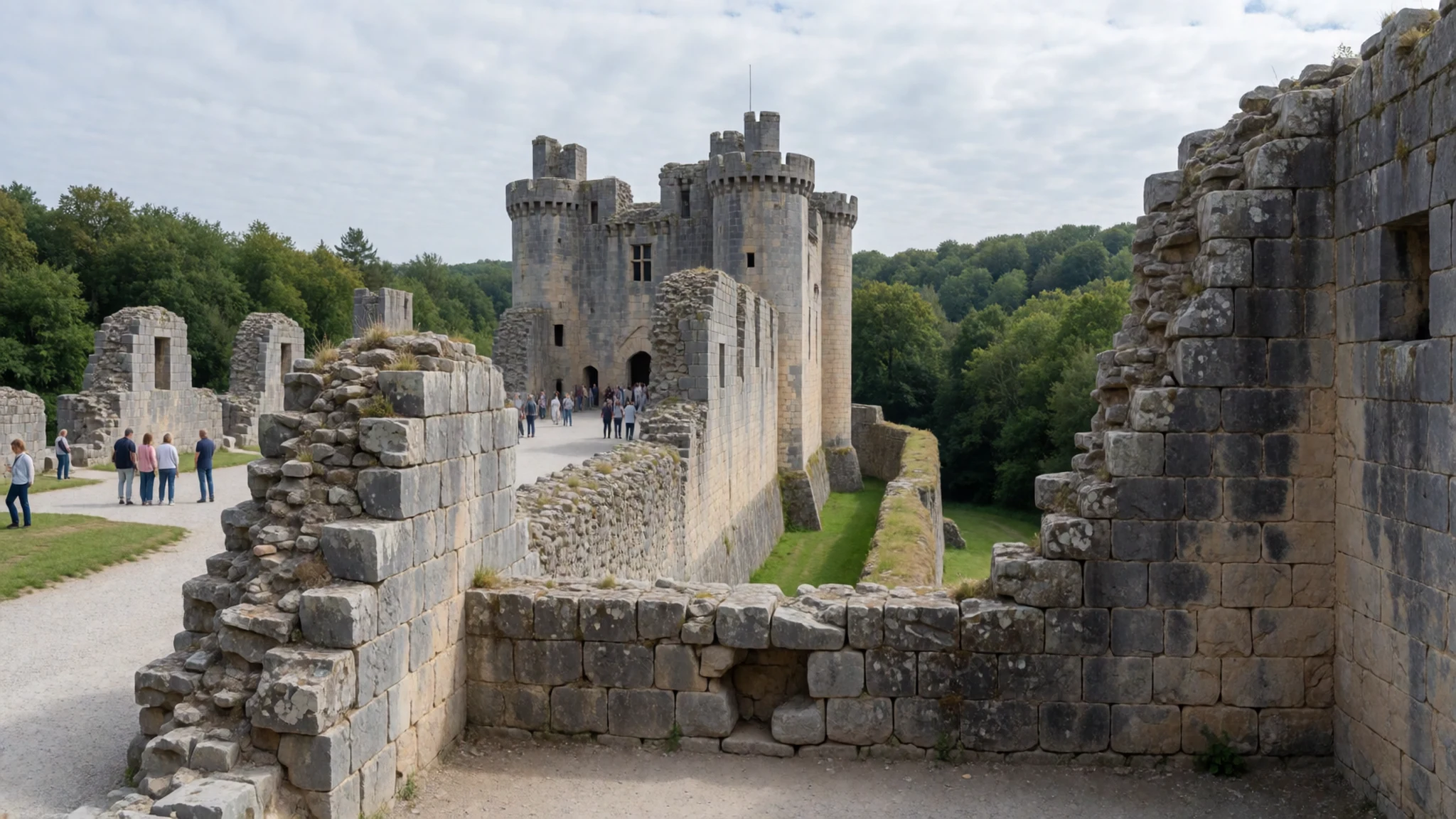
- Homburg and Créhange manors — Within the castle complex
Two of the five stately houses built beside Larochette Castle have been restored. Homburg dates from 1350 and Créhange from 1385. Créhange now houses period artwork, which gives a sense of how the noble family lived once the fortress stopped being purely military.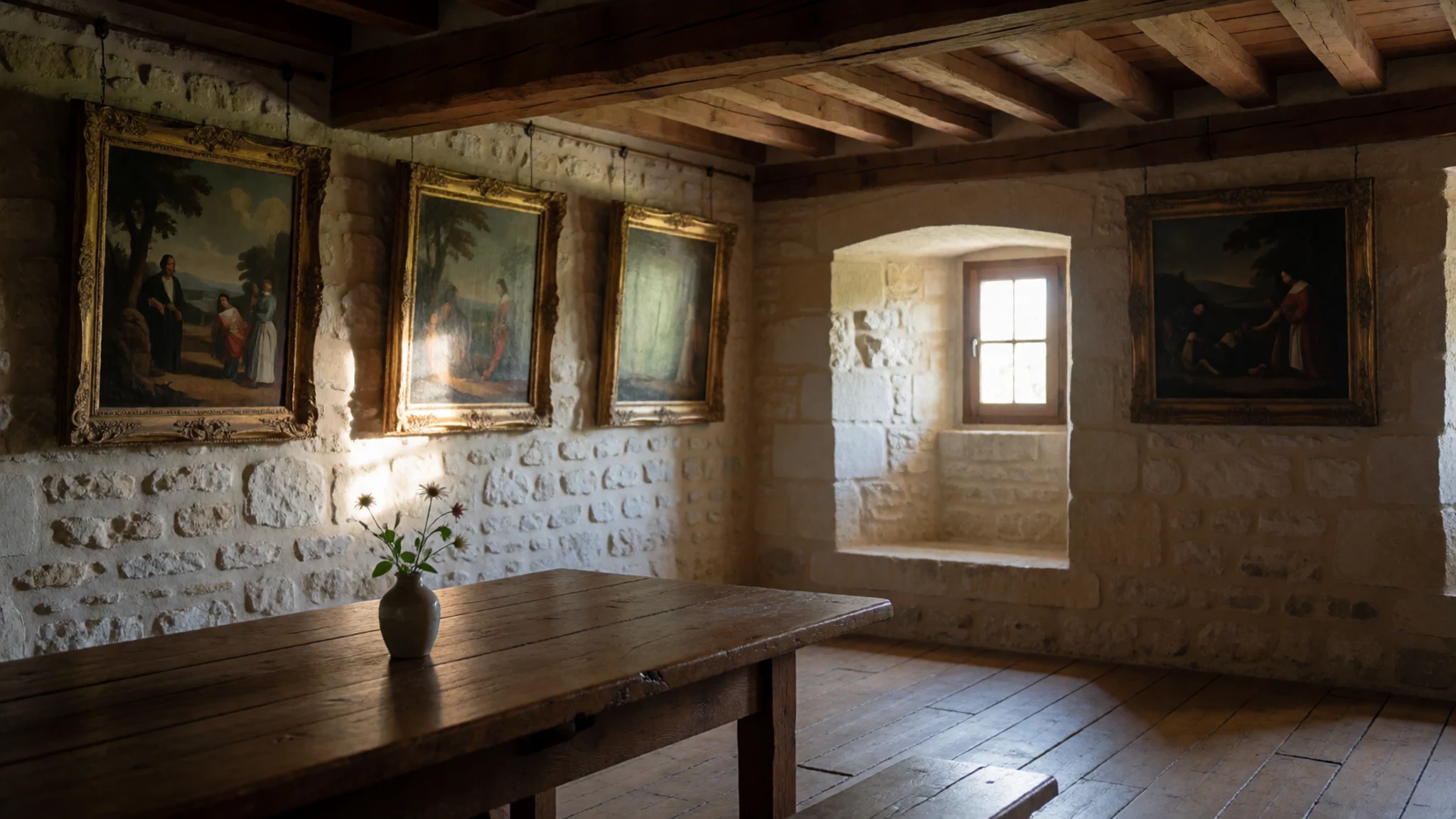
- The Verlorenkost tower — South side of the castle
This watchtower stands on its own at the south side of Larochette Castle. Its name, 'lost food', comes from a legend about a cook who dropped her pots of dinner. Whether or not the story is true, the isolated tower shows how the defences were spread across the site.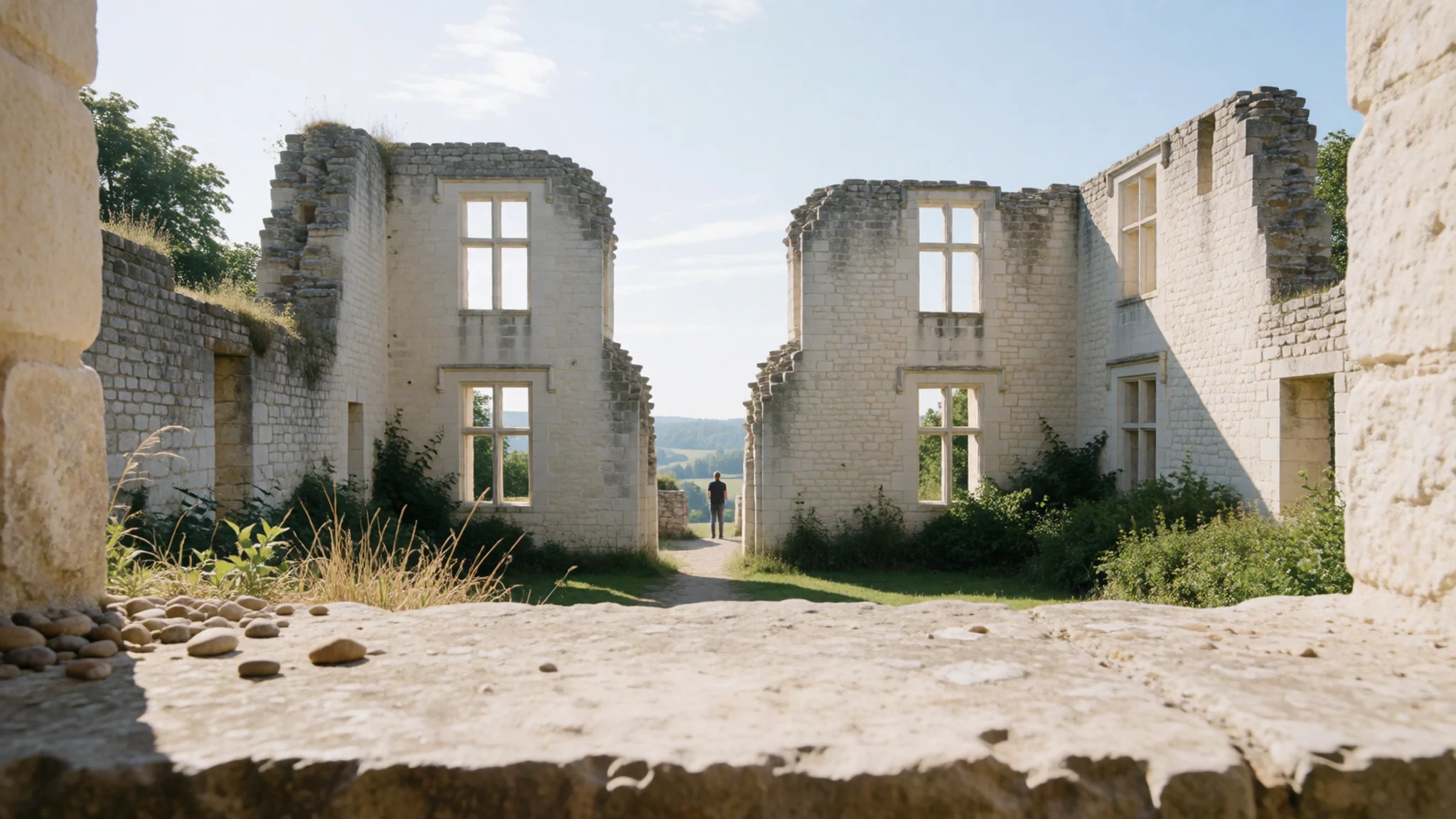
- The castle well — Inside the castle walls
The well inside Larochette Castle is tied to the story of a lady who jumped in with her child during an attack, and of a steward blamed and thrown in afterwards. Guides and local tradition tell the dragon part with relish, especially around Good Friday.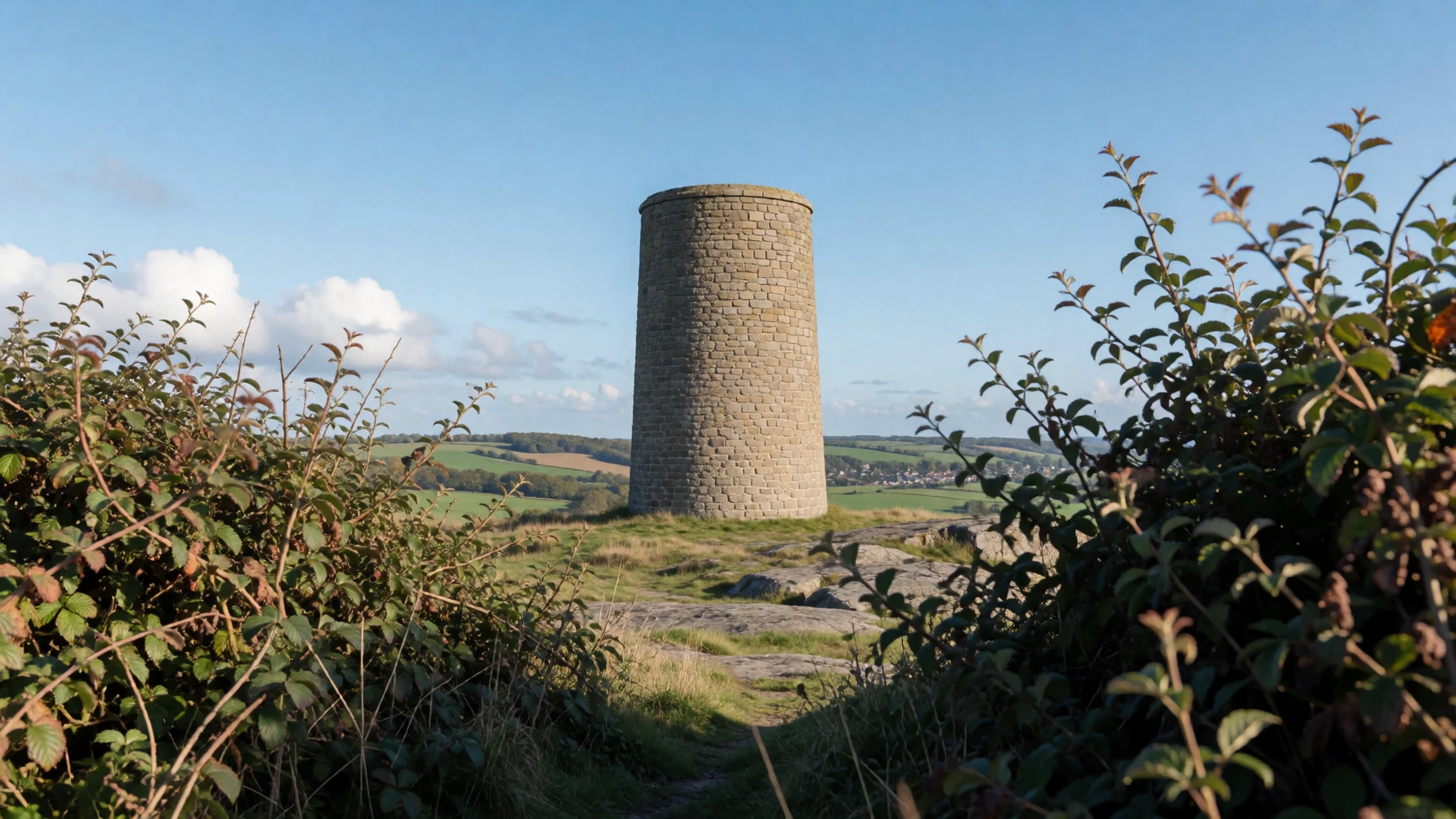
- The Mullerthal Trail — Mullerthal region
A waymarked route runs through the Mullerthal forest and past most of the towns in the region, Larochette among them. Even a short section makes a good partner to the castle visit, trading ruined walls for shaded woodland paths and rock scenery.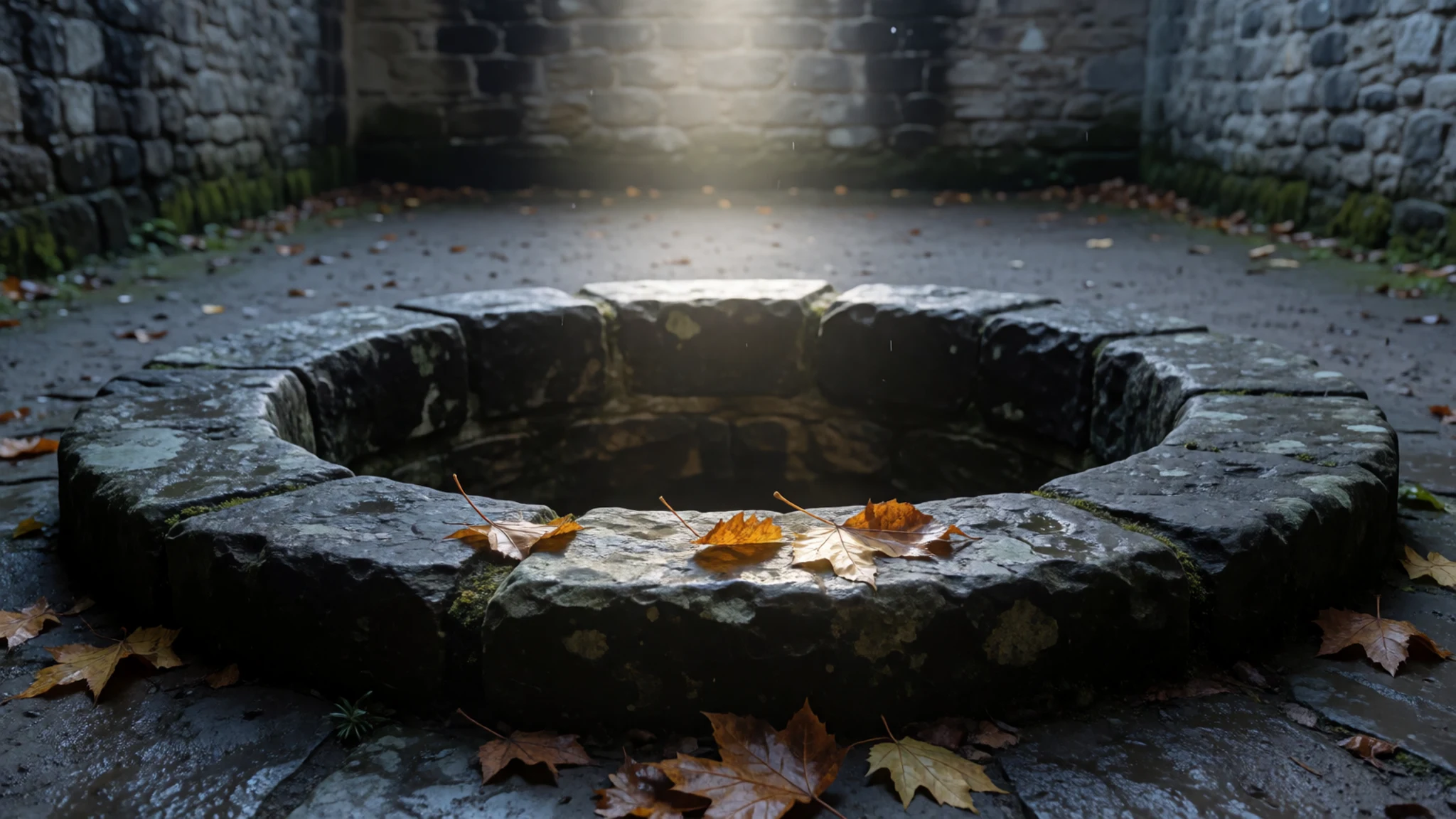
Culture
Larochette Castle sits in a part of Luxembourg where three languages share daily life. Luxembourgish is the everyday tongue, while German and French appear on signs, menus and in conversation, which is why the castle carries three names. A greeting in any of them goes down well, and most people in the tourism trade will switch to English if needed.
The culture here is quiet and local rather than grand. The castle is a regional monument whose stories, the cook's lost dinner and the steward who returns as a dragon, are repeated by townspeople as part of a shared heritage. Folklore like this is usually told with a straight face and a smile, so listening is better than debating whether it is true.
The region's identity is closely tied to its woods and rock landscape. Walking is the usual pastime, and the Mullerthal Trail is part of how locals and visitors alike spend a weekend. Small-town life runs at an unhurried pace, with a market-square centre, modest cafés and early closing in the evening in the quieter months.
The ruins are open to the public on a seasonal basis, and the state looks after them as protected heritage. Treat the old walls, steps and ditch edges with care, and keep to marked paths and do not climb on the crumbling masonry or remove any stones.
What to wear
Larochette Castle belongs to a region of Luxembourg where traditional dress survives mainly as folklore. Historic rural costume in this part of Europe typically used wool, linen and cotton, with dark skirts, aprons and bodices for women and waistcoats and breeches for men. Today such outfits are seen mostly at festivals, parades and folk groups' events rather than on ordinary days. Local tourist information can say what is on in the season.
What people actually wear now is the practical dress of northern Europe: jeans, light jackets, walking boots in the forest and neat casual clothes in town. Smart-casual is enough for a restaurant. Nobody dresses up for the castle itself, and walkers in outdoor gear blend in easily.
For a visitor, footwear matters most. The access to the castle crosses a farmyard and then climbs onto a rocky spur with uneven ground, steps and worn stone, so sturdy shoes with a good grip are far better than sandals or smooth soles. Wet weather makes the stone slippery.
The climate is changeable. Bring a waterproof layer even in summer, a warm layer for spring and autumn, and a hat and sun protection for dry days on exposed ground. No special modesty rules apply at the ruins, though a scarf or light cover-up is sensible if you step into a village church.
What to eat
- Judd mat Gaardebounen — Traditional restaurants and brasseries in Larochette town
Smoked pork collar served with broad beans, often with potatoes and a creamy sauce. It is widely treated as Luxembourg's national dish and turns up on traditional menus in town and village restaurants across the Mullerthal region.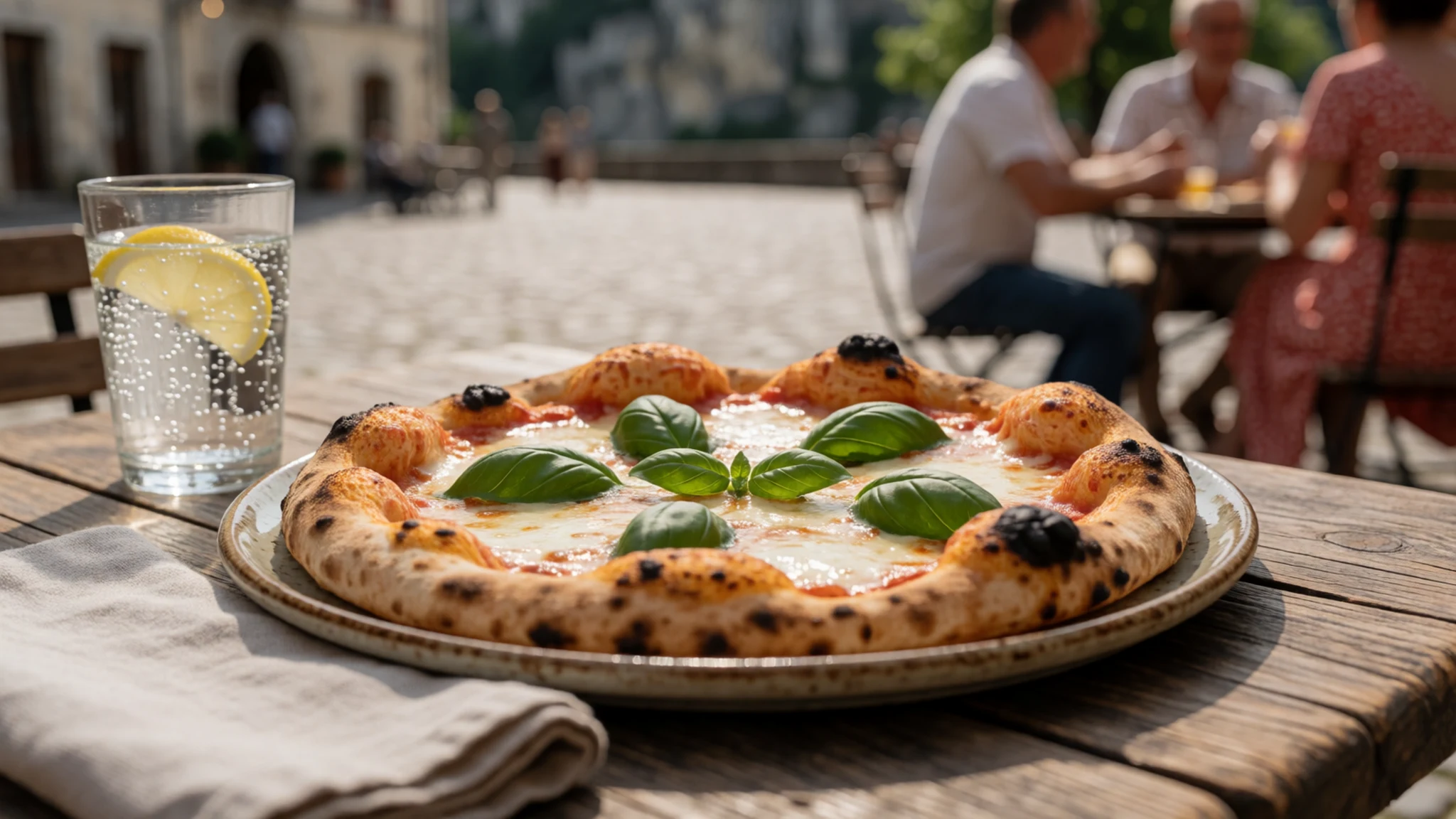
- Bouneschlupp — Village eateries and inns around the Mullerthal
A hearty green bean soup, usually made with potatoes, bacon or sausage and herbs. It is a sensible meal after a morning of walking, and many village eateries offer it as a starter or light lunch.
- Gromperekichelcher — Local fairs, festival stalls and casual cafés
Crisp fried potato fritters, flavoured with onion and parsley and usually eaten hot with apple sauce. They are typical street-fair and festival food, though bakeries and cafés sometimes sell them too. - Kniddelen — Family-run restaurants serving Luxembourg cooking
Soft flour dumplings, commonly served with bacon and cream or alongside meat dishes. The dish is simple, filling and homely, and it appears on menus in places that focus on regional cooking. - Quetschentaart — Bakeries and cafés in the town centre
A tart made with plums on a thin base, best in late summer and early autumn when the fruit is in season. It is the usual finish to a Sunday meal and is sold in local bakeries.
Plan it
Best time. April to June and September to October. The castle is open to visitors seasonally, from Easter until the end of October, and these months give cool-to-mild walking weather and leafy or autumnal woods. Summer can bring heavy showers, and winter generally means the castle is closed.
How long. 1–2
Getting there. Fly into Luxembourg Airport, near the capital, then continue by regional bus or hire car. By car from Echternach, take the E29 towards Luxembourg City, follow signs for Scheidgen and Larochette, then take Route nationale 118 through Consdorf and the Mullerthal forest into Larochette's town square. The castle is a short climb from town.
Budget. mid
Tips
- Check opening days and any entry charge with local tourist information before you travel, as the castle is seasonal
- Wear sturdy shoes with grip, as the approach and the ruins have uneven, worn stone
- Pair the castle with a section of the Mullerthal Trail for a full day out
- Carry a small amount of cash and a card for cafés in a small town, and bring water for the climb
- Go early on dry days to enjoy the ruins quietly before day-trip groups arrive
Etiquette
- Stay on marked paths and off crumbling walls
- Keep noise low, as the ruins are a protected heritage site
- Greet people in the town in Luxembourgish, French or German before switching to English
Nearby
Sources
- Wikidata Q1011703 (CC0)
- Wikipedia: Larochette Castle (rev 1051400674) (CC BY-SA 4.0)
- Wikivoyage: Larochette (rev 5408347) (CC BY-SA 4.0)
- Photo 01: Larochette, les vestiges du château fort — GilPe (CC BY-SA 4.0)
- Photo 02: Larochette Castle — Wikitestaccountlogin (CC BY-SA 4.0)
- Photo 03: Larochette Castle reconstruction — Pascal Reusch (CC BY 3.0)
- Photo 04: Larochette Castle 1 — Pascal Reusch (CC BY 3.0)
- Photo 05: Larochette, Blick auf die Burg — Meffo (CC BY-SA 1.0)
- Photo 06: Château de Larochette, Luxembourg — Jeff Croisé (CC BY-SA 4.0)
- Photo 07: Burcht & Larochette — LucT (CC BY 3.0)
- Photo 08: Château de Larochette — PNCoelho (CC BY 3.0)


