Vianden Castle
Vianden Castle, Luxembourg
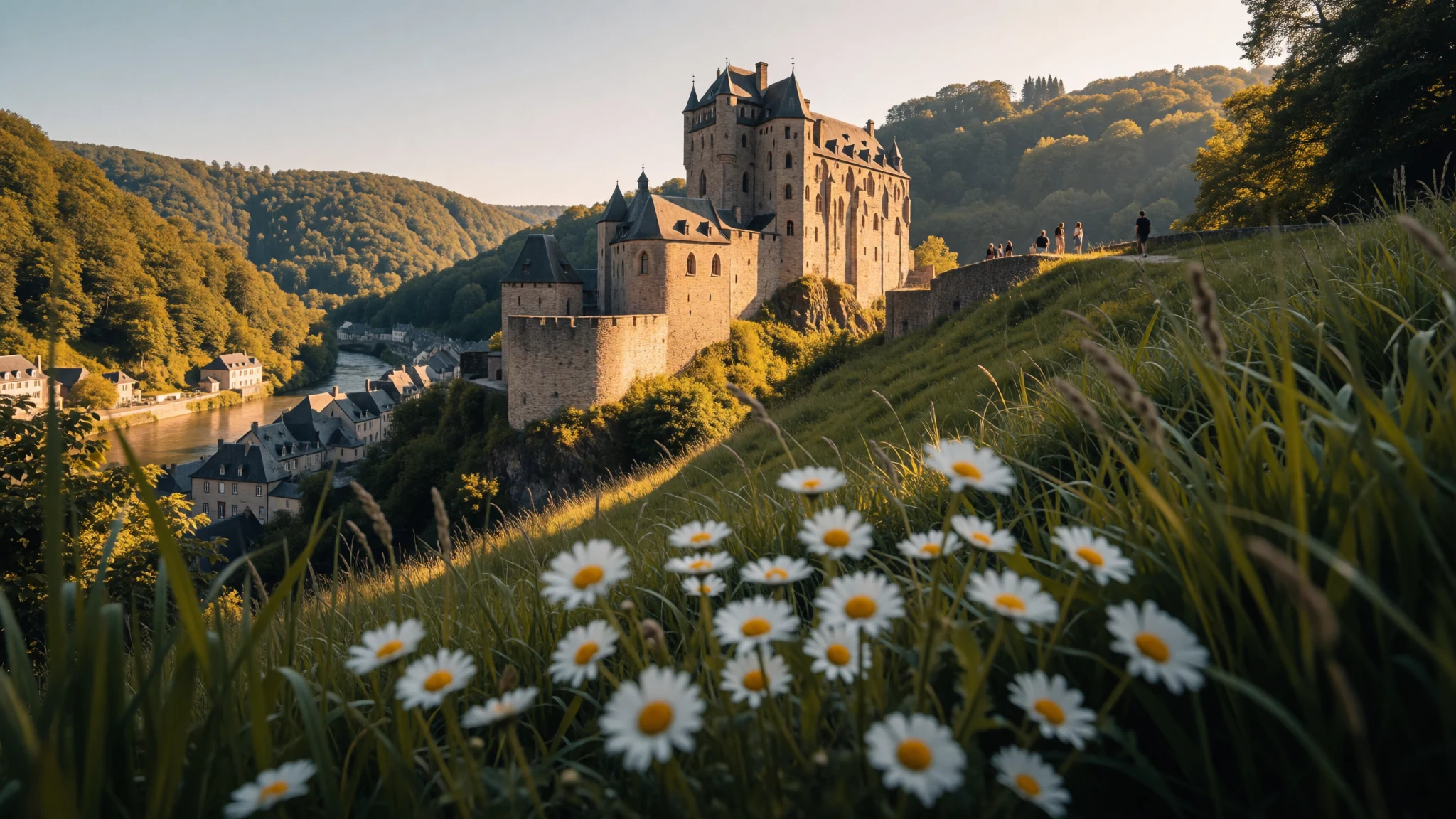
Vianden Castle is a compact storybook fortress over the town, restored and walkable, with views down to the River Our.
The place
Vianden Castle sits in the north of Luxembourg above the little town of Vianden, perched on a rocky spur and looking out over the River Our. Its position is part of the experience: the town feels like it’s tucked in below the stonework, and the castle feels like it watches the valley. In everyday terms, that means you can arrive and immediately sense the scale, even if you don’t read a single plaque.
The castle’s shape isn’t one neat “single-period” monument. The site’s story stretches back to earlier fortifications, and the standing castle developed over centuries: a Romanesque core built from the 11th to 14th centuries, later Gothic changes, and then additions that include a Renaissance mansion. After that long flourish, the castle fell into ruins for a time—but it has been fully restored and is open to visitors.
Practical note: it’s set up to be visited, not just admired from a bus window. The grounds and buildings form a vertical walk, and you’ll likely spend time moving between courtyards, halls and chapel spaces rather than covering huge distances. The views are the payoff—especially when the river valley is clear.
Expect seasonality: in busy summer weeks, the narrow approach roads and village parking can feel tight; in shoulder months, the castle visit tends to feel calmer and more personal. Dress for walking and for whatever the weather decides—stone walls look dramatic, but they don’t insulate you from wind and sun.
Its story
Vianden’s castle story starts long before the castle silhouette people photograph today. The site is associated with an early Roman outpost, and later the fortifications changed hands and functions as centuries rolled on. That layered beginning matters because the “castle” visitors walk through is really a palimpsest: different eras leaving their mark on walls, plans and surviving structures.
In the first millennium and around the time the counts of Vianden rose in importance, the settlement and its defences gained structure. By the early medieval period, there was a stone stronghold with a watch tower and an oval wall design for defence. Over time the residential side of the castle expanded—keep, kitchen, chapel and living spaces suggest it was built not only to resist attack, but also to host the daily life of an aristocratic household.
As the 12th century progressed, new additions appeared, including a larger residential tower and a chapel with a distinctive decagonal plan. The architecture also ties into how people moved through the complex: galleries connected key rooms, so the castle reads as an arrangement of spaces rather than just isolated defensive lumps.
Later, a palace building took shape on the grounds, linking palace and chapel with a grander gallery. Eventually the castle’s fortunes declined, and it spent time in ruins. The modern chapter is the restoration: instead of leaving visitors to imagine the past from fragments, the site now gives a readable form to the long sequence of building, adaptation and change. Standing in the restored spaces, it becomes easier to understand why the counts’ power and the castle’s grandeur rose together, then later faded.
What to see
- Vianden Castle
Vianden Castle overlooks the town and dominates the view from street level, perched above the River Our. What you’re really seeing is a restored complex with multiple architectural phases—from the core Romanesque form to later Gothic and Renaissance touches—so the visit feels like following a timeline in stone.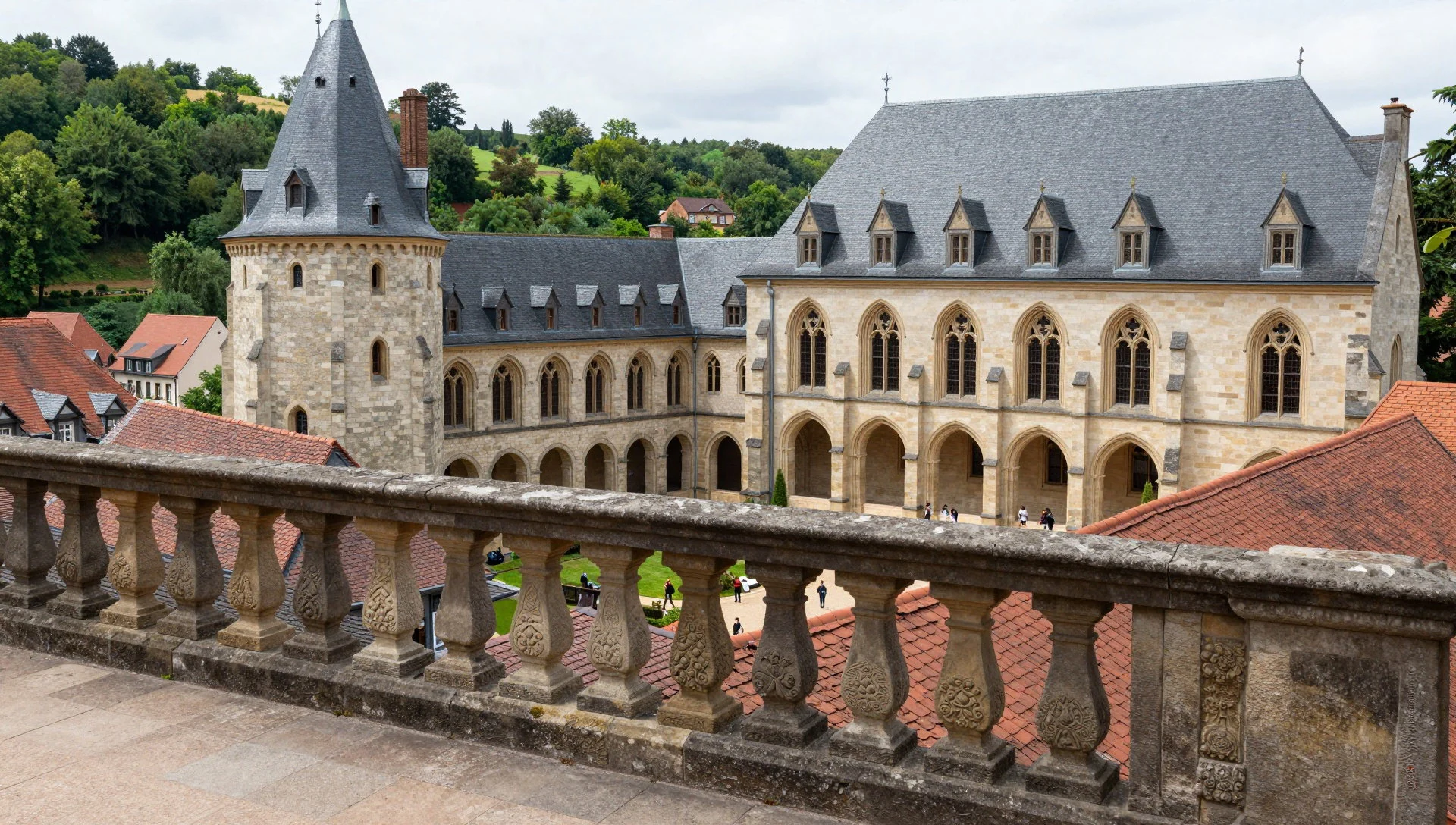
- Chapel spaces inside the castle
The castle’s chapel connects strongly to the medieval redevelopment of the complex, including its distinctive planned form mentioned in historical accounts. If you enjoy atmosphere over speed, slow down here—stone, layout, and light do a lot of storytelling on their own.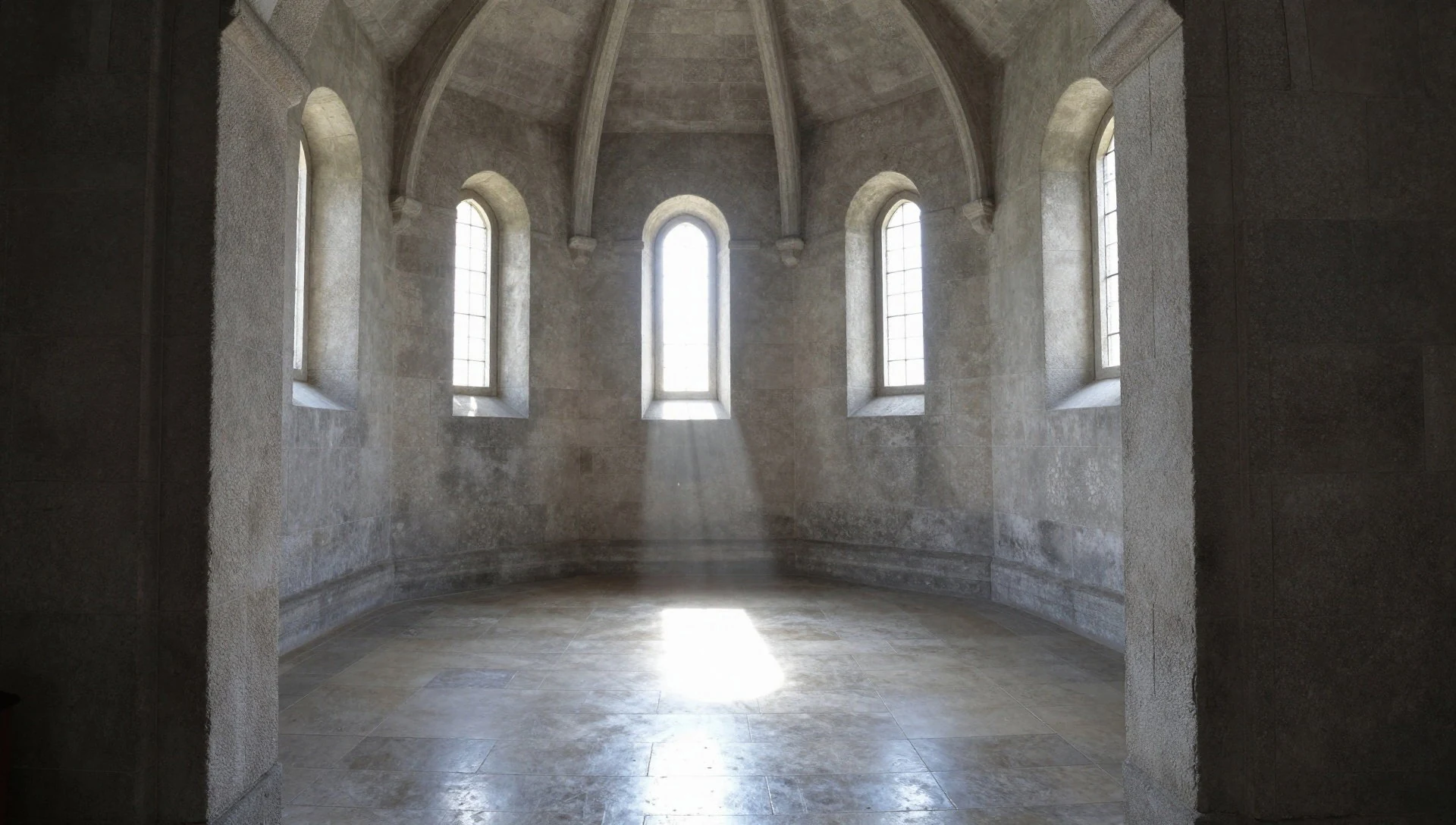
- Vianden Castle & town viewpoints
From outside angles you get the best “how it sits in the landscape” understanding: Vianden’s streets cluster below while the castle’s rocky setting frames the valley. The town + castle pairing is especially photogenic when the river is visible through gaps between buildings.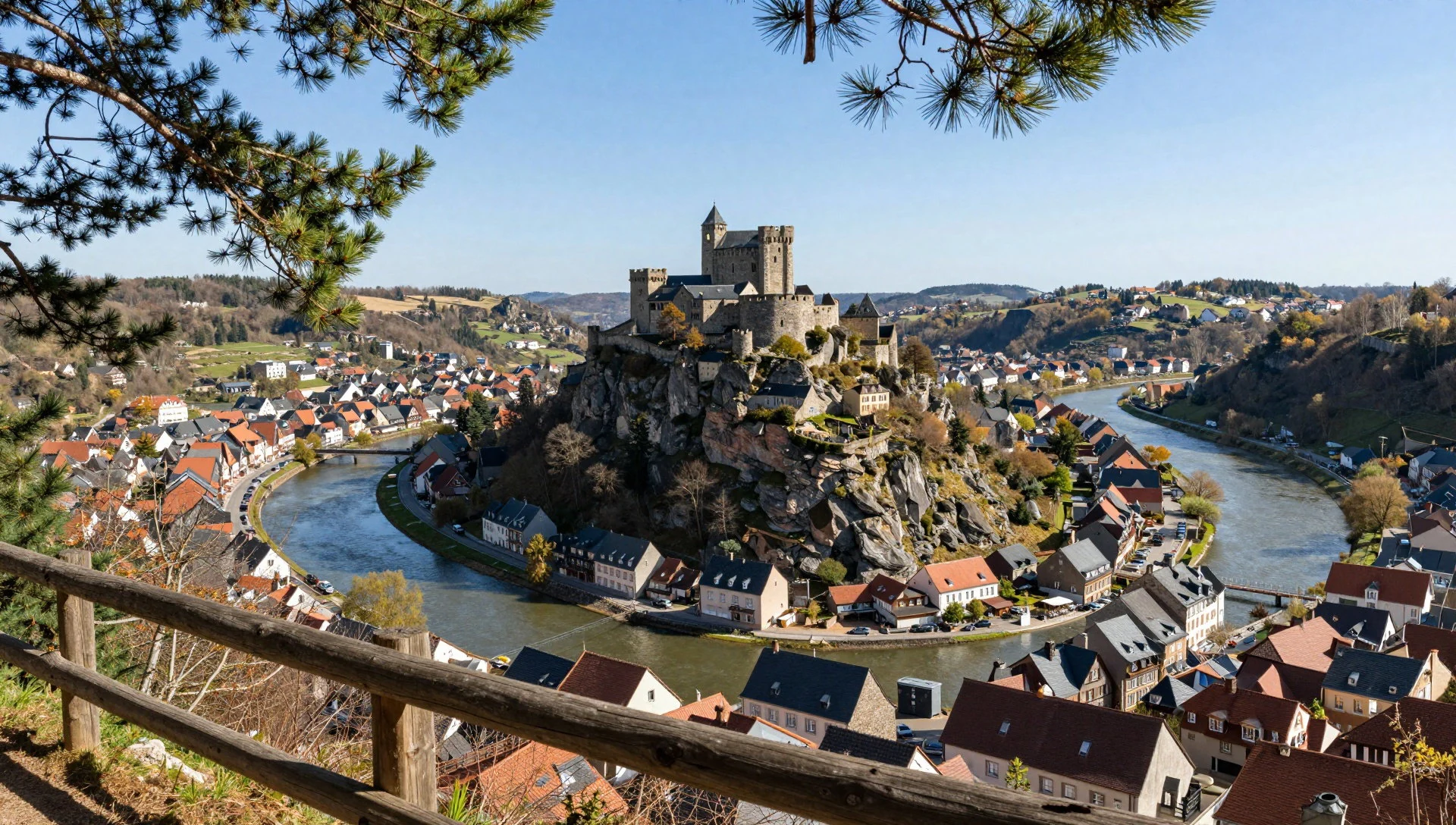
- Trinitarian church and cloister (nearby)
If you have a bit of extra time in Vianden, the Trinitarian church and cloister offers a clear Gothic character. It’s a good contrast to the fortress feel—more about religious space and historic continuity than defensive walls, while still fitting neatly into a short day.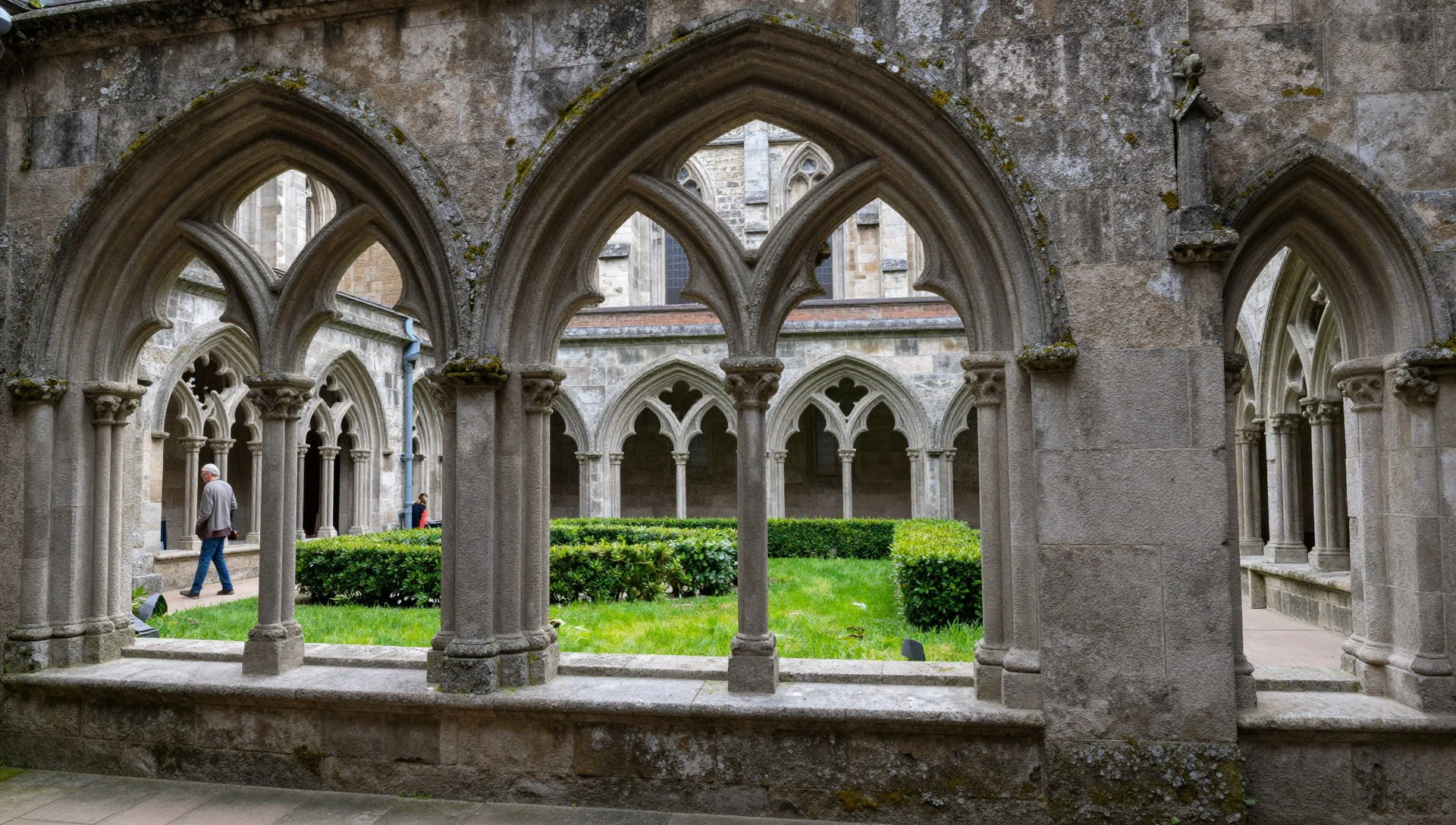
Culture
Vianden Castle is one of those European historic sites where the setting shapes your behaviour. The town roads and the approach are compact, so in peak season the feel is closer to “managed flow” than leisurely wandering—especially around the viewpoints where people stop to photograph. The castle itself is built for walking and looking, but it’s also a place with interior spaces, so expect some quiet etiquette: keep voices down in enclosed areas and move steadily rather than stopping suddenly in narrow passages.
Also, bear in mind that Vianden is a small community. When you’re outside, it’s easy to accidentally block a path or pause in the wrong spot for a photo, because the views tempt everyone at once. In hot spells, the stone can feel bright and unforgiving; take water and plan for shade breaks. On cooler days, the climb and steps still add up, so comfortable footwear is the biggest “culture” issue here—slipping on uneven ground ruins the mood faster than any crowd does.
Visitor etiquette: Keep to marked paths, don’t block entrances or stairways for photos, and follow any staff instructions inside the castle.
What to wear
For Vianden Castle, clothing is about walking comfort and practical modesty where interiors get involved. Traditional costume isn’t really part of daily life here, but in Luxembourg-style celebrations you’ll occasionally see formal folk looks: embroidered pieces with regional patterns, often worn for festivals or heritage events rather than for a casual castle visit. Visitors generally won’t be expected to dress in traditional attire.
What people wear now: in town you’ll see everyday layers—jackets or light coats in cooler months, and breathable tops in warm weather. You’ll also see practical shoes, because the castle approach and grounds involve steps and uneven surfaces.
What to wear: comfortable walking shoes with grip are the priority. Bring a light layer for breezy river-valley weather, and if visiting in sunny months, a hat and sunglasses help around the open viewpoints. If you’re spending time inside chapel areas, dress modestly—no overly short hemlines and consider a thin cardigan or scarf if you’re covering shoulders is part of your personal comfort. Keep a small bag for water and anything you need for a longer wander.
What to eat
- near the télésiège area — near the télésiège area
Grab simple refreshments at a café near the télésiège area after your ride or before the walk back down. It’s a good stop if you want something quick with a view.
- River-side café snacks at Café Du Pont — down by the River Our
For a relaxed sit with views over the water, try the riverside café scene around Café Du Pont. The setting makes it an easy choice for a break between castle and town wandering, especially in calmer weather.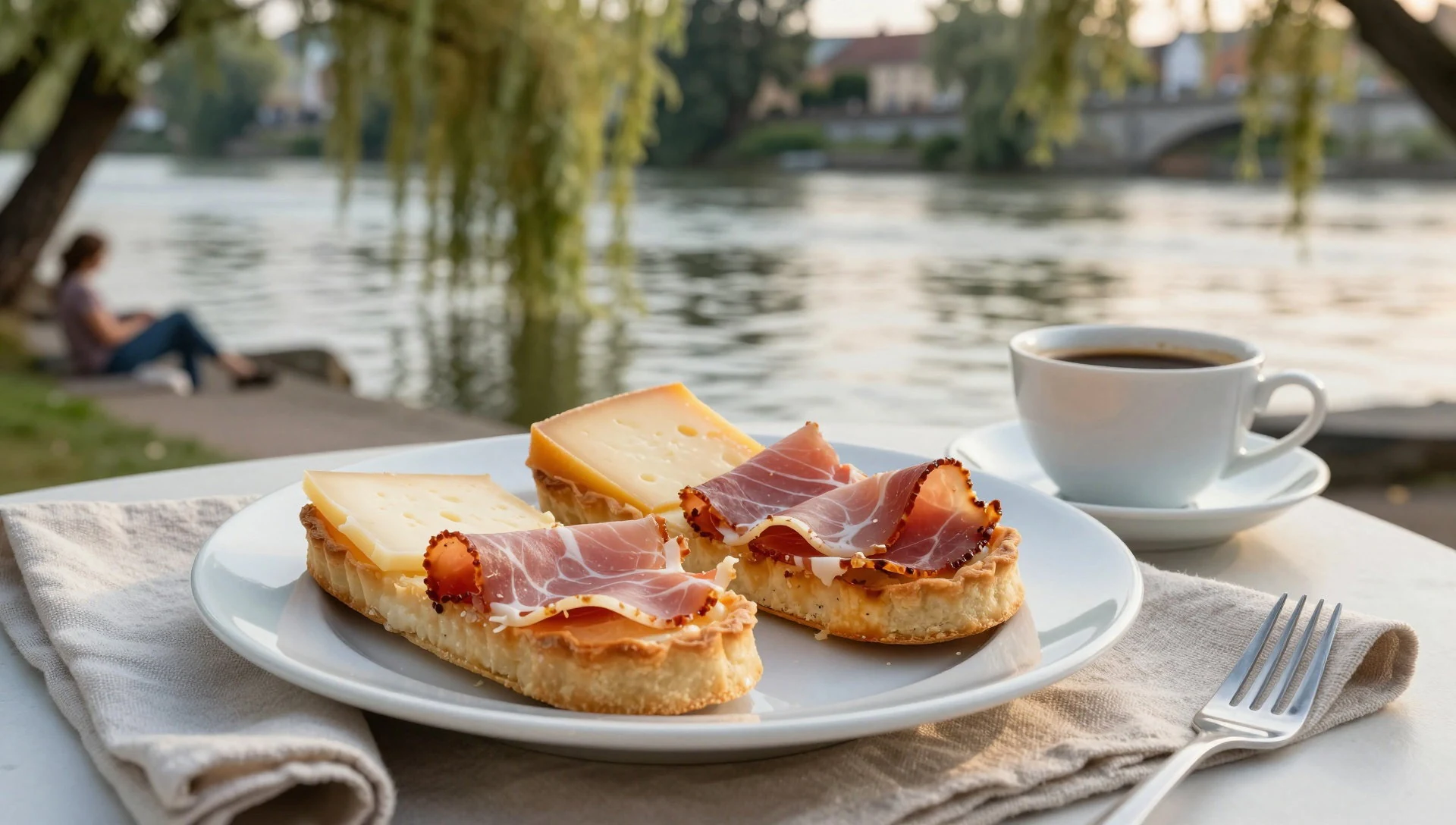
- Bistro-style lunch near the river — near the river in Vianden
Bistro City Corner is the kind of family-run eatery that suits a straightforward lunch—bistro-style food and an outdoor terrace when the weather plays nicely. It’s handy if you want something close to the river without making a big plan. - Restaurant terrace meal by the waterfront — near the waterfront by the river
Lajolla Lounge is known for terrace time right by the waterfront, designed so you can get away from passing traffic while you eat. If you prefer a laid-back meal with a longer view across the water, this is the right vibe. - Cinema-café with live events — in Vianden town centre
Ancien Cinema Café is a bar with a cultural streak—an old-school interior atmosphere alongside regular concerts and screenings. For food, think along the lines of a casual bar stop: a place to hang out after exploring the castle and town.
Plan it
Best time. For castle walking, May and September tend to be the most comfortable stretches, with milder highs and lower rainfall; spring eases in around March–April, and temperatures cool down from October–November. Expect June and August to be the wetter months, which can make the stone-and-steps walk a bit slick and less comfortable.
How long. 2–3
Getting there. You can reach Vianden by public transport: take the train to Ettelbruck, then the 180 or 181 bus from the station by the train station. The trip to Vianden takes about 35 minutes from Ettelbruck (about 20 minutes from Diekirch). For a plane arrival, Luxembourg Findel Airport is the nearest major airport.
Budget. mid
Tips
- Start your castle visit earlier in the day to reduce the densest queues.
- If you’re driving, aim for parking options closest to the castle or just before entering the village; spaces can feel limited in summer.
- Use the town’s short walks to time your viewpoints—people tend to cluster, so move a little and you’ll often find calmer angles.
Etiquette
- Keep to paths and don’t stop suddenly in narrow stairways for photos.
- In enclosed chapel or indoor areas, keep voices down and follow staff guidance.
- Respect that Vianden is a small place—avoid blocking entrances or the main village approach.
Nearby
Sources
- Wikidata Q1014402 (CC0)
- Wikipedia (rev 1360745356) (CC BY-SA 4.0)
- Wikivoyage (rev 5421350) (CC BY-SA 4.0)