Lake Tondano
Lake Tondano, Indonesia
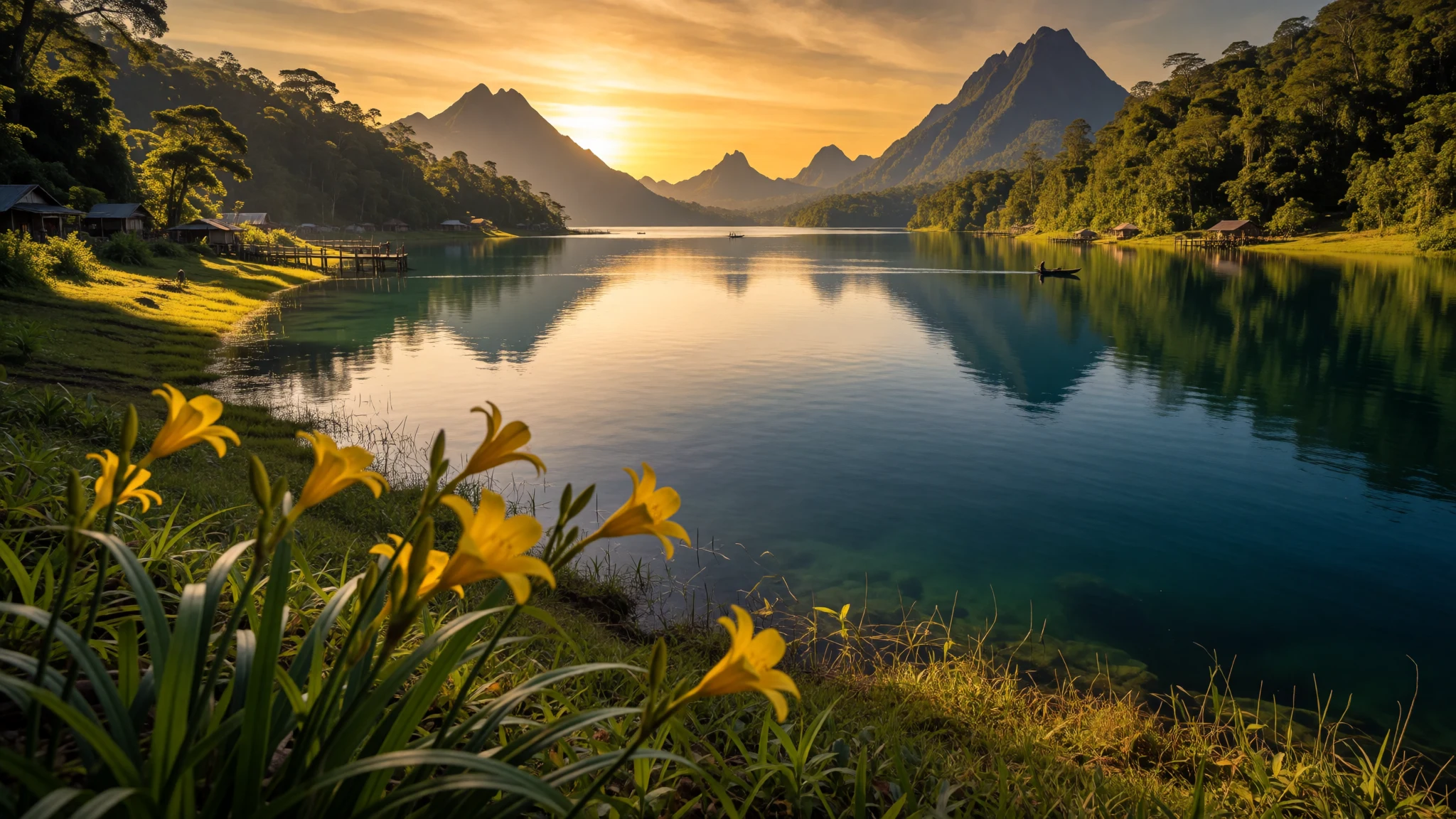
Lake Tondano is a cool, misty highland lake above Manado, good for fishing-platform views, volcano country and Minahasan food.
The place
Lake Tondano lies in the Minahasan Highlands of North Sulawesi, about 683 metres above sea level, and it is the biggest lake in the province. The altitude shapes the visit. Mornings are cool, mist often sits on the water until the sun gets high, and the surrounding hills stay green. Manado, the regional hub with the main airport, is down on the coast, so almost everyone arrives by climbing inland from there. The shoreline is a working landscape rather than a wilderness. Villages and small towns ring the water, gardens and rice plots run down to the edge, and fishing is a daily trade, with boats and floating platforms dotted across the surface. The water is often greenish, and in places mats of floating weed gather near the shore, so this is not a resort-style lake for swimming and lounging. Its appeal is quieter: the view from the hill villages above, the slow pace, and the volcano country close by. The lake also holds species found nowhere else, including a small halfbeak fish and a tiny crustacean called a copepod, which gives it a scientific interest well beyond its modest tourist profile. Facilities are simple, so it works best as a half-day or full-day break from the coast, or as a calm stop on a longer loop through Tomohon and the highland towns.
Its story
Lake Tondano has long been the heart of Minahasan country, the highland home of the Minahasa people. Much of northern Sulawesi became a Christian enclave in an island where Islam is the majority faith, and the Dutch, who settled heavily here in colonial times, left churches, surnames, recipes and habits that are still easy to spot. The lake sat at the centre of that world as a source of fish, water and farmland. Its recent story is about pressure. Reports over the decades describe the water level dropping, and local people and researchers have worried about silting and about water hyacinth, a fast-growing floating weed that spreads across the surface and crowds out the lake's life. The endemic fish and copepod make that worry sharper, because they live nowhere else. Fishing families still work the lake from bagan, simple floating platforms where nets are lowered and the catch is awaited, and the scene has become one of the lake's best-known images. None of this makes Tondano a ruin or a tragedy. It is a living lake under strain, with a community that depends on it and a growing interest in looking after it. For a traveller, that means seeing it honestly: beautiful on a clear morning, a little untidy at the edges, and very much in use.
What to see
- Floating fishing platforms — Shoreline villages around the lake
The bagan are simple platforms that float on the lake, where nets are lowered and fishers wait for the catch. They are easiest to see from the shore road or a small boat. Early morning gives the softest light and the calmest water, and the platforms make a strong foreground for photographs.
- Rurukan viewpoint — Rurukan, hills above the lake
From the hill village of Rurukan the whole lake spreads out below, often with cloud lying in the valley at first light. The road climbs through market gardens and cool air, so bring a layer. Clear mornings are the best bet, as haze and cloud tend to build later in the day.
- Water hyacinth shallows — Sheltered coves and margins
Parts of the shoreline are thick with floating water hyacinth, which grows fast and threatens the lake's ecosystem. Seeing it up close explains the conservation worries better than any sign. It is a reminder that the lake is a living, stressed habitat, not just scenery.
- Tondano town — North end of the lake
The lakeside town of Tondano is the practical base for the area, with markets, simple eateries and a feel of everyday Minahasan life. It is worth an unhurried wander for food, church architecture and conversation, and makes a useful stop for supplies before heading up to the viewpoints.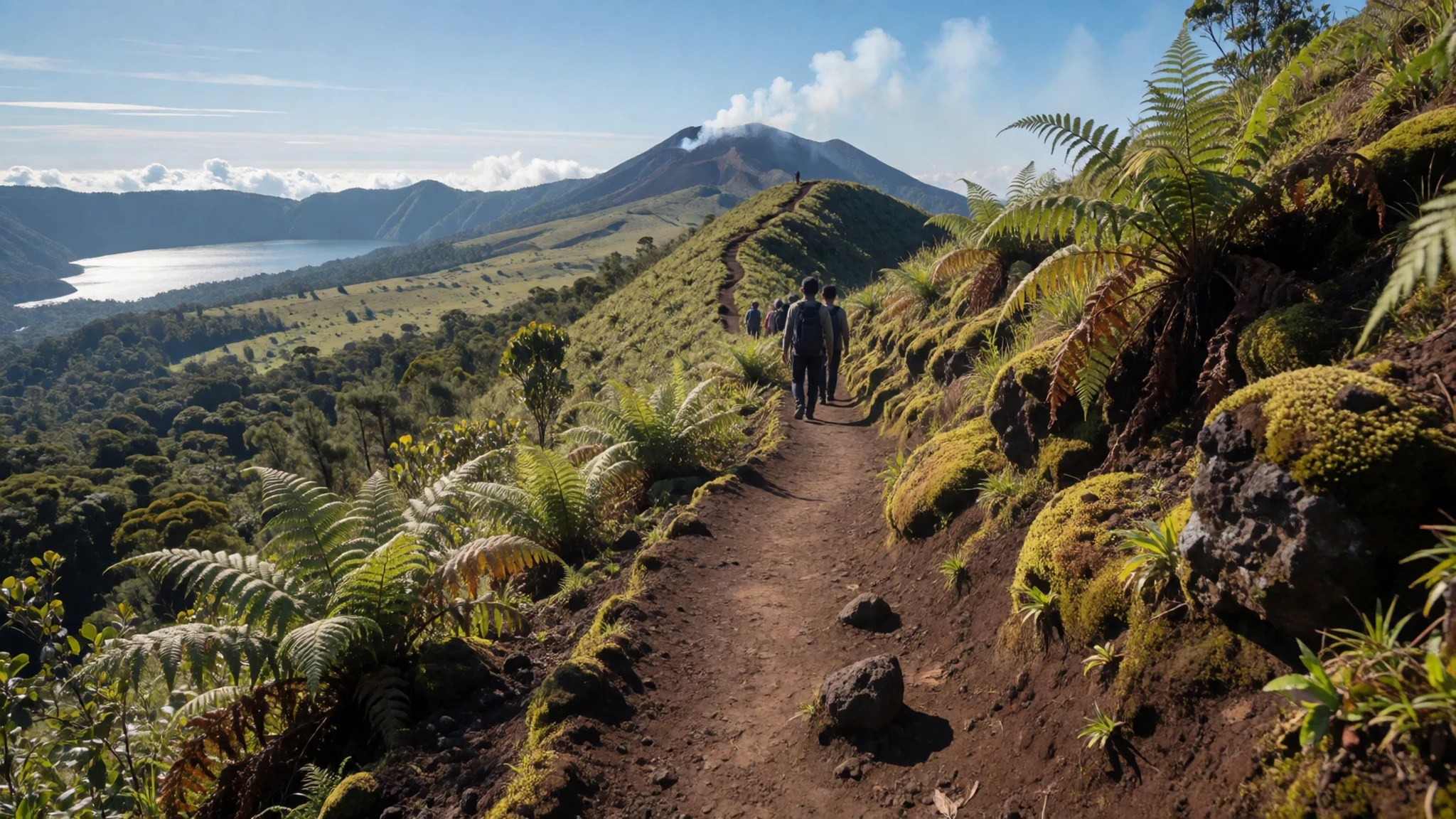
- Tomohon and the volcanoes — Tomohon, Minahasan Highlands
The highland town of Tomohon lies close enough for a day trip, and from there the nearby volcano peaks are easy to reach, with taxis arranged from Manado to Tomohon or Kinilow. Its market is famous for the full range of Minahasan meats, which some visitors find confronting.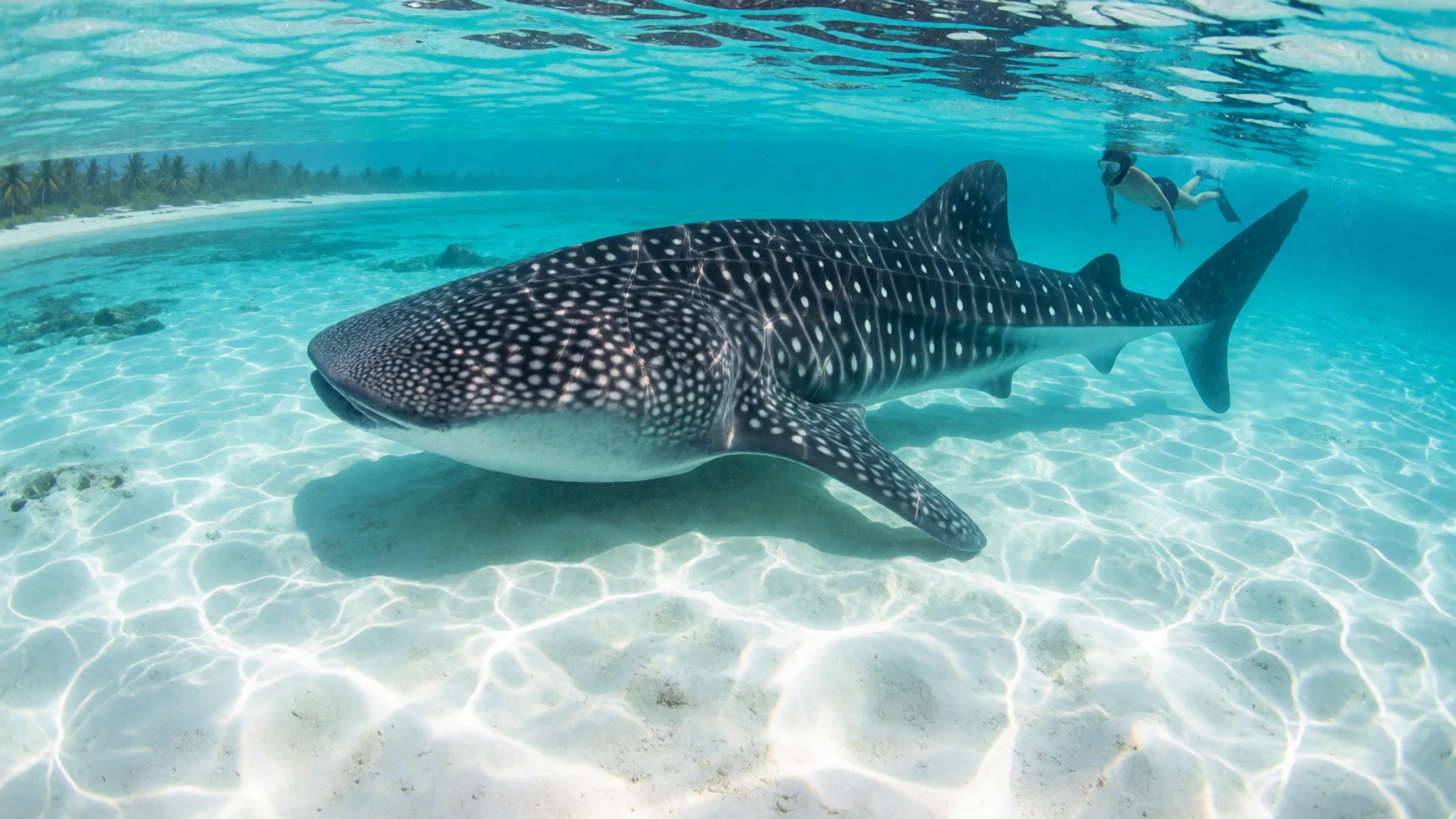
Culture
Lake Tondano belongs to Minahasan culture, which blends highland tradition with a strong Christian identity, mostly Protestant, and visible Dutch influence. Church is central to community life, so Sundays are busy with services, choirs and family gatherings, and the mood on the roads and in villages shifts accordingly. Music is a real strength here, and group singing is common at church and community events. Hospitality is warm and often generous with food, and conversation with visitors is usually friendly, even across a language gap, though a few words of Indonesian help a great deal. Fishing and farming still set the rhythm of the week around the lake, and many families depend on the water for income. The wider region is more mixed than the Minahasan core suggests, with other groups including the Bantik and Sangirese, and Muslim-majority areas such as Gorontalo Province to the west, so customs differ from town to town. Alcohol is somewhat easier to find than in many other parts of Indonesia, but behaviour in villages is still conservative and low-key. Local food traditions are bold and meat-heavy, and some dishes will be unfamiliar to many visitors. Take it in the spirit offered, and politely decline what you do not want to eat. Ask permission before photographing people at work on the lake or at a church service, and keep your voice and camera discreet during worship.
What to wear
Lake Tondano sits in Minahasan country, where traditional dress is mostly kept for ceremonies, cultural festivals and church or community occasions. Ceremonial outfits use woven cloth, with the old Minahasan Bentenan weave being a famous but now rare textile, along with batik and kebaya-style blouses influenced by wider Indonesian and colonial fashion. These are worn for weddings, performances and special celebrations rather than daily life. Everyday clothing is practical and modern: t-shirts, shirts, jeans, light trousers, rubber sandals for the fishing platforms, and rain jackets when clouds roll in. On Sundays, people dress noticeably smarter for church, with tidy shirts and dresses. Visitors should dress for a cool, damp highland rather than the hot coast. At about 683 metres, mornings and evenings can be chilly, and showers are common, so carry a light waterproof and a warm layer. Quick-drying clothes suit the humidity. Sturdy shoes or trainers with grip help on muddy lanes and hill paths, and sandals are fine around the shore. Shoulders and knees covered is a sensible default in villages and when entering a church, and swimwear is best kept for the coast rather than the lake. Sun protection still matters on clear days, as the highland sun is strong.
What to eat
- Woku — Family-style eateries in Tondano town and Manado
A spice-heavy Minahasan dish built on lemongrass, lime leaves, chilli, spring onion and shallot. Fish is often wrapped in banana leaf and grilled, though meat versions exist. Look for it at family-style eateries in Tondano and Manado.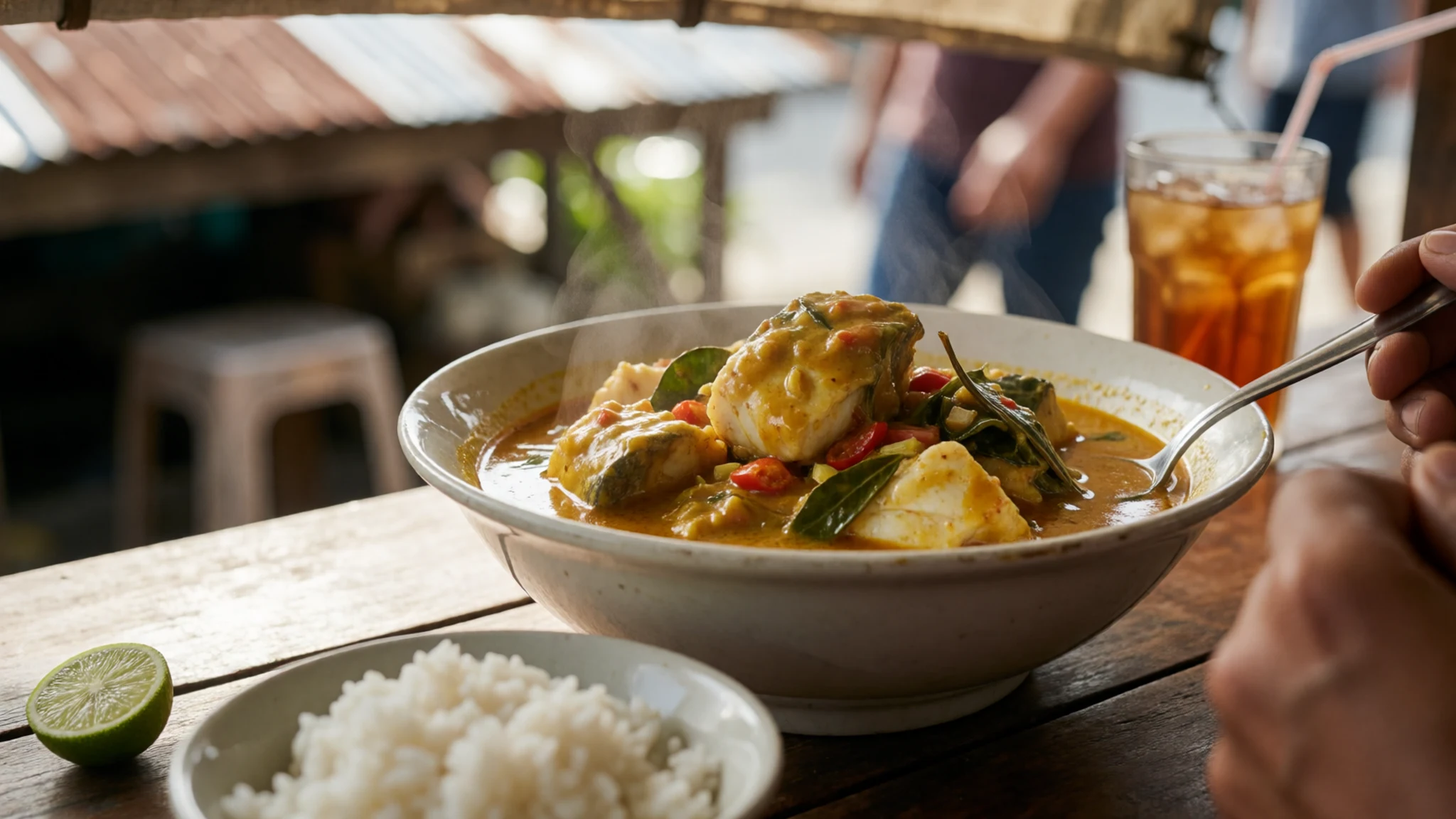
- Brenebon — Local Minahasan eateries around Tondano and Tomohon
A pork shank and bean stew, scented with nutmeg and cloves. The name comes from Dutch words for brown beans, a reminder of colonial influence on the local kitchen. Hearty and warming on a cool highland morning.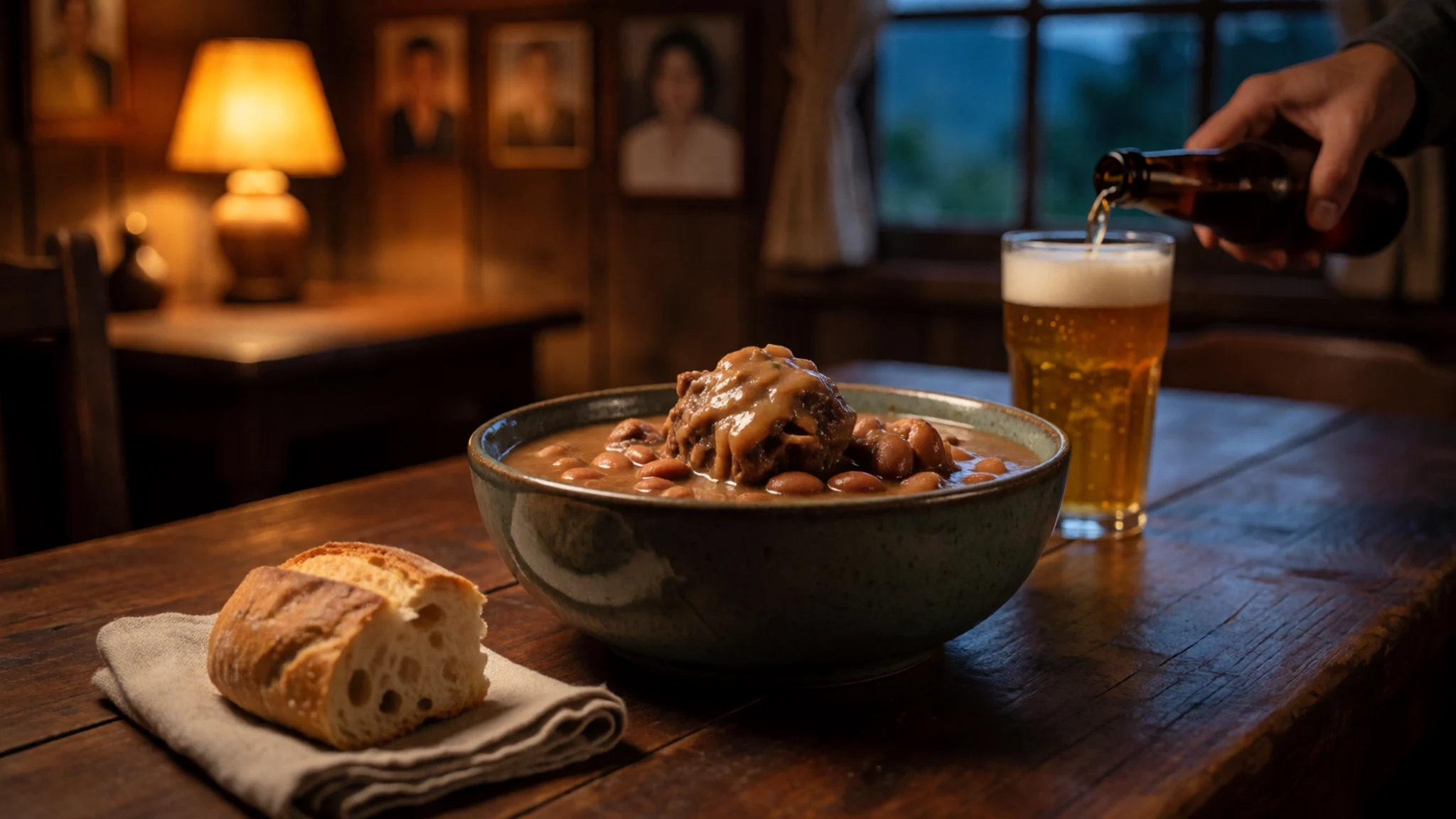
- Roast pork — Festive meals, and eateries that specialise in roast meats
Slow-roasted pork is a celebration dish in Minahasan communities, especially at weddings and big gatherings. It is the sort of food that appears when a family feast is on, rather than on a standard daily menu. - Paniki — Tomohon market and specialist eateries in the highlands
The bat dish of Minahasa, cooked in a rich spiced sauce. It is not for everyone and is not eaten daily by most people, but it shows how adventurous the regional kitchen can be. Tomohon market is the place to see such meats. - Grilled lake fish — Simple lakeside eateries and stalls along the shore road
Freshwater fish from the lake, usually grilled whole and served with chilli sambal and rice. Simple, fresh and a natural lunch after a morning on the shore. Ask what is local that day.
Plan it
Best time. June to September is the safest bet, as the drier months give clearer views of the lake and surrounding hills; wet-season showers and cloud can hide the scenery, so check a forecast before travelling. Mornings are cool and best for light and mist.
How long. 1–2
Getting there. Fly to Manado's airport (MDC), which has international flights from Singapore and several Chinese cities plus domestic flights from Jakarta, Surabaya, Makassar and Bali. From there go inland by road to Tondano, by taxi or hired car; Tomohon is a handy stop on the way.
Budget. low
Tips
- Start early for clear views and calmer water before cloud builds
- Bring a light waterproof and a warm layer, as the highlands are cooler than Manado
- Carry cash, since small eateries and stalls rarely take cards
- Arrange a taxi or driver from Manado in advance rather than relying on finding one locally
- Combine the lake with Tomohon market and a volcano walk for a fuller day
Etiquette
- Ask before photographing fishers, families or church services
- Dress modestly in villages and churches, with shoulders and knees covered
- Decline unfamiliar food politely if you prefer not to eat it
Nearby
Sources
- Wikidata Q1159279 (CC0)
- Wikipedia: Lake Tondano (rev 1366281359) (CC BY-SA 4.0)
- Wikivoyage: Northern Sulawesi (rev 5344764) (CC BY-SA 4.0)
- Danau Tondano — Tkx (CC BY 3.0)
- Lake Tondano view — SunDawn (CC BY-SA 4.0)
- Location map of Indonesia — Uwe Dedering (CC BY 3.0)
- Bagan di Danau Tondao — Mardiansyah Nugraha (CC BY-SA 4.0)
- Clouds above Lake Tondano — WhiteducksIG (CC BY-SA 4.0)
- Cloudy Morning Tondano Lake — Tanti Ruwani (CC BY 2.5)
- Danau Tondano 2 — Norssca (CC BY-SA 4.0)
- Danau Tondano 2007-25-5 — Tanti Ruwani (CC BY 2.5)


Wildlife
- Tondanichthys kottelati halfbeak (animal)
The Tondanichthys kottelati halfbeak is a tiny fish that lives in Lake Tondano and nowhere else in the world, so meeting one is a real treasure. It stays small, only a few centimetres long, and is thought to lay eggs. Nobody can promise which corner of the lake suits it best or which season or hour is best for spotting it, so ask a local guide for advice. Watch quietly, keep a gentle distance from the water's edge and never feed it.