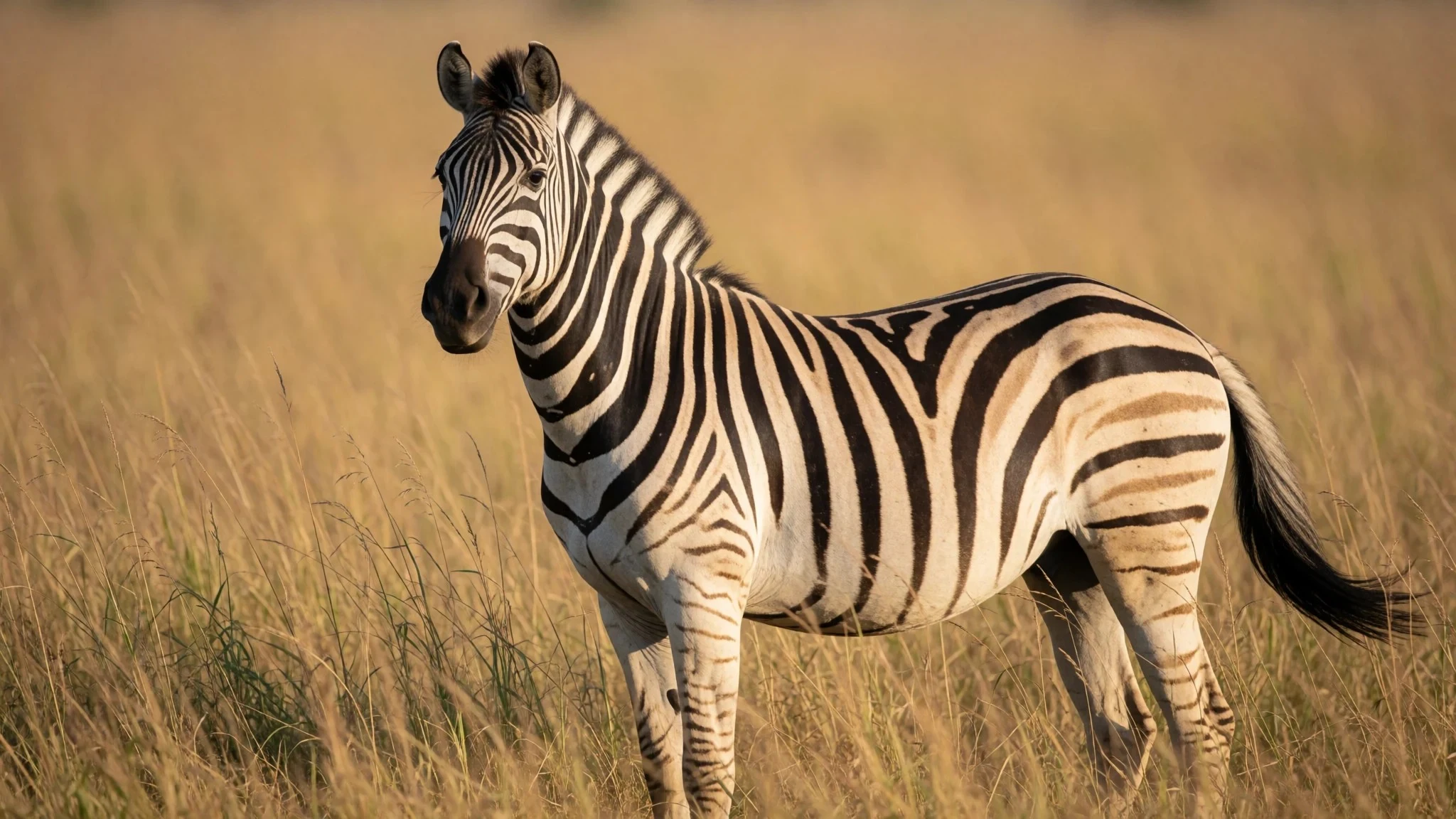
Lake Mburo
Lake Mburo, Uganda
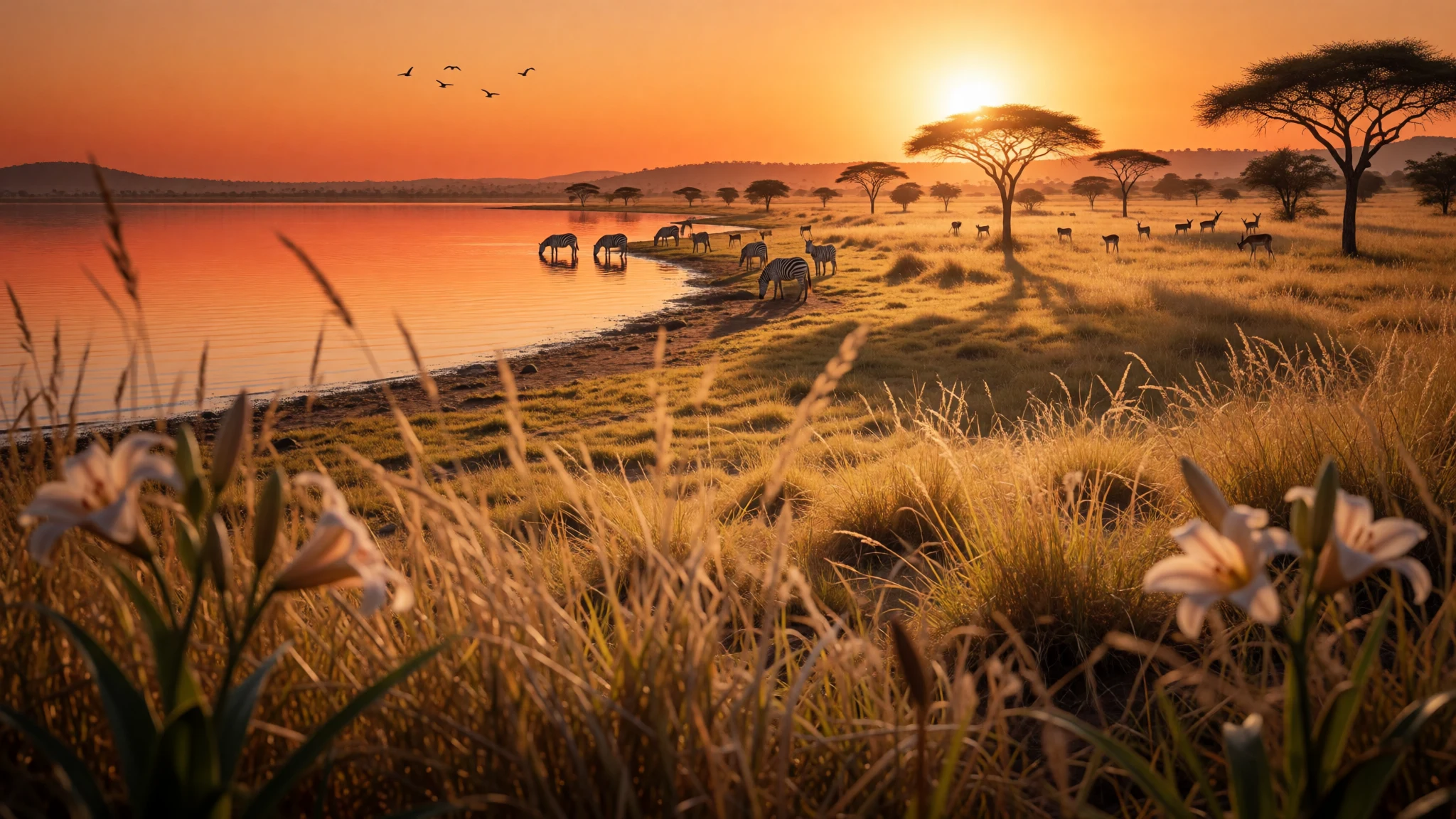
Experience an intimate Ugandan safari where wildlife is viewed by foot, bike, or horse alongside a tranquil lake.
The place
Lake Mburo National Park offers a more intimate and accessible wildlife experience compared to the vast savannas of the north. Located in the Kiruhura District of western Uganda, it serves as a vital sanctuary for species that thrive in a mix of woodland and open grasslands. The park is defined by the lake that gives it its name, a permanent water source that draws in buffaloes, zebras, and various antelope species throughout the year. Unlike the high-density crowds found in some of the larger African reserves, the atmosphere here is quieter and more focused on the nuances of the landscape. Visitors often find the pace of life slower, with a landscape that blends gently rolling hills with dense thickets. The heat can be intense during the midday sun, and the grass grows tall and golden during the dry seasons, making sightings a matter of patience and keen observation. It is a place where the scale of nature feels manageable, allowing for a closer connection to the environment. The terrain is generally accessible, though the dirt tracks can become challenging during the rainy periods. Because it is smaller than other national parks in the region, it provides a concentrated burst of biodiversity that makes it an excellent introduction to Uganda's natural heritage without requiring weeks of travel.
Its story
The history of Lake Mburo National Park is a complex narrative of conservation and displacement. Long before it became a protected area, the land was the ancestral home of the Banyankole Bahima pastoralists, who spent generations herding their distinctive long-horned Ankole cattle across these plains. In the early twentieth century, the land was first designated as a controlled hunting area and later transitioned into a game reserve. For a time, the Bahima continued to graze their livestock within these boundaries, but this arrangement drew the ire of international conservationists who viewed the cattle as invasive. This tension peaked in the early eighties when the area was officially upgraded to a national park. The move was not merely about ecology; it was deeply intertwined with the political turmoil of the Ugandan Bush War. The government used the park's creation as a tool to weaken local populations who were suspected of supporting rebel forces. Thousands of people were expelled from their ancestral grazing lands without compensation or resettlement aid, leaving a legacy of resentment. In the mid-eighties, after a change in government, some displaced residents returned in a wave of retribution, destroying infrastructure and killing wildlife. Today, the park exists as a beautiful landscape, but the scars of this social upheaval remain in the memory of the surrounding communities.
What to see
- Wildlife Game Drives — Across the park interior
The most popular way to explore Lake Mburo National Park is via a guided vehicle tour. These drives are excellent for spotting zebras and buffaloes lounging in the shade, providing a comfortable way to cover a large distance across the park's varied terrain while remaining safe from the sun.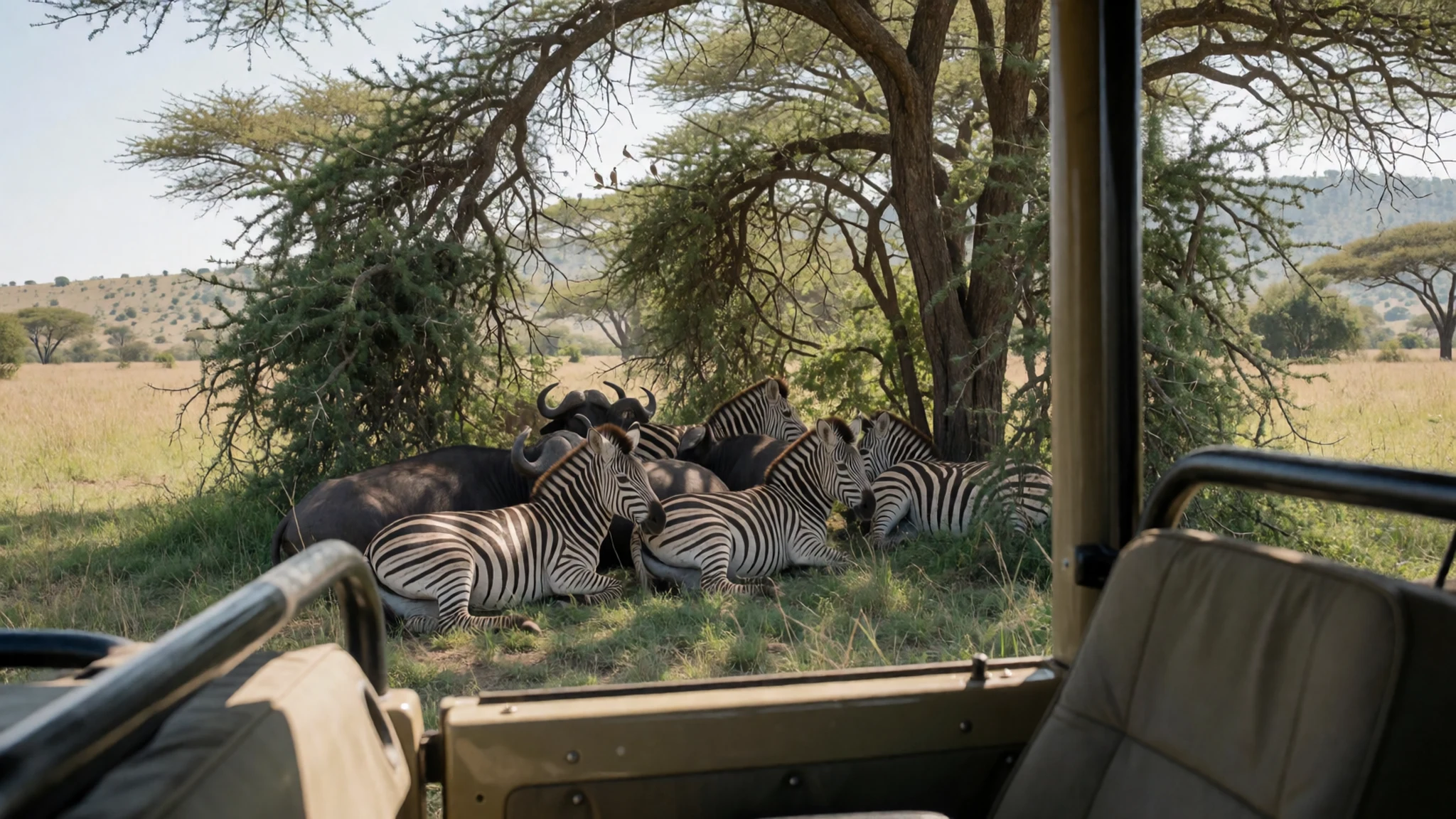
- Walking Safaris — Designated walking trails
For those who prefer a slower pace, guided walking safaris in Lake Mburo National Park offer a sensory experience. Accompanied by a ranger, visitors can notice the smaller details of the bush, such as unique bird calls and animal tracks, which are often missed from inside a car.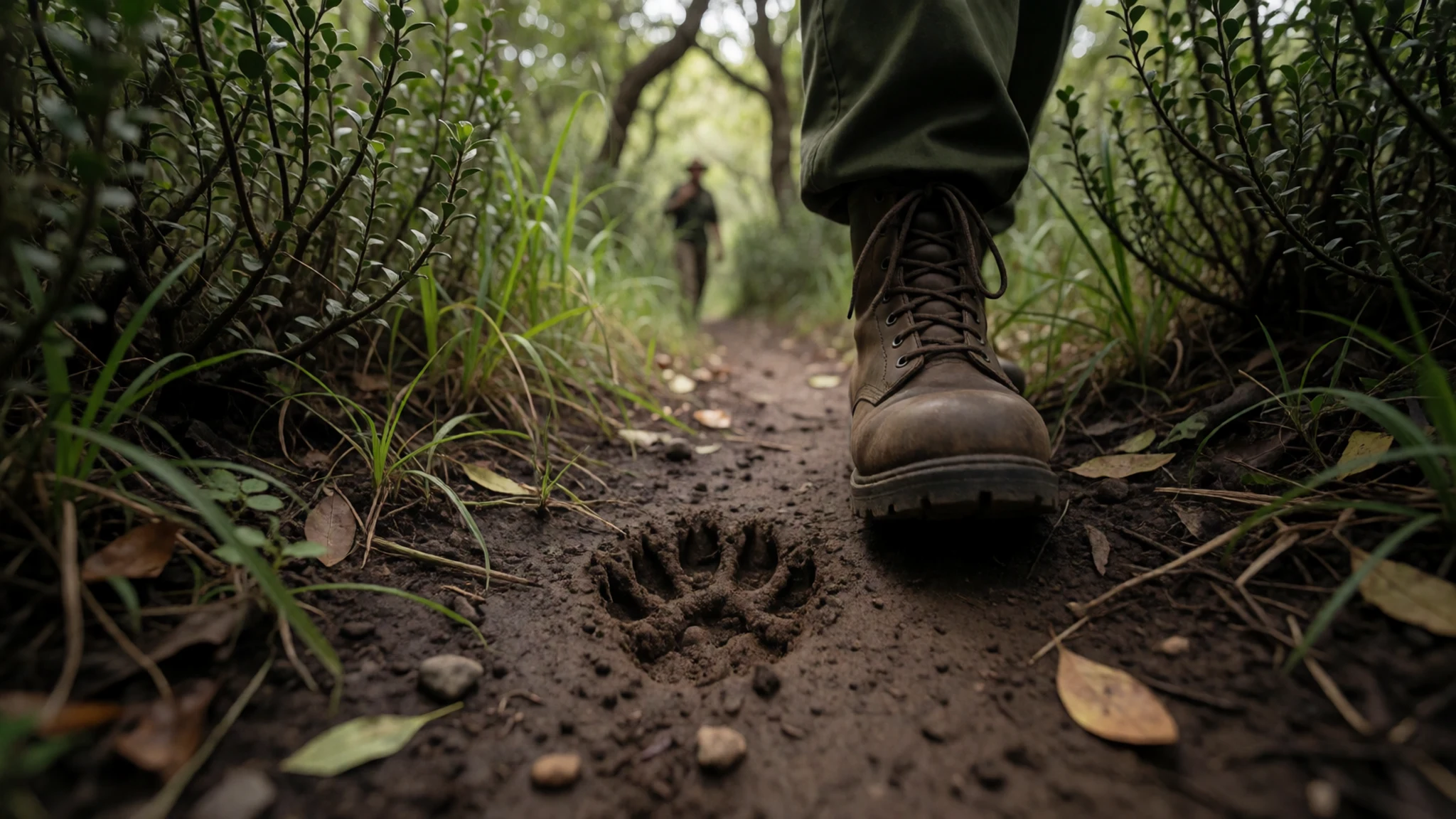
- Bicycle Tours — Park interior and boundary tracks
Lake Mburo National Park provides a rare opportunity for cycling safaris. Pedalling through the grasslands allows for a silent approach to wildlife and a feeling of freedom, though it requires a fair bit of stamina to navigate the uneven paths and the warm equatorial climate.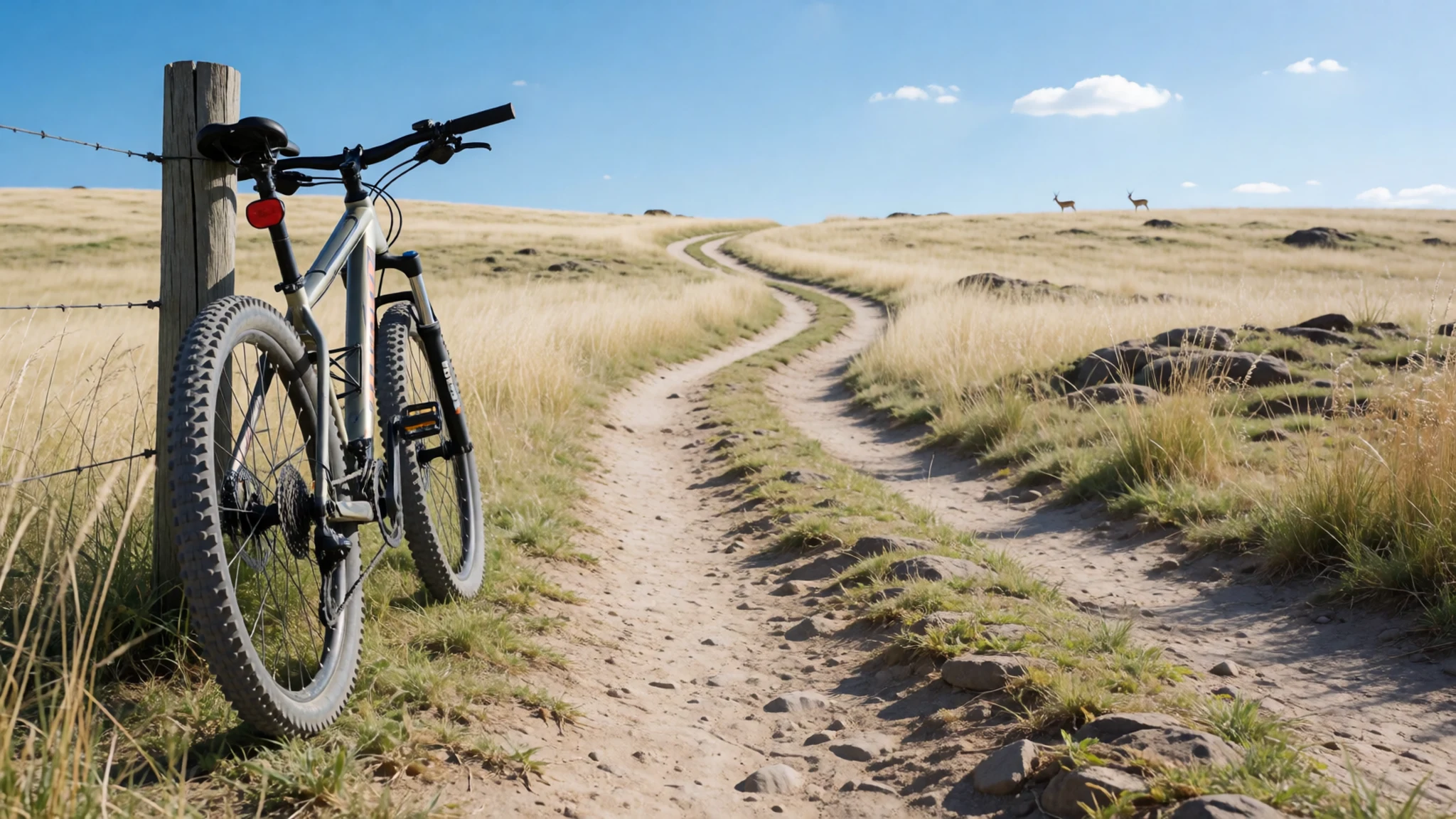
- Horseback Safaris — Savannah and woodland areas
Riding through Lake Mburo National Park on horseback offers a unique vantage point. This method is particularly effective for getting closer to certain animals that are less spooked by horses than by engines, blending a traditional mode of transport with a modern wildlife viewing experience.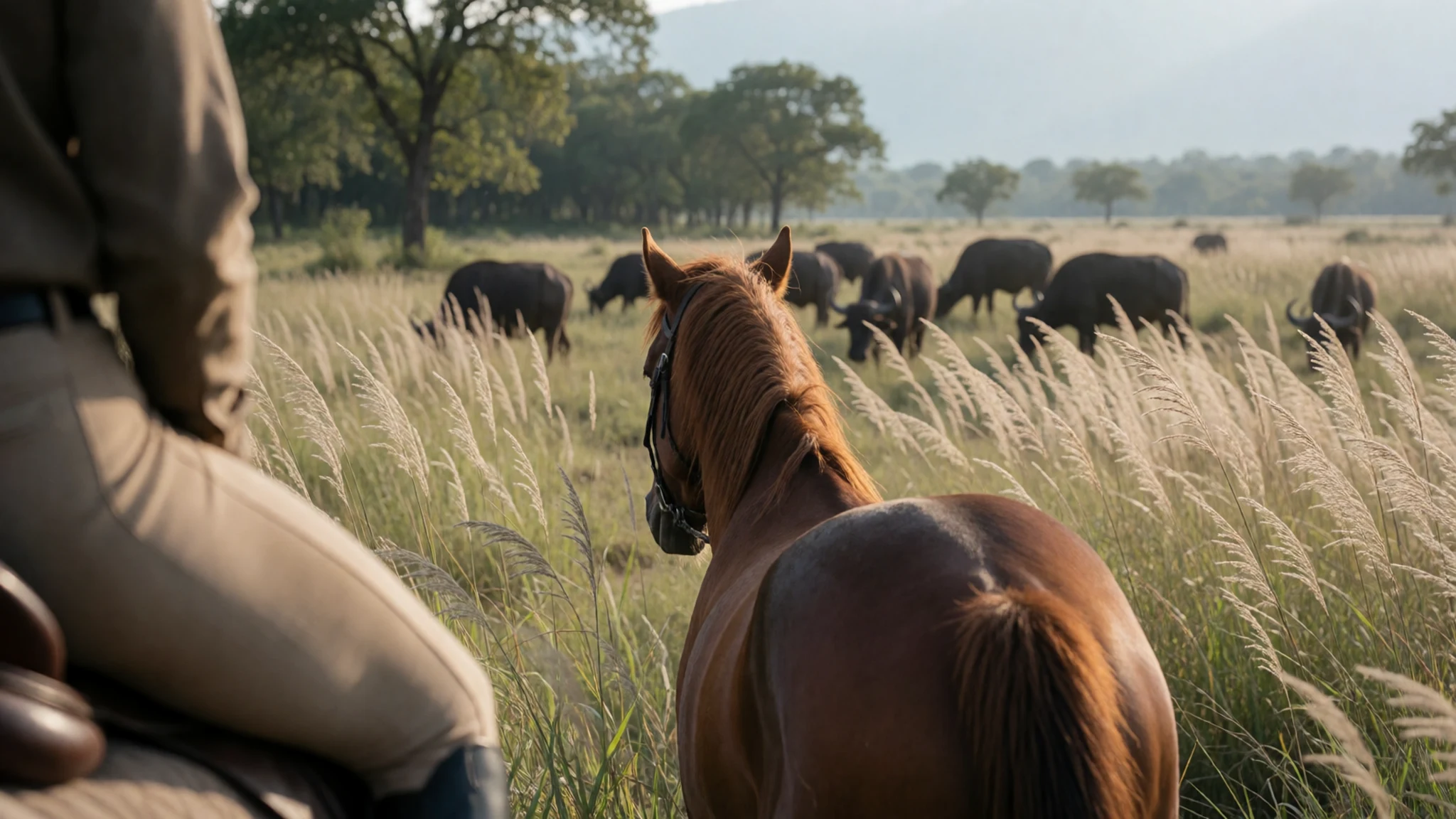
- Lake Mburo Waterfront — The lake shoreline
The shores of the lake within the park are prime spots for birdwatching and relaxing. Watching the water buffaloes wallow in the mud at dusk provides a peaceful end to a day of exploration, with the water reflecting the vibrant colours of the Ugandan sunset.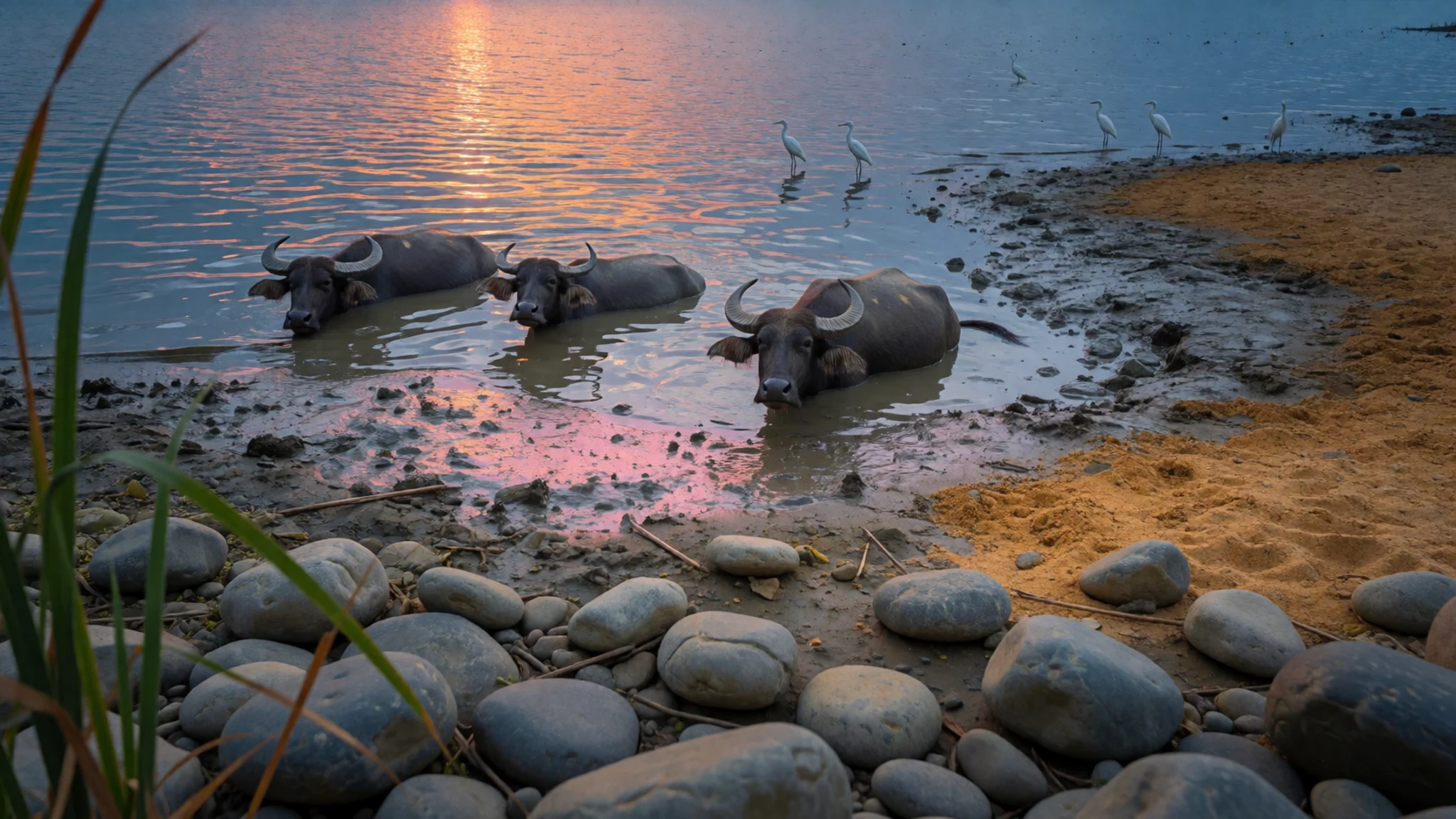
Culture
The cultural identity around Lake Mburo National Park is inextricably linked to the Banyankole people and their relationship with cattle. The Ankole cattle, known for their magnificent, sweeping horns, are more than just livestock; they are symbols of status, wealth, and heritage. Even outside the park boundaries, the sight of these cattle grazing against the horizon is a defining characteristic of the region's visual landscape. There is a deep-seated pride in the pastoralist way of life, which has persisted despite the political upheavals and the loss of grazing lands during the park's formation. Visitors will notice a society that values hospitality and community, often centered around the rhythms of the agricultural and herding calendars. The interaction between the modern conservation goals of the park and the traditional needs of the local people continues to shape the social dynamics of the Kiruhura District. Understanding this tension helps visitors appreciate the park not just as a wilderness, but as a contested space of human history. When visiting local communities, remember to ask for permission before taking photographs of people or their livestock.
What to wear
In the areas surrounding Lake Mburo National Park, traditional dress reflects the pastoralist heritage of the Banyankole. Textiles often include woven wraps and fabrics that are practical for a life spent outdoors tending to cattle, with colours that blend into the earthy tones of the savannah. In modern daily life, people typically wear a mix of Western-style clothing, such as t-shirts and trousers, combined with traditional wraps or scarves that signal cultural identity. For the visitor, clothing should be chosen for utility and climate. Light, breathable fabrics in neutral tones—khaki, olive, or beige—are recommended to avoid attracting insects and to blend in with the environment. Sturdy, closed-toe walking shoes or hiking boots are essential for the rough terrain, especially for those embarking on walking or cycling safaris. Because the sun is exceptionally strong, wide-brimmed hats and long-sleeved shirts are practical for sun protection. Modest dress is appreciated when interacting with locals in the nearby villages, avoiding overly revealing clothing to respect local norms.
What to eat
- Safari Camp Fare — Safari lodge dining rooms
Hearty meals featuring grilled meats and fresh vegetables are commonly served at the larger safari camps, providing the necessary energy for a day of wildlife viewing in the bush.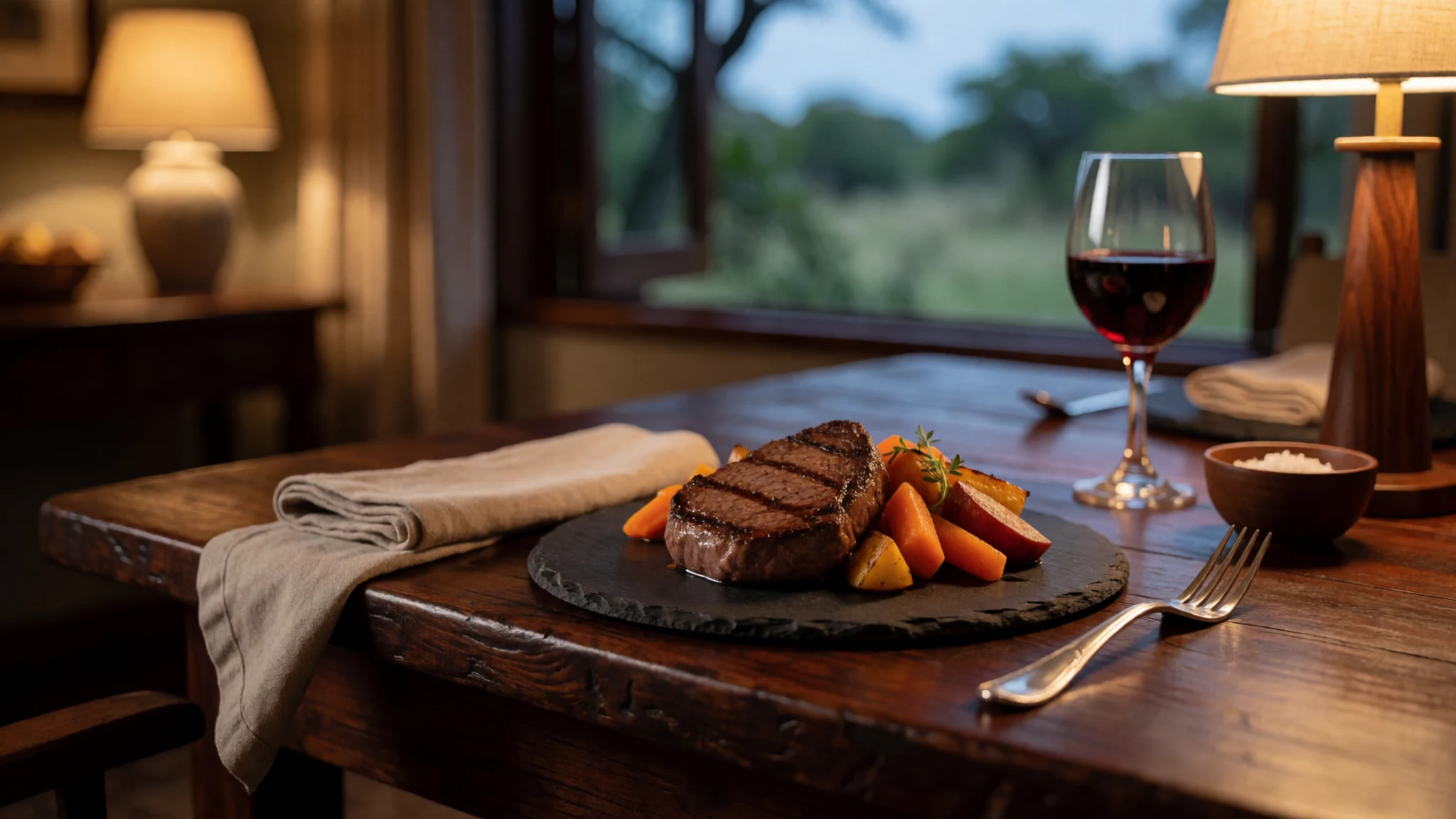
- Local Matooke — Village eateries near the park
This steamed and mashed green banana is a staple of the region, often served as a side dish with a rich peanut sauce or a meat stew in local eateries.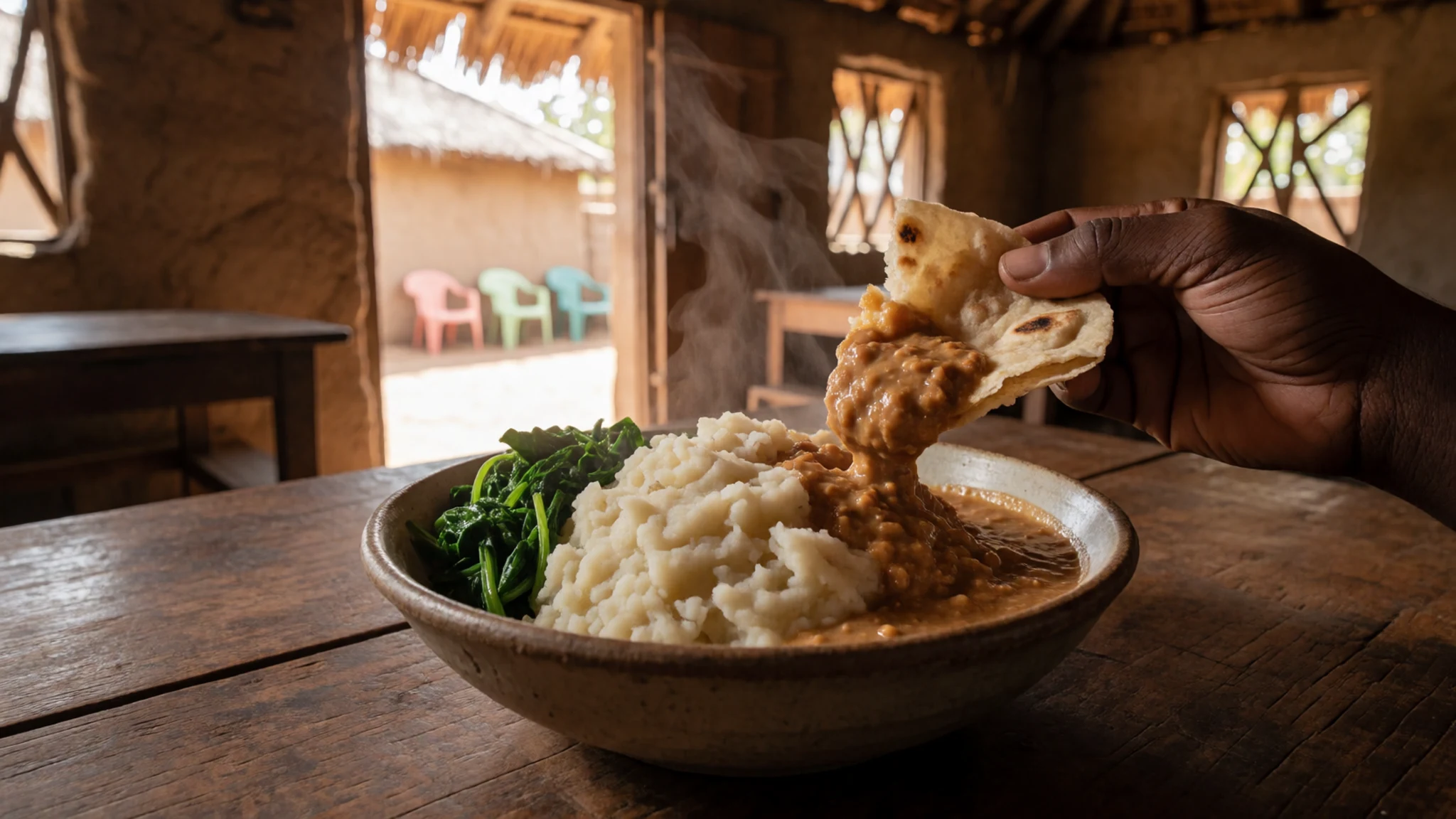
- Fresh Tropical Fruit — Lodge welcome areas
Slices of sweet pineapple, mango, and watermelon are frequently offered as refreshing snacks to combat the midday heat during safari breaks. - Packed Safari Lunches — Prepared by lodge staff
Practical boxes containing sandwiches, fruit, and nuts are essential for those spending the whole day in the park where food options are non-existent.
Plan it
Best time. June–July and December–January are ideal as the dry weather makes wildlife easier to spot near the lake.
How long. 2–3
Getting there. Hire a private vehicle from Kampala; alternatively, take a matatu to Sanga and arrange a private transfer for the final leg.
Budget. mid
Tips
- Book your accommodation well in advance as options are limited
- Carry plenty of bottled water and snacks as there are few shops inside the park
- Start your game drives at dawn to maximize wildlife sightings
- Bring a high-quality torch for evening walks or camp use
- Use a guide for any backcountry trekking
Etiquette
- Stay inside your vehicle during game drives unless in a designated safe zone
- Keep noise levels low to avoid disturbing the animals
- Dispose of all litter outside the park boundaries
Nearby
Sources
- Wikidata Q591283 (CC0)
- Wikipedia (CC BY-SA 4.0)
- Wikivoyage (CC BY-SA 4.0)
Wildlife
- African buffalo (animal)
The African buffalo is a big, heavy wild bovine with a broad head, a strong neck and great horns, and the males wear a bony shield across the forehead. At Lake Mburo, look for buffaloes resting in the shade as you travel the park by vehicle, and near the lake, which draws them in all year round. Keep a respectful distance, stay quiet, go with a guide, and never offer food.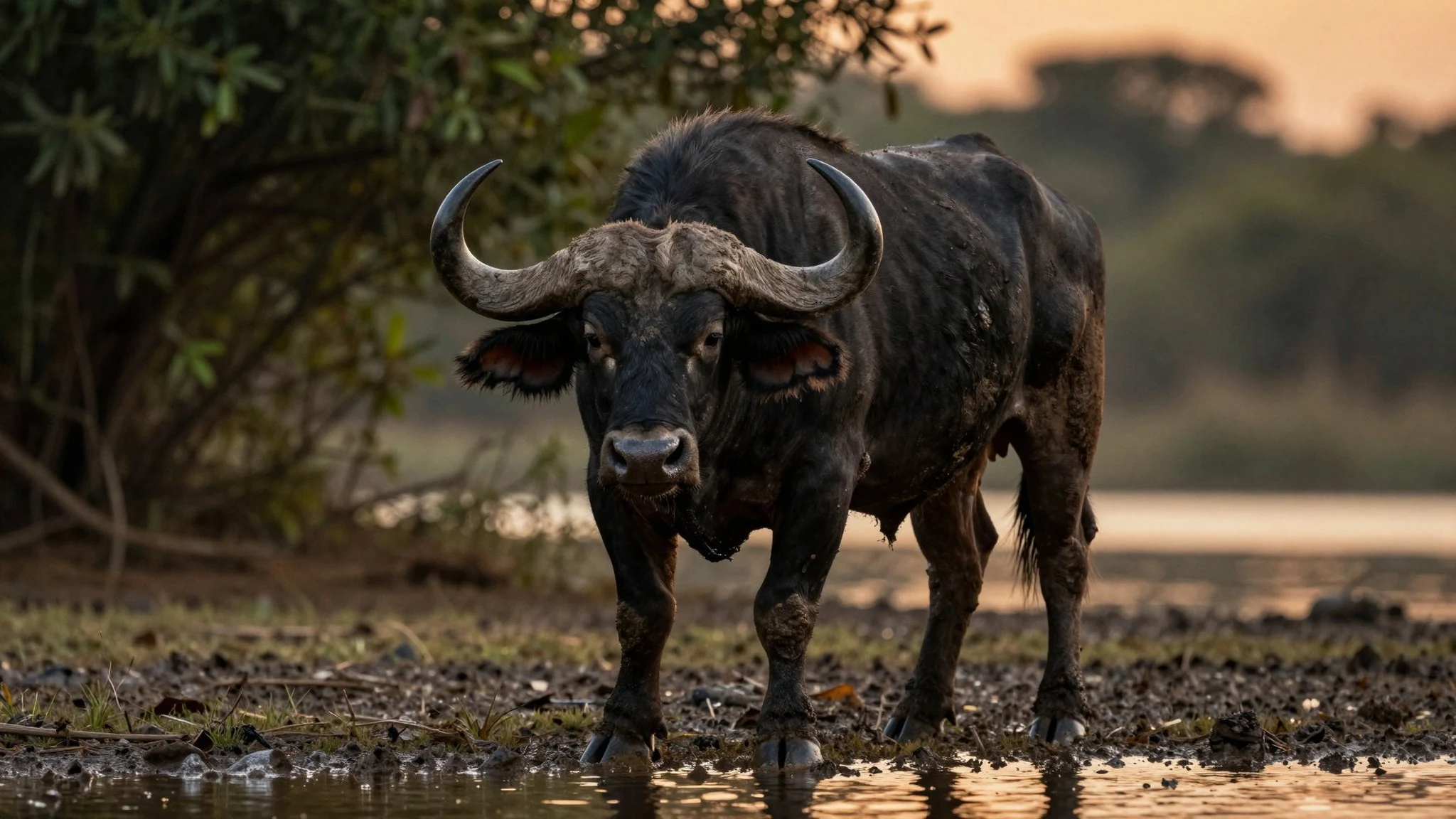
- Plains zebra (animal)
The plains zebra is the most common kind of zebra, a familiar sight across much of southern and eastern Africa. At Lake Mburo the permanent lake draws them in throughout the year, and drives through the park's varied country are a comfortable way to find them lounging in the shade. Watch from a fair distance, keep your voice low, follow your guide's lead, and never feed them.