Sipi Falls
Sipi Falls, Uganda
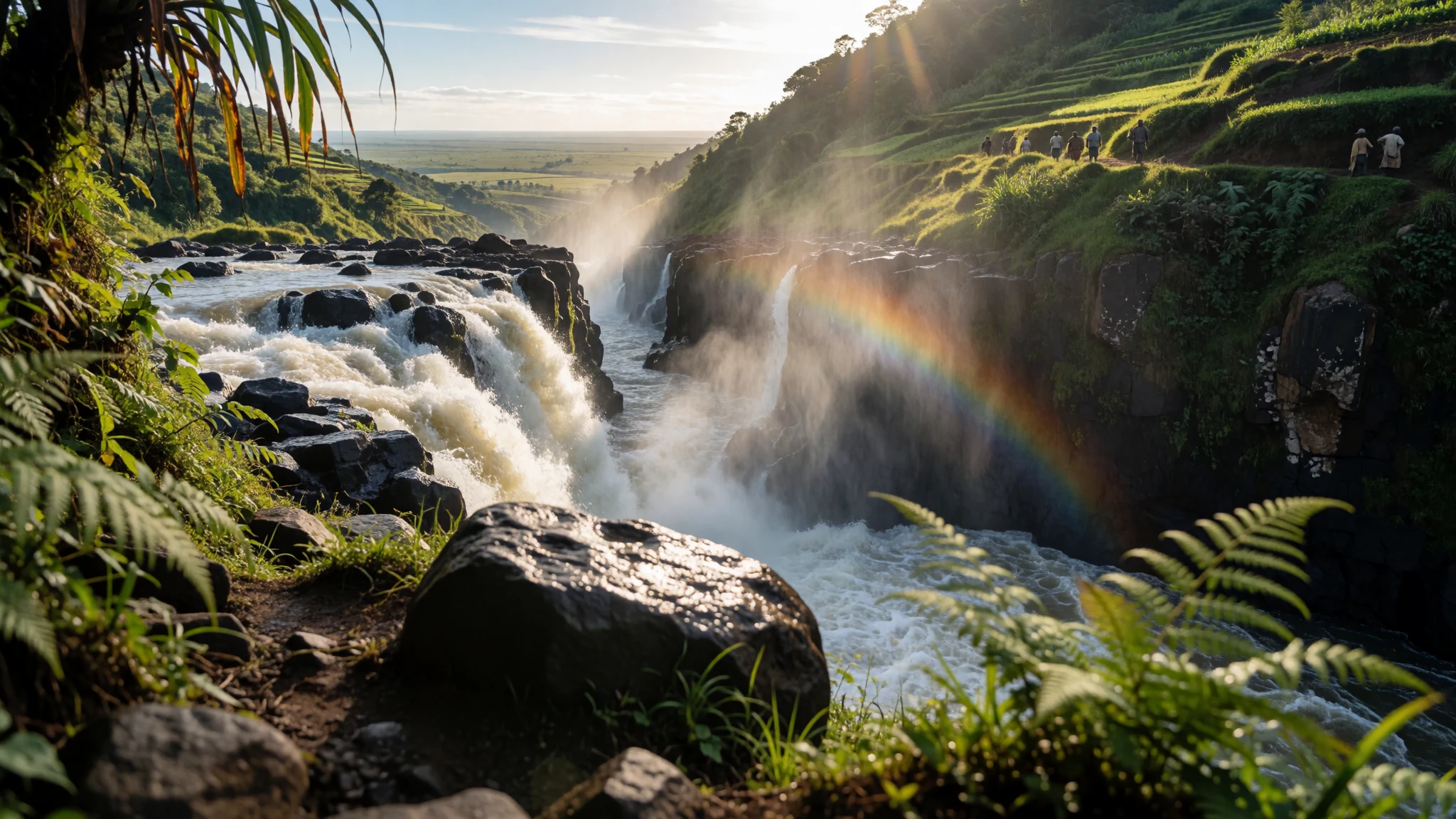
Sipi Falls offers three dramatic cascading waterfalls on the slopes of Mount Elgon with sweeping views across the Karamoja plains.
The place
Sipi Falls tumbles down the northwestern ridges of an ancient extinct volcano, Mount Elgon, looking out toward the vast expanses of the Karamoja plains in eastern Uganda. This upland destination features a series of three distinct cascades fed by the Sipi River as it flows from the upper highlands toward the Lake Kyoga basin. The largest drop plunges dramatically over a sheer cliff face, while upstream tributaries create two additional falls tucked away amidst lush greenery and rocky outcrops. The surrounding landscape is defined by steep ridges, terraced agricultural plots, and winding footpaths used daily by local farmers tending their fields. Visitors navigating the area encounter an environment shaped by rich volcanic soils and a cooler mountain climate that contrasts sharply with the warmer lowlands below. The region supports varied flora, including indigenous plants along riverbanks and occasional sightings of wildlife such as chameleons clinging to damp foliage. Communities here live closely tied to the land, cultivating terraced hillsides and maintaining traditional practices alongside rural trade. The proximity to Mount Elgon National Park enhances the natural appeal, drawing travellers interested in hiking, birdwatching, and experiencing highland life away from major urban centers. Footpaths connect the various cascades, offering viewpoints that capture both the sheer force of the falling water and the wide agricultural valleys stretching toward the horizon.
Its story
Eastern Uganda has long been shaped by organised chiefdoms, agricultural kingdoms, and communities rooted in the fertile volcanic slopes of Mount Elgon. For generations, the Bagisu people have inhabited these highlands, cultivating the steep hillsides and passing down traditions tied to the changing seasons and the rhythms of the land. Further north and across the broader region, other groups such as the Iteso established enduring settlements across the expansive plains and agricultural lands. During the colonial era, the surrounding territory experienced significant administrative and infrastructure changes, with nearby towns developing into vital regional hubs for trade, transport, and agriculture. The construction of roads and railways later improved connections between these eastern districts and the capital, Kampala, as well as neighbouring Kenya. Following independence, the area continued to evolve through smallholder farming, local commerce, and the gradual rise of international travel. Agriculture remained the economic cornerstone, particularly with the introduction of cash crops like Arabica coffee, which thrives in the unique microclimate of the mountain slopes. Today, the heritage of Sipi Falls is preserved through the daily lives of local farming families who manage the hillside terraces, process coffee beans by hand, and share their ancestral knowledge with visitors walking the highland paths.
What to see
- Sipi Falls Main Drop — Lower Sipi
Plunging over a sheer cliff face, the primary cascade forms the most dramatic and widely photographed spectacle in the area, sending up a constant spray that nourishes the surrounding riverbank vegetation and creates shimmering rainbows in the morning sunlight.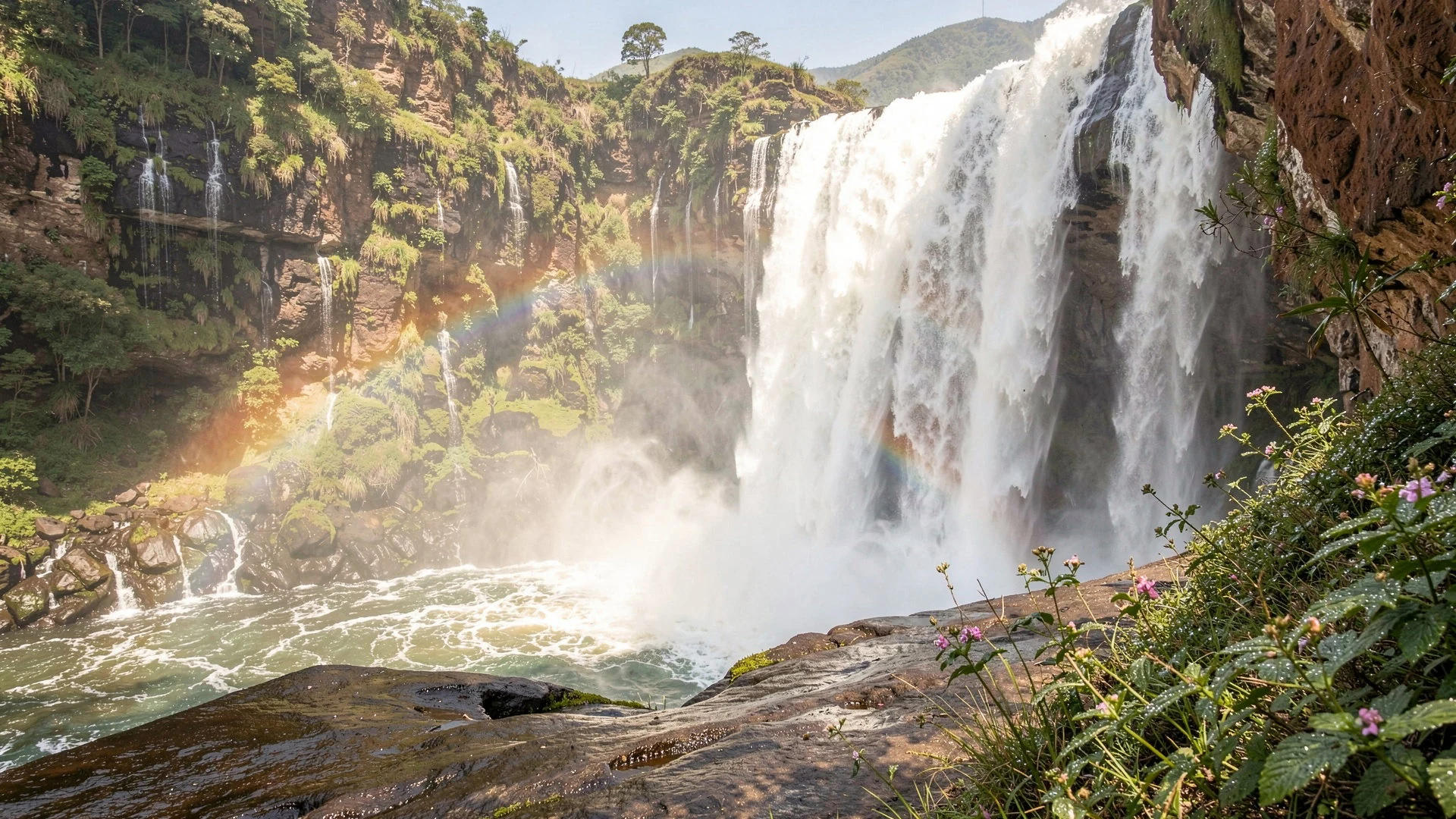
- Simba Falls — Upper Sipi
Tucked further upstream to the east, this intermediate cascade offers a powerful and intimate water experience away from the main tourist paths, surrounded by steep rocky formations, native shrubs, and quiet pools where local bird species frequently gather to feed.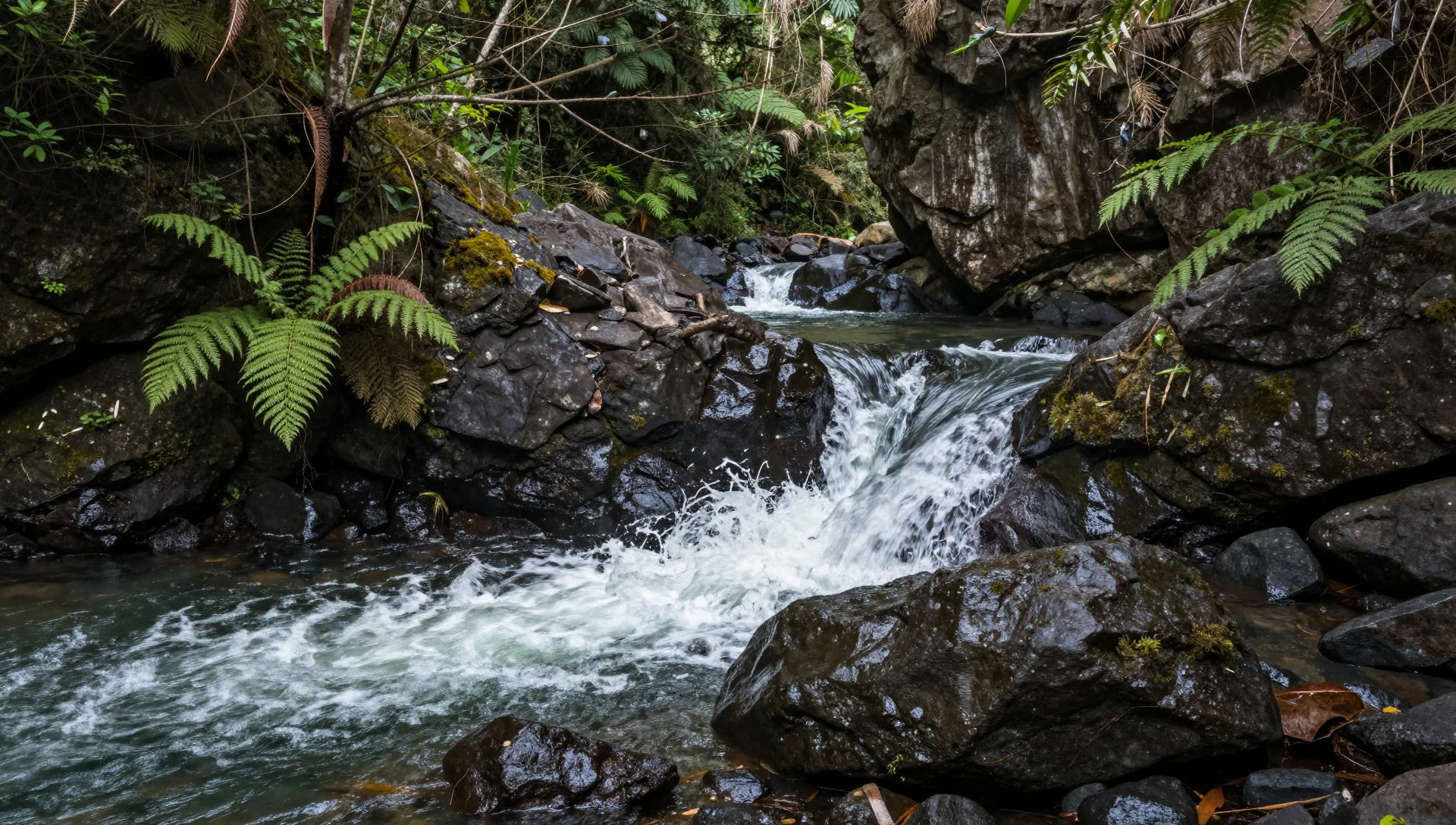
- Ngasire Falls — Highland Trail
Positioned furthest uphill along the winding river network, this uppermost waterfall rewards determined hikers with secluded views, rushing torrents cutting through ancient rock strata, and an invigorating mountain atmosphere far removed from the lower valley heat.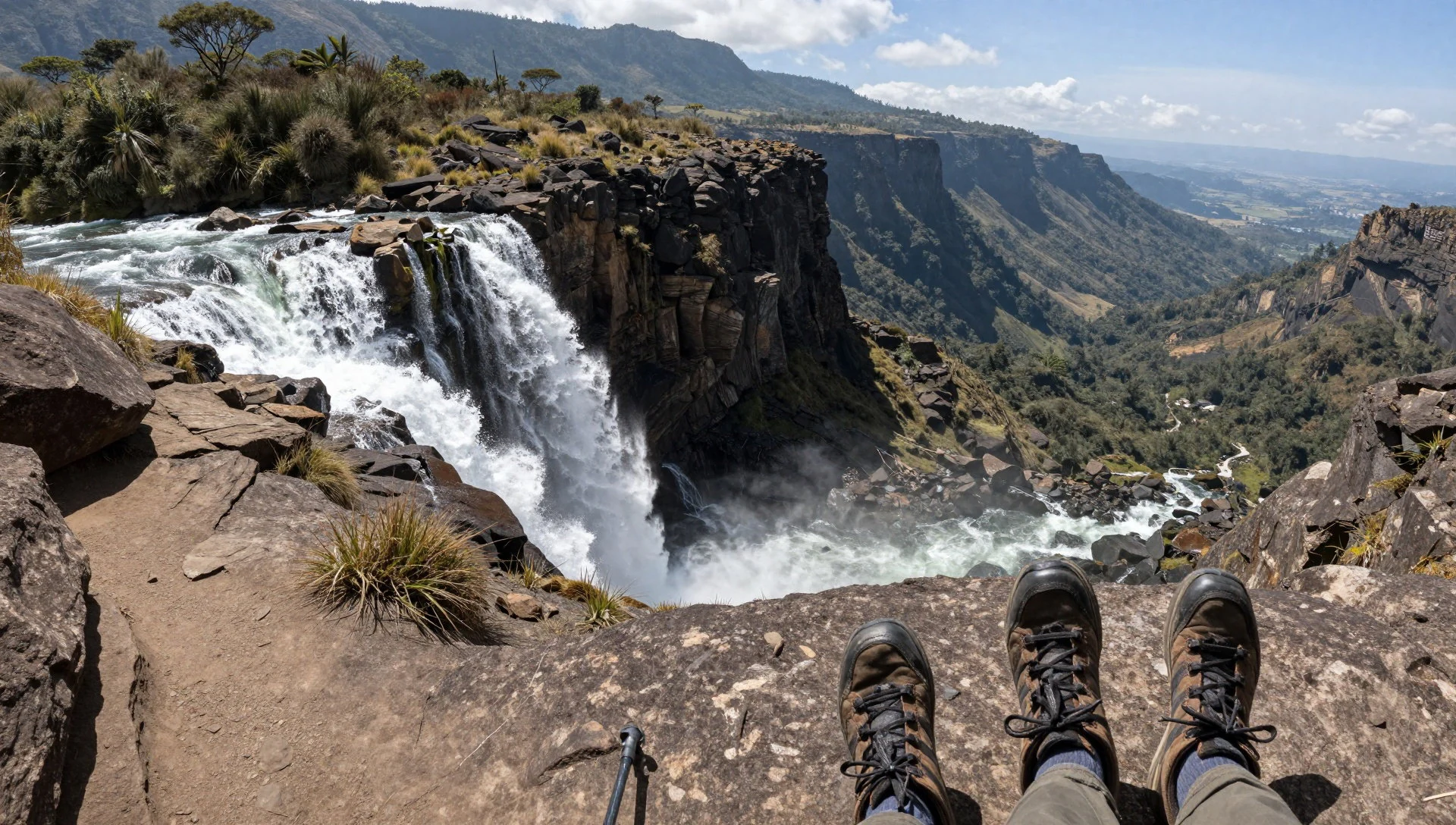
- Coffee Plantations — Mount Elgon Slopes
Terraced across the volcanic mountain slopes, these family-run plots cultivate prized Arabica beans, allowing visitors to walk through the growing fields, observe traditional harvesting and drying techniques, and taste freshly brewed local coffee right at the source.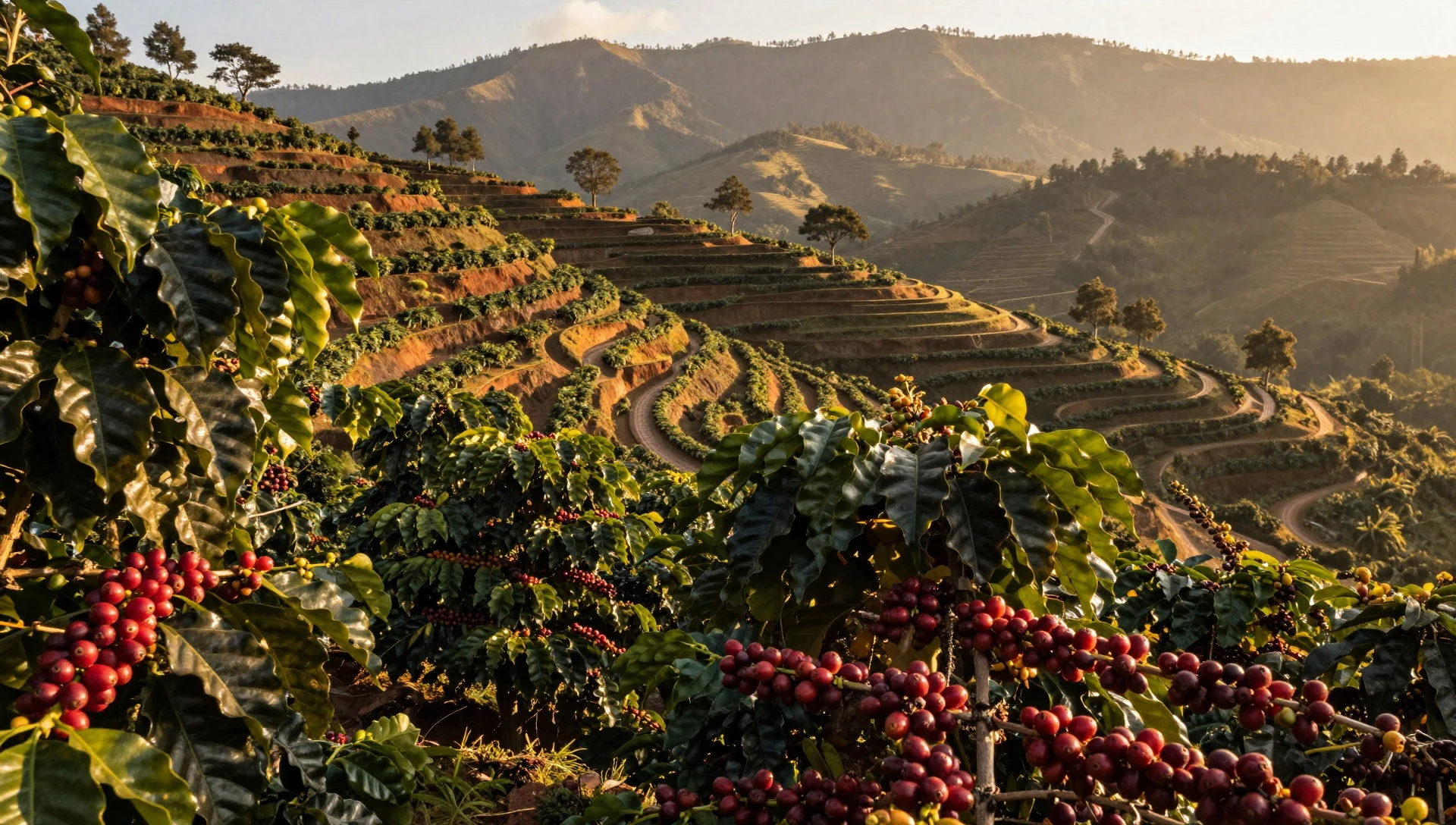
- Karamoja Plains Overlook — Escarpment Rim
Standing near the edge of the escarpment near Sipi Falls provides sweeping panoramic vistas extending far across the flat lowlands of eastern Uganda, where changing cloud shadows drift over distant acacia trees and rural settlements scattered throughout the grasslands.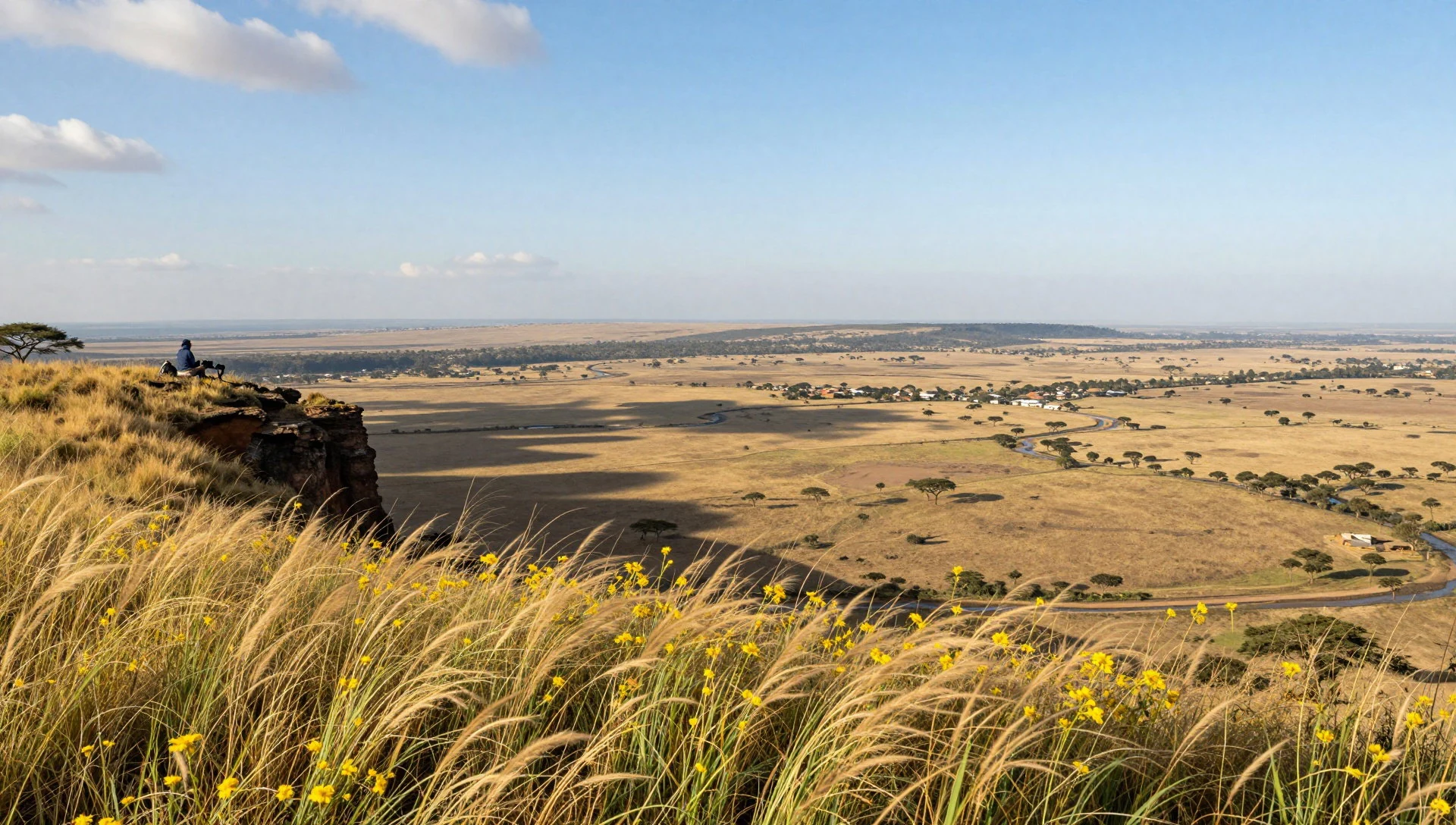
Culture
Traditional life around Sipi Falls is deeply connected to the volcanic landscape, agricultural cycles, and the ancestral heritage of the Bagisu people who farm the slopes of Mount Elgon. Community interactions are marked by warmth and hospitality, with daily routines structured around tending crops, regional markets, and family gatherings. English and Swahili serve as common mediums of communication alongside local languages such as Lugisu. Music, storytelling, and dance remain vital expressions of cultural identity during celebrations and community events. When interacting with residents or walking through village paths, visitors should always greet elders respectfully and ask for permission before taking photographs of individuals or private homesteads.
What to wear
At Sipi Falls, traditional attire has largely given way to practical, everyday modern clothing suited for rural farm work and cooler highland evenings. Local residents commonly wear comfortable shirts, trousers, and wraps made from colourful East African cotton prints, particularly when attending markets or community gatherings. Visitors exploring the rugged mountain terrain should dress in sturdy layers, as temperatures drop noticeably at higher altitudes and rain showers can occur unexpectedly. Sturdy walking boots with reliable grip are essential for navigating steep, muddy footpaths around the cascades. Modest dress is appreciated in rural villages; visitors should wear knee-length shorts or trousers and keep shoulders covered out of respect for local customs.
What to eat
- Bugisu Arabica Coffee — Local coffee farms and village stalls
Cultivated directly on the volcanic slopes around Sipi Falls, this rich local brew is celebrated for its distinctive aroma and smooth flavour, enjoyed fresh at hillside homesteads and small village stalls.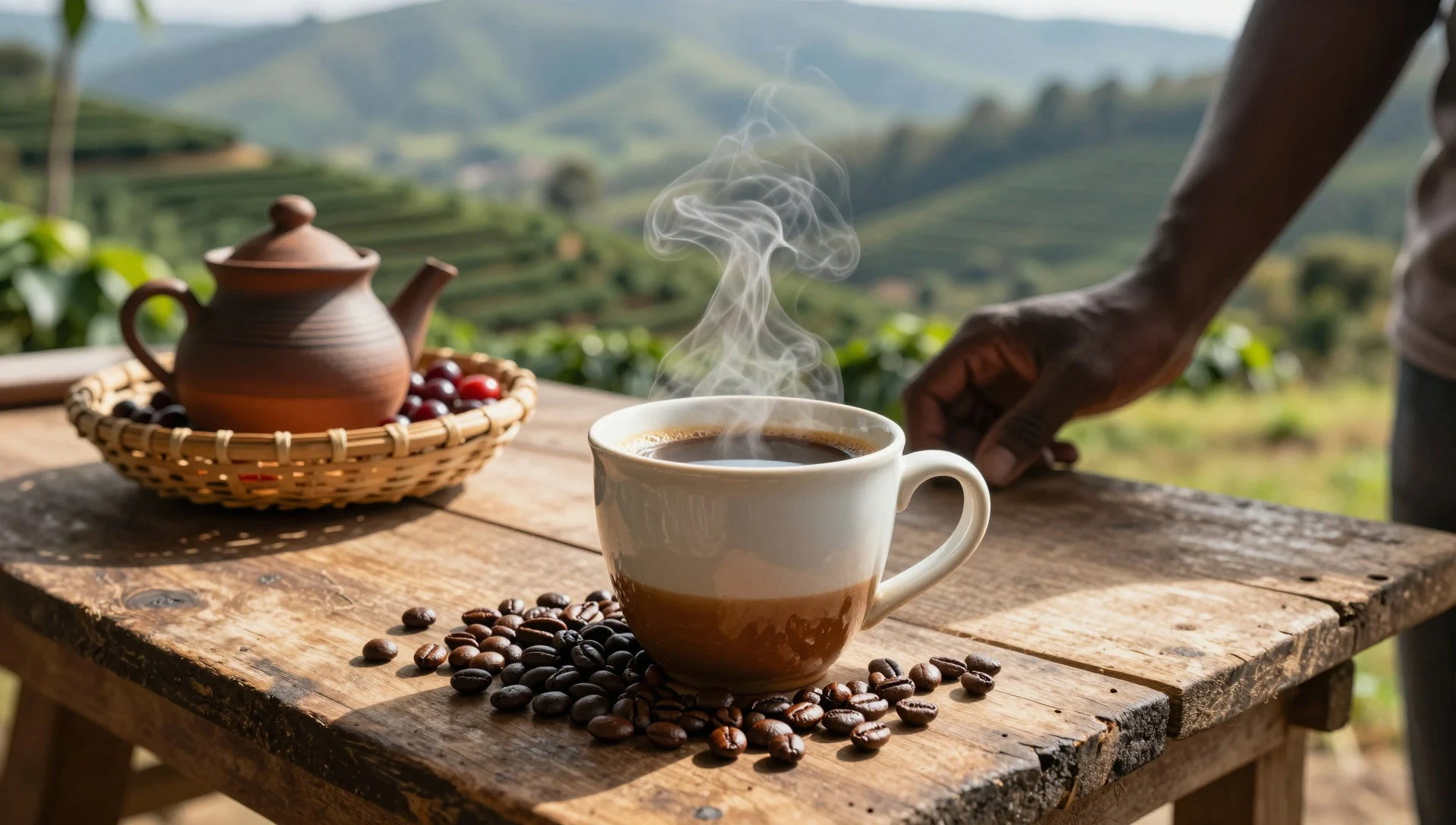
- Matoke — Village eating houses and family kitchens
A staple dish across the region consisting of green bananas steamed in their leaves until tender, typically mashed and served alongside rich meat or vegetable stews in local eateries.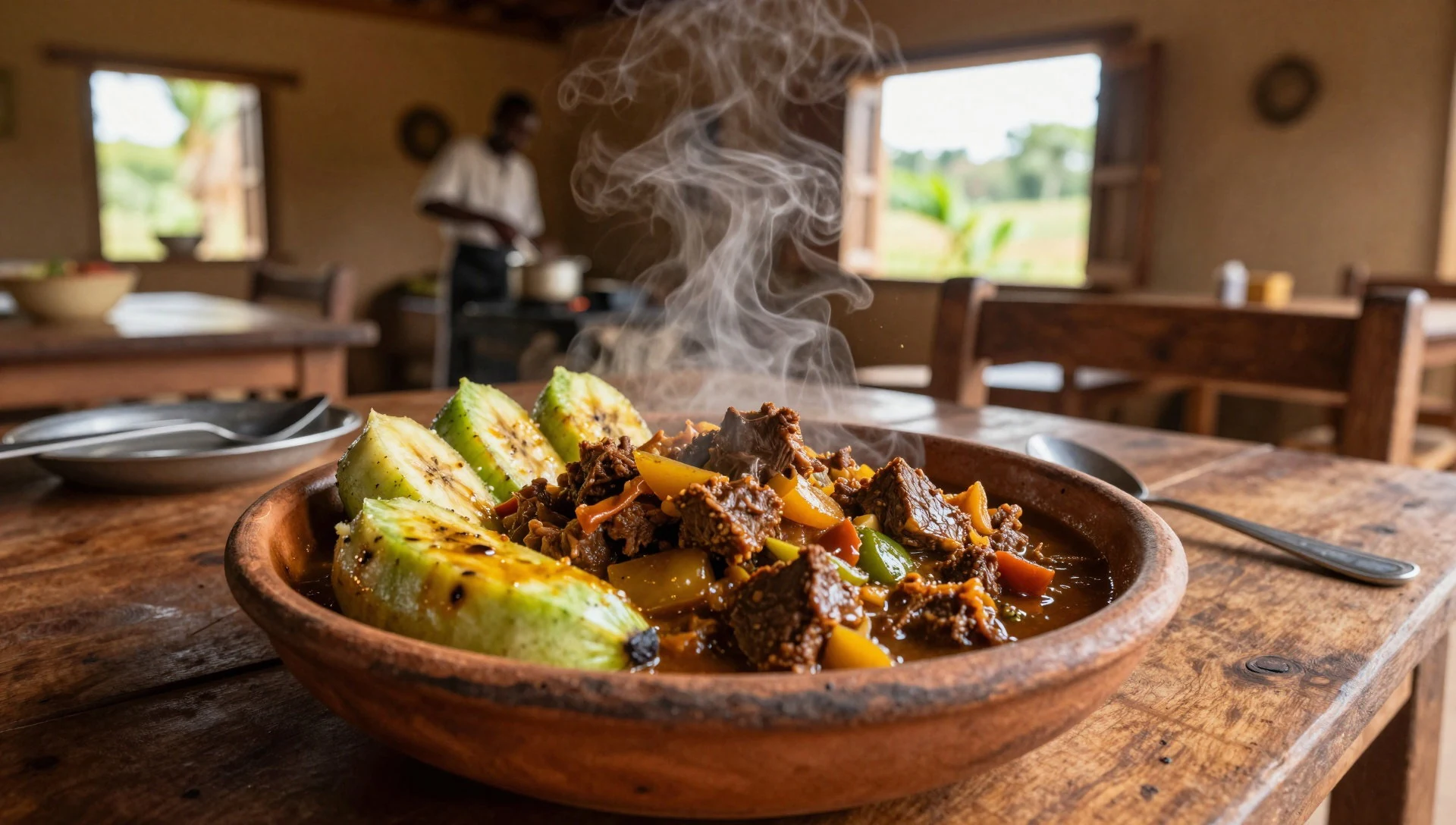
- Posho — Local markets and roadside restaurants
A thick, comforting maize flour porridge cooked into a firm dough, served hot as the primary carbohydrate accompaniment to stews and sauces throughout eastern Uganda. - Groundnut Stew — Community dining spots and local eateries
A savory and nourishing sauce made from crushed peanuts simmered with tomatoes, onions, and local greens, traditionally poured generously over posho, rice, or boiled root vegetables. - Fresh River Tilapia — Market stalls and regional lakeside diners
Sourced from nearby waterways and lakes, fish is frequently fried or stewed with aromatic spices and served whole with a side of plantains or maize meal.
Plan it
Best time. December to February and June to September offer drier weather conditions, making mountain hiking and exploring the footpaths much more comfortable than during the heavy rains.
How long. 2–3
Getting there. Fly into Entebbe International Airport, then travel by road via Kampala and Mbale toward eastern Uganda using long-distance buses, shared minibuses, or private hire vehicles.
Budget. mid
Tips
- Hire a local guide for walks around the slippery waterfall footpaths
- Pack sturdy walking boots with good tread for muddy terrain
- Bring cash in local currency for small shops and village purchases
- Carry a lightweight waterproof jacket for sudden mountain downpours
- Book farm and coffee tours in advance with local cooperatives
Etiquette
- Always greet elders and residents politely before starting a conversation
- Ask permission before photographing people or private homesteads
- Support local livelihoods by purchasing directly from community craft makers
Nearby
Sources
- Wikidata Q6672465 (CC0)
- Wikipedia (rev 1364776206) (CC BY-SA 4.0)
- Wikivoyage (rev 5336499) (CC BY-SA 4.0)
- Photo 01-sipi-falls-main-drop.jpg (CC BY 3.0)
- Photo 02-sipi-falls2.jpg (CC BY-SA 4.0)
- Photo 03-sipi-falls.jpg (CC BY-SA 2.0)
- Photo 04-indigenous-sep-plant-along-sipi-riverbank-02.jpg (CC BY-SA 4.0)
- Photo 05-1st-sipi-falls.jpg (CC BY 2.5)
- Photo 06-another-waterfall-at-sipi.jpg (CC BY-SA 2.0)
- Photo 07-chameleon-in-east-uganda.jpg (CC BY-SA 2.0)
- Photo 08-interesting-rocks-around-sipi-falls.jpg (CC BY-SA 4.0)


