Bwindi Impenetrable National Park
Bwindi Impenetrable National Park, Uganda
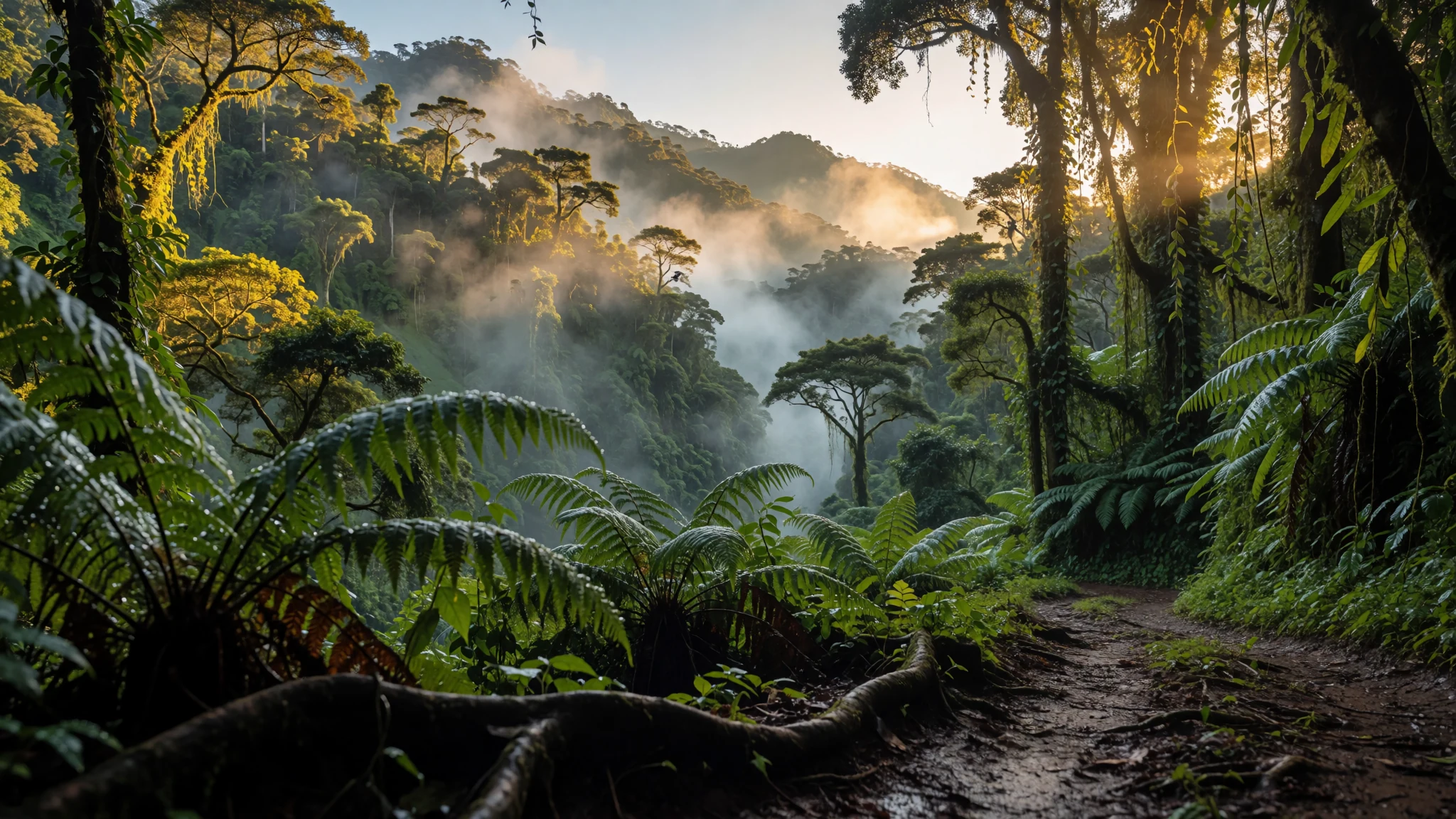
Journey into the ancient mist-shrouded Ugandan rainforest to encounter endangered mountain gorillas and rare endemic wildlife on foot.
The place
Bwindi Impenetrable National Park occupies a rugged terrain in southwestern Uganda, stretching along the border with the Democratic Republic of the Congo near Virunga National Park. Set directly on the edge of the Albertine Rift, Bwindi Impenetrable National Park combines lowland tracks and high montane forest across its protected territory. Because of the steep ridges, dense undergrowth, and lack of vehicle roads, Bwindi Impenetrable National Park is traversable only on foot via winding dirt paths. Recognized internationally for its ecological significance, Bwindi Impenetrable National Park holds designation as a United Nations Educational, Scientific and Cultural Organization World Heritage Site. Biological diversity defines the landscape here, providing a secure habitat for numerous mammals, diverse bird species, and countless butterflies, amphibians, and reptiles. Floristically, Bwindi Impenetrable National Park counts among the richest forests in East Africa, supporting a vast array of flowering plants, towering trees, and delicate ferns. The lower elevation northern sector contains rare Guineo-Congolian flora, including threatened mahogany varieties. Above all, Bwindi Impenetrable National Park remains globally celebrated as a primary sanctuary for endangered mountain gorillas, supporting a substantial portion of the earth's remaining population across its forested valleys and ridges. Visitors approach the park through regional administrative districts such as Kanungu, Kabale, and Kisoro, entering a protected ecosystem managed directly by the Uganda Wildlife Authority.
Its story
Bwindi Impenetrable National Park traces its official conservation roots back to the colonial era, when authorities first gazetted portions of the ancient woodlands as timber reserves. In the early decades of the twentieth century, administrators carved out separate forest reserves in the northern and southern sectors to manage valuable timber resources. As conservation priorities shifted toward protecting dwindling wildlife, authorities combined these separate tracts into a single, larger protected zone under the joint control of government forestry and game departments. Mid-century decrees elevated the status of Bwindi Impenetrable National Park by officially designating the forested hills as an animal sanctuary, affording targeted safeguards to the resident mountain gorillas. The turning point arrived when the territory achieved full national park status, formally absorbing adjacent protected lands and uniting them under the newly established wildlife authority. This reclassification aimed to safeguard the entire complex of endemic species, though it brought profound changes for the indigenous Batwa community who had lived within the trees for generations. Following the park's establishment, authorities evicted the Batwa from their ancestral forest homes, prohibiting them from entering the protected boundaries or gathering traditional resources. Today, conservation managers continue to balance the strict protection of fragile habitats with community outreach programs around the park's perimeter.
What to see
- Buhoma Sector — Kanungu District
Situated in the northern part of Bwindi Impenetrable National Park, the Buhoma sector is the oldest and most accessible area for visitors. Gentle terrain and well-established habituated gorilla groups make this trailhead exceptionally popular for first-time trekkers seeking a classic rainforest journey.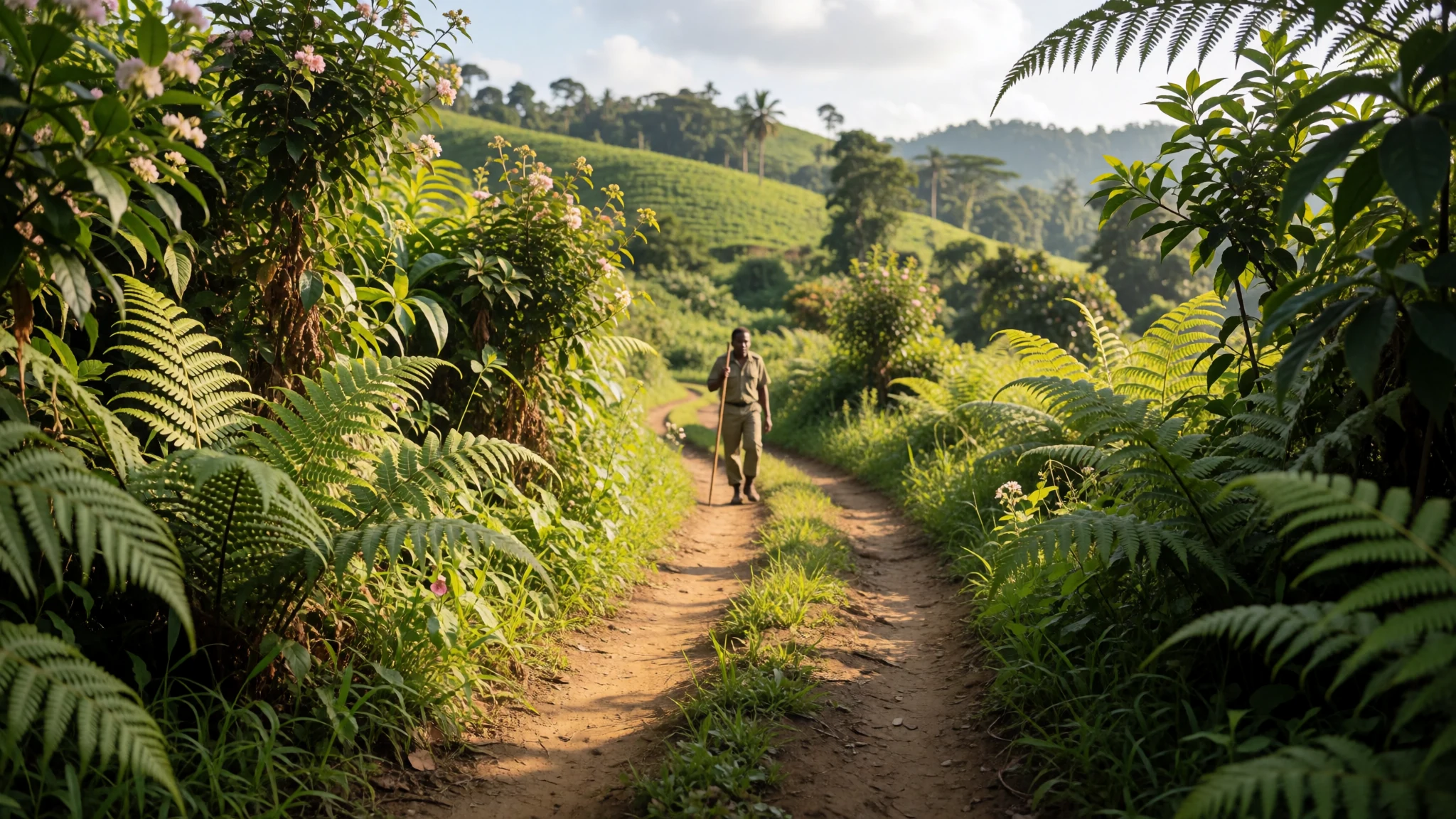
- Ruhijja Sector — Kabale District
Perched high in the eastern mountains of Bwindi Impenetrable National Park, Ruhijja offers cooler mist-filled valleys and phenomenal birdwatching opportunities. Trekkers here encounter specialized forest species alongside habituated gorilla families roaming through steeper, quieter wilderness tracts.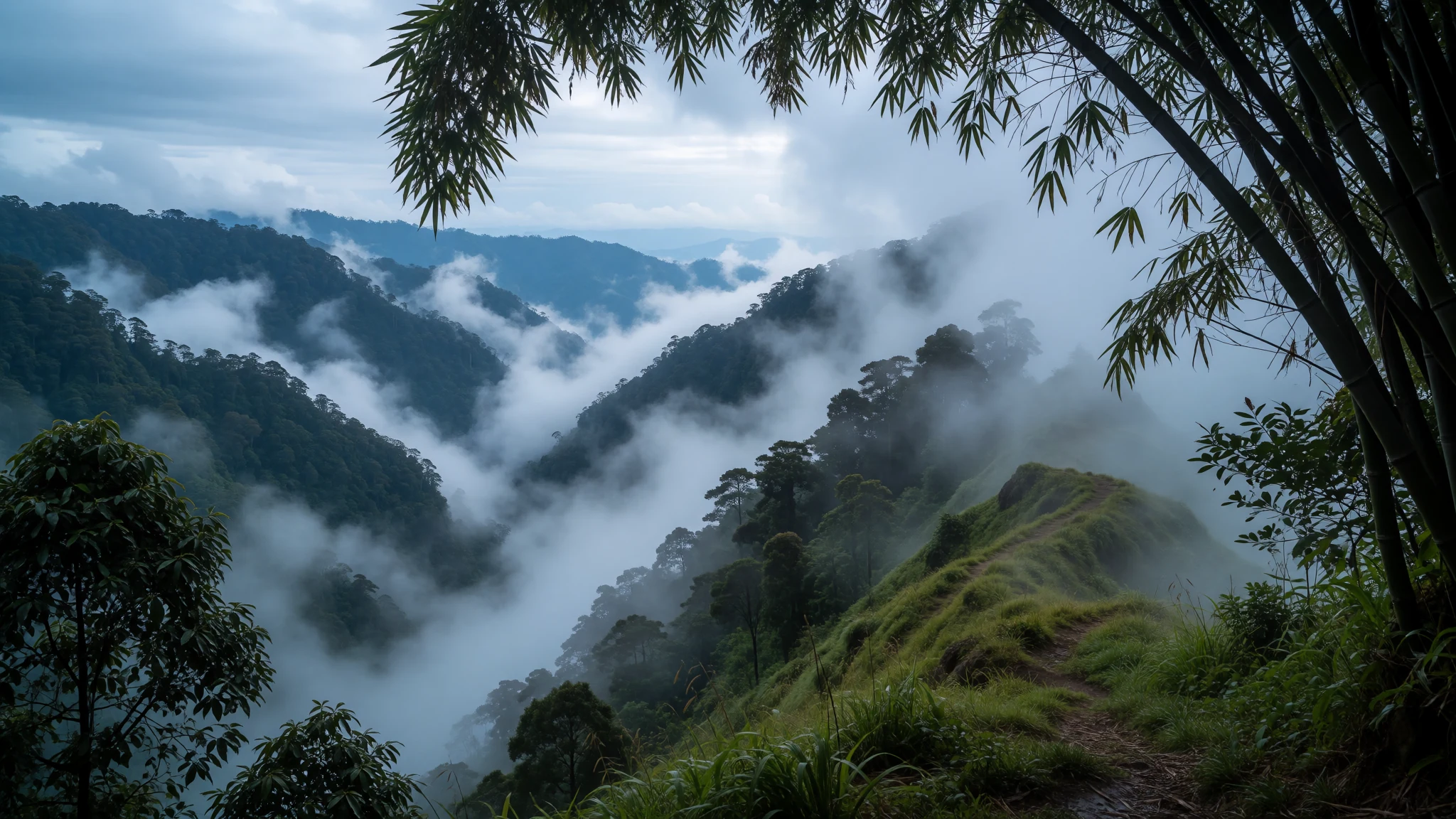
- Rushaga Sector — Kisoro District
Found in the southern corner of Bwindi Impenetrable National Park, Rushaga features deeply fractured terrain and numerous habituated gorilla groups. The rugged ridges provide physically demanding hikes that reward adventurous travellers with intimate encounters in dense foliage.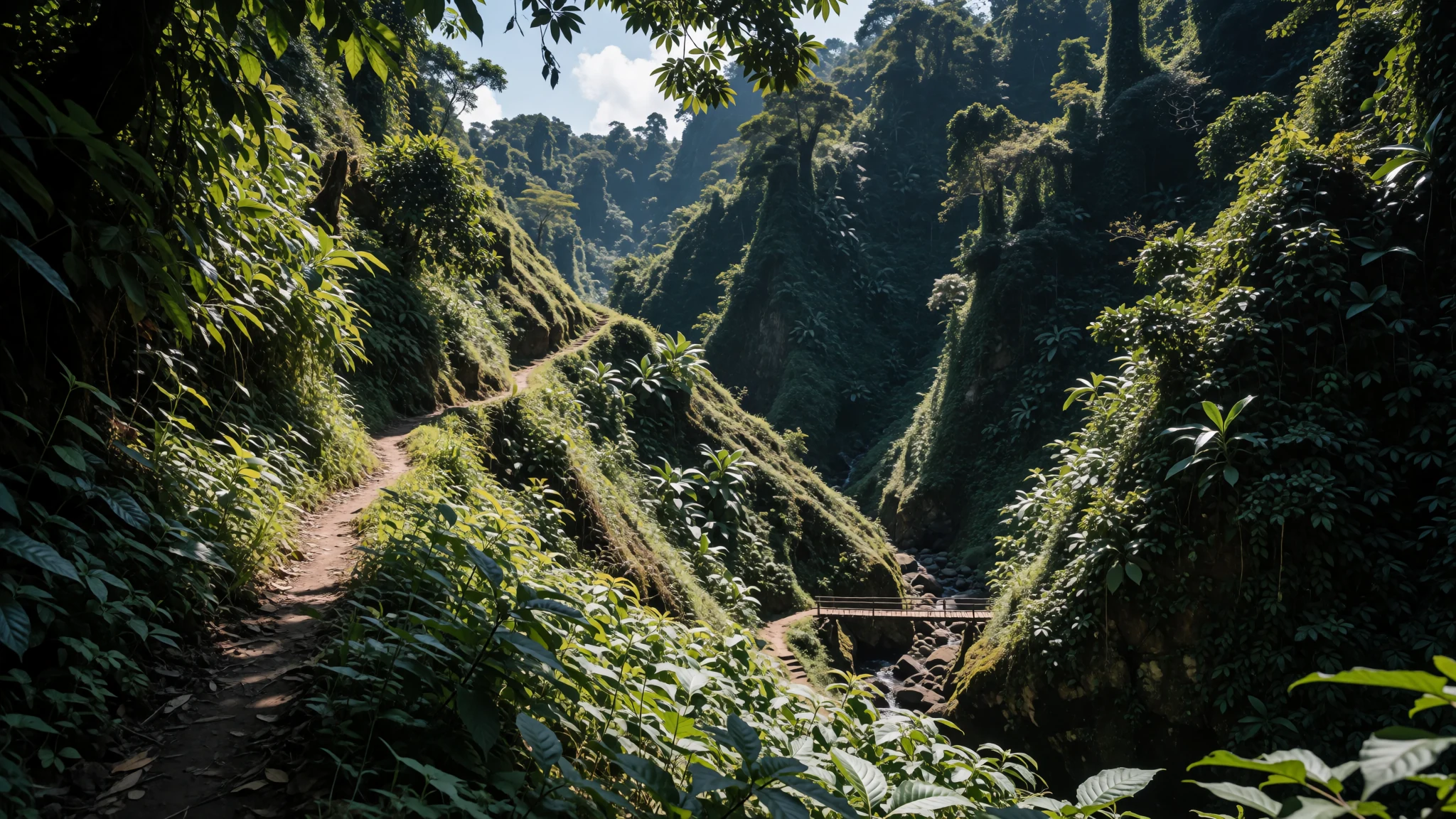
- Nkuringo Sector — Kisoro District
Overlooking dramatic volcanic chains from the southern edge of Bwindi Impenetrable National Park, Nkuringo delivers challenging ascents and sweeping valley vistas. The local community manages cultural experiences alongside ranger-guided treks into the wild heart of the forest.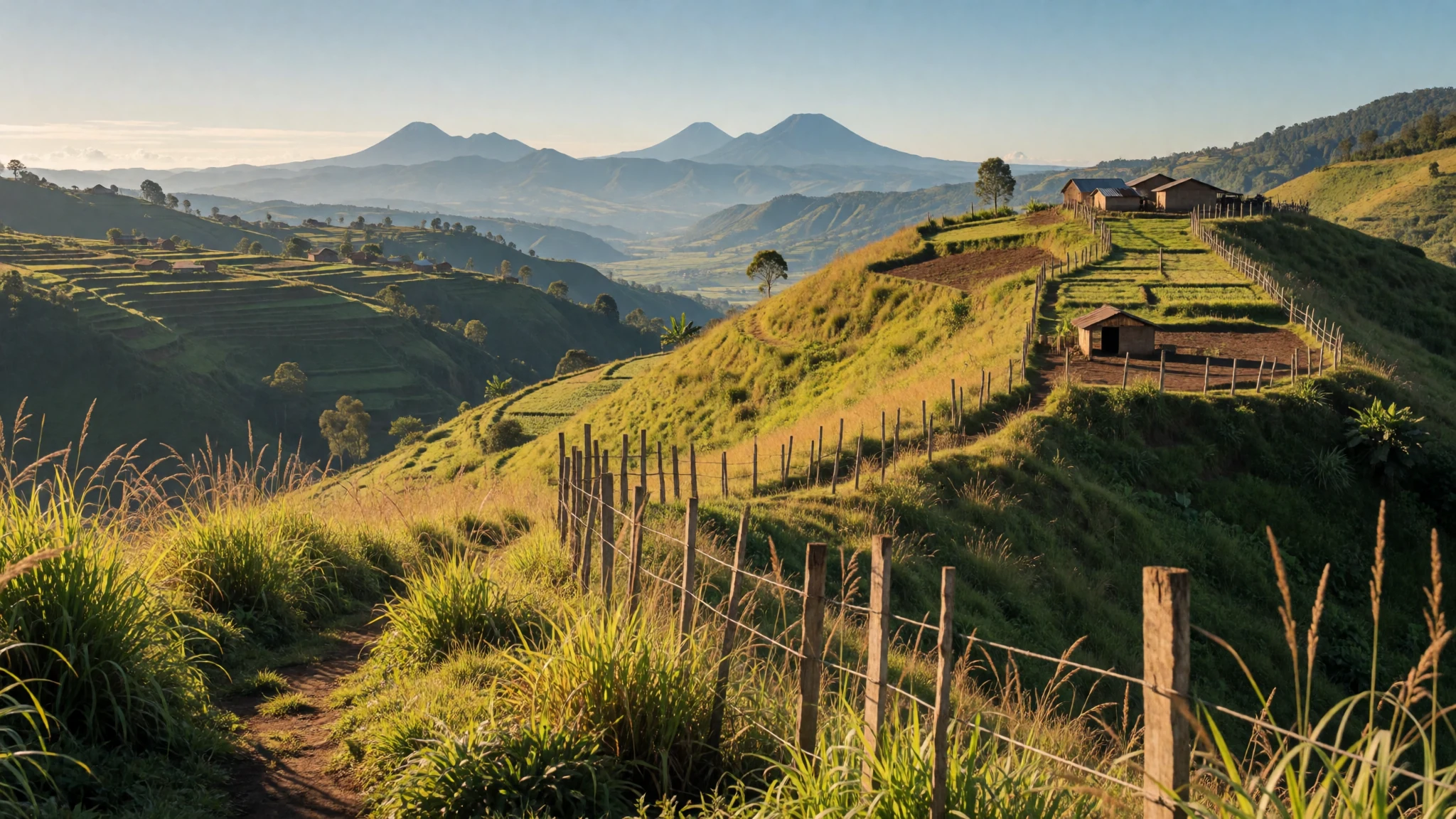
Culture
Bwindi Impenetrable National Park is surrounded by vibrant Bakiga and Bakonjo farming communities, alongside the displaced Batwa forest people whose heritage remains deeply intertwined with the trees. Cultural tourism initiatives near the trailheads allow visitors to experience traditional crafts, medicine preparation, and storytelling dances that preserve indigenous knowledge of the forest. Traditional daily life revolves around smallholder agriculture, cultivating steep hillside terraces with staple crops under the watchful guidance of village elders. Community markets hum with activity on designated days, serving as vital social hubs where neighbours gather to trade goods, textiles, and produce from surrounding valleys. Visitors engaging with local projects should approach rural homesteads with respectful curiosity and ask permission before taking photographs of residents. Always respect local customs and follow your guide's instructions during community village walks.
What to wear
Bwindi Impenetrable National Park requires practical, rugged outdoor clothing rather than traditional ceremonial garments for daily wear. Rural residents around the park typically dress in modest, durable everyday clothing suited for physical farm work on steep hillsides, often pairing second-hand western garments with sturdy wraps. Visitors to Bwindi Impenetrable National Park must pack specifically for demanding jungle conditions and unpredictable tropical downpours. Essential gear includes heavy-duty waterproof hiking boots with deep treads, thick long trousers tucked into socks to deter safari ants, long-sleeved shirts in neutral colours, and sturdy gardening gloves for grabbing thorny vines on slippery slopes. A reliable waterproof jacket, a wide-brimmed hat, and gaiters complete the standard kit required for navigating dense, wet undergrowth safely.
What to eat
- Matoke — Lodge dining rooms and community eating houses near all trailheads
Steam-cooked green highland bananas mashed into a soft, comforting yellow mash that forms the foundational carbohydrate of almost every traditional rural meal across the region. - Posho — Local village eateries and safari camp dining areas
A thick, dense porridge prepared from white maize flour boiled with water, served in solid blocks to accompany rich stews and bean dishes. - Groundnut Stew — Lodge buffets and community dining halls
A rich, savoury sauce made from crushed roasted peanuts simmered with tomatoes, onions, and local greens, often poured generously over matoke or rice.
- Chapati — Roadside stalls and trailhead kiosks
Layered, flat pan-fried wheat bread with a flaky texture, enjoyed warm as a quick snack or alongside morning tea before heading onto the trails.
Plan it
Best time. June to August and December to February offer drier conditions with firmer paths for forest trekking.
How long. 3–4
Getting there. Take a bus from Kampala to Kabale or Butogota, then arrange private four-wheel drive transport to your chosen trailhead.
Budget. mid
Tips
- Secure your official gorilla tracking permit well in advance through the Uganda Wildlife Authority or a licensed operator.
- Break in your waterproof hiking boots thoroughly before arrival to prevent severe blisters on steep trails.
- Carry sufficient physical cash in local currency for tips, village crafts, and small purchases.
- Hire a local porter at the trailhead to carry your pack and lend a steady hand on slippery slopes.
- Pack a reusable water bottle and high-energy snacks for unpredictable hours spent deep in the forest.
Etiquette
- Maintain a strict distance of at least seven metres from mountain gorillas to protect them from human illnesses.
- Refrain from using flash photography when encountering wildlife in the dim forest canopy.
Nearby
Sources
- Wikidata Q500397 (CC0)
- Wikipedia (rev 1362705911) (CC BY-SA 4.0)
- Wikivoyage (rev 5408994) (CC BY-SA 4.0)