Lai Chi Wo
Lai Chi Wo, People's Republic of China
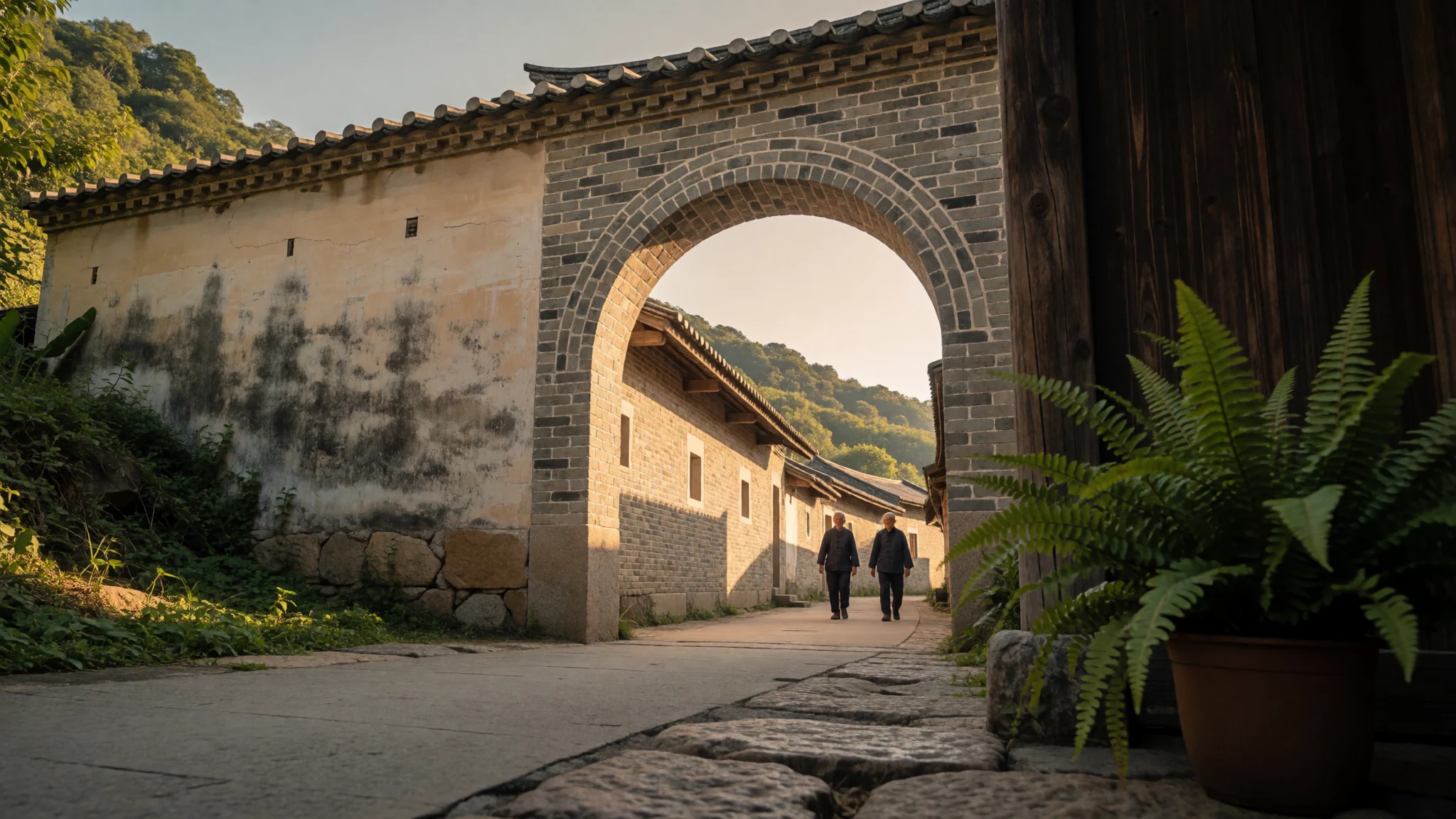
Lai Chi Wo is a Hakka walled village in Hong Kong's northeast, reached on foot through country park, with quiet lanes and ancestral halls.
The place
Lai Chi Wo is a Hakka village in the northeastern New Territories of Hong Kong, close to the border town of Sha Tau Kok. Some sources call it a walled village, and the label suits the way its houses cluster together behind a gate, close to sheltered water. The settlement sits inside Plover Cove Country Park, and just offshore lies Yan Chau Tong Marine Park, so the village is ringed by protected land and sea rather than by roads and towers. It lies low, at about ten metres above sea level, and a small core of the village has been given special-area status. The founding families were the Tsangs and the Wongs, two Hakka clans. The Tsangs trace their roots to Shandong, while the Wong ancestor is remembered as a military commander who left after the Ming dynasty fell. Today most people tied to the village carry the Tsang surname, and only a few Wong households remain. Many descendants live in towns or overseas and come back for family occasions. That shapes the feel of the place: quiet on most days, with restored houses, a handful of residents, and a community held together partly from a distance. Hong Kong as a whole is a Special Administrative Region of China with its own immigration rules, a useful thing to remember, since Lai Chi Wo is a rural corner of a very urban territory.
Its story
Lai Chi Wo grew into a prosperous Hakka village over several centuries, and at its busiest it held about a thousand people. Its fortunes were not steady. Roughly a century ago, as local memory has it, the village had fallen on hard times, and a feng shui master advised raising three protective walls to turn away harmful spirits and shelter the property inside. Once they were built, prosperity is said to have returned. The walls remain part of how the village explains itself. Later decades brought a pattern familiar across rural Hong Kong: younger people left for work in Fanling, Tai Po and other towns, and some emigrated, with the United Kingdom among the destinations. The village was left largely to older residents. Yet the link never broke. Families return for celebrations, above all the Tai Ping Ching Chiu festival, a community ritual of peace and renewal held once every ten years. Some who live abroad have come back to reconnect with ancestral village life, and many Tsang family members have paid towards repairing the old buildings. A metal plaque by the gate records their names beside their donations. Lai Chi Wo is now counted as the 16th special area in Hong Kong, a status that reflects how much weight the territory places on keeping it intact.
What to see
- The main gate — Village entrance
Lai Chi Wo's main gate is the natural place to begin, since it is where the village presents itself to arrivals. Beyond it lies a compact settlement of lanes and houses. Beside the gate, a metal plaque lists the Tsang family members who funded repairs, a plain record of how far descendants have kept faith with the place.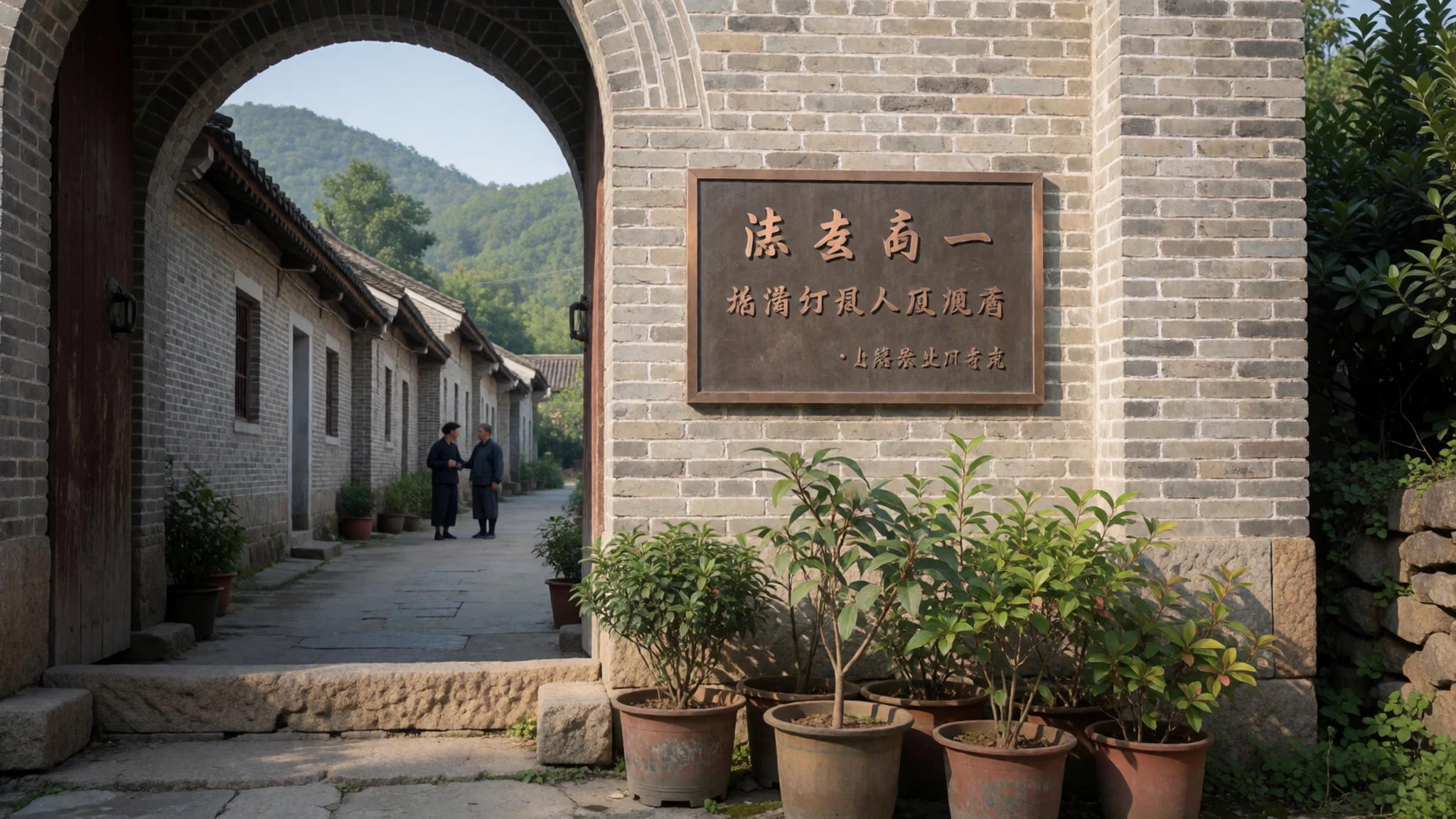
- Tsang Ancestral Hall — Village centre
The Tsang Ancestral Hall is where the village's largest clan keeps its memory. Halls like this serve as shrine, meeting place and ritual venue, and this one is central to festivals and family gatherings. Look at the woodwork and altar where access allows, and keep voices low, as it is a living place of family worship.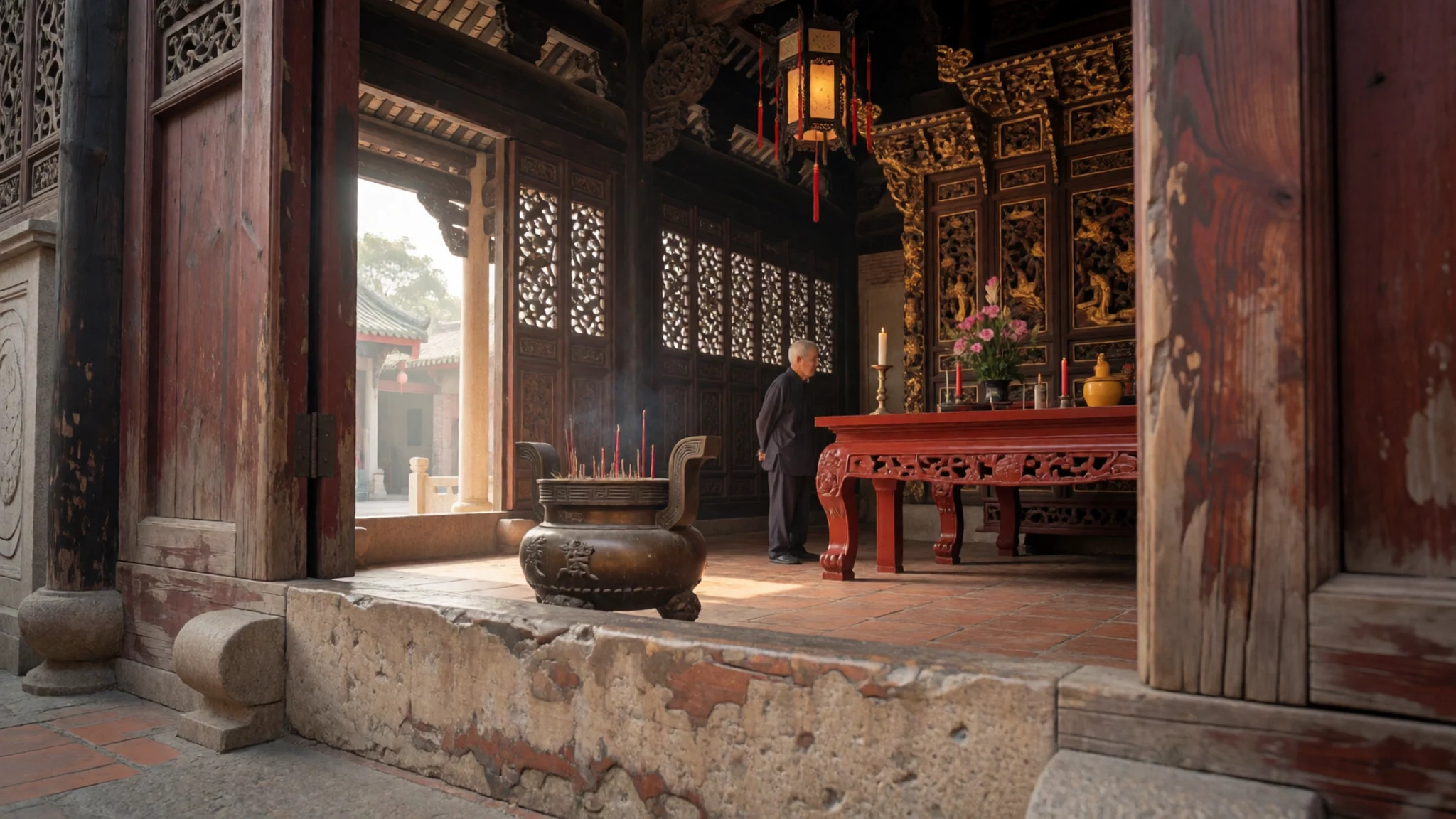
- Siu Ying School — Village lanes
Siu Ying School is a reminder that Lai Chi Wo was once busy enough to need its own teaching. The old village school building stands among the lanes, and its simple frame shows how education was organised in a rural community. The outside is easy to appreciate; check locally whether any interior is open.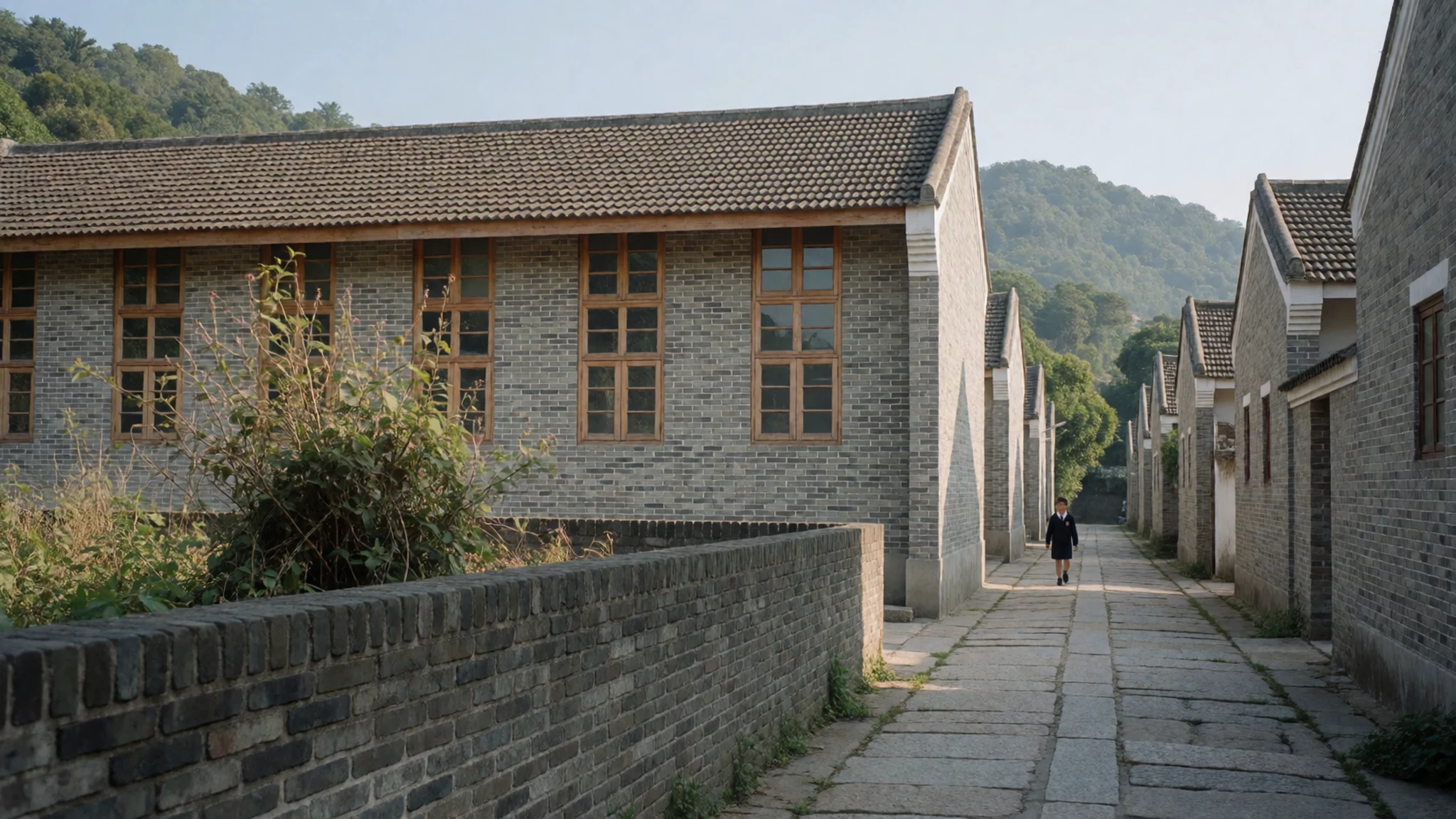
- Village lanes and feng shui walls — Special area
Lai Chi Wo's protective feng shui walls are less a single monument than a way of reading the layout. According to local tradition, three were raised to guard the settlement. Walking the lanes and edges with that in mind shows how the village sits between hills and shore, and how fields and trees frame it.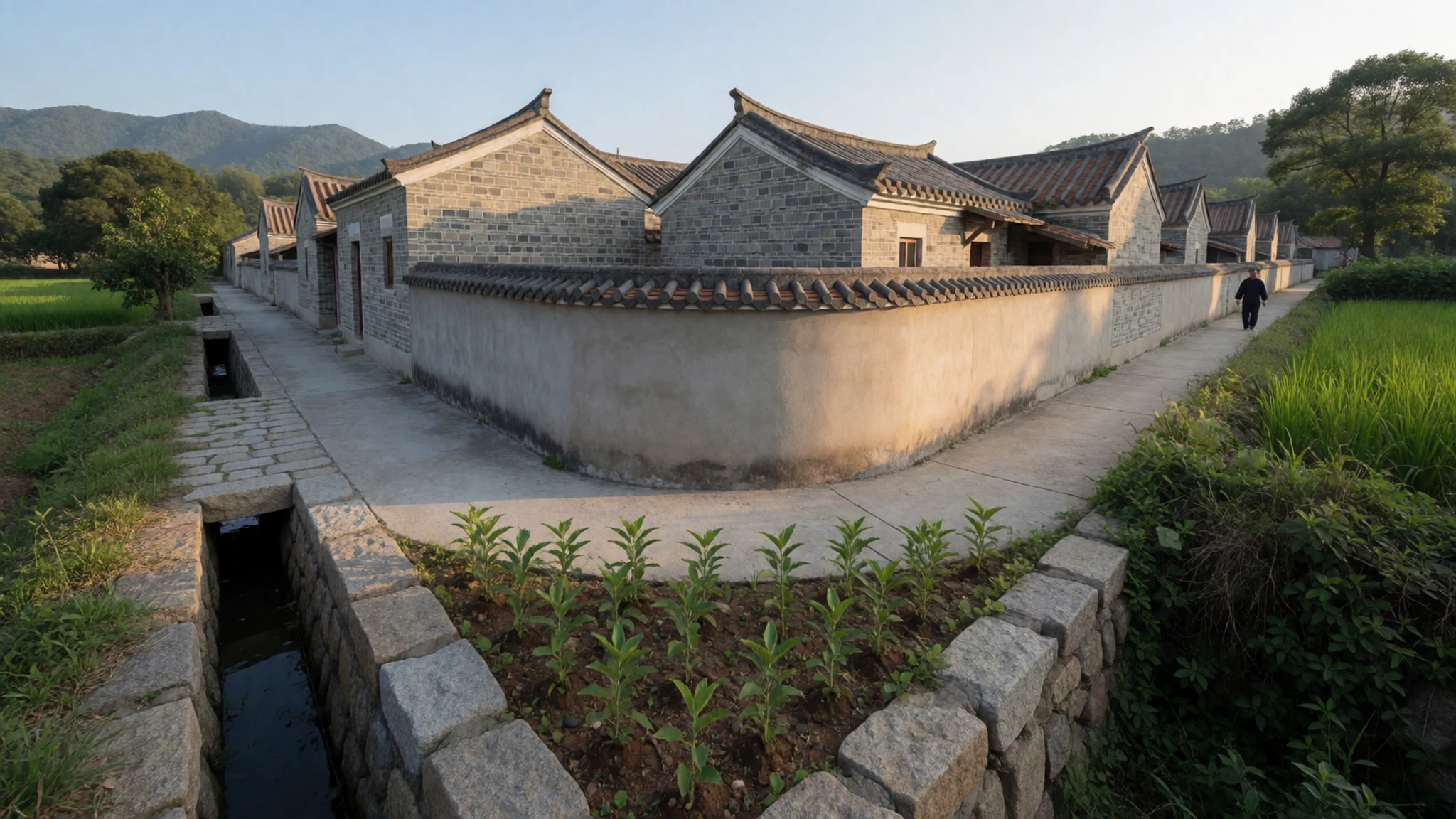
- Shoreline and country park — Plover Cove Country Park
The shoreline and surrounding Plover Cove Country Park give Lai Chi Wo its setting. The village looks out towards Yan Chau Tong Marine Park, and walking tracks lead in through green hills. A hat helps, as shade is patchy in summer. The trip works best as a day of walking rather than a short stop.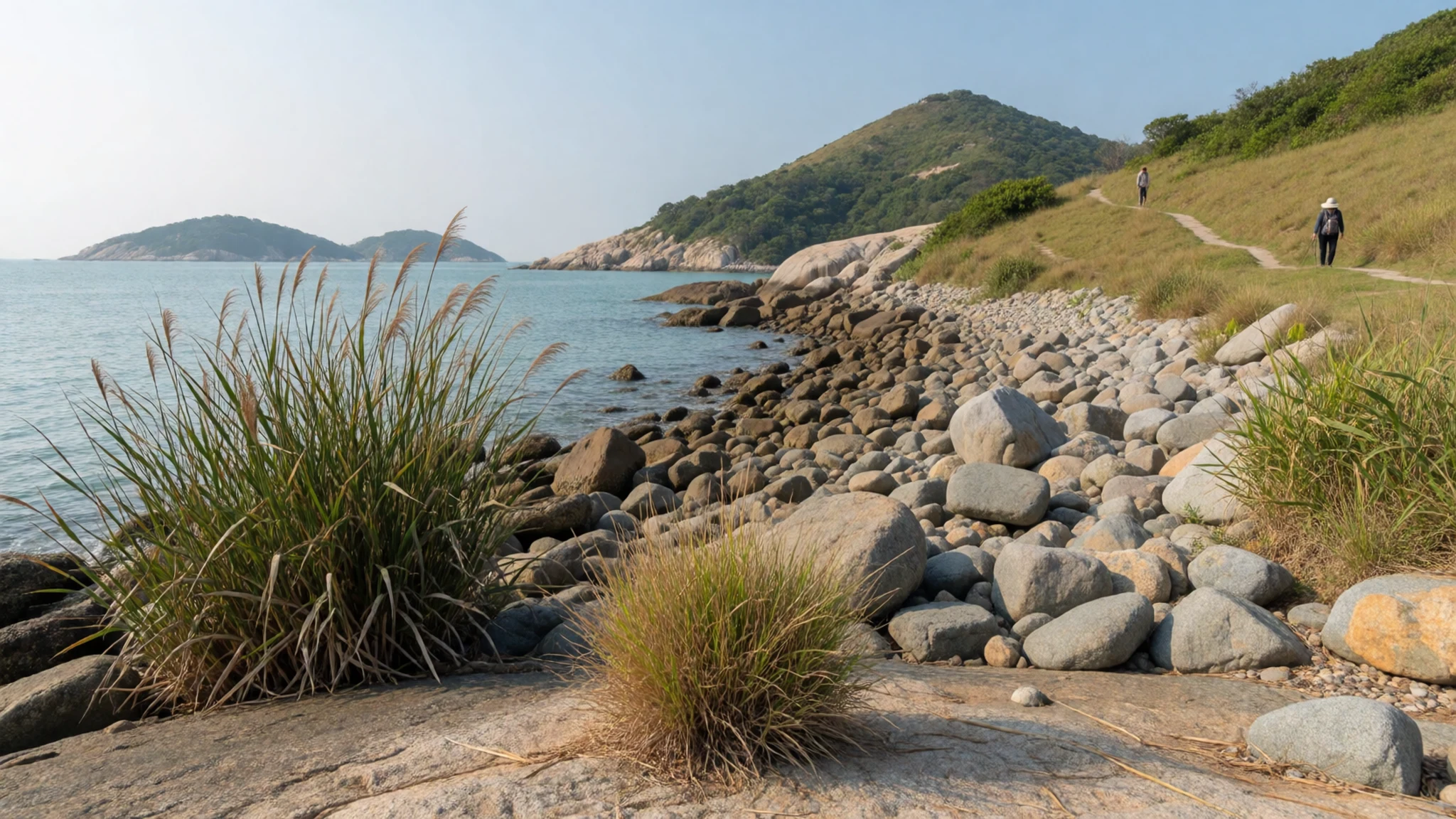
Culture
Lai Chi Wo carries the customs of Hakka village life, in which family lineage, ancestor worship and shared ritual organise the year. The Tsang and Wong clans built the community, and the ancestral hall remains its emotional centre. Few people live there full-time, but descendants return for weddings, festivals and the Tai Ping Ching Chiu ritual, so the village is best understood as a place that fills and empties with the family calendar. Hakka identity here is tied to migration: northern ancestors who settled in the south and kept their own speech and habits. Hong Kong culture more widely prizes consideration for others. The phrase "mm goi" (唔該) covers both "excuse me" and "thank you", and behind it sits a habit of not troubling people more than necessary. Spitting and littering are offences with a fine, and extra noise is unwelcome in a territory that is already loud. In a village where residents are few and homes stand close together, that restraint counts for more, not less. Visitors who arrive on foot, travel light and leave nothing behind fit the place well. Keep your voice low, carry all your litter back out, and ask before photographing residents or stepping into an ancestral hall or private home.
What to wear
Lai Chi Wo's traditional dress is the Hakka working outfit: the samfu, a loose cotton jacket and trousers in black or deep indigo, practical for farm work and easy to wash. Hakka women were known for wide-brimmed hats edged with a black cloth fringe that shaded the face in the fields. Today these appear mainly at festivals and in heritage displays rather than in daily life. What people actually wear now is ordinary Hong Kong casual: t-shirts, light trousers, caps and walking shoes, with returning families dressing a little smarter for rituals and gatherings. A mask is the courteous choice when ill. A visitor should dress for a walk first. Choose light, quick-drying layers, sturdy shoes with good grip for uneven paths, a hat and sunscreen, and a thin rain jacket in the wetter months. The climate is hot and humid in summer and mild in winter, so a spare shirt is sensible. At the ancestral hall and around homes, keep shoulders and knees covered as a matter of respect, and avoid loud or flashy clothing in a quiet community.
What to eat
- Tofu fa — The restaurant by the main gate
Tofu fa is silky, lightly sweet bean curd served warm or cold, and a welcome reward after the walk in. A restaurant beside Lai Chi Wo's main gate is known for it. Opening patterns can vary, so carry water and snacks as a precaution.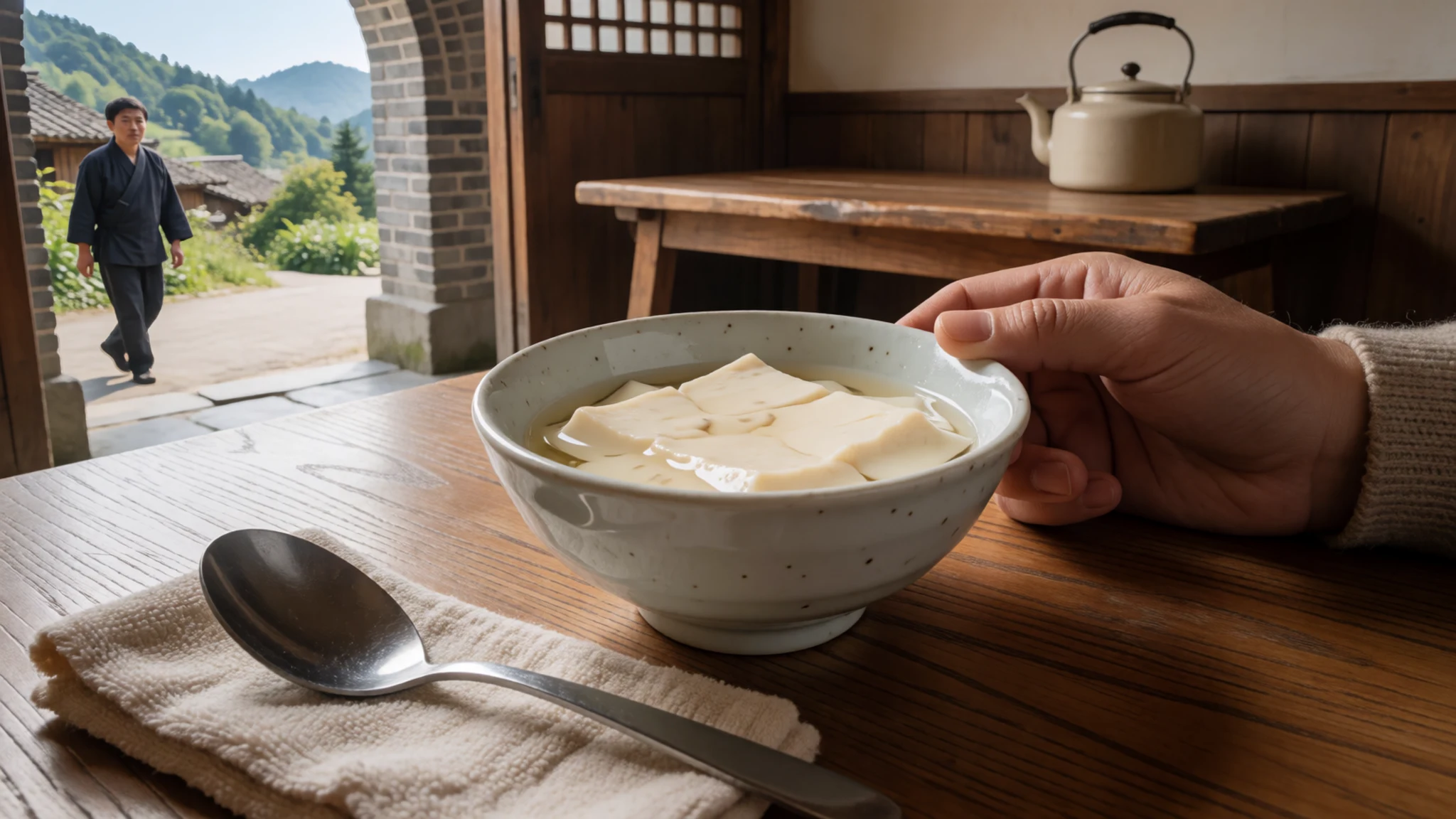
- Spam and egg instant noodles — The restaurant by the main gate
A Hong Kong comfort dish: instant noodles in broth topped with fried luncheon meat and an egg. It is simple, salty and filling, and it suits tired hikers. The village restaurant near the gate is the usual place to try it.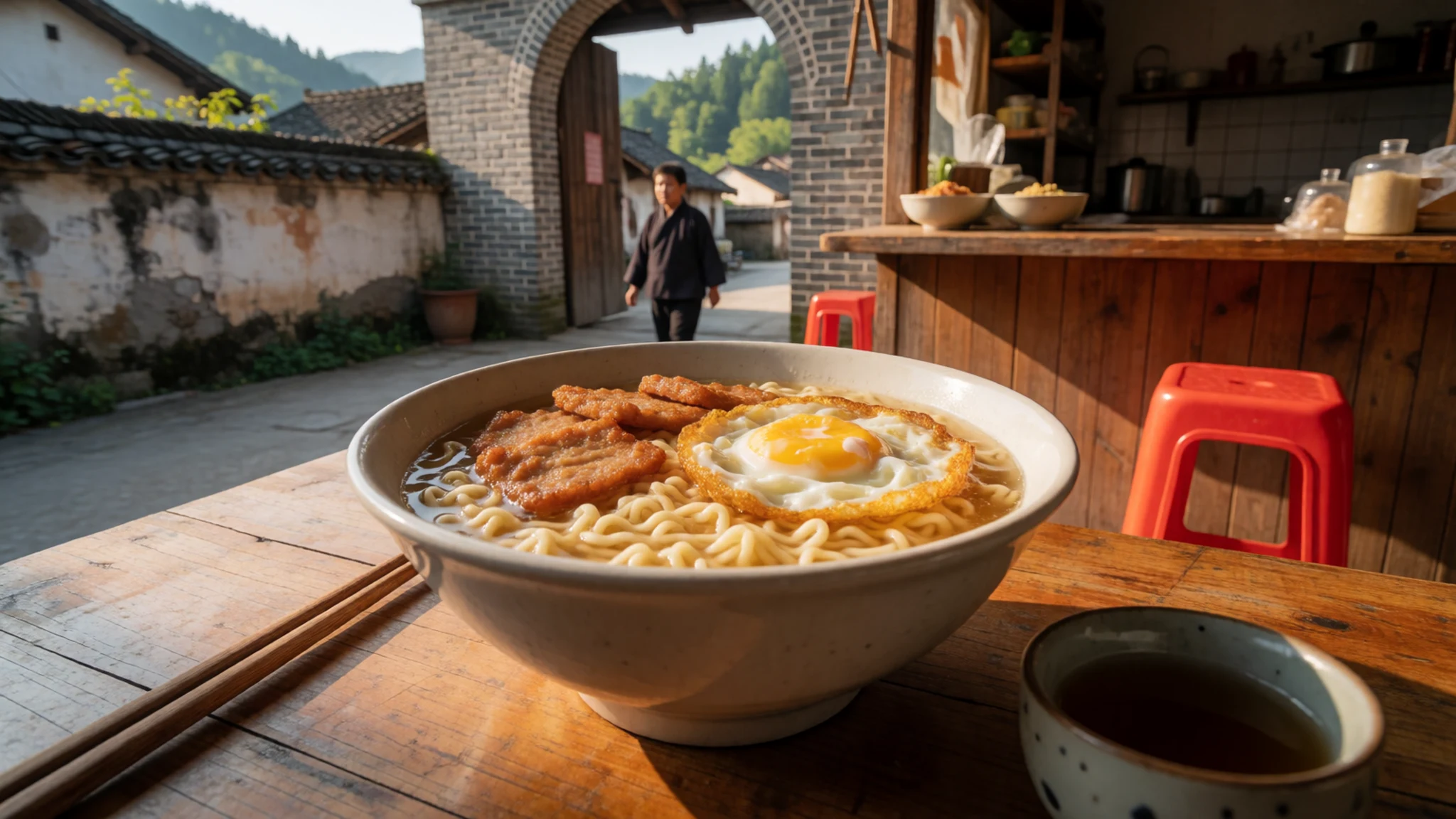
- Poon choi — Village festivals and group-friendly Hakka eateries in the northeast
Poon choi is a large communal bowl of layered meats, tofu and vegetables, closely linked to walled-village feasts and big family gatherings. It is the dish to expect at village celebrations, and some Hakka eateries in the northeast New Territories serve it for groups. - Hakka stuffed tofu — Hakka restaurants in Tai Po or Sha Tau Kok
Cubes of tofu are filled with minced fish or pork and then fried or simmered in a light sauce. It is a Hakka staple, savoury and gentle, often shared at a table of several dishes alongside rice. - Salt-baked chicken — Hakka restaurants in the market towns of the New Territories
Salt-baked chicken is a Hakka classic with tender, fragrant meat, usually torn by hand and eaten with rice or a dip of ginger and spring onion. It is a dish for sharing after a long day outdoors.
Plan it
Best time. October to December and March, when the weather is cooler and drier for walking. Summer is hot and humid with little shade on the approach, and heavy rain or typhoon warnings can close paths.
How long. 1
Getting there. Take the MTR towards the northeast New Territories, then continue by public minibus or taxi towards Sha Tau Kok and the country park trailheads. The last leg is normally on foot along signed paths. Public transport links to the area are limited, so check current routes on official Hong Kong transport sites before you set out.
Budget. low
Tips
- Set out early, as the walk in is long and shade is patchy
- Carry plenty of water and snacks, and some cash for small purchases
- Wear shoes with good grip, as paths can be uneven and slippery after rain
- Check the weather and any typhoon or rainstorm warnings before leaving
- Plan your return journey in advance, as transport links are limited
Etiquette
- Keep your voice low and take all litter home
- Ask before photographing residents or going into ancestral halls and private homes
- Stay on marked paths and do not pick plants or disturb wildlife
Nearby
Sources
- Wikidata Q3972238 (CC0)
- Wikipedia: Lai Chi Wo (rev 1364462617) (CC BY-SA 4.0)
- Wikivoyage: Hong Kong (rev 5408641) (CC BY-SA 4.0)
- Lai Chi Wo, tak.wing (CC BY-SA 2.0)
- 荔枝窩村, Chong Fat (CC BY 3.0)
- Tai Ping Ching Chiu 2019 at Lai Chi Wo Village, Nhk9 (CC BY-SA 4.0)
- Lai Chi Wo, Underwaterbuffalo (CC BY-SA 4.0)
- 荔枝窩特別地區, Chong Fat (CC BY 3.0)
- Lai Chi Wo Siu Ying School, 姒姓賢寧 (CC BY 4.0)
- Lai Chi Wo, Underwaterbuffalo (CC BY-SA 4.0)
- Tsang Ancestral Hall, Lai Chi Wo, 姒姓賢寧 (CC BY 4.0)


