Lady Elliot Island
Lady Elliot Island, Australia
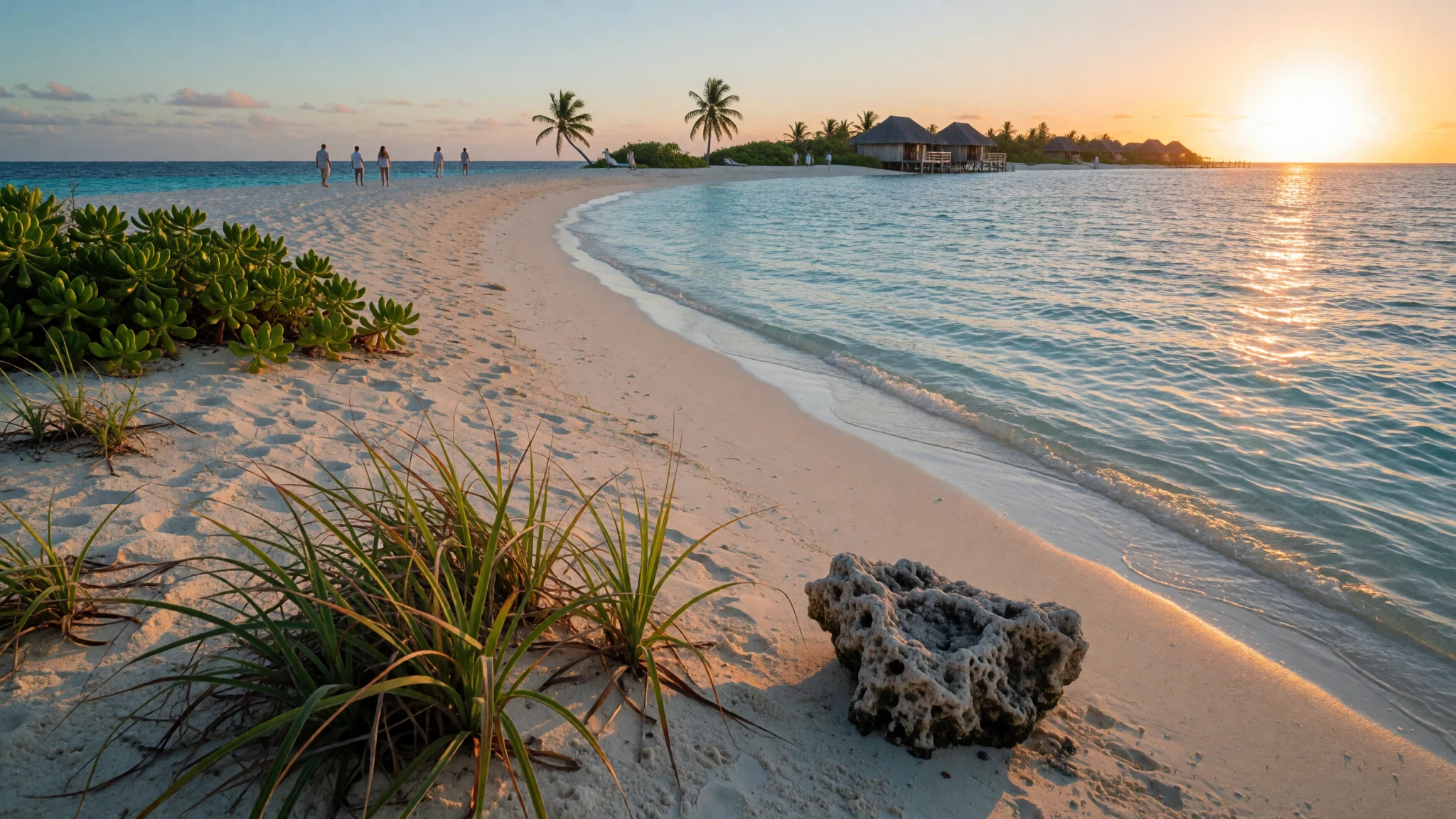
Lady Elliot Island is a small coral cay at the reef's southern end, reachable only by light plane, with very clear water.
The place
Lady Elliot Island is a coral cay at the southern end of the Great Barrier Reef, out in the Coral Sea beyond the Queensland port of Bundaberg. It is tiny: a flat rim of sand, grass and trees that rises only about 5 m above the sea, with no hills and just two real tracks across it. Walking the whole shoreline is possible even at high tide, and most people end up doing it more than once.
The land belongs to the Commonwealth of Australia, and a small eco resort and a grass airstrip share it. The strip runs the length of the island beside the accommodation, so planes seem to land almost on the doorstep. Power comes from solar panels by the runway, backed up by a diesel generator.
The surrounding water sits inside a Green Zone of the Great Barrier Reef Marine Park, the strictest level of protection, meant to shelter breeding and nursery habitat such as seagrass beds and reefs. Because the island lies so far offshore, the water tends to be very clear, and that is the main reason divers and snorkellers make the trip.
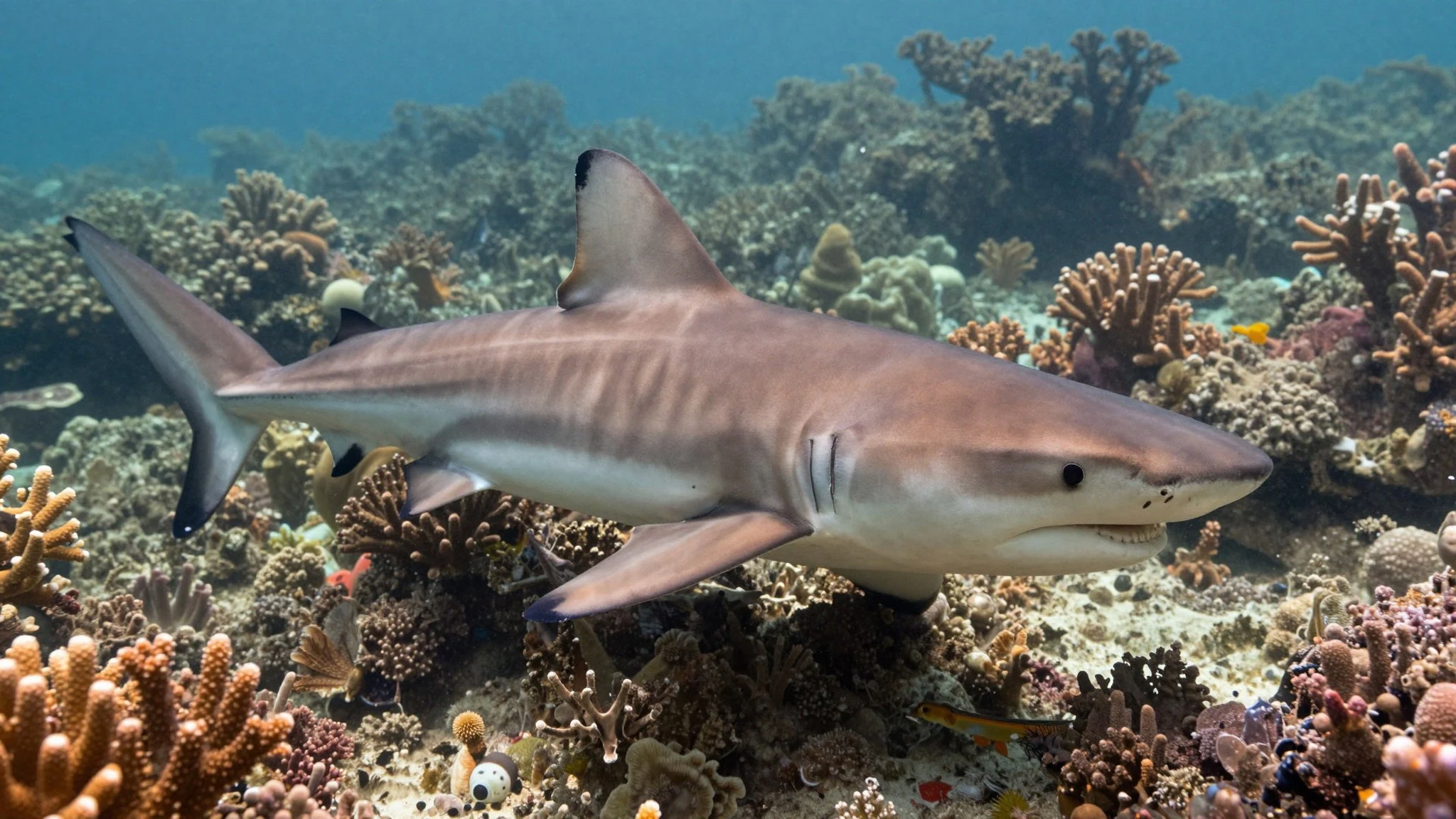
Common fish include sergeant majors, parrotfish and butterflyfish, with anemone fish and trigger fish not hard to find. Reef sharks, stingrays and manta rays patrol the edges, and mantas can sometimes be spotted from the plane on the way in. On land, birds rule the island, noisy and everywhere. The climate is tropical savanna: warm all year, with a humid summer.
Its story
Lady Elliot Island began to rise above the waves around 1500 BC as a spit of coral rubble. Over about 3,000 years it matured into a proper cay. Seabird droppings hardened together with beach sediment into beachrock, which helped the island survive, and the curved ridges of shingle across it record how storms built it outwards, one episode at a time.
People arrived for commerce long before tourism. In 1805 the island became a source of bêche-de-mer, the sea cucumbers that were dried and smoked for export to South-East Asia. The trade faded once the animals had been taken from the shallows.
The name dates from 1816, when Captain Thomas Stewart sighted and charted the island from his ship, the Lady Elliot. That vessel was built in Bengal and registered in Calcutta, so the island carries a small trace of India in its name. The ship was most likely named for the wife of the Earl of Minto, Governor-General of India, though another candidate, the wife of his diplomat brother, has also been suggested and fits less well.
The hardest chapter came with guano. In 1863 a lease was granted for mining the island, and from 1864 William Crowther ran the work until 1873, using Chinese and Malay labourers. By the end, almost every tree and about a metre of soil had gone. Replanting began in the 1960s, and the island now functions as a sanctuary with a small resort tucked into it.
What to see
- The old lighthouse — Near the western side of the island
The original lighthouse still stands but no longer guides ships. The working light is a plain lamp on a steel tower beside it. The old structure is photogenic and a good marker for a shoreline walk, and it also anchors one end of the best snorkelling stretch.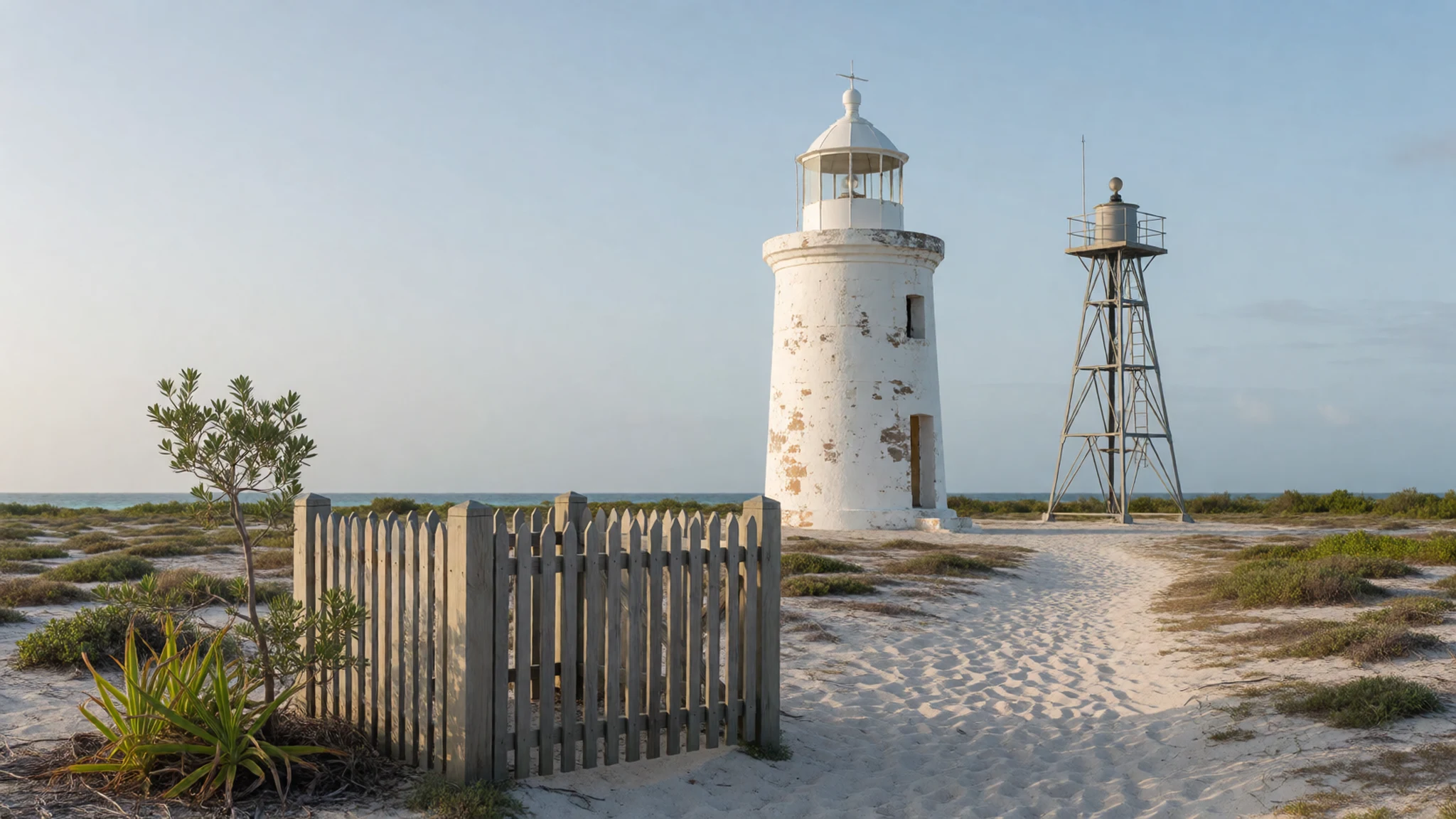
- Snorkelling from the beach — Between Coral Gardens and the lighthouse
The most rewarding snorkelling runs between the Coral Gardens entry point and the lighthouse, so you can get in at one end and drift towards the other. Wear reef shoes or fins at all times, as the bottom is coral and rock, and expect schools of reef fish.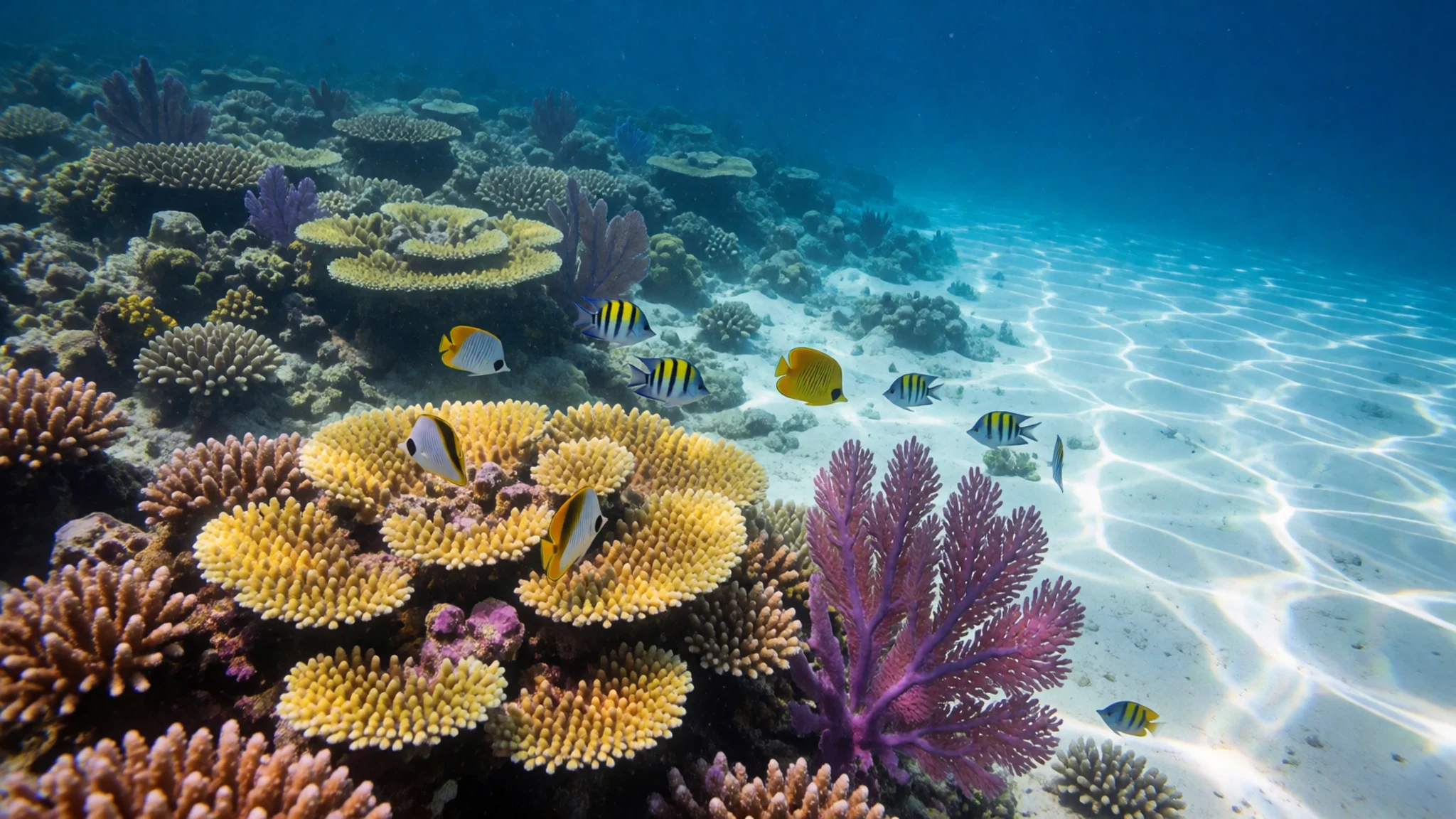
- Scuba diving — Reef edges around the island
Diving is organised through the island's dive shop for people staying overnight. There is one rule worth planning around: no diving on the day you fly in or the day you fly out. Visibility is the draw, along with rays, reef sharks and the chance of mantas.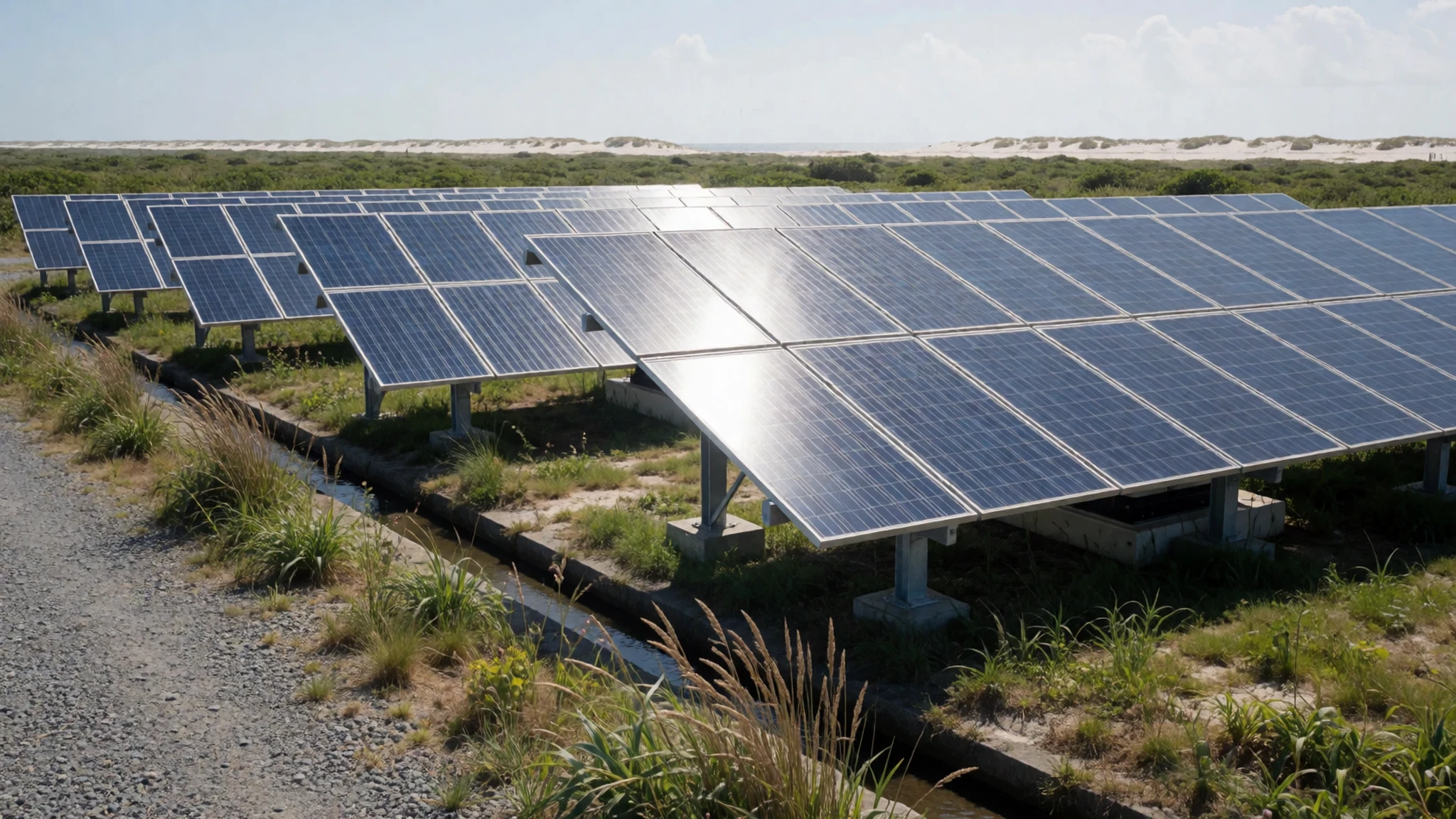
- Glass-bottom boat and reef walking — The lagoon and reef flat
Glass-bottom boat trips run daily and add more departures when demand is high, handy for anyone unsure about swimming in open water. At low tide, guided reef walks cross the lagoon, with reef shoes lent out, and give a close look at the shallows.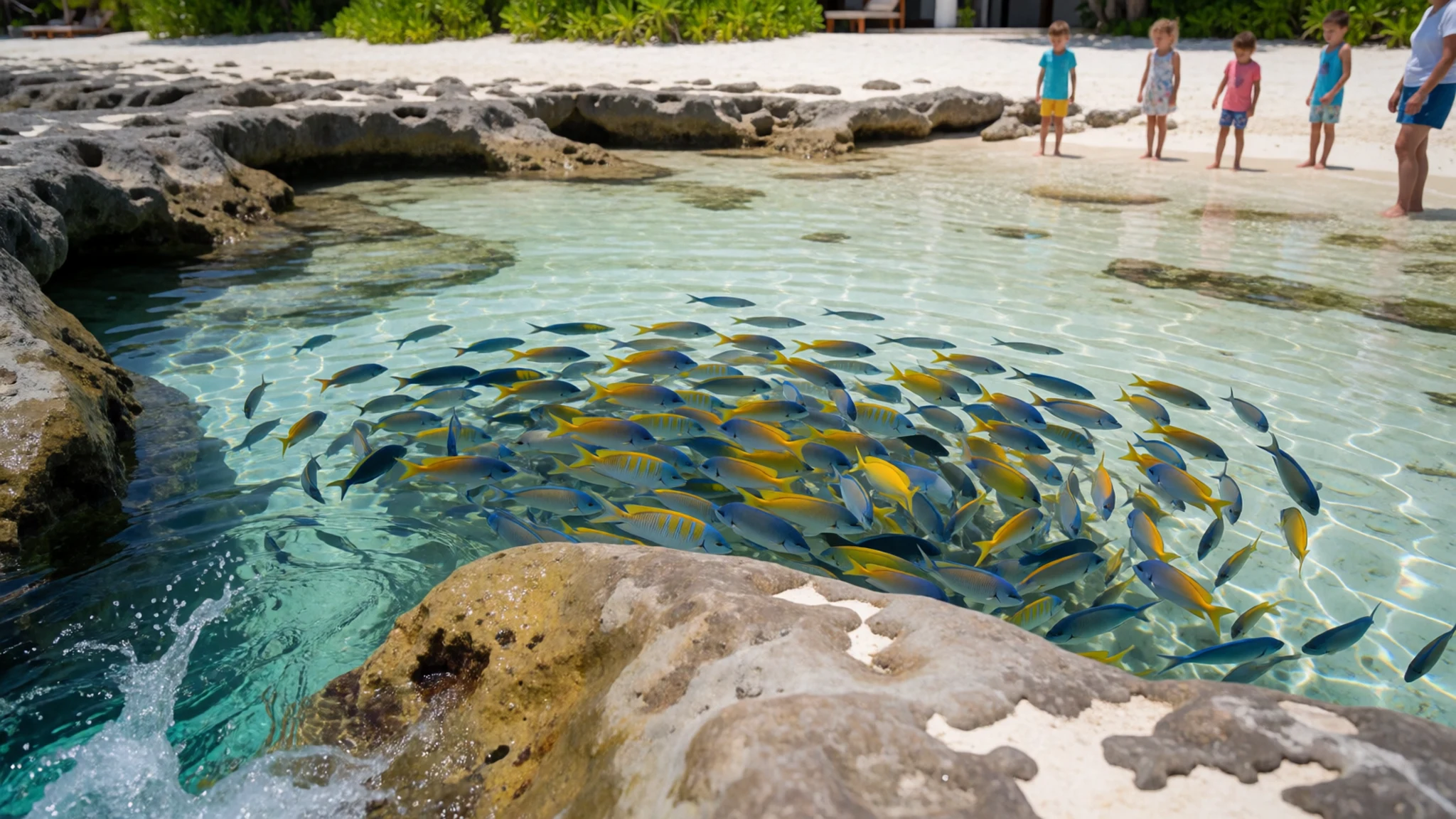
- Birdwatching — Across the island, especially trees and shoreline
Birds sit at the top of the food chain here, and their numbers show it, with more than 100 species recorded. Walk the two tracks and the beach at dawn or dusk. Droppings are part of island life, so a hat or an umbrella is a sensible companion.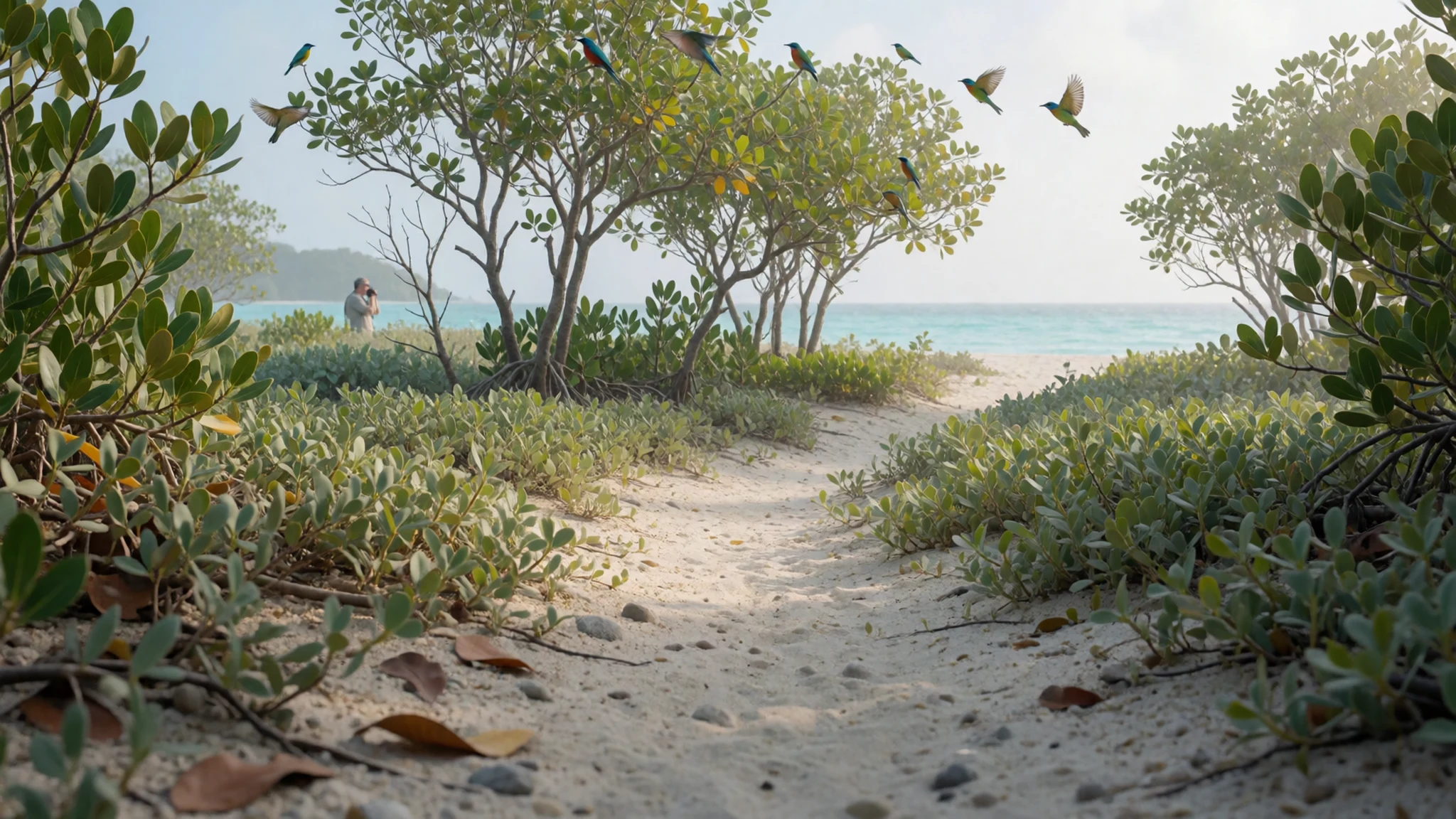
Culture
Lady Elliot Island has no old town or temple, so its culture is one of work, wreck and recovery rather than monuments. Chinese and Malay labourers dug guano here in the nineteenth century, and the stripped land took generations to heal. Since the 1960s the island has been replanted and managed as a sanctuary, and that history shapes the manners of the place: guests are short-term visitors on a recovering reef.
The retired lighthouse stands beside its steel replacement, and the lighthouse keeper's story lives on in island talk, including a chocolate cocktail named after a keeper's wife who, the tale goes, struggled with the isolation. Days follow the tide and the planes. Glass-bottom boat trips, reef walks at low tide and an afternoon fish-feeding session give the hours some shape, and birdsong fills the rest.
Evenings are quiet. The bar closes early, the pool and ping-pong tables are free, and conversation tends to turn to what people saw in the water that day, usually rays, sharks or a passing manta. Everything arrives by air, so power, water and supplies are handled carefully, and staff are glad to explain how. Visitors who listen to that explanation tend to get more out of the stay.
Do not pick up shells, sea cucumbers or coral, and always wear reef shoes or fins when you enter the water.
What to wear
Lady Elliot Island has no settled community of its own, so there is no traditional island dress or local textile to describe. The island's recent history is one of mining crews, lighthouse keepers and now resort staff, and none of these left a distinctive costume. Anyone looking for a regional dress tradition would find it on the Queensland mainland rather than here.
What people wear now is plain Australian beach casual. Staff and guests move between boat, reef and dining area in swimwear, rash vests, shorts, T-shirts and bare feet or sandals. Nobody dresses up for dinner, and the bar is relaxed, so a clean T-shirt and shorts will do.
For a visitor, the climate and the terrain decide everything. The sun is strong over open sand and water, so pack a wide-brimmed hat, sunglasses, reef-safe sunscreen and a long-sleeved rash vest for snorkelling. Reef shoes matter more than any other item: the shallows hide stonefish and sharp coral, and the lagoon bottom is rough. Resorts on the island lend reef shoes for reef walks, but bringing your own pair that fits well is wise. A light waterproof layer or umbrella helps in showers and under nesting birds. Because the planes are small, pack light, in a soft bag rather than a hard suitcase, and check luggage limits with the operator. There are no modesty rules to worry about beyond ordinary good sense.
What to eat
- Resort buffet dinner — The resort dining room
Dinner is an unfussy buffet of grilled steak, fish and chicken with vegetables and salad. It is plain, filling food rather than a culinary event, and it comes bundled with an overnight stay, so most guests eat together after a day on the water.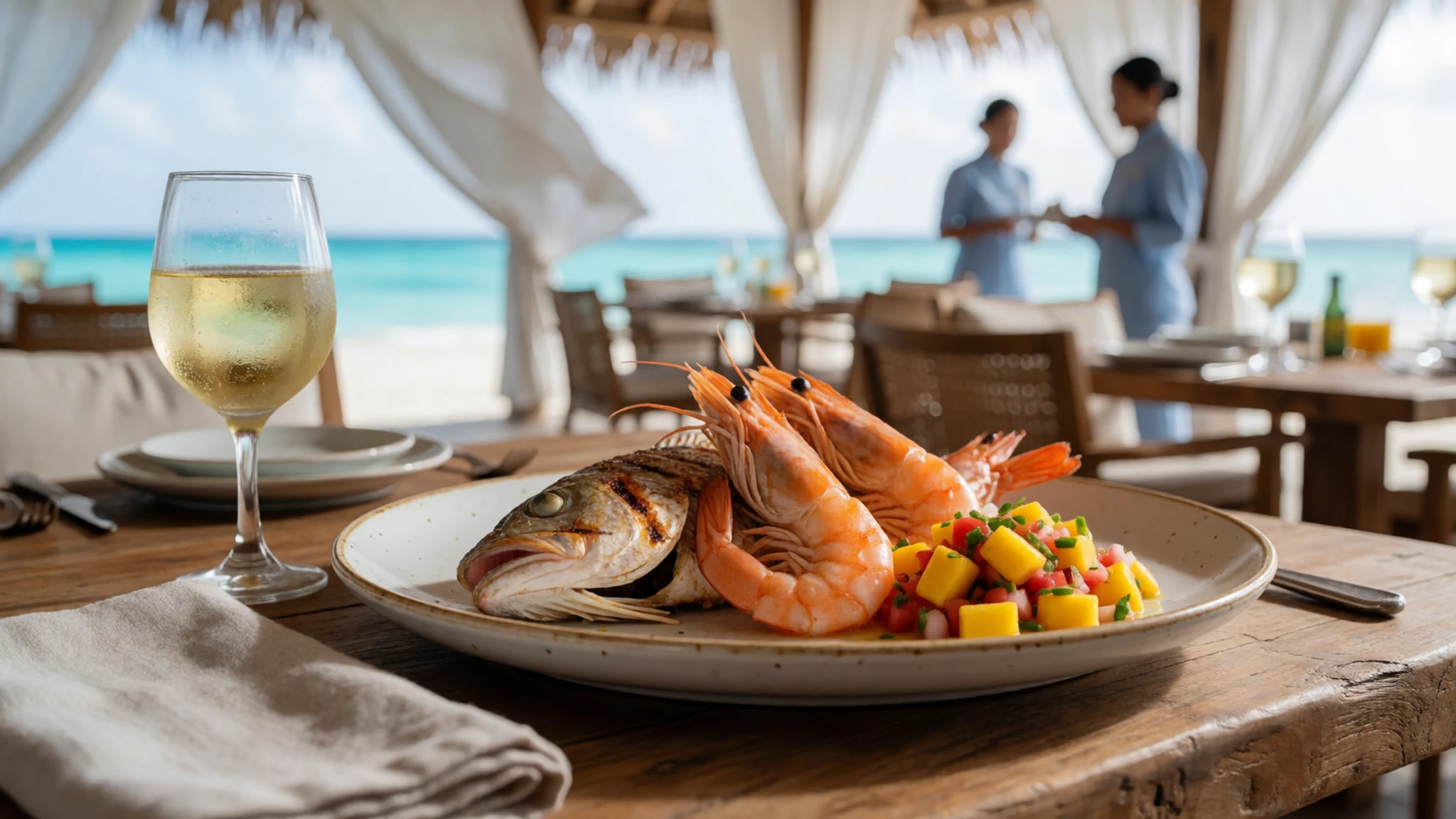
- Fish and chips — The island's casual lunch counter
A reliable lunch for day-trippers and overnight guests alike, usually battered fish with chips. Eat it after snorkelling, when everyone is hungry, and expect the birds to take an interest if you sit outside.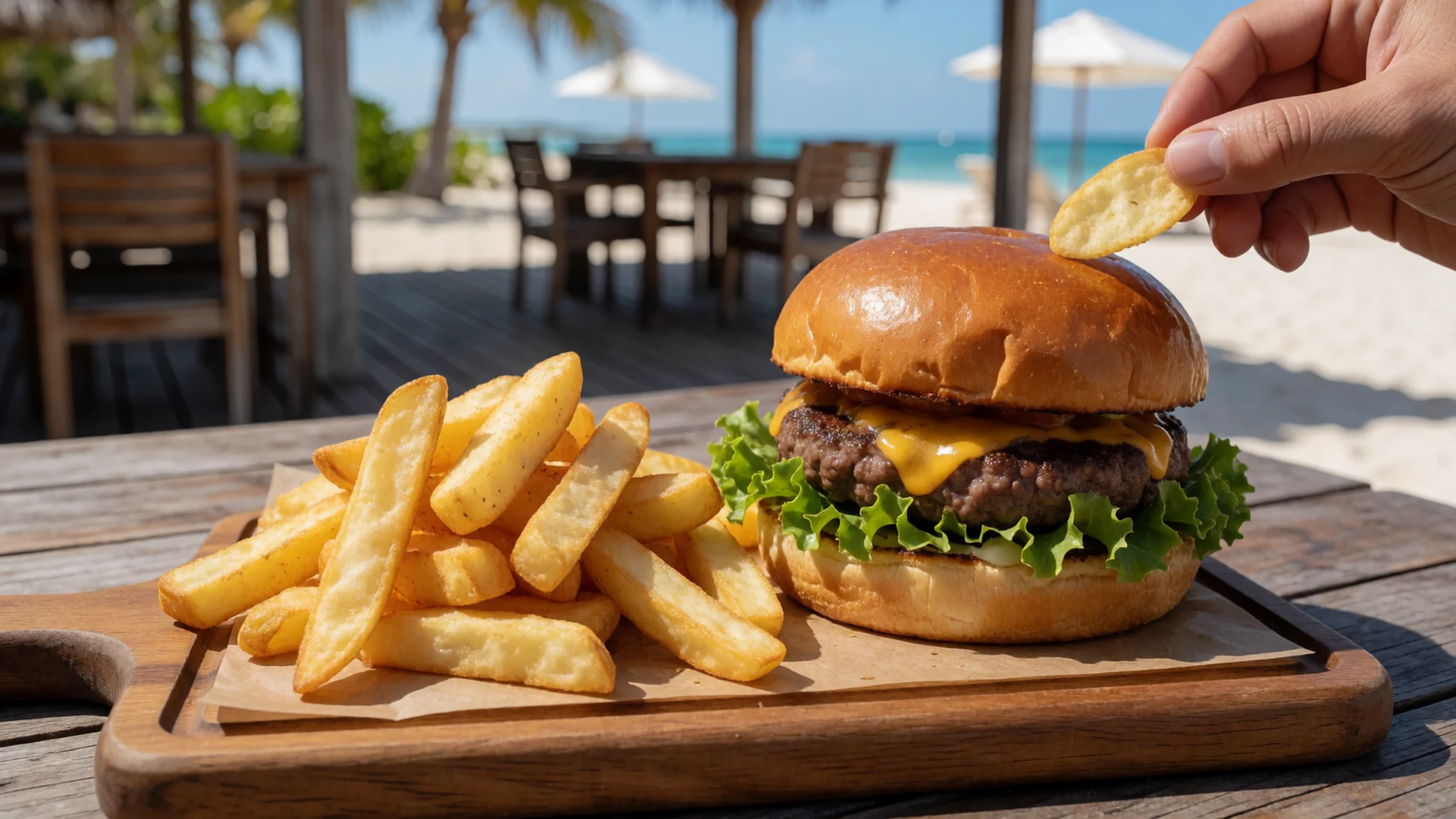
- Burger — The island's casual lunch counter
Burgers sit on the simple lunch menu beside sandwiches. They are straightforward, hearty and quick, which suits a day when the next boat, walk or flight leaves soon. - Vegetarian hot dish — The resort dining room, at the evening buffet
Vegetarians are catered for with a cooked main alongside the salads and vegetables. Choice is limited on a small island supplied by air, so mention dietary needs when booking and confirm again on arrival. - Chocolate cocktail — The island bar, which closes early
The bar mixes a creamy chocolate drink named after a lighthouse keeper's wife, and it makes a fitting end to the day. It is a sweet nightcap rather than a serious cocktail, enjoyed with a game of pool.
Plan it
Best time. Roughly May–June and September–October, a judgement from the tropical savanna climate: milder, drier weather and calmer flying. Summer is warm and humid, and storms can disrupt small planes, so allow flexibility in your plans.
How long. 2–3
Getting there. Fly from Bundaberg, Hervey Bay, Brisbane or the Gold Coast, or from the small coastal town of Seventeen Seventy, in a ten-seat Islander aircraft that lands on the grass strip beside the resort. There is no ferry or wharf, so flying is the only way in. Flights from Bundaberg and Hervey Bay are short, and the Gold Coast and Brisbane flights have more coastline to look at. Check the official site, https://www.ladyelliot.com.au/, for schedules and fares.
Budget. high
Tips
- Book flights and rooms well ahead and check the official site for current fares, schedules and inclusions, because places are limited
- Day trips use the first and last flights, while overnight stays give more time on the reef
- You cannot dive on arrival or departure day, so plan any scuba around that
- Pack reef shoes or fins, a hat, sun protection and a rash vest, and keep luggage light for the small plane
- Bring cash and cards as needed, but check the island's payment options before you travel
Etiquette
- Do not touch or pick up corals, shells, sea cucumbers or anything shaped like a cone
- Wear reef shoes or fins whenever you enter the water
- Give nesting birds and resting rays space
Nearby
Sources
- Wikidata Q1779299 (CC0)
- Wikipedia: Lady Elliot Island (CC BY-SA 4.0)
- Wikivoyage: Lady Elliot Island (CC BY-SA 4.0)
Wildlife
- Manta ray (animal)
The giant manta ray is the biggest ray in the world, a great gliding creature that looks like a living kite beneath the sea. Around Lady Elliot Island it is a common sight in the lively waters under the surface, so your chances of meeting one are good. Watch from a respectful distance, move slowly and quietly, follow your guide's advice, and never feed or touch it, so it can carry on gliding past undisturbed.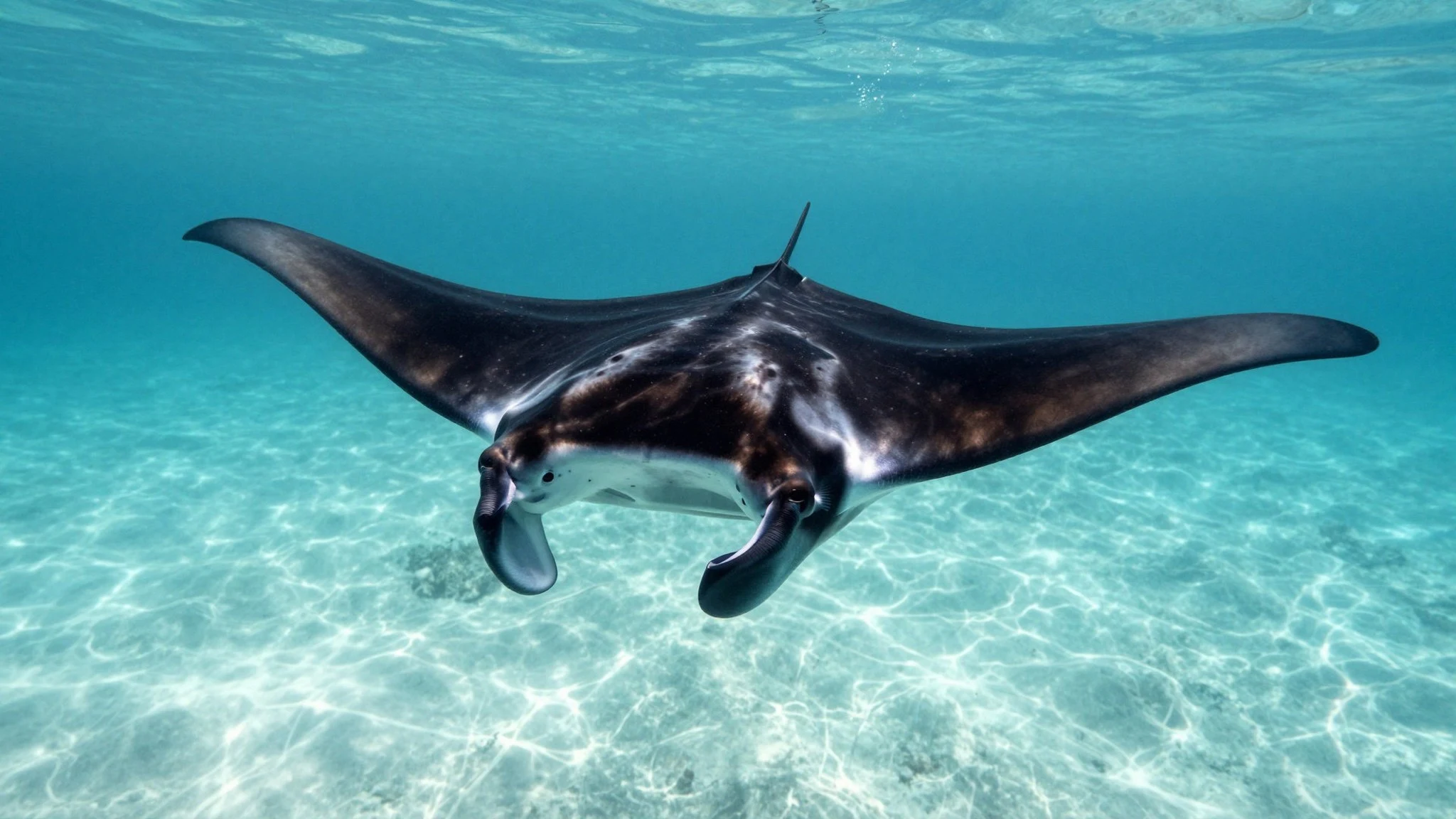
- Reef shark (animal)
The blacktip reef shark is the shark that looks as if its fins were dipped in black ink. Around Lady Elliot Island it is a common sight in the lively waters beneath the surface. Across its range it favours shallow water near the shore, drifting over sandy flats and the edges of the reef, and its fin often breaks the surface. Watch from a respectful distance, stay calm and quiet, follow your guide's advice, and never feed it.