Kom Ombo Temple
Kom Ombo Temple, Egypt
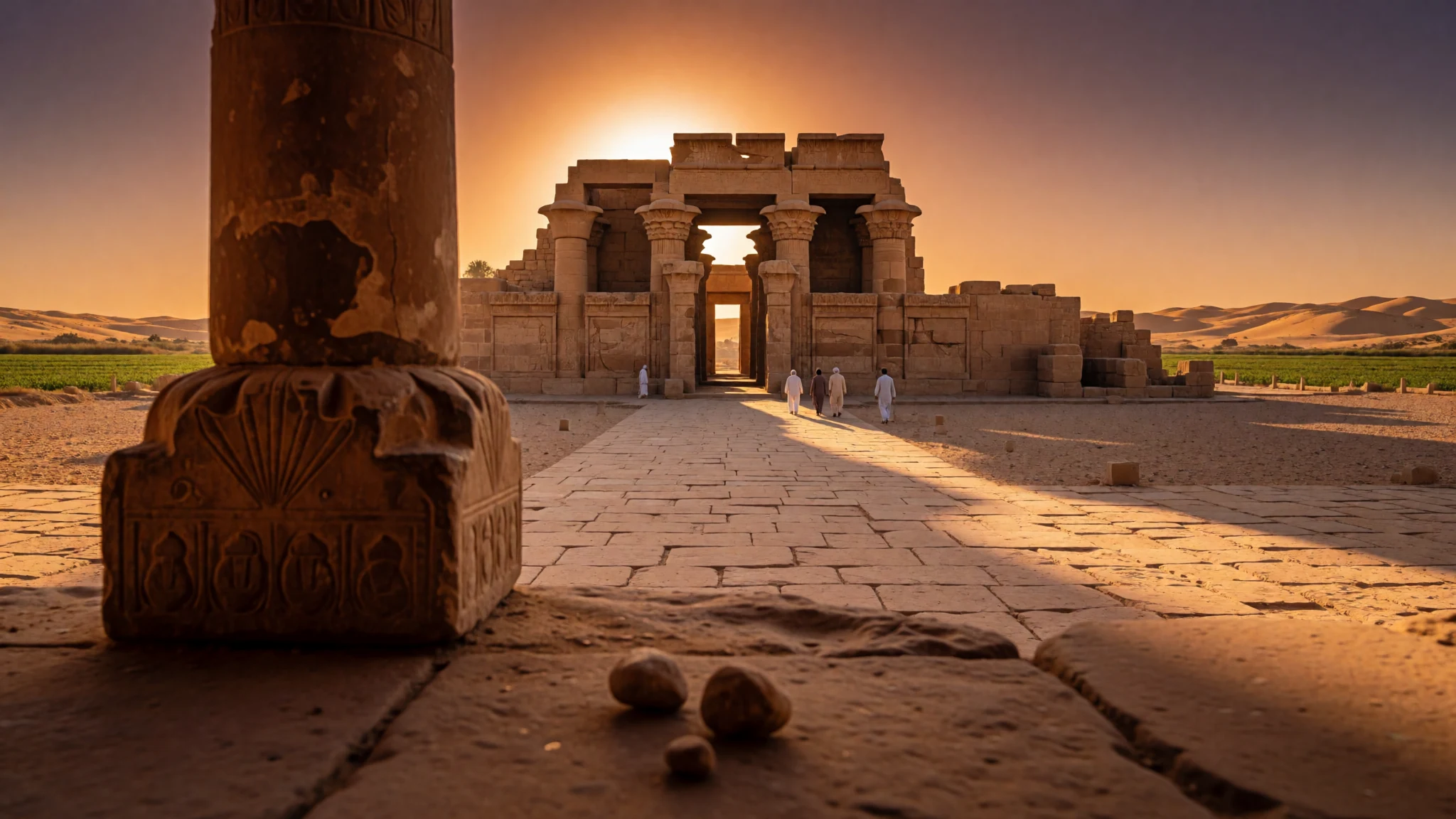
Kom Ombo Temple is a double sanctuary on the Nile bank, where two gods shared one building and crocodiles were revered.
The place
Kom Ombo Temple stands in the town of Kom Ombo, in Aswan Governorate, Upper Egypt, on a rise above the Nile at an elevation of 95 m. Its layout is what sets it apart. Instead of one axis leading to a single god, the building is doubled down the middle, with two entrances, two halls and two sanctuaries side by side. One half belonged to Sobek, the crocodile-headed god, and the other to Haroeris, a form of Horus. It was built under the Ptolemaic dynasty, 180–47 BC, with further additions in the Roman period. The name has a neat explanation. In ancient times the place was called NBU, meaning "Gold"; the Greeks and Romans said Ombos; and since kom is Arabic for mound, the modern name reads as "Mound of Gold". The temple sits in a tidy enclosure beside the river, which makes it a regular stop for cruise boats working between Aswan and Luxor. It can feel crowded when several moor at once, and quieter once they leave. The setting matters as much as the stone. The Nile lies just below, palms and sugar cane fields spread inland, and the sandstone turns amber in the late afternoon. Much of the upper structure has gone, but the surviving columns are still packed with carved reliefs, some keeping traces of paint. It is compact enough to see properly in an hour or so, which is why it pairs easily with other stops around Aswan.
Its story
Kom Ombo Temple belongs to the last chapter of ancient Egyptian building. The native dynasties had fallen to the Persians in 341 BC, and the Greek-speaking Ptolemies who later ruled Egypt chose to present themselves as pharaohs and to pay for temples in the old style. Work at Kom Ombo ran from 180 BC to 47 BC, and Roman rulers added to it afterwards. That mixture shows in the carvings: Ptolemy VI appears making offerings to the gods, dressed as an Egyptian king rather than a Greek one. The double dedication reflects a local cult. Sobek, tied to the river and its crocodiles, was worshipped beside Haroeris, a sky and war god. Each had his own divine family and priests, and the symmetrical plan allowed both to be honoured without either overshadowing the other. Crocodiles were kept as sacred animals and mummified, and a small museum on the site now displays some of them. The Nile has shaped the story too. Its annual flood made farming possible here as across Egypt, but a riverside position also meant the bank gradually wore at the front of the complex over the centuries. What visitors see today is the inner part that survived: halls, columns and sanctuary walls. After the Ptolemies came Roman, Byzantine and then Arab rule, each leaving ancient monuments to weather, be reused or be forgotten, until archaeologists and conservators took an interest.
What to see
- The twin sanctuaries — Temple enclosure
The heart of Kom Ombo Temple is its pair of parallel sanctuaries, one for Sobek and one for Haroeris. Walking the halls, you can follow the doubled plan: two doorways, two rows of columns, two processional routes. Early morning gives the clearest sense of the symmetry before groups arrive.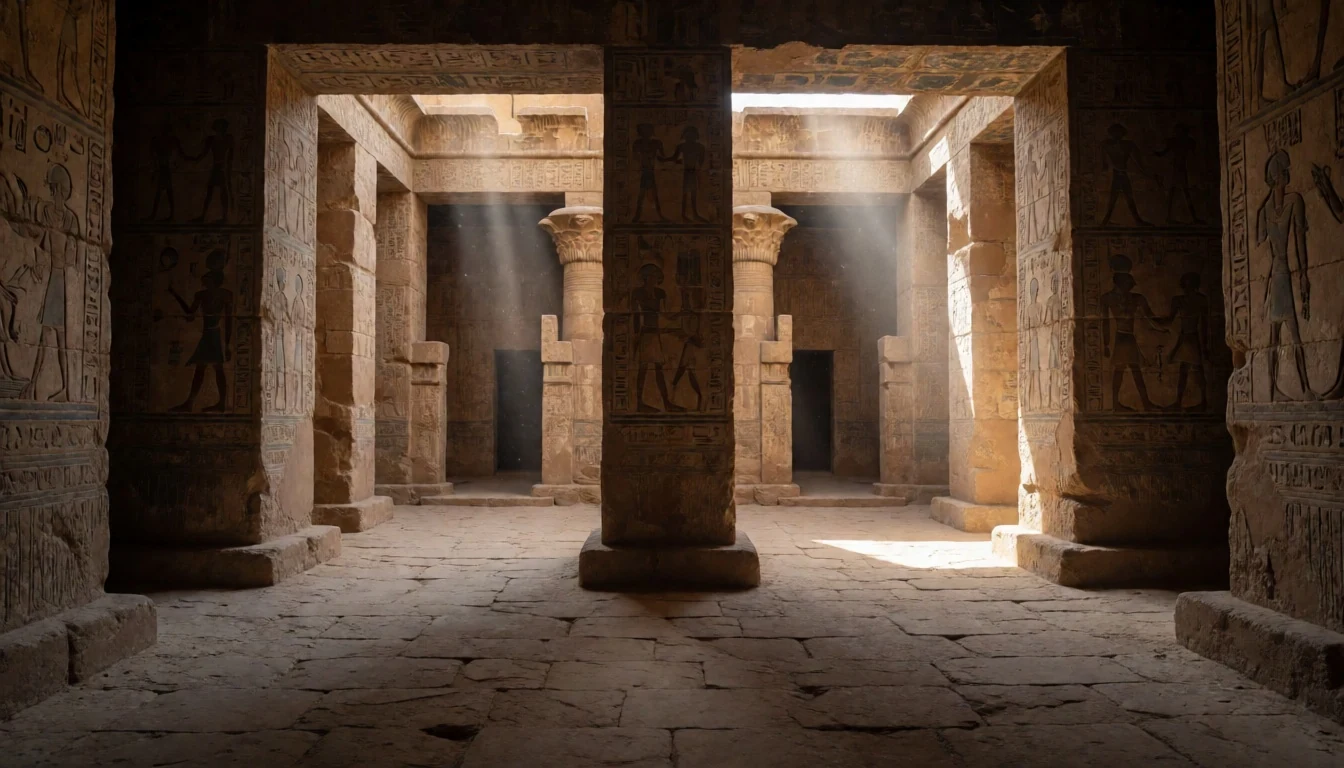
- The double portal — Temple entrance
The entrance façade is built as a pair of doorways, a quick way to grasp why the temple is called double. Look at the worn lintels and the columns on either side, where Ptolemaic and Roman craftsmen worked in the older Egyptian style. The portal photographs well in low sun.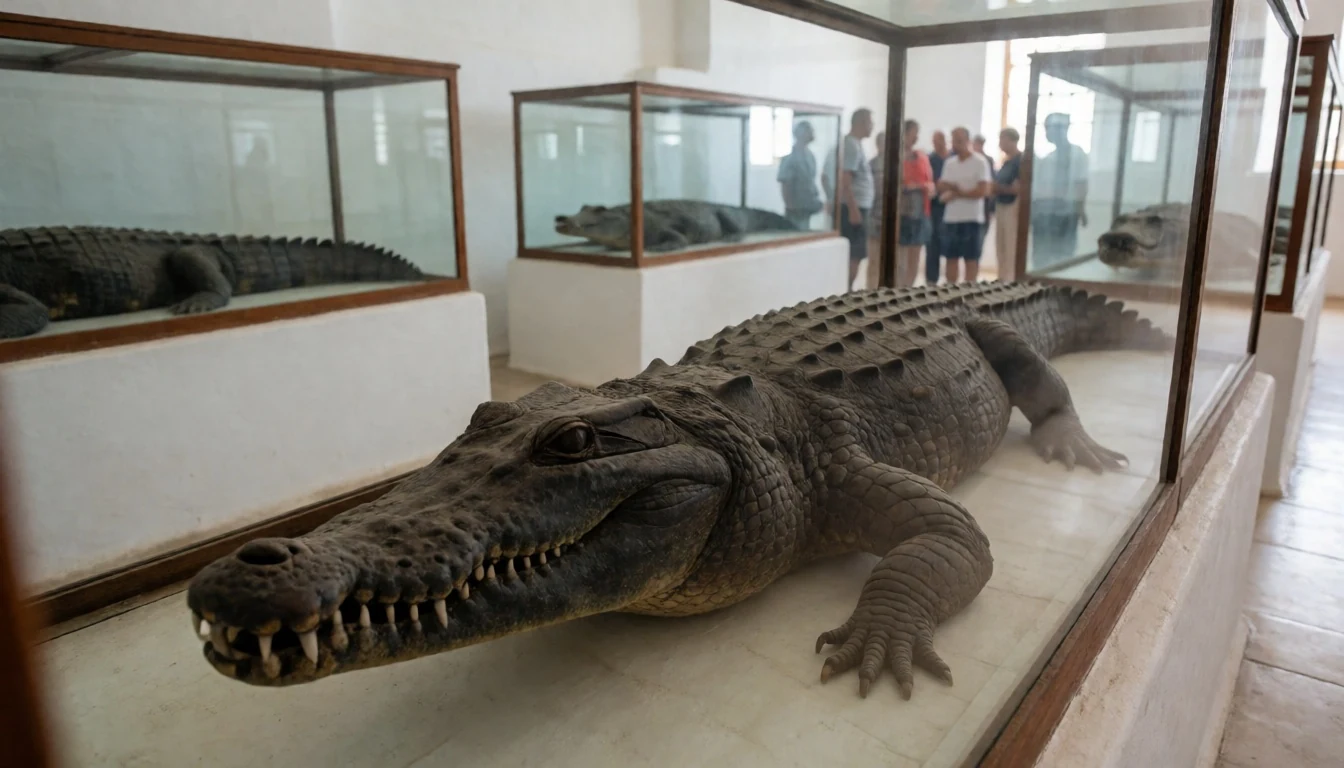
- Ptolemy VI relief — Inner halls
Among the wall carvings, one shows Ptolemy VI offering to the gods in the manner of a native pharaoh. It is a good example of how Greek-speaking rulers borrowed Egyptian royal imagery. Take a moment to look at the fine outlines of hands, crowns and offerings, some still holding colour.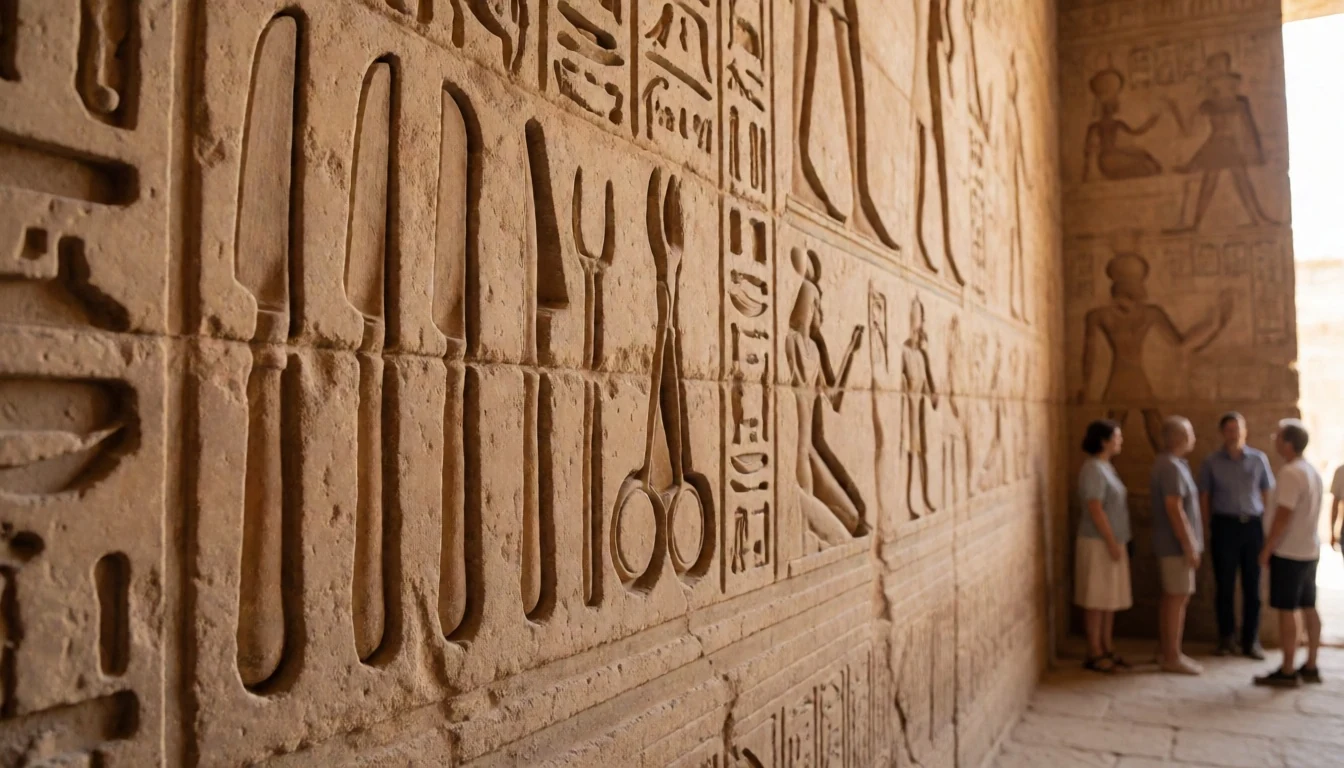
- The calendar relief — Temple walls
One wall carries a calendar, with figures marking days of the month. It shows how closely temple life followed time, with priests tracking festivals and offerings by the date. Guides often point it out, and it rewards a slow look at the small figures in rows.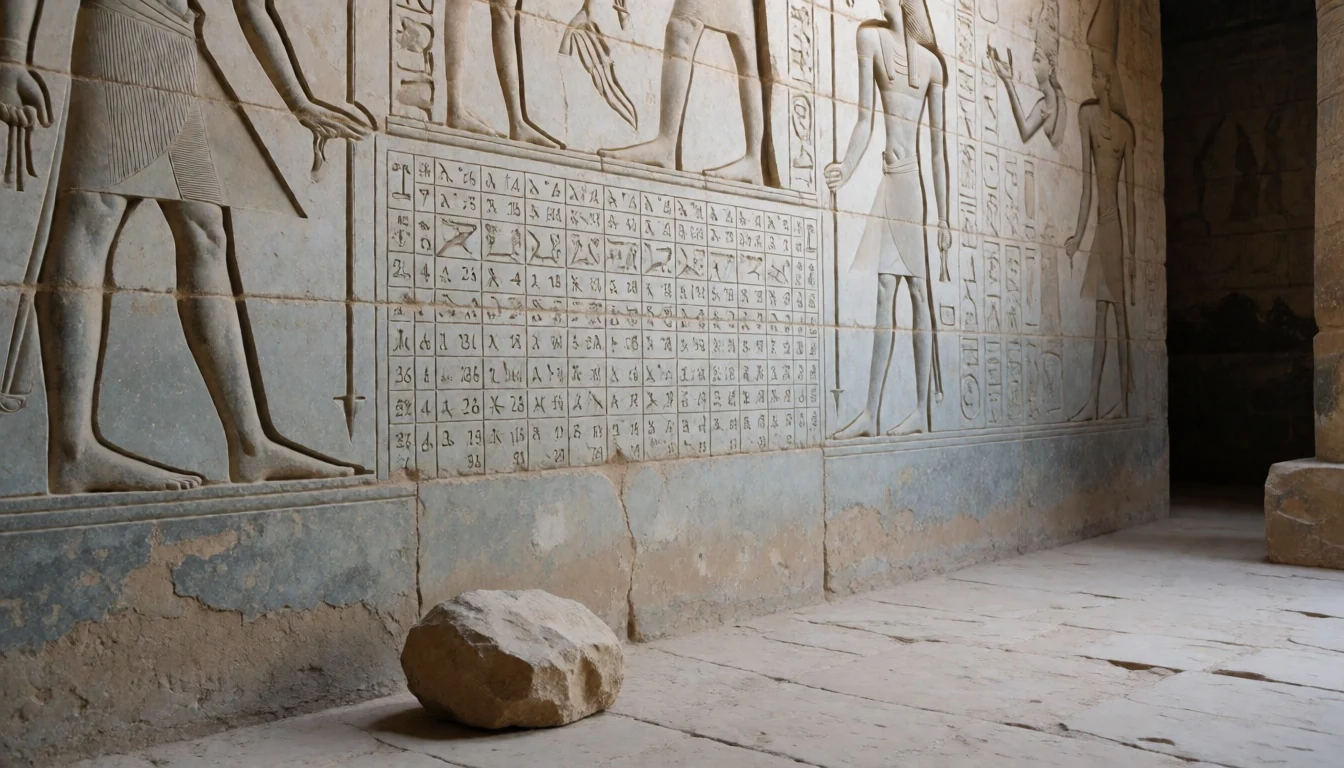
- Crocodile museum — Beside the temple enclosure
A small museum beside the temple shows mummified crocodiles of different sizes, which explains the cult of Sobek better than any plaque in the ruins. It is quick to visit and often calmer than the temple. Check on the day whether it is open, as arrangements change.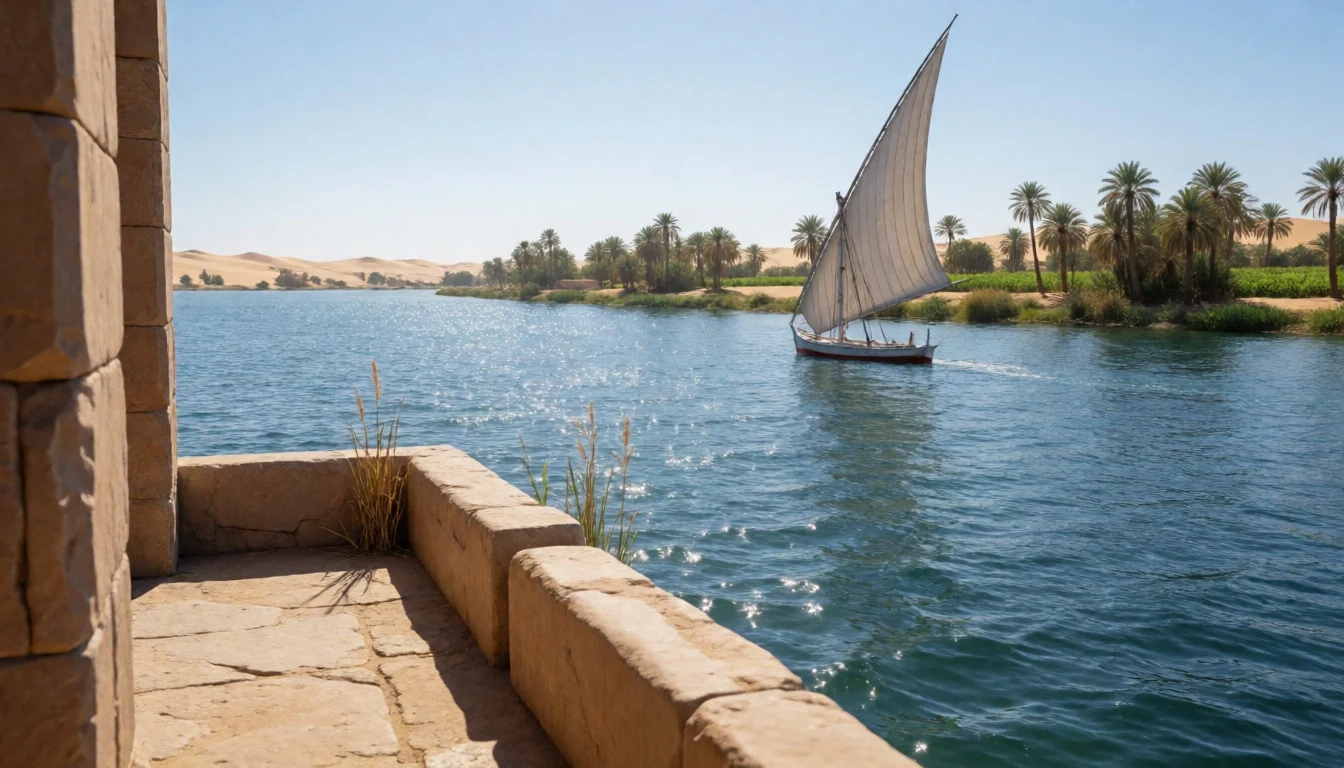
Culture
Kom Ombo Temple sits in a part of Upper Egypt where hospitality is a point of honour. Egyptians generally treat a warm welcome for a guest as a duty, and a visitor who stops at a tea stall or is invited to sit down will often be offered tea before anything else is discussed. Around Aswan there is also a strong Nubian strand, with its own music, colour and dialect. Manners follow the wider Arab world: avoid causing anyone to lose face, do not criticise people openly, and if something must be raised, soften it with praise. Religion is a delicate subject, best approached with curiosity and respect rather than debate. Islam shapes the rhythm of the day, from the call to prayer to the quieter pace of Ramadan, when eating or drinking openly in daylight is considerate to avoid. The temple belongs to a religion nobody practises now, yet it is treated as national heritage, and local guides take real pride in explaining it. Guides, drivers and attendants around the site usually expect a tip for their help, and bargaining for souvenirs is normal when done with good humour. Dress modestly in the town and on the approach to the site. Ask before photographing local people, especially women, and keep your voice low and your hands off the carved reliefs inside the halls.
What to wear
Around Kom Ombo and Aswan, the everyday traditional garment is the galabeya, a long loose robe. For men it is usually cotton, often white or in muted stripes in summer and heavier wool in the cooler months, worn with a turban or a close skullcap. Women wear galabeyas and long dresses in cotton and lighter synthetics, often with a headscarf. Nubian communities nearby are known for brighter colours and bold embroidery, especially at weddings and festivals. Egyptian cotton and linen have a long history here, and both are still sold in the markets of Aswan. In daily life now, many men wear shirts and trousers in town and the galabeya at home, at prayer or in rural areas. Many women wear long skirts or dresses with a headscarf, and younger people in Aswan mix modern cuts with modest lengths. Visitors should dress for strong sun and for local norms. Light, loose cotton or linen with covered shoulders and knees is comfortable and respectful; a wide-brimmed hat, sunglasses and a scarf help against the glare. Temples do not require head coverings, but modest clothing draws less attention in the town. Wear closed shoes or sturdy sandals with grip, as the stone paving is uneven and worn smooth in places and can be hot at midday.
What to eat
- Ful medames — Breakfast stalls and small eateries in Kom Ombo and Aswan
Slow-cooked fava beans mashed with oil, lemon, garlic and cumin, eaten with flatbread at breakfast. It is cheap, filling and everywhere in Egypt, and it makes a good start before a morning at the temple.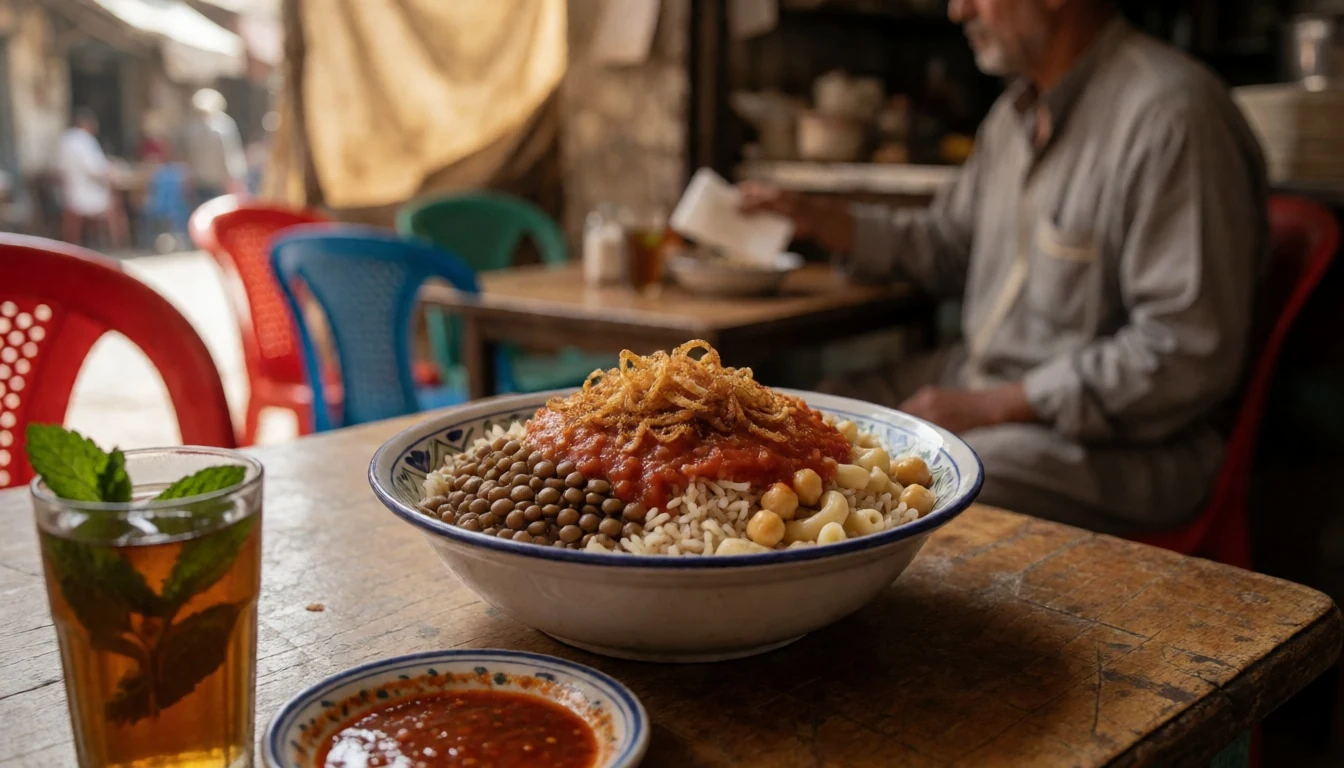
- Ta'amiya — Street counters and sandwich shops near the town centre
Egypt's version of falafel, made from fava beans rather than chickpeas and flecked green with herbs. It is eaten hot in a flatbread roll with salad and tahini, and is a dependable snack for a vegetarian traveller.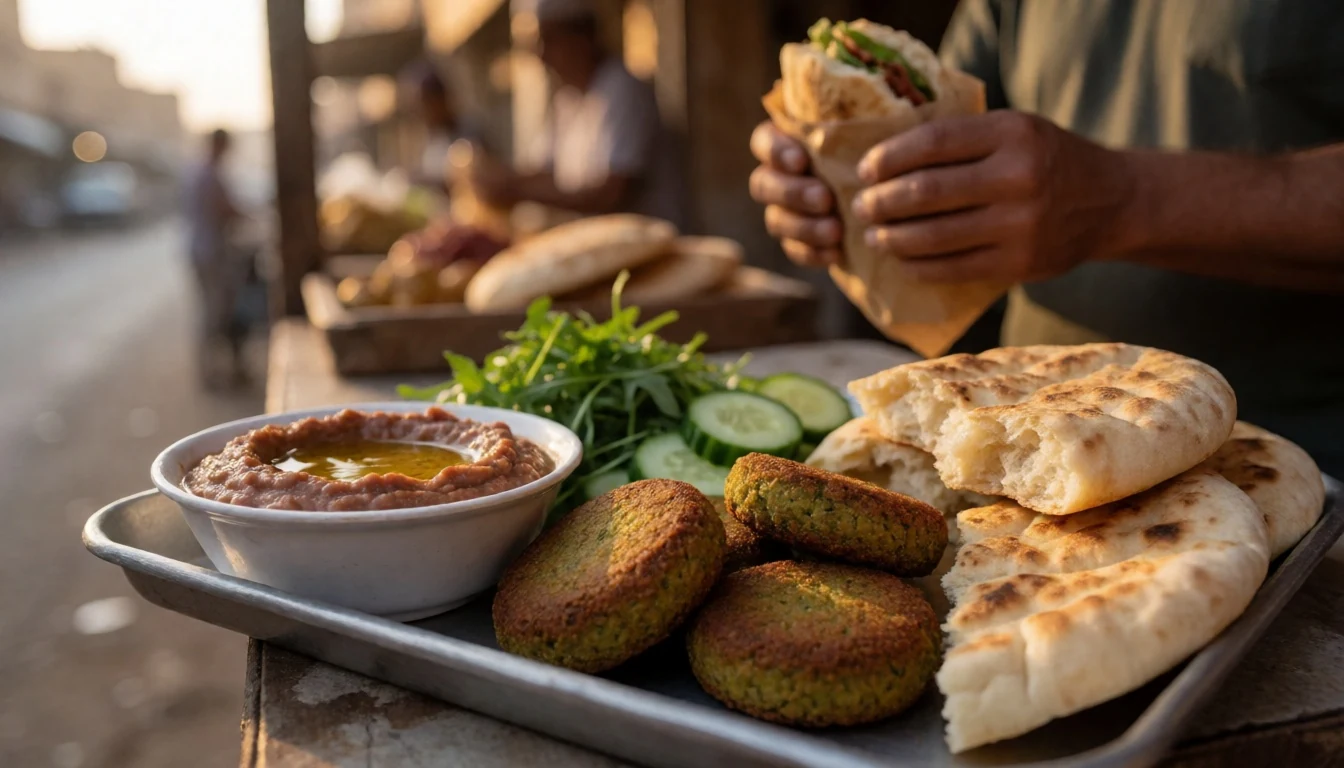
- Koshari — Dedicated koshari eateries and busy lunch counters
A bowl of rice, lentils, macaroni and chickpeas, topped with tomato sauce, crisp fried onions and a splash of vinegary chilli sauce. It is hearty, inexpensive and a staple lunch across the country. - Grilled Nile fish — Riverside fish stalls and market eateries
Fish from the river, grilled or fried and served whole with bread, salad and lemon. At fish stalls you can point at the one you want, and shared tables are common. Choose busy places for freshness. - Karkadeh — Cafés and tea stalls around Aswan and Kom Ombo
A deep red infusion of dried hibiscus petals, served hot or cold and usually sweet. In the heat of Upper Egypt a cold glass is welcome after the temple. It is a local drink in Aswan especially.
Plan it
Best time. November to March, when days are warm rather than fierce and the temple walk is comfortable. Summers in Upper Egypt are very hot, so if you go then, arrive first thing in the morning.
How long. 1
Getting there. Fly to Aswan International Airport, then continue by road or Nile boat to Kom Ombo; the temple is on the riverbank, a short walk or ride from where cruise boats and tour vehicles stop. Kom Ombo also has a rail station on the Nile line.
Budget. mid
Tips
- Go early or late in the day to avoid midday heat and the cruise-boat crowds
- Carry water, sun protection and some small cash for tips and drinks
- Check locally or with your guide whether the crocodile museum is open on the day
- Wear shoes with grip, as the paving is uneven and polished by many feet
Etiquette
- Dress modestly and ask before photographing people
- Keep voices low and do not touch the carved reliefs
- Agree prices for guides and rides before setting off
Nearby
Sources
- Wikidata Q1243401 (CC0)
- Wikipedia — Temple of Kom Ombo (rev 1368795641) (CC BY-SA 4.0)
- Wikivoyage — Egypt (rev 5410102) (CC BY-SA 4.0)
- Temple of Sobek and Haroeris — Ahmed Yousry Mahfouz (CC BY-SA 4.0)
- Double portal of the Temple of Kom Ombo — Olaf Tausch (CC BY 3.0)
- Kom Ombo Temple, Egypt — Rémih (CC BY 3.0)
- Calendar in the temple of Kom Ombo — Ad Meskens (CC BY 3.0)
- Ptolemy VI relief, Temple of Kom Ombo — Shannon Hobbs (CC BY-SA 2.0)
- Tempel von Kom Ombo — Olaf Tausch (CC BY 3.0)
- Komombo Temple — Dennis Jarvis (CC BY-SA 2.0)
- The Crocodile Museum — JMCC1 (CC BY 3.0)


Wildlife
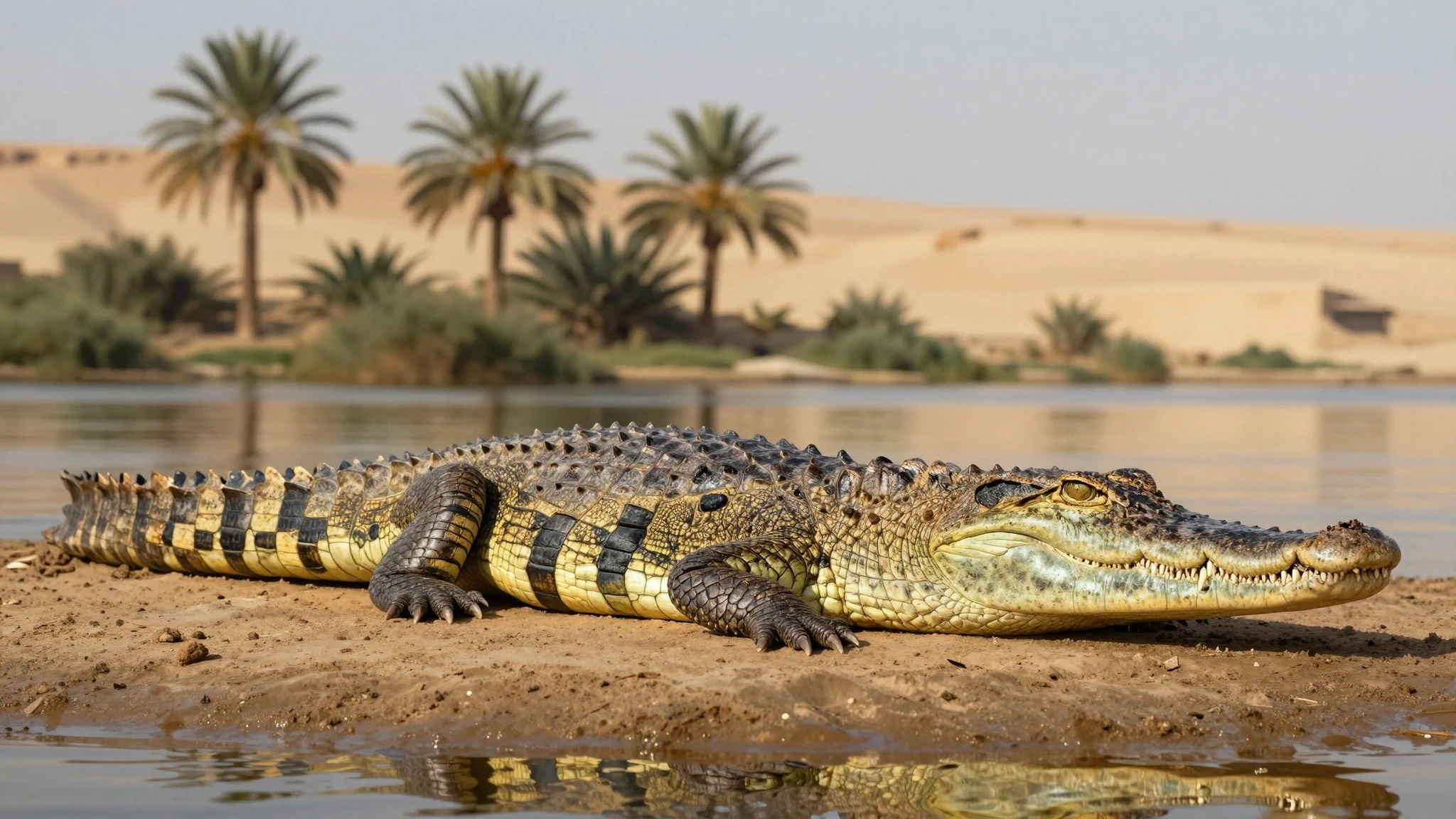
- Nile crocodile (animal)
The Nile crocodile is a huge, armoured river reptile, rather like a living log with teeth. Its home is fresh water across Africa, and it once ranged along the whole Nile. Around Kom Ombo it was plentiful along the neighbouring river, which is why devotion to the crocodile god Sobek ran so deep here. Watch from a safe distance, keep quiet, go with a guide, and never feed it.