Kinosaki Onsen
Kinosaki Onsen, Japan
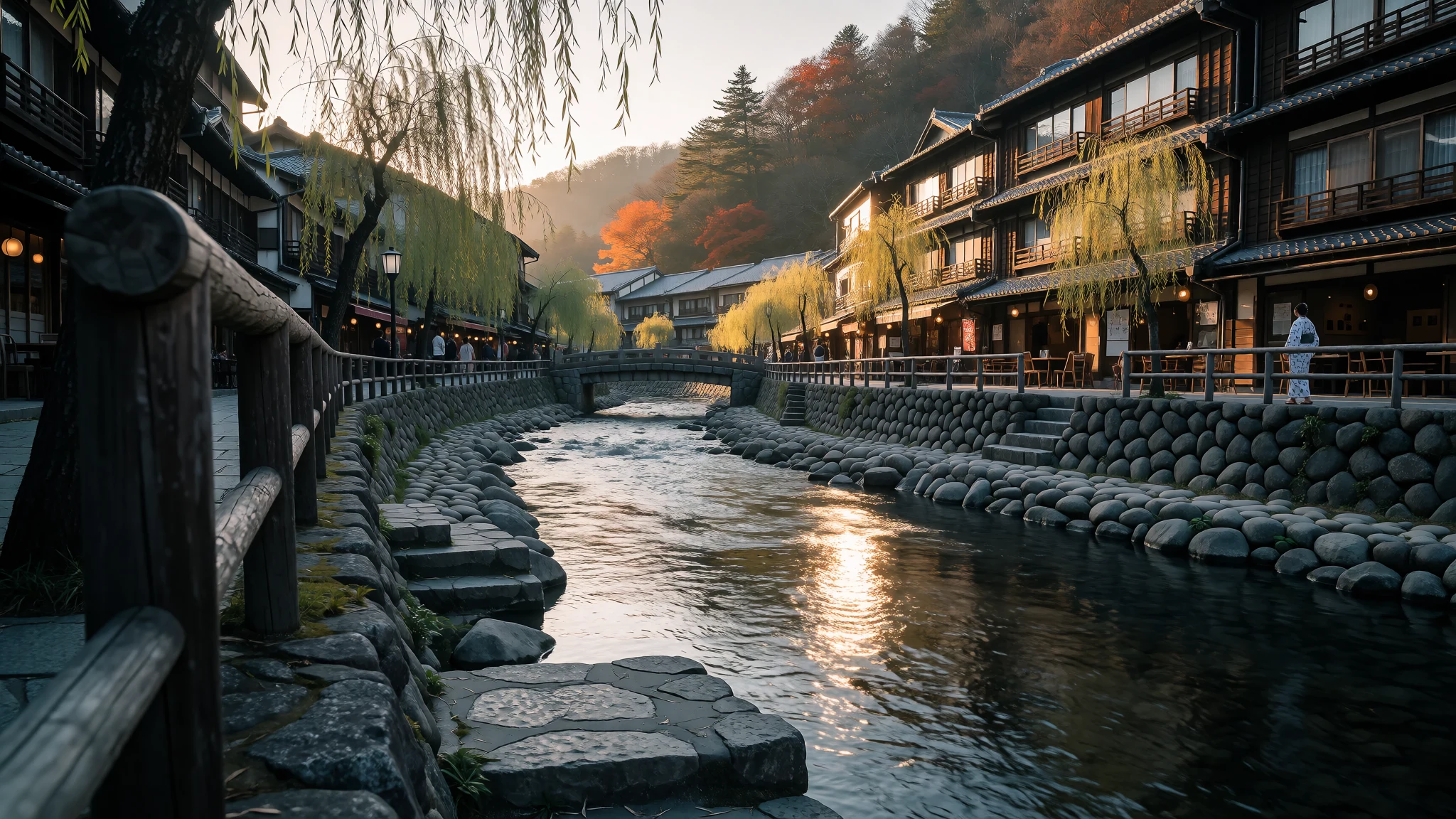
Kinosaki Onsen is a small river town in Hyōgo where guests stroll between seven shared bathhouses in cotton robes and wooden sandals.
The place
Kinosaki Onsen is a hot-spring town in Hyōgo Prefecture, western Japan, now part of the city of Toyooka. The old municipality of Kinosaki (城崎町) is gone as an administrative unit, but the name still marks the resort quarter. The water is of the chloride type, and the whole town is organised around it. A single river runs through the centre, narrow lanes of inns, cafes and small shops follow its banks, and bathhouses sit at intervals along the way. Seven public baths are shared by everyone, rather than each inn keeping its own, so guests drift out after dinner, walk from one to the next and then return to bed. That habit gives the place a slow evening rhythm that bigger spa towns lack. Away from the water the setting is green and hilly, with a ropeway climbing Mt Taishi from the far end of the main street, and the Sea of Japan coast is not far off for beaches. The centre is small enough to cross on foot in a few minutes, so most visitors leave the car or bus behind once they arrive. It is also a town of seasons: cherry blossom along the river in spring, a local festival in which carved floats are carried through the streets, and a winter crab season that fills the inns with people who have come for the table as much as the bath. Weekends and holidays are busy, and the lanes are noticeably livelier after dusk than by day.
Its story
Kinosaki Onsen traces its bathing tradition back some 1,300 years, long enough that the springs predate almost everything else standing in town. For most of that time the appeal was practical: people came to soak in the hot water and recover from illness or hard work. The twentieth century added a literary layer. In 1913 the writer Shiga Naoya arrived and stayed for three weeks, and the visit fed into his short story "Kinosaki ni te", usually translated as "In Kinosaki". That story remains the town's main literary calling card, and the Kinosaki Literary Museum now tells of the other writers who have stayed here. The town also kept a craft tradition alive, and a museum devoted to straw work runs hands-on workshops for visitors who want to try it. The modern shape of the resort follows an old logic: the springs belong to the town, and the inns send their guests out into the lanes rather than keeping them indoors. Many ryokans (traditional inns) give staying guests a pass to all seven public baths, and walking around in a yukata is normal rather than a costume. Rail brought the place within reach of Kyoto and Osaka, and direct express trains from Osaka take about 2.5 hours. The result is a spa town that has stayed human in scale, with a history visible mostly in its habits.
What to see
- The seven public baths — Along the river lanes
Kinosaki Onsen's public bathhouses are Kouno-yu, Mandara-yu, Goshono-yu, Ichino-yu, Yanagi-yu, Jizou-yu and Satono-yu. Each has its own layout and atmosphere, and staying guests at many ryokans receive a pass covering all of them. Most visitors take two or three baths an evening and rest in between. Check the official site for opening arrangements.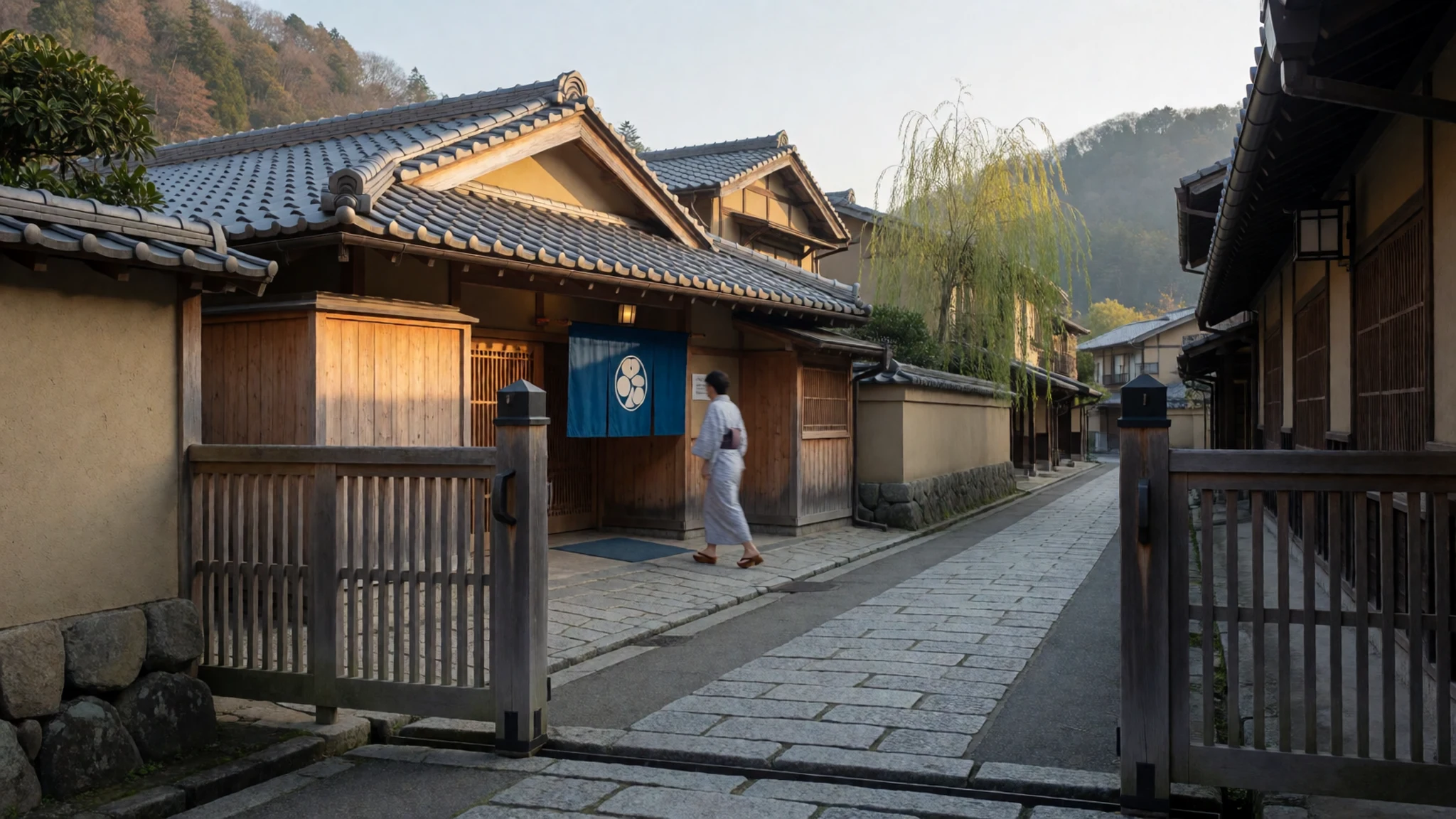
- Otani river lane — Town centre
The Otani river is the spine of Kinosaki Onsen, and the walk along its banks is the main event after dark, when bathers in yukata stroll between baths and the inn windows glow. Small bridges cross the water, and the shops, snack counters and cafes cluster close by. Cherry blossom lines the banks in spring.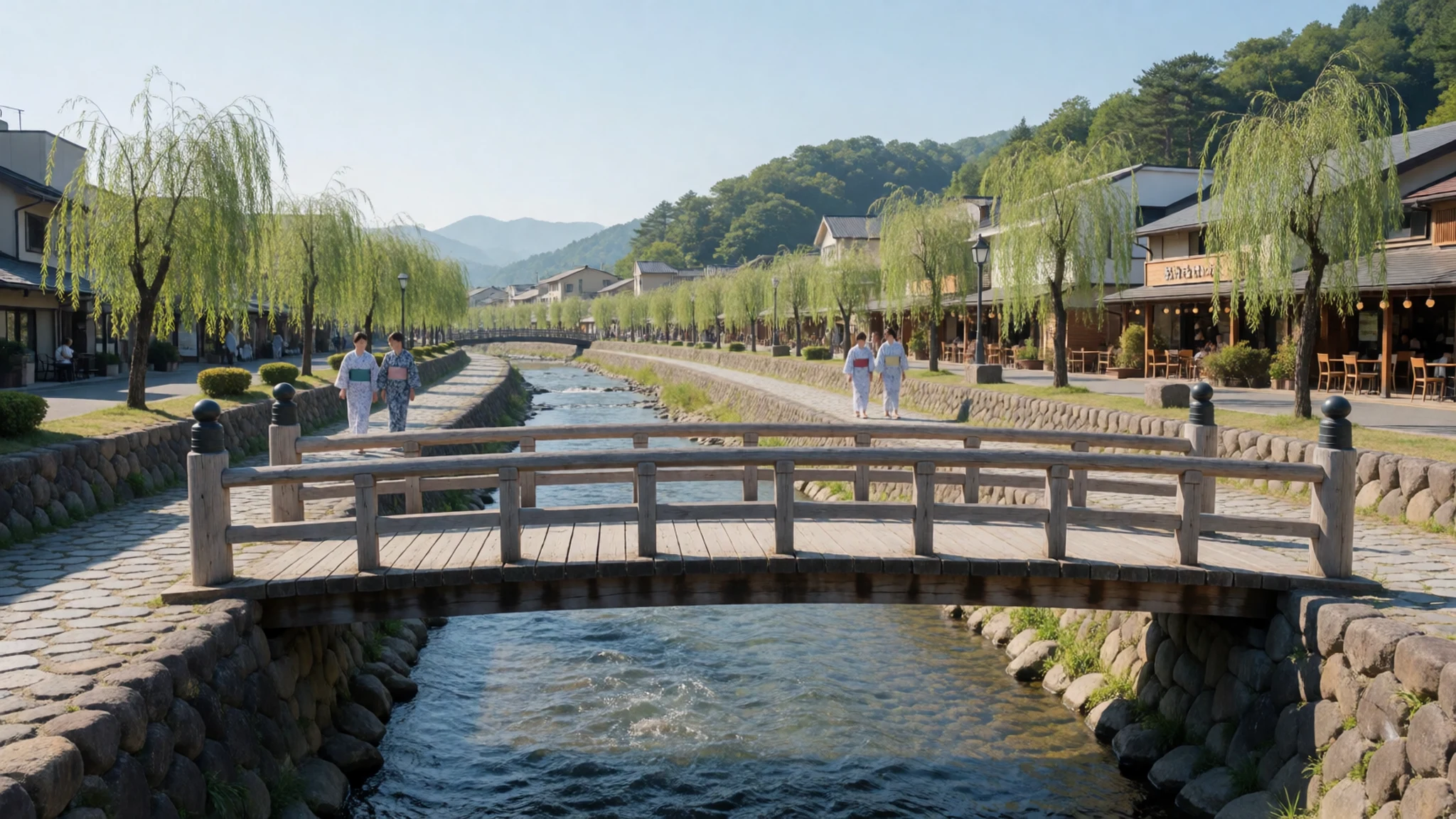
- Mt Taishi and Onsenji — Far end of the main street
A ropeway at the far end of the main street lifts visitors up Mt Taishi, where the temple Onsenji stands. The ride gives a view back over the roofs of Kinosaki Onsen and out to the coastline, which shows how compact the town is. Check the official site for running times, as weather can affect the service.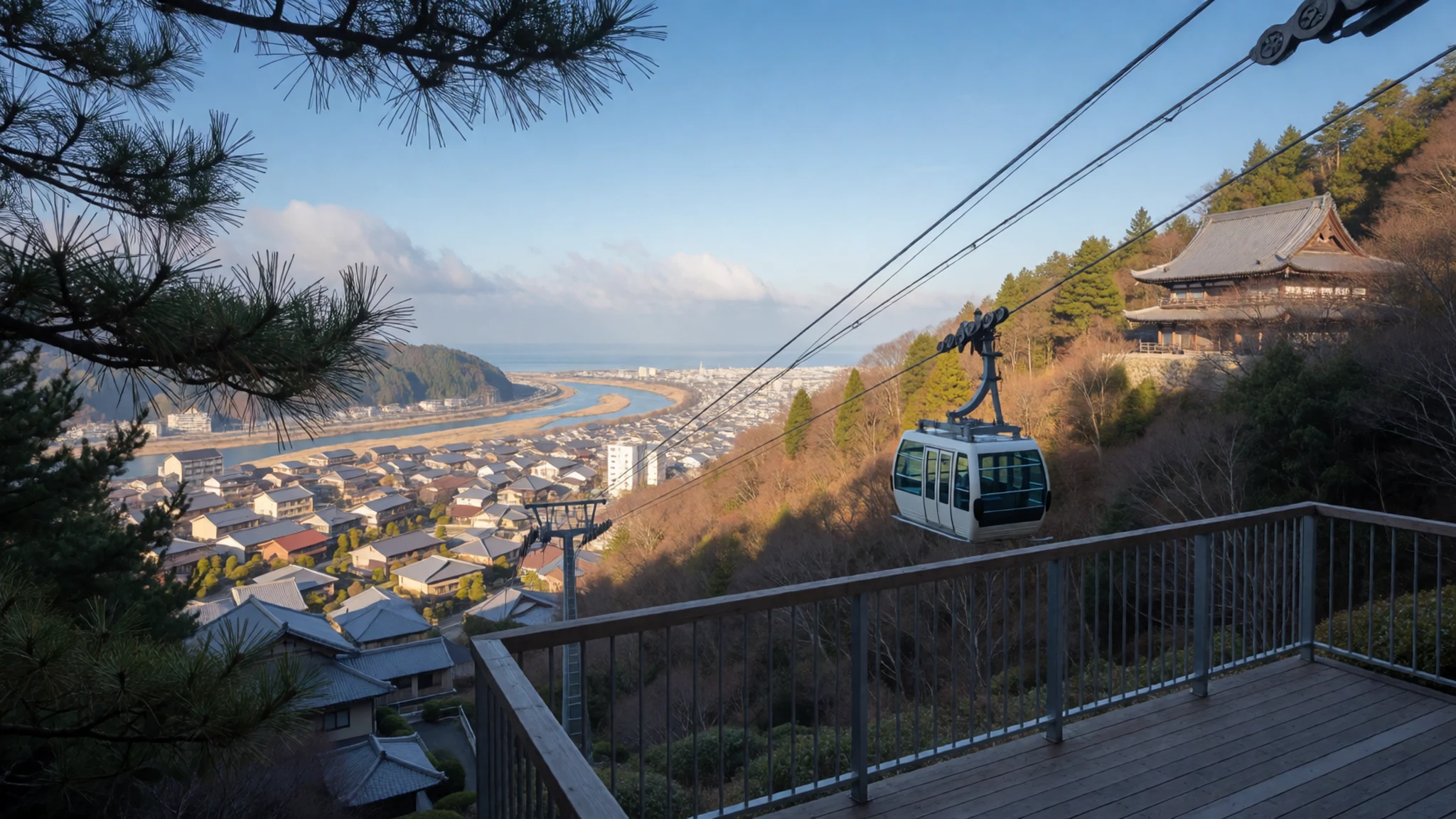
- Takeno Beach — Coast north-west of the town
Takeno Beach lies on the Sea of Japan coast north-west of the hot-spring town and makes a very different day: sand, open water and a quiet seaside instead of steam and lanes. It suits summer swimming and a calm walk in other seasons. Check local transport before setting out, since services may be limited.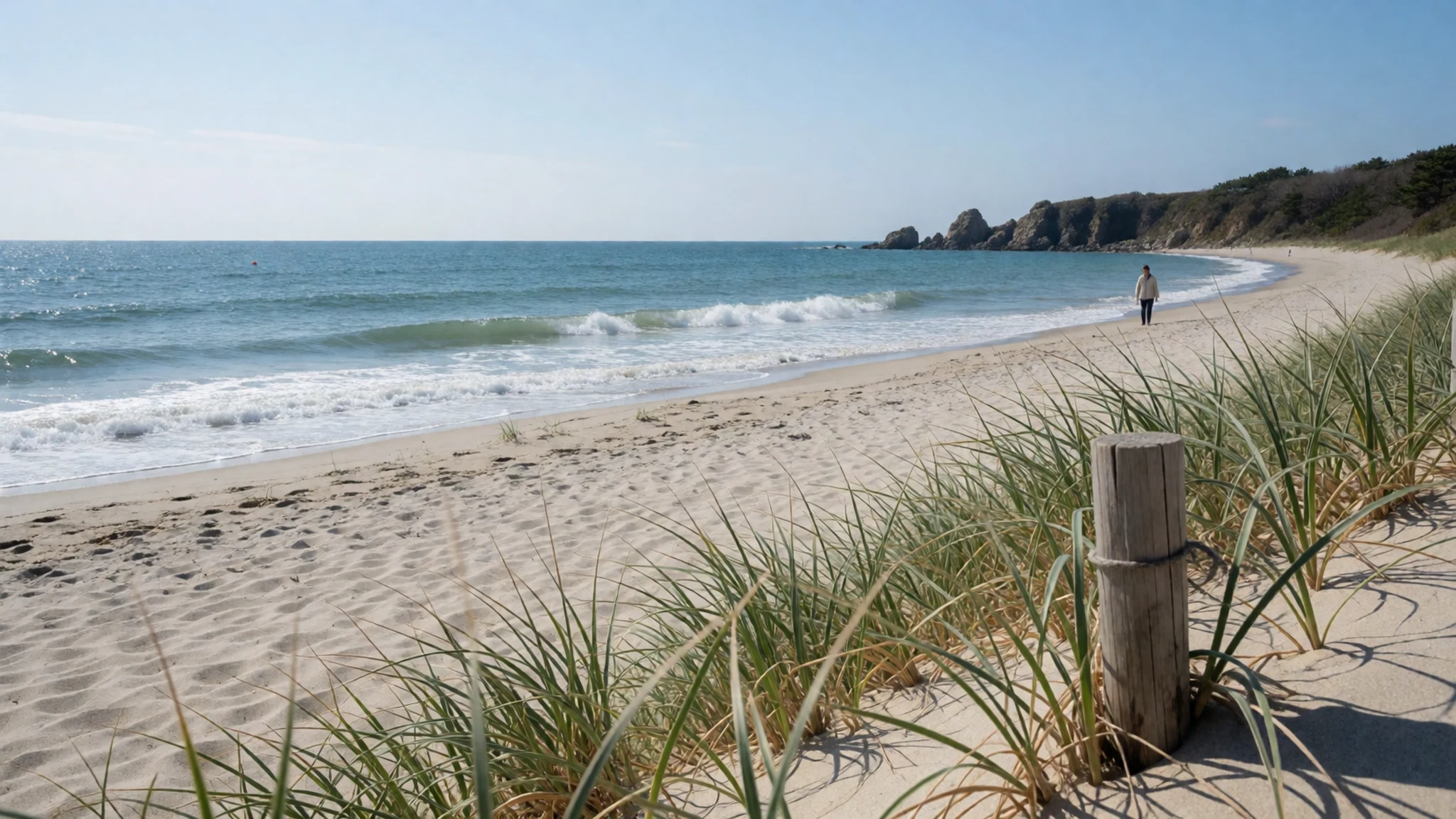
- Izushi Castle Ruins — Izushi, south of Kinosaki
Izushi Castle Ruins stand in the old castle town of Izushi, south of Kinosaki Onsen, and work well as a day trip. The remains of the castle suit an unhurried walk, and Izushi is also known for its plate-served soba. Allow a morning for the visit and a lunch stop, and check transport in advance.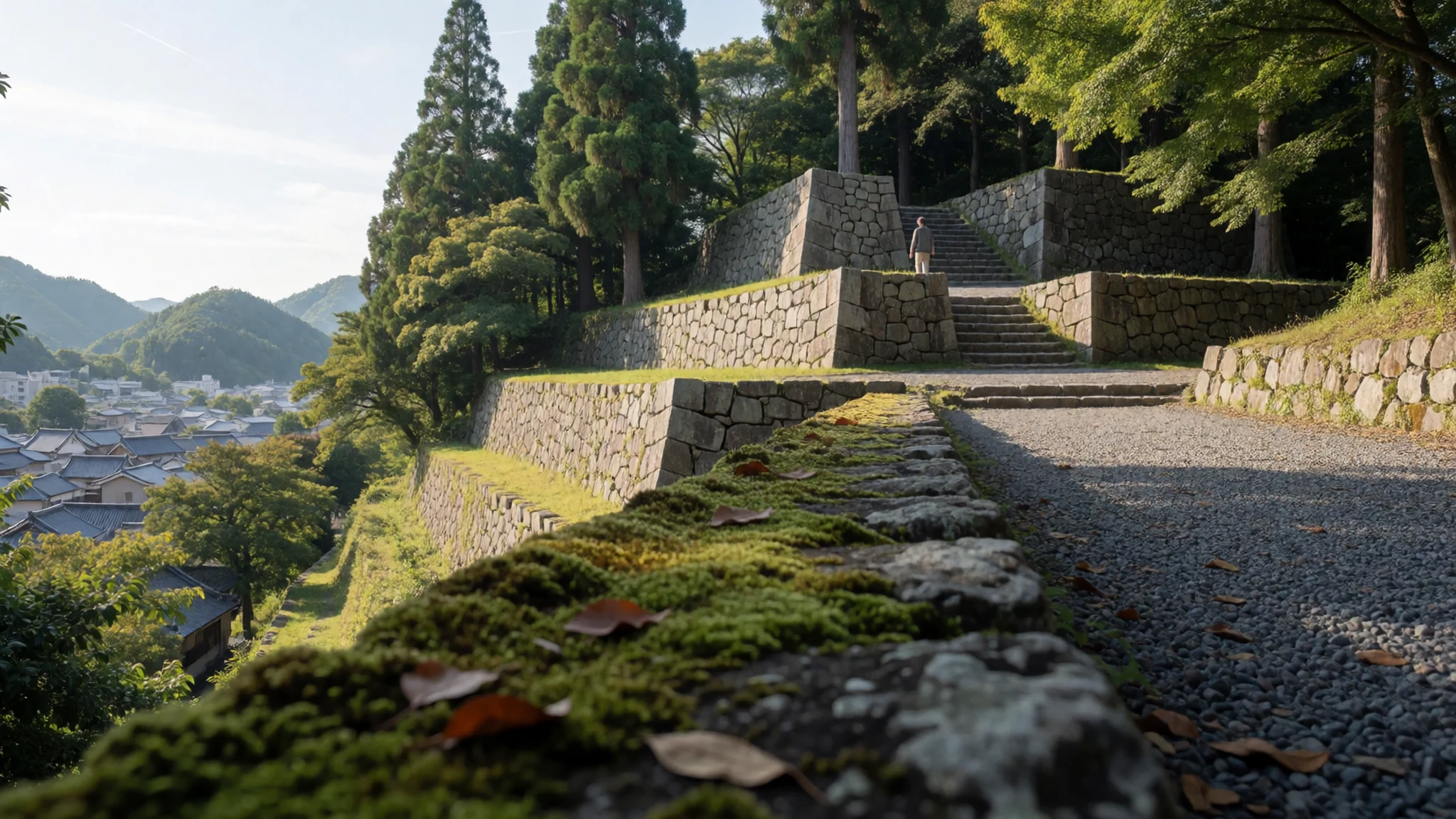
- Straw Craft and Literary museums — Town centre
The Kinosaki Straw Craft Museum offers a straw craft-making workshop, a rare chance to make something rather than only soak and stroll. The Kinosaki Literary Museum introduces the writers linked to the town, including Shiga Naoya. Both are small and suit a grey or rainy afternoon between baths.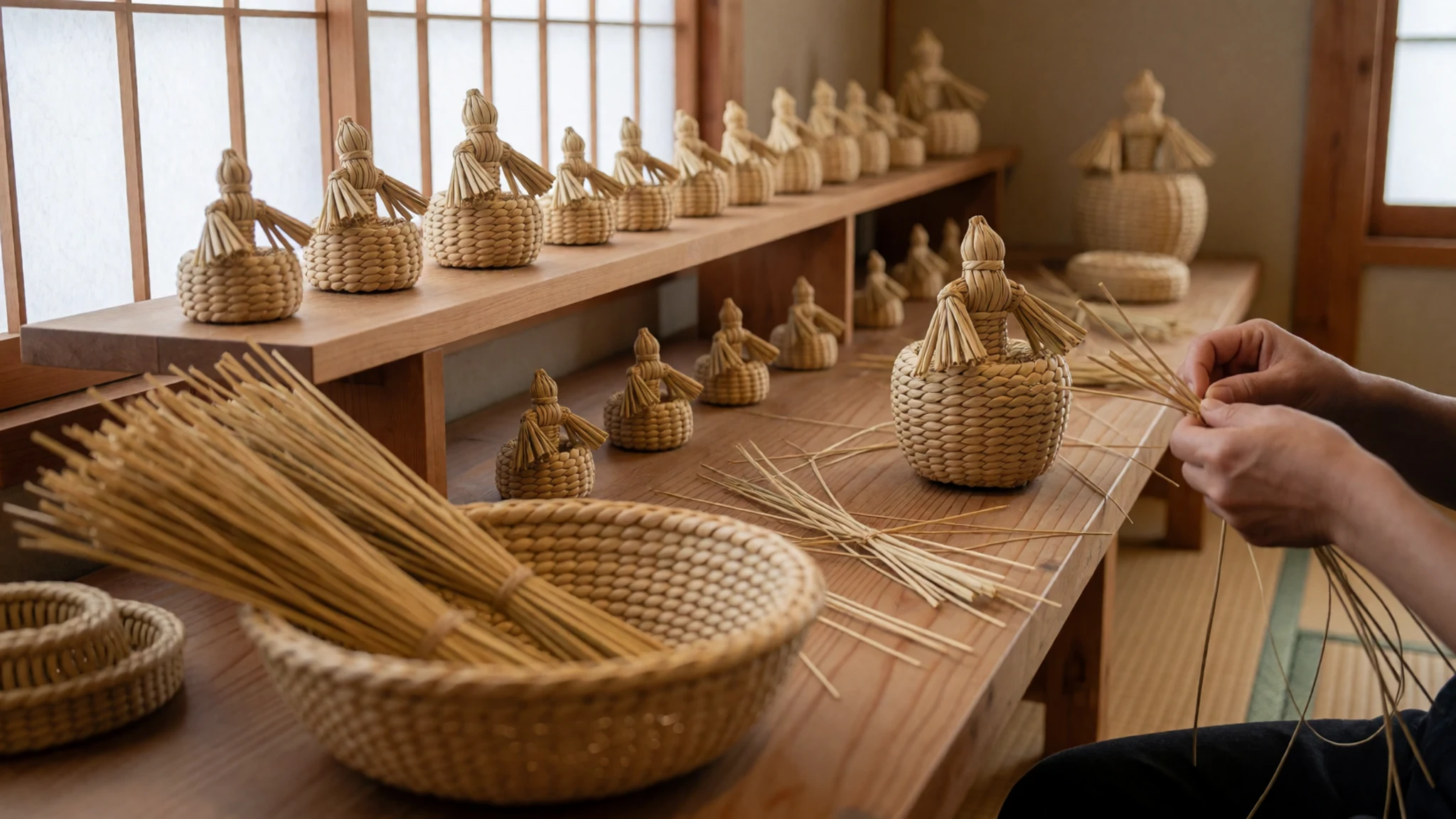
Culture
Kinosaki Onsen runs on a shared-bath culture, and its etiquette follows from that. Bathing in Japan is communal and nude, with men and women in separate baths, and the water is for soaking rather than washing. Everyone scrubs thoroughly at the washing stations first, rinses off the soap and only then steps into the hot water. Long hair is tied up, and the small towel stays on the side of the bath or on the head, never in the water. Voices drop inside, and phones stay in the changing room. Walking between baths in a yukata and wooden sandals is part of the local routine, and the lanes are shared with residents who live above and behind the shops, so the mood after dark is relaxed but quiet. Attitudes to tattoos differ from one bath to another: some ask that small ones be covered and others restrict entry, so it is sensible to ask at the inn before heading out. Beyond the baths, the town has its own festival tradition, with decorated floats called danjiri carried through the streets by local people, a reminder that Kinosaki Onsen is a living community and not only a resort. Wash fully before entering every bath, keep your towel out of the water and speak softly in the lanes at night.
What to wear
Kinosaki Onsen's signature garment is the yukata, a lightweight unlined cotton robe that is the traditional wear for bathing and for summer evenings. It is tied with an obi sash and worn with geta, wooden sandals that clack pleasantly on the pavement. Many inns lend yukata to guests, and wearing one around town saves changing clothes between baths. In cooler months guests often add a padded or quilted jacket over the robe. Away from the baths, residents dress as people do across Japan today: practical everyday clothes, with coats, scarves and waterproofs in the cold, damp months and light layers in summer. Kimono appear mainly at festivals and formal occasions. A visitor should pack for the season and for easy changes: slip-on shoes that come off quickly at inn entrances, socks without holes, and a warm layer for walking between baths in the evening. Winter can be cold and wet on this coast, so a proper coat, a hat and an umbrella are worth carrying. In summer, breathable cotton and a sun hat help. At the temple Onsenji and other shrines, dress modestly, with shoulders and knees covered, and wear footwear that copes with the steps and slopes. Comfortable shoes are also useful for any walking in the surrounding hills.
What to eat
- Winter crab — Inn dinners and seafood restaurants in the centre
Crab is the town's best-known winter meal, served boiled, grilled, as sashimi or in hot pots. A crab festival in Kinosaki Onsen marks the season. Look for it as part of set dinners at inns and at seafood restaurants close to the centre.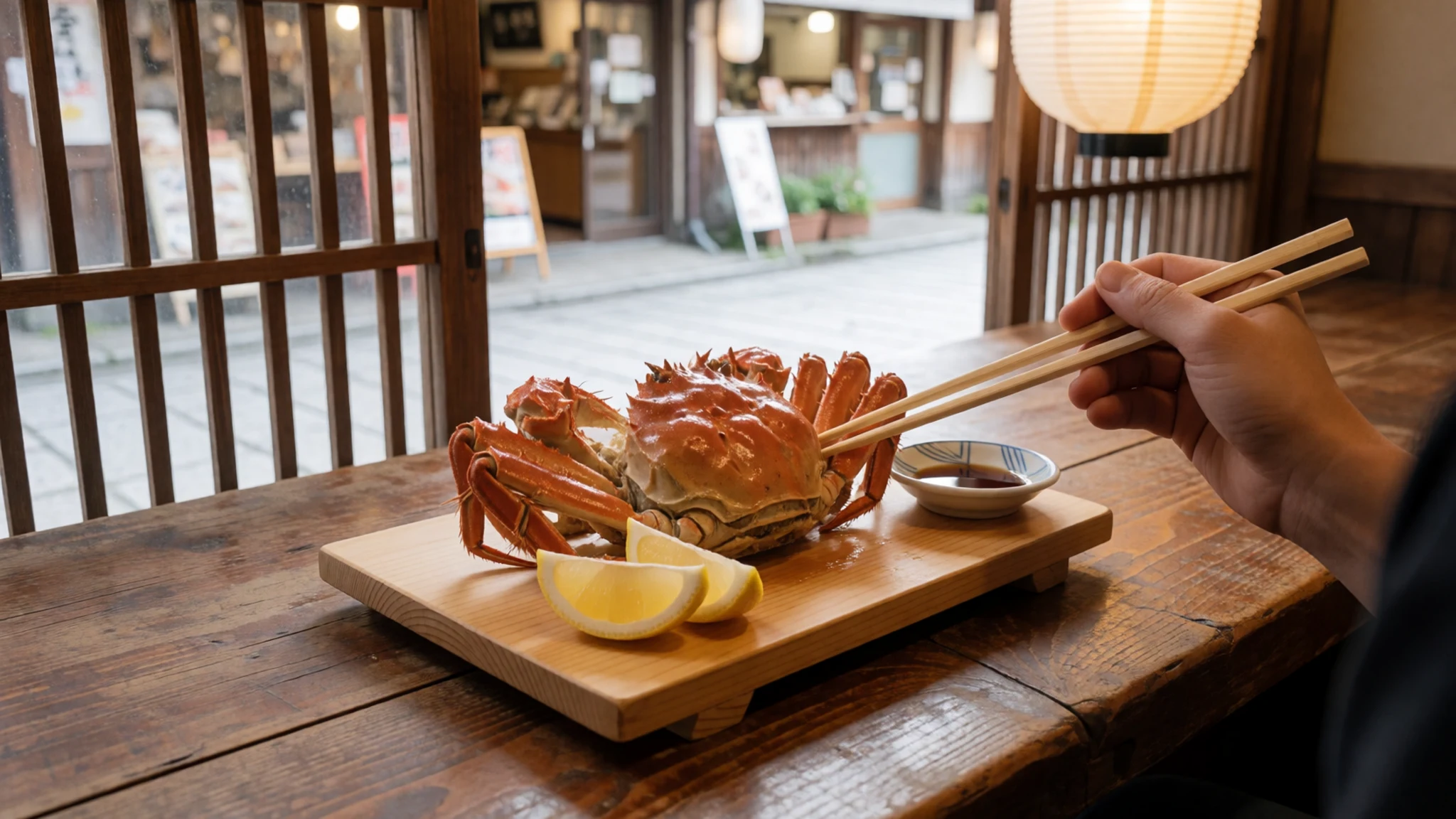
- Kaiseki dinner — Ryokan inns
Many guests eat a multi-course kaiseki dinner at their ryokan, with small dishes built around local and seasonal ingredients. It is unhurried, often served in the room or a private dining space, and usually booked together with the stay.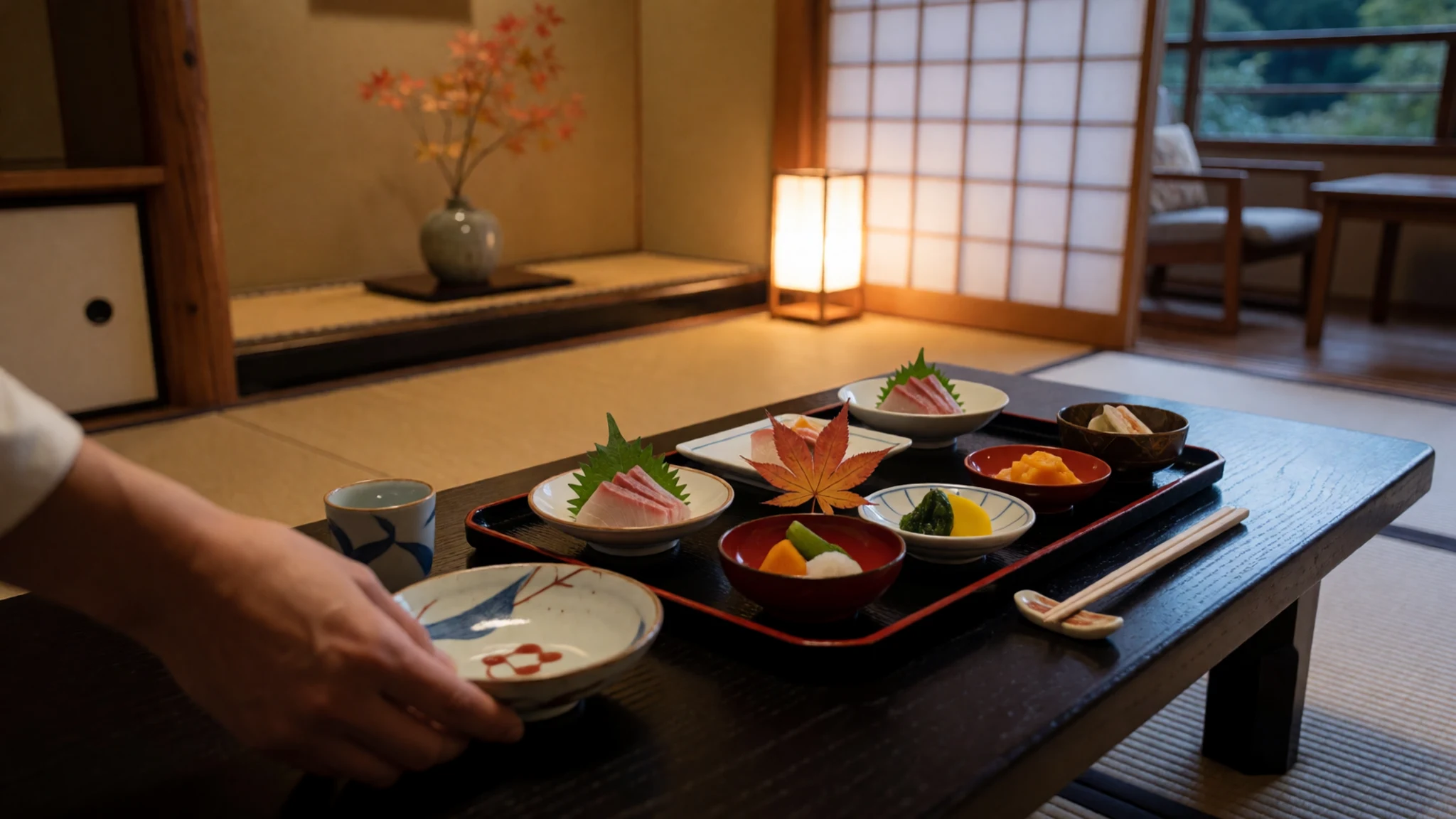
- Tajima beef — Ryokan dinners and grill restaurants in the lanes
Tajima beef comes from the surrounding region and appears as grilled slices, in hot pots or as a dinner course at some inns. It is rich, so portions are small. Ask the inn or a local eatery what is in season. - Izushi sara soba — Soba restaurants in Izushi
Izushi sara soba is buckwheat noodles served in stacks of small plates, with a dipping sauce and toppings to add one by one. The dish comes from the old castle town of Izushi, so it pairs naturally with a visit to the castle ruins. - Sea of Japan seafood — Seafood eateries near the coast and in the town centre
Fish from the Sea of Japan reaches the town as sushi, sashimi and grilled catch. Choice shifts with the season, so ask what is freshest. The coast near Takeno Beach is a good place to look for simple seafood meals.
Plan it
Best time. March–April for cherry blossom along the river, and November–December for autumn colour and the start of the crab season. Winter is cold and damp but suits hot baths, while summer is warmer and busier at the coast.
How long. 2
Getting there. Tajima Airport (TJH) offers non-stop services to Osaka's Itami Airport (ITM) twice daily. By rail, the JR Sanin Main Line links the area with Kyoto, and direct express trains from Osaka take about 2.5 hours to Toyooka. From Toyooka, take the local train or a short onward transfer to Kinosaki Onsen, then walk. By road, the Kitakinki-Toyooka Expressway reaches the area.
Budget. mid
Tips
- Book inns well ahead for weekends, holidays and the crab season, since the town is small and fills up
- Ask your ryokan about the pass for all seven baths when you check in
- Walk the river lane early in the morning for quiet, and after dinner for the evening atmosphere
- Carry some cash for small shops and snack counters, and check the official site (https://kinosaki-spa.gr.jp/) for bath and ropeway arrangements
- Pack a warm layer and an umbrella, as evenings can be chilly and wet
Etiquette
- Wash fully before entering any bath and keep the towel out of the water
- Keep your voice low on the lanes at night, as people live above and behind the shops
- Ask before photographing people in yukata, and never photograph inside the baths
Nearby
Sources
- Wikidata Q11426141 (CC0)
- Wikipedia: Kinosaki Onsen (rev 1383899593) (CC BY-SA 4.0)
- Wikivoyage: Toyooka (rev 4939129) (CC BY-SA 4.0)
- Photo: Otani river at Kinosaki Onsen — 663highland (CC BY 3.0)
- Photo: Cherry blossoms — Samchan91 (CC BY-SA 4.0)
- Photo: Kinosaki's Crab Festival — Mypom9 (CC BY-SA 4.0)
- Photo: FamilyMart Kinosakionsen store — Tokumeigakarinoaoshima (CC BY-SA 4.0)
- Photo: Former Kinosaki Post Office — Asturio Cantabrio (CC BY-SA 4.0)
- Photo: kinosaki_20140905193242 — inunami (CC BY 2.5)
- Photo: Kinosaki Danjiri Matsuri — Mypom9 (CC BY-SA 4.0)
- Photo: Kinosaki Onsen (2019) — Davide Mauro (CC BY-SA 4.0)


