Jajce
Jajce, Bosnia and Herzegovina
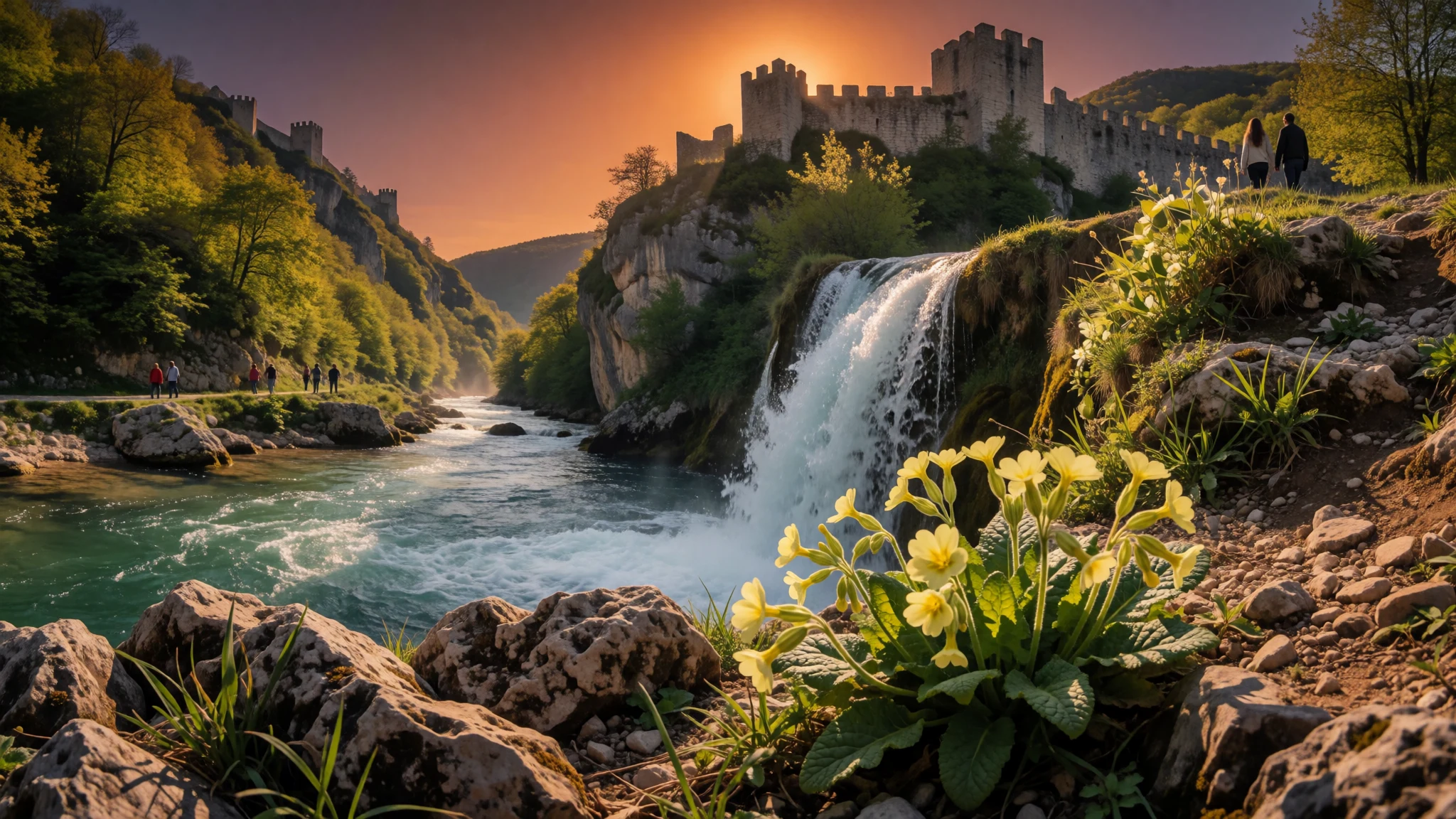
Jajce packs a fortress, a waterfall in the middle of town, a Roman temple and royal catacombs into one small Bosnian hill town.
The place
Jajce sits at about 450 metres in a mountain valley in central Bosnia and Herzegovina, and about 12,000 people live in the town. The old quarter climbs a steep hill above the spot where two rivers, the Pliva and the Vrbas, meet. The Pliva does not simply merge with the Vrbas. It drops over a ledge into the canyon right beside the houses, so the sound of falling water follows you through the lower streets. The setting explains the town: a defensible hill, two rivers and a mountain crossroads on the road between Banja Luka and the country's central highlands.
The historic core is small and walkable. Stone walls and gates still wrap around the old town, and a fortress crowns the top. Houses with tiled roofs cling to the slope below it, and many were rebuilt after a restoration project backed by UNESCO and a Swedish heritage organisation. Outside the walls the town is more ordinary and quieter, with cafés, a few bars and everyday shops along the main street.
The pace is slow. Several of the sights are not staffed all day, so a locked door usually means finding the keyholder or coming back later. Jajce was a popular holiday stop in Yugoslav times, and visitors are returning now, though the local economy remains fragile. A day here is enough to see the main sights, but an overnight stay lets the evening light settle on the falls and the town empty of day-trippers. The setting is the real draw, and few places make it as easy to take in at walking speed.
Its story
Jajce has been a place of worship, a royal seat and a battlefield, and each era left something that can still be visited. The oldest layer is Roman. A temple of Mithras, the sun god whose cult spread through the empire with soldiers, merchants and slaves, dates from the 2nd century AD and was renovated in the 4th. It was found by accident when a private house was being built, and it remains well preserved.
The medieval town came much later. In the 14th century a Bosnian nobleman, Hrvoje Vukčić Hrvatinić, built up the settlement and strengthened a fortress that already stood on the hill. The earliest written mention of the name dates from 1396. The town became the capital of the independent Kingdom of Bosnia. Local tradition links him to the family tomb now known as the catacombs, though another burial place is also proposed.
The kingdom's end came here. Stjepan Tomašević, the last Bosnian king, was crowned with a crown sent by Pope Pius II and made Jajce his final residence. Ottoman forces besieged the town in 1463 and executed him, but held it for only about six months before the Kingdom of Hungary took what remained, hoping to slow Ottoman advance in the Balkans.
Later centuries added mosques, a Franciscan monastery and an Orthodox church that now survives only as ruins. In the twentieth century the town became known for the AVNOJ session, a Yugoslav wartime political assembly that later drew crowds of visitors. The old core and the Mithraeum are together proposed for UNESCO World Heritage listing and sit on the tentative list.
What to see
- Jajce Fortress — Hilltop above the old town
The hilltop fortress is the town's anchor, with walls and gates to walk along and wide views over the rooftops and surrounding hills. Inside it is sparse and signage is thin, so treat it as a viewpoint and a way to understand the town's layout. The approach through the old streets is steep, so allow time.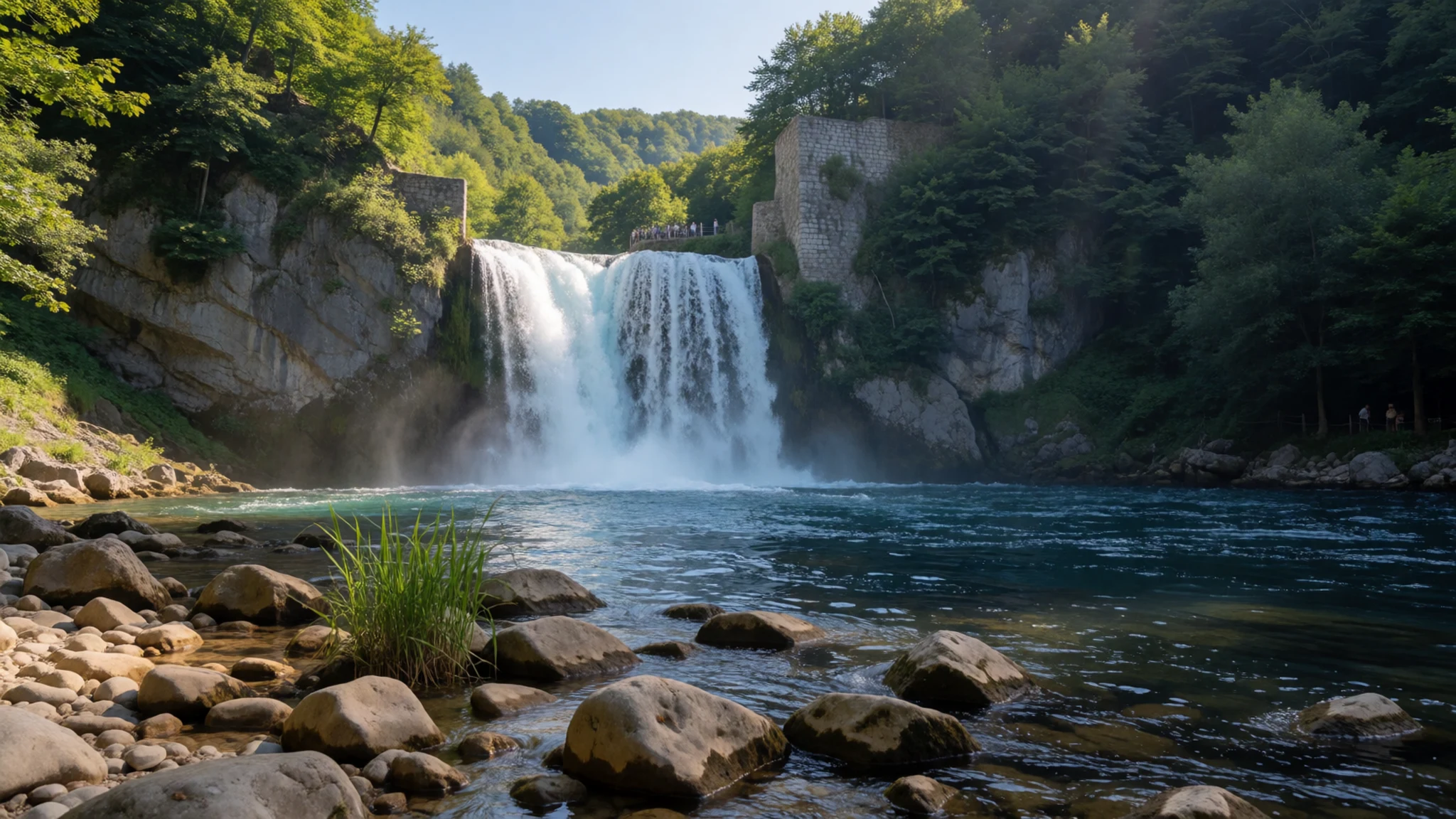
- Pliva Waterfall — Where the Pliva meets the Vrbas
The Pliva River tumbles into the Vrbas right at the edge of town. Viewpoints on both banks give different angles, and the southern side is the better one. Photographers favour the far bank, which fits the falls, the houses and the fortress into one frame. Reaching it takes a little extra effort.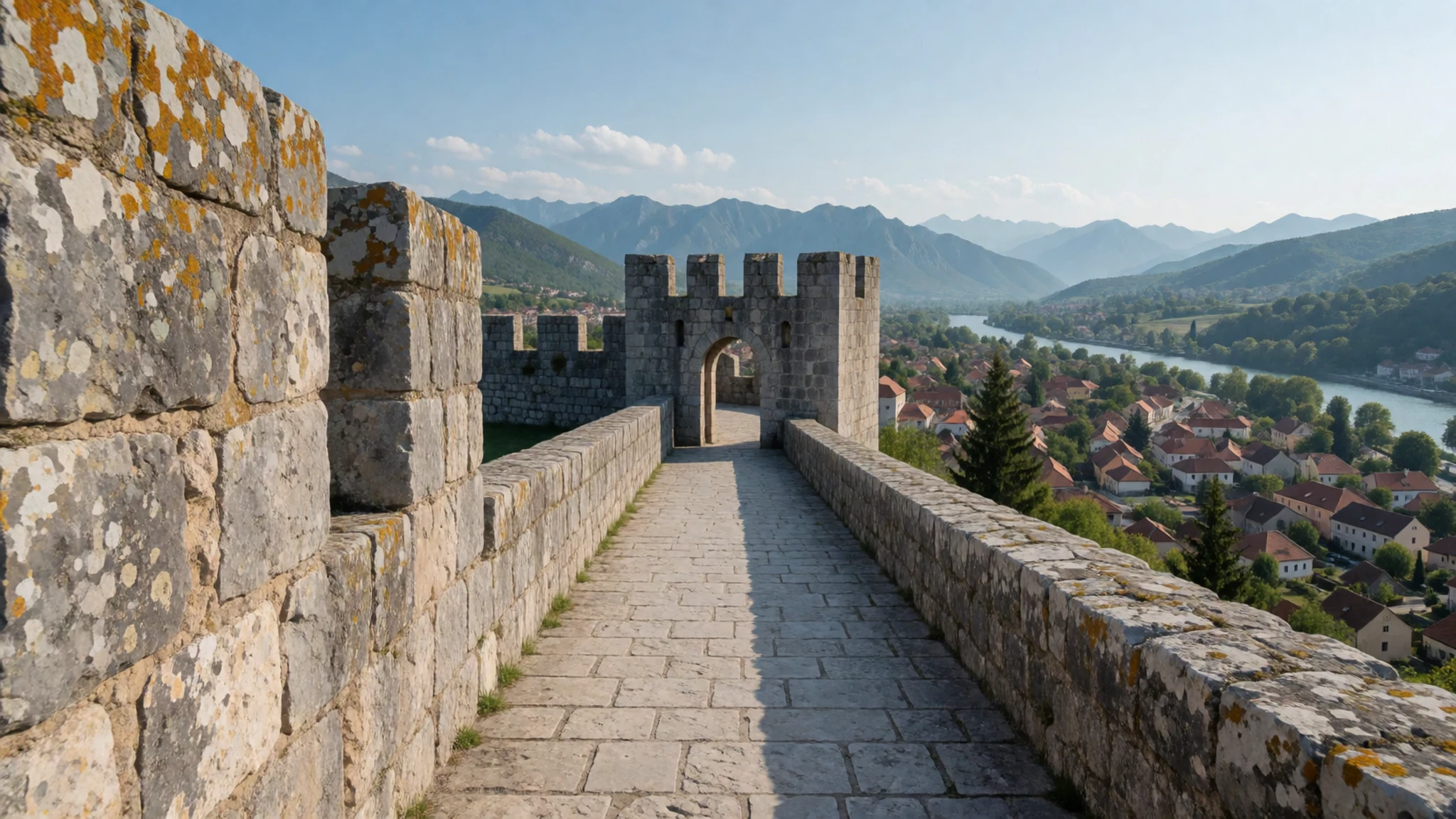
- Catacombs — Inside the old town walls
The underground church and catacombs are a cluster of small rooms linked to the medieval nobleman who shaped the town. The light is very dim and the floor uneven, so go carefully and bring a torch or phone light. Opening depends on a keyholder, so expect to wait a few minutes.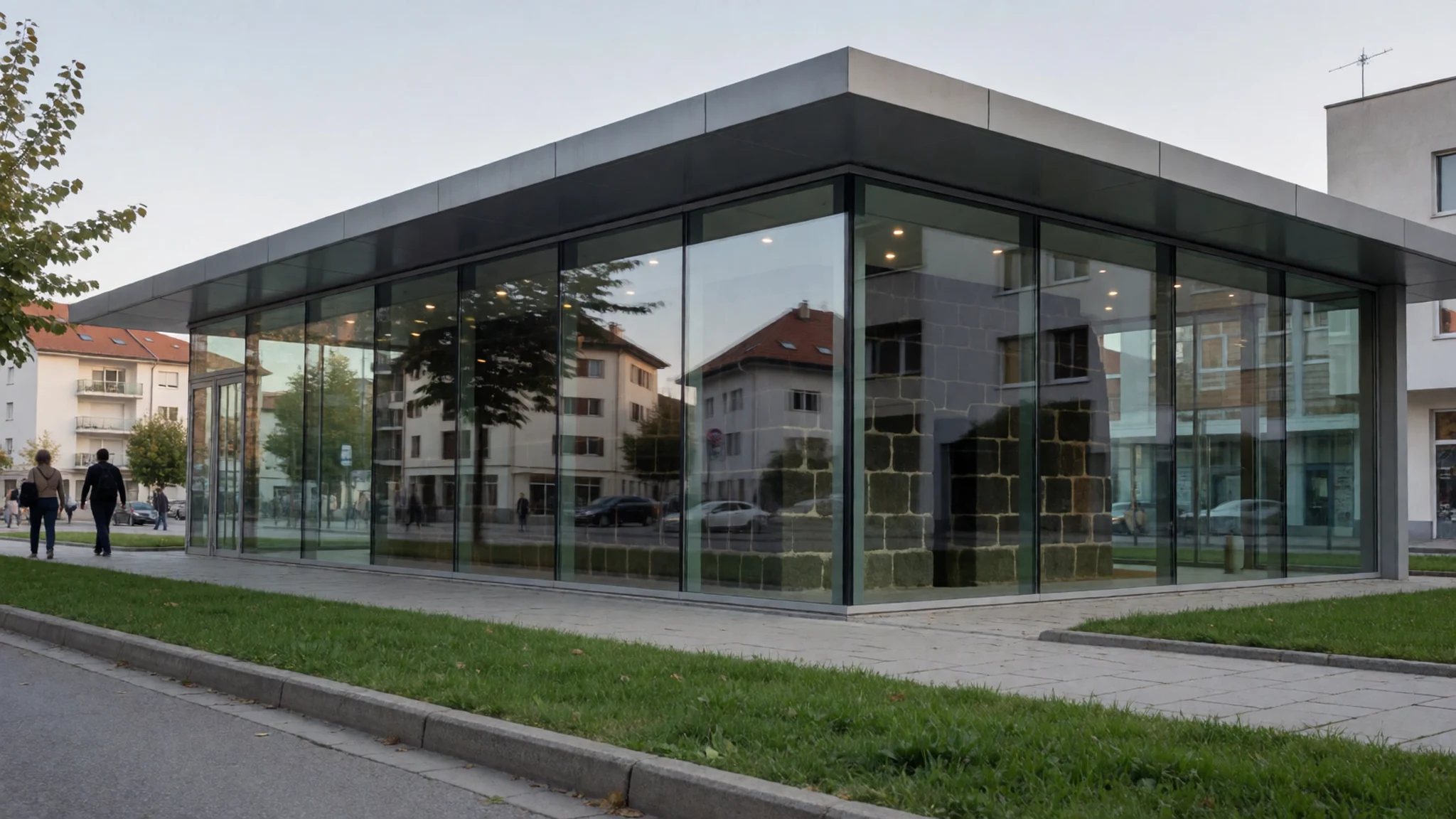
- Mithraeum — Outside the old walls
This small Roman temple to the sun god Mithras is protected by glass walls, so its interior can be seen from outside. For a closer look inside, notice must be given in advance through the town's Ethnological Museum. Contact them before travelling rather than turning up and hoping.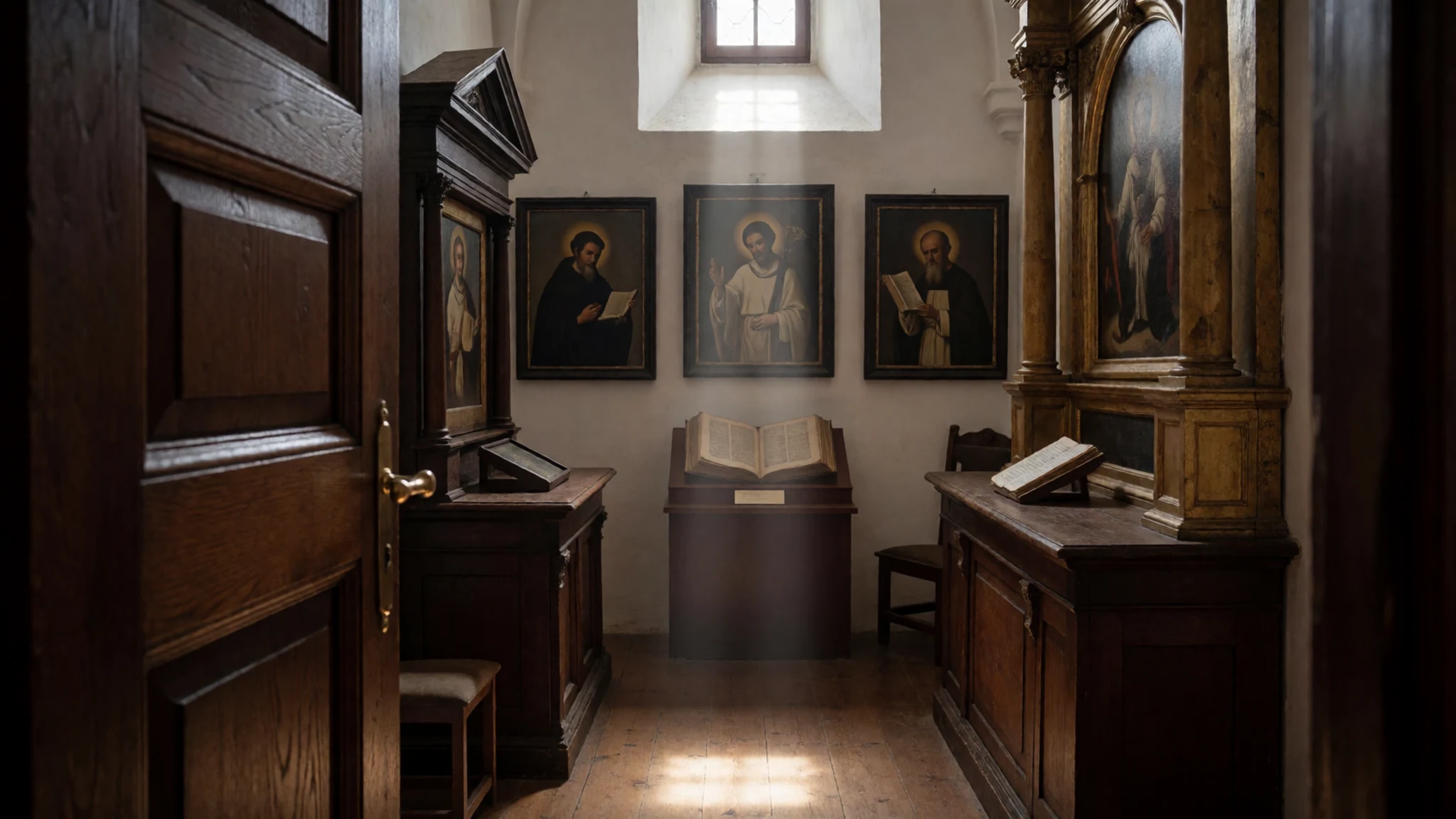
- Franciscan Monastery — Eastern side of the old town
The monastery holds a collection of artworks and historical objects. The most striking is the skeleton of the last Bosnian king, kept here as a reminder of how the medieval kingdom ended. It is a quiet, short stop that pairs well with the nearby streets and the fortress walk.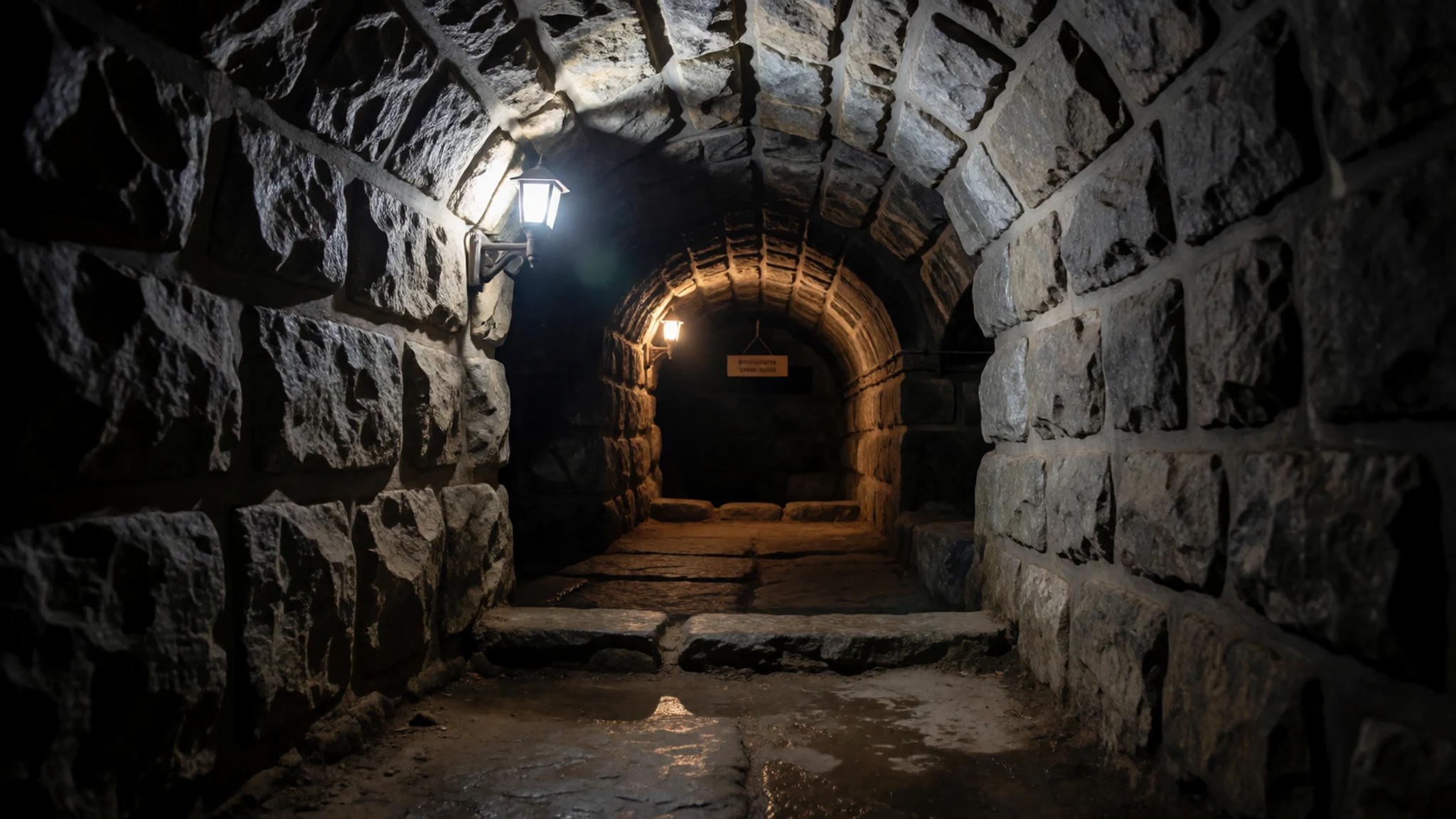
- Ramadan-beg Mosque — Old town
This Bosnian-style mosque has a wooden minaret and a simple front, and it shows how Ottoman-era building traditions adapted to the local climate and materials. It is still a working place of worship, so visit between prayers and dress modestly. Women may be asked to cover their heads inside.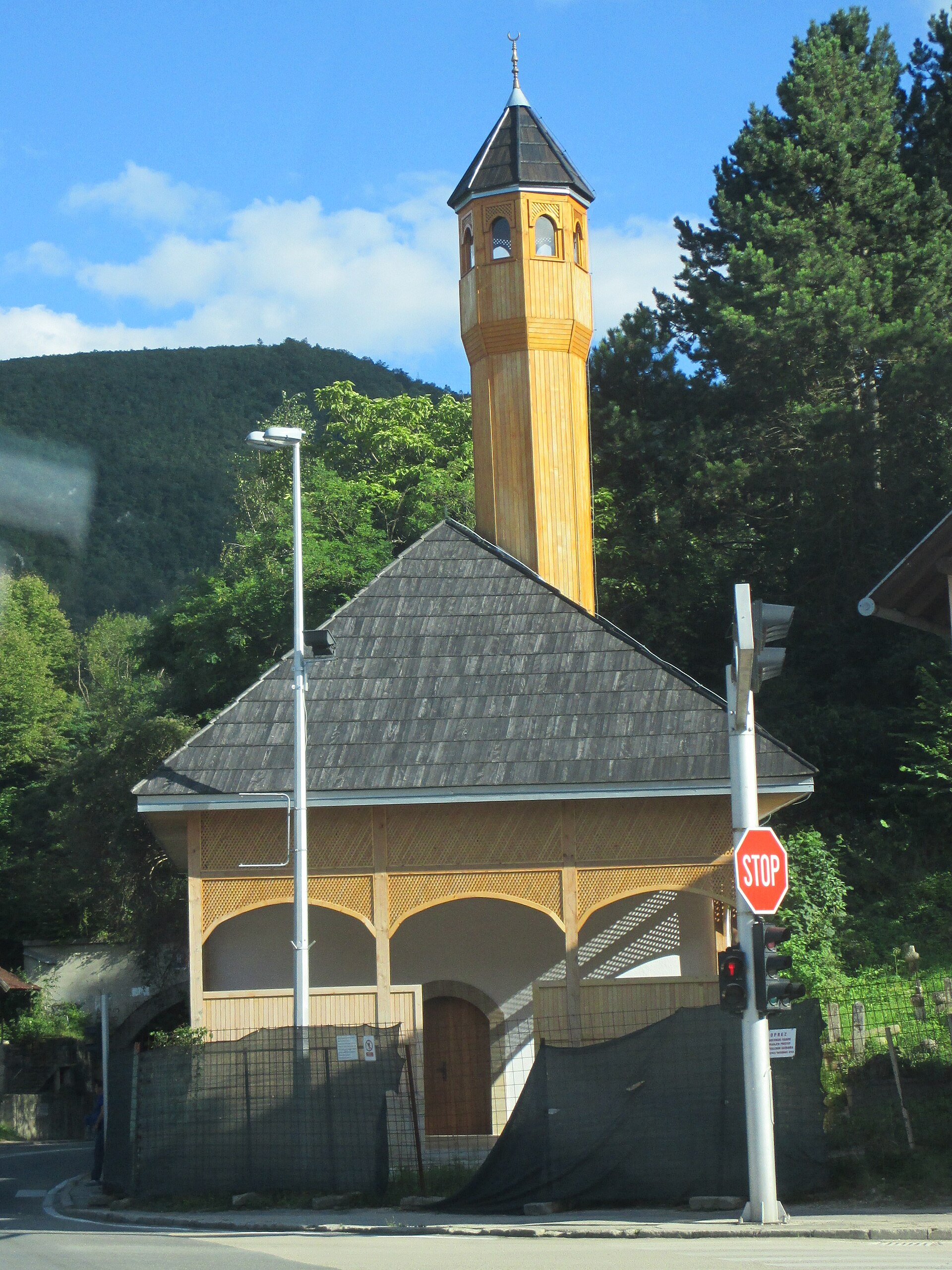
Culture
Jajce's culture is layered rather than singular. A Roman cult site, a medieval Bosnian royal town, Ottoman-era mosques, a Catholic monastery and an Orthodox church that now stands in ruins all share a small hill. Few towns make Bosnia's mixed past so easy to read in a single afternoon, and locals tend to talk about that past with pride and some weariness.
Daily life revolves around coffee. Bosnian coffee is brewed in a small copper pot and served with a sugar cube and a glass of water, and the ritual is slow by design. Spending half an hour over one on a terrace above the river canyon is how many residents spend a break, and rushing it would miss the point.
The town also carries Yugoslav memory. The AVNOJ museum recalls the wartime assembly that brought visitors here for decades, and opinions about that period vary from nostalgia to scepticism. Visitors are best off listening more than commenting.
Some sights are looked after by volunteers or keyholders rather than staff at a desk, so a short wait or a note on a door is normal. Treat these places carefully, because they survive on local goodwill.
Cover your shoulders and knees, take off your shoes before entering the Ramadan-beg mosque, and ask before photographing anyone at prayer.
What to wear
Traditional dress in Bosnia and Herzegovina varied by region and by community, and in Jajce it is mostly seen at folklore events, weddings and festivals rather than on the street. Older Bosnian village clothing used wool and cotton: women wore wide trousers called dimije, embroidered blouses, waistcoats and headscarves, while men wore sashes, woollen waistcoats and trousers cut full at the top. Leather opanci, soft peasant shoes, and thick knitted woollen socks completed the outfit. Embroidery patterns and colours often marked a village or a family.
What people wear now is ordinary European casual dress. Jeans, trainers, light jackets and sensible shoes are the norm, with smarter clothes for evenings out in the town centre. Older residents, especially women in more traditional households, may dress more conservatively and some wear headscarves. Mosque-goers dress modestly as a matter of course.
For a visitor the main concerns are terrain and weather. Streets in the old quarter are steep and often cobbled, and the catacombs have an uneven floor, so wear shoes with grip rather than sandals. At 450 metres in a mountain valley, evenings can be cool even in summer, so carry a light layer, and bring a waterproof jacket for rain or spray near the falls. For mosques and churches, shoulders and knees should be covered, and women should carry a scarf. A swimsuit and quick-dry towel suit a trip to Pliva Lake.
What to eat
- Ćevapi — Grill houses in the town centre and riverside terraces
Small grilled minced-meat sausages served in flatbread with chopped raw onion and sometimes a soft cream cheese called kajmak. Jajce has riverside eateries with canyon terraces that serve them, and town-centre grill houses along the main street do the same.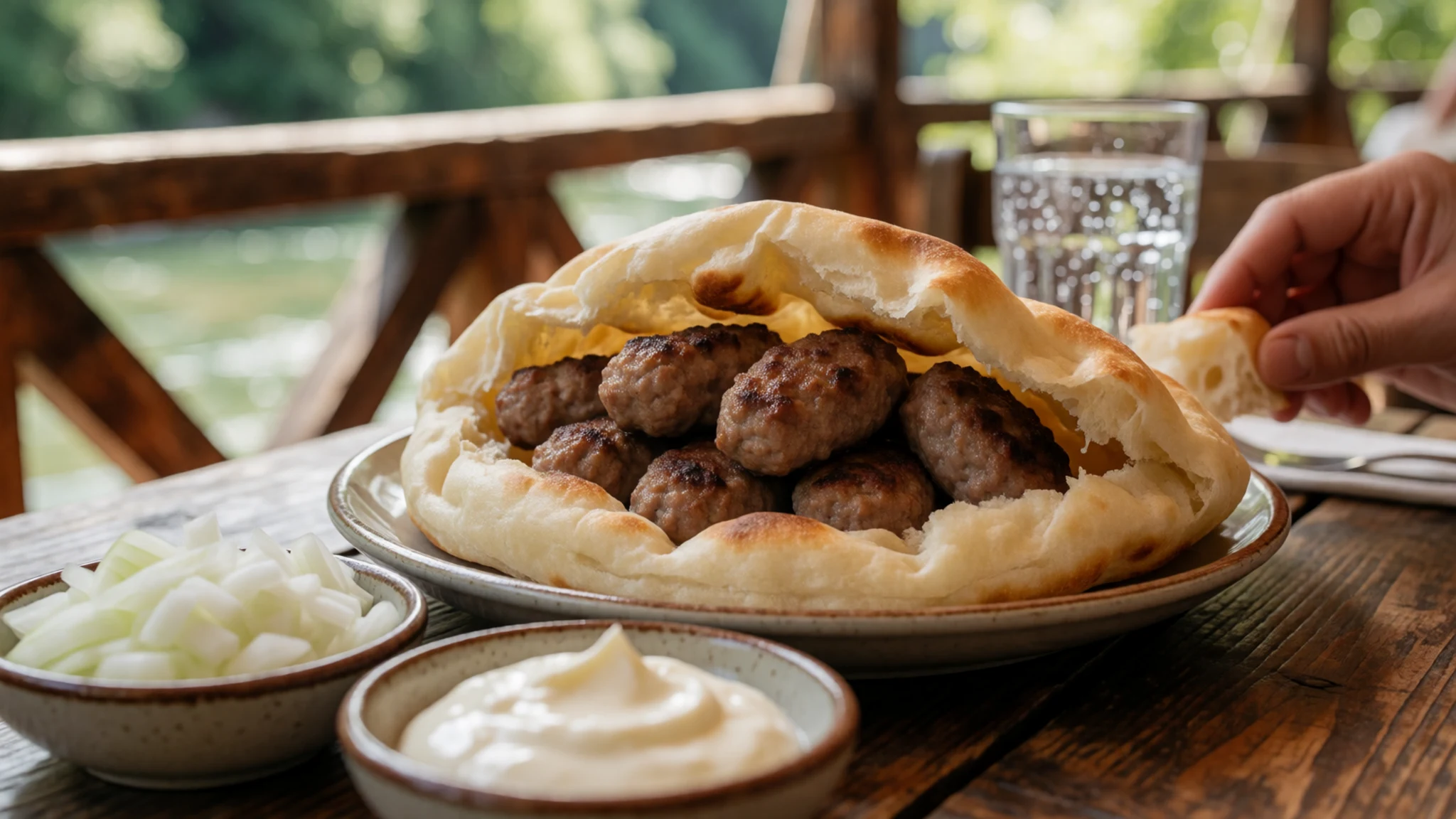
- Burek and other pies — Bakeries and pie shops in the town centre
Layered filo pastry pies filled with minced meat, cheese, spinach or potato, baked in a round tray and cut into wedges. A morning staple, usually eaten with plain yoghurt, and sold at small bakeries and takeaway counters.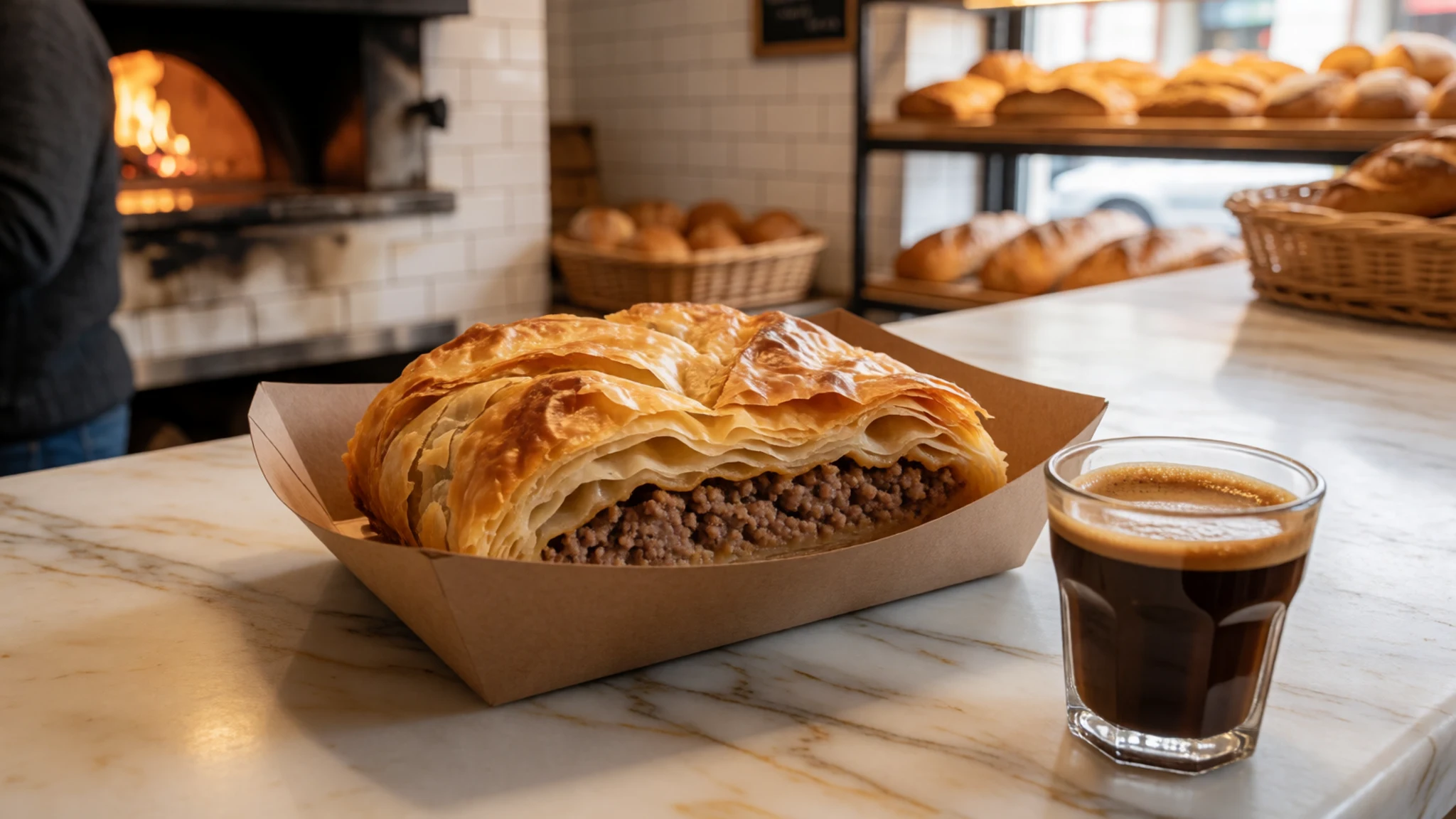
- River trout — Eateries near the Pliva and its lake
Freshwater trout, usually grilled or pan-fried whole with lemon and potatoes. The rivers and lake around Jajce are known for fishing, so the fish tends to be local. Look for it on terrace menus near the water. - Bosnian coffee — Any café in the old town
Strong, unfiltered coffee brewed in a copper pot called a džezva and served with a sugar cube and Turkish delight. It is meant to be sipped slowly, and refills are part of the ritual, so a table can be held for a long chat. - Baklava and tufahija — Cafés and bakeries in the centre
Baklava is layered filo with nuts and syrup. Tufahija is a poached apple stuffed with walnuts and topped with cream. Both are standard sweets after a meal, and both turn up at cafés and family tables across Bosnia.
Plan it
Best time. Late May–June and September–October are the comfortable months, with warm days for walking the walls and swimming at Pliva Lake in the warmer weeks. July and August bring the most visitors. Winters in a mountain valley at this height are cold, so check the forecast before travelling.
How long. 1–2
Getting there. Banja Luka is the usual gateway, about an hour and a half by road through river gorges, and Sarajevo is the other main airport option. Jajce sits on the road between Banja Luka, Mrkonjić Grad and Donji Vakuf, so a hire car or a bus from those towns is the last leg. Check current bus operators locally.
Budget. low
Tips
- Many sights are not staffed all day, so allow time to find the keyholder or return later
- Write to the Ethnological Museum ahead if you want to go inside the Mithraeum
- Carry some cash for small cafés and entry points, and check the town's official site, http://www.opcina-jajce.ba, for current information
- Wear shoes with grip for the cobbles and the uneven floor of the catacombs
- Go early or late for the best light on the waterfall and fewer day-trippers
Etiquette
- Take off your shoes and cover shoulders and knees at mosques
- Ask before photographing people, especially at prayer
- Greet shopkeepers and café staff before ordering, as it is the local custom
Nearby
Sources
- Wikidata Q258429 (CC0)
- Wikipedia: Jajce (rev 1380833386) (CC BY-SA 4.0)
- Wikivoyage: Jajce (rev 5405622) (CC BY-SA 4.0)
- Jajce (BiH) — Igor Trklja (CC BY 3.0)
- Jajce (kolaž) — Golden Bosnian Lily (CC BY-SA 4.0)
- AVNOJ Museum in Jajce, BiH — Dans (CC BY-SA 4.0)
- Ostaci pravoslavne crkve u Jajcu — Milijana Pavlović (CC BY 3.0)
- Jajce. Wasserfall — anonymous (Public domain)
- Jajce-pano.jpg — Unknown author (CC BY-SA 2.5 pl)
- Ramadan begova džamija, Jajce — Dans (CC BY-SA 4.0)
- Der österreichisch-ungarische Monarchie in Wort und Bild — Unknown author (Public domain)


