Sarajevo
Sarajevo, Bosnia and Herzegovina
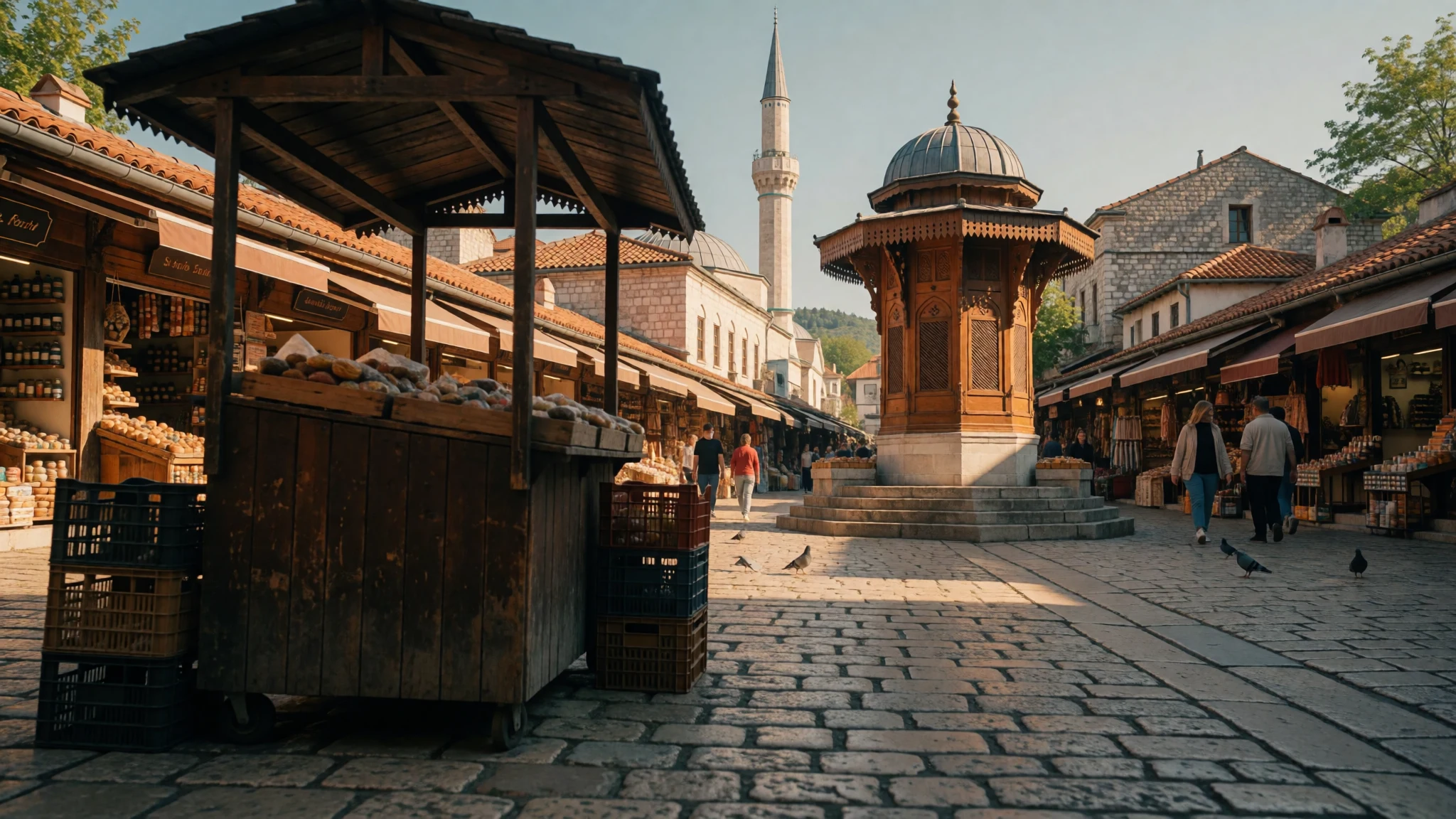
Sarajevo joins an Ottoman bazaar, Austro-Hungarian streets and several living faiths along a river in the mountains.
The place
Sarajevo sits in a narrow valley of the Dinaric Alps, along the Miljacka River, at 527 metres in the middle of the Balkans. It is the capital of Bosnia and Herzegovina, home to 275,524 people inside the city limits, and the place where government, business and much of the country's press and art life concentrate. The slopes press in on both sides, so the city is a long strip: bazaar streets at the core, later avenues to the west, and houses climbing toward the ridges.
The modern town took shape in 1461 as an Ottoman stronghold after the empire moved into this part of Europe. What lasted is a pattern of daily life as much as any one building: small trades in a bazaar, mosque courtyards, and short stone bridges over the river. Later governments set broader streets and heavy public buildings beside that older pattern, so low wooden shopfronts and Central European blocks stand a short walk apart. A mosque, a Catholic cathedral, an Orthodox church and a synagogue share that same neighbourhood, which is why the city is sometimes compared with Jerusalem.
Fog gathers in the bowl in winter and can stall flights into the mountain-ringed airport. Even so, the old centre, the river and the lower slopes remain one compact piece of city. From the eastern hills the red roofs, the minarets and the pale line of the river read as one city.
Its story
Sarajevo's story starts well before the named city. At Ilidža, now an outer district, an Austro-Hungarian agricultural school was going up in 1893 when the works cut into a Neolithic settlement of the Butmir culture. Flint in the ground had held people there, and the pottery was distinct enough that a congress of archaeologists and anthropologists, held in the city in 1894, treated Butmir as its own culture. Illyrian communities followed. The town that continues into the present is later, and Ottoman.
The city was founded in 1461, as Ottoman authority settled into Bosnia and a commercial and garrison town grew in the valley. For centuries the place sat in the Ottoman Empire, until Austria-Hungary took administration in 1878 and made that rule formal in 1908. In 1918 it entered the State of Slovenes, Croats and Serbs, and then the kingdom renamed Yugoslavia in 1929. From 1941 to 1945 it lay in the Independent State of Croatia; from 1945 to 1992 it was part of socialist Yugoslavia.
From 1992 to 1995 the capital belonged to the Republic of Bosnia and Herzegovina, the wartime state, and since then to today's Bosnia and Herzegovina. Each period built in the valley it found. Ottoman endowments left mosques, a bazaar and inns. Austria-Hungary left churches, civic buildings and wider streets. The Yugoslav years left housing on the slopes; a twisted tower for a media company followed in 2008. The old centre stayed in use beside those later layers, which is why a 17th-century clock tower still shares a street with much newer public buildings.
What to see
- Sebilj — Baščaršija
Sarajevo's Sebilj is a wooden public fountain in the open square of Baščaršija, the old bazaar. Mehmed Pasha Kukavica commissioned it in 1753; Austro-Hungarian officials moved it, in 1891, to the place it occupies now. The square is the usual start of a walk among the low shop streets, with pigeons underfoot and coffee drunk at the edges.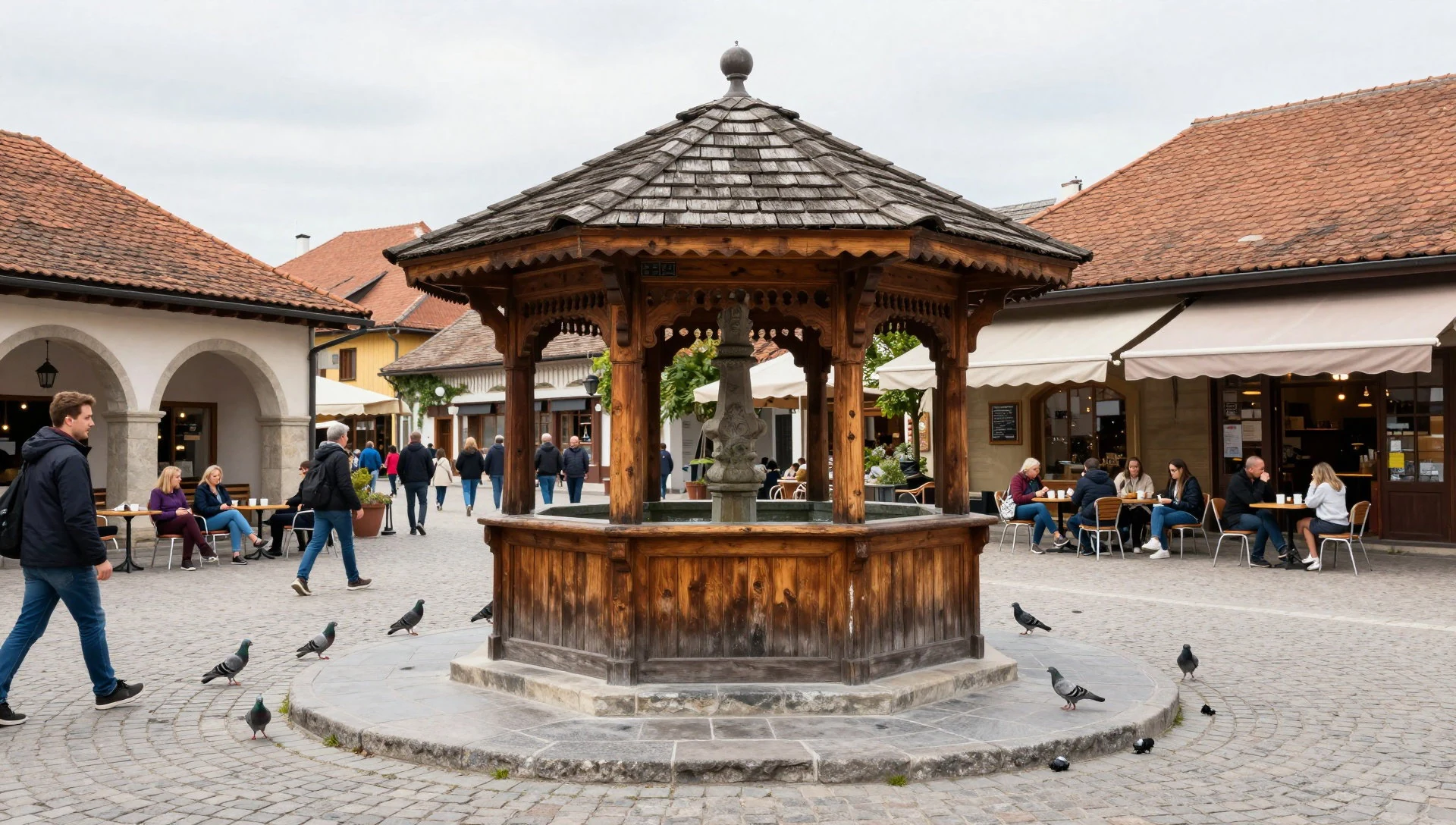
- Gazi Husrev-beg Mosque and Clock Tower — Baščaršija
Sarajevo's clock tower stands beside the mosque of Gazi Husrev-beg, who had the tower built on the western side of the old bazaar. It dates from the 17th century and reaches 30 metres, listed as the tallest clock tower in Bosnia. Together, minaret and tower mark this part of Baščaršija when the shop lanes fill.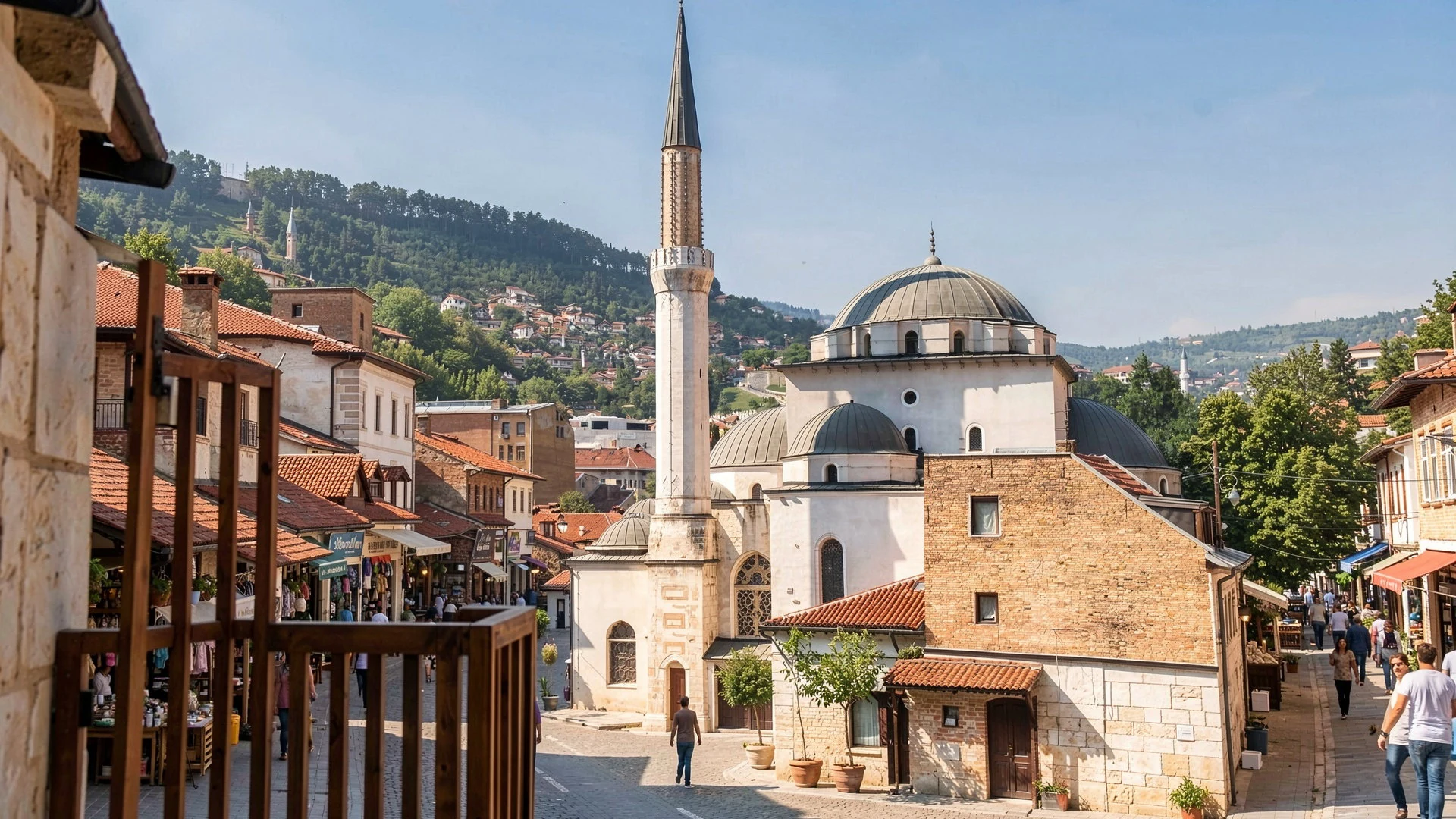
- Sacred Heart Cathedral — near Baščaršija
Sarajevo's Sacred Heart Cathedral serves the Archbishop of Vrhbosna and is Bosnia's largest Christian cathedral. Builders dedicated it to the Sacred Heart of Jesus and mixed neo-Gothic lines with Romanesque Revival detail, following models from elsewhere in Europe. It sits only a short walk from Baščaršija, so the Catholic church and the old Muslim commercial streets belong to one neighbourhood.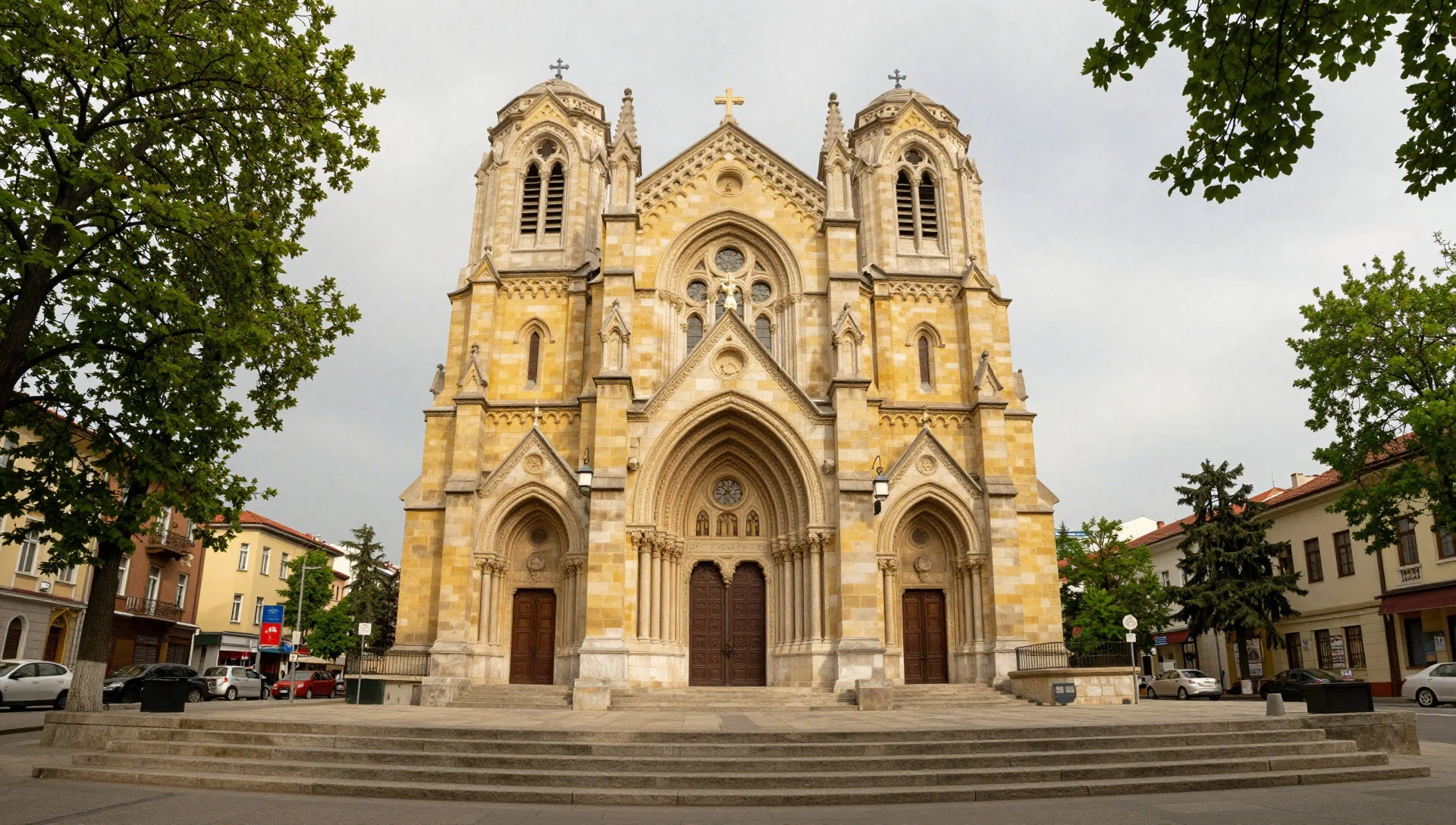
- Morića Han — Baščaršija
Sarajevo's Morića Han is the city's only surviving Ottoman roadside inn, put up in 1551 through the endowment of Gazi Husrev-beg. A han was where merchants and their animals stopped. This one still sits in the bazaar, rooms around an inner yard, rather than as a relic sealed off from the shop streets around it.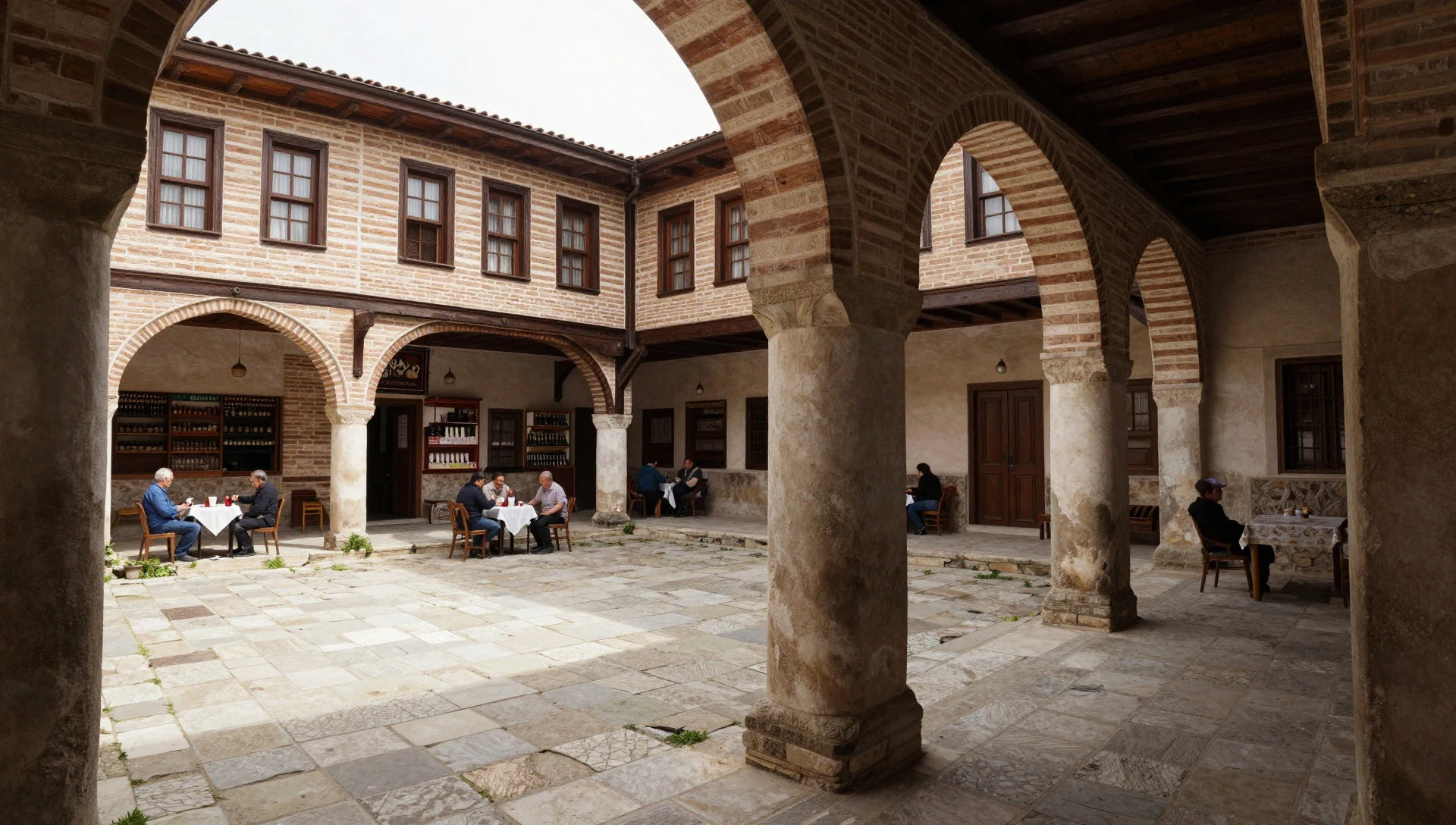
- Avaz Twist Tower — west of the old bazaar
Sarajevo's Avaz Twist Tower is the landmark people use when they need to place themselves in the valley. The shaft twists as it rises, reaches 176 metres, and was completed in 2008 for the media company Dnevni avaz. West of the old bazaar, it stands against the minarets rather than among them, and once it is picked out the river and the old centre fall into place.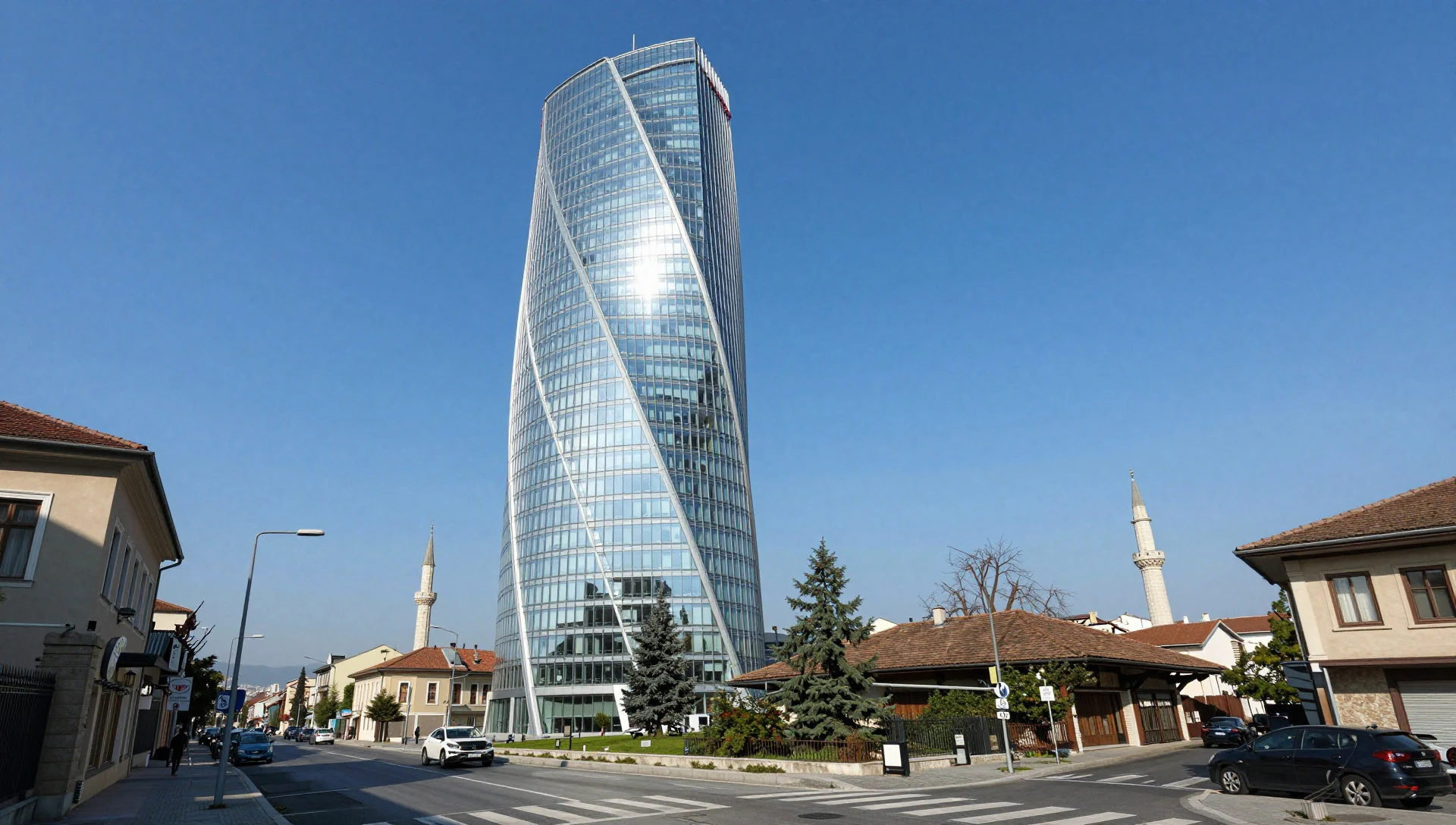
Culture
Sarajevo has kept several religious communities side by side for centuries, and that sharing is what the city's culture keeps returning to. Under Ottoman rule, Muslims, Orthodox Christians, Roman Catholics and Sephardi Jews lived here with their own institutions and a common set of streets. Austria-Hungary's shorter rule brought smaller numbers of Germans, Hungarians, Slovaks, Czechs and Ashkenazi Jews. A 1909 count put the population at about 50 per cent Muslim, 25 per cent Catholic, 15 per cent Orthodox and 10 per cent Jewish.
Writers and scholars sit in the same memory. The chemist Vladimir Prelog, a Nobel laureate, was from Sarajevo, as were the writer Zlatko Topčić and the poet Abdulah Sidran. Ivo Andrić, also a Nobel laureate, spent two years at school in the city. That history does not turn the centre into a museum. Books, theatre and argument still belong on the same streets as the bazaar.
Mosques, churches and the synagogue are ordinary neighbourhood buildings here. When you visit a mosque, cover your shoulders and knees, take off your shoes where slippers are set out, and ask before you photograph anyone at prayer.
What to wear
Sarajevo's clothing has long marked community and period rather than a single costume worn by everyone. In Ottoman times, urban Muslim women wore dimije, full gathered trousers, with a waistcoat and a head covering outdoors; men of standing added a fez and a long coat over a decorated vest. Catholic and Orthodox villages in the surrounding hills kept separate wool and linen clothes, often heavily embroidered, for feast days. Those garments now come out for weddings, folk performance and displays, not for the working week. Wool, linen and embroidered festive cloth are the textiles to look for, along with the cotton and silk once cut by bazaar tailors.
Weekday Sarajevo dresses like other cities of southern Europe: coats and knitwear for much of the year, lighter shirts when the valley warms, and shoes that can take cobbles. Covered and uncovered hair are both ordinary, and the choice is personal. Evenings in the old-town cafes are a little smarter; the paths on the slopes are dressed for walking.
A visitor needs layers, something waterproof in the cooler months, and footwear for polished stone and steep lanes. At a mosque, shoulders and knees should be covered, women should bring a scarf, and shoes come off at the door.
What to eat
- Burek — Baščaršija counters
Burek in Sarajevo is a coiled pastry of thin dough and minced meat, sold hot and often eaten with yoghurt. Baščaršija counters that sell little else cut it through the morning for people eating in the street. The layers are best still crisp, with a glass of thin drinking yoghurt.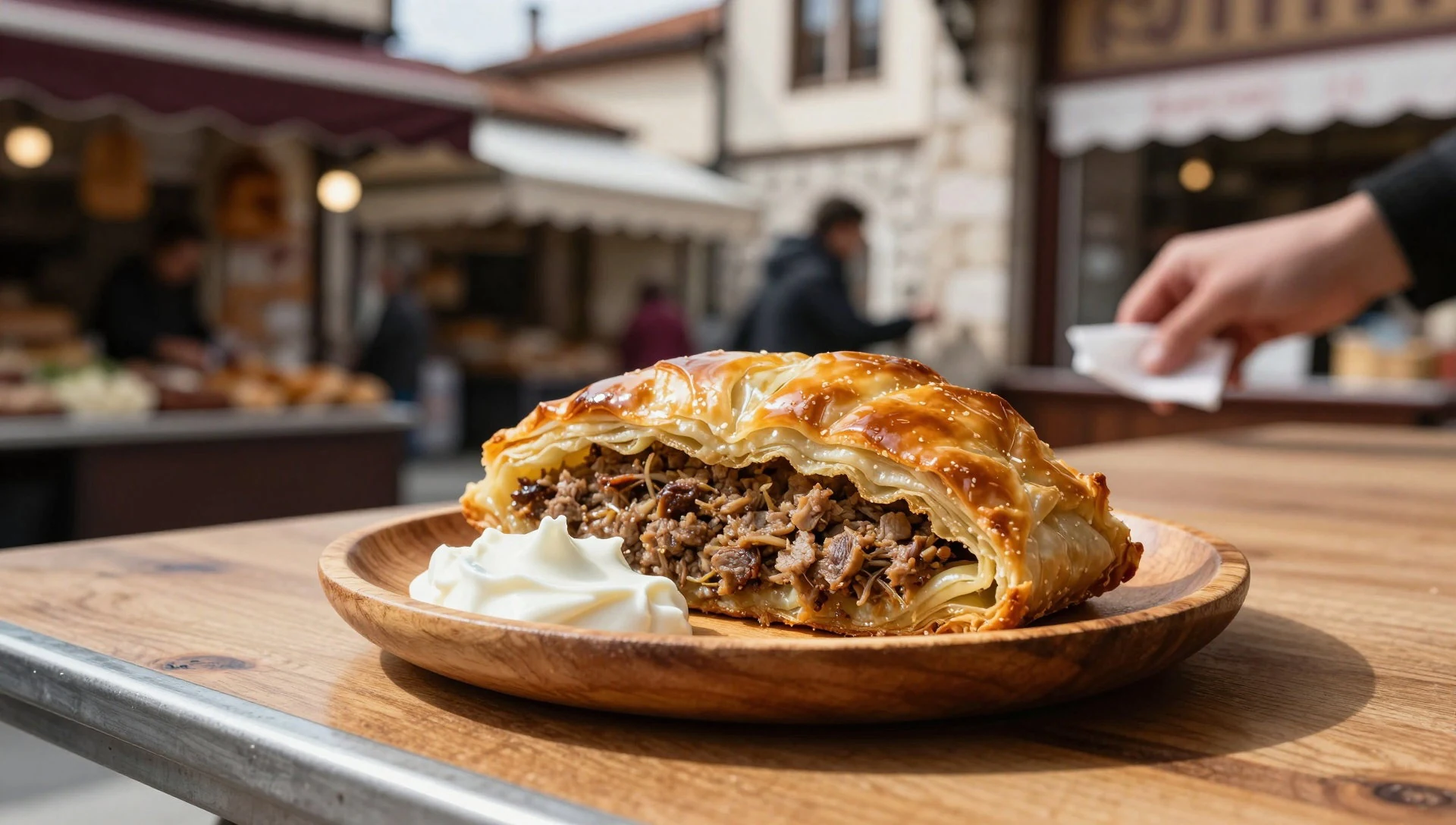
- Pita — a buregdžinica in the old town
Pita in Sarajevo names the same layered pies with fillings other than meat: cheese, spinach or potato. A buregdžinica in the old town — a shop devoted to them — cuts several kinds from round trays. Eaten by hand, they fill the gap between morning coffee and the evening grill.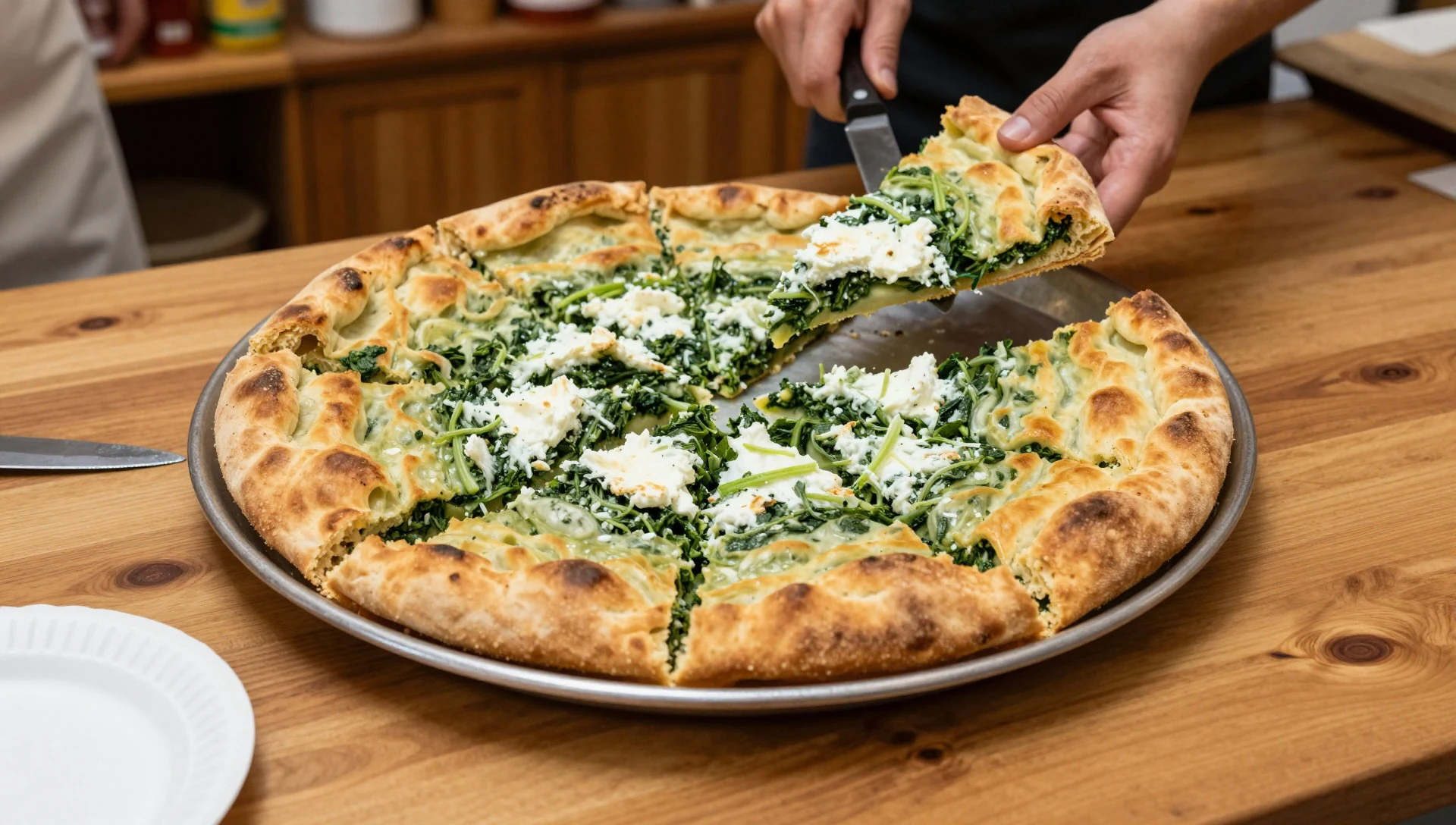
- Ćevapi — a ćevabdžinica in the bazaar
Ćevapi in Sarajevo are small grilled sausages of minced beef, served in somun bread with raw onion. A ćevabdžinica in the bazaar cooks them to order over charcoal. They are everyday food, and the grill shops stay full from lunch onward. - Sač pie — sit-down eateries in Baščaršija
Food cooked under a sač — a metal lid heaped with embers — is a mountain method that kitchens in Sarajevo's old town still use for pies. Heat comes down onto the dough as well as up from below. Sit-down eateries in Baščaršija are where this slower baking shows up. - Bosnian sandwich — counters in the city centre
A Bosnian sandwich in Sarajevo is grilled meat and onion in flatbread, smaller than a plate of ćevapi. Counters in the city centre make them for people eating on the move. It is the same grill tradition, shortened for a walk between the bazaar and the river.
Plan it
Best time. Winter is the awkward season in Sarajevo: fog settles in the valley and often delays flights at the mountain-ringed airport. Late spring and early autumn are the easier months to walk the bazaar and the lower slopes, at 527 metres, without that arrival gamble. For current events, check the city site at https://www.sarajevo.ba/.
How long. 3–4
Getting there. Sarajevo's airport is the main passenger gateway to Bosnia and Herzegovina, set among mountains where winter fog commonly holds flights. The busiest links named for it run via Frankfurt, Vienna, Istanbul, Dubai and Doha, and via Belgrade and Zagreb. The last leg into town is by road; a trolleybus route also serves the airport area and continues toward the east bus station. Check the city website for the current transfer rather than trusting a fixed timetable.
Budget. mid
Tips
- Leave extra time around winter flights; fog delays are routine, not exceptional.
- Carry some cash for small bazaar counters, which may not take cards.
- Begin in Baščaršija in the morning, as shutters open, if you want the lanes quieter.
- Use the official site, https://www.sarajevo.ba/, for openings and events instead of assuming hours.
- Wear shoes fit for cobbles and steep, sometimes wet lanes; the edges of the centre climb quickly.
Etiquette
- Remove your shoes at a mosque where a step and slippers are waiting.
- Cover shoulders and knees before entering a mosque, and carry a scarf if you will need one.
- Ask before you photograph people who are praying.
- Speak quietly in mosque courtyards and in church naves.
Nearby
Sources
- Wikidata Q11194 (CC0)
- Wikipedia (rev 1383306269) (CC BY-SA 4.0)
- Wikivoyage (rev 5422169) (CC BY-SA 4.0)
- Photo photos/01-sarajevo-city-panorama.jpg (CC BY-SA 4.0)
- Photo photos/02-gazi-husrev-beg-s-mosque-img-9523-sarajevo.jpg (CC BY 3.0)
- Photo photos/03-saborna-crkva-u-sarajevu.jpg (CC BY-SA 4.0)
- Photo photos/04-ba-ar-ija.jpg (CC BY-SA 4.0)
- Photo photos/05-trebevi-ka-i-ara-2018-05.jpg (CC BY 3.0)
- Photo photos/06-latin-bridge-02-22757259615.jpg (CC BY 2.5)
- Photo photos/07-vijecnica-41626036484.jpg (CC BY 2.5)
- Photo photos/08-sarajevo-night-skyline-bosnia-herzegovina-2014-15510458883.jpg (CC BY 2.5)


