Una National Park
Una National Park, Bosnia and Herzegovina
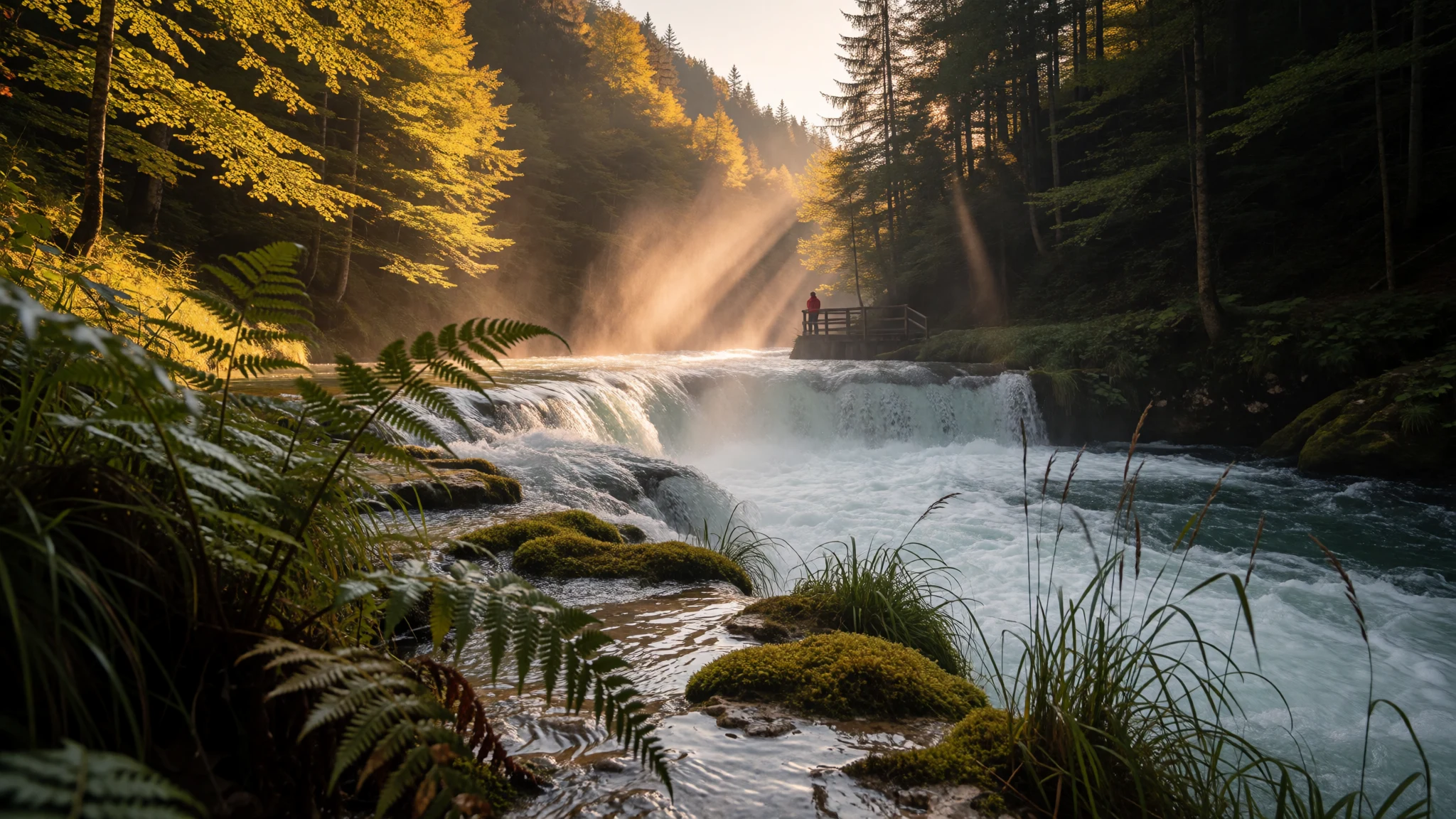
Una National Park is a ribbon of waterfalls, gorges and old river towns along the Una, where Bosnia and Herzegovina meets Croatia.
The place
Una National Park (Nacionalni park Una, Национални парк Уна) lies in western Bosnia and Herzegovina, around the upper Una and its tributaries the Krka and the Unac. Founded in 2008, it was set aside so the rivers and their banks would stay wild. The reference elevation is 374 metres: limestone valleys and fast water, not a high massif.
Think of the park as a corridor along the Croatian frontier. Westward it includes the Krka from its source to the confluence with the Una on the border, then the Una itself as far as Martin Brod, where the Unac joins. Eastward it follows the Unac canyon from just downstream of Drvar back to that same confluence. From Martin Brod the boundary continues down the Una to Ripač, a little upstream of Bihać, with the state border on the opposite bank for much of the way.
Martin Brod is the meeting of the Una and the Unac. Kulen Vakuf is the principal settlement inside the park, on a route that once tied Dalmatia to Pannonia. North of the town the Una runs through a steep valley; farther north, Štrbački buk drops over rocks the border crosses. Within Bosnia and Herzegovina no national park covers a longer reach of river and village, a ribbon of water rather than a single block of forest. The Una holds it together: pale stone, clear current, and settlements squeezed onto the usable ground beside the river.
Its story
Una National Park holds a long human record on a short run of river. Archaeological sites reach back into prehistory, inside the boundary and just outside it, while the monuments still standing are mostly from later ages.
Under Rome the upper Una was a link between Dalmatia and Pannonia, and Kulen Vakuf sits on that old line of movement. Milančeva Kula, a Roman fort, is among the named remains. Medieval builders left Ostrovica, the fortress above Kulen Vakuf, looking down the valley. In 1699 the town beneath it was walled and given four gates, a density of defence that marks Kulen Vakuf out along the upper Una.
Rmanj Monastery stands in the same heritage, a religious house in country that has long been shared. Beyond the park boundary, near Bihać, Sokolačka Kula rises at the village of Sokolac, and Ostrožac Castle stands between Bihać and Bosanska Krupa. Neither is inside the line drawn in 2008, yet both show the same pattern: stone set high, the Una below, the road squeezed between them.
Una National Park has no single founding myth. Its story is the corridor itself: people moving between the Adriatic hinterland and the Pannonian plain, a monastery keeping watch, and villages living under the forts. The legal park dates from 2008; the stones are older, and the water is older still. To walk up to Ostrovica, or to stand where the Unac meets the Una at Martin Brod, is to see how narrow that road has always been.
What to see
- Štrbački buk — Upper Una, on the Bosnia-Croatia border
Štrbački buk drops 25 metres, the highest fall Una National Park has, on the Una where Bosnia and Herzegovina meets Croatia. From an unpaved approach, a walk of about 400 metres reaches three separate outlooks over the drop. Spray, pale rock and the border itself are the whole sight. After rain the unpaved approach needs extra time, and each outlook deserves its own pause.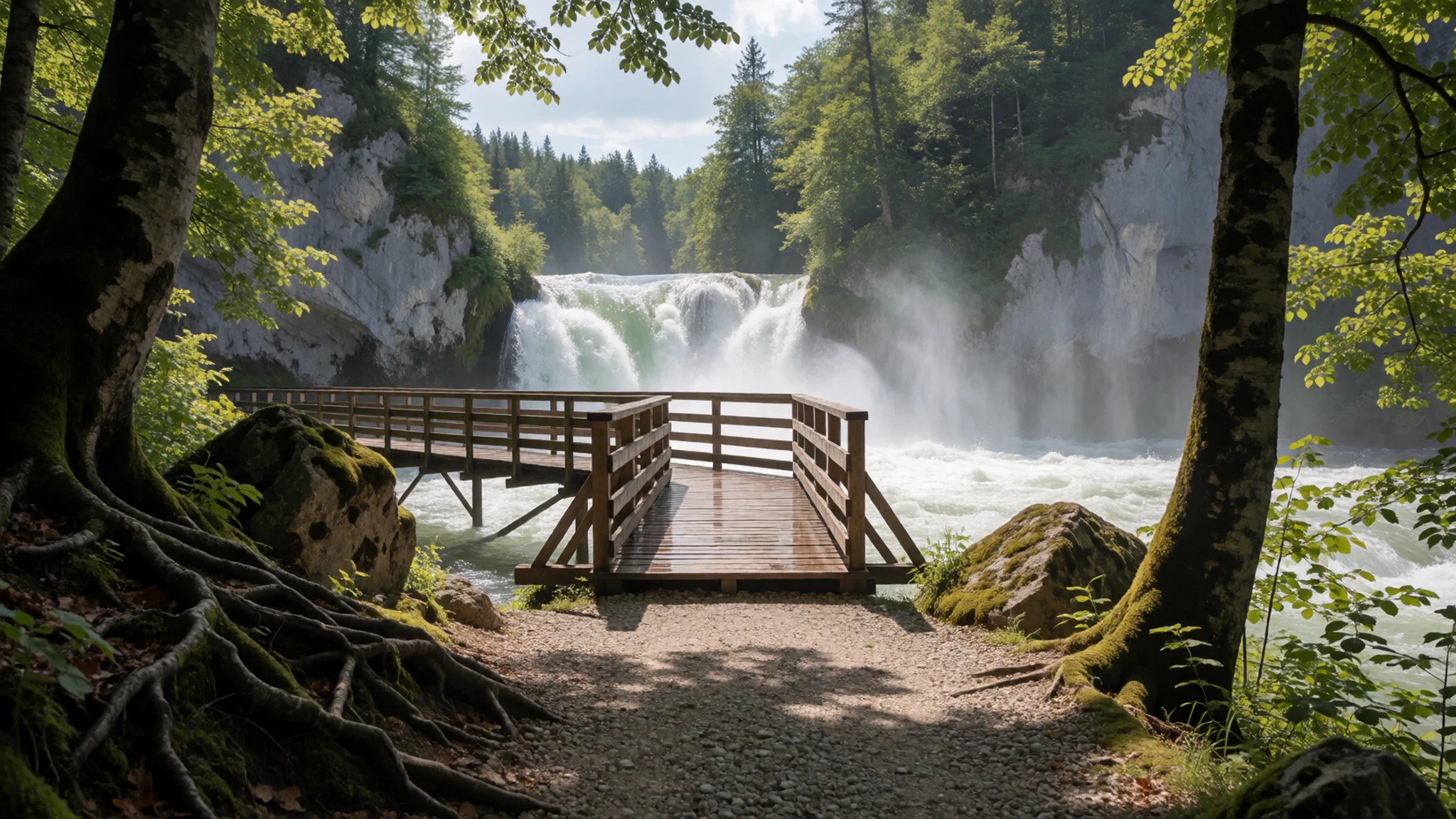
- Martin Brod — Martin Brod
Martin Brod is where the Unac meets the Una inside Una National Park, and the park's shape turns on that junction. The rivers arrive through falls and fast channels in a wide bed of rock, so the confluence is both a settlement and a viewpoint. Roads and paths keep to the bank. From here the valley leads toward Kulen Vakuf, and the border stays close along the Una.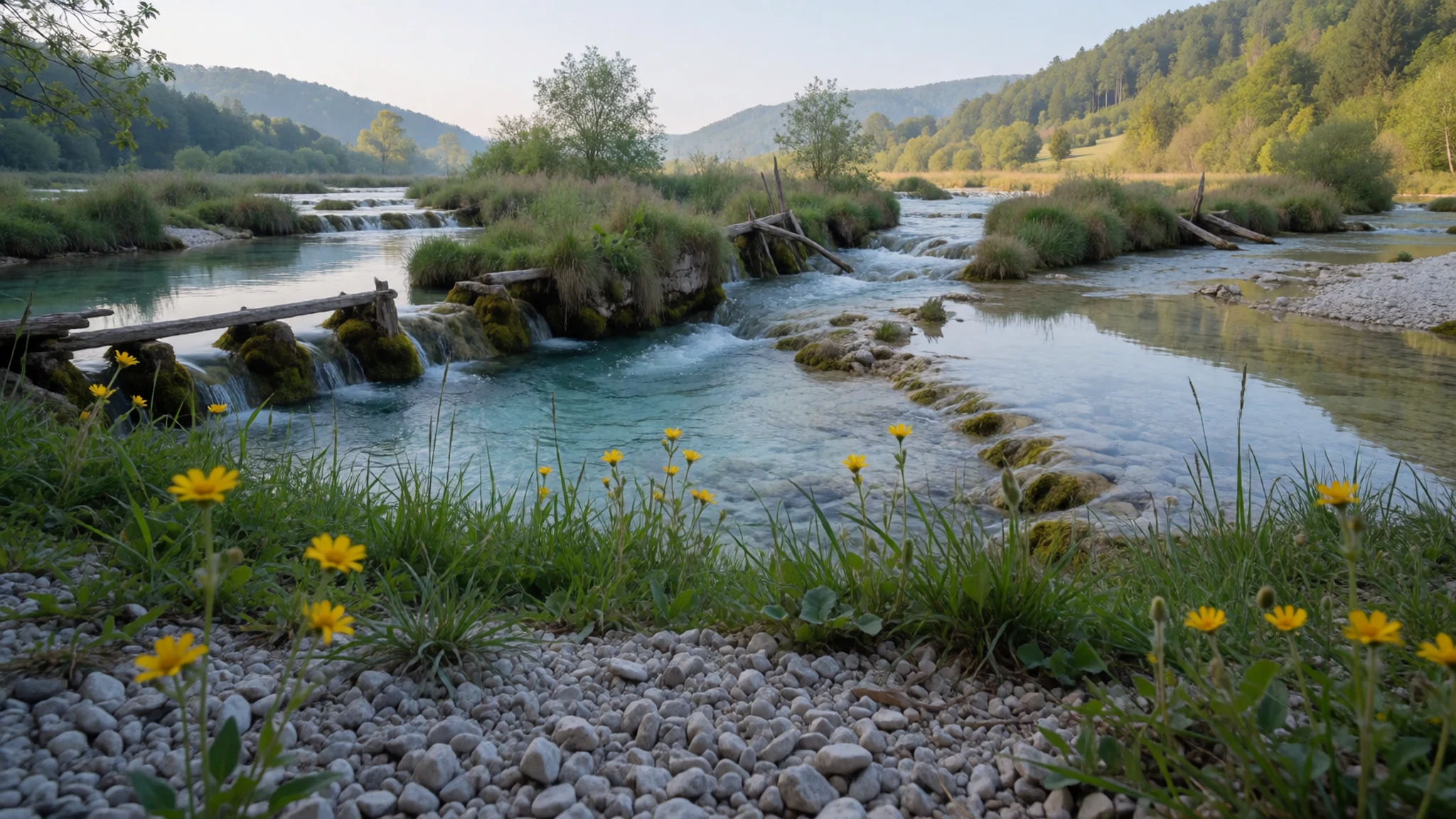
- Kulen Vakuf — Kulen Vakuf
Kulen Vakuf is the principal town of Una National Park, a riverside town where the old road between Dalmatia and Pannonia crossed the Una. Walls and four gates were added in 1699. North of the houses the river enters a steep gorge, and above the town Ostrovica occupies the high ground. The town is the useful pause between Martin Brod and Štrbački buk.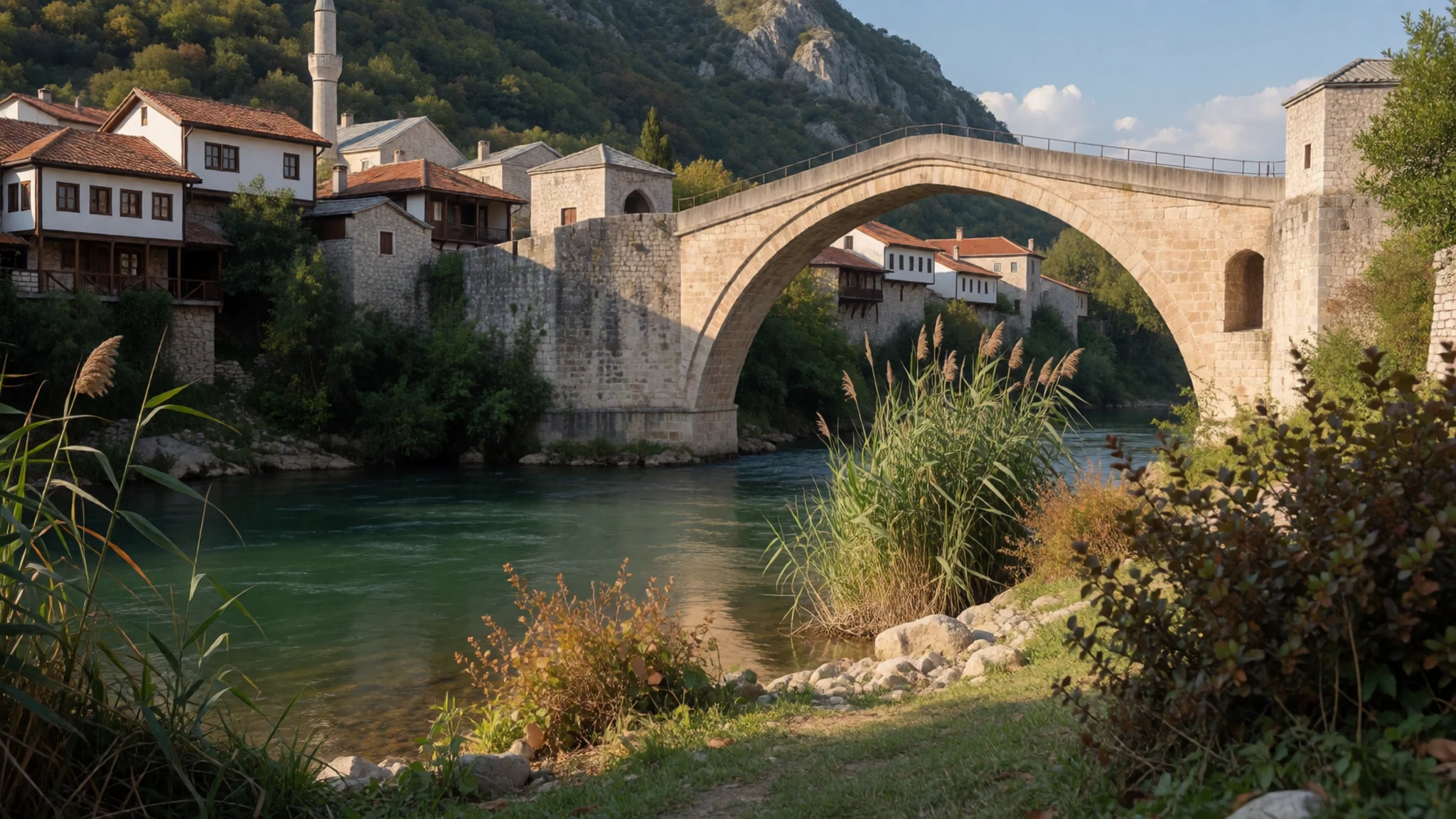
- Lohovo — Northern park, toward the Krka
Lohovo is a named place in the north of Una National Park, on the side of the corridor nearer the Krka than the Unac canyon. The park's northernmost ground is inhabited country around Podastrana, and Lohovo belongs to that northern stretch rather than to the gorge at Kulen Vakuf. It is a riverside settlement to pass through, not a single monument.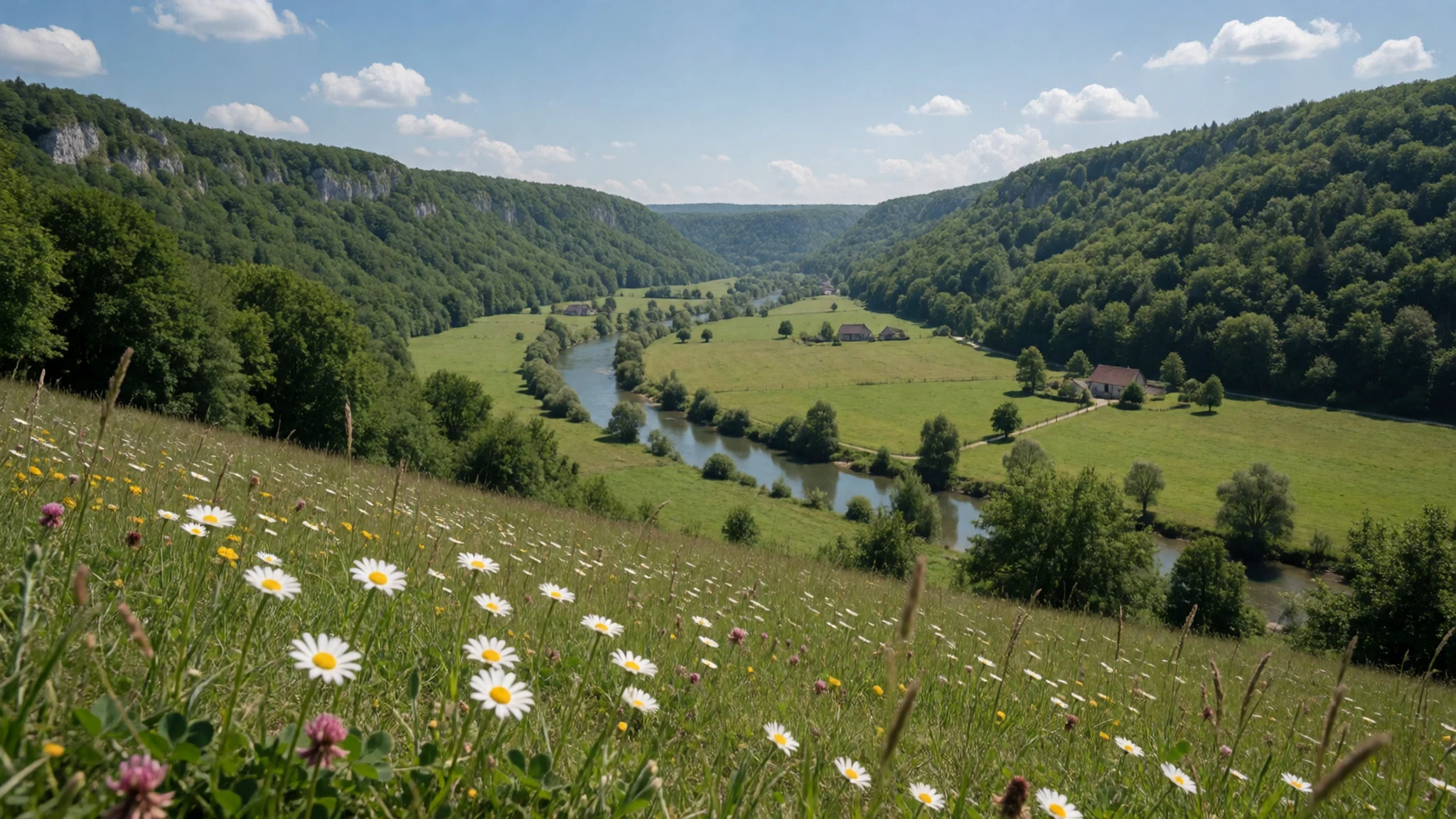
- Orašac — Middle Una, between Štrbački buk and Kulen Vakuf
Orašac lies in Una National Park between Štrbački buk and Kulen Vakuf, on the Una's run through the middle of the park. Listings attach no separate monument to the name. It is a settlement on the water, a waymark where the road follows the river from the border falls down toward Martin Brod. The stop is for the valley itself.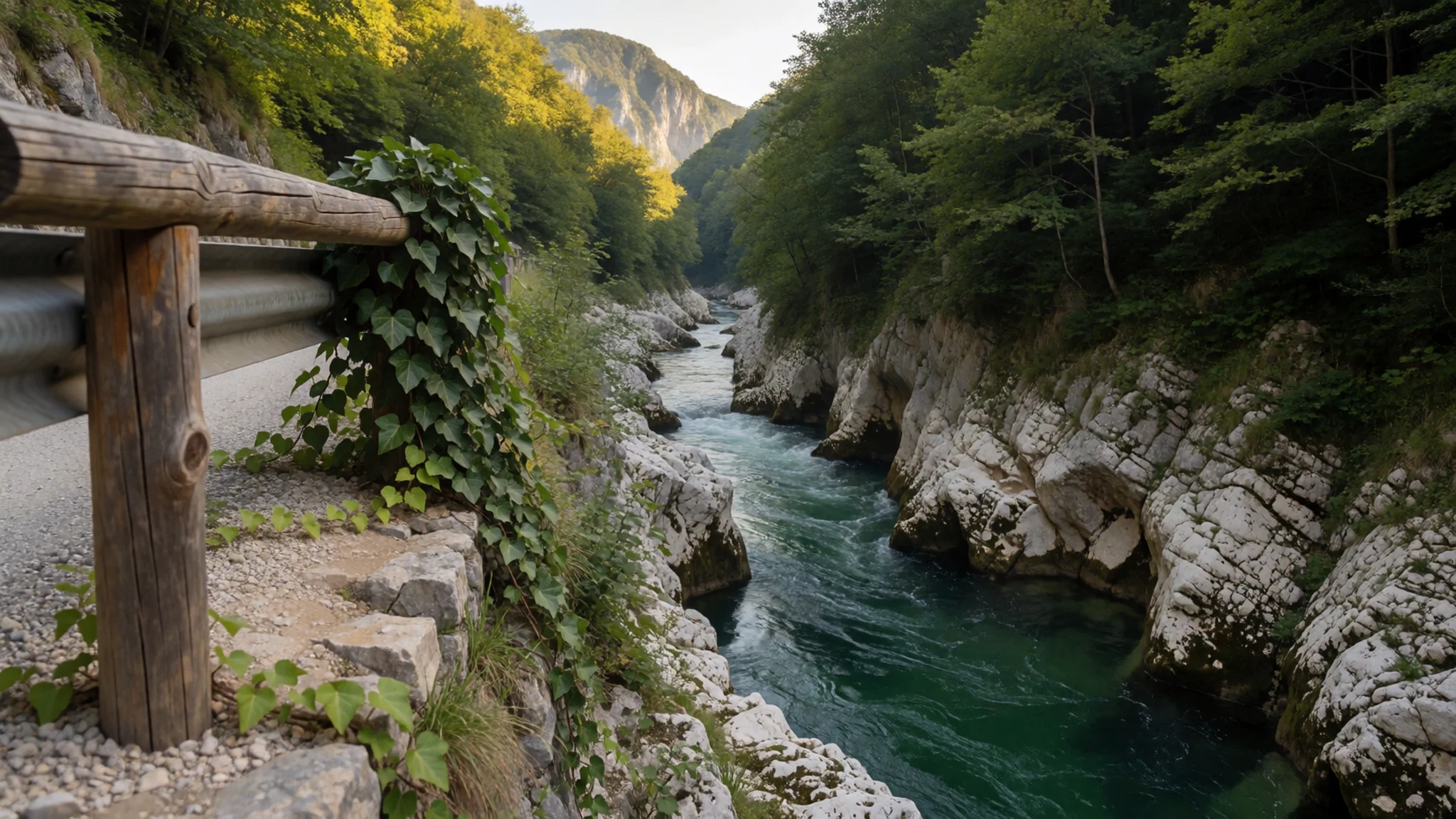
Culture
Culture along Una National Park follows the river rather than a single capital or a single rite. Kulen Vakuf, Martin Brod and the smaller bank settlements are accustomed to through-traffic: this was a road between Dalmatia and Pannonia long before it was a park, and people still measure the day by the road and the water. Conversation happens over coffee, slowly, and a stop in town is as much a social pause as a practical one.
The built heritage is mixed, and that mix is the local fact to respect. Rmanj Monastery carries an Orthodox Christian presence; the towns of the Una valley carry a Muslim Bosniak one; villages on the Croatian bank lie just across the border the park uses as a boundary. Forts such as Ostrovica and, outside the line, Ostrožac and Sokolačka Kula are part of local memory, not scenery put up for visitors.
Una National Park was drawn around the Una, the Krka and the Unac so those waters would remain the point of the landscape. Walking, cycling and time spent on the water sit inside that purpose: the river is both the pleasure and the reason the boundary exists. At a monastery door, on a village lane or beside the falls, dress modestly, ask before photographing people or the inside of a religious house, and keep to the lookouts instead of scrambling on wet rock.
What to wear
Dress in Una National Park splits between festival cloth and ordinary days. Traditional costume in this part of Bosnia is wool, linen and cotton in layers: women in full trousers called dimije, an embroidered shirt, a fitted vest and often a headscarf; men in a shirt, wool trousers and a vest, with a heavier cap when the valley turns cold. Those clothes come out for weddings and folk gatherings. They are not what the street wears on an ordinary morning.
What people wear now in Kulen Vakuf and Martin Brod is the practical mix of other small Bosnian towns: denim, light jackets, trainers or boots, and a waterproof when the gorge drips. Cycling and walking the banks push a town day toward outdoor kit. Summer beside the Una can be bright on the rock and cool in the spray. At 374 metres the park is valley height, so clothing is seasonal rather than alpine.
A visitor should copy the practical clothes, then add modesty on religious ground. Sturdy shoes with a grip matter on wet limestone at the falls and on the way up to Ostrovica. Covered shoulders and knees, and a scarf to hand, suit Rmanj Monastery and a mosque in the valley towns. Swimwear stays at the river; a shirt goes back on before a cafe table.
What to eat
- Ćevapi — Casual eateries in Kulen Vakuf
Ćevapi are small grilled sausages of minced beef, served in a round somun loaf with raw onion. In Una National Park they belong in a casual eatery in Kulen Vakuf rather than on a riverside rock. The bread should be warm, and a plate is lunch.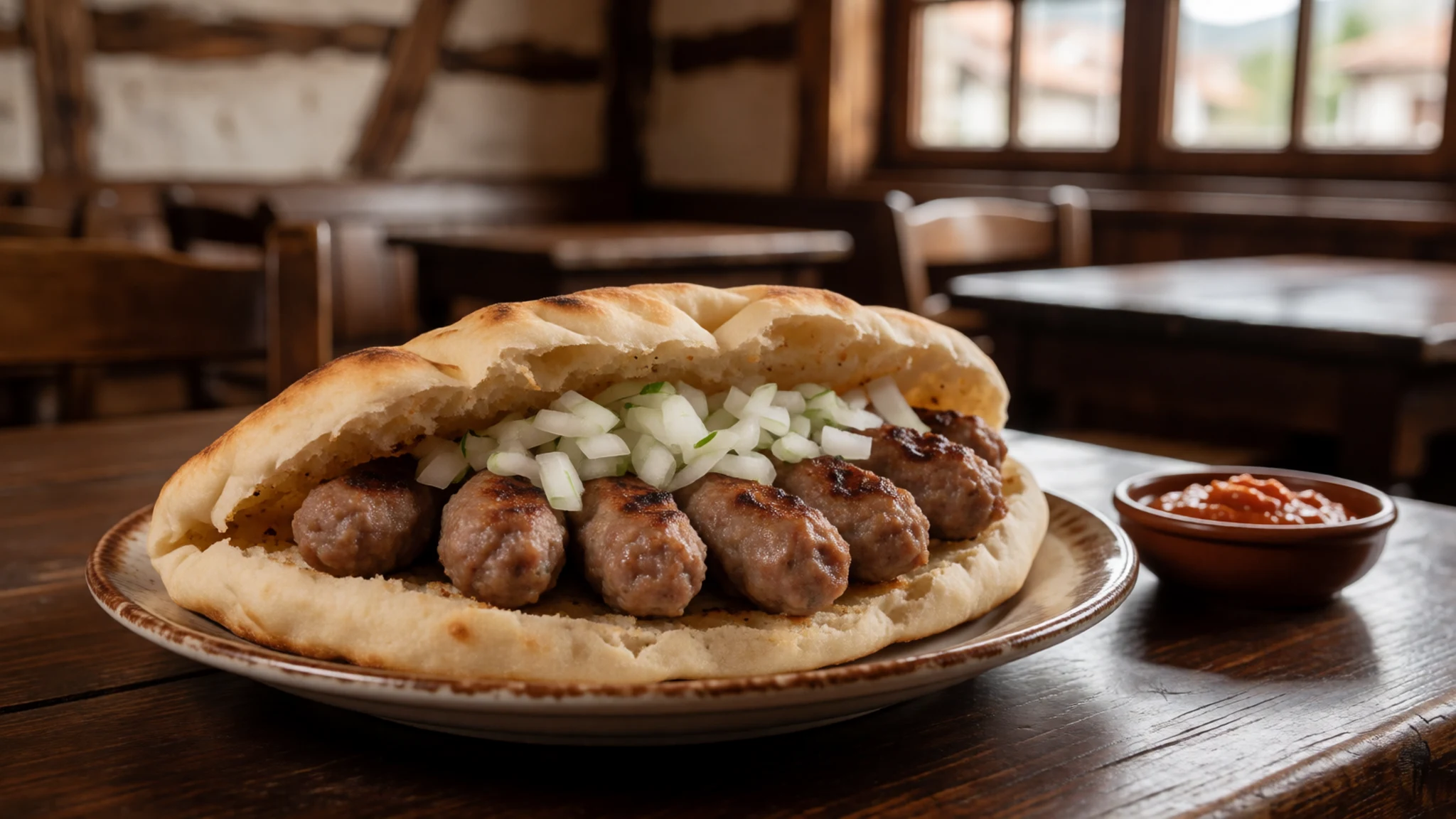
- Burek — Bakeries in Kulen Vakuf
Burek, a coiled pie of phyllo and minced meat, is morning food in the bakeries of Kulen Vakuf. Una National Park offers no formal dining room at the falls, so this is the meal that travels. Yoghurt on the side, when the shop has it, keeps the richness in check.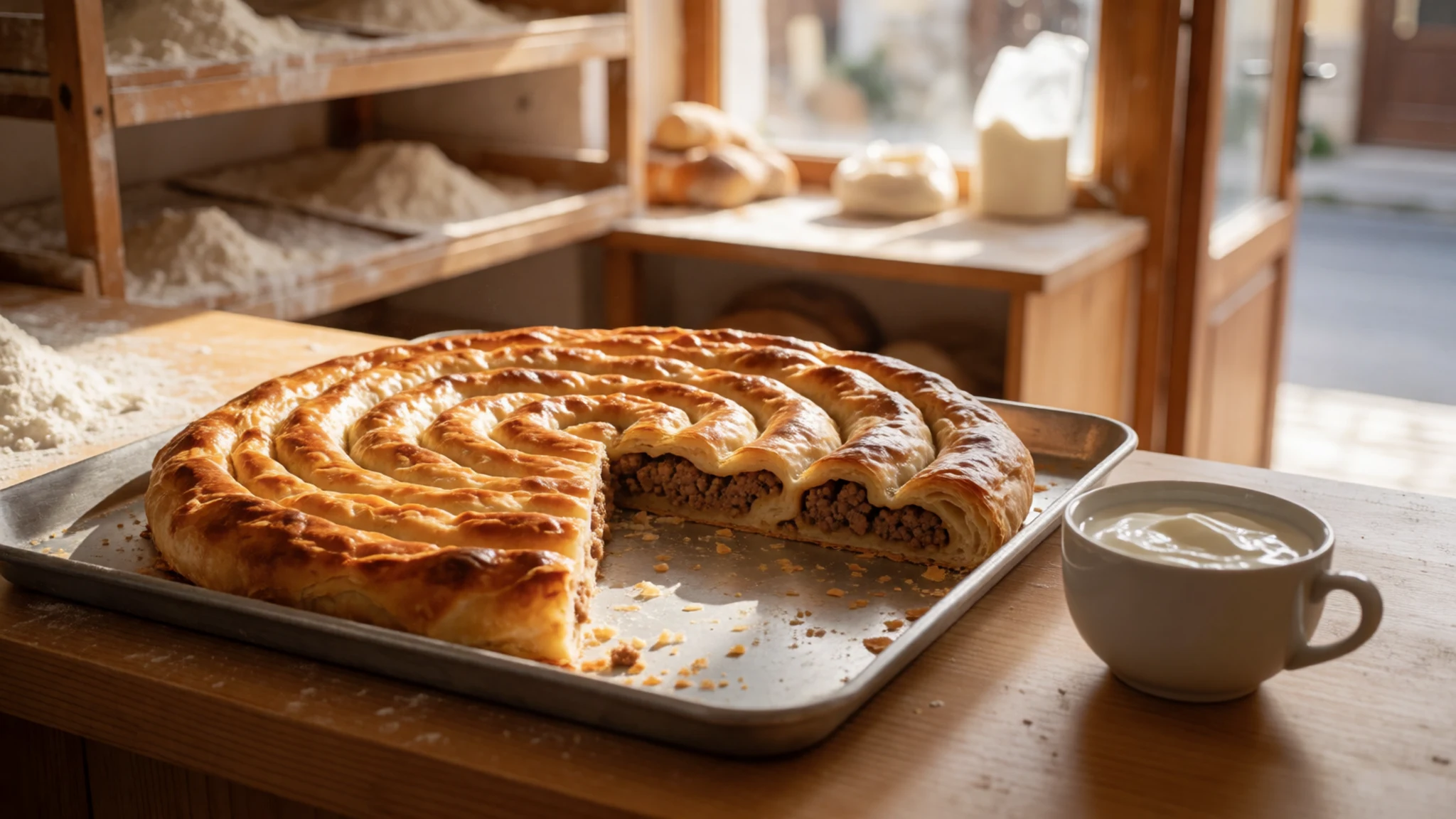
- Sirnica — Morning bakeries in Kulen Vakuf
Sirnica is the cheese pie of the same phyllo family, filled with crumbly white cheese instead of meat. Kulen Vakuf bakeries sell it beside burek in the morning. It is the lighter piece for a day that will include a grill later, and it suits a pause on the bank. - Krompiruša — Bakeries in Kulen Vakuf
Krompiruša is the potato pie in the same phyllo family as burek, seasoned and coiled, from bakeries in Kulen Vakuf in the morning. In Una National Park it suits a day when neither cheese nor meat appeals, and it travels without a kitchen. - Begova čorba — Eateries in Kulen Vakuf
Begova čorba is a slow soup of chicken, vegetables and okra, finished with lemon or yoghurt. Eateries in Una National Park's Kulen Vakuf serve it when the gorge feels cool and a grill is too much. It comes as a first course or as the whole meal with bread.
Plan it
Best time. Late spring and early autumn suit Una National Park: long days on the gorge paths, and quieter banks than in high summer. Winter is a poor bet on unsealed roads and wet limestone. Check the official park site after heavy rain.
How long. 2-3
Getting there. Bihać is the gateway to Una National Park, a short drive southeast on the M-5. At weekends a ZFBH train runs through the park between Bihać and Bosanska Otoka; confirm the times, which change. From Bihać the last leg is that road or that train, then the river road to Kulen Vakuf or Martin Brod.
Budget. low
Tips
- Base yourself in Kulen Vakuf so the confluence and the border falls are both day trips.
- Allow extra time on the unsealed road to Štrbački buk after rain.
- Begin the waterfall lookouts early, before the bank gets busy.
- Carry cash for bakeries and small eateries; a card machine is not a safe assumption at the trail.
Etiquette
- Cover shoulders and knees at Rmanj Monastery, and ask before any photograph inside.
- Ask residents in Kulen Vakuf and Martin Brod before you photograph them.
- Stay on the lookouts at Štrbački buk and do not climb the wet rock of the fall.
- Carry all rubbish away from the riverbank.
Nearby
Sources
- Wikidata Q3179381 (CC0)
- Wikipedia (rev 1366057316) (CC BY-SA 4.0)
- Wikivoyage (rev 5317152) (CC BY-SA 4.0)
- Photo photos/01-una-unac-confluence.jpg (CC BY 3.0)
- Photo photos/02-waterfall-on-una-river-in-martin-brod.jpg (CC BY 3.0)
- Photo photos/03-una-gorge-kulen-vakuf.jpg (CC BY 3.0)
- Photo photos/04-kulen-vakuf-ostrovica-2.jpg (CC BY 3.0)
- Photo photos/05-trba-ki-buk-1.jpg (CC BY 3.0)
- Photo photos/06-biciklizam.jpg (CC BY-SA 4.0)
- Photo photos/07-kornja-a.jpg (CC BY-SA 4.0)
- Photo photos/08-medo-ljutoc.jpg (CC BY-SA 4.0)


