Sutjeska National Park
Sutjeska National Park, Bosnia and Herzegovina
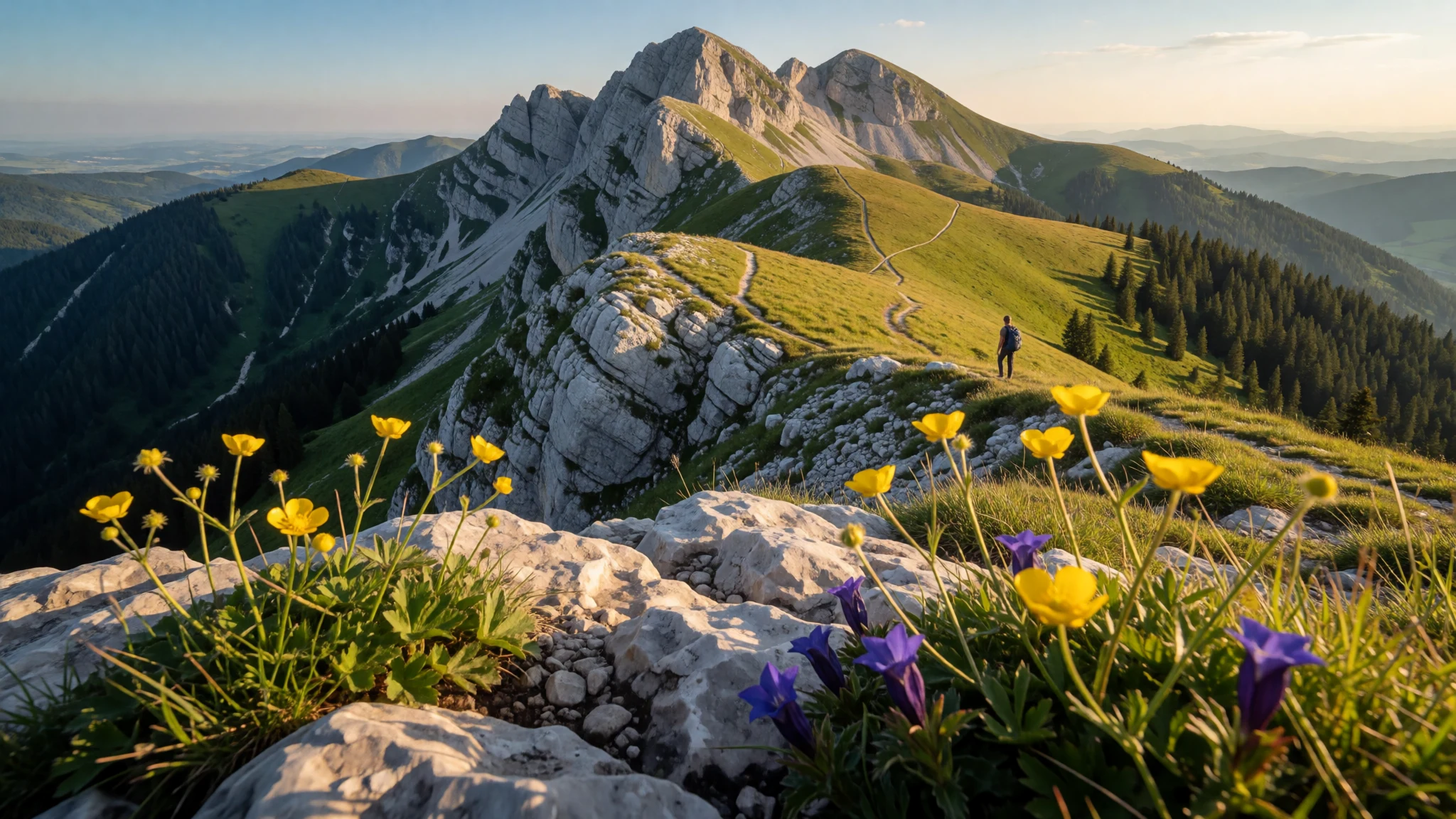
Sutjeska pairs deep forest, big mountain views and WWII history in one national-park landscape.
The place
Sutjeska National Park (Nacionalni park Sutjeska) sits in Bosnia and Herzegovina’s mountain country, carved between forested highlands and river valleys. It’s the kind of place where the scenery changes as the trail climbs: from river sounds and shaded woodland to rockier ground with long, dramatic lines to the peaks. The park was established in 1962, and it’s often treated as the country’s long-running flagship nature area, with a serious emphasis on conservation.
A big part of the draw is Perućica, a strict nature reserve inside the park that’s valued for its primeval forest feel. That translates on the ground into thick canopy cover, a cooler mood in summer, and a sense that the forest has its own rhythm. The wider park is also tied to the high mountains along the Maglić massif, including places associated with Trnovačko Lake, where water gathers against steep backdrops.
Then there’s the history. Sutjeska is also where the Battle of the Sutjeska took place during World War II, and the memorial landscape at Tjentište helps connect the hiking routes with a specific wartime story rather than leaving everything purely “scenery”.
Crowds are usually modest compared with major European parks, but weekends and summer holidays can bring busier parking at trailheads near the main access points. Expect rural roads, practical visitor infrastructure, and an outdoor day that rewards early starts more than “finishing by lunchtime”.
Its story
Sutjeska National Park was established in 1962, but the way people talk about it often starts with events rather than ecology. The park’s declaration was strongly shaped by its role in World War II—specifically the Battle of the Sutjeska—so the landscape carries commemorative weight as well as biodiversity value. Instead of a purely “look-only” reserve, Sutjeska invites a more layered experience: you can walk among mountains and forest, then come upon memorial spaces that clarify why this patch of terrain mattered.
Inside the park, Perućica stands out as a strict nature reserve created for scientific and educational purposes. That status shows up in how the place feels: fewer interruptions, a sense of continuity, and habitat that has been protected enough to keep the forest’s character largely intact. It’s also why hikers sometimes describe Perućica as feeling different from surrounding woodland—cooler, denser, and more “old growth” in atmosphere.
Today, Sutjeska is also linked to broader regional conservation efforts. The park sits within a management framework that includes protected-area improvements, better trail and signage work, and support for tourism development alongside ecology and cultural heritage conservation. In practice, that means the routes you walk are maintained with both safety and preservation in mind, so the history is readable on the ground without turning the forest into a theme park.
What to see
- Perućica (Strict Nature Reserve) — Perućica area
Sutjeska National Park’s Perućica reserve is where you go for that primeval-forest feeling: dense canopy, quieter trails and a cooler mood. It’s a protected area meant for science and education, so expect a more restrained, conservation-led visit.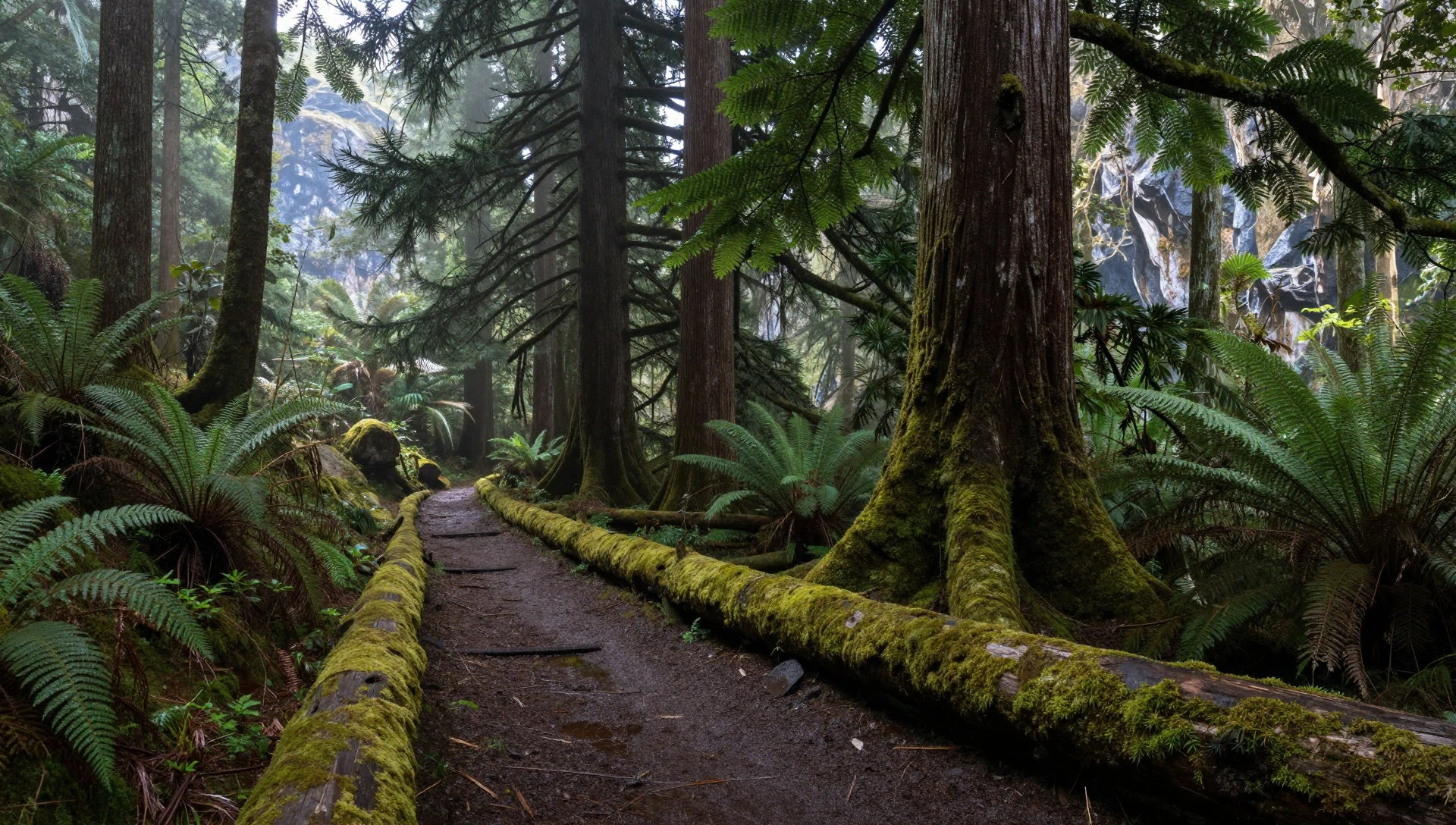
- Trnovačko Jezero & the Maglić backdrop — Maglić massif / lake area
Trnovačko Jezero forms within the Maglić massif, with high peaks looming behind the water. In the right light, the lake-and-mountains composition turns a simple stop into a slow, viewpoint-style moment—worth pairing with a short hike depending on conditions.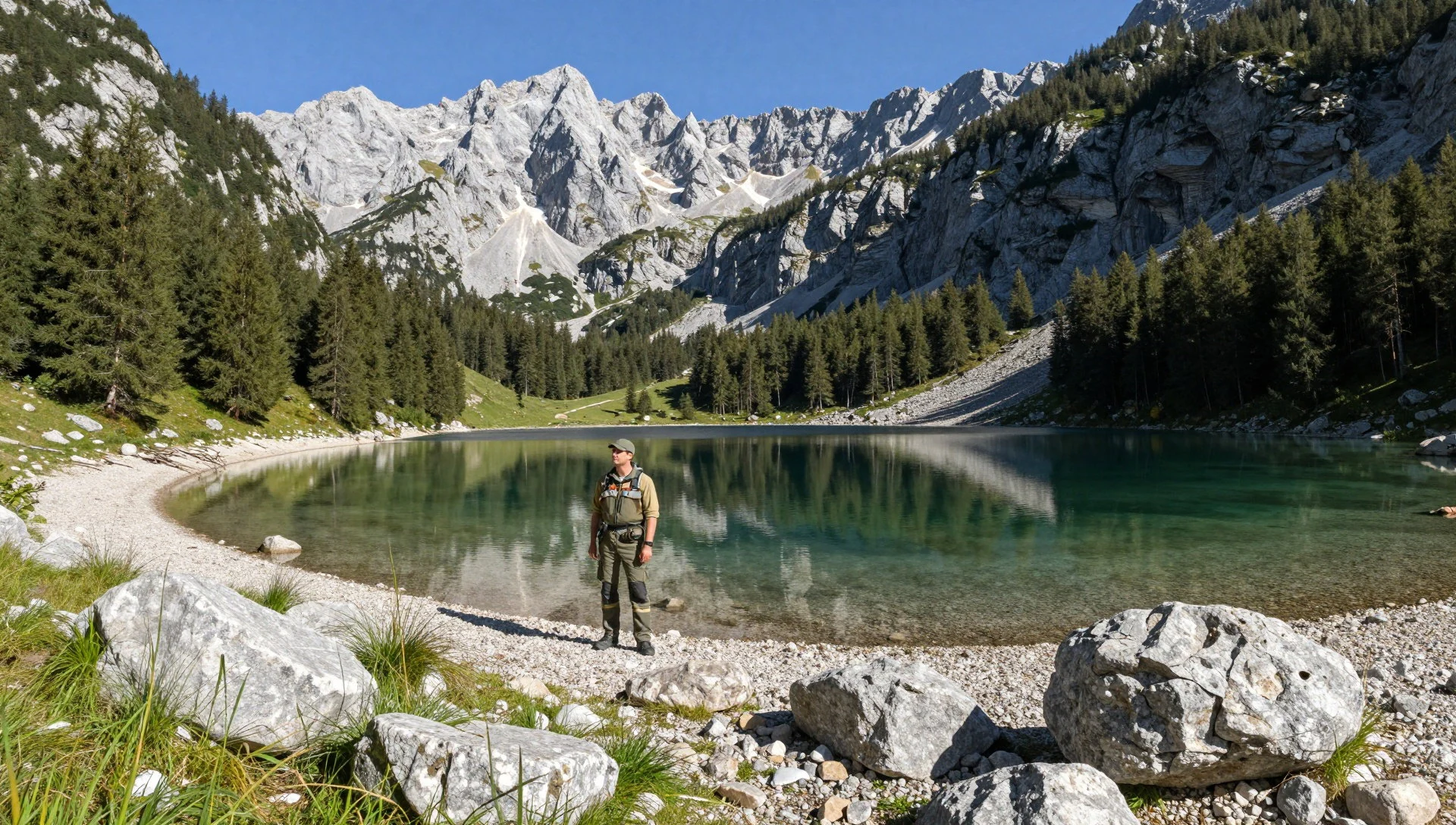
- Tjentište memorial zone — Tjentište
Tjentište marks the park’s WWII connection, with memorial areas placed at the northern edge en route to Perućica. The setting is unmistakably mountainous, so it doesn’t feel like a separate museum—more like history embedded into the route landscape.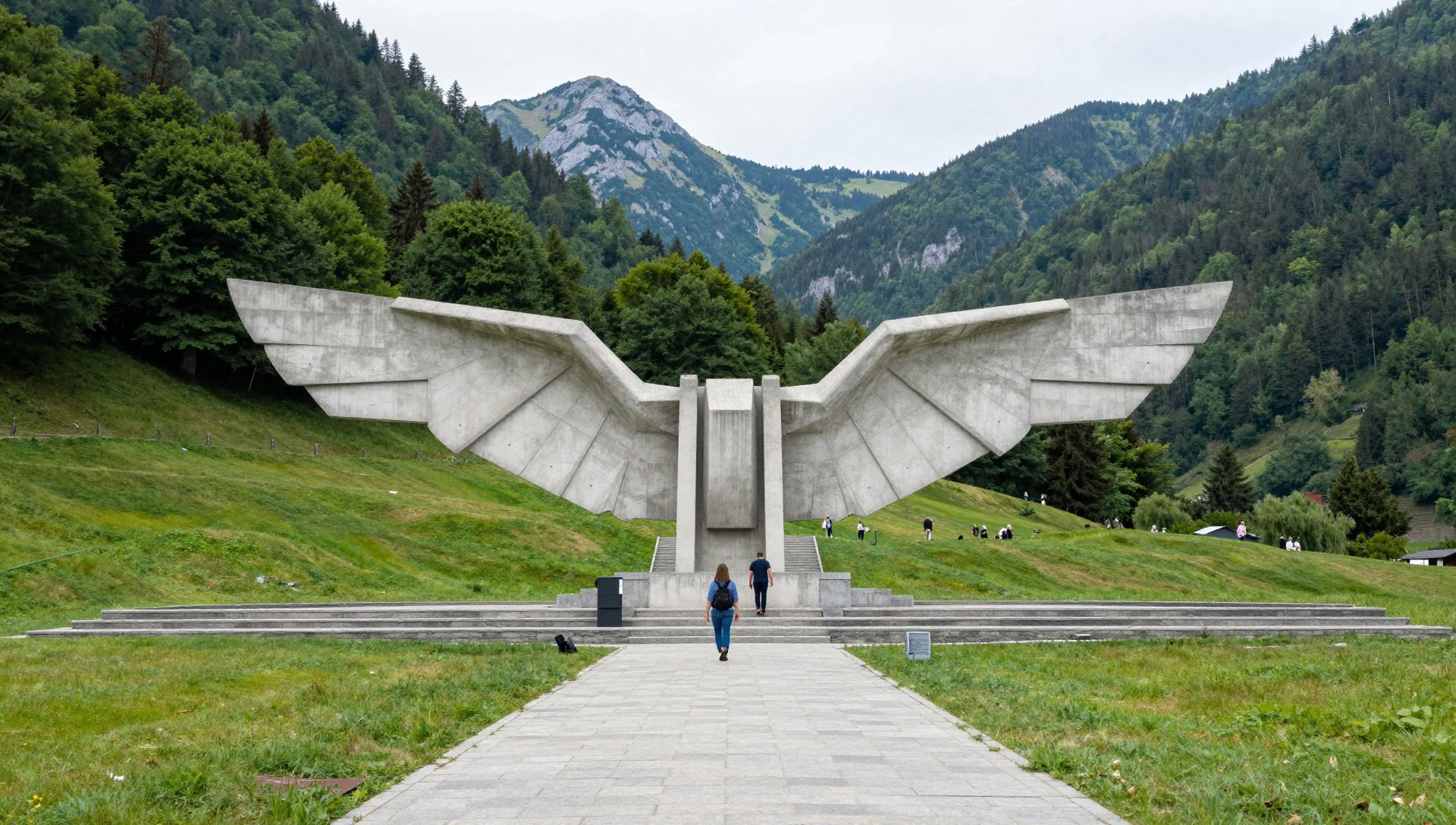
- Sutjeska river valley — Sutjeska valley
The Sutjeska River valley gives a different texture to the park: a moving landscape where water shapes travel routes and walking paths. It’s a good area for settling into the soundscape of the gorge and making the day feel practical between higher climbs.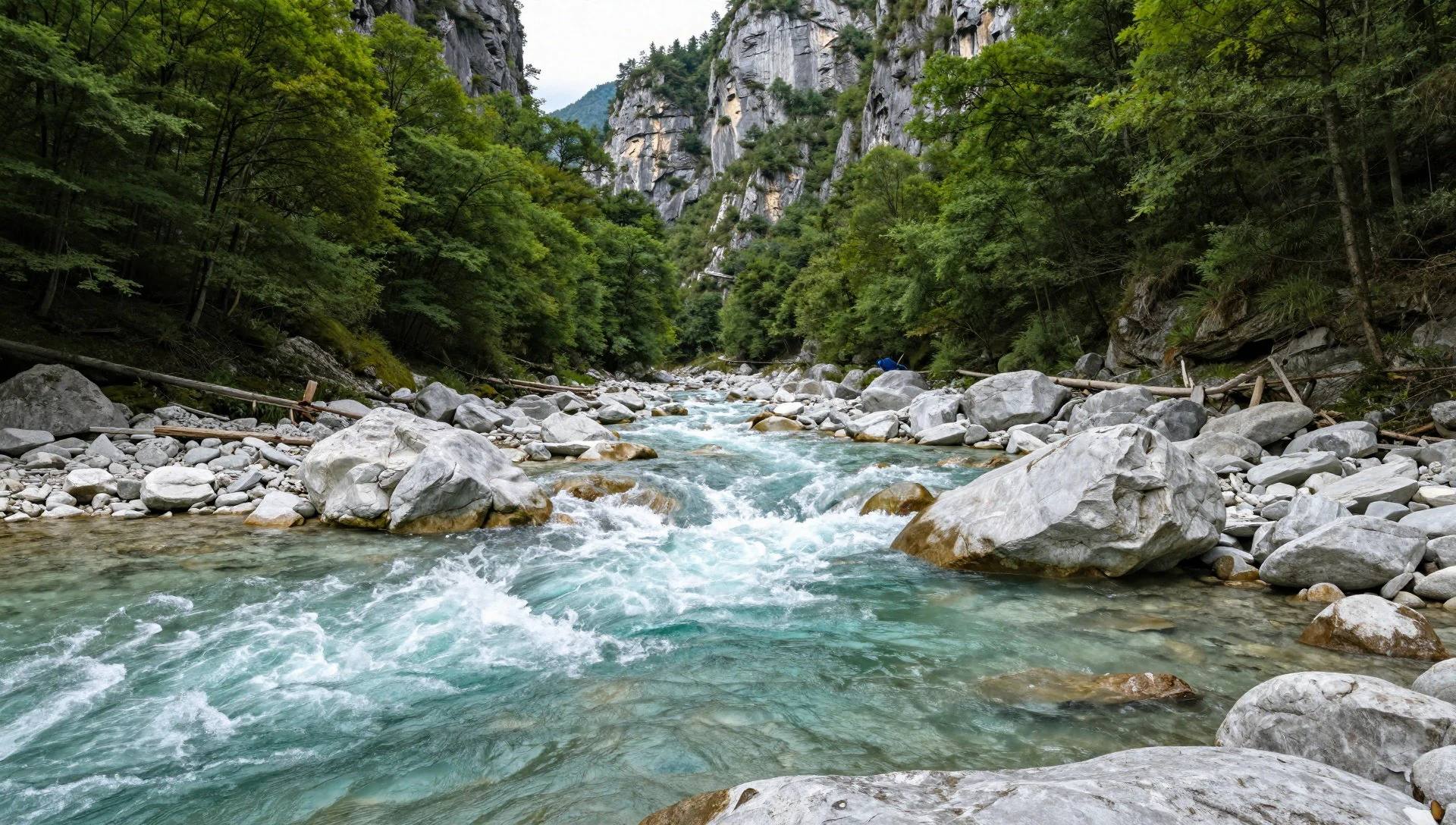
- Rafting near the Tara and Piva meeting area (Eden area) — Drina (Tara–Piva meeting) area
For an active day outside the strictest walking zones, camps such as the Eden rafting base run trips on the Tara. The focus is on guided rafting experiences (with licensed skippers) rather than technical instruction, and it’s often paired with full-board stays.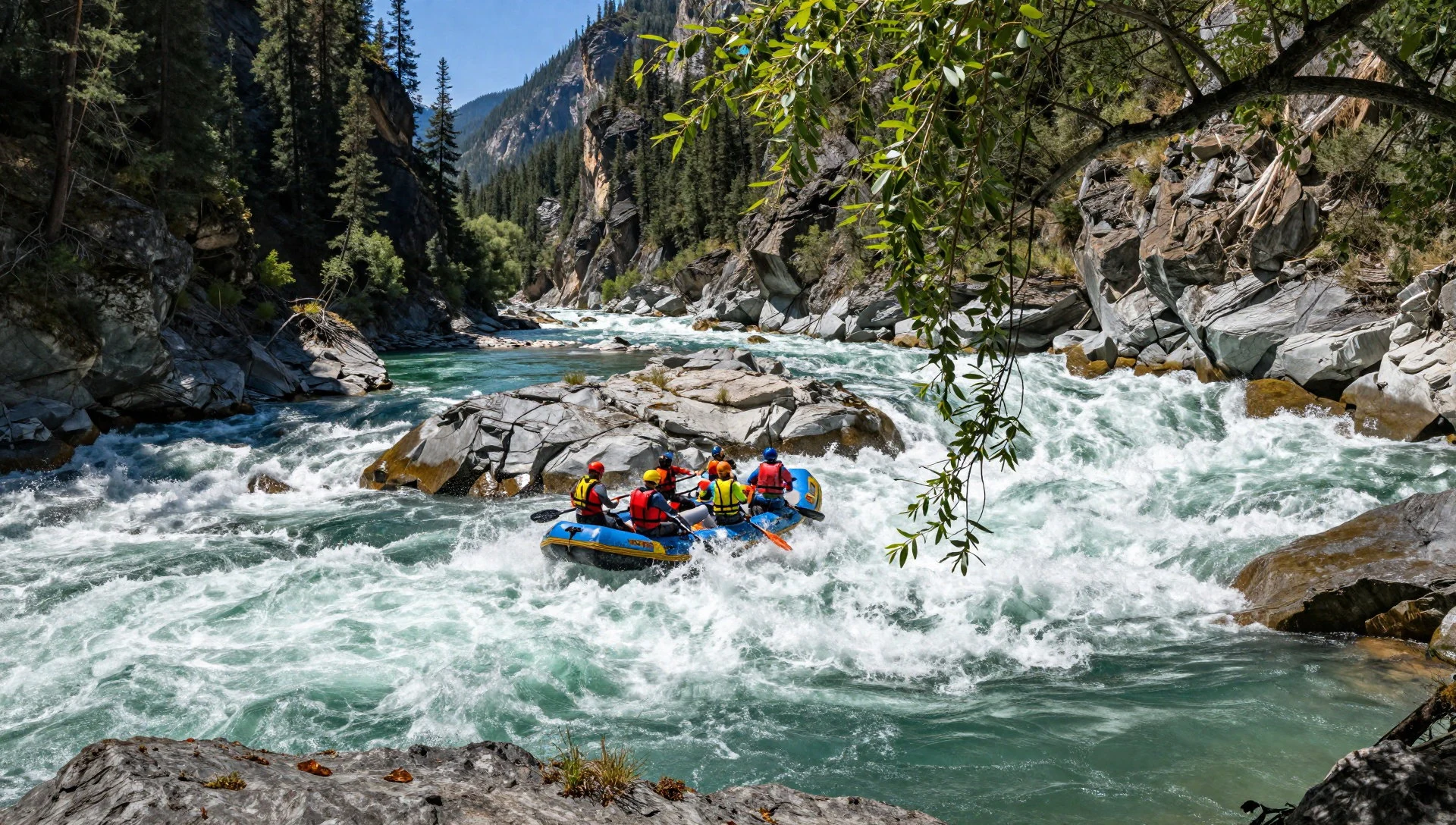
Culture
Sutjeska National Park isn’t just “nature”; it’s also a commemorative landscape. The Battle of the Sutjeska is remembered around Tjentište, and that history changes how people move through the park. Visitors tend to pause more, read memorial materials carefully, and treat the area as a respectful stop rather than a quick photo moment. The presence of the Perućica strict reserve also reinforces a conservation mindset: the park is protected for scientific and educational purposes, so behaviour that keeps paths intact and wildlife undisturbed matters.
Practical cultural habits are simple but important. If someone is visiting memorial areas, keep voices low and avoid loud group chatter. When walking in forest zones, stick to marked routes where they exist, and take care with litter—river valleys and strict reserves don’t tolerate casual mess. In summer, heat builds fast outside shade; in that moment, pacing becomes part of good manners: don’t rush through narrow sections or block viewpoints.
The most respectful way to experience Sutjeska is to treat it like both a living habitat and a living remembrance site.
Respect memorial spaces by keeping your voice down and stepping aside for others to read.
What to wear
In Sutjeska National Park, clothing is mostly about weather, ground and modesty at any memorial or village access points. Traditional dress isn’t the main visitor-facing norm in the park itself, but the region’s everyday practicality is: people dress for hills and changing conditions.
For what people wear now, expect hikers and families in breathable layers—t-shirts or light tops with quick-dry trousers or shorts, plus a warm layer for higher elevations and evenings. Many visitors wear caps or sun protection during clear spells, and they swap to warmer gear when clouds roll in over the peaks.
A visitor’s wardrobe should be built for mixed terrain: sturdy walking shoes with grip (the park is made for trekking, not slick sandals), socks that won’t slip down on steep sections, and a waterproof layer for sudden rain. If visiting memorial areas at Tjentište, keeping shoulders covered can feel more appropriate, especially if the site rules or local expectations encourage it. Carry a small daypack for water and a light first-aid kit; even in seasons that look comfortable at the start, mountain weather can shift during the day.
What to eat
- Mountain-style grilled meat and bread — Foča-area restaurants and roadside eaters
Look for simple grilled options and fresh bread at local village eateries around Foča and along the access roads. It’s an easy, filling choice after a long walk, especially when the day turns cooler in the mountains.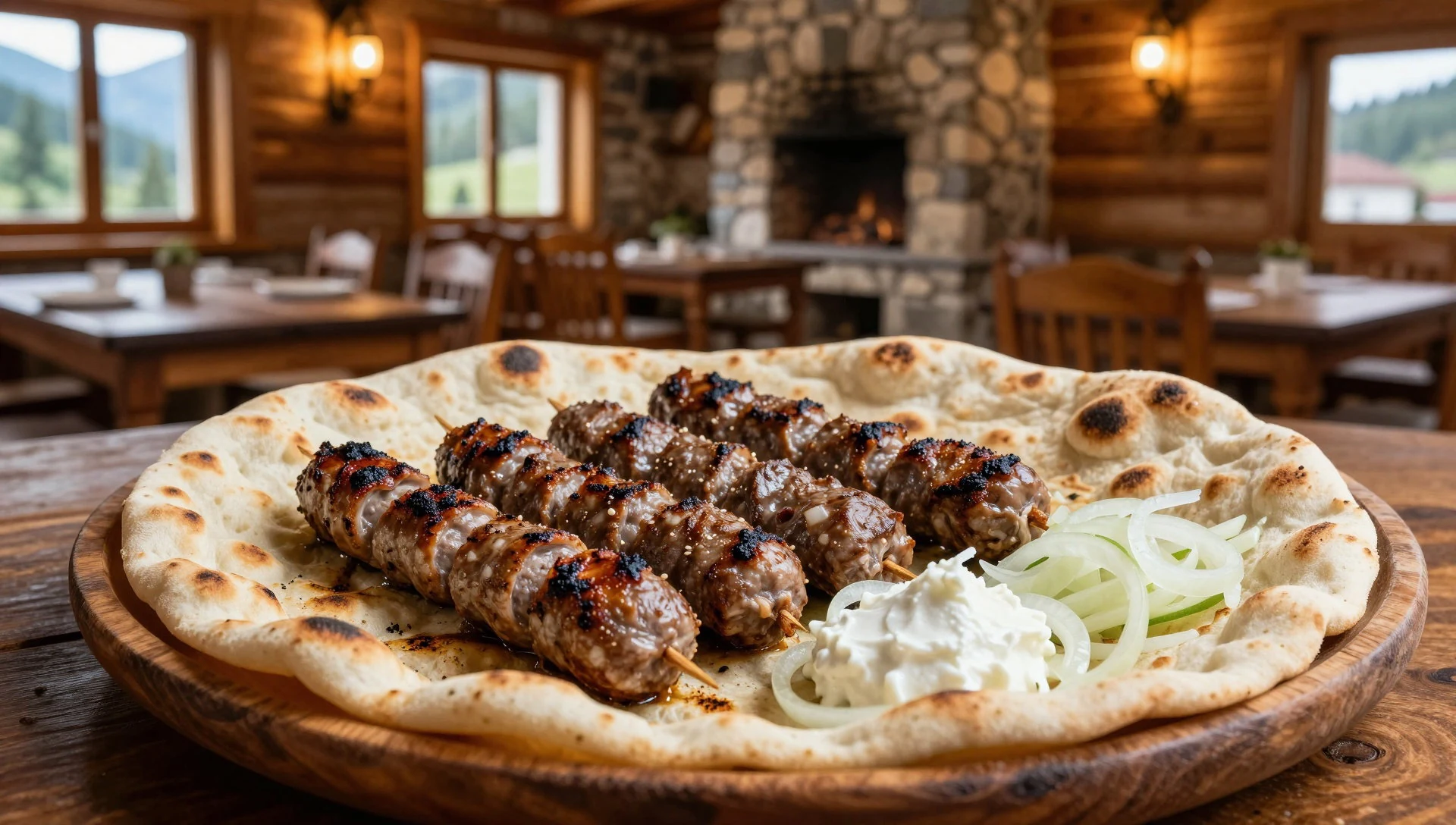
- Local soups and stews — Family-run restaurants in Foča
Warm, slow-cooked soups and stews are common in mountain regions, often served in the evening at small restaurants. They’re a good reset after cold mornings near forest trails and give comfort without needing anything fancy.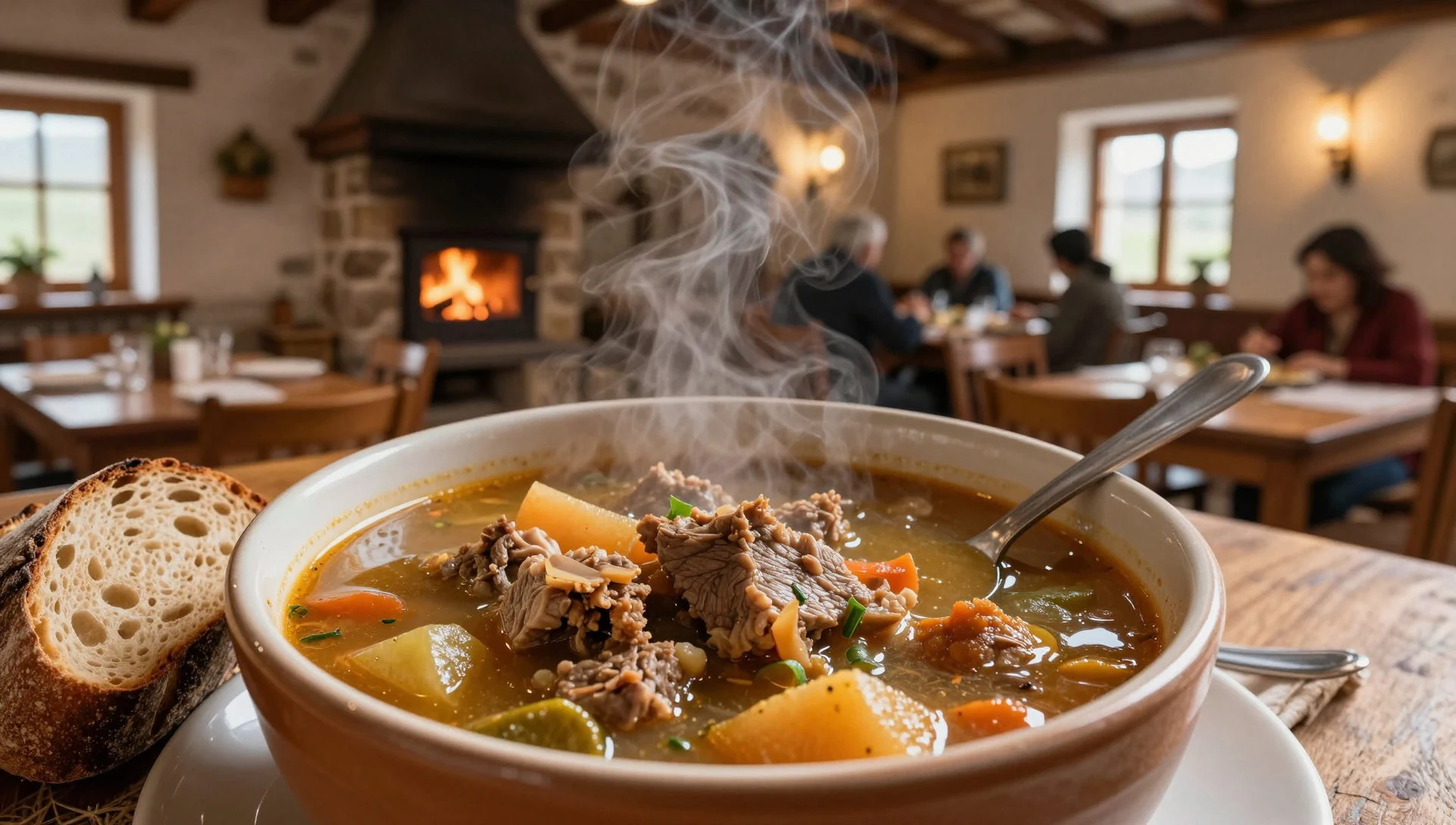
- Seasonal salads and pickles — Local eateries around Foča
Expect straightforward salads—often tomatoes, cucumbers, peppers—plus pickles and preserves that cut through richer grilled food. It’s a reliable side order at most casual meal stops. - Bosnian-style pastries (burek/gibanic-type) — Bakeries and snack counters in Foča
Grab-and-go pastries are a practical breakfast or snack between trails. Find them in the mornings at local bakeries or stalls where travellers stop for quick coffee and something filling before hiking. - Drinks from local cafés — Cafés in Foča and nearby settlements
Mountain trips are easier with regular refuelling. Local cafés around the base towns serve coffee and non-alcoholic drinks, making them useful checkpoints before heading back to trailheads.
Plan it
Best time. May–August for the warmest hiking conditions, with July the warmest month (about 40°C high). June is the wettest period (about 100 mm rain), while January is the coldest (down to about -24°C). The park can be more challenging in summer heat, especially on exposed mountain sections.
How long. 3–4
Getting there. Fly to Sarajevo, then travel by road to Foča and continue by car/taxi to the main park access points.
Budget. mid
Tips
- Start hikes early to make the most of cooler hours and calmer trail conditions.
- Use Foča as a practical base for arranging transport and meals before heading into the park.
- Build in time for memorial stops at Tjentište rather than rushing past them.
- If planning Perućica walks, give the forest time—enough daylight matters more than distance.
- Bring cash for small purchases in rural areas, even if some places take card.
Etiquette
- Stay on marked paths in forest and reserve zones to protect habitat.
- Keep noise down near memorial areas and pause for others reading information.
- Don’t litter in river valleys—pack out whatever can’t be easily put in bins.
Nearby
Sources
- Wikidata Q1262800 (CC0)
- Wikipedia (CC BY-SA 4.0)
- Wikivoyage (CC BY-SA 4.0)